Selecting the appropriate projector and screen can significantly enhance the home theater experience, ensuring that movie nights and gaming sessions become truly immersive. This guide outlines the essential factors to consider, such as resolution, brightness, and connectivity options, to assist you in making an informed decision. Additionally, it examines the various types of projectors and screens available, including LCD and DLP, and offers top recommendations for 2025. Prepare to elevate your viewing experience to new heights.
Table of Contents
Key Takeaways:
- When choosing a projector for your home theater in 2025, consider resolution, brightness, and contrast for optimal picture quality.
- The screen size and viewing distance should also be taken into account for an immersive viewing experience.
- It is important to consider the type of projector, such as LCD, DLP, or LED, and whether a fixed or portable screen is more suitable for your space and needs.
Understanding the Basics
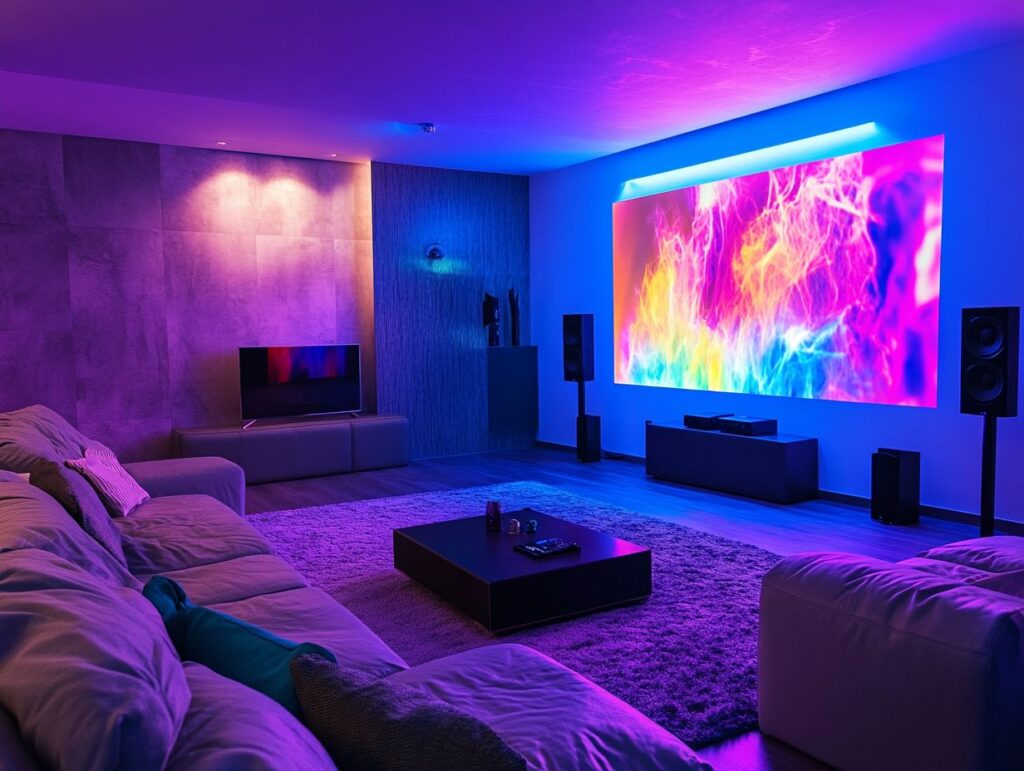
A comprehensive understanding of the fundamentals of projectors is essential for establishing a home theater that provides an exceptional cinematic experience. Projectors are available in various types, each presenting distinct features that influence image quality, brightness, and overall performance.
Whether one is contemplating the most suitable projectors for a dedicated theater room or a portable option for casual film viewing, it is imperative to assess factors such as resolution, light output, and price range to make an informed decision. The recent publication on LinkedIn explores various projector technologies, offering a detailed comparison that can be invaluable for making the right choice.
Familiarity with the specifications of different projectors will enable individuals to select the appropriate model for their viewing environment, thereby ensuring a superior movie experience for family and friends.
Factors to Consider When Choosing a Projector
When selecting a projector, it is essential to consider several critical factors to ensure it aligns with your needs and delivers an immersive cinematic experience.
Key elements, including resolution, brightness, and contrast ratio, significantly influence the projector’s performance and image quality. A thorough understanding of these factors will enable you to effectively evaluate user reviews and product recommendations, thereby instilling confidence in your selection of the most suitable projector for your specific viewing environment.
Furthermore, a comprehensive setup guide can facilitate the installation process and enhance your overall movie-watching experience.
Resolution, Brightness, and Contrast
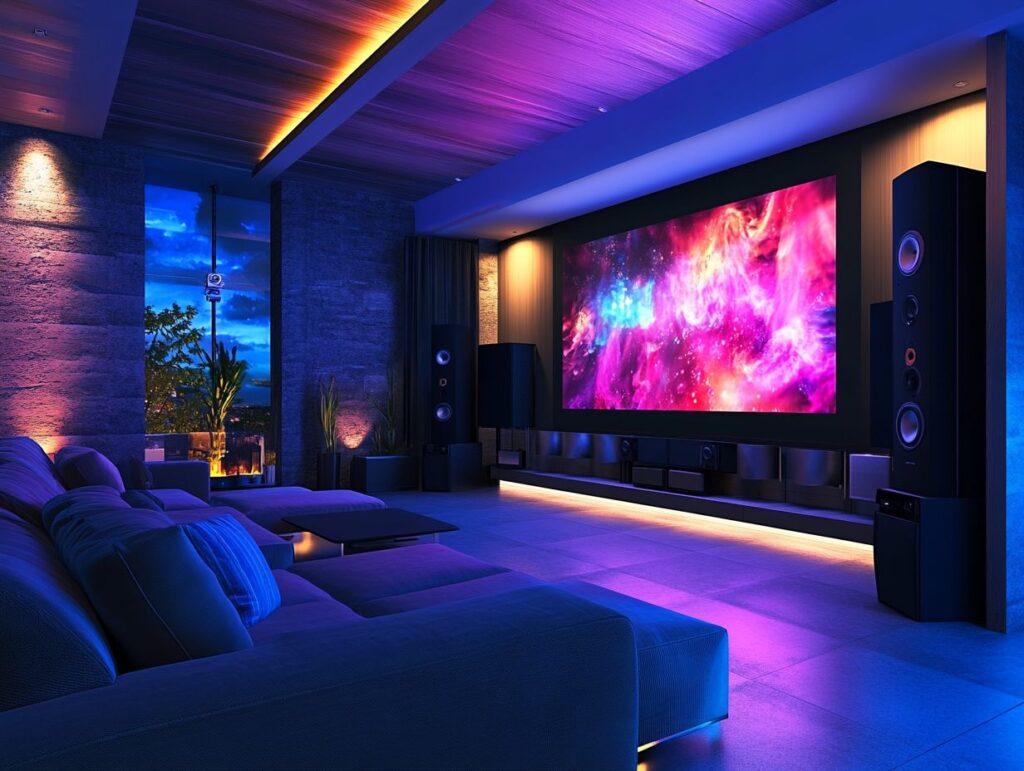
Resolution, brightness, and contrast are fundamental factors in projector performance that significantly affect image quality and the overall viewing experience. A higher resolution, such as 4K, ensures that the image is sharp and detailed, while sufficient brightness, typically measured in lumens, is essential for maintaining picture clarity across various viewing environments.
The contrast ratio, which indicates the difference between the darkest and brightest portions of the image, enhances visual depth and color accuracy, making High Dynamic Range (HDR) support an appealing feature for those pursuing cinematic excellence. According to Best Buy’s Projector Buying Guide, these elements collaborate to produce impressive visuals that engage audiences effectively.
For example, a 4K projector with a brightness of 3000 lumens, such as the Epson Home Cinema 5050UB, is well-suited for both dark and moderately lit environments, offering vibrant colors and sharp details. In contrast, a lower resolution projector with a contrast ratio of 1000:1 may struggle in bright conditions, resulting in washed-out images. Furthermore, projectors like the BenQ HT3550, which features 4K resolution and HDR support, exemplify how high contrast ratios can significantly enhance color richness, facilitating a more immersive viewing experience that captures the subtleties of every scene.
Screen Size and Viewing Distance
The relationship between screen size and viewing distance is critical when configuring a projector to achieve an optimal viewing experience. Proper projection distance is essential in ensuring that the image remains sharp and well-defined, thereby facilitating a comfortable viewing environment in a theater room or home setup.
For example, projecting a 100-inch image may necessitate specific distances based on the projector’s specifications, which can significantly influence the overall cinematic experience. According to What Hi-Fi, calculating the appropriate viewing distance can greatly enhance the visual quality, ensuring images are clear and vibrant.
Homeowners should be mindful that different types of projectors, such as LCD or DLP, present varying requirements regarding optimal distances. Generally, a distance of 1.5 to 2.5 times the screen diagonal is recommended for standard projection setups. For users of short-throw projectors, closer distances can provide impressive screen sizes without compromising clarity.
To further enhance the viewing experience, employing adjustable projector mounts can assist in achieving the desired height and angle. Additionally, minimizing ambient light by darkening the room or utilizing blackout curtains can substantially improve the viewing experience, ensuring that the projector’s colors and contrasts are rendered with optimal vibrancy.
Connectivity and Compatibility
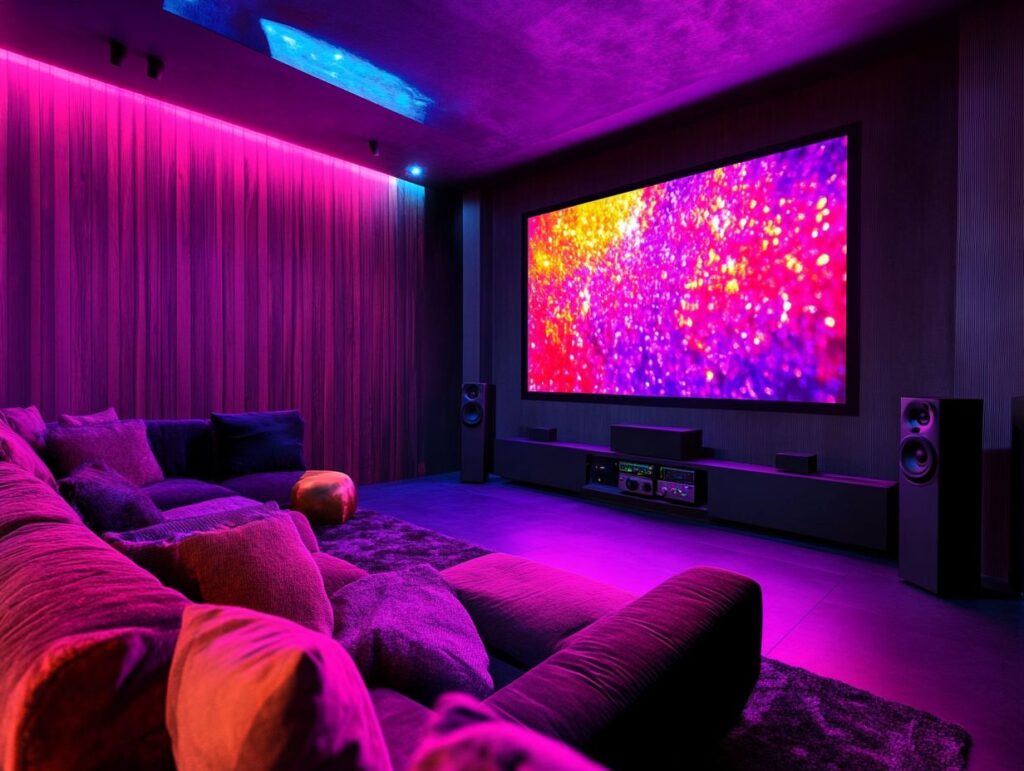
Connectivity and compatibility are essential factors to consider when selecting a projector, as these elements significantly influence ease of use and versatility in various environments. A projector equipped with multiple HDMI ports and wireless connectivity options can integrate effortlessly with gaming consoles and streaming services, thereby expanding its functionality in home theaters and entertainment setups.
Features commonly found in smart projectors enhance the viewing experience by offering direct access to online content, thus eliminating the need for additional devices.
When assessing wired versus wireless connectivity options, it is important to weigh the advantages of stable, high-quality connections against the flexibility that wireless technology affords. Wired connections, such as HDMI and VGA, typically deliver superior performance, ensuring minimal lag and high-resolution output—crucial for detailed presentations or fast-paced gaming.
Conversely, wireless solutions, including Wi-Fi and Bluetooth, provide convenience by allowing users to connect smartphones, tablets, and laptops without the encumbrance of cables. Compatibility with various operating systems, such as Android, iOS, Windows, or macOS, greatly enhances the projector’s usability, accommodating a wide range of user preferences and significantly boosting overall functionality in home setups.
Types of Projectors and Screens
Understanding the various types of projectors and screens is essential for achieving an optimal viewing experience that meets specific requirements. Projectors can be classified into several technologies, including LCD, DLP, and LED, each of which presents unique advantages concerning image quality and performance.
Furthermore, the selection between fixed and portable screens influences the ease with which one can configure the projector for different viewing situations, ranging from home theaters to outdoor movie nights. Additionally, short-throw projectors enable the projection of larger images in limited spaces, making them a highly suitable choice for smaller rooms.
Comparing LCD, DLP, and LED
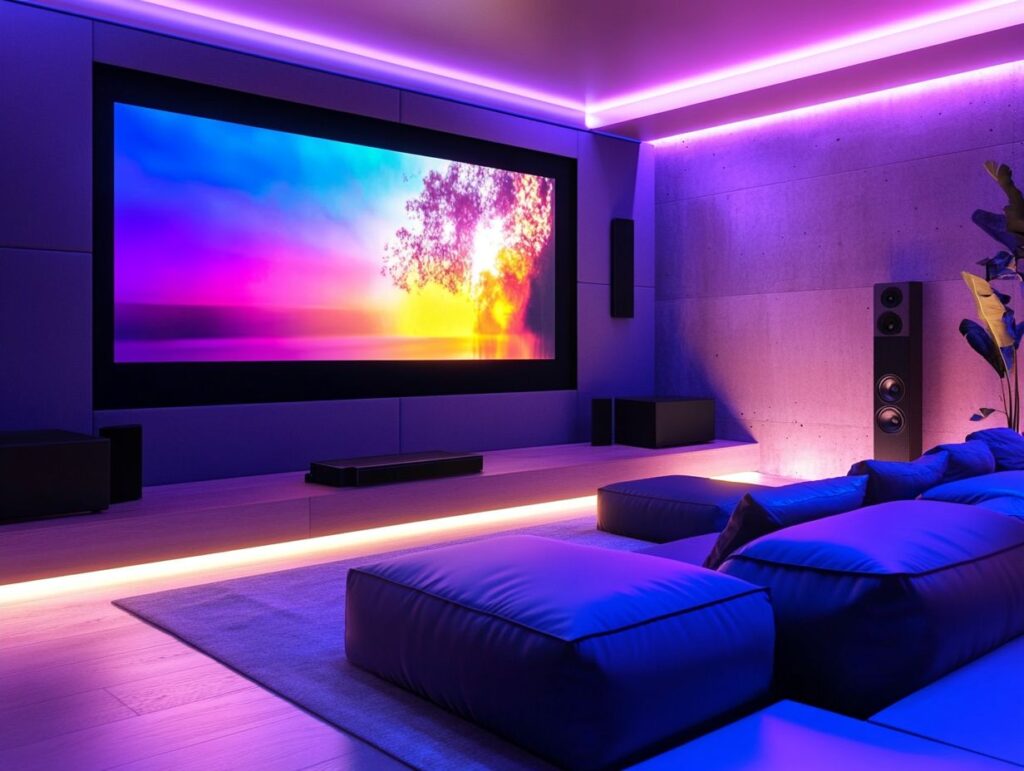
When comparing LCD, DLP, and LED projectors, it is crucial to assess their distinct characteristics, particularly concerning image quality and brightness.
LCD projectors are recognized for their exceptional color accuracy and brightness levels, making them suitable for a variety of settings. In contrast, DLP projectors typically offer superior contrast and sharper images, which contribute to their popularity among home theater enthusiasts.
Conversely, LED projectors are valued for their energy efficiency and longevity, appealing to consumers who prioritize low maintenance and operational costs.
Understanding these differences enables users to make informed decisions based on their specific requirements. For example, LCD projectors excel in well-lit environments, rendering them ideal for educational applications and bright conference rooms.
DLP projectors, known for their vibrant color reproduction, are often preferred for cinematic experiences and immersive gaming. Although LED projectors may be slightly less bright than their counterparts, they are well-suited for portable use and outdoor movie screenings due to their compact design and reduced energy consumption.
User reviews consistently emphasize the longevity of LED projectors, while DLP proponents commend the stunning depth of images rendered during movie screenings. Ultimately, the selection of the appropriate projector depends on the intended application and individual preferences.
Choosing Between Fixed and Portable Screens
Selecting between fixed and portable screens represents a crucial decision that can significantly impact the overall functionality and convenience of your projector setup. Fixed screens typically provide a more permanent solution for dedicated home theater environments, offering superior image quality and tension that contribute to an optimal viewing experience.
Conversely, portable screens provide flexibility and ease of setup, making them particularly suitable for movie nights or presentations across various locations. Understanding the advantages and disadvantages of each option is essential for selecting the appropriate screen to meet your specific requirements.
An evaluation of these options demonstrates that fixed screens excel in delivering a seamless and immersive viewing experience, often utilizing materials that enhance contrast and color accuracy. In contrast, portable screens are designed for individuals who frequently change their viewing environment, enabling quick assembly and disassembly.
When choosing fixed screens, it is vital to ensure proper installation, which often necessitates wall mounts or ceiling brackets. In comparison, portable screens typically require only a flat surface or stand for setup.
Regular maintenance, including cleaning with suitable materials, is essential for ensuring longevity, while fine-tuning the image through calibration can significantly enhance the visual output for both screen types.
Top Projectors and Screens for Home Theater in 2025
As we approach 2025, several projectors and screens emerge as premier choices for home theater enthusiasts seeking an exceptional cinematic experience.
Models such as the Epson Home Cinema and Hisense C2 Ultra are consistently recognized for their outstanding image quality and advanced features, positioning them as leading contenders in the market.
Furthermore, options like the XGIMI and BenQ HT2060 provide excellent value for budget-conscious consumers without compromising on performance.
By carefully reviewing the latest models and comprehensively understanding their specifications, consumers are give the power toed to make informed decisions regarding their home theater setups.
Reviews and Recommendations
User reviews and product recommendations are essential in identifying the most suitable projectors that can enhance the cinematic experience in a home setting. Analyzing consumer feedback on various models enables prospective buyers to assess critical performance aspects such as image quality, brightness levels, and sound system compatibility.
Recommendations from industry experts provide additional guidance, ensuring that individuals make informed investments in projectors that align with their specific needs and preferences for an optimal home theater setup.
Along with fundamental features, many users emphasize how certain projectors perform exceptionally well in specific environments, whether in well-lit rooms or darker home theaters. For example, some models receive accolades for their outstanding contrast ratios and color accuracy, making them ideal for film enthusiasts. Conversely, other models may excel in portability and ease of setup, catering to those who prioritize flexibility.
Furthermore, sound system integration is increasingly recognized as a significant consideration, with many users seeking projectors that can effortlessly connect to their audio devices. This capability ultimately enriches the overall movie-watching experience, effectively bringing the vibrant world of cinema into the living room.