When enhancing the home entertainment experience, the decision between a projector and a television can be quite daunting. Each option presents distinct features, ranging from picture quality to sound performance, which can significantly influence the overall viewing experience. This comparison delineates the critical factors to consider, including resolution, color accuracy, ease of installation, and cost. Whether one is a movie enthusiast or a gamer, this analysis will assist in determining which technology is most suitable for individual needs and living environments.
Table of Contents
Key Takeaways:
- Projectors offer a larger and more immersive viewing experience, while TVs provide better picture quality and are more convenient for smaller rooms with controlled lighting.
- Consider the cost, maintenance, and versatility of each option when making a decision. Projectors may have a higher initial cost and require more maintenance, but they offer more flexibility in terms of screen size and placement.
- While TVs generally have better sound quality with built-in speakers, projectors can be paired with external audio systems for a more cinematic experience.
Explanation of Technology and Functionality
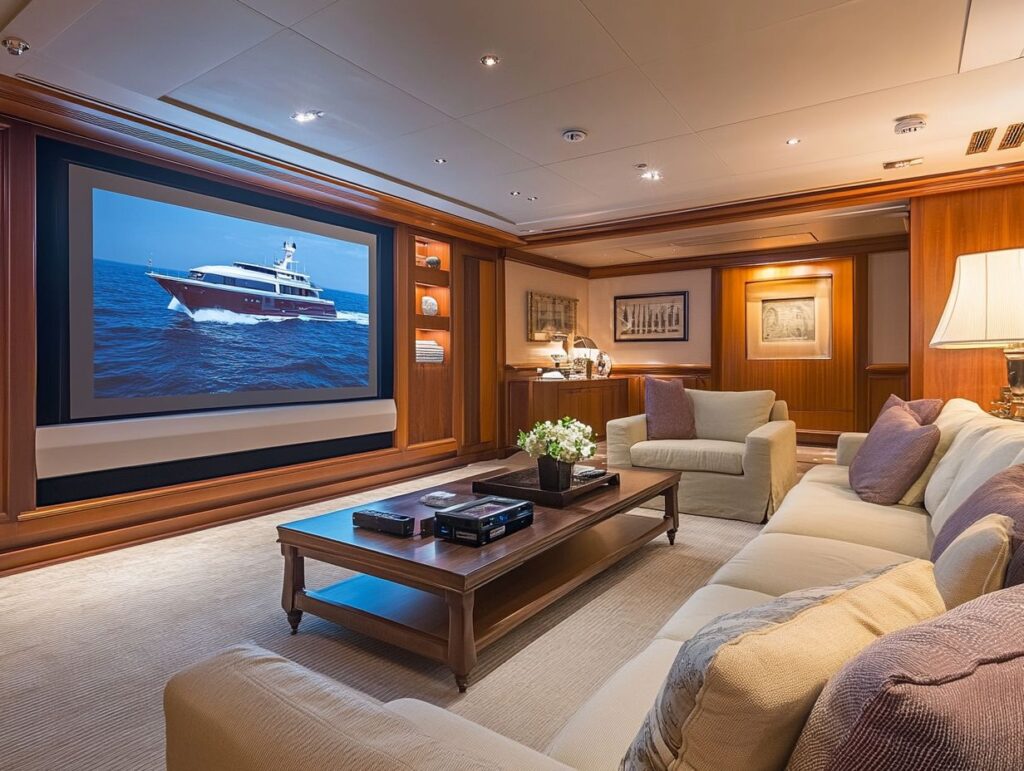
Understanding the technology and functionality of televisions and projectors is essential for consumers seeking to make informed decisions regarding their home entertainment systems.
Recent advancements in technology have led to the incorporation of HDR (High Dynamic Range) capabilities in modern televisions, which enhance the contrast between light and dark areas, resulting in a more lifelike image. According to Wikipedia, HDR technology significantly improves the dynamic range and color accuracy of televisions.
Conversely, projectors utilize DLP (Digital Light Processing) or LCD (Liquid Crystal Display) technologies, each offering distinct advantages in color accuracy and brightness levels.
The installation processes for these devices differ significantly; televisions can typically be mounted on walls or placed on stands with relative ease, while projectors necessitate careful consideration of screen distance, lens offset, and calibration settings to optimize image quality.
Setting up a home theater system requires a thorough assessment of sound systems, room acoustics, and lighting to create an optimal viewing experience that effectively complements the selected display method.
Comparing Picture Quality
In the comparison of picture quality between televisions and projectors, several critical factors require evaluation, including resolution, color accuracy, and contrast ratio, all of which significantly influence the overall viewing experience.
Televisions, especially those utilizing OLED technology, are renowned for their outstanding color reproduction and high dynamic range (HDR) capabilities. The U.S. Department of Energy provides an insightful overview of OLED technology basics, which highlights its effectiveness in delivering superior color and brightness. In contrast, projectors are engineered to produce large display images that can enhance the cinematic experience; however, they may encounter challenges related to brightness and color accuracy.
Resolution, Color Accuracy, and Contrast
Resolution, color accuracy, and contrast are critical attributes that define image quality in both televisions and projectors, significantly influencing the overall visual experience. High-resolution displays, such as 4K TVs, provide sharp and clear images, while projectors can offer immersive large-display visuals; however, they may struggle to achieve the same levels of color accuracy and contrast as those found in OLED TVs.
The distinction between display technologies reveals a complex interplay among these attributes. For example, OLED TVs excel in contrast, delivering deep blacks and vibrant colors due to their self-illuminating pixels. Conversely, many projectors, particularly entry-level models, often utilize lamps that may not achieve the same depth of color, especially in brightly lit environments.
While 4K resolution is impressive due to its detail, not all projectors can natively support this standard, leading to a diminished overall clarity. Therefore, consumers must carefully consider these factors—resolution, color accuracy, and contrast—when making a decision between a high-end television and a projector for their home cinema setup.
Factors to Consider When Choosing Between a Projector or TV
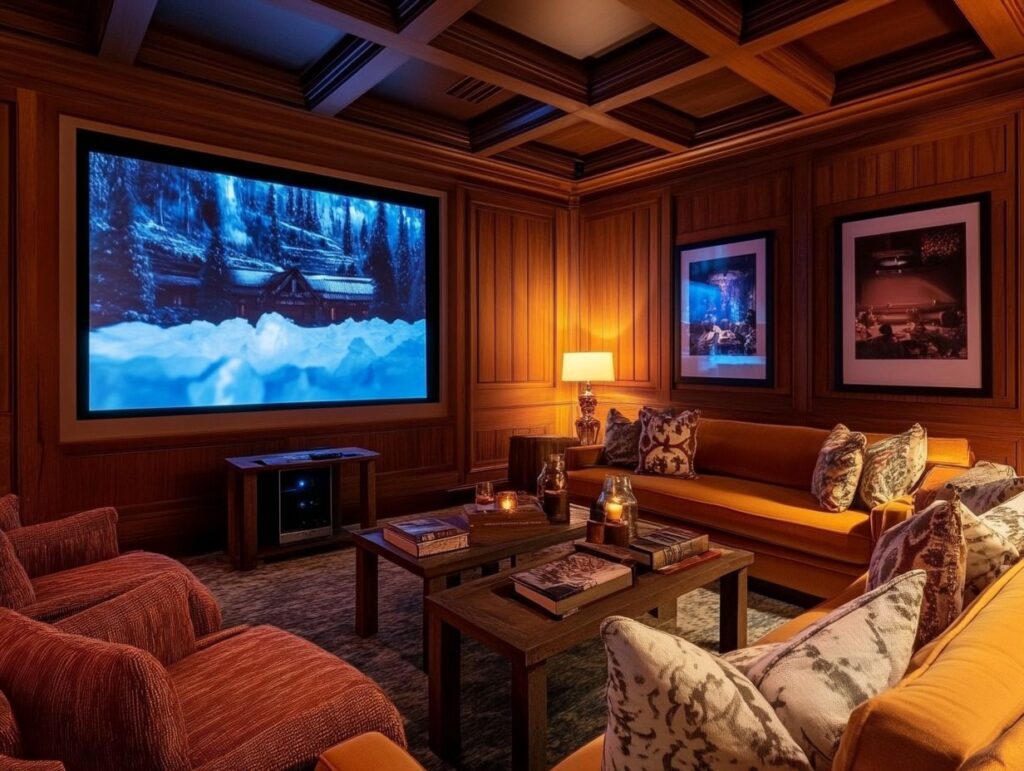
When evaluating the decision to invest in either a projector or a television, consumers should take into account several critical factors that impact their home theater experience.
These factors include image quality, screen size, and budget considerations.
Projectors offer the advantage of large display options that are well-suited for immersive cinematic experiences. Conversely, televisions, especially high-definition OLED models, provide exceptional image clarity and performance across various lighting conditions.
Moreover, installation requirements and the flexibility to adapt to different environments are also significant elements in the decision-making process.
Room Size and Lighting
Room size and ambient light are critical factors that directly influence the performance of both projectors and televisions, ultimately affecting the overall viewing experience.
In larger rooms, projectors have the capability to create immersive images on a large screen; however, their effectiveness may decrease in bright environments due to limitations in image brightness and ambient light rejection. In such scenarios, televisions are often the more suitable option. For those interested in understanding this balance further, AVS Forum offers a detailed discussion on ambient light versus projector brightness.
When considering an appropriate setup, it is essential to evaluate the specific characteristics of the space. For example, darker rooms can significantly enhance projector performance by facilitating deeper blacks and richer colors, thereby creating a cinema-like experience.
Conversely, for individuals who frequently watch television during the day or in well-lit areas, a high-quality television with superior brightness and contrast levels will yield a more satisfying visual experience.
Understanding these dynamics and making informed decisions regarding screen size, distance, and even the type of screen material can greatly enhance overall enjoyment, regardless of the technology chosen.
Cost and Maintenance
Cost and maintenance are critical factors to consider when deciding between a projector and a television, as they can significantly influence your home entertainment budget. While projectors may appear to be a more economical option initially, expenses related to lamp replacement and general maintenance can accumulate over time, making high-quality televisions a more cost-effective solution in the long run.
Potential buyers should also account for the costs associated with a suitable screen and appropriate placement for projectors, which can further elevate the initial investment. In contrast, televisions typically incur fewer additional expenses, as they are ready for immediate use upon purchase.
Moreover, the electricity consumption of both options warrants consideration, as projectors may consume more power during extended viewing sessions. Additionally, hidden costs, such as installation fees for projectors or warranty extensions for televisions, should not be overlooked.
A comprehensive understanding of these financial implications will enable consumers to make informed decisions that align with their viewing preferences and budgetary constraints.
Flexibility and Versatility
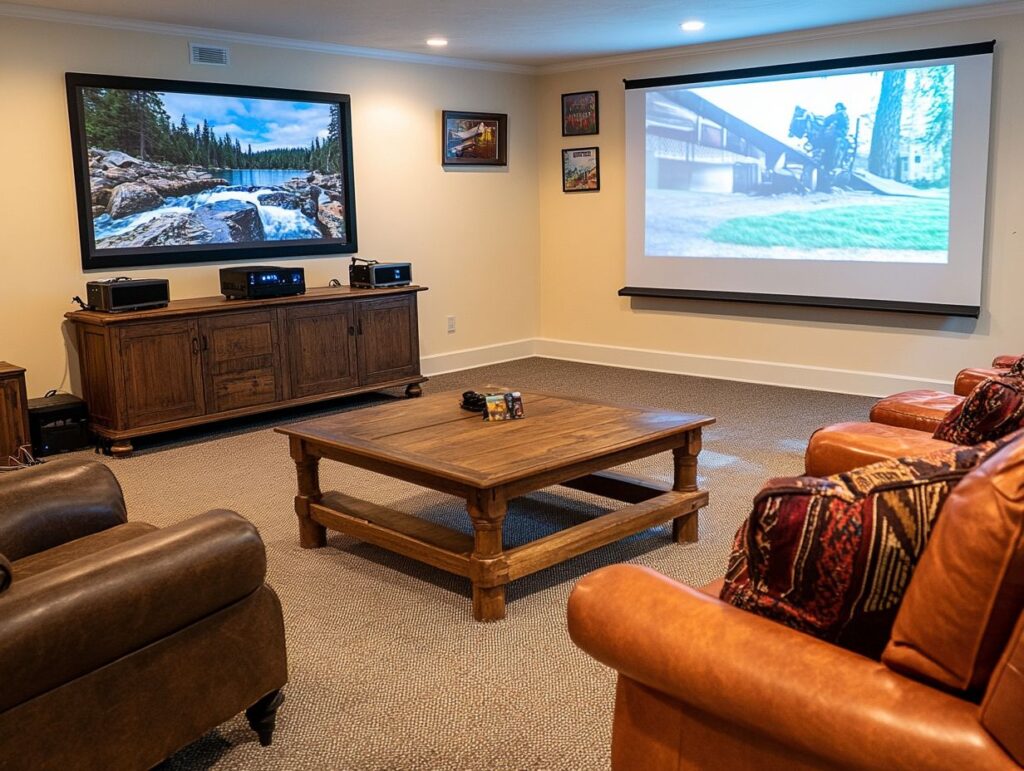
Flexibility and versatility are significant advantages when evaluating home entertainment systems, with projectors offering distinctive features suitable for various setups and viewing experiences. Projectors can be easily relocated or adjusted to accommodate different environments, whereas televisions often provide a more straightforward installation but may impose limitations on display size and placement options.
This adaptability enables users to curate a customized viewing experience, whether hosting a movie night in the backyard or transitioning between different rooms. Conversely, televisions typically deliver consistent picture quality, including vivid colors and high resolution, rendering them a reliable choice for individuals who prefer a hassle-free installation.
However, the screen size of televisions is generally fixed, and larger models can be quite costly, thereby restricting the dynamic viewing experience that projectors can offer. Ultimately, the decision between projectors and televisions depends on individual preferences, available space, and the desired ambiance of the entertainment experience.
Installation and Setup
Installation and setup are pivotal considerations when integrating a projector or television into a home theater system, as they significantly influence both the ease of use and the overall performance of the display technology.
Projector models often necessitate more intricate setups, which may include mounting and screen selection, whereas television models generally provide straightforward installation processes that can be accomplished with minimal tools and effort.
Ease of Installation and Setup Process
The ease of the installation and setup process can significantly impact the decision between selecting a projector or a television. Projectors often require more careful planning and adjustments compared to modern televisions, which can typically be set up quickly and with minimal effort.
In contrast, projectors may necessitate complex installations, including proper mounting and calibration to achieve optimal image quality under varying ambient light conditions.
This complexity may discourage some users, particularly those who prefer a hassle-free experience. The setup procedure for a television generally involves straightforward steps, such as:
- Plugging it in,
- Connecting to the internet,
- Tuning channels.
Conversely, projectors require careful consideration of the installation site, ensuring an appropriate distance from the screen, and often necessitating the use of a ceiling mount. Users must also be prepared to manage tasks such as adjusting lens focus and performing keystone correction to achieve a clear and satisfactory image.
These labor-intensive procedures may be a significant consideration for those who prioritize immediate enjoyment over meticulous preparation in their home theater setups.
Sound Quality
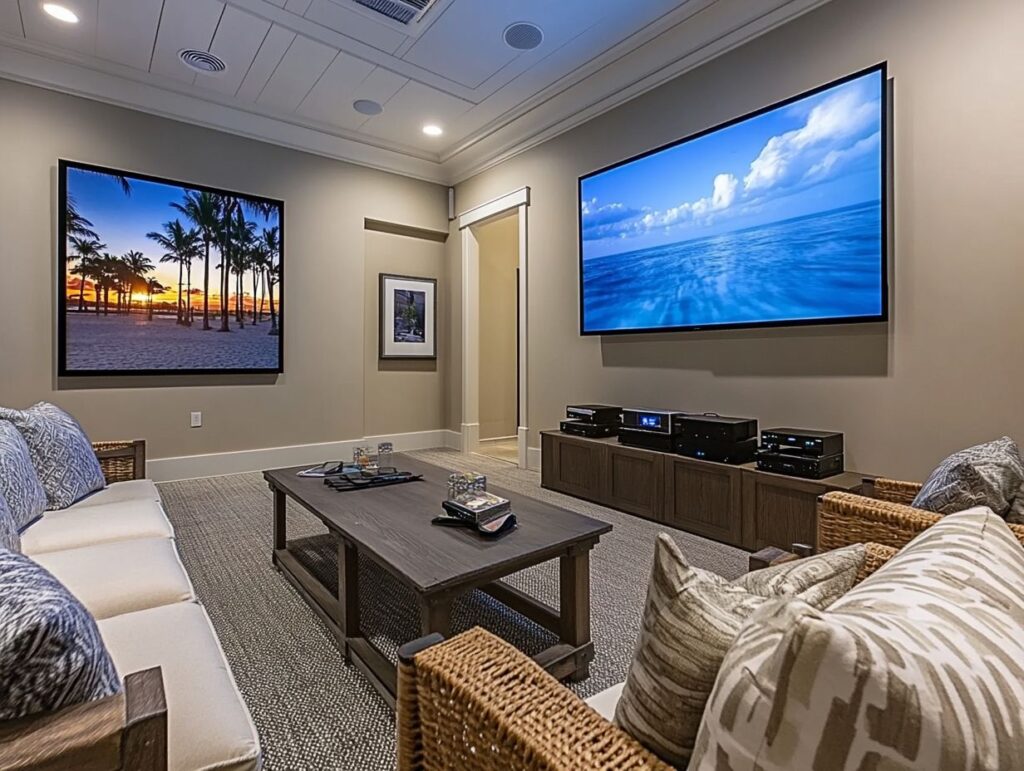
Sound quality plays a vital role in the home theater experience, significantly influencing overall satisfaction with both projectors and televisions.
Although many televisions are equipped with built-in speakers that deliver adequate sound, projectors generally necessitate an external audio system to achieve the high-quality sound reproduction that is consistent with their visual performance.
Built-in Speakers vs. External Audio Systems
When assessing sound quality, the decision between built-in speakers and external audio systems is crucial for the viewing experience of both televisions and projectors. While many televisions are equipped with integrated sound systems that can produce acceptable audio, projectors frequently do not provide adequate built-in audio quality, thereby necessitating the use of a dedicated external sound system to enhance the immersive experience.
This distinction can significantly influence how viewers perceive the overall cinematic experience within their homes. Built-in speakers, while convenient, often fail to deliver high-fidelity sound, particularly during intricate auditory scenes that involve dramatic soundtracks or nuanced dialogue.
In contrast, an external audio system—whether it be a soundbar, a surround sound configuration, or a high-quality speaker ensemble—can transform the viewing experience by providing enhanced depth and clarity to the audio output.
As home cinema enthusiasts consider their options, it is essential for them to evaluate the benefits of seamless integration and space-saving designs against the superior, immersive audio typically offered by external systems, ultimately enriching their movie nights and gaming sessions.
Pros and Cons of Projectors and TVs
Understanding the advantages and disadvantages of projectors and televisions is crucial for consumers aiming to make informed decisions regarding their home entertainment preferences.
Projectors provide the benefit of large screen sizes and a more immersive cinematic experience; however, they often necessitate complex installations and may perform poorly in brightly lit environments.
Conversely, televisions generally offer superior image quality and simpler setups, yet they may not achieve the same level of grandeur as a projector’s display within a dedicated home theater setting.
Advantages and Disadvantages of Each Option
Each option, whether projectors or televisions, presents its own distinct advantages and disadvantages that can significantly influence the viewing experience. Projectors are particularly effective in delivering large, immersive images that enhance cinematic experiences; however, they may struggle with brightness and color fidelity in well-lit environments. In contrast, televisions provide superior image quality and ease of setup, though they may be limited in size.
When assessing these two alternatives, it is essential to consider not only the dimensions of the viewing area but also the ambient lighting conditions and the type of content being consumed. Projectors can facilitate a theater-like atmosphere, making them ideal for movie nights or gaming sessions with friends. Conversely, recent advancements in television technology, such as OLED and QLED displays, offer remarkable visuals characterized by vibrant colors and deep contrasts.
The maintenance and longevity of each option are also crucial factors; projectors typically necessitate regular bulb replacements and maintenance, while televisions tend to be more straightforward and generally have a longer lifespan.
Ultimately, the decision will depend on individual preferences, specific viewing habits, and the intended utilization of the display.