Jujutsu is not merely a martial art; it represents a profound tradition rich in history and philosophy. Designed primarily for self-defense, its fundamental principles prioritize technique over brute strength, rendering it accessible to practitioners of all ages and sizes. This guide examines the origins of jujutsu, its essential concepts, and the numerous benefits it provides, both physically and mentally. Additionally, it addresses various styles, offers guidance on how to commence one’s journey in this discipline, and clarifies prevalent misconceptions associated with it. Whether one is considering an introduction to jujutsu or is simply interested in expanding their knowledge, this article delivers valuable insights into the realm of jujutsu.
Table of Contents
Key Takeaways:
- Jujutsu is an ancient martial art with a rich history and diverse origins, making it a unique and valuable practice for self-defense and personal growth.
- The core principles and techniques of jujutsu focus on using an opponent’s momentum and energy against them, making it a versatile and effective form of self-defense.
- In addition to physical benefits, practicing jujutsu can also improve mental strength, discipline, and confidence, making it a well-rounded form of martial art and self-improvement.
History and Origins
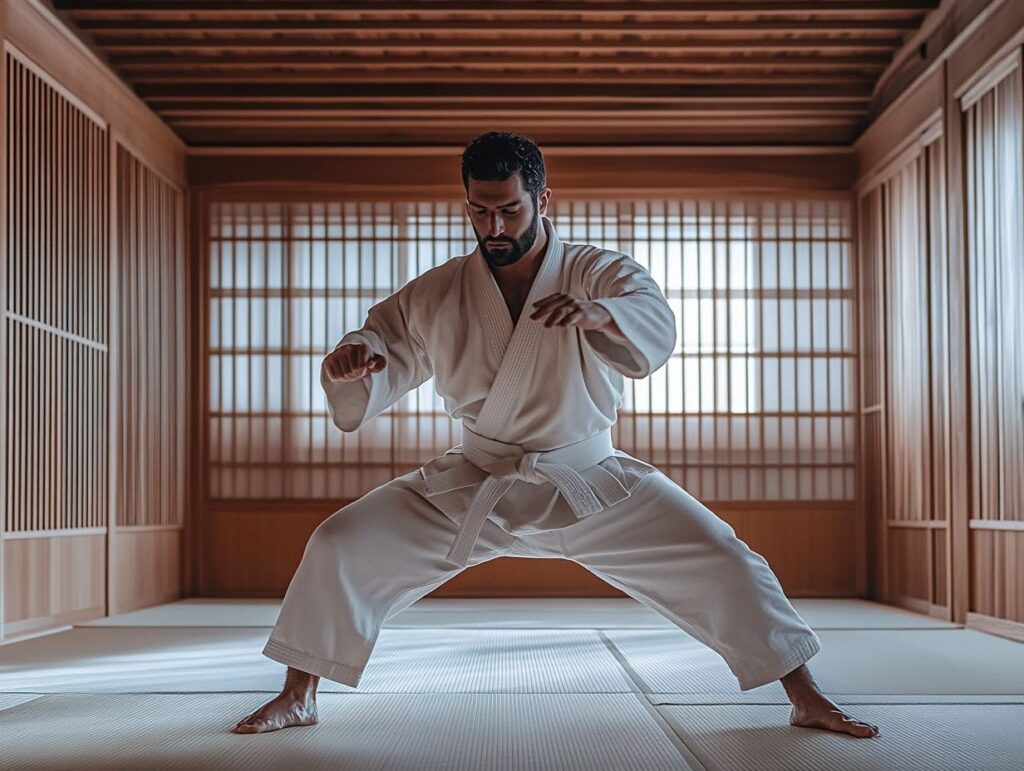
The history and origins of Jiu Jitsu can be traced back to ancient martial arts practiced by samurai warriors in Japan, where grappling techniques were developed for combat purposes. Over time, these techniques evolved and were introduced to Brazil, where the Gracie Family played a pivotal role in popularizing Brazilian Jiu Jitsu (BJJ). This evolution encompassed not only the adaptation of traditional techniques but also the introduction of new concepts that emphasized leverage and efficiency in ground fighting.
Significant figures, such as Mitsuyo Maeda, a Japanese martial artist who settled in Brazil, greatly influenced the adaptation and transformation of the foundational principles of Jiu Jitsu. Maeda shared his expertise with the Gracie Family, who subsequently refined these techniques to create a system tailored for self-defense and competition. This synthesis of cultural traditions not only demonstrated the effectiveness of grappling but also solidified the martial art’s cultural significance within Brazil.
Modern practitioners of BJJ can derive numerous benefits from its unique approach to self-discipline, physical fitness, and self-defense, underscoring the art’s ongoing evolution and universal appeal, as thoroughly examined by Inside the Games.
Basic Principles of Jujutsu
The fundamental principles of Jujutsu are anchored in the core values of discipline, respect, and humility. These values are essential for practitioners to internalize as they advance in this comprehensive martial art and cultivate essential self-defense skills.
They serve as a framework for personal development while simultaneously enhancing self-defense capabilities through a thorough understanding of grappling techniques. According to an insightful analysis on Medium, the philosophy of martial arts not only builds physical skills but also embodies wisdom and personal growth (explores Karl Antony).
Core Concepts and Techniques
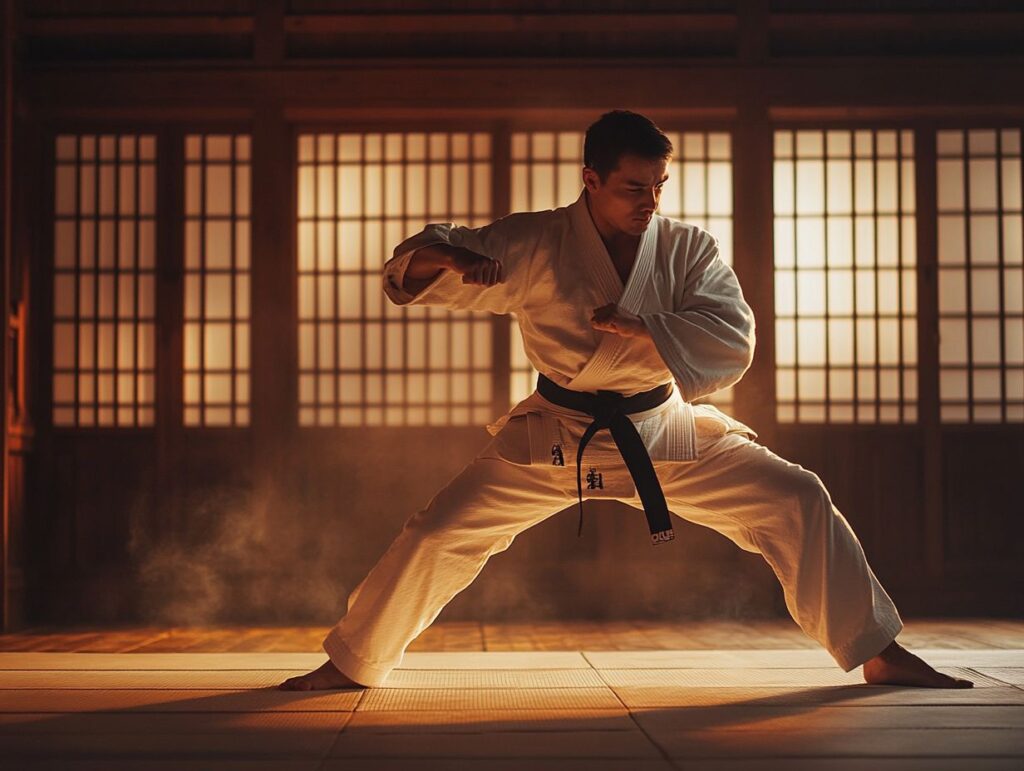
Core concepts and techniques in Jiu Jitsu encompass grappling methods such as submission holds, joint locks, and positional control, all of which are fundamental to mastering this martial art. Practitioners typically begin their training sessions with warm-ups that incorporate cardiovascular exercises to enhance their fitness and adaptability on the mat.
Throughout these training sessions, individuals engage in specific grappling techniques, such as the guillotine choke, which employs a standing position to secure an opponent’s neck, and the rear naked choke, which necessitates proficient positioning from behind.
Practitioners frequently practice these submissions during sparring sessions, allowing them to refine their execution under pressure and learn effective escape techniques from various holds. According to ResearchGate, the efficiency of these techniques can significantly influence the outcome of combat scenarios.
The integration of guard passing drills is essential, as it enables students to transition fluidly between positions, thereby maximizing control. These techniques not only enhance grappling skills but also underscore the importance of fitness, contributing to the development of strength and stamina that is vital for effective performance on the mats.
Benefits of Practicing Jujutsu
Practicing Jiu Jitsu provides numerous benefits, including the enhancement of self-defense skills, as well as improvements in physical fitness and mental well-being through effective training techniques.
Through rigorous training and sparring, practitioners develop both strength and endurance, while simultaneously cultivating a sense of belonging within the Jiu Jitsu community.
Physical and Mental Benefits
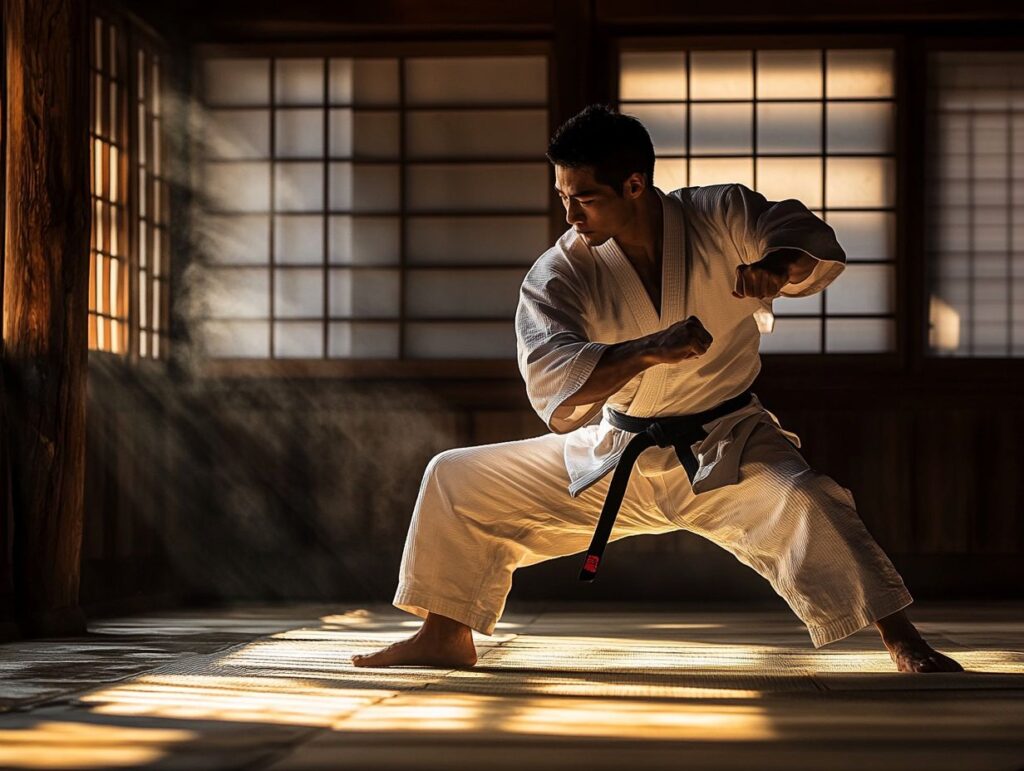
The physical and mental benefits of Jiu Jitsu are substantial, providing practitioners with a unique combination of increased fitness levels and enhanced mental clarity. As individuals engage in techniques such as hip escape and bridging, they simultaneously build strength, improve cardiovascular conditioning, and cultivate a mindset oriented towards continuous learning and adaptability.
This intricate martial art not only promotes improved flexibility as practitioners learn to navigate their bodies in confined spaces, but it also enhances endurance through rigorous sparring sessions that test one’s limits. For example, participating in a round of rolling can significantly increase stamina while serving as an effective outlet for stress relief; the focused nature of the sport allows individuals to temporarily disengage from everyday pressures.
The concentration required during practice sharpens mental focus, enabling participants to remain present in various aspects of their lives. Consequently, the journey through Brazilian Jiu Jitsu evolves into a holistic experience that fosters both physical capability and mental resilience.
Different Styles of Jujutsu
Various styles of Jujutsu, notably Brazilian Jiu Jitsu (BJJ) and Traditional Japanese Jiu Jitsu, offer distinct approaches to grappling and self-defense, each characterized by its own techniques and training methodologies.
Brazilian Jiu Jitsu places a significant emphasis on ground fighting and submission holds, whereas Traditional Japanese Jiu Jitsu integrates stand-up techniques and self-defense strategies that are reflective of its historical origins.
Overview of Popular Styles
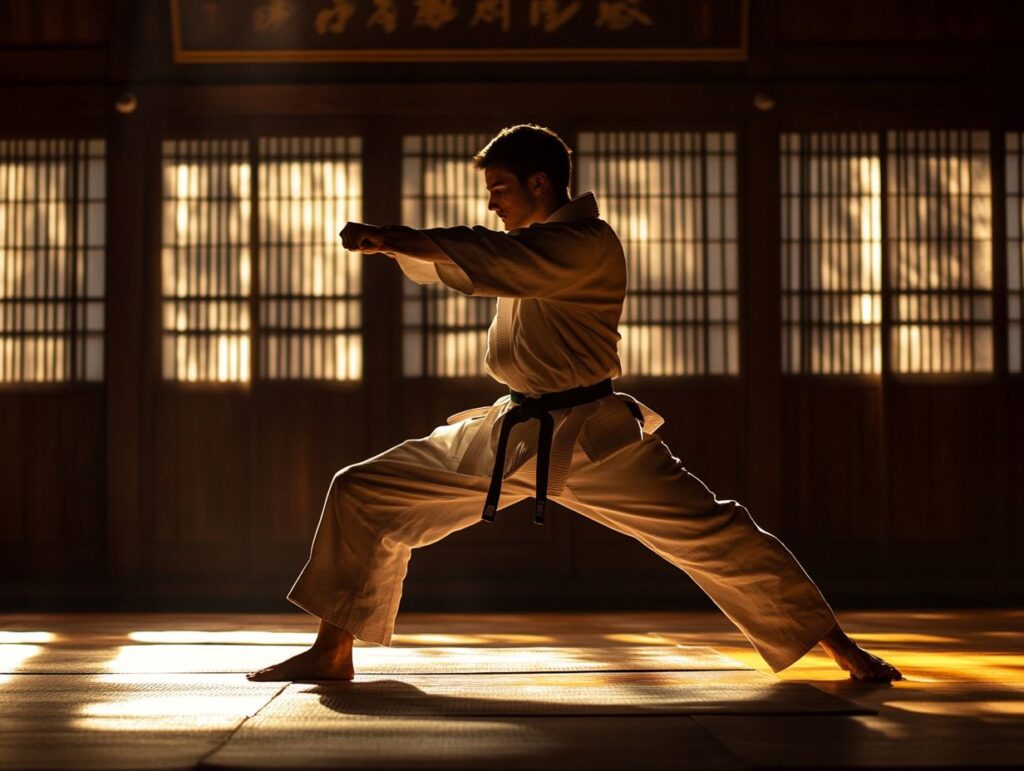
Prominent styles of Jujutsu include Brazilian Jiu-Jitsu, Traditional Japanese Jiu-Jitsu, and those influenced by Mixed Martial Arts, as exemplified in UFC competitions and academies such as Ares the Gladiator and Achilles BJJ. Each of these styles introduces unique techniques and philosophies, reflecting the cultural evolution of Jiu-Jitsu.
Brazilian Jiu-Jitsu primarily emphasizes ground fighting and submissions, focusing on leverage and technique rather than sheer physical strength. In contrast, Traditional Japanese Jiu-Jitsu encompasses a wider array of self-defense tactics and striking techniques. The cultural context is significant; Brazilian Jiu-Jitsu emerged within a modern, competitive framework, while Traditional Japanese Jiu-Jitsu retains its historical methodologies.
Competitive platforms like the UFC and various training academies have transformed the learning process for practitioners, providing rigorous environments where the effectiveness of techniques is thoroughly tested. This dynamic interaction encourages the development of innovative techniques, adapting time-honored traditions to satisfy the evolving demands of contemporary martial arts.
How to Get Started with Jujutsu
Embarking on the journey of Jujutsu requires identifying an appropriate dojo and obtaining essential equipment, including a BJJ GI, rash guard, and boxing gloves.
It is imperative to select the right training environment, as it plays a critical role in fostering personal growth and mastering effective grappling techniques.
Finding a Dojo and Equipment
Finding a dojo for Jiu Jitsu requires thorough research into local martial arts schools and an understanding of the training techniques they offer to ensure alignment with personal goals. Acquiring essential gear, such as a BJJ GI and rash guard, is crucial for a successful start.
While evaluating options, it is advantageous to read reviews from both former and current students to assess the overall atmosphere and quality of training. It is advisable to seek dojos that provide a wide range of classes, including beginner and advanced sessions, as well as specialized techniques such as self-defense or sport Jiu Jitsu.
Consideration of the instructors’ qualifications and teaching styles is essential, ensuring they possess adequate experience and certifications. Furthermore, having the appropriate equipment, which includes high-quality mats and protective gear, not only enhances safety but also improves performance during practice and competition, ultimately facilitating a more effective learning experience.
Common Misconceptions About Jujutsu
Common misconceptions about Jiu Jitsu frequently characterize it merely as a sport or an aggressive martial art, overlooking its philosophical foundations and the self-defense skills it develops.
Recognizing these misconceptions is essential for appreciating the true essence of this practice, which emphasizes respect, control, and community engagement.
Debunking Myths and Stereotypes
Debunking myths and stereotypes surrounding Jiu Jitsu is essential for cultivating a comprehensive understanding of its true nature, particularly in relation to its emphasis on discipline and effective self-defense skills. Many individuals perceive Jiu Jitsu solely within the context of sports; however, its applications extend far beyond competitive environments and into real-life situations.
A prevalent misconception is the belief that Jiu Jitsu, including Brazilian Jiu Jitsu, is exclusively a discipline for men. This assertion is far from accurate, as numerous women are excelling in Brazilian Jiu Jitsu, demonstrating that their strength and technique can match, if not exceed, those of their male counterparts, much like the Athenian Warrior Women.
Additionally, the notion that only individuals with prior athletic experience can succeed in Jiu Jitsu, whether it be Brazilian Jiu Jitsu or Traditional Japanese Jiu Jitsu, is misleading. Many practitioners embark on their Jiu Jitsu journeys without any sports background, yet they thrive through dedicated training, including cardio exercises and strength training, and the robust support of the community surrounding them.
Real-life examples of individuals from diverse backgrounds illuminate Jiu Jitsu’s potential to enable all participants, showcasing not only physical proficiency through techniques like the armbar, triangle choke, Kimura, and Americana, but also imparting invaluable lessons in resilience and confidence.