Redecorating your space can revitalize your home, enhancing both its functionality and its alignment with your personal style. It is imperative to approach this project with careful consideration, particularly regarding budgeting for clever small home ideas. This article provides practical guidance on establishing a budget, examines the advantages of DIY projects versus hiring professionals, and explores various design styles to accommodate your preferences, including mix vintage decor and designer spaces. You will discover budget-friendly ideas that are cost-effective and learn strategies for maintaining your newly refreshed aesthetic for years to come, utilizing small spaces tips like storage baskets and multifunctional furniture. Prepare to transform your home using interior design tips, without exceeding your financial limits.
Table of Contents
Key Takeaways:
- Determine your budget before starting your redecorating project to avoid overspending and prioritize design elements that are important to you.
- Consider the pros and cons of DIY vs hiring a professional to determine which option is best for your budget and skill level.
- Explore different design styles to find one that fits your personal taste and budget, and don’t be afraid to mix and match elements from different styles.
Why Redecorating is Important
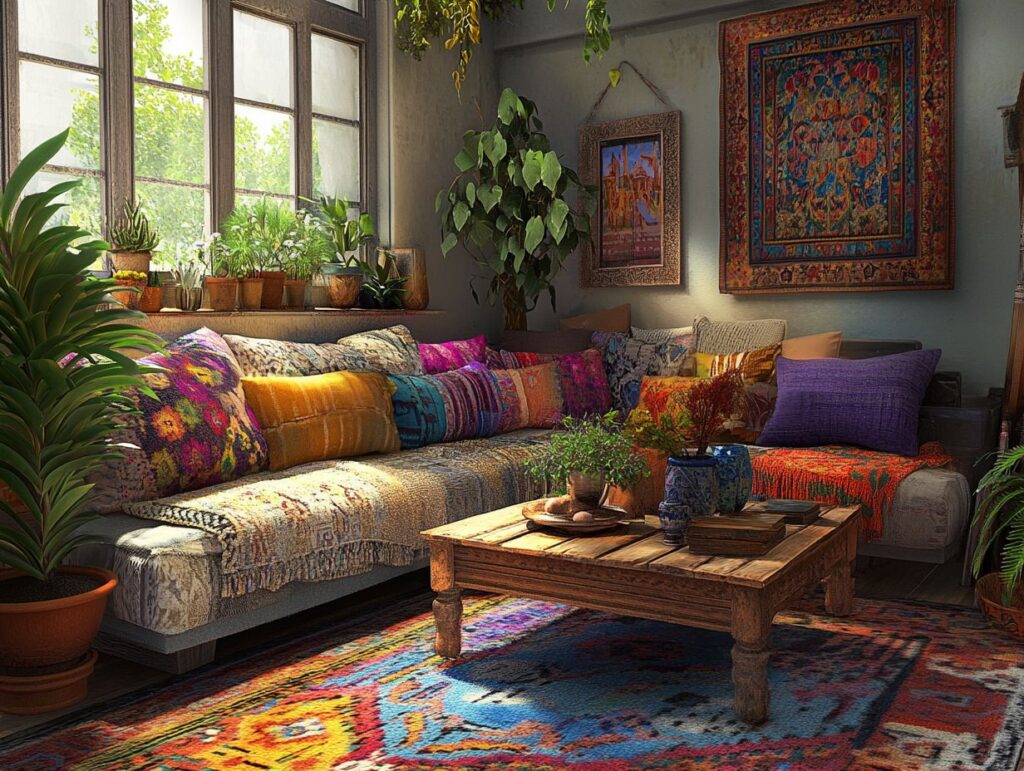
Redecorating one’s living space is essential for creating a functional and aesthetically pleasing environment, incorporating colorful accents, particularly in smaller homes where every square inch is valuable. Reimagining interior design not only enhances the overall atmosphere but also facilitates optimal space utilization, allowing for intelligent arrangements that align with individual lifestyles and maximize space.
This process can transform a residence into a refined space that reflects personal identity while offering budget-friendly decor and effective storage solutions, ultimately simplifying the decluttering process, cleverly declutter home, and enhancing the overall living experience.
A thoughtfully arranged layout can significantly enhance the quality of life, making daily activities more seamless and enjoyable. By incorporating design strategies that prioritize multifunctional furniture and vertical storage, individuals can cultivate a serene environment free from clutter, featuring wall art ideas and white linens. This transformation not only elevates one’s mood but also improves organization, thereby increasing productivity.
Highlighting the significance of well-designed spaces, a harmonious design approach can promote relaxation and creativity, transforming a simple dwelling into a true sanctuary that fosters well-being and comfort, utilizing windows for natural light.
Setting a Budget for Your Redecorating Project
Establishing a budget for your redecorating project is a crucial initial step that enables efficient space utilization without exceeding financial limits. According to Southern Living, incorporating smart budgeting strategies can significantly enhance your remodeling process.
By clearly defining your financial parameters, you can prioritize the areas of your home that require immediate attention, such as kitchen storage solutions or multifunctional furniture designed for small spaces.
This method facilitates well-considered choices regarding fund allocation, ensuring that your redecoration efforts align with both your aesthetic aspirations and practical requirements. A respected source like Southern Living suggests implementing effective budgeting tips to optimize your renovation plans here.
Tips for Determining Your Budget
Determining a budget for redecorating can be streamlined by implementing several practical strategies that ensure the effective utilization of space while making sound financial decisions.
Begin by evaluating your current living situation and identifying key areas that require improvement, such as storage solutions for compact environments or cost-effective decor that can enhance the overall appearance of your home. By prioritizing these elements, you can establish a comprehensive budget that addresses both aesthetic aspirations and functional requirements.
Subsequently, categorize your budget by allocating specific amounts for essential items such as paint, furnishings, and decorative accents. It is essential to differentiate between necessities-such as a new shelving unit for improved organization-and desires, like a statement art piece.
Consider exploring local thrift stores or online marketplaces for unique and budget-friendly decor items. For example, a second-hand cabinet can be beautifully refinished to add character, while multi-functional furniture, such as a storage ottoman, can optimize limited space without compromising on style.
By adhering to these guidelines, reimagining your living space becomes a feasible and enjoyable endeavor.
DIY vs Hiring a Professional
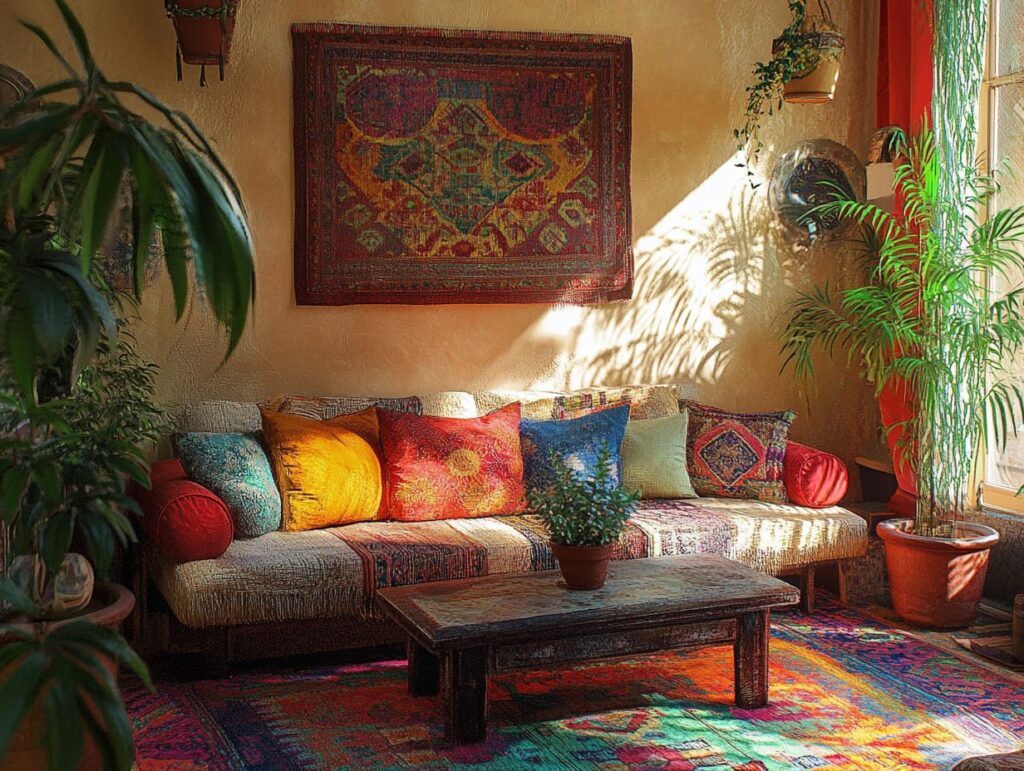
When contemplating a redecorating project, a critical decision involves choosing between a do-it-yourself (DIY) approach and enlisting the services of a professional designer, as each option presents distinct advantages and challenges.
Engaging in DIY projects can be a fulfilling method to personalize one’s space while incorporating innovative home ideas that optimize both budget and creativity, allowing for the customization of furniture and decor.
Conversely, hiring a professional designer can offer valuable expertise and efficient execution, particularly in navigating complex interior design strategies that enhance the aesthetic appeal of a home without compromising functionality.
Pros and Cons of Each Option
Examining the advantages and disadvantages of a do-it-yourself (DIY) approach versus hiring a professional can facilitate a well-informed decision regarding your redecorating project, particularly in small homes where optimizing space is essential.
Adopting a DIY approach not only promotes personal creativity but also enables homeowners to maintain full control over their budget. This method allows individuals to progress at their own pace and make modifications as needed. The hands-on experience gained from a DIY project often yields a distinctive aesthetic that embodies individual style while effectively addressing specific storage requirements.
On the other hand, engaging professionals can significantly streamline the entire process. Their expertise in the industry ensures effective space utilization and enhances the overall design integrity.
Ultimately, the decision should involve a careful consideration of personal preferences in relation to time constraints and desired outcomes to achieve an optimal balance between personal involvement and professional assistance.
Choosing a Design Style
Selecting a design style for your home is a critical aspect of the redecorating process, allowing for the expression of personal character, with creative storage solutions while taking into account practical considerations, particularly in smaller spaces.
From modern minimalist to vintage charm, familiarizing oneself with various design styles can assist in identifying which aligns with one’s vision and lifestyle, thus informing decisions regarding furniture arrangement and budget-conscious dcor.
It is imperative to ensure that the chosen style harmonizes with the existing space and optimizes functionality, utilizing innovative small home solutions to enhance practicality without compromising aesthetic value.
Exploring Different Design Styles
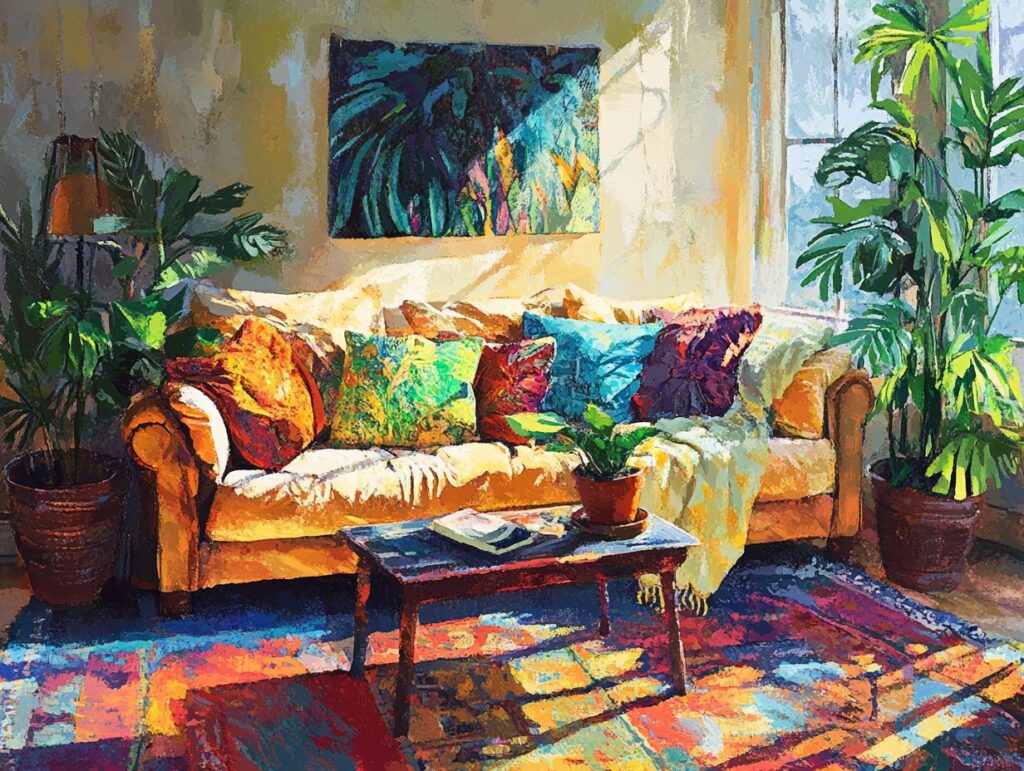
Exploring various design styles presents a valuable opportunity to transform a small home into a stylish and functional oasis. From contemporary to rustic and even eclectic vintage decor, a thorough understanding of the nuances of each style enables individuals to select elements that complement their architectural features and personal preferences.
By incorporating innovative storage solutions and ideas specifically tailored for small homes, such as open glass shelves, one can ensure that the chosen style not only enhances the overall aesthetic but also maximizes space and practicality within the living area.
As you engage in this exploration, it is advisable to consider popular design styles such as high-end look and floral elements:
- Scandinavian, which is characterized by minimalism and an emphasis on light colors, including whites and pastels.
- Industrial, which typically showcases raw materials such as exposed brick and metal accents.
Each style possesses unique characteristics; for instance, the warmth of wood in Farmhouse design offers a contrast to the sleekness found in Modern styles. When evaluating which direction resonates with you, it is essential to reflect on your lifestyle and assess how each aesthetic aligns with your spatial requirements, ensuring that it effectively meets both functional needs and your personal vision. Architectural Digest has explored 10 popular interior design styles that can serve as a valuable guide for anyone looking to delve deeper into these themes.
Budget-Friendly Interior Design Ideas
Implementing cost-effective interior design solutions is crucial for revitalizing one’s living space without imposing financial strain, particularly in smaller homes where space optimization is of utmost importance.
Creative strategies may involve the use of multifunctional furniture, the exploration of innovative design concepts for small spaces, and the incorporation of decorative elements that deliver significant impact at minimal expense.
By employing these effective strategies, individuals can enhance the aesthetic appeal of their homes while ensuring that functionality and style are maintained.
Using Paint to Transform a Room
Utilizing paint to transform a room is one of the most cost-effective and impactful methods for refreshing a space, particularly in smaller homes where attention to detail is paramount with contrast door colors. A fresh coat of paint can significantly alter the perception of size and light within a room, creating an impression of increased spaciousness and inviting warmth. Additionally, it allows for the incorporation of colorful accents that reflect individual personality.
This budget-friendly dcor option serves as a powerful tool in the interior design repertoire, enabling experimentation with various hues and styles that maximize space and enhance the overall aesthetic.
When exploring diverse painting techniques, options such as layer lighting:
- ombre
- sponging
- stenciling
can introduce unique textural elements, allowing you to customize furniture. Moreover, the selection of color schemes-such as monochromatic or analogous palettes-can foster a sense of harmony within the space.
The psychological effects of colors are also of significant importance; for example, soft blues and greens can evoke a sense of tranquility, making them particularly suitable for bedrooms, while brighter colors may infuse energy into living areas. As noted in Verywell Mind, color psychology is essential in achieving the desired mood and atmosphere in a room.
To achieve the desired aesthetic, it is essential to select colors that resonate not only with personal style but also enhance the overall ambiance of the room. Thoughtful application of paint is crucial, with a preference for satin or eggshell finishes for ease of cleaning and light reflection. Furthermore, the use of primer can substantially improve the results on challenging surfaces.
Repurposing and Upcycling Furniture with Build-ins Ideas
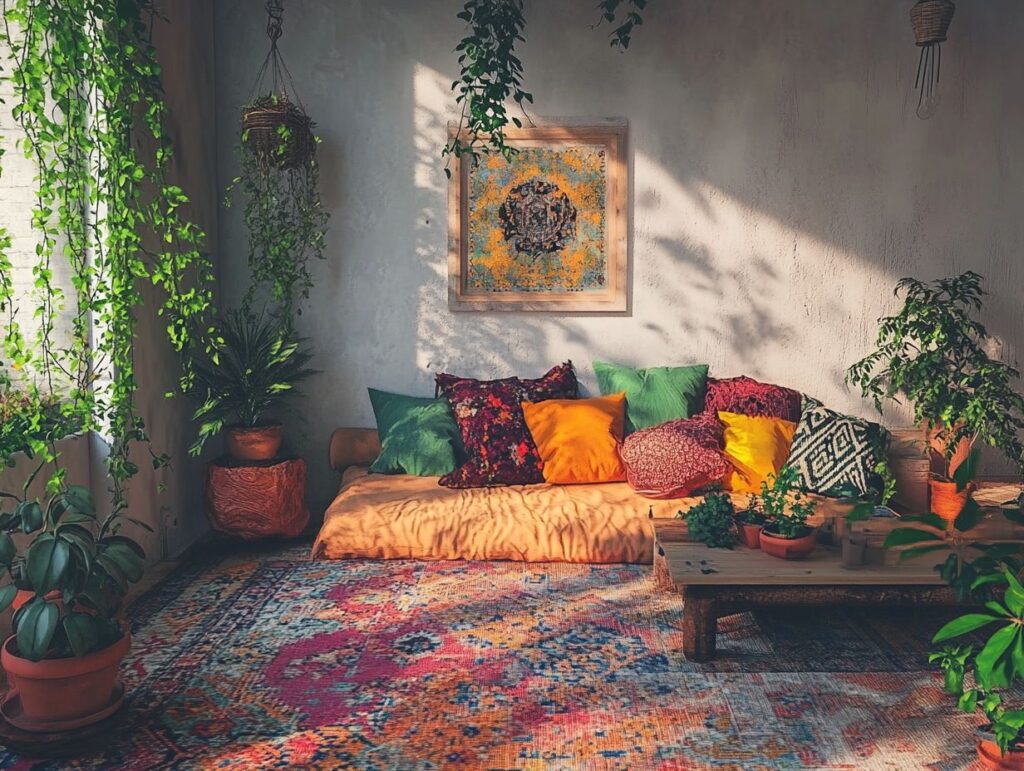
Repurposing and upcycling furniture represents an innovative approach that not only promotes sustainability but also enhances the character and uniqueness of small home decor, making it ideal for living small home settings. By transforming old or unwanted pieces through methods such as applying a fresh coat of paint, updating hardware, or implementing creative modifications, individuals can develop effective small home solutions that optimize space and functionality without incurring significant financial costs.
This budget-friendly decor strategy allows for the expression of creativity while integrating personal touches that reflect individual style, inspired by designers like Hadley Mendelsohn and Serena Dugan.
The process of repurposing can be both enjoyable and rewarding, providing individuals with an opportunity to showcase their artistic sensibilities.
For instance, an old ladder can be converted into a stylish bookshelf, offering storage solutions while serving as a captivating focal point in a room. Similarly, an outdated dresser can be transformed into a chic hallway table, preserving practicality while revitalizing the entryway.
These projects illustrate how infusing a personal touch into furniture can result in distinctive designs that not only reduce expenses but also enhance the overall aesthetic of a living space.
Incorporating Affordable Decorative Elements
Incorporating affordable decorative elements presents an excellent opportunity to personalize a small home, including dining table space, without incurring excessive costs. This approach allows for experimentation with various styles and themes.
Utilizing open glass shelves to display cherished items, for instance, or adding wall art that resonates with individual taste can significantly enhance interior design. By prioritizing budget-friendly decor options, one can create a space that is both welcoming and reflective of personal identity, while also maximizing the functionality of the living area.
Consider elements such as:
- string lights
- potted plants
- decorative throw pillows
These can be sourced from local thrift stores, online marketplaces, or even through DIY projects, guided by experts like Kelsey McGregor and Ashley Gilbreath.
Thoughtful arrangement of these decorative items has the potential to transform a room; for example, layering pillows or clustering plants can create visual interest.
It is crucial to integrate these new pieces seamlessly with existing decor to ensure a harmonious environment. This approach not only elevates the aesthetic appeal but also preserves the integrity of the home’s overall look, resulting in a cohesive and inviting atmosphere.
Tips for Saving Money on Home Decor with Home Office Ideas
Saving money on home decor is attainable through strategic planning that enables individuals to enhance their living spaces without incurring excessive expenses, particularly in smaller homes with constrained budgets.
By exploring budget-friendly decor options, utilizing online resources to find deals, and exercising discretion during the purchasing process, one can create a stylish environment that aligns with personal taste.
The implementation of these suggestions can facilitate the maximization of space while ensuring that the home accurately reflects the individual’s personality and lifestyle.
Shopping Strategies and Alternatives
Adopting effective shopping strategies and exploring alternatives, including using natural materials, can significantly reduce expenses while enhancing home decor, particularly in small spaces that necessitate thoughtful design.
By prioritizing thrift stores, second-hand shops, and online marketplaces, individuals can discover unique pieces that add character to their living areas without incurring substantial costs. These budget-friendly decor choices facilitate the creative implementation of small home ideas, ensuring that every item serves a purpose and contributes to an aesthetically pleasing environment.
Integrating DIY projects into one’s decor approach opens a realm of possibilities, fostering creative expression while maintaining cost efficiency.
Utilizing online resources such as tutorial videos, design blogs, and Pinterest boards can inspire innovative ideas for transforming basic items into visually striking decor. This may involve simple tasks such as repainting an outdated chair or crafting wall art from reclaimed wood.
By embracing these strategies, individuals can skillfully curate an inviting atmosphere that feels both personal and stylish, all while maximizing the financial benefits of sourcing decor through non-traditional avenues.
Maintaining Your Redecorated Space
Maintaining a redecorated space is essential for ensuring that a home continues to reflect personal style and remains functional, particularly after significant time and resources have been invested in enhancing its aesthetic appeal, as highlighted by designers like Jennifer Jones and Amber Lewis.
Implementing strategies for regular upkeep can assist in preserving the integrity of the design while optimizing space through effective storage solutions, making use of furnishings layout strategies.
By incorporating small home improvement ideas into the maintenance routine, one can maintain a clutter-free and enjoyable environment, allowing the decor to flourish long after the initial transformation.
Long-Term Budget-Friendly Maintenance Tips and Upgrade Lighting
Implementing long-term, budget-friendly maintenance strategies is essential for preserving the aesthetic appeal and functionality of a redecorated space while minimizing costs over time.
Establishing a bi-weekly cleaning schedule can significantly enhance the longevity of surfaces and textiles, preventing the accumulation of dust and grime over time. Additionally, utilizing attractive storage solutions such as decorative baskets or multi-functional furniture can optimize limited space and effectively reduce clutter.
To refresh decor, consider replacing cushions or adding a new piece of artwork rather than embarking on a complete overhaul. These simple modifications can revitalize a room without incurring substantial expenses. Furthermore, emphasizing organization can create an illusion of spaciousness, making even the smallest areas appear larger and more inviting.