As technology continues to advance, the decision between projection televisions, big TVs, and modern displays becomes increasingly intricate. This article examines the latest developments in display technologies, evaluating the advantages and disadvantages of both projection systems and flat-panel displays, including LCD and DLP screens. It provides a thorough analysis of picture quality comparisons, cost considerations, and critical factors to assess prior to making a purchase, such as HDR video and contrast ratio. Additionally, the article offers insights into the future of projection televisions within a market that is predominantly characterized by sleek modern alternatives. Whether one is a technology enthusiast or simply seeking to enhance their home theater experience with sound systems and streaming platforms, this guide aims to facilitate an informed decision-making process.
Table of Contents
Key Takeaways:
- Projection TVs may be more affordable upfront, but modern displays offer better picture quality and long-term savings in the long run.
- When considering a TV purchase, factors such as room size and personal preferences should be taken into account.
- With advancements in technology and market trends, it is likely that projection TVs will become less popular and modern displays will continue to dominate the market in 2025.
Overview of Projection TVs and Modern Displays
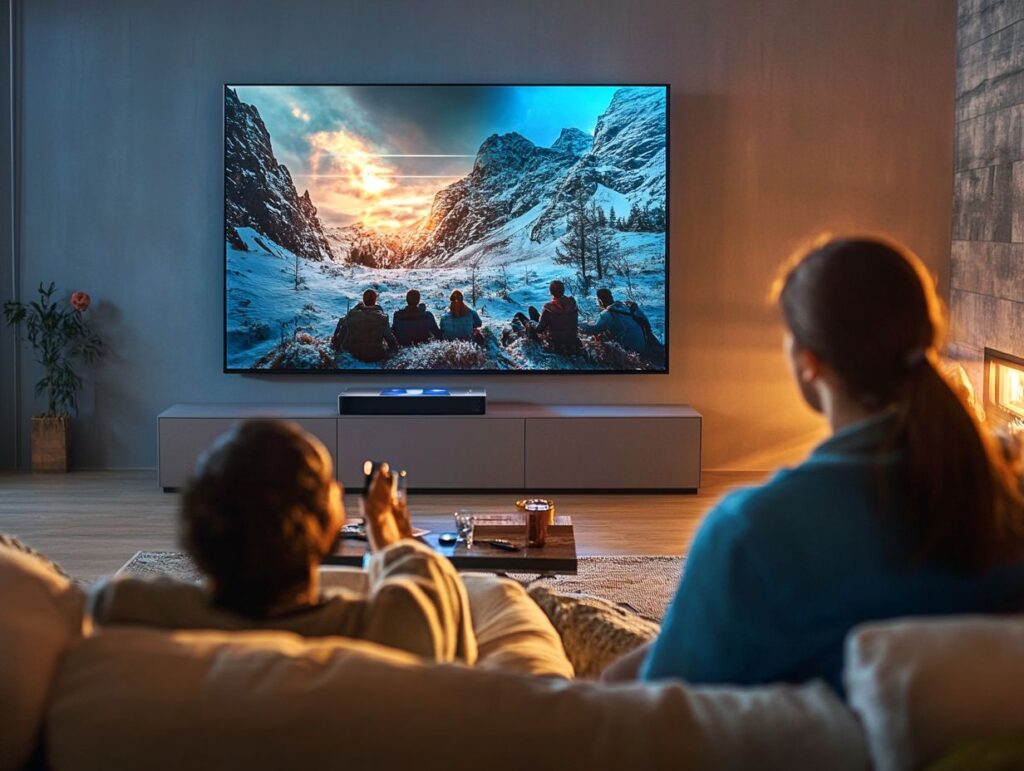
In the domain of home entertainment, the discussion surrounding projection televisions and contemporary display technologies continues to evolve.
Large televisions, equipped with advanced technology, offer significant visual appeal, while cost-effective projectors provide an immersive cinematic experience that can convert any space into a home theater.
Modern projectors, including OLED and HDR models, deliver exceptional image quality and 4K resolution, enabling users to appreciate lifelike visuals with life-size representations that enhance the viewing of films. Recent analysis from Forbes suggests that advancements in technology will continue to transform the entertainment landscape in 2025.
Nevertheless, factors such as brightness levels, contrast ratios, and ambient light conditions are crucial in determining the most suitable option for discerning viewers.
Explanation of Technologies
The technology underlying projection televisions and modern displays is varied, encompassing a range of types including projectors, OLED televisions, laser projectors, and traditional LCD and DLP screens, each exhibiting distinct characteristics that influence the viewing experience.
Among these technologies, OLED stands out for its capacity to produce deep blacks and exceptional color accuracy, resulting in strikingly vivid images that enhance cinematic storytelling. Simultaneously, high dynamic range (HDR) technology significantly improves image quality by expanding the range of colors and contrasts, allowing scenes to exhibit remarkable detail in both the brightest highlights and the darkest shadows, providing an immersive experience (as highlighted in a recent publication by LG).
The appeal of 4K resolution is also noteworthy; this advanced display format enables viewers to appreciate ultra-detailed visuals, bringing even the minutest details to life on screen, offering a true theater experience.
Collectively, these technologies revolutionize the way audiences engage with visual media, ensuring that each movie, show, or game provides an immersive experience characterized by rich detail and vibrancy.
Pros and Cons of Projection TVs
Projection televisions provide a distinctive viewing experience characterized by the capability of delivering a large screen size, which can foster an immersive theater-like environment.
However, they also present certain drawbacks, including diminished value in specific situations, particularly when ambient light impacts image quality, making them a poor value in bright rooms.
Advantages and Disadvantages
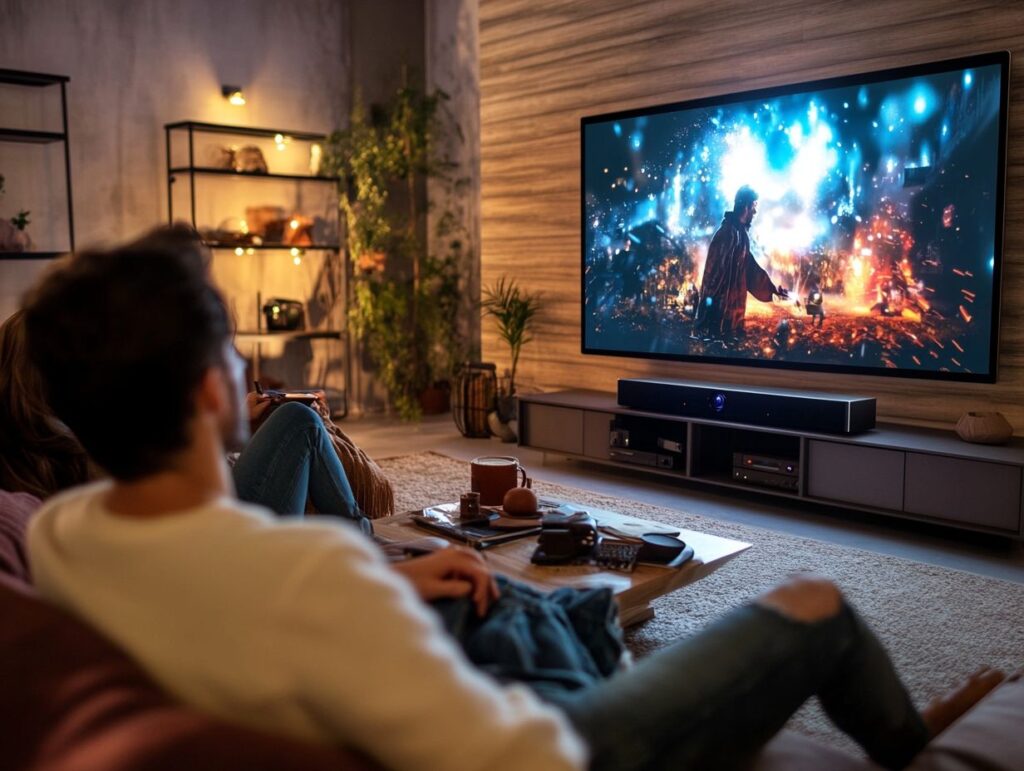
When evaluating projection televisions, it is essential to consider the advantages, such as superior image quality and cost-effectiveness per inch, alongside the disadvantages, including lower brightness levels compared to traditional LCD and LED displays.
The notable appeal of projection technology often resides in its capacity to deliver a cinema-like experience in a home setting, with large screen sizes easily surpassing 100 inches without the exorbitant price typically associated with comparable flat-screen models. This expansive viewing experience, combined with vibrant color reproduction, engages viewers during movie nights or gaming sessions. Inexpensive projectors like the BenQ HT2060 and Xgimi Halo can provide excellent value.
Prospective buyers should recognize that projectors generally require a dark, controlled environment to mitigate their inherent limitations in brightness and contrast. Additionally, maintenance can be a continuous concern; regular bulb replacements and cleaning are necessary to maintain optimal performance. Consider the projector setup and room conditions to get the best results.
An ideal situation may involve the establishment of a dedicated home theater room, which can significantly enhance the viewing experience while effectively addressing some of these limitations.
Pros and Cons of Modern Displays
Modern displays, particularly OLED televisions and smart projectors, provide numerous advantages such as outstanding image quality, elegant designs, and energy-efficient performance. For example, an OLED TV paired with a smart projector like Google TV or Android TV can create a versatile and high-performance home cinema setup.
However, it is essential for consumers to also consider the potential drawbacks associated with these technologies before making a purchasing decision. For those interested in understanding the differences between various display technologies, Consumer Reports offers a detailed comparison of QLED vs. OLED, which can guide buyers in choosing the right technology for their needs.
Advantages and Disadvantages
The advantages of modern displays include their High Dynamic Range (HDR) video capabilities and high contrast ratios, which contribute to exceptional visual quality. However, potential disadvantages may include higher costs and the influence of ambient light on performance.
Modern display technologies, such as Organic Light Emitting Diode (OLED) and Quantum Dot Light Emitting Diode (QLED), not only enhance brightness levels but also improve color accuracy, making them highly suitable for home theater and gaming environments. For instance, an OLED screen can produce deeper blacks and more vibrant colors, allowing users to fully appreciate the nuances in visually intricate films like “Dune.”
It is important to note that these advancements come with certain limitations; in brightly lit settings, reflections can detract from the viewing experience, particularly with LCD panels, which may struggle to maintain image quality in direct sunlight. Consequently, while state-of-the-art displays offer remarkable clarity and advanced features-such as integrated streaming capabilities-they may not perform at their best without appropriate settings or environmental conditions.
Comparison of Picture Quality
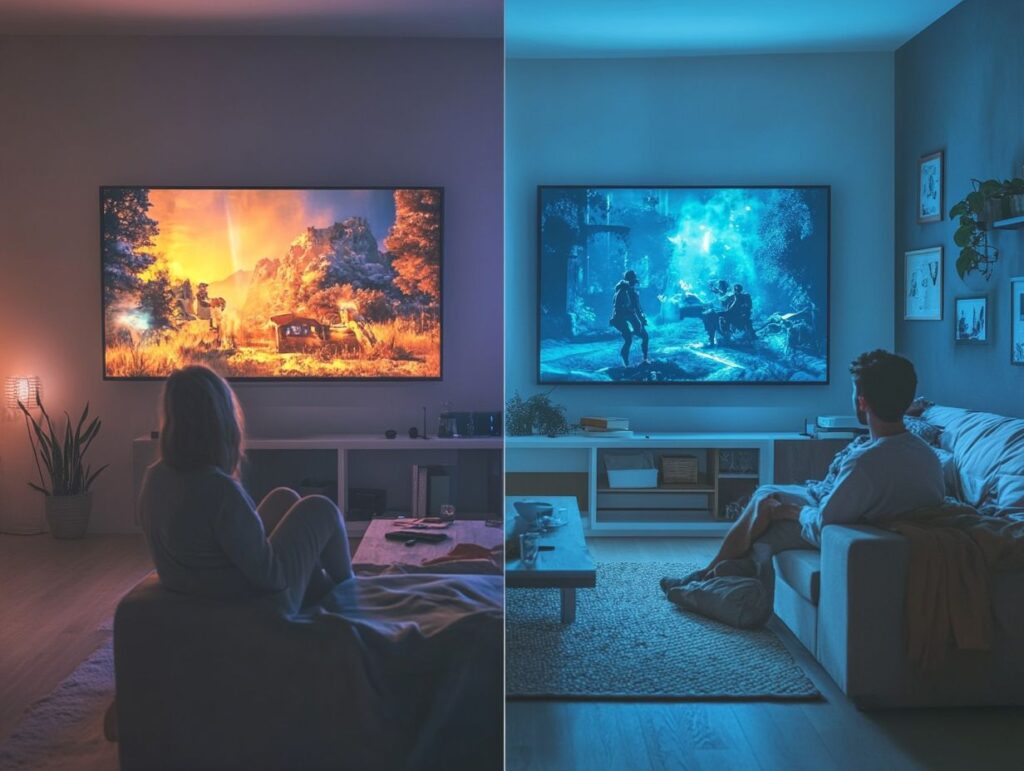
When assessing picture quality between projection televisions and modern displays, it is important to consider factors such as contrast ratio, resolution capabilities-including 4K-and HDR performance.
These elements play a crucial role in enhancing viewing experiences and overall satisfaction.
Resolution, Contrast, and Color Accuracy
Resolution, particularly 4K resolution, is essential in determining image quality, alongside factors such as contrast ratio and color accuracy, which collectively influence the vividness and lifelike quality of visuals on both projection televisions and modern displays.
When assessing various technologies, OLED screens are notable for their exceptional contrast ratio, achieving true blacks by deactivating individual pixels. This capability enhances depth and detail within scenes. In contrast, projectors often face challenges in attaining comparable levels of contrast, especially in brightly lit environments.
However, they excel in delivering a large-screen experience that immerses viewers in a cinematic context.
Color accuracy is another critical factor; OLED displays generally provide deeper, more vibrant colors due to their capacity to represent a broader color gamut. Charts and visual representations can effectively illustrate these differences, emphasizing how different technologies address the specific requirements of viewing environments and consumer preferences, thereby enabling well-considered choices.
Cost Comparison
A cost comparison between projection televisions and modern displays reveals notable differences in both initial investment and long-term expenses. Consider factors such as cost per inch and energy consumption when evaluating the overall financial impact.
Factors such as cost per inch and maintenance costs can significantly impact the overall financial commitment required from consumers.
Initial Investment and Long-Term Costs
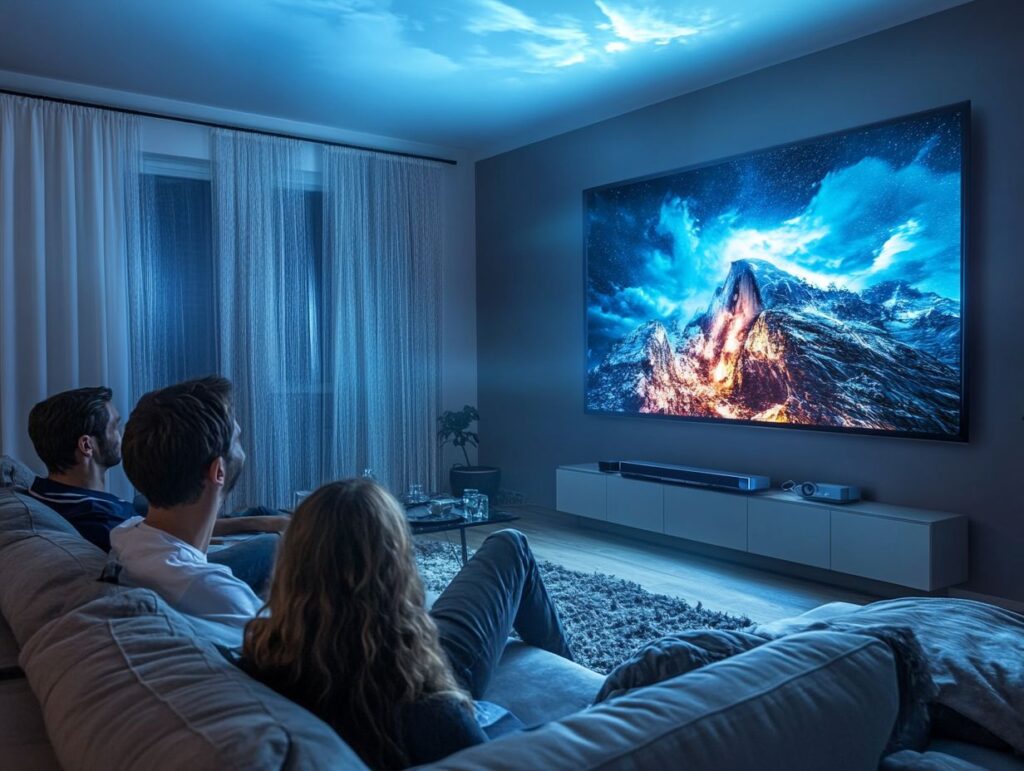
When evaluating the initial investment for traditional projectors in comparison to smart projectors and other contemporary display technologies, consumers must take into account the long-term costs, which include energy consumption and potential upgrades over time. Devices like the BenQ HT2060 and Xgimi Halo offer great value and low maintenance.
The upfront costs can vary considerably between traditional projectors and smart displays, with installation fees also playing a significant role in the overall expenditure. For example, a standard projector may entail additional costs for mounting and connecting to media sources, while smart projectors often feature integrated capabilities that simplify the setup process.
As technology continues to evolve, the longevity of these devices may result in additional expenses, such as periodic lamp replacements for standard projectors, in contrast to the minimal maintenance requirements associated with smart projectors that use laser or LED technology.
In terms of energy consumption, smart displays generally provide greater efficiency, leading to lower electricity bills over their operational lifespan. This efficiency can result in substantial long-term savings for users.
Factors to Consider Before Purchasing
Ahead of acquiring either a projection television or a modern display, it is essential to consider several factors, including room size, viewing distance, and individual preferences. Ensuring proper HDMI connections and compatibility with streaming platforms is also crucial.
These elements play a significant role in determining the overall viewing experience and the optimal projector setup.
Room Size, Viewing Distance, and Personal Preferences
Room size and viewing distance are critical factors that influence the effectiveness of projection televisions, big TVs, and modern displays like OLED TVs, in addition to personal preferences that may impact a consumer’s decision.
In smaller spaces, a high-quality flat screen may be more appropriate, as a large projector could overwhelm the environment due to limited room dimensions. Conversely, larger spaces can take full advantage of the grandeur provided by a projection setup, including life-size actors, resulting in a truly cinematic experience.
For occasions such as movie nights, viewers may favor the immersive quality offered by projectors, which can project a substantial image with 4K resolution onto a wall, thereby enhancing the overall atmosphere.
On the other hand, dedicated gamers often prefer modern displays, such as those with HDR video capabilities, as they typically provide lower latency and vibrant colors. This combination enhances the responsiveness and visual engagement of action-packed games, aligning with the gamers’ desires for both functionality and aesthetics offered by advanced displays like OLED and LCD.
Predictions for the Future of Projection TVs
As technology continues to advance, predictions regarding the future of projection televisions suggest substantial developments that have the potential to enhance the cinematic experience.
These advancements are primarily driven by innovations in projectors and smart projectors, such as the BenQ HT2060 and Xgimi Halo, which are designed to meet the evolving demands of consumers and the trends within the market.
Technological Advancements and Market Trends
Technological advancements are significantly transforming market trends in the sector of smart projectors and projection televisions, including Google TV and Android TV integration, resulting in a notable increase in features that enhance user experience and accessibility.
This evolution is particularly evident in the growing portability of these devices, which facilitates the effortless setup of presentations or movies in diverse environments, ranging from home theaters to outdoor settings.
The emergence of wireless connectivity, along with HDMI support, has simplified the process of streaming content directly from smartphones and laptops, thereby eliminating the clutter of cables and fostering a more seamless viewing experience.
Furthermore, advancements in image processing technologies are playing a pivotal role, with enhancements in resolution and color accuracy providing stunning visuals that were previously unattainable.
Recent market data indicates that the global smart projector market, fueled by advancements like DLP and LED technology, is projected to experience a compound annual growth rate (CAGR) of 12% by 2028, underscoring the evident demand for these innovative technologies.