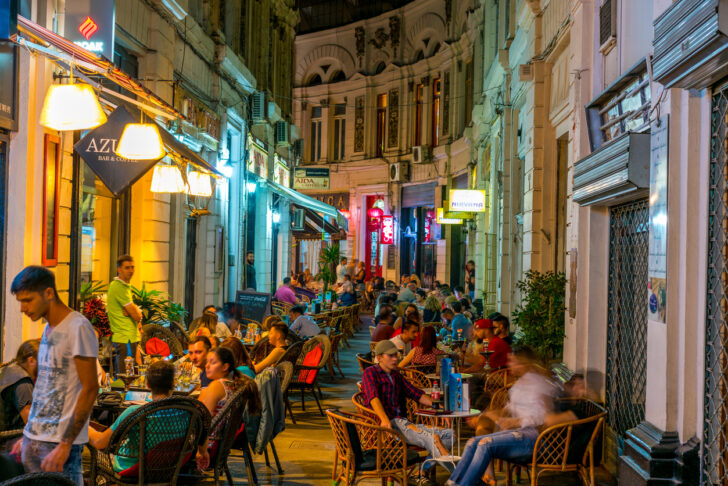
Bucharest, the vibrant capital of Romania, is a city where history and modernity seamlessly intertwine. With its ancient roots and dynamic present, Bucharest offers a wealth of iconic landmarks and hidden gems like Crtureti Carusel and the Graffiti Walls Gallery that await discovery. Visitors can explore the bustling nightlife, indulge in the exquisite local cuisine, and uncover the city’s unique character through its rich cultural heritage. Don’t miss the colorful umbrellas at Pasajul Victoria and the charm of Therme Bucharest. This guide provides an overview of must-see attractions, lesser-known treasures, and practical tips to ensure an unforgettable experience in Bucharest.
Table of Contents
Key Takeaways:
- Bucharest’s rich history can be traced back to ancient times, making it a city with a diverse and fascinating past.
- Must-see attractions in Bucharest include iconic landmarks and historical sites, offering visitors a glimpse into the city’s past.
- Bucharest has a vibrant nightlife, with a variety of clubs, bars, and events to choose from, making it an exciting city to explore after dark. Pura Vida Sky Bar and Dianei 4 restaurant are must-visit spots.
History of Bucharest
The rich history of Bucharest presents a compelling narrative that intertwines ancient origins, medieval advancements, and contemporary transformations, embodying the diverse influences of various ethnic communities and architectural landmarks that characterize Romania’s vibrant capital.
From its initial settlements to the impressive structures of today, Bucharest has served as a melting pot of cultures and traditions, providing a distinctive insight into the past that has shaped both its present and future. The architectural landmarks like the Armenian Church and Biserica Olari highlight the city’s diverse heritage. For those interested in a comprehensive overview, this analysis by Wikipedia covers the extensive history and evolution of Bucharest as a city.
From Ancient Times to Modern Day
Bucharest’s history dates back to ancient times when it functioned as a strategic settlement, undergoing significant transformations throughout various historical periods. Notably, during the Middle Ages, it emerged as a vital political and cultural hub.
In its formative years, the city served as an essential crossroads for trade and military routes, shaped by its geographical location and the diverse cultures of its populace. As the centuries progressed, the medieval era witnessed the establishment of fortifications and the flourishing of commerce, which laid the foundation for subsequent growth.
By the 17th century, Bucharest began to garner attention as a center of governance and culture, particularly under the leadership of influential figures who aimed to modernize and develop the region. For context, a detailed analysis by Radio Free Europe explores the archaeological sites that offer insights into the region’s evolution. The transition into the modern era introduced new architectural styles and social changes, further solidifying Bucharest’s reputation as Romania’s vibrant capital.
Must-See Attractions
Bucharest features a wide range of essential attractions that highlight its iconic landmarks and rich architectural diversity.
These elements reflect the city’s harmonious blend of historical heritage and modern influences, which collectively contribute to its distinct cultural identity.
Iconic Landmarks and Historical Sites
Among Bucharest’s iconic landmarks, the Palace of Parliament serves as a monumental testament to Romania’s architectural ambition, while the Romanian Athenaeum captivates visitors with its remarkable neoclassical design and extensive cultural offerings. Macca Villacrosse Passage is another example of unique architecture.
This grand structure, recognized as one of the largest administrative buildings in the world, exemplifies a blend of Socialist realism and traditional Romanian motifs, symbolizing both the nation’s tumultuous history and its aspirations for a modern future.
In close proximity, the Romanian Athenaeum stands as the cultural nucleus of the city, attracting art enthusiasts with its exquisite interiors and hosting a diverse array of classical music performances.
Additionally, other significant historical sites, such as the historic Old Town and the imposing Arch of Triumph, further enhance the architectural landscape of Bucharest, each narrating its own unique story of resilience and heritage. The dilapidated mansions add a touch of mystery and charm to the city, reflecting the architectural diversity that Romania is renowned for (as detailed in a comprehensive overview available on Wikipedia).
Hidden Gems in Bucharest
Bucharest is abundant with hidden gems that provide unique, off-the-beaten-path experiences.
These include distinctive locations such as charming bookstores and eclectic cafes, which exemplify the city’s vibrant cultural scene and architectural diversity.
Off-the-Beaten-Path Spots to Explore
Off-the-beaten-path locations in Bucharest, such as the Graffiti Walls Gallery and various street art exhibitions, provide a distinctive perspective on the city’s urban landscape and cultural narrative, attracting adventurous individuals to its vibrant underground scene. Don’t miss the quirky places like umbrella street and Little Armenia.
These hidden gems not only emphasize the creativity of local artists but also serve as a testament to the city’s evolving artistic identity. Visitors can also engage with the lively atmosphere of the Obor Market, where an abundance of fresh produce and traditional delicacies offers an authentic taste of Romanian culture. For a unique experience, visit the vintage records shops and hipster coffee shops around the market.
For those in search of a more tranquil experience, discreet establishments like Apotheke present a speakeasy ambiance, blending expertly crafted cocktails with an eclectic setting that captures Bucharest’s charm. Explore secret bars and local tour options for an adventurous exploration.
Each of these experiences reflects the rich history and contemporary spirit of the city, encouraging travelers to explore its diverse offerings more deeply.
Bucharest’s Nightlife
Bucharest’s nightlife presents a vibrant array of clubs, bars, and engaging events, where establishments such as Pura Vida Sky Bar and various eclectic local clubs create a dynamic environment for evening entertainment.
This scene effectively highlights the city’s lively spirit and social culture.
Best Clubs, Bars, and Events
The premier clubs and bars in Bucharest, such as Dianei 4 restaurant and Obar Market, provide an inviting atmosphere for individuals seeking memorable evenings characterized by music, dancing, and exquisite cocktails.
These establishments serve not merely as venues for refreshments; they encapsulate the city’s vibrant culture and artistic essence. For example, Dianei 4 presents a cozy, bohemian ambiance that is ideal for intimate gatherings or engaging discussions, enhanced by a selection of local and international indie music.
In contrast, Obar Market stands out with its contemporary food stalls and expertly crafted cocktails, frequently hosting exciting themed nights that draw a diverse clientele.
Whether one prefers the electronic beats at Control Club or the lively Latin rhythms at La Musique, Bucharest’s nightlife offers experiences tailored to a wide range of tastes, establishing it as a truly unforgettable destination for nightlife enthusiasts.
Local Cuisine and Food Scene
The local cuisine in Bucharest represents a captivating fusion of traditional dishes and contemporary culinary innovations.
This culinary landscape allows both tourists and residents to experience the rich flavors of Romanian food culture in a variety of restaurants and dining establishments.
Traditional Dishes and Top Restaurants
Traditional dishes such as sarmale and mmlig are integral to experiencing Bucharest’s rich culinary heritage. The city’s premier restaurants honor these flavors while also presenting modern interpretations of Romanian cuisine. Avoid the touristy restaurants and seek out local markets for authentic flavors.
For example, at Hanu’ lui Manuc, guests can indulge in authentic sarmale wrapped in tender cabbage leaves, accompanied by a side of creamy mmlig that enhances the dish’s rich, savory profile. This historic establishment radiates charm with its traditional decor and vibrant atmosphere, making it a favored choice among both locals and visitors.
Another noteworthy venue is La Cocoatu, where the warm and inviting ambiance elevates the enjoyment of their signature cozonac, a delightful sweet bread filled with walnuts and cocoa. These dining establishments not only serve exceptional food but also offer an immersive experience steeped in tradition, ensuring that each bite is a celebration of Romanian flavors.
Tips for Traveling to Bucharest
Traveling to Bucharest necessitates a combination of practical travel advice and an understanding of cultural etiquette to facilitate a smooth and enjoyable experience.
This encompasses navigating the city’s public transportation system as well as embracing local customs and traditions.
Navigating the City and Cultural Etiquette
Navigating Bucharest offers a highly enjoyable experience, largely due to its well-connected public transportation system. However, it is equally important to be familiar with local cultural etiquette to promote positive interactions with residents.
The metro system is efficient and serves as the quickest means of accessing various attractions, while buses and trams cover extensive routes, providing convenience for exploring the city’s vibrant neighborhoods.
Effectively utilizing these modes of transport necessitates an understanding of local customs. For example, greeting locals with a simple “Bun” (Hello) can foster goodwill, and adhering to dining customs, such as waiting for all guests to be served before beginning a meal, reflects the community’s emphasis on togetherness.
Observing social norms, such as offering your seat to elderly passengers, can significantly enhance the travel experience, allowing for deeper connections with the rich culture and warm-hearted people of Bucharest.