In the competitive landscape of a manufacturing business, having the right tools is crucial for success. From high-quality machinery like CNC machines to efficient conveyor belts, these essential tools not only enhance production speed but also ensure safety. This article explores the must-have industrial materials and equipment every manufacturing business needs, providing insights on optimizing operations while maintaining a focus on safety equipment, industrial robots, and compliance. Unlock the potential of your manufacturing processes with our expert guidance.
Table of Contents
Key Takeaways:
- Essential industrial materials include metals, plastics, and ceramics, which are used in various manufacturing processes.
- Machining tools, assembly equipment, and material handling systems are key equipment for efficient manufacturing operations.
- Safety equipment, including protective gear like hard hats, safety goggles, and ear protection, compliance with regulations, and regular maintenance ensure a safe and productive manufacturing environment.
Types of Essential Materials and Technology in Manufacturing
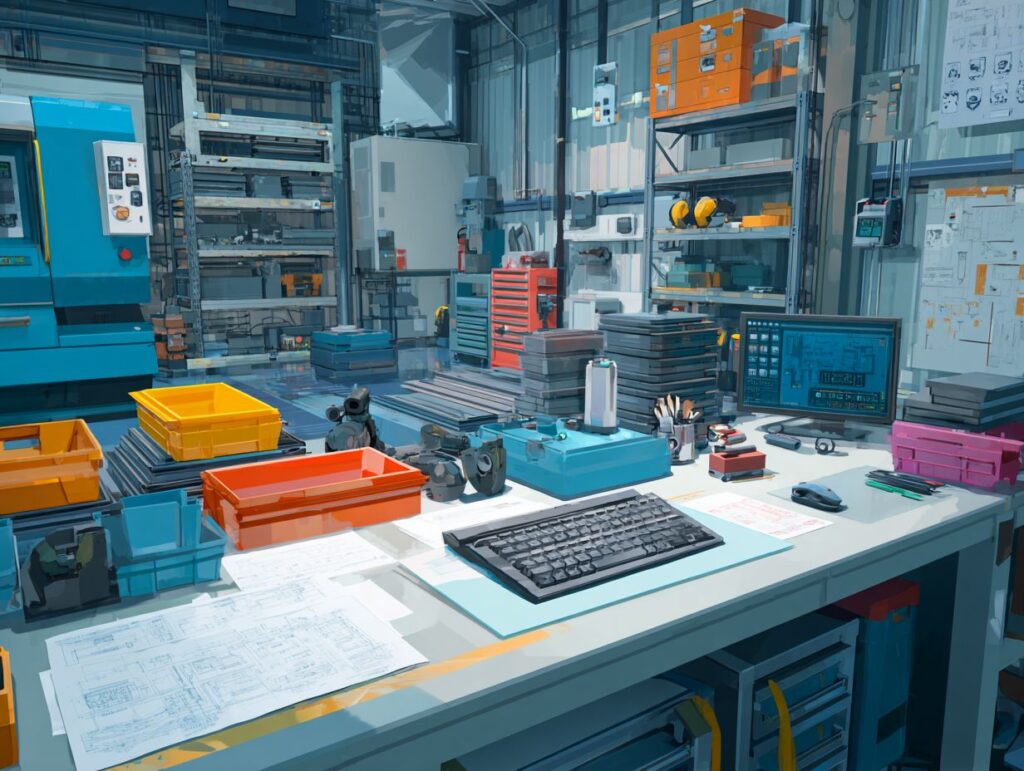
Various types of materials play essential roles in manufacturing processes, each possessing distinct properties that are suited to a range of applications.
Metals, Alloys, and Advanced Technology
Metals and alloys, such as steel and aluminum, along with compact production machines like CNC machines, serve as fundamental materials in the manufacturing sector, particularly in CNC machines and heavy equipment, due to their inherent strength and durability.
Steel, especially carbon steel, is highly regarded for its exceptional tensile strength, making it particularly suitable for structural components and storage solutions in buildings and large machinery. Alloy steels, such as 4140, offer enhanced toughness and fatigue resistance, making them ideal for applications such as gears and shafts.
Conversely, aluminum is recognized for its lightweight properties and corrosion resistance, which render it particularly advantageous in aerospace applications and lightweight equipment.
For precision machining tasks, the 6061 aluminum alloy is frequently utilized because of its excellent machinability.
By judiciously selecting the appropriate metal or alloy according to specific application requirements, manufacturers can optimize both performance and longevity.
Plastics, Composites, and Manufacturing Efficiency
Plastics and composites have fundamentally transformed the manufacturing landscape by offering lightweight and durable alternatives for a wide range of applications.
Among the most prevalent plastics, Acrylonitrile Butadiene Styrene (ABS) is extensively utilized in the automotive sector due to its exceptional impact resistance, making it particularly suitable for interior components.
Polyvinyl Chloride (PVC) is commonly employed in construction materials, such as piping and siding, and is valued for its durability and resistance to weathering.
In the realm of composites, carbon fiber is gaining significant traction within the automotive industry, particularly for performance-enhancing parts like body panels, which contribute to weight reduction and improved fuel efficiency.
These materials not only facilitate innovative design solutions but also play a crucial role in promoting sustainability and manufacturing efficiency within the manufacturing process.
Ceramics, Glass, and Quality Control
Ceramics and glass materials play a crucial role in manufacturing due to their distinctive properties, such as heat resistance and chemical stability, which are essential for maintaining quality control.
In the field of electronics, ceramics are commonly employed in capacitors and insulators due to their superior dielectric properties. Additionally, glass serves dual purposes as both a substrate for circuits and a protective layer.
In the construction industry, ceramic tiles offer not only aesthetic appeal but also durability and thermal insulation, making them a favored choice for various interior and exterior applications.
Employing tools such as thermal imaging to evaluate insulation efficiency can enhance the effectiveness of these materials, ensuring optimal performance and adherence to quality standards across their respective applications.
Checkout 5 Essential Items Every Manufacturing Business Needs
Key Equipment for Manufacturing and Production Activities
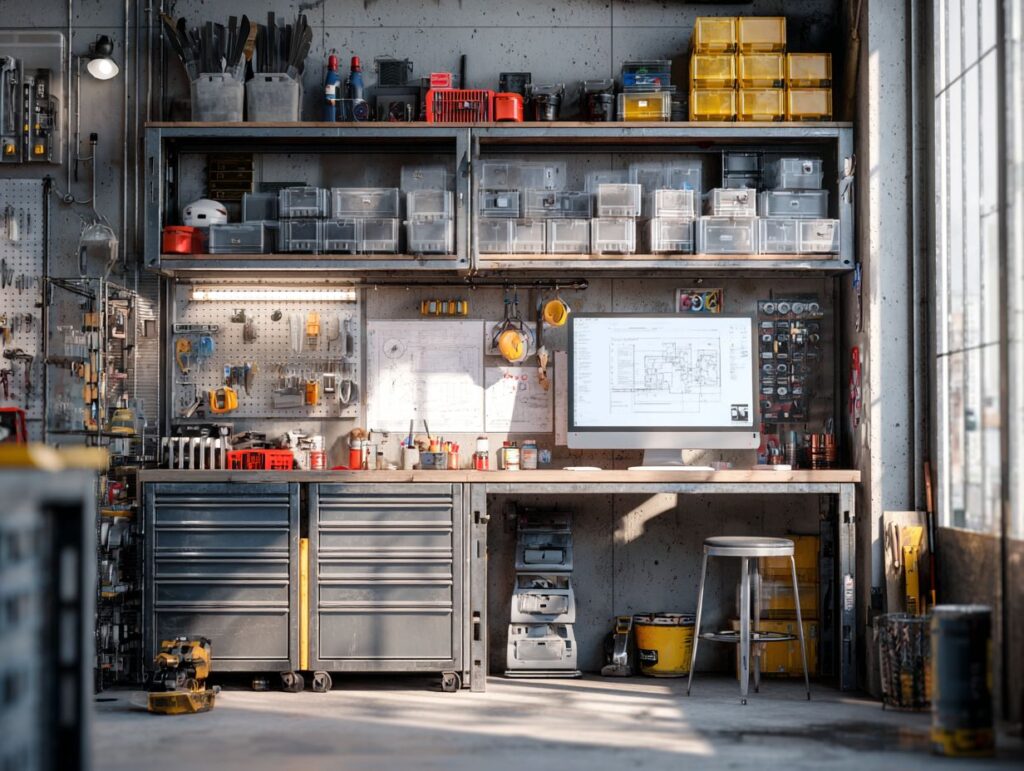
High-quality machinery and equipment are crucial for enhancing production activities and maintaining operational standards within the manufacturing sector.
Machining Tools
Machining tools, including CNC machines, laser cutters, and 3D printers, play a critical role in ensuring precision and efficiency within production lines. Various types of CNC machines contribute to enhanced production speed and accuracy.
For example, the DMG MORI DMU 50 is well-regarded for its versatility and capability to perform simultaneous five-axis machining, making it particularly suitable for the production of complex components. Priced at approximately $120,000, it is ideally suited for projects with high-quality requirements.
In contrast, the HAAS VF-2, which costs around $50,000, provides reliable performance for simpler tasks but does not incorporate advanced features. The Tormach PCNC 770 is priced at about $10,000 and is an excellent choice for small shops that require a compact yet capable machine.
It is essential to ensure that each selection aligns with specific project requirements and budget constraints.
Assembly Equipment
Assembly equipment, such as conveyor systems and robotic arms, plays a critical role in enhancing the speed and efficiency of manufacturing processes. These systems have the potential to increase production throughput by as much as 50% by minimizing manual handling times.
The implementation of conveyor belts facilitates the smooth movement of materials between workstations, thereby reducing delays in the production process. Robotic arms are particularly effective at performing repetitive tasks, including welding and packaging, which further accelerates workflows.
Additionally, technologies such as Programmable Logic Controllers (PLCs) allow for real-time monitoring and adjustments, ensuring optimal performance throughout the manufacturing process.
By integrating these advanced tools with Lean Manufacturing principles, organizations can streamline operations, improve inventory management, achieve significant waste reduction, and ultimately enhance product quality and profitability.
Material Handling Systems
Effective material handling systems, including autonomous robots and autonomous material handling units, are essential for minimizing operational disruptions within the manufacturing supply chain.
The implementation of automated solutions, such as those offered by ABB Robotics, can significantly enhance productivity. For instance, a manufacturer that incorporated ABB’s autonomous mobile robots reported a 25% increase in material transport efficiency within the first three months of integration.
These systems are capable of reducing labor costs and minimizing error rates, as they perform repetitive tasks with a high degree of precision. To achieve comparable results, it is advisable to evaluate your current workflow, identify any bottlenecks, and select appropriate automation tools.
Additionally, investing in training for staff members is crucial to ensure a seamless transition and optimal utilization of these technologies.
Safety Equipment, Compliance, and Employee Wellbeing
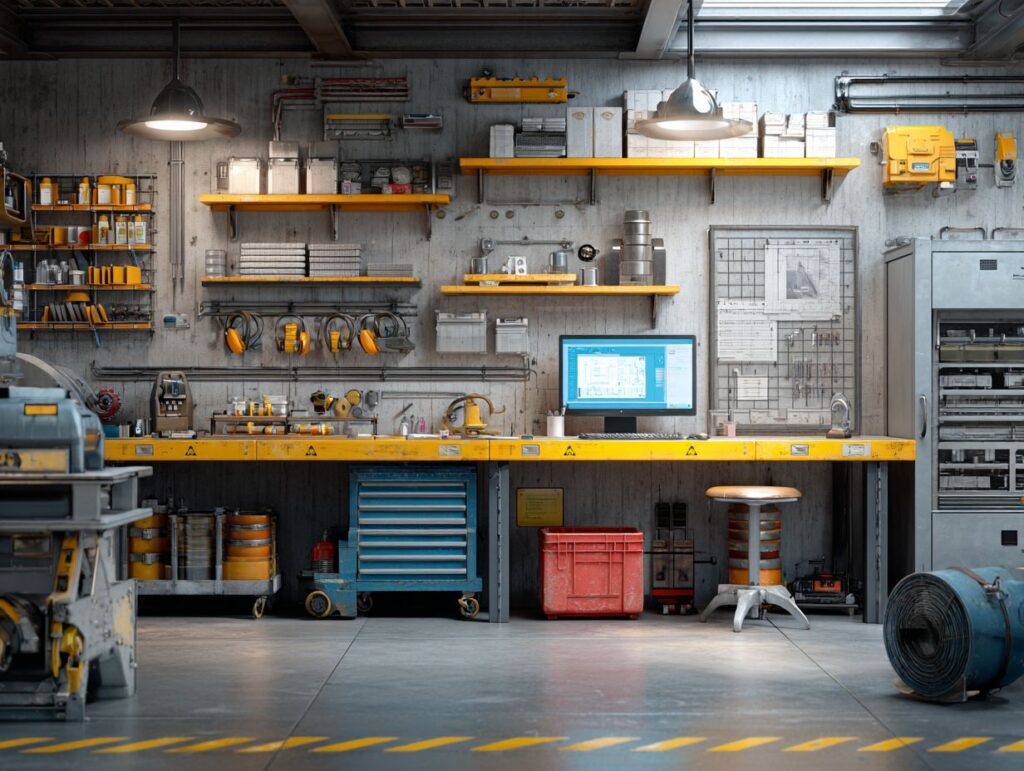
The implementation of appropriate safety equipment and compliance measures is crucial for safeguarding employees and ensuring operational integrity within manufacturing environments.
Personal Protective Equipment (PPE)
Personal Protective Equipment (PPE), which includes hard hats, safety goggles, and ear protection, is essential for ensuring a safe working environment for employees. The use of PPE significantly reduces the likelihood of workplace injuries.
For example, hard hats can decrease the risk of head injuries by as much as 70%, while safety goggles are effective in preventing over 90% of eye-related injuries.
In environments with high noise levels, ear protection can reduce the risk of hearing loss by nearly 50%. It is imperative for organizations to conduct regular training sessions to ensure proper usage of PPE, in addition to performing routine audits to maintain compliance with safety standards.
Implementing these safety measures, including the use of protective overalls, not only safeguards employees but also contributes to reduced insurance costs, resulting in safer and more efficient operational practices.
Safety Protocols and Regulations
Adhering to safety protocols and regulations not only ensures compliance but also promotes a culture of safety and employee well-being within manufacturing environments.
Implementing safety compliance encompasses several key practices. Regular training sessions should be conducted, ideally on a quarterly basis, with a focus on specific regulations such as OSHA standards. For example, organizations like Lockheed Martin conduct comprehensive safety drills that effectively reinforce these protocols.
Utilizing safety management systems, such as SafetyCulture, can enhance the efficiency of incident reporting and compliance tracking. Additionally, regular audits are essential; it is advisable to establish a review schedule that includes monthly assessments for critical processes and quarterly evaluations for overall safety.
This comprehensive approach not only fulfills regulatory requirements but also fosters a proactive safety culture among employees.
Maintenance Practices and Upkeep of Equipment
Regular maintenance practices and upkeep of machinery are essential for preventing operational interruptions and prolonging the lifespan of manufacturing equipment. To ensure optimal performance, it is advisable to establish a routine inspection schedule and employ predictive maintenance technologies.
Utilizing tools such as Computerized Maintenance Management System (CMMS) software can effectively track maintenance tasks, schedule jobs, and manage inventory. For instance, implementing monthly inspections to assess belts, bearings, and electrical systems, while incorporating IoT sensors to monitor equipment conditions in real time, is highly recommended. Additionally, AI-powered inspection and equipment like pressure gauges and ultrasonic welding machines enhance accuracy and safety.
Regular analysis of this data allows for the identification of trends and potential failures, which can ultimately lead to cost savings and minimized downtime. By employing these strategies, including the use of AI-powered machines, organizations can not only ensure their equipment operates efficiently but also be prepared for unforeseen challenges.
Frequently Asked Questions
What are essential industrial materials and equipment every manufacturer needs?
Essential industrial materials and equipment include raw materials, machinery such as CNC machines and 3D printers, tools, and supplies that are necessary for the production and manufacturing process.
Why are these materials and equipment important for manufacturers?
These materials and equipment are essential for manufacturers because they help ensure efficiency, quality, and consistency in the production process. They also play a crucial role in meeting production demands and maintaining a competitive edge in the market.
What are some examples of essential industrial materials every manufacturer needs?
Examples of essential industrial materials include metals, plastics, chemicals, and textiles. These materials are used to create a wide range of products, from electronics and appliances to building materials and clothing.
What types of equipment are necessary for manufacturers?
Equipment such as lathes, drill presses, welding machines, and conveyor systems are crucial for manufacturers to produce goods efficiently and accurately. Other types of equipment, like forklifts and pallet jacks, are also necessary for material transportation and storage.
How can manufacturers ensure they have the right materials and equipment for their specific needs?
Manufacturers can consult with suppliers and specialists to determine the best materials and equipment for their specific production needs. They can also conduct thorough research and analysis to identify the most efficient and cost-effective options.
What are the consequences of not having essential industrial materials and equipment in manufacturing?
Not having the necessary materials and equipment can lead to production delays, quality issues, and increased costs. It can also put manufacturers at a disadvantage in the market, leading to lower productivity and profit.