Choosing the right equipment for your industrial operations is vital for maximizing efficiency and productivity. In warehouses, selecting the appropriate material handling equipment, such as conveyor systems, is essential to meet your operational needs. This guide will walk you through key factors to consider, ensuring your decisions align with your business goals and future growth, ultimately empowering you to streamline processes and enhance performance.
Table of Contents
Key Takeaways:
- Understand your operational needs by assessing production requirements and identifying key processes.
- Consider your budget carefully, weighing initial investment against long-term costs and exploring financing options.
- Evaluate equipment options by comparing new and used equipment from different vendors, prioritizing safety and compliance standards, and considering maintenance and support.
How to Choose the Right Equipment for Your Industrial Operations and Enhance Operational Efficiency
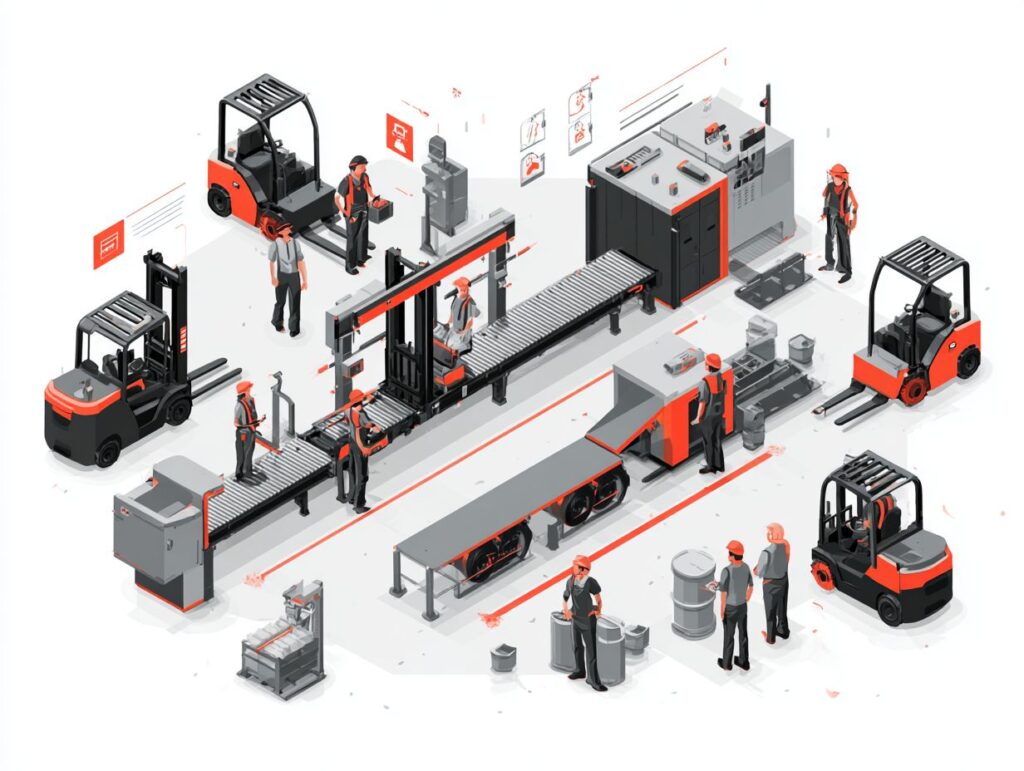
Selecting the appropriate equipment for industrial operations is essential for improving efficiency and ensuring alignment with operational objectives.
Understanding Your Operational Needs
Identifying operational needs represents the initial step in the process of selecting appropriate equipment, ensuring that investments are aligned with production objectives and operational goals.
Assessing Production Requirements
Begin by assessing your production requirements, including load capacity and necessary throughput, as these factors will determine the appropriate type of equipment needed.
Subsequently, conduct a comprehensive analysis of existing workflows and identify any bottlenecks. Employ methodologies such as Six Sigma or Lean to quantify inefficiencies in the current processes.
For example, if the assembly line is unable to achieve a throughput of 500 units per hour, it may be advisable to upgrade to automated conveyor systems that can accommodate 800 to 1,000 units per hour. Additionally, it is essential to involve your team in discussions to gain insights into operational challenges they may be facing.
Implementing a Kanban system can significantly enhance workflow organization, facilitating a smoother transition to higher-capacity solutions.
Identifying Key Processes
Identifying key processes within operations, such as material handling and inventory management, is essential for streamlining workflow and enhancing efficiency.
After pinpointing these processes, it is advisable to utilize tools such as Lucidchart to create flowcharts that visualize each step involved. For example, if inventory management experiences delays due to inefficient picking methods, it is important to recognize this bottleneck and consider solutions like Automated Guided Vehicles (AGVs) to improve speed.
Moreover, the integration of robotic arms can optimize repetitive tasks and minimize human error. It is crucial to evaluate equipment regularly; conducting monthly assessments can help determine whether automation tools are meeting demand and contributing to overall efficiency improvements.
Budget Considerations
Budget considerations are essential in the process of equipment selection, as they involve a careful evaluation of initial investments in relation to long-term operating costs.
Initial Investment vs. Long-Term Costs
Analyzing the initial investment in relation to long-term costs is essential for making informed decisions regarding equipment purchases.
To effectively assess your investment, begin by calculating the initial costs; for example, a new conveyor system may require an expenditure of approximately $30,000.
Subsequently, it is important to consider maintenance expenses, which could amount to around $2,000 annually.
Additionally, evaluating energy costs is crucial-energy-efficient models may yield savings of approximately $1,500 per year compared to traditional alternatives.
Investing in high-quality equipment, such as a more efficient conveyor system with advanced technology integration, can lead to reductions in downtime and maintenance expenses, potentially resulting in further savings of $5,000 annually.
This comprehensive cost analysis offers a clearer perspective for making informed budgeting decisions.
Financing Options
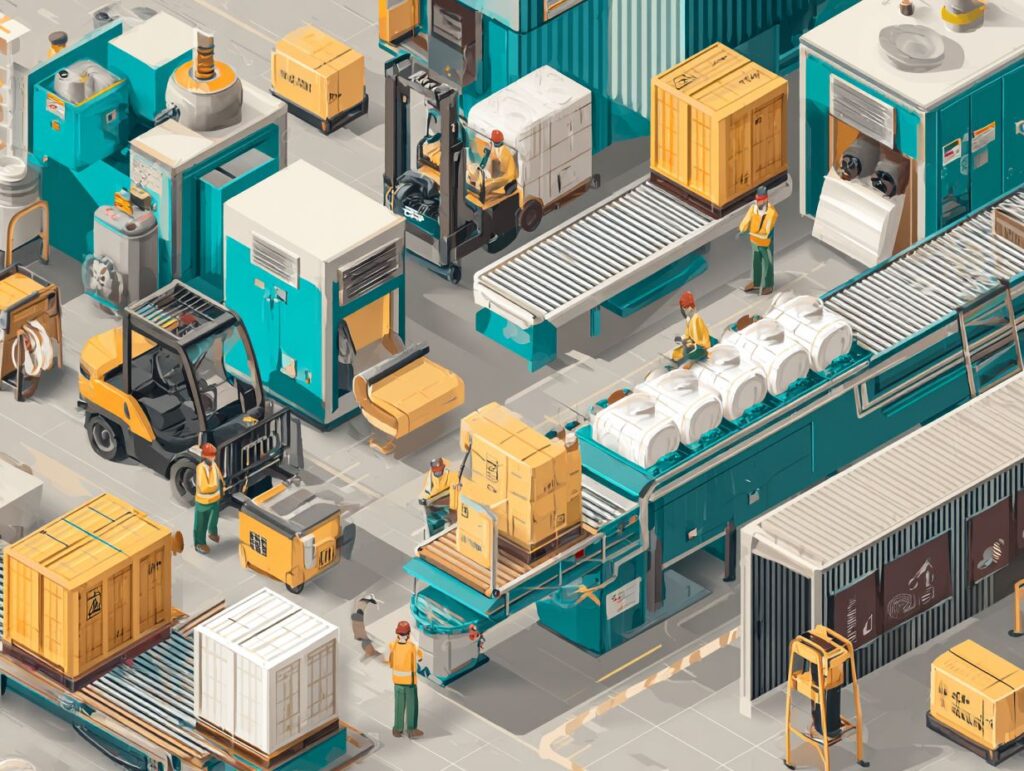
Exploring various financing options, including loans and leasing, can effectively assist in managing cash flow while acquiring essential equipment. Traditional bank loans typically offer fixed terms, usually around 4% interest over a period of five years, which makes them predictable and manageable.
Leasing presents the advantage of lower monthly payments, often approximately $500 for equipment valued at $30,000; however, it is important to note that the lessee does not gain ownership of the asset.
Alternatively, specialized equipment financing firms, such as Crest Capital, provide funds based on the equipment’s value. This option may facilitate quicker access to financing, but it may also entail higher interest rates.
Each financing option presents its own set of trade-offs. Therefore, it is crucial to consider factors such as cash flow, the desire for ownership, and long-term financial objectives when making a decision.
Evaluating Equipment Options
Evaluating equipment options requires a thorough comparison of both new and used machinery, alongside an assessment of vendor reliability and the quality of service support provided.
New vs. Used Equipment
When deciding between new and used equipment, it is important to carefully evaluate the advantages, such as reliability and warranty, against potential cost savings.
When selecting new equipment, one should take into account the duration of the warranty and the available service options; for example, many conveyor systems typically offer a warranty period of three years.
Conversely, the acquisition of used equipment can result in significant savings, often ranging from 20% to 50%. To ensure the durability of used equipment, it is advisable to conduct thorough audits utilizing checklists that encompass maintenance records and operational history.
For instance, a manufacturing company successfully acquired used forklifts, which resulted in a cost reduction of 30%. This enabled them to reinvest in critical areas of their operation. Such a meticulous assessment can facilitate prudent financial decisions.
Vendor Comparisons and Equipment Recommendations
Comparing vendors not only assists in identifying the most competitive pricing but also ensures that their offerings are in alignment with your operational requirements and compliance standards.
To effectively evaluate potential vendors, it is advisable to create a comparison table that assesses key factors. This table should include attributes such as price range, equipment offered, and customer service ratings.
For example, one might compare SRS-i, which specializes in high-quality conveyor systems, with Modula, recognized for its automated storage solutions.
It is also essential to review warranty support and delivery timelines, as these elements can significantly impact your operations. Conducting thorough research enables you to select a vendor that meets both your budgetary constraints and operational needs, thereby ensuring a seamless integration into your workflow.
Checkout How to Choose an Equipment Vendor – Pedistat
Safety and Compliance Standards
Understanding safety and compliance standards is crucial for ensuring that equipment adheres to industry regulations and effectively safeguards the workforce.
Understanding Industry Regulations
It is imperative to familiarize oneself with industry regulations, such as OSHA standards, which outline the necessary safety measures for equipment utilized in warehouses and manufacturing environments.
To remain informed about the latest requirements, individuals should regularly review OSHA updates available on the OSHA website. Conducting quarterly safety audits is essential to identify areas for improvement and ensure adherence to safety protocols.
Additionally, it is crucial to provide staff training on compliance standards, equipping them with clear guidelines for the safe operation of machinery. A checklist of key regulations to monitor, such as:
- Personal Protective Equipment (PPE) requirements
- Fall protection measures
can be developed to streamline this process.
Equipment Safety Features
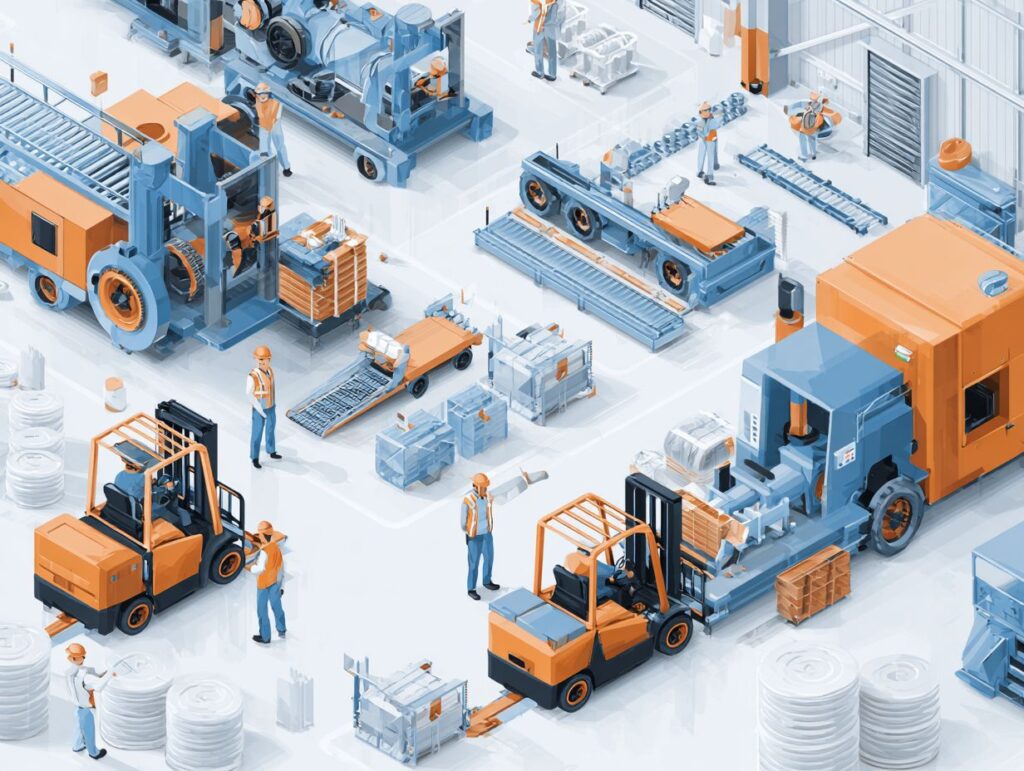
Evaluating the safety features of equipment is essential to ensure safe operation and compliance with industry standards.
Key safety features to consider include advanced measures such as real-time monitoring and automated safety mechanisms:
- Emergency stop buttons, which enable the immediate cessation of machinery in emergency situations;
- Safety guards and shields that protect operators from moving parts;
- Automatic shut-off systems that deactivate equipment in the event of malfunctions.
Additionally, reviewing safety ratings, such as CE marking, is crucial. This certification indicates compliance with health and safety standards within the European Union, confirming that the equipment has undergone rigorous testing to ensure user safety.
Striking a balance between these safety features and operational requirements can significantly mitigate risks.
Maintenance, Support, and Equipment Reliability
Implementing effective maintenance and support strategies is essential for ensuring equipment reliability and minimizing downtime in production.
Warranty and Service Agreements
Understanding warranty and service agreements is essential for mitigating risks associated with equipment failure and unforeseen maintenance expenses.
When evaluating service agreements, it is important to focus on key components such as the duration, which typically ranges from one to three years, and the extent of coverage provided. Some agreements may only cover parts, while others may also include labor costs.
It is advisable to examine the terms regarding emergency service; agreements that offer 24/7 availability can be particularly valuable. For example, a local vendor may present a comprehensive package for $500 per year, whereas another vendor could charge $300 for limited support.
Conducting a thorough review will ensure that an agreement is selected that aligns with the specific operational needs of the organization.
Availability of Spare Parts
Ensuring the availability of spare parts is essential for minimizing downtime when equipment requires repairs or replacements, which directly impacts operational alignment.
It is advisable to begin by assessing vendor stock and conducting a budget evaluation. Local suppliers often provide a quicker turnaround, while manufacturers may offer a broader selection of parts.
Evaluating lead times for essential components is critical, as some parts may take weeks to arrive, affecting maintenance tracking and schedules.
Additionally, implementing a preventative maintenance program can be beneficial, as it allows for the proactive replacement of parts before they fail. This approach not only reduces downtime but also aids in budgeting for maintenance expenses.
It is imperative to maintain a stock of critical spare parts, including:
- Filters
- Belts
- Seals
These components are frequently required and can usually be sourced promptly, ensuring ease of use and quick turnaround in the manufacturing sector.
Future-Proofing Your Operations
Future-proofing operations necessitates the careful selection of equipment that not only fulfills current requirements but is also capable of adapting to future advancements and scalability considerations.
Scalability of Equipment
Assessing the scalability of equipment is essential to ensure it can accommodate increased production demands without necessitating significant additional investments.
To evaluate the scalability of equipment, one should begin by examining the manufacturer’s specifications, with particular attention paid to modular designs that facilitate easy upgrades. For example, a conveyor system designed for expansion through the addition of modules can be more advantageous than one that requires complete replacement.
Additionally, it is important to explore available upgrade paths, such as software updates that can enhance performance without the need for new hardware. A thorough assessment of the current workspace and anticipated future requirements is also crucial.
For instance, manufacturing companies like Toyota have effectively scaled their operations by implementing flexible production lines that can adapt to varying product demands with enhanced equipment durability and efficiency.
Technological Advancements
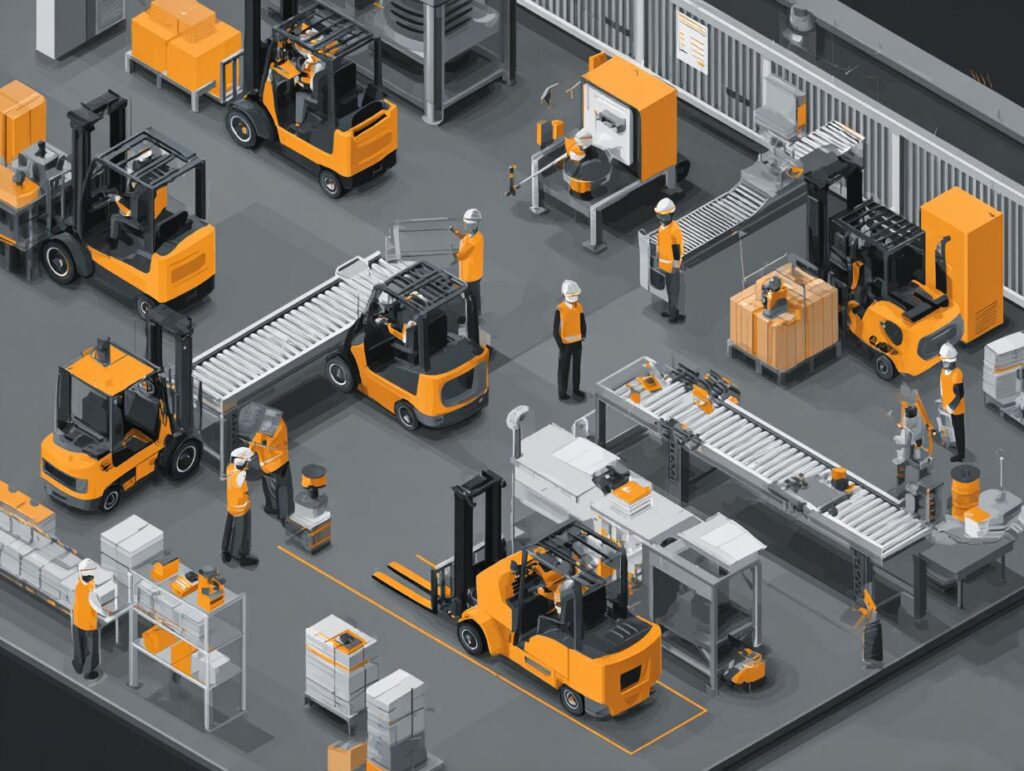
Staying informed about technological advancements enables organizations to effectively leverage innovations such as artificial intelligence (AI), machine learning, and the Internet of Things (IoT) to enhance operational efficiency and production efficiency.
For example, companies like FedEx employ machine learning algorithms in their inventory management systems to accurately predict stock levels and optimize logistics processes. Additionally, IoT sensors facilitate real-time monitoring of equipment performance, allowing maintenance teams to address potential issues before they escalate, thereby minimizing downtime.
The implementation of automation solutions, such as robotic arms on production lines, can significantly accelerate manufacturing processes while ensuring consistent product quality.
To remain current with these developments, resources such as technology journals, webinars, and industry-specific conferences offer valuable insights into emerging technologies.
Frequently Asked Questions
What factors should I consider when choosing the right equipment for my industrial operations, including specialty equipment?
The main factors to consider include the type of industry, the specific process or task the equipment will be used for, the available space and budget, financial planning, and the safety regulations and requirements.
How can I determine the specific equipment needed for my industrial operations, including equipment durability and complexity level?
Start by analyzing the production process and identifying the steps or tasks that require equipment. Then, consider the volume and frequency of those tasks to determine the appropriate size and capacity of the equipment needed.
What is the importance of considering safety regulations and safety compliance when choosing industrial equipment?
Safety regulations are crucial in ensuring the protection of workers and compliance with laws. It is important to choose equipment that meets or exceeds safety standards to prevent workplace accidents and potential legal consequences.
Should I prioritize cost or quality when choosing industrial equipment, and how does budget evaluation impact this decision?
It is important to balance both cost and quality when choosing equipment for your industrial operations. While a lower cost may seem appealing, investing in higher quality equipment can save you money and improve productivity in the long run.
What are some common mistakes to avoid when choosing industrial equipment, including overlooking testing validation?
Some common mistakes include not considering safety regulations, under or overestimating the capacity and size needed, and not factoring in long-term maintenance and operating costs. It is important to thoroughly research and carefully consider all aspects before making a decision.
Can I customize industrial equipment to fit my specific needs, including integrating automatic guided vehicles?
Yes, many equipment manufacturers offer custom options to meet the specific needs of your industrial operations. This can include modifications to size, capacity, and features to optimize the equipment for your unique processes and tasks.