When it comes to safeguarding your property, choosing the right fire alarm system and understanding alarm notifications is crucial. With various options, including smoke detectors, manual pull stations, control panels, heat detectors, and notification devices, understanding the strengths of different alarm systems is key for effective home security and scalable systems. This article will guide you through assessing your needs, exploring types of fire and security systems, including wireless connectivity and environmental sensors, and considering essential features, ensuring your space is protected against potential threats.
Table of Contents
Key Takeaways:
- Assess your needs and understand the risks and threats specific to your home or office in order to determine the right fire and security system.
- Consider the key features of a system, such as monitoring options and integration with other systems, to ensure maximum protection and convenience.
- Choose a reputable provider and understand the importance of regular maintenance to ensure the effectiveness and longevity of your fire and security system.
Importance of Fire & Security Systems
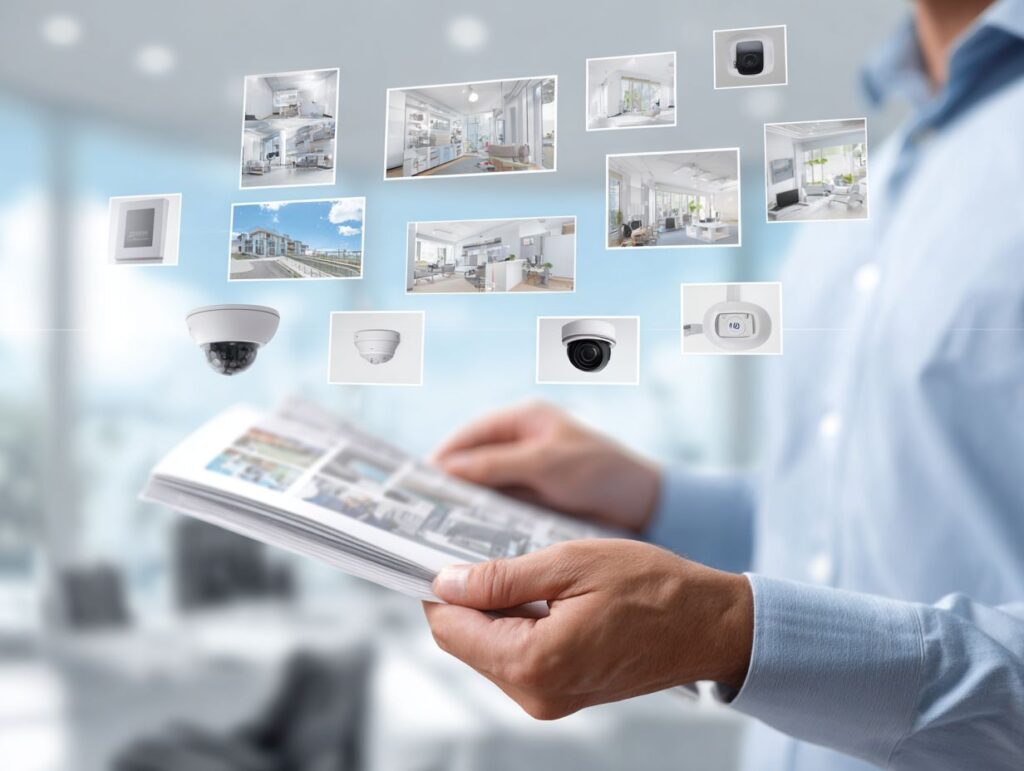
Fire and security systems, including advanced features, have been shown to reduce emergency response times by 30%, thereby ensuring timely alerts that can save lives and minimize property damage, satisfying compliance standards. These systems typically incorporate smoke detectors, heat sensors, and alarm systems that establish direct communication with local fire departments during emergencies.
For example, a monitored fire alarm is capable of automatically transmitting alerts, significantly reducing response times. Many contemporary systems also offer notifications through mobile applications, which inform residents of potential dangers and facilitate quicker evacuations.
Investing in comprehensive fire safety solutions, such as those offered by reputable companies like ADT or Honeywell, not only ensures compliance with safety regulations but also provides homeowners with enhanced peace of mind.
Assessing Your Needs
A comprehensive assessment of the unique security needs of your property is essential for selecting the appropriate fire and security systems that provide effective and complete protection.
Understanding Risks and Threats
Identifying potential risks, including fire hazards, false alarms, and intrusion threats, represents the initial step in formulating an effective safety strategy.
Once these risks have been identified, it is essential to conduct a comprehensive risk analysis utilizing a structured methodology. Employing tools such as risk assessment templates can facilitate this process by guiding the evaluation of both the likelihood and impact of each identified risk.
Engaging with fire protection specialists can offer valuable insights into safety measures into specific fire safety measures pertinent to the type of property in question. Regularly updating this analysis is crucial to ensuring that safety strategies remain effective and in alignment with best practices, as risk factors are subject to change over time.
Evaluating Property Size and Layout
The size and layout of a property significantly influence the selection of fire alarm and security systems, thereby affecting their coverage and effectiveness.
To accurately assess your needs, including property layout, it is advisable to begin by measuring the dimensions of your property and mapping out key areas, such as entrances and stairwells.
Utilizing tools such as RoomSketcher or SketchUp can aid in visualizing the layout and identifying potential blind spots.
It is important to consider the range of available systems; for instance, a wireless alarm system may be appropriate for larger spaces, facilitating easier installation, while a hardwired option may offer enhanced reliability in smaller, compact areas.
Engaging with security system installation professionals is recommended to determine which systems will effectively cover your unique property layout.
Types of Fire & Security Systems
A comprehensive understanding of the various types of fire and security systems available give the power to property owners to select the most effective solutions tailored to their specific requirements, including alarm permits and modular components.
Fire Alarm Systems
Fire alarm systems, which encompass smoke detectors and heat detectors, are critical for the early detection and response to fire incidents.
There are two primary types of fire alarm systems: conventional and addressable.
Conventional fire alarm systems segment the building into zones, facilitating the identification of the alarm’s origin. These systems are generally more cost-effective, with smoke detectors priced between $50 and $150 each.
In contrast, addressable systems, which range from $150 to $300 per unit, offer enhanced capabilities for precise location identification of alarms, thereby improving response times. While the installation of conventional systems may be straightforward, addressable systems often necessitate professional installation to ensure optimal performance.
Intrusion Detection Systems
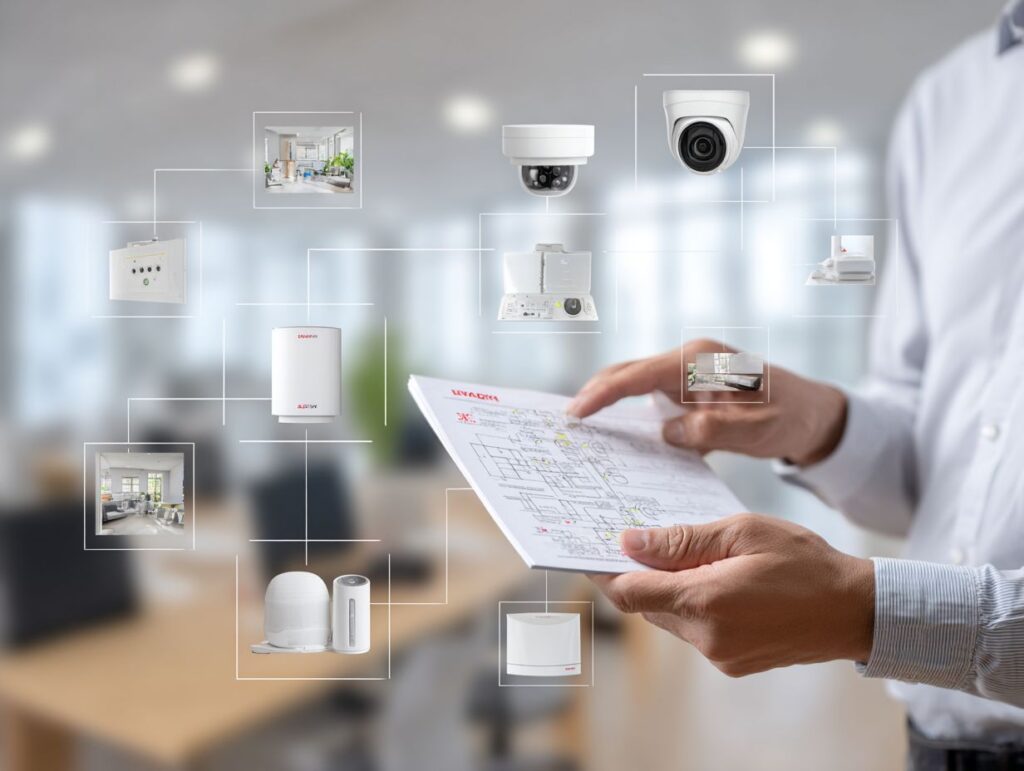
Intrusion detection systems employ sensors and cameras to monitor unauthorized access, thereby providing critical alerts to property owners, enhancing safety infrastructure.
These systems generally include control panels, security cameras, and:
- Motion sensors that detect movement within a designated area,
- Door and window sensors that trigger an alert when a door or window is opened,
- Security cameras, intrusion detection sensors, that facilitate visual surveillance.
For instance, motion sensors can respond in less than two seconds, making them highly effective for immediate detection. Established brands such as Ring offer user-friendly installations with integrated features, while ADT is well-regarded for its comprehensive monitoring services and prompt emergency response times.
The selection of an appropriate system is contingent upon the specific layout and security requirements of the property.
Video Surveillance Systems
Video surveillance systems, including closed-circuit television (CCTV), access controls, and smart cameras, significantly enhance security by facilitating real-time monitoring and providing recorded evidence.
Many of these systems include remote access capabilities via mobile applications, allowing users remote access to oversee their property from virtually any location. For example, Vivint offers 24/7 monitoring accompanied by advanced features such as smart home integration and communication modules; however, it does require a contractual commitment. Conversely, Eufy presents a no-monthly-fee model with local storage options, making it a more budget-friendly alternative.
Both systems provide cloud services, although Vivint’s offerings incur an additional fee. Ultimately, the decision should be based on individual budget considerations and the preference for either comprehensive monitoring or cost-effective storage solutions.
Key Features to Consider
When selecting a fire and security system, certain features can greatly enhance both its effectiveness and user experience, such as integration systems.
Monitoring Options
Monitoring options, including professional monitoring and self-monitoring, are essential components in determining the effectiveness of fire and security systems.
Professional monitoring services typically incur a monthly cost ranging from $15 to $50, providing 24/7 surveillance through reputable companies such as SimpliSafe and ADT. These services guarantee prompt responses to alarms and possess the capability to dispatch emergency services when necessary.
In contrast, self-monitoring offers a more DIY installation-friendly, cost-effective solution but necessitates that the user respond to alerts via applications or text messages. Systems such as Ring or Google Nest present user-friendly interfaces for alerts and video feeds.
Ultimately, the decision regarding which monitoring option to pursue should be based on individual risk tolerance and the desired level of oversight.
Integration with Other Systems
Integrating fire safety and security systems with other home automation solutions significantly enhances overall safety and convenience. For example, connecting smoke detectors to platforms such as Amazon Alexa enables voice alerts, ensuring that family members remain informed even when they are not in the same room.
Smart security cameras, such as those provided by Ring or Arlo, can send real-time alerts to smartphones, facilitating immediate action during emergencies. Modular components like the Nest Protect serve dual purposes as modular components by detecting both smoke and carbon monoxide, thereby offering comprehensive protection.
By selecting systems that communicate seamlessly, one can establish a robust, interconnected environment that not only enhances safety but also promotes peace of mind.
Budgeting for Your System
Budgeting for fire alarm systems and security systems requires a thorough understanding of the initial costs associated with their installation, as well as an evaluation of the potential long-term savings that may be realized through reduced insurance premiums.
Initial Costs vs. Long-term Savings
Investing in high-quality fire and security systems may require an initial expenditure ranging from $500 to $2,000; however, the potential savings associated with these systems can far exceed the initial costs.
For example, numerous insurance companies provide discounts for properties equipped with monitored fire alarms, which can result in premium reductions of 20% or more. Furthermore, the installation of a comprehensive security system may yield savings of approximately 10-15% on homeowners’ insurance.
Along with the financial advantages, these systems significantly enhance safety and can potentially increase property value, thereby representing a prudent long-term investment.
Consequently, while the upfront costs may appear substantial, the cumulative savings and enhanced security justify the investment.
Choosing a Provider
Choosing a reputable provider is essential for the effective installation and maintenance of fire and security systems, including addressable fire alarm systems and CCTV cameras, that are tailored to meet your specific requirements.
Researching Reputable Companies for Alarm Notification Devices and Maintenance Options
Researching reputable companies entails a comprehensive examination of customer reviews, industry certifications, adherence to local fire safety standards, and key factors like emergency alerts.
To begin, it is advisable to consult platforms such as Yelp for customer feedback and ratings, which offer valuable insights into a company’s service quality. Subsequently, reviewing the Better Business Bureau (BBB) is essential to identify any complaints lodged against the company and their resolutions.
Furthermore, it is important to verify whether the company possesses relevant local certifications by reaching out to region-specific agencies or reviewing the information available on their official websites. Additionally, inquiring about warranties or service guarantees can provide an indication of their commitment to customer satisfaction.
This thorough approach is instrumental in ensuring that one selects a trustworthy and compliant business.
Installation and Maintenance of DIY Systems and Professional Services
A comprehensive understanding of installation processes and maintenance requirements is crucial for ensuring the optimal performance of fire and security systems.
Understanding Installation Processes for System Components
The installation processes can significantly differ based on the choice between DIY installation and professional services for systems like SimpliSafe and Vivint, with implications for both costs and system effectiveness.
Opting for a DIY approach can lead to savings on installation fees, which typically range from $200 to $500; however, it necessitates a certain level of technical expertise and a considerable investment of time. For example, when setting up a home automation system, adhering closely to online guides can help facilitate an efficient process.
Conversely, hiring professionals guarantees a prompt and effective installation, often resulting in fewer long-term complications.
It is essential to weigh the advantages of each option:
- DIY offers financial savings and valuable learning experiences,
- while professional services provide specialized knowledge and peace of mind.
Ultimately, the most suitable choice depends on individual factors such as budget constraints, skill level, and the urgency of the installation.
Importance of Regular Maintenance
Regular maintenance of fire and security systems is essential for ensuring compliance with fire safety standards, including wireless fire alarm systems, and the reliable operation of all components.
To maintain these systems effectively, it is recommended to test smoke alarms and other alarm notification devices on a monthly basis; this can be accomplished by pressing the test button to confirm that they are operational.
Professional inspections should be scheduled at least once a year, with a specific focus on fire extinguishers and sprinkler systems. It is also advisable to maintain a log of all maintenance activities and findings. This documentation not only assists in tracking compliance but also aids in the early identification of potential issues.
Furthermore, it is important to educate all household members about the emergency protocols in place, ensuring that everyone is aware of the appropriate actions to take in the event of an alarm.

Learn more, Expert Fire Alarm and Security Safety Tips | Pearl River, NY
Frequently Asked Questions about Sprinkler Systems and Fire Safety Standards
What factors should I consider when choosing a fire and security system for my home or office?
Some important factors to consider include the size and layout of the space, the level of security needed, budget, and any specific features or technology you may want. It’s also important to research the reputation and reliability of the system’s manufacturer and choose a reputable company for installation.
How do I determine the level of security needed for my home or office?
You should assess the potential risks and vulnerabilities of your space, such as location, surrounding area, and valuables inside. This will help determine the level of security needed, whether it’s a basic alarm system or a more advanced one with surveillance and monitoring capabilities.
What are the different types of fire and security systems available for homes and offices?
Some common types of systems include burglar alarms, fire alarms, CCTV cameras, access control systems, and intercom systems. There are also various options within each type, such as wireless or hardwired systems, and different levels of technology and features.
How do I maintain and regularly check my fire and security system?
It’s important to follow the manufacturer’s maintenance guidelines and schedule regular checks by a professional. This will ensure that the system is functioning properly and can identify any issues or malfunctions before they become a serious problem.
Can I customize my fire and security system to fit my specific needs?
Yes, most security companies offer various levels of customization for their systems. This can include different levels of security, specific features like remote access or smartphone integration, and even the option to choose different sensors and detectors based on your needs.
How do I know if my fire and security system is up-to-date and in compliance with current regulations?
It’s important to stay informed about changes or updates in fire and security regulations, and to have a professional regularly check and update your system as needed. Additionally, make sure to choose a reputable company that stays up-to-date with regulations and regularly updates their systems to comply with them.