In the realm of commercial buildings, effective fire prevention is paramount to safeguarding both assets and lives. With expert insights from Forbel and Robinsons Facilities Services in Chicago, this article explores essential fire safety and security measures, from the proper maintenance of heating and electrical equipment to compliance with fire regulations. Equip your property with vital strategies to mitigate risks and ensure a secure environment, making fire safety a top priority for your business.
Table of Contents
Key Takeaways:
- Regular inspections and maintenance of equipment are essential for mitigating fire risks in commercial properties.
- Effective fire prevention strategies, such as employee training programs, can greatly reduce the likelihood of fires in the workplace.
- Proper placement and accessibility of fire extinguishers and equipment can make a significant difference in emergency situations.
Understanding Fire Risks
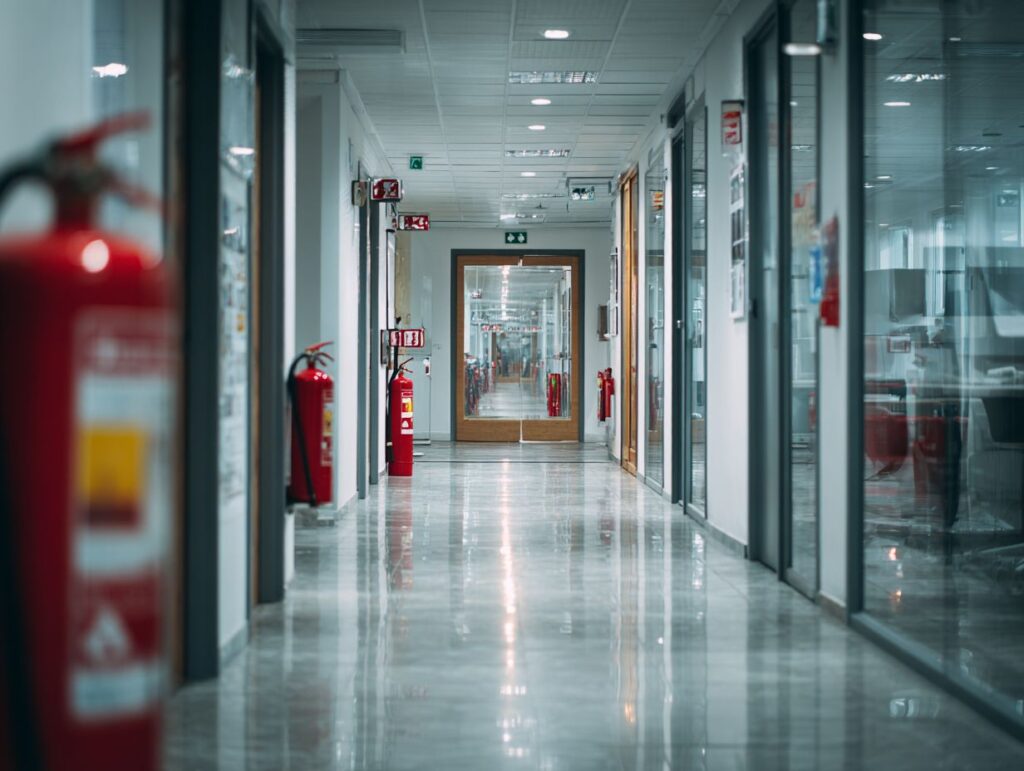
Understanding fire risks is essential for the development of effective fire prevention strategies.
Research indicates that over 70% of commercial fires originate from common hazards, including faulty electrical equipment, unsafe storage practices, and improperly designated smoking zones.
Common Causes of Fires
The primary causes of fires in commercial properties are attributed to cooking hazards, electrical wiring failures, and improperly managed smoking materials, with culinary establishments accounting for 31% of fire incidents. Other significant factors include electrical wiring failures and improperly managed smoking materials.
Additionally, heating equipment is responsible for 15% of commercial fires, and combustible waste, often stored inadequately, also contributes to this risk.
To mitigate these incidents, it is essential to implement stringent cooking protocols, regularly inspect electrical systems, and designate smoking zones away from flammable materials.
Furthermore, routine servicing of heating equipment and ensuring the proper disposal of combustible waste are critical measures to reduce risks.
For example, the installation of smoke detectors and fire suppression systems can significantly enhance safety measures, thereby decreasing the likelihood of catastrophic fires and safeguarding both lives and assets.
Identifying Vulnerable Areas
Identifying vulnerable areas within commercial buildings is essential, as approximately 40% of fires originate in locations with inadequate fire detection systems or insufficient maintenance practices.
To conduct a comprehensive fire safety assessment, it is advisable to start by inspecting high-risk areas, such as kitchens, where grease and heat are prevalent, as well as electrical rooms that may pose a risk of overheating.
Utilizing a fire risk assessment checklist is recommended to document findings, ensuring that all potential hazards, including fire safety protocols, are adequately noted. For more thorough evaluations, software such as Forbel can be considered, as it streamlines the assessment process and aids in tracking compliance.
It is important to regularly review the findings and maintain an up-to-date log of improvements made to identified vulnerable areas, thereby enhancing the overall safety measures of the building.
Fire Safety Regulations and Compliance
Compliance with fire safety regulations is essential for commercial properties to adhere to established safety standards and safeguard employees and assets. This not only minimizes risk but also enhances the protection of employees and assets.
Local and National Codes
Familiarity with local and national fire codes, including NFPA 101 (Life Safety Code) and relevant local ordinances, is essential for ensuring compliance and the safety of commercial properties.
Commercial properties are required to adhere to fire safety regulations, which encompass the maintenance of proper fire exits, the execution of regular inspections, and the installation of adequate fire alarm and sprinkler systems.
For instance, consulting the local fire marshal’s office can provide access to specific codes and guidelines. Additionally, resources such as the National Fire Protection Association (NFPA) website offer comprehensive explanations of compliance regulations and outline potential penalties for violations, which may include fines or closure orders.
Furthermore, regular training for staff on fire safety procedures is highly advisable to mitigate risks effectively.
Importance of Regular Inspections
Regular inspections are essential; properties that undergo routine fire safety audits experience a 25% reduction in fire incidents due to proactive measures and adherence to regulations.
To efficiently schedule fire inspections, it is advisable to utilize General Security’s fire audit services, which enable the establishment of recurring dates tailored to specific needs.
Each inspection should encompass critical components, including:
- The functionality of smoke detectors
- The clarity of emergency exit paths
- The condition of fire extinguishers
Additionally, it is important to verify that all emergency lighting is operational and that fire alarms are tested on a monthly basis. Engaging with local fire codes will further assist in customizing inspections to meet specific requirements, thereby ensuring comprehensive safety across the property.
Learn more, Workplace Fire Safety Standards & How to Ensure …
Fire Prevention Strategies

The implementation of effective fire prevention strategies is crucial for minimizing risk. This includes the establishment of comprehensive employee training programs and the regular maintenance of fire safety equipment.
Employee Training Programs
Employee training programs that encompass fire drills and safety education have the potential to reduce workplace fire incidents by as much as 45%, thereby promoting a culture of safety and preparedness.
To establish an effective fire safety training program, it is essential to incorporate regular fire drills, utilize engaging educational materials, and designate fire wardens.
Commencing with the scheduling of monthly fire drills will ensure that employees are well-acquainted with evacuation routes. Resources such as the National Fire Protection Association (NFPA) can provide comprehensive educational materials to enhance the training experience.
Furthermore, appointing fire wardens in each department fosters accountability and offers employees a direct point of contact for safety-related concerns.
Prominent companies, including Amazon, have successfully implemented similar programs, customizing content to suit various work environments, which has resulted in a notable improvement in their safety records.
Regular Maintenance of Equipment
Regular maintenance of fire safety equipment, including fire extinguishing systems and smoke detectors, is essential for enhancing functionality and ensuring compliance. Research indicates that properly maintained equipment can experience a 30% increase in effectiveness.
To achieve optimal performance, it is advisable to conduct monthly checks of smoke alarms, replacing batteries as necessary. Additionally, sprinkler systems should be inspected biannually for any blockages and leaks, with operational tests performed to verify their functionality.
Utilizing tools such as Goodwin Johnston LLC’s reporting software can facilitate the tracking of inspection dates and findings, contributing to the maintenance of comprehensive records. It is also recommended to schedule annual professional evaluations of fire extinguishers to ensure they meet the required safety standards.
This systematic approach not only fulfills compliance obligations but also enhances the overall fire prevention strategy.
Fire Detection and Alarm Systems
An effective fire detection system is essential for providing early warning, thereby significantly enhancing survival rates and safeguarding property during emergencies.
Types of Fire Alarms
Understanding the various types of fire alarms-namely ionization smoke detectors, photoelectric alarms, and heat detectors-is essential for businesses in selecting an appropriate system that meets their specific needs.
Ionization smoke detectors, typically priced between $50 and $100, are particularly effective in detecting fast-flaming fires, making them suitable for high-risk areas such as kitchens. In contrast, photoelectric alarms, which generally cost between $70 and $150, are better suited for identifying smoldering fires, often found in living spaces such as living rooms. Heat detectors, ranging from $100 to $200, are ideal for environments with elevated levels of dust or steam, such as commercial kitchens.
Reputable brands like Kidde offer reliable models across all these categories, while Honeywell provides advanced features, including interconnected systems. It is advisable to assess the specific environment and inherent risks to determine the most suitable fire alarm system.
Integration with Security Systems
Integrating fire detection systems with existing security measures, such as CCTV and access control systems, significantly enhances overall safety and facilitates quicker emergency responses. This integration enables automatic alerts to be dispatched directly to security personnel and local emergency services.
For example, Robinsons Facilities Services provides solutions that not only detect fires but also communicate seamlessly with alarm systems and video surveillance. Utilizing real-time metrics, businesses can enhance their emergency response times by up to 30%.
One effective application includes programming smoke detectors to activate video feeds, thereby supplying first responders with immediate visual information regarding the situation.
This proactive approach can substantially minimize damage and improve occupant safety by integrating advanced safety technology.
Emergency Response Planning with General Security
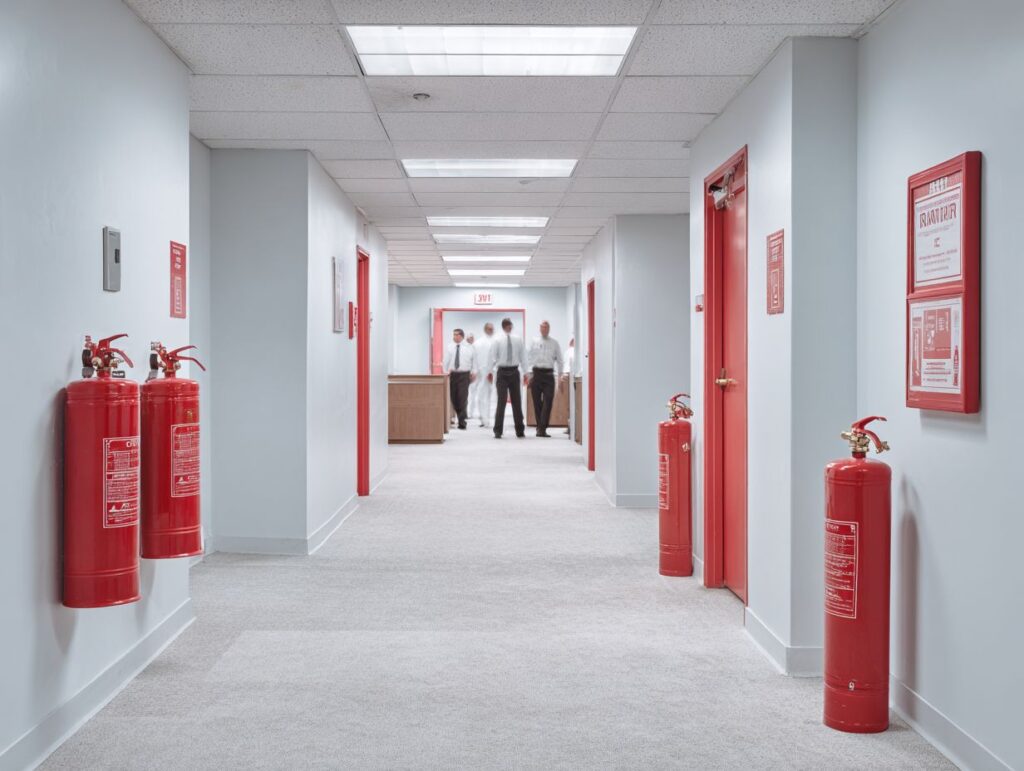
A well-structured emergency response plan is crucial for effective incident management, ensuring that employees are aware of their roles and responsibilities during a fire emergency, as emphasized by Robinsons Facilities Services.
Evacuation Procedures
Clear and well-practiced evacuation procedures are critical for saving lives; research indicates that properties with established emergency evacuation routes and regular drills experience a 50% increase in successful evacuations during fire incidents.
To implement effective evacuation procedures, it is essential to develop a comprehensive evacuation policy that adheres to NFPA 101 guidelines. This involves mapping out clear exits in all areas of the facility, while identifying both primary and secondary routes.
Signage should be prominently displayed, utilizing clear language and universally recognized symbols to ensure visibility. Regular drills should be conducted, ideally on a quarterly basis, to ensure that employees are familiar with the procedures.
Additionally, the use of tools such as evacuation maps and emergency lighting can further enhance safety. Conducting training sessions will help instill confidence and preparedness among employees, thereby reinforcing the importance of these protocols.
Designated Assembly Areas for Emergency Exits
Establishing designated assembly areas is essential to ensure that employees can gather safely away from potential hazards. Implementing proper protocols enhances accountability during emergencies.
When selecting effective assembly areas, it is important to prioritize locations that are easily accessible for all employees while ensuring that they are well-lit and clearly marked. Maintaining a distance of at least 100 feet from the building is advisable to minimize risk.
Regular drills should be conducted to familiarize staff with these assembly areas, reinforcing procedures through practical experience. Signage should be utilized to efficiently direct employees during an emergency.
Scheduling drills on a quarterly basis will help keep the information current, and considering the assignment of roles within teams can improve organization at assembly points. Such preparation fosters a culture of safety and readiness within the organization.
Fire Extinguishers and Equipment
Acquiring proper knowledge and access to fire extinguishers and related equipment is essential for enabling employees to respond effectively during a fire emergency, highlights Goodwin Johnston LLC.
Types of Fire Extinguishers
Different types of fire extinguishers are specifically designed for various fire classifications. For instance, Class A extinguishers are intended for ordinary combustibles, while Class C extinguishers are suitable for electrical fires.
Class B extinguishers are specifically designed to combat flammable liquids, such as gasoline and oil, making them essential in environments like workshops or garages. A recommended model is the Amerex B402, which is priced at approximately $100 and offers reliable protection.
For comprehensive protection against multiple fire classifications, a Class ABC extinguisher should be considered, as it is effective against all three fire types. Brands such as Badger offer options in this category, typically priced around $150.
It is crucial to install fire extinguishers in key locations that comply with local fire code requirements to ensure safety and preparedness.
Placement and Accessibility
The strategic placement of fire extinguishers is essential for ensuring rapid access during emergencies. The National Fire Protection Association (NFPA) recommends that extinguishers be positioned within 75 feet of all areas within a commercial property.
To optimize accessibility, it is advisable to place extinguishers near entrances and exits, as well as in high-traffic areas such as hallways and break rooms, as recommended by Forbel in Chicago.
Regular accessibility audits should be conducted utilizing tools like SafetySync or iAuditor to ensure that extinguishers remain unobstructed and are properly maintained. These platforms facilitate real-time tracking of extinguisher locations and inspections.
It is also prudent to employ signage that clearly indicates the locations of extinguishers, guiding employees to the nearest unit in case of an emergency. Additionally, training staff on the significance of these placements further enhances overall safety preparedness.

Frequently Asked Questions
What are the essential fire safety and security measures that commercial properties should have in place?
Commercial properties in Missouri should have fire alarms, fire extinguishers, emergency lighting, smoke detectors, fire sprinkler systems, and security cameras as essential fire safety and security measures.
Why is it important for commercial properties to have these essential fire safety and security measures?
These measures are crucial for the safety and security of employees, customers, and valuable assets in case of a fire or security threat.
What are the legal requirements for fire safety and security measures in commercial properties?
Commercial properties must comply with local fire safety and building codes, as well as any specific regulations for their industry. They may also need to conduct regular fire safety inspections and maintain documentation.
How often should fire safety and security measures be inspected and maintained in commercial properties?
Fire safety and security measures should be inspected and maintained at least annually, and more frequently for high-risk properties or when any changes are made to the building.
What should commercial property owners do in case of a fire or security emergency?
In case of a fire, they should follow their evacuation plan and call the fire department immediately. For a security emergency, they should call the police and follow their emergency protocols.
Are there any additional fire safety and security measures that commercial properties can implement?
Yes, commercial properties can also consider having fire and smoke curtains, fire-rated doors and windows, and a well-trained emergency response team as additional fire safety and security measures.