Discover the enchanting beauty of Vienna, the capital of Austria, where historic architecture meets charming cobblestone streets, offering scenic views and opportunities for urban exploration. This Vienna Travel Guide 2025 invites you to explore iconic landmarks like Belvedere Palace, indulge in the city’s unique caf culture, and savor its culinary delights. From must-see attractions to immersive experiences, this guide will help you navigate the treasures of Austria’s capital, ensuring an unforgettable journey filled with culture and history.
Table of Contents
Key Takeaways:
- Indulge in traditional Viennese cuisine, with must-try dishes such as Wiener Schnitzel and Sacher Torte, popular local specialties.
- Immerse yourself in Vienna’s rich history by visiting iconic landmarks like Schnbrunn Palace and St. Stephen’s Cathedral.
- Experience the vibrant culture of Vienna through its numerous festivals and events, from the Vienna Opera Ball to the Vienna Coffee Festival.
Overview of the City
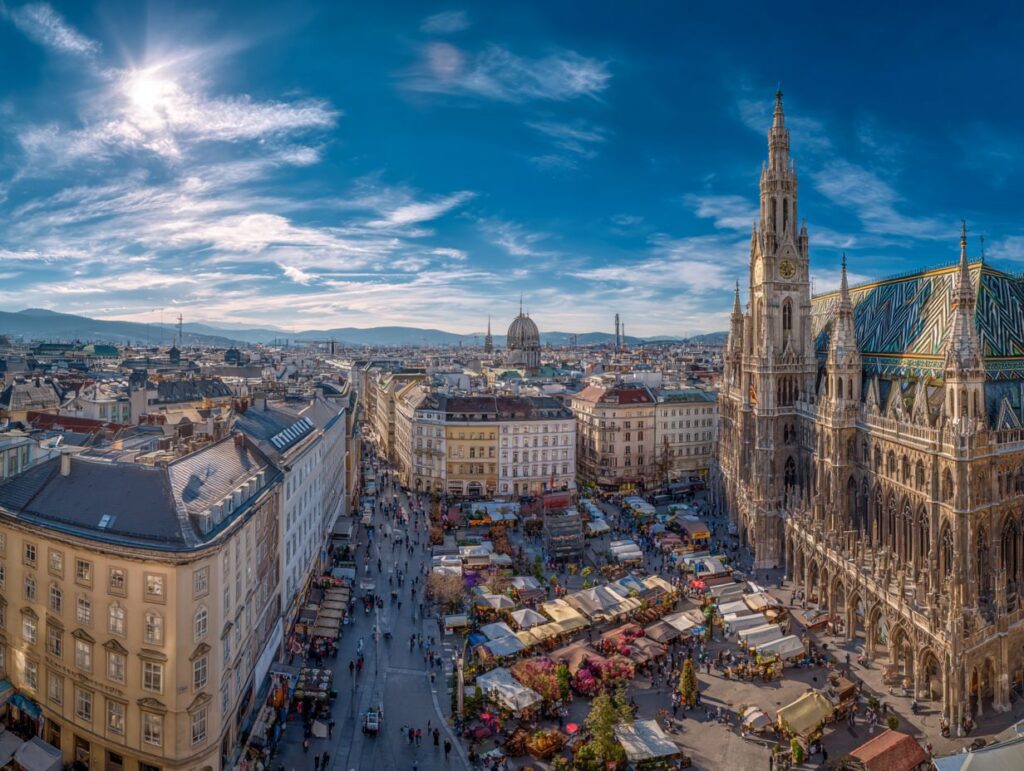
Vienna, a liveable city, captivates visitors with its stunning historic architecture and charming cobblestone streets, presenting a harmonious blend of tradition and modernity. The city is home to a diverse population exceeding 1.9 million residents.
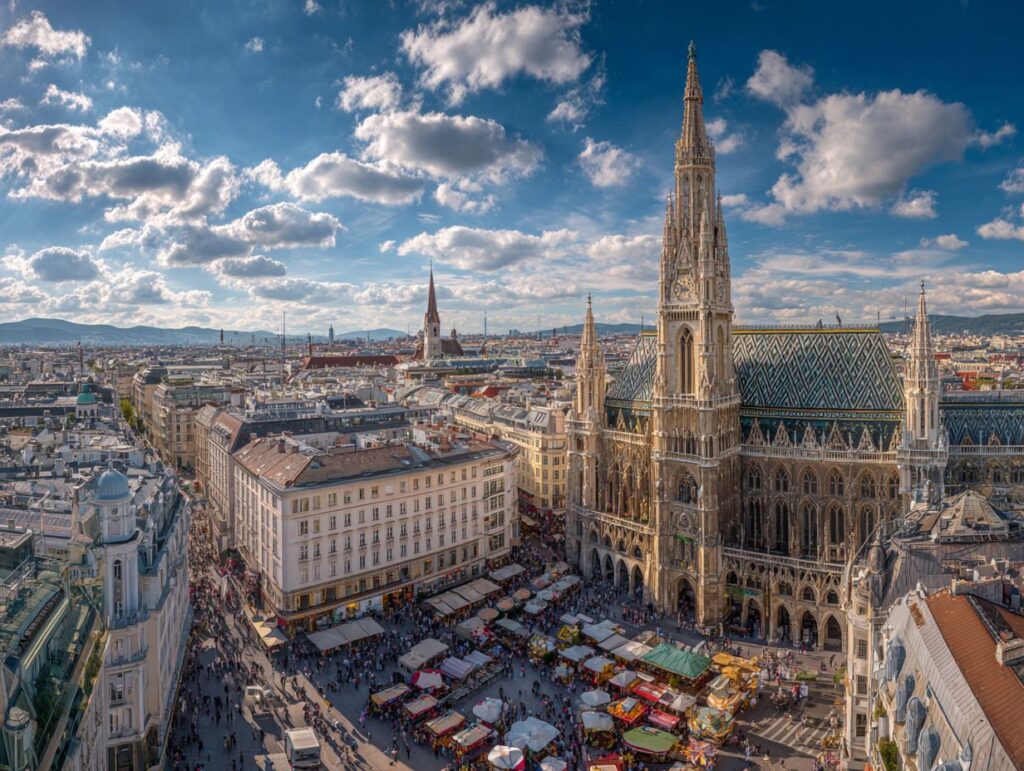
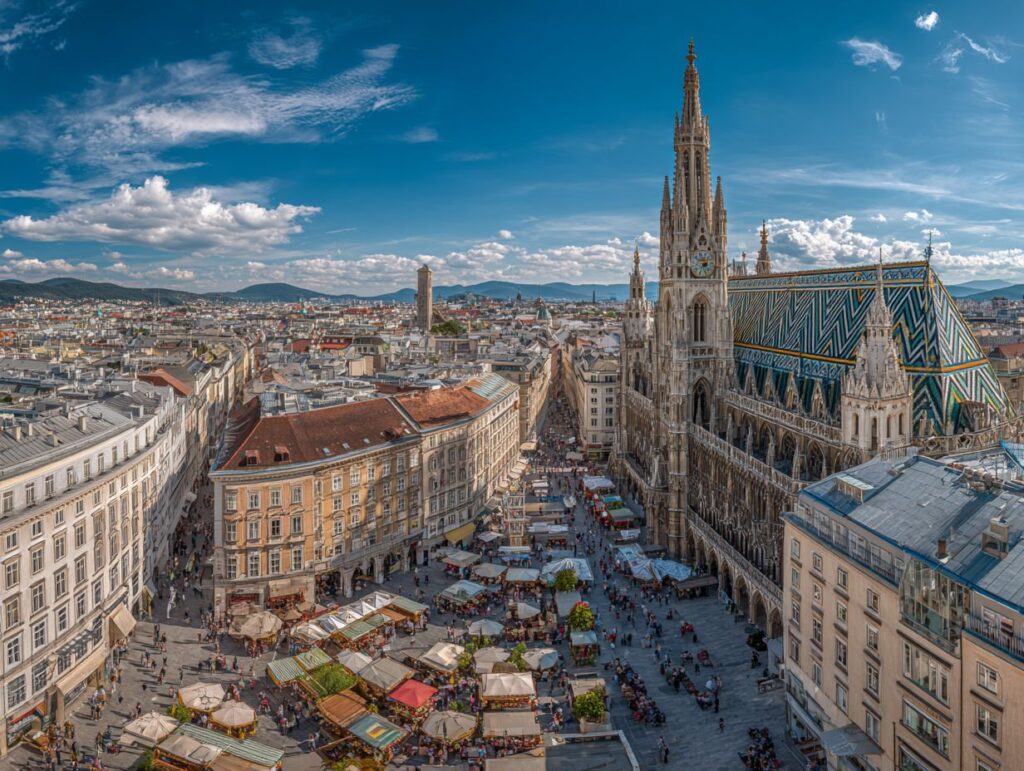
Significant landmarks, such as St. Stephen’s Cathedral, renowned for its towering spire and intricate tile roof, and the opulent Schnbrunn Palace, a UNESCO World Heritage site, provide valuable insights into the city’s imperial history.
The bustling Naschmarkt offers a vibrant cultural experience, featuring a variety of local delicacies alongside international cuisine, including traditional food options.
While exploring, one should take advantage of Vienna’s world-class classical music scene, rooted in its musical history, with esteemed venues such as the Vienna State Opera presenting unforgettable performances.
This architectural and cultural richness enhances the city’s reputation as a hub of art and history, reflecting its artistic legacy and attracting millions of tourists annually.
Best Time to Visit and Enjoy Cultural Activities
The optimal times to visit Vienna are during the winter months, when the city is adorned with enchanting Christmas markets, or in the spring, when cultural activities flourish throughout the city.
In December, the Christmas markets illuminate the city, with the most renowned located at Rathausplatz, where visitors can enjoy mulled wine and sample traditional culinary delights.
Conversely, spring, particularly from March to May, heralds the Vienna Festival, which features opera, ballet, and vibrant cultural activities across the city. Guests can also partake in picnics in the Schnbrunn Gardens or explore the vibrant Naschmarkt.
Summer is equally vibrant, with outdoor concerts and the highly anticipated Vienna Philharmonic concert taking place in August. Each season presents a distinctive perspective on Vienna’s rich cultural heritage.
Top Attractions and Historical Sites
Vienna boasts a variety of prominent attractions that reflect its rich cultural heritage and artistic legacy, making it an appealing destination for both first-time visitors and returning travelers.
Historic Landmarks
Iconic historic landmarks such as Schnbrunn Palace and Belvedere Palace exemplify Vienna’s regal past, rooted in the Habsburg dynasty, while St. Stephen’s Cathedral signifies the city’s architectural excellence.
Additional notable sites include the Hofburg Palace, which served as the imperial winter residence and now hosts several museums. The Hofburg Palace is open daily from 9 AM to 5:30 PM, with an admission fee of EUR15.
In proximity, the Vienna State Opera offers guided tours that emphasize its cultural significance, with tickets starting at EUR10. The Karlskirche, a baroque church completed in 1737, has an entry fee of EUR8 and can be accessed via the U1 subway line.
By exploring these landmarks, visitors can fully immerse themselves in Vienna’s rich cultural heritage while conveniently utilizing public transportation for access.
Museums and Galleries
Vienna offers an extensive selection of museums and galleries, prominently featuring the esteemed Kunsthistorisches Museum, which is recognized for its exceptional art exhibitions and comprehensive collections.
Another essential destination is the Belvedere, which houses a remarkable collection of Austrian art ranging from the medieval period to contemporary works. The entry fee is approximately EUR15, and the museum operates daily from 9 AM to 6 PM.
The Leopold Museum is dedicated to modern Austrian art, displaying notable works by Egon Schiele, with tickets priced at EUR14. It is advisable to visit on Thursdays when extended evening hours are available.
Each museum presents a distinct narrative, reflecting the city’s rich artistic heritage that encompasses centuries and various styles, from Baroque to Expressionism.
Culinary Delights
A visit to Vienna is not considered complete without experiencing its culinary offerings, which encompass both traditional cuisine and the renowned coffeehouse culture for which the city is famous.
Traditional Viennese Cuisine
Viennese cuisine is distinguished by its hearty dishes, including Wiener schnitzel and Sachertorte, both of which are fundamental to the city’s culinary identity.
To truly appreciate the essence of Viennese cuisine, one should visit traditional establishments such as Plachutta, renowned for its authentic Wiener schnitzel, a signature dish of local specialties, which features tender, pounded veal garnished with lemon and parsley.
For dessert, Caf Sacher presents the iconic Sachertorte, a rich chocolate cake layered with apricot jam, ideally complemented by a dollop of whipped cream.
Additionally, it is advisable to enjoy a glass of Grner Veltliner wine to enhance the dining experience. Each dish not only delights the palate but also embodies the rich cultural heritage of Vienna.
Popular Cafs and Restaurants Offering Local Specialties
Vienna’s caf culture, a hallmark of its urban charm, thrives in establishments such as Fromme Helene and L’Osteria, where both locals and tourists congregate to savor culinary delights amidst the city’s vibrant atmosphere.
Prominent venues include:
- Caf Central, renowned for its historic ambiance and exquisite pastries,
- Gasthaus Pschl, celebrated for its traditional Wiener Schnitzel.
- Kaffeekche, which offers specialty coffee in a minimalist setting that attracts a fashionable clientele.
These cafs serve as vital social hubs, providing a space for friends to engage in conversation over coffee and cake, thereby emphasizing Vienna’s commitment to leisurely dining.
With prices ranging from casual EUR5 snacks to more luxurious EUR25 meals, Vienna’s caf culture caters to a diverse audience, ensuring its continued significance within the city’s social landscape.
Experiences and Activities
Vienna presents a diverse array of experiences, ranging from cultural events that honor its rich artistic heritage to outdoor activities that highlight the city’s picturesque parks and recreational spaces.
Cultural Events and Festivals
Vienna is widely recognized for its rich cultural events, which include performances at the esteemed Vienna State Opera and the vibrant ambiance of its Christmas markets.
Visitors should ensure they attend the Vienna Philharmonic New Year Concert on January 1, which takes place at the Musikverein. This exceptional event is highly sought after, and tickets typically need to be reserved several months in advance.
During the seasonal festivities, the Christmas markets, which commence in mid-November and continue through December, feature local crafts and warm mulled wine, with the Rathausplatz market being particularly enchanting.
Attendees are advised to arrive early to secure the best selection of merchandise and treats, and utilizing public transportation is recommended to mitigate any parking challenges.
Additionally, the Vienna City Card can prove beneficial, offering both transportation options and discounts at various attractions.
Outdoor Activities and Parks
For individuals interested in outdoor activities, Vienna presents an array of beautiful parks, including the Donauinsel along the Danube River, as well as recreational facilities such as Therme Wien, which offer opportunities for relaxation and enjoyment.
Donauinsel, extending 21 kilometers, serves as an excellent location for cycling and provides various picnic spots along the banks of the Danube River. Access to the island is free, and visitors can engage in activities such as beach volleyball and a variety of water sports.
In contrast, Therme Wien, which charges an entry fee of approximately EUR30 for adults, features thermal pools and spa services, making it an ideal destination for relaxation following a day of exploration.
Stadtpark, known for its well-maintained playgrounds, picturesque gardens, and scenic views, is particularly suitable for family outings.
Visiting these spaces is highly recommended for those seeking a refreshing escape within the city, offering a unique opportunity to connect with both nature and the local culture.
Transportation in Vienna
Vienna’s public transportation system is highly efficient, encompassing trams, subways, and buses, which facilitates easy and convenient navigation throughout the city for visitors.
Getting Around the City and Exploring Its Public Transport System
Navigating Vienna is a straightforward endeavor, facilitated by an interconnected tram system and strategically located subway stations, including Vienna Hauptbahnhof, that ensure convenient travel.
To optimize the use of public transportation in Vienna, it is advisable to purchase a ticket from the vending machines situated in subway stations or on trams. A single journey costs approximately EUR2.40, while a 24-hour ticket, priced at EUR8.00, permits unlimited travel within that timeframe.
It is beneficial to familiarize oneself with the U-Bahn (subway) lines, such as U1, which provides access to prominent attractions, including the historic center and the Prater, situated along the Danube River. Additionally, the tram lines, particularly the D line, offer picturesque routes along the Danube River.
For enhanced travel experiences, consider downloading the Wiener Linien app, which provides live updates and intuitive route planning.
Public Transport Tips for Vienna
For an optimal experience in Vienna, it is advisable to utilize the public transport options available, such as purchasing a Vienna Card, which offers unlimited travel and discounts on various attractions.
Along with the Vienna Card, it is beneficial to familiarize oneself with the U-Bahn and tram systems, which operate frequently and cover extensive routes throughout the city.
During peak hours, typically from 7 to 9 AM and 5 to 7 PM, trains may be crowded; therefore, it is prudent to plan travel outside of these times to ensure a more comfortable journey.
To reduce accommodation expenses, consider staying near public transport hubs, such as Stephansplatz or Karlsplatz, which provide convenient access to multiple transport lines.
Additionally, local applications like Wiener Linien can be valuable resources for navigating the public transport system and tracking arrivals in real time.
Learn more, All You Need to Know About Vienna’s Public Transportation
Accommodation Options
Selecting appropriate accommodation is essential for an enjoyable experience in Vienna, as the city offers a diverse range of options that cater to varying budgets and preferences.
Best Neighborhoods to Stay
Vienna is home to several vibrant neighborhoods, including Innere Stadt and Leopoldstadt, each of which presents a distinct ambiance and proximity to local attractions, including the architectural beauty of the city.
Innere Stadt, the historic city center, is renowned for its iconic landmarks, such as St. Stephen’s Cathedral and the Hofburg Palace. This area features luxurious hotels and charming cafs that line its picturesque cobblestone streets.
Leopoldstadt, often referred to as the ‘Jdisches Viertel,’ offers a diverse range of cultural experiences, including the picturesque Prater park and the lively Karmelitermarkt. Accommodations in this neighborhood cater to various budgets, ranging from modern apartments to cozy guesthouses.
In Neubau, one can discover an artistic atmosphere characterized by boutiques and galleries, supplemented by trendy hostels and stylish hotels.
Each neighborhood possesses its unique charm while providing convenient access to Vienna’s rich history and cultural offerings.
Recommended Hotels and Hostels in Vienna
For travelers seeking comfort and convenience, accommodations such as Hotel Sacher and budget accommodation options like hostels present excellent options tailored to various needs.
In Vienna, Hotel Sacher exemplifies luxury with its classic elegance, featuring a spa and gourmet dining, with average rates around EUR450 per night. Conversely, the 25hours Hotel at MuseumsQuartier offers a distinctive atmosphere alongside modern amenities, with rates approximately EUR150 per night, ideally situated near prominent museums.
For those with budget considerations, Wombat’s City Hostel provides accommodations at approximately EUR30 per night, complete with a vibrant bar and communal kitchen that foster a sociable environment.
Each lodging option ensures convenient access to local attractions, delivering unique experiences that cater to a diverse range of budgets and preferences.
Final Tips for Travelers
Ahead of traveling to Vienna, it is advisable for travelers to consider several essential tips, including learning a few German phrases and familiarizing themselves with local customs. Engaging with the culture can be beneficial; simple greetings such as ‘Guten Morgen’ for good morning and ‘Danke’ for thank you are recommended.
It is prudent to carry local currency, as while many establishments accept credit cards, smaller vendors may only accept cash. To ensure personal safety, travelers should prioritize well-lit areas and remain vigilant against pickpockets in crowded locations.
Additionally, understanding dining etiquette-such as waiting for the host to begin eating-can significantly enhance one’s experience and demonstrate respect for local customs.

Frequently Asked Questions
What is the best time of year to visit Vienna?
The best time to visit Vienna is during the spring (April- May) and fall (September- October) months when the weather is mild and comfortable for outdoor activities.
What are some must-see attractions in Vienna?
Some must-see attractions in Vienna include the Schnbrunn Palace, St. Stephen’s Cathedral, and the Hofburg Palace. Other notable places to visit include the Belvedere Palace, Prater amusement park, and the Vienna State Opera.
What are some traditional dishes to try in Vienna?
Some traditional dishes to try in Vienna include Wiener Schnitzel, Tafelspitz, Apfelstrudel, and Sachertorte. Don’t forget to also try some classic Viennese coffee and pastries at one of the many quaint cafes around the city.
What is the best way to get around Vienna?
The best way to get around Vienna is by using the efficient public transportation system, which includes buses, trams, and subways. You can also opt for a Hop-On Hop-Off bus tour to see the main sights at your own pace.
What are some unique experiences to have in Vienna?
Some unique experiences to have in Vienna include attending a classical music concert, visiting one of the many art galleries and museums, and taking a horse-drawn carriage ride through the city’s charming streets.
Are there any nearby day trips that can be taken from Vienna?
Yes, there are several nearby day trips that can be taken from Vienna, such as a visit to the charming town of Hallstatt, a wine tasting tour in the Wachau Valley, or a trip to the picturesque town of Salzburg, known for its connection to Mozart and the historical legacy of the Habsburg dynasty.