Introduction to Energy-Efficient Air Conditioners
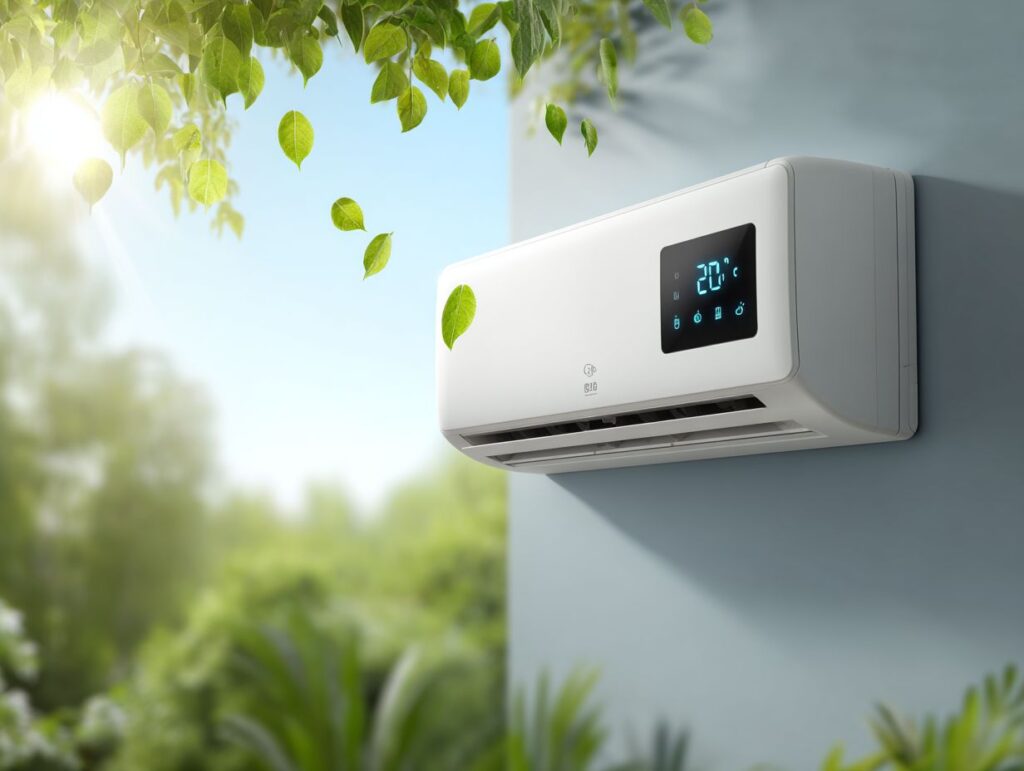
Looking to lower your cooling costs while enjoying optimal comfort? Energy-efficient air conditioners are the answer. With Fort Collins advocating for smart energy choices, the U.S. Environmental Protection Agency’s ENERGY STAR program highlights systems that not only help you save money but also work seamlessly with your thermostat. In this article, we’ll explore various types of central air systems, their energy savings potential, and how to choose the perfect unit for your home.
Table of Contents
Key Takeaways:
- Upgrading to an energy-efficient air conditioner can save you money on your energy bills, while still keeping your home cool and comfortable.
- When looking for an energy-efficient air conditioner, consider the size and layout of your space and your specific cooling needs to ensure the best fit.
- Professional installation and regular maintenance are crucial for maximizing the energy efficiency and longevity of your air conditioner.
Importance of Energy Efficiency
Energy efficiency is directly linked to decreased cooling costs, making it an essential consideration for homeowners in Fort Collins and beyond. Conducting an energy audit can help identify areas for improvement. By adopting energy-efficient solutions, homeowners can realize substantial savings.
For example, the U.S. Department of Energy indicates that proper insulation can lead to a reduction in energy costs of up to 30%.
Upgrading to Energy Star-rated appliances also results in significant savings throughout their operational lifespan. Additionally, the use of programmable thermostats allows for precise management of heating and cooling schedules, ensuring that systems function only when necessary.
These measures not only lead to lower utility expenses but also contribute to a diminished carbon footprint, rendering them both economically and environmentally advantageous.
Types of Energy-Efficient Air Conditioners
Comprehending the various types of energy-efficient air conditioners is essential for selecting the most appropriate system for one’s home.
Central Air Conditioners
Central air conditioners offer comprehensive cooling solutions, particularly suited for larger residences where consistent indoor temperatures are essential.
When selecting a central air conditioning unit, it is advisable to consider models with a Seasonal Energy Efficiency Ratio (SEER) rating ranging from 13 to 21, as these ratings indicate varying levels of energy efficiency.
For example, a unit with a 16 SEER rating may incur a cost between $4,500 and $6,000 but can yield energy savings of up to 50% compared to units with lower SEER ratings.
The total installation cost for a central air conditioning system can be estimated to range from $3,000 to $10,000, depending on the size of the home and the requirements for ductwork. Utilizing ductless systems can be a viable alternative for some homes. It is recommended to consult with a licensed HVAC contractor to ensure optimal sizing and efficiency of the system.
Window Units
Window units represent a cost-effective solution for individuals residing in apartments or smaller living spaces. Ceiling fans can complement these units for better airflow optimization. These units often feature ENERGY STAR ratings, which signify enhanced energy efficiency.
When selecting a window unit, it is advisable to consider models with cooling capacities ranging from 5,000 to 12,000 BTU, depending on the size of the room. For optimal energy efficiency, one should look for units that provide energy savings of up to 15% compared to standard models.
Popular options in the market include:
- LG LW8016ER ($300), suitable for medium-sized rooms
- Frigidaire FFRE0533S1 ($200), ideal for smaller spaces
Regarding installation, it is essential to ensure that the window frame can adequately support the unit. Additionally, it is crucial to adhere to safety instructions to securely fasten the unit against potential wind and rain. Consider using window coverings to improve the unit’s efficiency.
Portable Air Conditioners
Portable air conditioners provide flexibility and convenience, enabling users to cool individual rooms without the need for permanent installation.
When selecting a portable air conditioner, it is important to consider energy efficiency ratings (EER) as well as features such as programmable timers and remote controls. For instance, models like the BLACK+DECKER BPACT14HWT, priced at approximately $400, possess an EER of 8.5, which contributes to reduced energy costs while effectively cooling areas of up to 350 square feet. Smart features like programmable thermostats can further enhance convenience and energy savings.
Proper venting is essential for optimal performance; it is advisable to utilize the included window kit to prevent the re-entry of hot air into the room. Additionally, prioritizing units that include features such as built-in dehumidifiers can further enhance both comfort and efficiency.
How Energy Efficiency is Measured
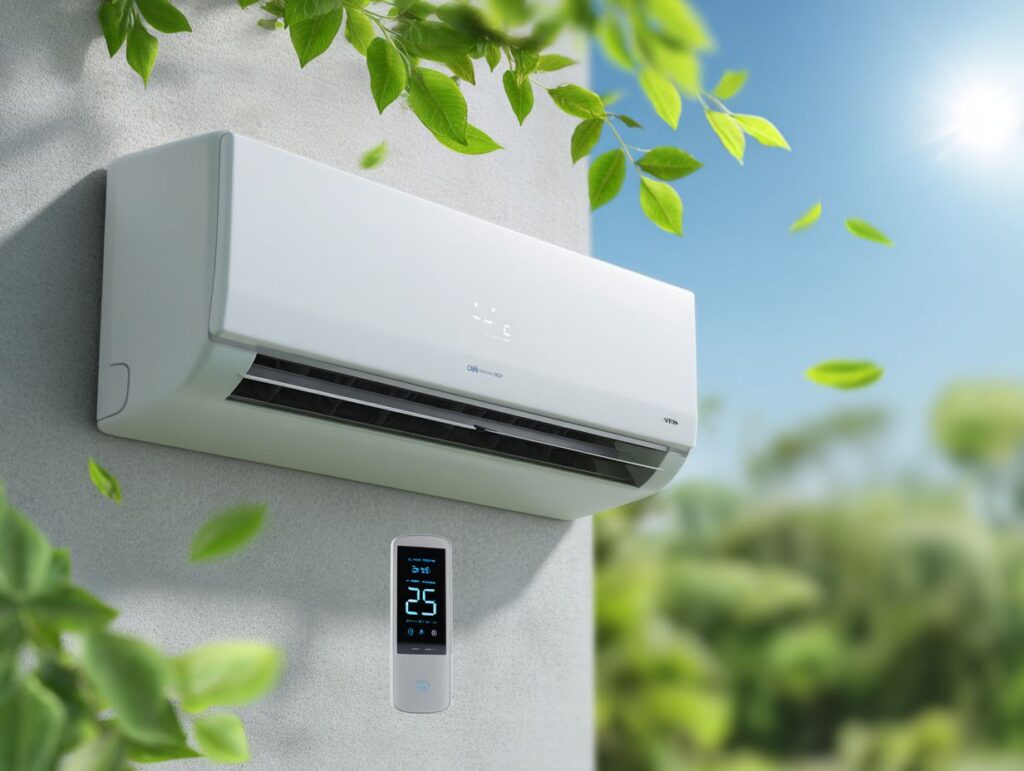
Energy efficiency in air conditioning units is measured using metrics such as Seasonal Energy Efficiency Ratio (SEER) and Energy Efficiency Ratio (EER) ratings.
These metrics are essential for making informed purchasing decisions. Consider conducting a home energy audit to understand your specific needs better.
SEER Ratings
The Seasonal Energy Efficiency Ratio (SEER) is a metric that quantifies the cooling output of an air conditioning system in relation to its energy consumption during a typical cooling season.
A higher SEER rating, particularly 16 or above, signifies enhanced energy efficiency, indicating that the unit delivers more cooling for each unit of electricity consumed. This is especially important during peak hours when energy consumption is at its highest. This increased efficiency can lead to substantial reductions in utility expenses; for instance, transitioning from a 13 SEER system to a 20 SEER system may yield savings of approximately 30 to 40% on cooling costs.
Ahead of making a purchase, it is advisable to verify the SEER rating to ensure that the selected system aligns with both comfort requirements and budgetary considerations. Additionally, consulting a licensed HVAC professional is recommended to gain insights into local regulations and available energy incentives for high-efficiency units.
EER Ratings
The Energy Efficiency Ratio (EER) offers a comprehensive assessment of an air conditioner’s efficiency under peak cooling conditions. EER is determined by dividing the cooling output, measured in British Thermal Units (BTUs), by the power input, measured in watts, at a specified temperature, typically 95 degreesF.
EER values generally range from 8 to 12, with higher values signifying greater efficiency.
For instance, an air conditioner with an EER of 10 will deliver 10 BTUs of cooling for every watt consumed. Monitoring this metric is essential, particularly during the hottest months, as it enables individuals to estimate energy costs, select more efficient models, and reduce their carbon footprint. Regular filter replacements are also necessary for maintaining efficiency.
Benefits of Energy-Efficient Air Conditioners
Energy-efficient air conditioners provide a range of advantages, including substantial cost savings on energy expenses and beneficial effects on the environment.
Cost Savings on Energy Bills
Homeowners have the potential to save up to $300 annually on energy bills by upgrading to energy-efficient air conditioning systems. Incorporating smart thermostats can optimize energy usage and increase savings. For example, replacing a 10 SEER (Seasonal Energy Efficiency Ratio) unit with a 16 SEER model can lead to significant cost savings.
In Fort Collins, where the average utility rate is approximately $0.15 per kWh, a 3-ton air conditioner operating for 1,500 hours annually would consume around 3,200 kWh with a 10 SEER rating.
By upgrading to a 16 SEER unit, the energy consumption would decrease to approximately 2,250 kWh, resulting in annual savings of roughly $300.
Resources such as the Energy Star calculator can assist homeowners in evaluating potential savings based on their specific usage patterns and local utility rates.
Environmental Impact
Upgrading to energy-efficient air conditioning units is a proactive measure that significantly reduces greenhouse gas emissions, thereby contributing to a more sustainable future. These modern units typically consume 10-50% less energy compared to conventional models, which can lead to a notable decrease in electricity expenses. Heat pumps are another energy-efficient option worth considering.
To ensure maximum efficiency, it is advisable to select products bearing the ENERGY STAR label. This designation indicates compliance with stringent energy consumption guidelines established by the U.S. Environmental Protection Agency. For instance, a high-efficiency model with a Seasonal Energy Efficiency Ratio (SEER) rating of 15 or higher can markedly reduce annual energy usage.
Additionally, incorporating smart thermostats can optimize cooling schedules by enabling users to monitor and adjust their energy usage remotely. This capability further enhances energy savings and contributes to a reduced overall carbon footprint.
Choosing the Right Energy-Efficient Air Conditioner
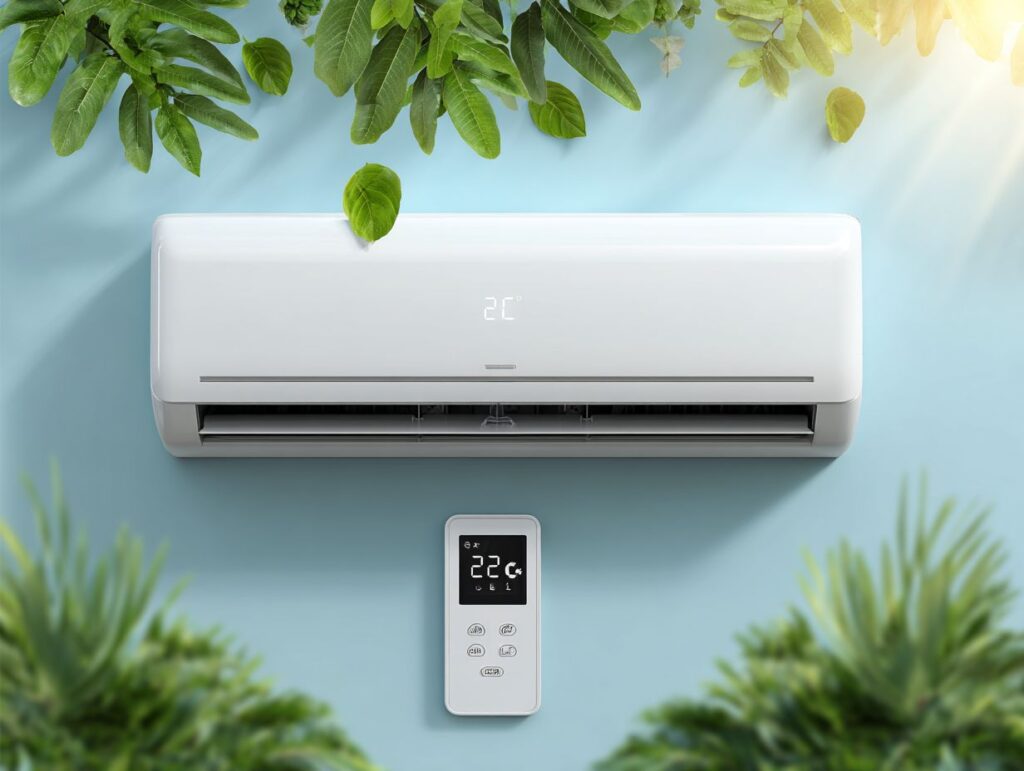
Choosing the appropriate energy-efficient air conditioner necessitates careful consideration of factors such as the size of the space, energy requirements, and specific features that enhance overall comfort.
Consider Your Space
Understanding your environment is crucial when selecting an air conditioning unit that effectively balances cooling capacity with energy efficiency. Take into account factors such as humidity control and indoor air quality.
Begin by accurately measuring the dimensions of the room to determine the necessary BTUs (British Thermal Units). For instance, a room measuring 300 square feet typically requires between 7,000 and 8,000 BTUs.
Next, consider the quality of insulation; well-insulated spaces will demand less cooling capacity. Additionally, the orientation of windows should be taken into account-rooms facing south may necessitate a higher BTU rating due to increased exposure to sunlight.
Utilizing tools such as the BTU Calculator provided by ENERGY STAR can facilitate these calculations, helping to manage utility bills effectively during the summer months. It is also advisable to consult user reviews for specific models that meet your needs, ensuring optimal performance while minimizing excessive energy consumption.
Understand Your Needs
Identifying specific cooling requirements, including humidity control and air quality, is essential in selecting the most appropriate cooling solutions.
It is important to consider the BTU rating and the Seasonal Energy Efficiency Ratio in relation to the size of the room; for example, rooms up to 300 square feet typically require approximately 7,000 BTUs.
When evaluating options, one should seek models that offer advanced features such as programmable settings and energy efficiency ratings, including those certified by Energy Star, endorsed by the U.S. Department of Energy.
Furthermore, to enhance air quality and reduce greenhouse gases, consider units equipped with built-in air purifiers that effectively eliminate allergens.
By taking these factors into account, individuals in Fort Collins can ensure they select an air conditioner that not only provides effective cooling power but also contributes to a healthier indoor environment.
Installation and Maintenance Tips
Proper installation and regular maintenance are essential for ensuring the efficiency and longevity of an energy-efficient air conditioning system.
Professional Installation and HVAC System Optimization
Engaging a professional for air conditioner installation can significantly enhance system efficiency and home comfort by ensuring appropriate sizing and placement. A qualified technician can accurately assess your space, taking into account factors such as square footage, insulation, and sun exposure.
The costs associated with installation typically range from $500 to $1,500, depending on the region and specific requirements of the project.
When selecting a reliable HVAC technician, it is essential to verify their certifications, review customer testimonials, and request detailed estimates. It is also important to ensure that they perform a load calculation to determine the appropriate unit size, which is vital for optimizing energy consumption and overall comfort.
This investment not only has the potential to reduce energy bills but also contributes to the longevity of the system.
Regular Maintenance Practices
Regular maintenance practices, including filter replacements and annual inspections, are essential for maintaining energy efficiency and comfort. To ensure optimal performance, it is advisable to follow the checklist below:
- Change air filters every 1 to 3 months to enhance air quality and efficiency.
- Schedule a professional tune-up annually to inspect major components such as the compressor and ductwork.
- Regularly clean the outdoor unit and check for debris around it to improve airflow.
- Test the thermostat settings seasonally to ensure accurate readings.
Implementing these proactive measures can help prevent costly repairs and extend the lifespan of your HVAC system, ultimately resulting in significant savings over time.
Learn more, Saving energy with a smart air conditioning system – Dovit
Frequently Asked Questions
1. What are energy-efficient air conditioners and how can they save me money while keeping me cool?
Energy-efficient air conditioners use less energy to cool your home, resulting in lower electricity bills. They are designed to minimize energy waste and reduce your carbon footprint, making them a more environmentally friendly option. By choosing an energy-efficient air conditioner, you can save money on your monthly cooling costs while staying cool and comfortable.
2. How do I know if an air conditioner is energy-efficient and endorsed by the U.S. Environmental Protection Agency?
An energy-efficient air conditioner will have an ENERGY STAR label, which is a government-backed symbol for energy efficiency. This label indicates that the air conditioner meets or exceeds energy efficiency guidelines set by the U.S. Environmental Protection Agency. Look for the ENERGY STAR label when purchasing an air conditioner to ensure you are getting an energy-efficient model.
3. Are energy-efficient air conditioners more expensive?
While energy-efficient air conditioners may have a higher upfront cost, they can save you money in the long run due to their lower energy consumption. Additionally, many energy-efficient models qualify for rebates and tax credits, further reducing their cost. It is important to consider the long-term savings when comparing the cost of an energy-efficient air conditioner to a non-efficient one.
4. How often should I replace my air conditioner to maintain energy efficiency?
The average lifespan of an air conditioner is 10-15 years, but as it gets older, it may become less energy-efficient. If your air conditioner is over 10 years old, it may be time to consider upgrading to a newer, more energy-efficient model. Regular maintenance and tune-ups can also help improve energy efficiency and extend the lifespan of your air conditioner.
5. Can I make my current air conditioner more energy-efficient and reduce electricity costs?
Yes, there are steps you can take to improve the energy efficiency of your current air conditioner, including sealing air leaks and optimizing temperature settings. Some tips include regularly changing air filters, sealing air leaks in your home, and keeping your thermostat at a moderate temperature. However, if your air conditioner is old and inefficient, these steps may only provide minimal improvements.
6. Are there any additional benefits to using energy-efficient air conditioners?
Aside from cost savings and environmental benefits, energy-efficient air conditioners also tend to have advanced features such as programmable thermostats and variable-speed compressors, enhancing home comfort even during extreme outdoor temperatures. These features can help improve comfort levels and provide more precise temperature control. Additionally, energy-efficient models often operate more quietly, making your home a more peaceful and comfortable environment.