Discover the captivating beauty of Malawi, where the best time to visit aligns perfectly with vibrant wildlife viewing and stunning landscapes. The peak season offers ideal conditions for exploring Malawi’s natural highlights. From the pristine shores of Lake Malawi to the breathtaking heights of Nyika National Park, this guide explores essential insights into travel during both the rainy season and dry season. Whether you’re seeking adventure or cultural experiences, our comprehensive Malawi Travel Guide 2025 will help you make the most of your journey in this enchanting destination, including travel tips and advice for planning tailor-made trips.
Table of Contents
Key Takeaways:
- The best time to visit Malawi is during the dry season from May to October, with pleasant weather, warm evenings, and key festivals and events to experience.
- Don’t miss out on the delicious traditional Malawian dishes and the stunning natural beauty of Lake Malawi, Liwonde National Park, and Zomba Plateau, each offering unique experiences.
- When visiting Malawi, be sure to try out water sports on Lake Malawi and embark on a thrilling wildlife safari. Discover the underwater visibility, perfect for diving and snorkeling activities. Make sure to check visa and entry requirements and follow health and safety guidelines for a worry-free trip. Consider the temperature ranges and weather conditions for optimal travel planning.
Overview of Malawi’s Geography
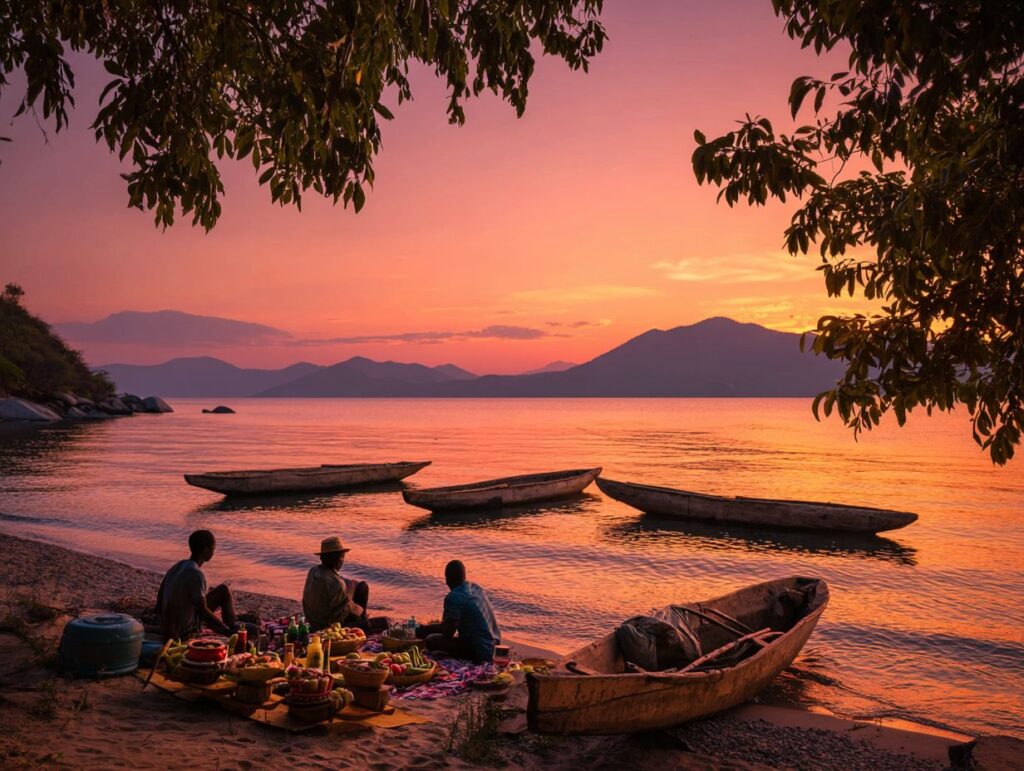
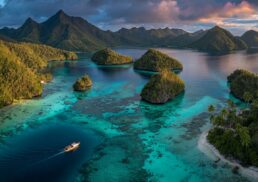
Malawi’s geography is characterized by its remarkable natural features, including the expansive Lake Malawi, the impressive Zomba Plateau, and the rich biodiversity found within Nyika National Park, creating captivating landscapes.
Lake Malawi, encompassing approximately 29,600 square kilometers, is not only the third-largest lake in Africa but also a UNESCO World Heritage site, celebrated for its vibrant colors and beautiful retreats. It is celebrated for its crystal-clear waters and the unique fish species that inhabit its depths.
Adjacent to this, Nyika National Park is distinguished by its rolling hills and forests, attracting hikers and wildlife enthusiasts who seek to observe endemic species such as the Nyika Hyrax. It is a top destination for nature enthusiasts.
The Zomba Plateau presents stunning vistas and waterfalls, making it an ideal location for day trips and recreational picnics. The scenic beauty of this region is truly unparalleled.
Collectively, these regions contribute to a diverse landscape, positioning Malawi as an underappreciated destination for eco-tourism and outdoor activities. The lush green environments offer plenty of opportunities for hiking trails and wildlife safaris.
Culture and People
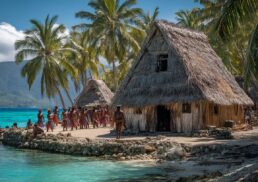
Malawi’s culture is a rich tapestry, intricately woven from various ethnic groups, traditions, and languages, with Chichewa being the most widely spoken. The diverse culture is reflected in the vibrant local festivals and warm hospitality of the people. The warmth and hospitality of the Malawian people are evident in their vibrant festivals.
One notable event is the Lake of Stars Festival, held annually in September, which celebrates local music and arts while attracting both local and international talent to the picturesque shores of Lake Malawi. October is another prominent month for this festival. Another significant event is the Sand Music Festival, which takes place in December and serves to showcase local artists while promoting cultural exchange. These festival events are key highlights of Malawi’s cultural calendar.
Traditional ceremonies, such as the Gule Wamkulu dance, provide visitors with an opportunity to experience Malawi’s rich heritage firsthand, making it an exceptional destination for cultural enthusiasts. These local delicacies further enhance the cultural experience.
Best Time to Visit Malawi
Understanding the seasonal weather patterns of Malawi is crucial for optimizing the travel experience.
The dry season, which occurs from April to October, is regarded as the most favorable time to visit the country.
Seasonal Weather Patterns
Malawi exhibits distinct seasonal weather patterns, with the dry season offering optimal conditions for outdoor activities and wildlife viewing. The rainy season spans from November to March, characterized by high humidity levels, average temperatures ranging from 24 to 30 degreesC, and substantial rainfall, which often disrupts travel plans.
The most favorable period for travel is the dry season, occurring from April to October. During this time, temperatures are milder, averaging between 20 and 25 degreesC, and rainfall is minimal. This season is particularly suitable for safaris and hiking, especially in renowned locations such as Liwonde National Park and Mount Mulanje.
For those interested in birdwatching, the period between September and November is ideal, as migratory species are plentiful. It is advisable to monitor weather forecasts in advance to optimize travel itineraries effectively.
Key Festivals and Events
Key festivals such as the Lake of Stars Festival in October and the Sand Music Festival offer travelers authentic cultural experiences and insights into local traditions.
The Lake of Stars Festival, conducted along the picturesque shores of Lake Malawi from October 6-8, features live music, art exhibitions, and workshops, attracting both local and international artists. Attendees have the opportunity to enjoy traditional Malawian cuisine, including dishes such as nsima and chambo.
In contrast, the Sand Music Festival, which occurs on the scenic Nkopola shoreline in December, presents vibrant performances and cultural displays. Visitors can expect to sample grilled fish and local beer while enjoying a relaxed beach ambiance.
These festivals not only celebrate music but also underscore the rich culinary heritage of Malawi.
Top Destinations in Malawi
Malawi’s premier destinations present a unique combination of natural beauty, wildlife experiences, and cultural richness, rendering each location distinctive and worthy of exploration.
Lake Malawi
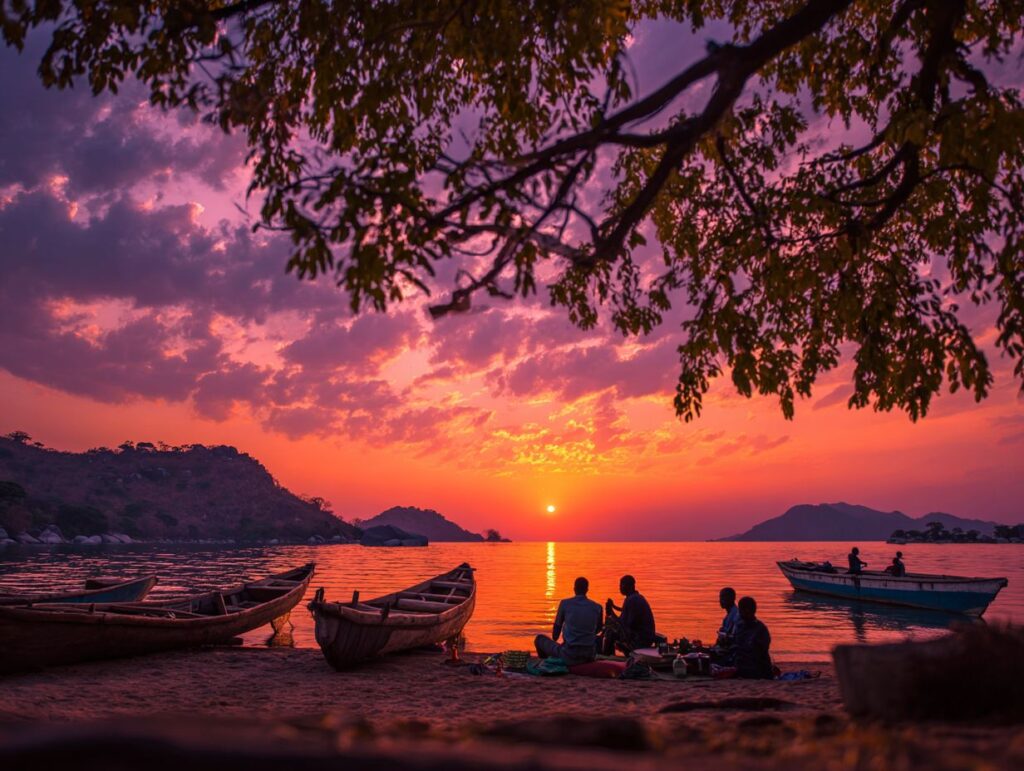
Lake Malawi, one of the largest lakes in Africa, is distinguished for its clear waters and exceptional underwater visibility, rendering it an ideal destination for divers and anglers. The lush green surroundings add to its charm. The lake is home to over 1,000 species of fish, including a variety of colorful cichlids, attracting nature enthusiasts and photographers alike.
Snorkelers can frequently explore flourishing coral beds that are abundant with marine life just a few meters from the shore. Fishing activities are also popular here, offering a variety of species to catch. In terms of fishing, popular species include tilapia and catfish, with local guides readily available for hire to enhance the experience. These fishing activities are best enjoyed during the peak season.
Accommodation options are diverse, ranging from budget-friendly hostels to luxurious lakeside resorts such as the Nkwichi Lodge, which provides eco-friendly experiences and direct access to pristine beaches. Accommodation rates vary according to the season.
Lake Malawi serves not only as a recreational hub but also as a significant biodiversity hotspot, making it an exceptional destination for nature lovers.
Liwonde National Park
Liwonde National Park serves as a wildlife sanctuary, hosting a rich diversity of species, including elephants, hippos, and migratory birds, making it an ideal destination for exhilarating safaris and nature excursions. The wildlife action during migratory periods is particularly captivating.
To fully appreciate the park’s offerings, it is advisable to participate in guided tours that focus on wildlife observation. For example, sunset and early morning tours provide the best opportunities to observe elephants and hippos during their most active periods.
Additionally, for those seeking unique sightings, visiting during the crocodile mating season from September to October allows for the observation of dramatic displays along the shores. Witness the baby crocodiles emerging during this period. The antelope rutting period, occurring between June and August, presents another captivating spectacle. This wildlife action attracts numerous visitors each year.
To enhance the overall experience, it is recommended to book tours in advance through reputable local operators such as African Parks.
Zomba Plateau
The Zomba Plateau offers exceptional hiking trails that highlight Malawi’s stunning landscapes and diverse biodiversity. These trails are among the top tourist attractions for hikers. Hikers have the opportunity to traverse various trails, including easy access to the scenic viewpoints at the summit of Zomba Plateau. The ancient history of this region adds to its allure.
The Mrepo Trail presents a moderate challenge, rewarding hikers with breathtaking vistas along the route, while more experienced hikers may prefer the steep paths of the Chambe Peak Trail. The optimal hiking seasons occur from May to September, characterized by cooler and less humid weather conditions.
For enhanced safety and an enriched experience, it is recommended to hire a local guide, particularly those certified by the Zomba Tourism Office. Local markets often have information about the best guides. These guides can provide valuable insights about the unique flora, including the endemic Zomba Forest Mulberry.
Culinary Delights and Local Delicacies
Malawi’s culinary landscape is rich and diverse, showcasing traditional dishes that embody the country’s varied cultural heritage and its abundant natural resources.
Traditional Malawian Dishes
Traditional Malawian cuisine features dishes such as nsima, a staple food prepared from maize, which reflects the country’s rich culinary heritage. These traditional meals are a must-try for any visitor. Other notable dishes include chambo, a fish delicacy that is commonly grilled or fried, and nkhuku, a spicy chicken relish prepared with local spices. These delicious dishes offer a true taste of Malawi.
These meals are typically accompanied by fresh vegetables and are often enjoyed during communal gatherings.
During the harvest season, dishes like mbatata, made from sweet potatoes, gain prominence as families come together to celebrate their agricultural bounty. The month-by-month festivals also highlight these culinary traditions. An understanding of these regional variations not only enhances the culinary experience but also underscores the cultural significance of communal dining in Malawian society. Try these meals during festival events for an authentic experience.
Recommended Restaurants
Experience authentic Malawian cuisine at esteemed establishments such as the Blue Elephant in Blantyre and Kanyaka Restaurant in Lilongwe, both renowned for their traditional dishes and inviting atmospheres.
At the Blue Elephant, patrons can enjoy the signature dish, Nsima, accompanied by a selection of expertly grilled fish, all within a vibrant setting. The restaurant operates from 11 AM to 10 PM.
Kanyaka Restaurant, on the other hand, provides a serene environment ideal for sampling their renowned spicy lamb stew. It is advisable to make reservations during peak dining hours to ensure a table.
For a distinctive dining experience, consider visiting Dazzle Restaurant in Mzuzu, celebrated for its hearty vegetarian options, which are available daily from 9 AM to 9 PM.
Activities and Adventures in Malawi
Malawi is a premier destination for outdoor enthusiasts, presenting a diverse array of activities that encompass both exhilarating water sports and immersive wildlife safaris.
Water Sports at Lake Malawi and Nearby Game Parks
Lake Malawi is renowned for its water sports, providing a variety of activities such as snorkeling, scuba diving, and kayaking in its pristine waters, making it a must-visit destination.
Among the premier snorkeling locations are the shallow waters of Cape Maclear, rich in colorful cichlids, and the deeper areas near Monkey Bay, which attract divers in search of vibrant coral reefs, including visitors from the Dzaleka Refugee Camp.
For individuals interested in guided experiences, local operators offer comprehensive packages that include equipment rental and professional instruction.
Kayaking enthusiasts may enjoy exploring the nearby islands, such as Thumbi West, which is conveniently accessible and offers breathtaking views.
It is essential to adhere to environmental guidelines by refraining from disturbing marine life and avoiding the use of harmful sunscreens, thereby contributing to the preservation of this unique ecosystem.
Wildlife Safaris
Wildlife safaris in Malawi offer immersive experiences that provide opportunities to observe elephants, lions, and a variety of bird species in their natural habitats, with Liwonde National Park and Nyika National Park as key attractions. The premier locations for safaris in Malawi include Liwonde National Park and Nyika National Park.
Liwonde National Park is particularly noted for its significant elephant populations and hippos. This park offers guided boat safaris, allowing for close encounters with wildlife in a safe and controlled environment. Conversely, Nyika National Park, famous for its breathtaking landscapes, caters to self-driving enthusiasts who seek to observe antelope and various bird species.
For optimal wildlife sightings, the dry season from May to October is recommended, as animals tend to congregate around available water sources. Engaging in a guided tour can enhance the experience by providing expert insights into the region’s flora and fauna.
Going Wild in Malawi: A Safari Experience Like No Other!
Travel Tips and Practical Information
Traveling to Malawi necessitates meticulous planning to ensure a seamless experience, which includes a thorough understanding of visa requirements and necessary health precautions. Friendly people and the vibrant culture, including events like the Lake of Stars Festival and Sand Music Festival, enhance the visit.
Visa and Entry Requirements
Most visitors to Malawi will require a visa, which can be obtained either online or upon arrival, depending on their nationality. Entry is facilitated through Kamuzu International Airport, a hub for international tourists.
To apply for a visa online, individuals should visit the official Malawi Immigration website, where they can complete the application form. The processing fee varies based on nationality, typically ranging from $50 to $150, with processing times of 5 to 10 working days.
For those opting for a visa on arrival, it is essential to have a valid passport, a return flight ticket, and proof of accommodation.
It is important to note that citizens of Botswana, Lesotho, Namibia, and South Africa can enter Malawi without a visa for stays of up to 90 days.
Health and Safety Guidelines
Health and safety considerations in Malawi are of utmost importance, and travelers are strongly advised to take the necessary vaccinations and precautions to ensure a safe journey.
Ahead of traveling to Malawi, it is recommended that individuals receive vaccinations for diseases such as yellow fever and hepatitis A, as these are prevalent in the region. Additionally, prophylactic medication for malaria is advised; travelers should consult their healthcare provider regarding options such as Atovaquone-proguanil or Doxycycline.
Safety recommendations include:
- Utilizing mosquito repellent, especially when visiting regions such as the Thyolo Region and Mount Mulanje
- Consuming bottled water
- Refraining from eating street food
In case of emergencies, individuals should contact local healthcare facilities, such as Queen Elizabeth Central Hospital, or dial 999 for police assistance. Taking proactive measures can significantly enhance the overall travel experience.
Frequently Asked Questions
When is the best time to visit Malawi?
The best time to visit Malawi is during the dry season, which runs from May to October. This is when the weather is mild and the landscapes are lush and green. It is also the best time for wildlife viewing as the animals gather around water sources.
What is the food like in Malawi?
Malawian cuisine is a mix of traditional African dishes with influences from British and Indian cuisine. The staple food is nsima, a thick porridge made from cornmeal, which is usually served with a variety of stews and curries. Fresh fish from Lake Malawi is also a popular dish.
What are the must-try dishes in Malawi?
Some of the must-try dishes in Malawi include chambo, a type of fish found in Lake Malawi, and kampango, a type of catfish. Other popular dishes include kachumbari, a fresh tomato and onion salad, and mandazi, a sweet fried dough served as a snack or dessert.
What are the top attractions in Malawi?
Some of the top attractions in Malawi include Lake Malawi, which is known for its crystal-clear waters and diverse marine life, and nearby trekking spots such as Zomba Plateau and Mount Mulanje. The Liwonde National Park is also a popular destination for wildlife viewing, with a variety of animals including elephants, hippos, and crocodiles. The city of Blantyre offers a mix of colonial and modern architecture, and the Mulanje Mountain is a popular spot for hiking and trekking.
Is it safe to travel to Malawi?
Malawi is generally a safe country for travelers, but it is always important to take precautions and be aware of your surroundings. The local currency, Malawi Kwacha, is widely available and used for transactions.
Avoid walking alone at night and be cautious when using public transportation. It is also recommended to check the latest travel advisories before planning your trip.
What are the visa requirements for traveling to Malawi?
Most visitors to Malawi will need a visa to enter the country, which can be managed efficiently with proper travel advice.
You can obtain a visa on arrival at the airport or at land borders, or you can apply for an e-visa beforehand. The visa fee varies depending on your nationality. It is also important to make sure your passport is valid for at least six months from the date of entry.