What truly classifies a car as a supercar? To many, high-performance models like the Lamborghini Aventador and McLaren 720S exemplify the pinnacle of automotive engineering and luxury vehicles. This article breaks down the defining specifications that separate supercars from standard sports cars, highlighting the differences in lightweight construction, horsepower benchmarks, and acceleration times, exploring performance metrics, innovative technology, and the exclusive allure that makes these hypercars extraordinary. Dive in to discover what makes a supercar not just a car, but a symbol of speed and sophistication.
Table of Contents
Key Takeaways:
- Performance is the top priority in defining a supercar, with top speeds, acceleration, and handling being key metrics for these exotic cars.
- Design and aesthetics are also critical, with sleek and aerodynamic bodies, advanced materials, and striking features being common among supercars. This perfect supercar design is central to their appeal.
- Supercharged engines, with high power output and advanced engine types such as V8s and V12s, are a defining feature of a supercar, contributing to a palpable emotional driving experience.
Defining Characteristics of Supercars and Hypercars
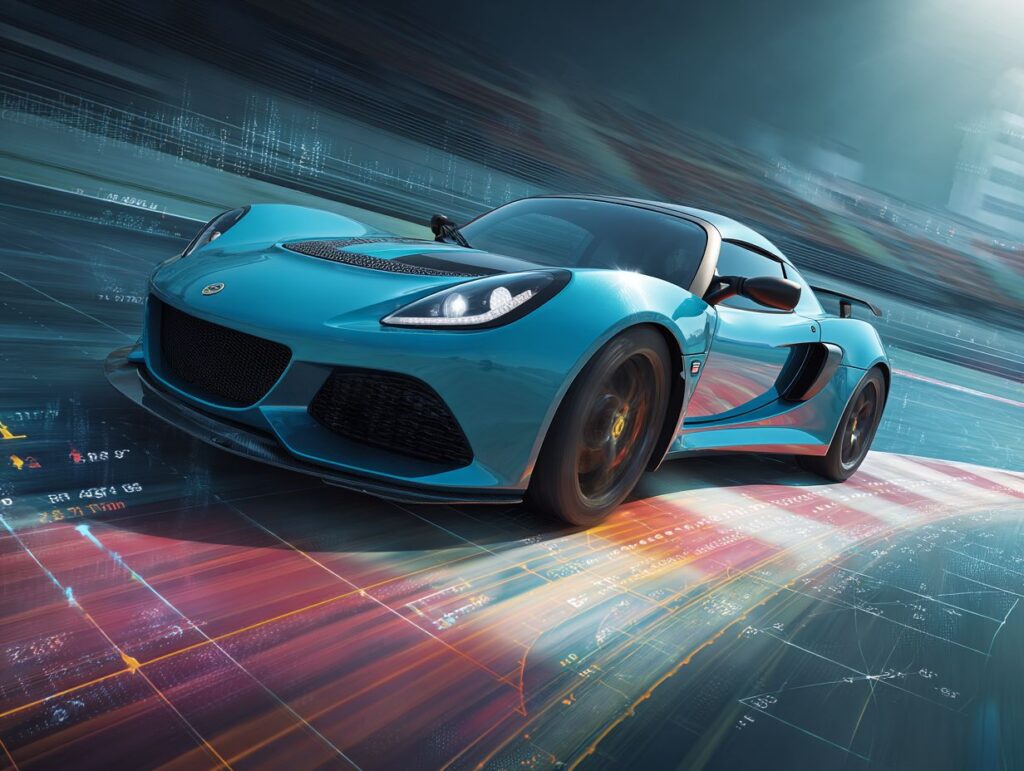
Supercars are characterized by distinct attributes that set them apart from conventional sports cars, exemplifying performance benchmarks and design elements that define their category. These include features like carbon-ceramic brakes and advanced suspension tuning.
Performance Metrics
Performance metrics play a critical role in distinguishing supercars, with benchmarks such as 0-60 mph times frequently recorded at under 3 seconds and horsepower surpassing 600. These metrics are crucial in supercar definition.
For example, the Lamborghini Aventador accelerates from 0 to 60 mph in just 2.9 seconds, generating an impressive 730 horsepower. In comparison, the McLaren 720S completes the same acceleration in an even more remarkable time of 2.8 seconds, producing 710 horsepower.
These statistics not only underscore the immense power of these vehicles but also reflect the engineering precision that enables them to surpass conventional automobiles. To fully appreciate these supercars, automotive enthusiasts often examine acceleration times in conjunction with driving dynamics, thereby enriching both speed and the overall driving experience. This attention to detail is a hallmark of automotive journalism.
Design and Aesthetics
The design of a supercar represents a harmonious integration of art and engineering, emphasizing features such as aerodynamic design and the utilization of lightweight materials to optimize performance.
For example, the Ferrari 488 employs a sleek, sculpted body to minimize drag, consequently achieving higher speeds and improved fuel efficiency. The incorporation of lightweight carbon fiber enhances the vehicle’s agility while simultaneously improving its acceleration.
In a similar vein, the Bugatti Veyron’s distinctive shape is engineered to maximize downforce, thereby providing exceptional stability at elevated speeds. The thoughtful combination of these design elements results in vehicles that are not only aesthetically impressive but also meticulously crafted for performance.
This demonstrates that every curve and contour is designed with a specific purpose, contributing to an unparalleled driving experience.
Engine Specifications
Engine specifications are fundamental to supercar performance, as they determine the power output and driving dynamics that characterize the supercar experience.
Power Output and Engine Capacity
Supercars are characterized by power outputs typically exceeding 600 horsepower, with models such as the McLaren Artura incorporating advanced hybrid technology to enhance both efficiency and performance. The Artura showcases the pinnacle of modern automotive technology. These engines often feature unique engineering to meet high-performance standards. The McLaren Artura delivers an impressive 671 horsepower, enabling it to accelerate from 0 to 60 mph in just 3.0 seconds, thereby demonstrating the significant impact of hybrid systems on supercar performance.
In contrast, the Porsche 911 Turbo S generates 640 horsepower, resulting in a slightly slower acceleration time of 2.6 seconds from 0 to 60 mph, attributable to its robust turbocharged engine. The Porsche 911 exemplifies a supercar that is also highly valued among car enthusiasts. The increase in horsepower not only enhances acceleration but also affects top speed; the Artura can achieve approximately 205 mph, while the 911 Turbo S exceeds 200 mph. The use of luxury materials and advanced performance technology in these models is key to their capabilities.
This comparison illustrates how both models compete in performance metrics while employing distinct engineering philosophies. This makes them highly sought after in supercar rentals.
Engine Types
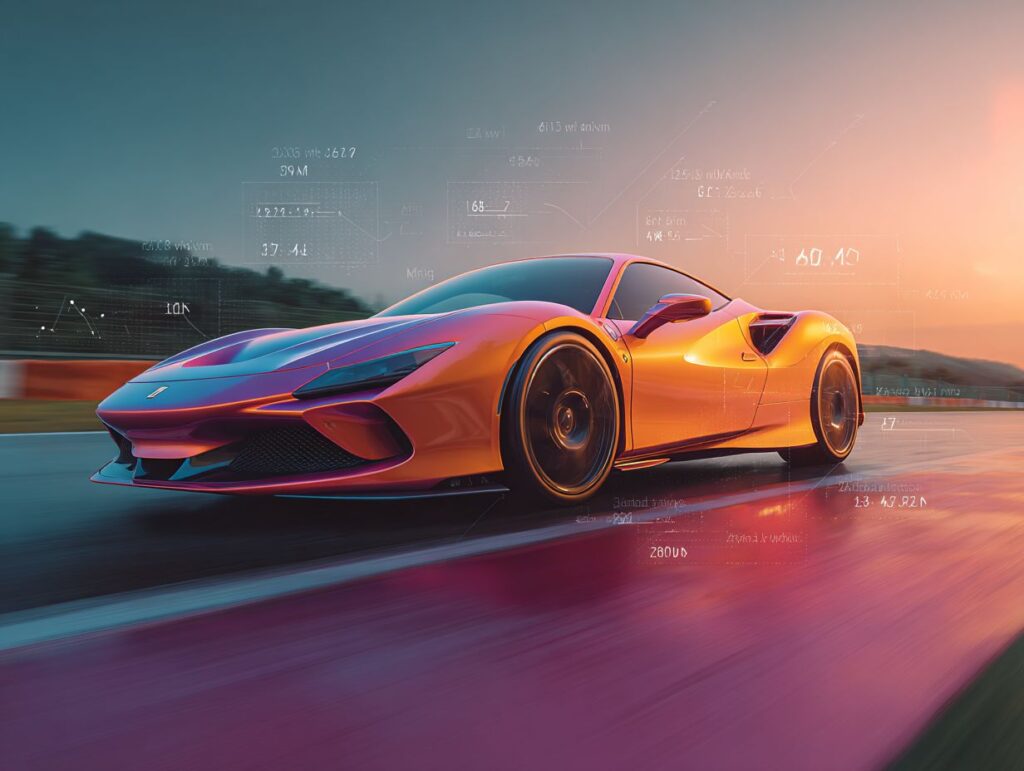
The type of engine plays a crucial role in shaping the driving experience of a supercar, with configurations such as mid-engine layouts and various cylinder arrangements optimizing weight distribution and handling.
For example, the Ferrari 488 is equipped with a V8 engine that delivers impressive acceleration and an exhilarating auditory experience, making it a preferred choice among drivers. Conversely, the Bugatti Chiron features a W16 engine that integrates four turbochargers, providing exceptional power and a seamless, relentless acceleration.
These engine configurations influence not only the vehicle’s speed but also its responsiveness during high-speed cornering. For example, the mid-engine layout in the Ferrari 488 helps in achieving optimal balance. V12 engines, such as those found in the Lamborghini Centenario, offer a distinctive balance of power and refinement, facilitating an exhilarating yet controlled driving experience.
Transmission and Handling
Transmission and handling are essential components of the supercar experience, significantly affecting the delivery of power to the road as well as the overall driving dynamics.
Transmission Types
Supercars are equipped with advanced transmission systems, with dual-clutch setups facilitating rapid gear changes, as exemplified by the Porsche 911 GT3, thereby optimizing performance benchmarks.
In contrast, traditional manual transmissions, such as those found in the Ferrari 488, provide a more engaging driving experience, enabling skilled drivers to exert full control over gear selection.
While dual-clutch systems can shift gears in a matter of milliseconds, thereby enhancing acceleration, manual transmissions often provide a more visceral connection to the vehicle.
Both transmission types offer distinct advantages: dual-clutch systems excel in achieving fast lap times and facilitating easier handling, while manual transmissions are lauded for their ability to enhance driver involvement and skill expression.
Ultimately, the choice between these systems depends on whether one prioritizes speed or the exhilarating experience of driving.
Suspension Systems
Suspension systems in supercars are meticulously engineered for optimal performance, frequently incorporating advanced technologies such as carbon-ceramic brakes to enhance handling and responsiveness.
For instance, the McLaren 720S is equipped with adaptive suspension technology that adjusts in real-time to varying road conditions. This sophisticated system achieves a harmonious balance between comfort and track-oriented performance by utilizing sensors to continuously monitor the vehicle’s posture and respond instantaneously.
Drivers have the ability to switch between various tuning settings-namely Comfort, Sport, and Track modes-allowing for a personalized driving experience, particularly on back roads or a race track. Engaging the Track mode results in a firmer suspension that significantly reduces body roll, thereby improving cornering stability and responsiveness during high-speed maneuvers.
Technology and Innovation
The integration of technology in supercars transcends mere performance, encompassing advanced infotainment systems and state-of-the-art safety features that collectively enhance the overall driving experience, ensuring maximum engagement for the driver.
Infotainment Systems
Modern supercars are equipped with sophisticated infotainment systems that include large touchscreens, advanced navigation, and seamless smartphone connectivity.
The Ferrari SF90 Stradale elevates the driving experience with its impressive 16-inch curved touchscreen, which provides intuitive access to vehicle settings, entertainment options, and dynamic driving modes.
Its advanced navigation system, which incorporates real-time traffic data, facilitates efficient route planning, optimizing both time and fuel consumption.
Furthermore, the inclusion of Apple CarPlay and Android Auto enables drivers to integrate their smartphones seamlessly, allowing access to applications and music without distraction.
Collectively, these features not only enhance comfort by reducing the need for manual adjustments but also improve connectivity, thereby making every drive a more enjoyable experience.
Safety Features
Safety features in supercars are becoming increasingly sophisticated, with systems such as adaptive cruise control and lane-keeping assistance significantly enhancing driver security without compromising performance. Safety is a critical aspect of supercar characteristics.
For example, the McLaren 720S seamlessly integrates its advanced driver assistance systems with its high-performance capabilities. The vehicle is equipped with an adaptive cruise control system that automatically adjusts speed to maintain a safe distance, allowing the driver to concentrate on vehicle handling.
Additionally, the lane-keeping assistance actively aids in keeping the vehicle centered, particularly during high-speed cornering. These technologies are designed to operate at optimal performance thresholds, ensuring that the exhilarating driving experience is preserved while simultaneously enhancing overall safety.
Price and Exclusivity
The pricing of supercars typically reflects their exclusivity, as limited production runs and the use of high-end materials contribute to costs that often exceed six figures.
For example, the Bugatti Chiron, which is priced at over $3 million, serves as a prime illustration of how rarity enhances desirability. With only 500 units produced, this scarcity significantly elevates its resale value, frequently surpassing the initial purchase price.
In contrast, vehicles such as the Lamborghini Huracn and Lamborghini Aventador may begin at approximately $200,000; however, their more widespread availability limits their exclusivity and, consequently, their potential for value appreciation.
Prospective buyers should carefully consider these factors, as investing in supercars with lower production numbers, such as the Pagani Zonda, Bugatti Veyron, or NIO EP9, may yield substantial long-term returns due to their cult status and limited availability.
Frequently Asked Questions
What makes a car a Supercar?
A Supercar is a high-performance sports car that has exceptional speed, power, and handling capabilities. It is often designed with advanced technology and luxurious features, such as exquisite design, making it stand out from other cars on the road.
What are the key specs to look for in a Supercar, including engine position and racing technology?
The main specs that define a Supercar are its top speed, horsepower, acceleration time, and handling capabilities. These are often achieved through features such as a powerful engine, lightweight construction, aerodynamic design, and advanced racing technology.
How fast can a Supercar go?
The top speed of a Supercar can vary, but most models can reach speeds of over 200 miles per hour. Some of the fastest Supercars, like the McLaren 720S, can even exceed 250 miles per hour, making them some of the fastest cars in the world.
What is the typical horsepower of a Supercar?
A Supercar usually has a minimum of 500 horsepower, with many models boasting horsepower in the thousands. Cars like the Ferrari 488 exemplify this power, allowing for quick acceleration and high speeds, making the driving experience exhilarating.
How does a Supercar achieve its exceptional handling and driving feel?
Supercars often have advanced suspension systems, advanced steering technology, high-performance tires, and precise engineering to enhance their handling capabilities. These features allow Supercars to take corners and curves with ease and precision, contributing to the driving feel.
What are some other features that make a car a Supercar, including street-legal considerations?
In addition to speed and power, Supercars often have luxurious features such as high-end interior materials, advanced technology systems, unique design elements, and must meet street-legal requirements. These features add to the overall appeal and exclusivity of Supercars.