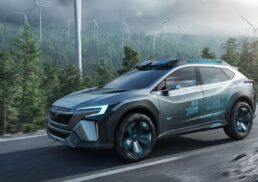
In an era where urban mobility is paramount, smart parking innovations are revolutionizing city life through urban transport systems. Cities like Linkping and Amsterdam are leading the charge with intelligent parking solutions that incorporate digital payments and advanced parking management systems. These technologies not only streamline the parking process but also enhance overall urban efficiency and data-driven urban planning. This article explores how these cutting-edge developments are shaping our cities and improving the daily experience for drivers and residents alike.
Table of Contents
Key Takeaways:
- Smart parking innovations aim to address current challenges in parking, such as traffic congestion and environmental impact.
- These include mobile apps, sensor-based systems, and automated solutions, which have been successfully implemented in cities like Linkping, Amsterdam, and Barcelona.
- The future of smart parking is in integration with autonomous vehicles and the use of data analytics to improve the user experience.
Definition and Importance
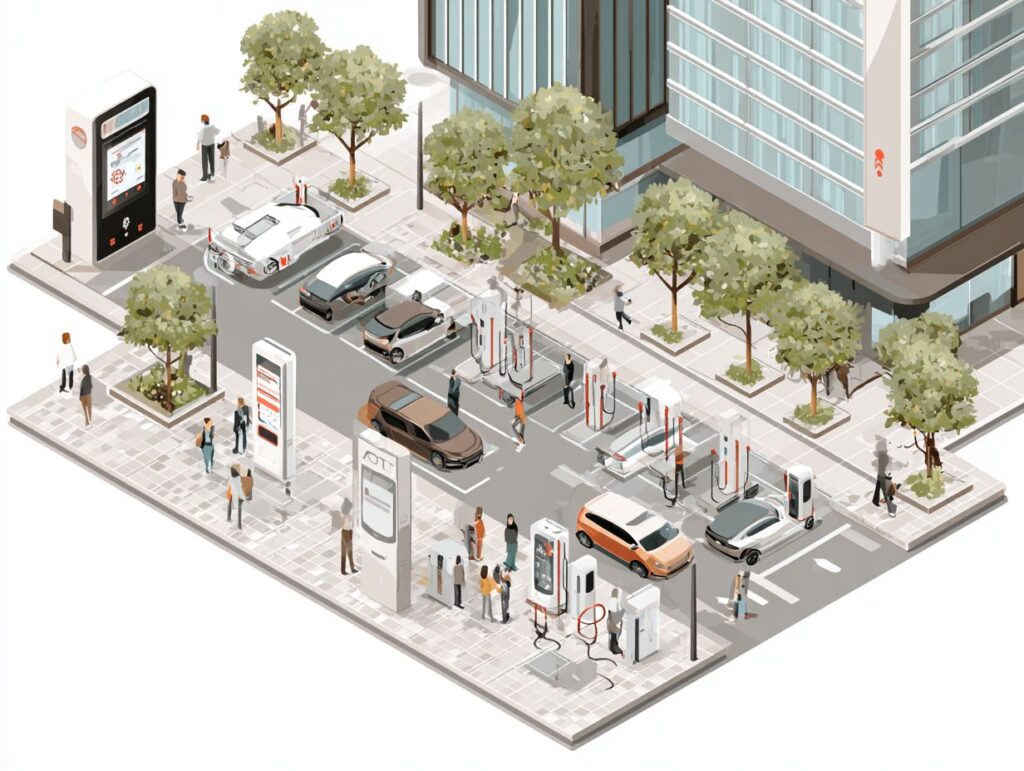
Smart parking encompasses a variety of technologies aimed at optimizing the utilization of parking spaces, mitigating traffic congestion, and enhancing the overall user experience. This system holds significant importance within smart city ecosystems, contributing to sustainability and effective urban planning.
For example, real-time data obtained from IoT sensors and applications provides drivers with information about available parking spaces, thereby minimizing unnecessary cruising. Solutions such as ParkMobile facilitate contactless transactions, streamlining access to parking facilities.
Furthermore, the integration of smart parking with public transportation systems and multi-modal transportation promotes multimodal travel options, significantly decreasing dependence on personal vehicles. By emphasizing user-centric design, cities can foster a more efficient and environmentally sustainable urban environment, effectively addressing both current demands and future growth challenges, and ensuring sustainability.
Overview of Current Challenges
Despite advancements in urban planning and infrastructure, urban areas continue to encounter significant challenges, including insufficient parking availability, inefficient traffic flow, and accessibility issues for electric vehicles.
One pressing concern is the increasing traffic congestion; studies indicate that approximately 30% of urban traffic is attributable to drivers searching for parking. This ongoing search not only exacerbates air pollution but also prolongs commute times for all road users.
With the proliferation of electric vehicles, the demand for accessible charging stations has become critical. Cities such as San Francisco are proactively implementing smart parking solutions, including real-time availability applications, which assist in reducing traffic congestion and enhancing user accessibility.
Addressing these challenges is essential for promoting sustainable urban growth and improving the overall quality of life for residents.
Types of Smart Parking Technologies
A range of innovative technologies is propelling the advancement of smart parking systems, each playing a crucial role in enhancing urban environments through improved functionality and user experience.
Mobile Apps for Parking
Mobile applications have become critical tools for drivers, providing features such as real-time parking availability, efficient navigation to parking locations, and contactless payment options.
For example, ParkMobile enables users to find, reserve, and pay for parking directly from their mobile devices, with service fees ranging from $0.35 to $0.50 per transaction.
Another noteworthy application, SpotHero, specializes in pre-booked parking and frequently offers discounts at select garages and lots. These applications not only streamline the parking process but also assist users in avoiding the stress associated with locating available parking spaces.
Additionally, features such as push notifications for parking session reminders further enhance user convenience, ensuring a seamless and hassle-free experience.
Sensor-Based Systems
Sensor-based systems employ Internet of Things (IoT) technologies to monitor the availability of parking spaces and guide drivers to open spots, thereby significantly reducing search time. In cities such as Amsterdam, IoT sensors are integrated into parking spaces, providing real-time data on occupancy, allowing for real-time monitoring. This information is subsequently integrated into mobile applications, enabling drivers to view available spots and navigate directly to them.
For instance, the Amsterdam Smart Parking project utilizes wireless sensors that communicate with a central system, updating the application every minute. As a result, drivers can save up to 20 minutes per trip by eliminating the need to circle in search of parking.
Such implementations effectively demonstrate how technology enhances urban mobility and mitigates congestion within urban environments.
Automated Parking Solutions
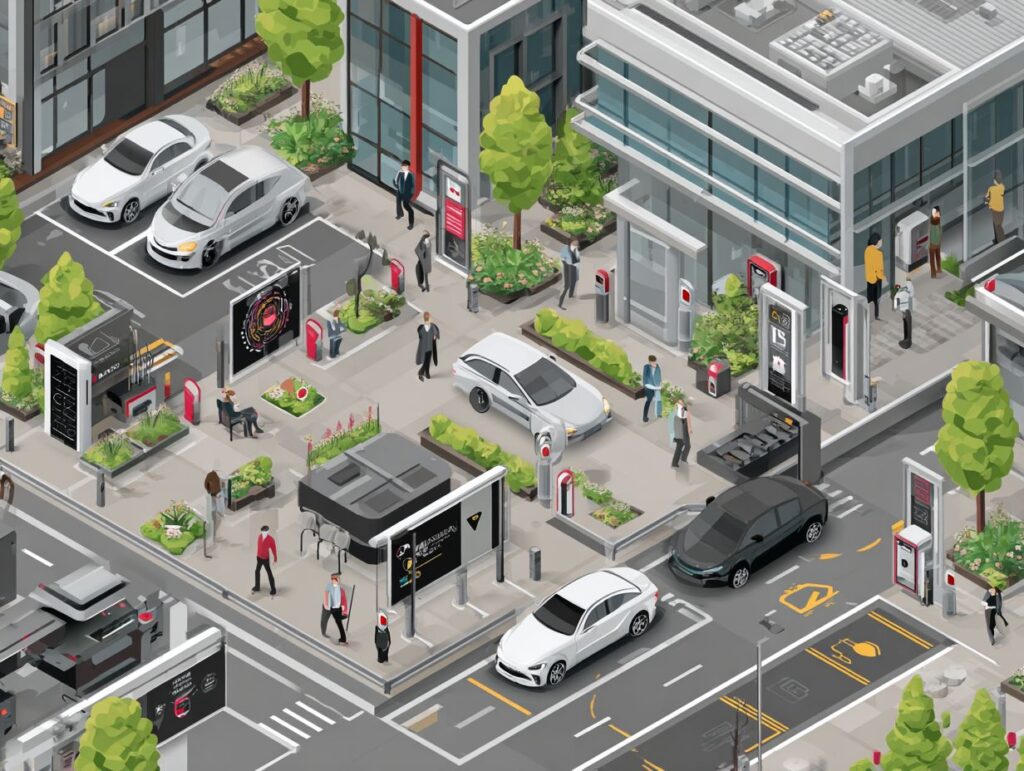
Automated parking solutions significantly enhance convenience by employing advanced technologies such as license plate recognition and cloud computing to streamline the parking process.
These systems utilize high-resolution cameras to capture license plate recognition information upon entry, facilitating seamless authentication and payment through mobile applications. For example, SKIDATA provides solutions that not only identify vehicles but also interface with a centralized database, thereby maximizing space efficiency.
By analyzing real-time data, these systems can forecast parking demand, effectively reducing overall space usage by as much as 30%, using AI-driven analytics. The implementation of such technology not only elevates user satisfaction but also optimizes the operational efficiency of parking facilities.
Learn more, What Are the Key Features of Automated Parking Systems?
Benefits of Smart Parking Solutions
Smart parking solutions offer a range of advantages, including the reduction of traffic congestion, improved efficiency in parking management, and a favorable impact on the environment and environmental sustainability.
Reducing Traffic Congestion
The implementation of smart parking solutions has the potential to reduce urban traffic congestion by as much as 30% by providing drivers with real-time information regarding available parking spaces.
Through the integration of sensors and mobile applications, cities can manage parking more efficiently. For example, San Francisco’s SFpark program employs demand-responsive pricing, which adjusts parking rates based on occupancy levels.
This approach not only directs drivers to available spaces but also significantly reduces the time spent searching for parking. Similarly, in Los Angeles, smart meters allow drivers to reserve parking spots via a mobile application, further enhancing the parking experience.
By leveraging these advanced technologies, urban areas can improve traffic flow, decrease emissions, and enhance overall urban mobility for their residents.
Environmental Impact
Smart parking technologies play a crucial role in promoting environmental sustainability by optimizing space utilization and encouraging the adoption of electric vehicles through the provision of dedicated charging stations.
By implementing smart parking systems, municipalities can significantly decrease vehicle emissions and ensure environment sustainability. For instance, real-time parking availability applications reduce the time drivers spend searching for available spots, which in turn lowers fuel consumption and alleviates traffic congestion.
The incorporation of electric vehicle (EV) charging stations not only enhances the attractiveness of EVs but also supports the promotion of greener transportation alternatives within a smart city ecosystem. Platforms such as ParkMobile and SpotHero facilitate easier access to parking while generating valuable data that enables urban planners to identify trends and inform future sustainable initiatives through predictive parking.
The integration of technology and resource management in this manner can contribute to the development of more environmentally friendly urban environments.
Case Studies of Successful Implementations
Real-world implementations of smart parking technologies demonstrate their transformative potential within urban environments, highlighting successful integration and yielding measurable outcomes through collaborative innovation.
City A: Mobile App Integration
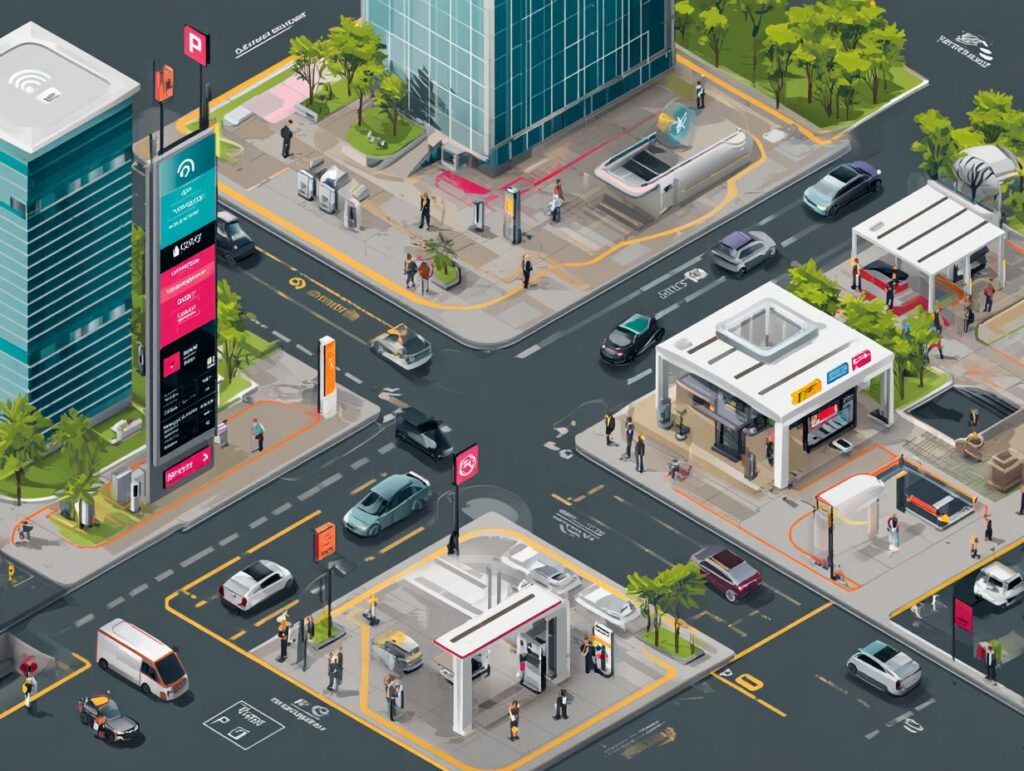
In Linkping, the implementation of a mobile parking application has resulted in a 25% increase in the utilization of parking spaces and enhanced community satisfaction.
User engagement metrics play a vital role in assessing the app’s effectiveness. Regular surveys have indicated a 30% increase in the number of users who reported ease in locating available parking.
Urban planners actively incorporated community feedback throughout the development phase by hosting focus groups, thereby gaining a deeper understanding of local needs and ensuring community engagement. The app’s features, such as real-time availability and reservation options, were developed in alignment with the suggestions put forth by residents.
This iterative process ensured that the application not only fulfilled technical requirements but also cultivated a sense of ownership among users, leading to sustainable adoption and improved urban mobility and seamless navigation.
City B: Sensor-Based Parking
Barcelona’s implementation of sensor-based parking technology has led to a 20% reduction in the time spent searching for parking, thereby positively influencing traffic flow.
The city employs smart sensors embedded in parking spaces that monitor availability in real-time, ensuring efficient parking. This data is transmitted to a centralized system, which can be accessed through a mobile application that directs drivers to available parking spots.
With over 7,000 sensors installed, this initiative has not only alleviated congestion but also improved the turnover rate of parked vehicles. Analysis indicates that neighborhoods utilizing this technology have experienced a 30% decrease in emissions, highlighting its potential for promoting urban sustainability.
Furthermore, the integration of this system with city traffic management enhances overall efficiency, positioning Barcelona, Tokyo, and New York as leading examples of smart city initiatives.
Future Trends in Smart Parking: Towards Future-Ready Infrastructure
The future of smart parking is set to experience substantial advancements, facilitated by the integration of autonomous vehicles, AI-driven analytics, and the improvement of data security capabilities.
Integration with Autonomous Vehicles
As autonomous vehicles become increasingly prevalent, smart parking systems are expected to evolve, providing seamless navigation and automated parking solutions. This development will significantly enhance user experiences.
Smart parking solutions will utilize real-time data and open-source data to inform users about available parking spaces, thereby reducing the time spent searching for parking.
For instance, applications such as ParkMobile and SpotHero already enable users to reserve parking spots in advance, a capability that autonomous vehicles can utilize. These systems have the potential to communicate with vehicles to initiate autonomous parking processes, ensuring both safety and efficiency in parking.
By integrating sensors and Internet of Things (IoT) technology, urban planners can optimize parking layouts for parking optimization, resulting in increased space utilization and improved traffic flow in densely populated areas like Amsterdam and Linkping.
Data Analytics and User Experience
Advanced data analytics will play a pivotal role in enhancing user experience and customer experience by predicting parking demand and optimizing space allocation.
Through the use of AI-driven analytics, smart parking systems can forecast demand based on historical data and real-time conditions. For instance, tools such as IBM Watson can analyze traffic patterns, weather conditions, and local events to accurately predict peak parking times.
The integration of cloud computing facilitates seamless data updates and sharing among multiple parking facilities, thereby optimizing resource allocation. Furthermore, implementing a system where sensors provide instant availability updates to users via a mobile application ensures that drivers can locate parking more efficiently, ultimately reducing congestion and improving overall satisfaction.
Frequently Asked Questions on Smart Parking Innovations
What are some examples of smart parking innovations and integrated solutions that are changing city life?
One example is the use of sensors and cameras to detect available parking spaces and guide drivers to them. Another is the use of mobile apps to reserve and pay for parking spots ahead of time.
How do smart parking innovations and parking management technologies benefit city life?
Smart parking innovations can reduce traffic congestion, save drivers time and frustration, and decrease carbon emissions by limiting the need for circling around in search of a parking spot, contributing to sustainable and eco-friendly cities.
Are there any downsides to smart parking innovations and digital transformation?
One potential downside is the cost and resources required to implement these technologies. Additionally, some people may be concerned about privacy and the use of their personal data in smart parking systems.
Can smart parking innovations and automated systems help with parking enforcement?
Yes, by using real-time data and automated systems, smart parking innovations can help enforce parking rules and regulations more efficiently, reducing the need for physical patrols and manual ticketing through parking management technologies.
How do smart parking innovations and smart mobility contribute to sustainable and eco-friendly cities?
By reducing the amount of time spent in search of parking, smart parking innovations can decrease carbon emissions and contribute to a greener and more sustainable city. Additionally, the use of electric vehicle charging stations in smart parking systems can encourage the adoption of eco-friendly vehicles.
What are some challenges in implementing smart parking innovations and integrated solutions in cities?
Some challenges include the need for adequate funding and infrastructure, as well as potential resistance or pushback from traditional parking operators and businesses. There may also be technical difficulties and issues with connectivity and data management.