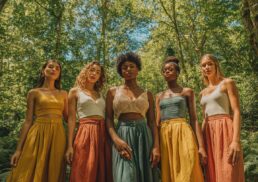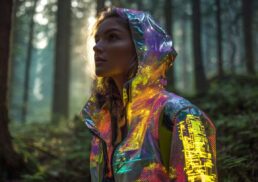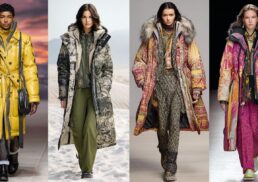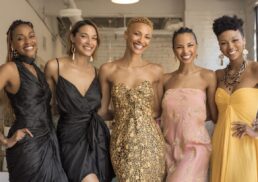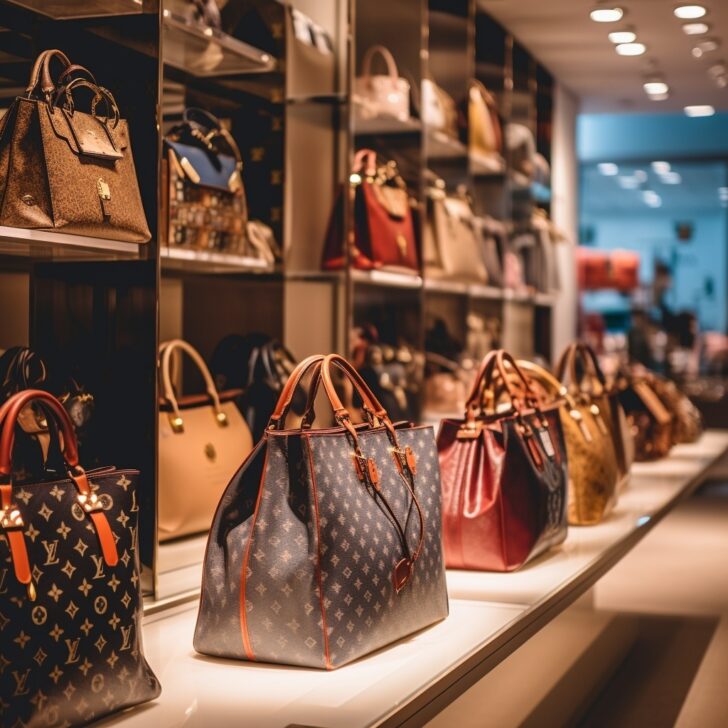
As we look ahead to 2025, the luxury market is set to embrace exciting watch trends, including bold designs and geometric cases that redefine elegance. Renowned brands like Cartier and Rolex will lead the charge, incorporating retro colors and colorful straps to captivate discerning collectors. This article delves into the top luxury goods trends, exploring how fashion, watches, and accessories will evolve, offering valuable insights for both enthusiasts and industry insiders alike.
Table of Contents
Key Takeaways:
- Sustainable luxury fashion will be a key trend in 2025, with consumers increasingly valuing environmentally-friendly and ethically-made products.
- The luxury watch market will continue to evolve, with smart watches competing with traditional timepieces and limited editions gaining popularity for their exclusivity.
- Personalization and customization of luxury accessories will become more prevalent, as consumers seek unique and one-of-a-kind items that reflect their individual style and taste.
Fashion Trends and Market Dynamics
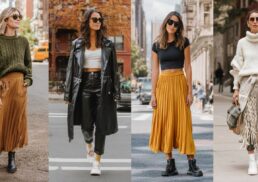
The fashion industry is undergoing significant evolution, with a pronounced emphasis on sustainability and digital innovation shaping the luxury fashion landscape for 2025, influenced by the Covid-19 pandemic.
Sustainable Luxury Fashion
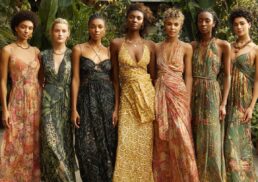
The emergence of sustainable luxury fashion is primarily driven by brands that are integrating eco-friendly materials to address the increasing consumer demand for responsible practices.
Noteworthy examples include Stella McCartney, which utilizes organic cotton and recycled polyester, thereby minimizing its ecological footprint while appealing to approximately 75% of luxury buyers who prioritize eco-friendly products.
Gucci has implemented a carbon-neutral production initiative, demonstrating its commitment through transparent reporting of emissions. Similarly, Prada is transitioning towards the use of regenerated nylon derived from ocean waste.
These initiatives not only align with consumer preferences but also signify a broader industry shift towards sustainability, underscoring the importance of responsible fashion choices in today’s market.
Digital Fashion and Virtual Wearables
Digital fashion is at the forefront of innovation, with virtual wearables and NFTs transforming consumer engagement with luxury brands. Platforms such as DressX have emerged as leaders in this domain, collaborating with prestigious luxury brands to launch exclusive digital collections.
One notable example is Balenciaga’s partnership, which produced unique virtual outfits available for purchase as NFTs, thereby pushing the boundaries of traditional fashion. The market for digital fashion is projected to exceed $50 billion by 2025, fueled by the growing popularity of metaverse experiences and augmented reality.
As an increasing number of consumers adopt digital identities, brands are investing in immersive digital strategies to ensure their continued relevance in this rapidly evolving landscape.
Watches: The New Luxury Statement
Watches have evolved beyond their primary function of timekeeping to become essential symbols of luxury, reflecting individual style and status in 2025, with vibrant dials and unique materials enhancing their appeal.
Smart Watches vs. Traditional Timepieces
The ongoing debate between smartwatches and traditional timepieces underscores a significant shift in consumer preferences, particularly among younger buyers who exhibit a growing interest in both categories, such as the iconic Patek Philippe.
Recent studies indicate that 60% of Gen Z consumers prefer smartwatches due to their multifunctionality, leveraging features such as health tracking and notifications. Conversely, 40% of this demographic remains drawn to luxury brands like Rolex, emphasizing the importance of craftsmanship and status.
The appeal of smartwatches is primarily rooted in their versatility and seamless integration with contemporary technology, while traditional watches continue to be valued for their timeless aesthetic.
Leading brands such as Apple are consistently innovating by incorporating advanced health features, whereas Rolex upholds its commitment to classic designs.
This evolving landscape suggests that a hybrid approach, which amalgamates elements from both product categories, may increasingly resonate with consumers in the future, as highlighted at events like Watches & Wonders in Geneva.
Limited Editions and Exclusivity from Independent Watchmakers
Limited edition watches have emerged as a highly sought-after niche, significantly driving demand and rising prices in the pre-owned market as collectors actively pursue unique pieces.
Brands such as Omega and Cartier have adeptly capitalized on this trend through their limited edition offerings, including the Omega Speedmaster ‘Silver Snoopy Award’ and the Cartier Santos-Dumont, embracing vintage elegance and larger case sizes. These exclusive releases not only generate considerable excitement but also enhance brand loyalty among enthusiasts.
The resale market for limited editions can experience substantial appreciation, with certain pieces attaining value increases of up to 200%. This phenomenon positions limited edition watches as both fashionable accessories and prudent investments.
The inherent scarcity of these timepieces intensifies a collector’s desire and strengthens their affiliation with the brand.
Luxury Accessories and Their Evolution in Style Expression
The evolution of luxury accessories is characterized by a significant shift towards personalization and the increased adoption of sustainable materials.
Eco-Friendly Materials
Luxury accessory brands are increasingly prioritizing the use of eco-friendly materials, with options such as recycled leather and organic textiles gaining significant traction. This shift towards sustainability resonates strongly with consumers; indeed, approximately 50% of luxury buyers indicate a willingness to pay a premium for sustainable products.
Brands such as Stella McCartney utilize recycled polyester in their collections, while Gucci has introduced organic cotton sourced from certified farmers. For remain competitive, it is essential for brands not only to adopt these sustainable materials but also to actively promote their sustainable practices through targeted marketing campaigns and transparent supply chains.
Incorporating sustainability into brand messaging can effectively enhance customer loyalty and attract a consumer base that is increasingly conscious of environmental issues.
Personalization and Customization
Personalization is transforming the landscape of luxury accessories, allowing consumers to distinctly express their individual styles through bespoke options.
Prominent brands such as Chopard and Jaeger-LeCoultre have recognized this trend by providing extensive customization services that enable clients to tailor their products to their preferences. For example, Chopard features a `Create Your Own’ option, which permits customers to select gemstones and dial designs for their timepieces. Similarly, Jaeger-LeCoultre offers clients the opportunity to engrave personal messages on the case back of their watches.
Notably, a recent survey indicated that 70% of luxury buyers place a high value on personalized products, underscoring the significant demand for these bespoke services within the high-end market.
Impact of Technology on Luxury Goods
The impact of technology on the luxury goods market is significant, affecting various aspects from production methods to consumer engagement strategies, especially with concerns over counterfeiting issues.
One of the most notable applications is the utilization of augmented reality (AR) for virtual try-ons, which enables consumers to visualize how products appear in real-time prior to making a purchase.
For instance, brands such as Gucci leverage Shopify AR to allow customers to see high-end shoes or bags on themselves using their smartphones. Additionally, AI-driven recommendation systems personalize shopping experiences by suggesting products based on individual browsing behavior and purchase history, thereby enhancing customer satisfaction and loyalty.
These technologies not only streamline the shopping process but also foster a more engaging and interactive experience for consumers.
Consumer Behavior Shifts
Consumer behavior in the luxury market is undergoing a significant transformation, as younger generations redefine the concept of luxury.
Generation Z consumers prioritize experiences over material possessions, with surveys indicating that 60% of luxury consumers under the age of 30 place a high value on sustainability and authenticity in brands.
Consequently, companies must adapt by providing immersive experiences, such as private tours or exclusive events, that resonate with this demographic. The integration of sustainable practices-such as eco-friendly packaging and transparent sourcing-can substantially enhance brand loyalty.
For instance, luxury brands like Gucci are increasingly focusing on sustainable collections, effectively appealing to younger consumers who are willing to invest in brands that align with their values.
Learn more, Luxury: Millennials and Gen Z Are Transforming Luxury: The Era of Experiences, Identity and Meaning
Frequently Asked Questions
What are the top luxury goods trends in 2025?
The top luxury goods trends in 2025 include a focus on sustainability, personalization, and technology integration in fashion, watches, and other luxury items, with notable mentions of SwissWatchExpo and watch brand clubhouse gatherings.
How will fashion evolve in 2025?
In 2025, fashion is expected to become more sustainable, with a shift towards eco-friendly and ethical production methods. Additionally, there will be a rise in personalized and made-to-order fashion, catering to individual preferences and sizes.
What can we expect for luxury watches in 2025?
In 2025, luxury watches, including renowned brands like Rolex, Patek Philippe, and Omega, will see an increase in smartwatch technology, with features such as fitness tracking and connectivity. There will also be a growth in vintage and limited edition watches from makers like Vacheron Constantin and Cartier, as well as a focus on sustainability in the production process.
How will technology play a role in luxury goods, including luxury timepieces, in 2025?
Technology will continue to be integrated into luxury goods, like those showcased at Watches & Wonders, in 2025, with features such as virtual and augmented reality experiences, personalized shopping apps, and advanced materials for better performance and durability.
Will there be a shift in consumer behavior for luxury goods, including luxury jewelry and timepieces, in 2025?
Yes, there will likely be a shift towards more conscious and sustainable consumer behavior in 2025. Consumers, especially Gen Z, will also gravitate towards brands like Jaeger-LeCoultre, Chopard, and Herms that align with their values and cater to their individual needs through personalization and customization.
What other industries will be impacted by these luxury goods trends in 2025?
Aside from fashion and watches, other industries such as beauty, travel, and hospitality will also be influenced by the top luxury goods trends in 2025. Brands like Piaget, Bvlgari, and Maurice Lacroix will also see a focus on sustainability, personalization, and technology integration to cater to the changing consumer demands post-Covid-19 pandemic.