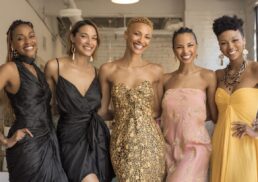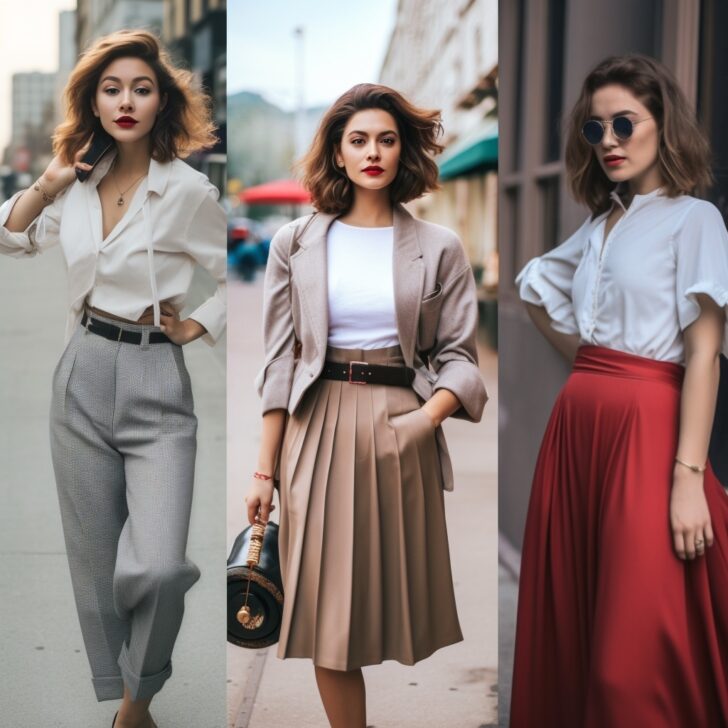
Unlocking your personal style is the key to fashion success, and with the right fashion tips, you can elevate your wardrobe into a reflection of your unique identity. Embracing style exploration is essential for developing your personal image. Inspired by style icons like Kim Kardashian and Meghan Markle, who masterfully blend elegance with everyday wear, this guide will help you build style confidence through closet organization and savvy styling advice, ensuring you feel empowered in your fashion choices. Discover how to curate your ideal wardrobe and express yourself effortlessly, no matter the occasion.
Table of Contents
Key Takeaways:
- Define your aesthetic by exploring influences and inspirations, allowing your personal style to reflect who you are and what you love.
- Invest in wardrobe essentials and build a capsule wardrobe to create versatile outfits that simplify daily dressing.
- Choose a color palette and understand fabrics to enhance your look; the right colors and textures can elevate any outfit.
Understanding Personal Style
Comprehending one’s personal style is fundamental to improving fashion sensibility and articulating individuality through clothing selections, which is crucial for effective wardrobe essentials.
Defining Your Aesthetic
Begin the process of defining your aesthetic by identifying key elements that resonate with your personality, including color preferences and silhouettes that reflect your style preferences.
To create a mood board, consider utilizing tools such as Canva or Pinterest. Start by collecting images that encompass color swatches, textures, and styles that appeal to you. It is advisable to source a diverse range of materials, including fashion blogs, interior design websites, and even photographs from nature.
Subsequently, organize these images within your chosen tool; for instance, Canva allows the creation of grids or collages to effectively visualize your themes. Additionally, incorporate keywords that encapsulate the mood you wish to convey.
This process not only clarifies your aesthetic but also serves as a valuable reference for future projects.
Influences and Inspirations
One can explore a variety of influences and inspirations, ranging from fashion icons such as Kim Kardashian to the evolving trends observed on platforms like Instagram and Pinterest.
To draw inspiration from prominent figures such as Kate Moss, Meghan Markle, and Harry Styles, one may begin by curating a digital collection of their iconic outfits. Utilizing platforms like Pinterest or Instagram to create boards dedicated to each figure facilitates easy reference to specific looks.
It is advisable to pay close attention to recurring themes in their styles, including color palettes and accessory choices, and to adapt these elements to suit one’s own wardrobe, following the latest fashion trends. Additionally, considering the follow-up of fashion accounts that regularly feature these icons can help in staying informed about new trends they inspire.
Wardrobe Essentials
Constructing a well-curated wardrobe of essential items enhances the coordination of outfits and simplifies daily dressing decisions, making it easier to avoid common fashion mistakes.
Building a Capsule Wardrobe
A capsule wardrobe generally comprises 30 to 40 versatile pieces that can be combined for a range of occasions, making it the ultimate fashion essential for dressing well.
To construct an effective capsule wardrobe, it is advisable to begin by evaluating one’s current clothing collection, with the expectation of discarding approximately 20% of items that have not been worn in the past year.
Subsequently, it is essential to identify key categories such as tops, bottoms, outerwear, and accessories to ensure a diverse selection. Choosing a neutral color palette-such as blacks, whites, and beiges-will enhance versatility.
It is also recommended to limit seasonal pieces to about five to seven, ensuring that they complement the core items in the wardrobe.
To maintain organization, utilizing a free Google Sheets checklist template can be beneficial for tracking selections and visualizing potential combinations.
Key Pieces to Invest In
Investing in essential wardrobe pieces can significantly enhance one’s overall appearance and ensure the longevity of fashion choices, contributing to a successful style transformation. A classic tailored blazer from J.Crew, priced at $198, adds an element of sophistication to both casual and formal ensembles.
- Quality denim jeans, priced between $100 and $200, offer versatility for everyday wear.
- The versatile little black dress (LBD), starting at $150, is a fundamental item suitable for various occasions.
- Furthermore, comfortable ankle boots, typically priced around $100, elevate outfits without sacrificing comfort.
- A timeless trench coat, usually priced at $150, provides stylish layering options for transitional weather.
Each of these pieces works in harmony to create a multitude of combinations, ensuring that one remains stylish throughout the year.
Color and Fabric Choices
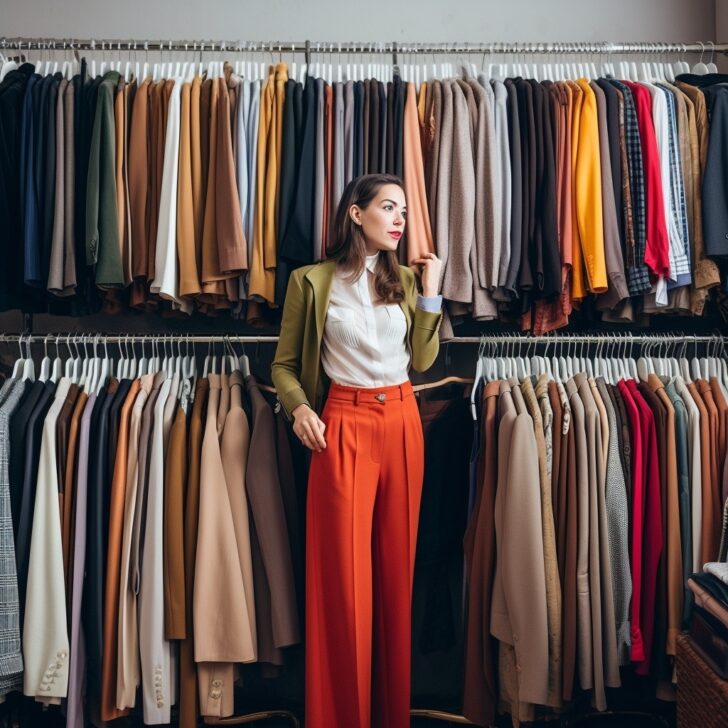
Selecting an appropriate color palette and fabric is essential, as it can significantly affect both your overall style and comfort in clothing, especially when aiming for stylish outfits.
Choosing Your Color Palette
Selecting a color palette requires the careful consideration of shades that complement one’s skin tone and enhance personal image. To identify the most flattering colors, one should begin by determining whether their skin tone is warm or cool.
Individuals with warm skin tones typically find that earthy hues such as orange, yellow, and olive green are most flattering, whereas those with cool skin tones are better complemented by shades such as blue, pink, and emerald. Utilizing tools like the Adobe Color Wheel can facilitate experimentation with various color combinations.
For a practical application, individuals may create a mini color swatch book by printing color samples and attaching them to fabric swatches or clothing items, which enhances their understanding of fabric choices and color palettes. This method allows for a clearer visualization of how each shade interacts with their existing wardrobe.
Understanding Fabrics and Textures
A comprehensive understanding of fabrics and textures is essential for making informed clothing choices that are appropriate for various occasions and body shapes.
Key fabric types include cotton, silk, and wool, each offering distinct advantages:
- Cotton is breathable and durable, making it an excellent choice for casual wear, such as t-shirts and summer dresses.
- Silk, characterized by its elegant sheen, is ideal for formal attire, including blouses and evening gowns; however, it requires hand washing to maintain its luster.
- Wool, renowned for its warmth, is particularly suitable for winter garments such as coats and sweaters, but should be dry cleaned to preserve its structure.
To enhance your knowledge of fabrics, consider utilizing the SwatchMate app, which allows for seamless matching of fabric swatches to your wardrobe.
Checkout 28 Types of Fabrics and Their Uses – 2025
Accessorizing Your Look
Accessorizing has the potential to elevate a simple outfit into a sophisticated statement, enhancing its depth and adding a distinct sense of personality to one’s overall appearance.
Statement Accessories
Incorporating a selection of statement accessories can enhance even the simplest outfits, making them more visually appealing.
To elevate your appearance without creating visual discord, consider pairing a bold necklace from BaubleBar (starting at $30) with a classic white t-shirt.
Oversized sunglasses introduce an element of sophistication, while distinctive handbags, such as those offered by Kate Spade, can act as a focal point of the ensemble, enhancing your accessorizing outfits.
When opting for statement earrings priced under $50, it is advisable to keep other accessories minimalistic to maintain balance.
For a touch of color, vibrant scarves can effectively bring an outfit together; simply drape them over a tailored blazer.
By carefully balancing these elements, one can transform their wardrobe into fashionable outfits while preserving a refined aesthetic, which is key to effective accessorizing outfits.
Layering Techniques
Mastering layering techniques provides versatile styling options that can adapt to varying climates and occasions, allowing for chic outfits that reflect modern fashion.
To effectively layer outfits, one should begin with a fitted base layer, such as a tank top or a lightweight t-shirt, to ensure comfort. Next, it is advisable to incorporate a mid-layer, such as a cozy cardigan or a stylish sweater, for added warmth.
For outerwear, options like a timeless trench coat or a versatile denim jacket should be considered to offer protection against wind or rain, making them key pieces in any wardrobe.
Experimenting with varying lengths is encouraged; for instance, pairing a long cardigan over a shorter dress can create a sophisticated silhouette. Additionally, accessorizing with statement belts or scarves can enhance the overall layered appearance, adding a personal touch to the ensemble.
Styling for Body Types
Comprehending one’s body type is essential for selecting garments that accentuate individual strengths and foster a sense of style confidence.
Understanding Your Shape
Understanding one’s body shape-whether pear, apple, hourglass, or rectangle-can significantly inform the clothing selection process and improve your fashion sense. Each body shape possesses distinct characteristics that influence style choices.
For example, individuals with a pear shape typically have wider hips and may find that A-line skirts paired with fitted tops help to balance their proportions. Those with an apple shape, characterized by broader shoulders and less-defined waists, might benefit from wearing empire waist dresses and tailored jackets to create a more structured silhouette.
Hourglass figures should consider accentuating their curves with form-fitting garments, such as wrap dresses. Meanwhile, individuals with a rectangle shape can introduce curves into their appearance through peplum tops and layered clothing.
To assist in identifying your body shape, consider utilizing a straightforward quiz available on Stylebook for a nominal fee of $4.99, which can streamline your journey toward a more personalized style and help you connect with a skilled wardrobe stylist.
Flattering Fit Tips
Achieving a flattering fit necessitates a thorough understanding of tailoring and the ways in which different styles complement various body types, emphasizing the importance of quality clothing.
Begin by accurately assessing your measurements; consulting a tailor can ensure precision and help you avoid the pitfalls associated with vanity sizing. It is advisable to select the appropriate size by trying on a range of options rather than relying solely on your preconceived notions of what may fit best.
Consider choosing shape-enhancing cuts, such as an A-line dress for pear-shaped figures or trendy leopard print options, to effectively accentuate your silhouette. Furthermore, investing in tailoring for staple pieces can be transformative; even a simple hem can significantly enhance a garment’s overall appearance.
Avoid items that are either excessively tight or overly loose, as they can detract from your overall aesthetic. Following these guidelines will assist in achieving a more polished and refined look, enhancing your style confidence tips.
Personal Style Evolution
Personal style is not a static concept; it evolves in response to various life changes, influencing the manner in which individuals navigate their fashion choices over time and can be guided by fashion resources.
Adapting to Life Changes
Adapting one’s personal style in response to life changes-such as starting new employment, relocating to a different city, or experiencing changes in body shape-can be indicative of personal growth.
To effectively manage this transition, it is advisable to conduct a thorough audit of one’s wardrobe to assess what garments fit properly and those that do not. For example, when beginning a new job, it may be beneficial to invest in versatile pieces, such as a tailored blazer, which can be styled both formally and casually.
Additionally, exploring different aesthetics can be advantageous; one might consider experimenting with bohemian styles, timeless fashion pieces, or even the latest looks inspired by celebrities like Kim Kardashian or Meghan Markle if one typically favors classic looks. It is also prudent to seek feedback; asking a trusted friend for their candid opinion on new outfits can provide valuable insights.
A pertinent example is Sarah, who revitalized her style following a career transition and subsequently experienced a boost in confidence within her professional environment.
Staying True to Yourself
Maintaining authenticity while evolving one’s personal style is crucial for fostering confidence and genuine self-expression. To cultivate an authentic personal style, consider the following five strategies:
- First, engage in regular reflection on fashion styles that resonate with you; this self-awareness will effectively guide your choices.
- Second, develop a signature look-this could be a distinctive accessory or color palette that embodies your identity.
- Third, exercise caution when adopting transient trends that do not align with your established aesthetic.
- Document your style journey through a blog to track your evolution and connect with a broader community.
- Finally, consulting with a personal stylist can offer tailored advice that reinforces your individual vision.
Additionally, utilize resources such as Stylebook to effectively manage and refresh your wardrobe.
Frequently Asked Questions
What are the essential steps on how to build your personal style?
To effectively build your personal style, start by assessing your current wardrobe and identifying what you love and what you don’t wear often, using outfit inspiration as a guide. Next, take note of fashion influencers or styles that resonate with you. Experiment with different outfits to find what makes you feel confident. Finally, invest in key pieces that reflect your personality and can be mixed and matched for versatility.
How can I use fashion trends in my journey to build a personal style?
While it’s important to stay true to your individuality, you can incorporate current fashion trends, including outfit ideas featuring combat boots or chic accessories, into your wardrobe by selecting pieces that align with your personal taste. Focus on a few trendy items that can complement your existing wardrobe. This way, you can stay fashionable without losing your sense of personal style.
Are there any budget-friendly tips for building my personal style?
Absolutely! Building your personal style doesn’t have to break the bank. Start by thrifting or shopping at discount retailers for unique pieces, which are excellent shopping tips for building your wardrobe on a budget. You can also swap clothes with friends or family to refresh your wardrobe. Lastly, consider DIY projects to customize your clothing and truly make it your own.
How can I ensure my personal style is appropriate for various occasions?
To build a versatile personal style, it’s crucial to have a well-rounded wardrobe that includes both casual and formal pieces. Identify the types of events you frequently attend and curate outfits that can transition between these settings, ensuring you have the right outfit combinations for both casual and formal occasions. Incorporate layering options and accessories that can easily elevate or tone down a look as needed.
What role do accessories play in building personal style?
Accessories are key in defining your personal style as they can transform an outfit from ordinary to extraordinary, adding a touch of your unique style expression. Use jewelry, belts, bags, and shoes to express your individuality. Mixing and matching accessories can also breathe new life into basic outfits, allowing you to maximize your wardrobe effectively.
Can I evolve my personal style over time?
Yes, personal style is not static; it can and should evolve as you grow and change, and this journey can be documented through fashion guides and personal grooming habits. Embrace new influences, experiment with different looks, and don’t hesitate to let go of pieces that no longer reflect who you are. Regularly reassessing and updating your style will help you remain authentic to yourself while adapting to new trends.