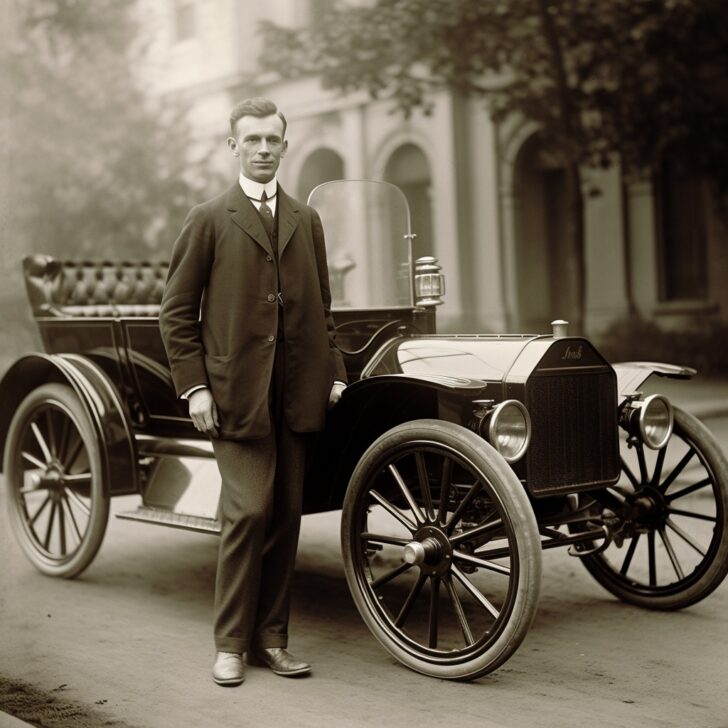
Ford’s legacy in the automotive industry is nothing short of revolutionary, marking a significant chapter in the history of automobile manufacturing. Founded by Henry Ford in 1903, the Ford Motor Company transformed how automobiles were manufactured with innovations like the assembly line and the iconic Model T. This article explores how Ford’s pioneering spirit not only shaped the modern automobile but also influenced global manufacturing practices, leaving an indelible mark on both the automotive industry and society. Join us as we delve into the milestones that defined Ford’s remarkable journey through innovation and excellence in the automobile industry.
Table of Contents
Key Takeaways:
- Ford revolutionized the automotive industry by introducing the assembly line, drastically improving production efficiency and setting a standard for sustainable mass manufacturing.
- The Model T, as Ford’s iconic vehicle, made affordable cars accessible to the masses and reshaped transportation in America.
- Through global expansion and adaptation, Ford demonstrated resilience, influencing automotive trends and shaping cultural perceptions of mobility and community worldwide.
The Birth of the Ford Motor Company
Founded in 1903, the Ford Motor Company was established based on Henry Ford’s visionary approach to making automobiles accessible and affordable for the average American family.
Founding Principles and Vision
Henry Ford’s fundamental belief was that automobiles should be accessible to all, which culminated in the development of the Model T, priced at $850 in 1908. This dedication to affordability significantly transformed the automotive industry, establishing a new standard for mass production techniques.
To achieve this vision, Ford introduced the assembly line, which substantially reduced both manufacturing time and costs. As a result, not only the Model T but also many subsequent vehicles could be offered at more affordable prices.
Moreover, Ford’s vision stimulated competitive innovation within the automobile industry, prompting companies such as General Motors to introduce a diverse range of innovative models aimed at different market segments. This shift towards producing accessible vehicles laid the groundwork for the contemporary automotive market, where consumer choice is of utmost importance and affordability remains a core guiding principle.
Early Innovations in Manufacturing
Ford introduced groundbreaking manufacturing techniques, notably the implementation of interchangeable parts, which significantly improved production efficiency within the automotive sector.
This innovative technology facilitated rapid assembly, as workers could replace components easily without the need for custom fitting. Notably, the introduction of the assembly line in 1913 reduced the time required to construct a car from over 12 hours to approximately 90 minutes.
The standardization of parts enabled factories to streamline their inventory management and reduce costs, ultimately making automobiles more accessible to the average consumer.
By prioritizing productivity and efficiency, Ford not only transformed its own operations but also established a benchmark that reshaped manufacturing practices across various industries.
The Assembly Line Revolution
The introduction of the assembly line by Ford revolutionized manufacturing processes across various industries, optimizing both time and resources.
Efficiency and Mass Production
By implementing assembly lines, Ford successfully reduced the time required to produce a vehicle from over 12 hours to just 2.5 hours by 1914. This innovation not only accelerated production but also significantly lowered costs, thereby making automobiles more accessible to the average consumer.
For example, the Model T, which initially retailed for approximately $850, experienced a price reduction to under $300 as a result of these efficiencies. The assembly line approach facilitated specialization among workers, thereby enhancing productivity as each individual focused on a specific task.
Consequently, the automotive industry flourished, contributing to a boom in consumer culture, the emergence of the middle class, and the demand for classic cars.
Impact on Labor and Employment
The assembly line not only improved production efficiency but also transformed labor dynamics and set new standards for employment in the automotive industry. Ford’s factory workers were compensated with a wage of $5 per day, which was considered quite substantial at that time. This increase in wages represented a revolutionary shift, prompting other industries to adopt similar practices in order to attract and retain skilled labor, especially in the automotive sector.
The establishment of standardized shifts ensured predictable working hours for employees. For example, the implementation of an eight-hour workday became increasingly prevalent, contributing to a better work-life balance.
In response to the heightened productivity demands associated with assembly lines, companies began to invest in improved facilities and safety measures. Such initiatives not only enhanced working conditions but also fostered a more motivated workforce, ultimately benefiting manufacturers through reduced employee turnover and increased output.
Iconic Models and Their Influence
Ford’s renowned models, such as the Model T and Mustang, have played a significant role in defining the brand while simultaneously influencing automotive design and culture.
The Model T and Its Legacy
The Ford Model T, manufactured from 1908 to 1927, is renowned as the vehicle that propelled America into the automotive age, with over 15 million units sold.
Its affordability, initially priced at approximately $825, was achieved through Ford’s groundbreaking assembly line techniques, which significantly reduced production costs. This innovative approach not only made car ownership attainable for the average American but also transformed manufacturing processes across various industries.
The Model T’s straightforward design and dependable performance encouraged rural Americans to adopt automobiles, ultimately leading to a transformation in lifestyles and influencing suburban development.
Its legacy is still evident today, as it established the foundational principles of mass production that contemporary industries continue to employ.
Learn more, Model T | Description & Facts.
Subsequent Innovations and Models
Following the introduction of the Model T, Ford unveiled the V8 engine in 1932 and the Mustang in 1964, both of which have become enduring symbols of power and performance.
The V8 engine revolutionized automotive performance with its remarkable output, earning the admiration of both hot rodders and muscle car enthusiasts. This innovation paved the way for the iconic Mustang, which effectively combined speed and a sporty design, thereby appealing to a younger demographic.
Along with these significant advancements, Ford has consistently pursued innovation with the introduction of EcoBoost technology in 2009. This technology provides turbocharged engines that enhance fuel efficiency without compromising power.
Currently, models such as the F-150 and Edge exemplify Ford’s commitment to integrating performance with sustainability, catering to the needs of contemporary drivers.
Ford’s Role in Global Expansion
Ford’s strategic global expansion has positioned the company as a dominant player in the automotive market, leading to the establishment of production facilities in various countries.
International Manufacturing Strategies
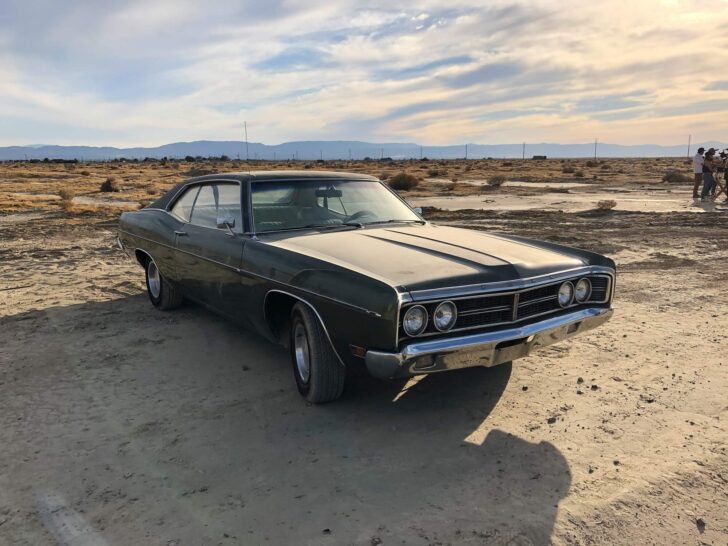
Ford’s establishment of manufacturing plants across the globe, including in Europe and Asia, exemplifies its commitment to globalization and the adaptation to local markets.
By localizing production, Ford ensures that its vehicles align with regional preferences and adhere to regulatory standards. For example, the company manufactures the EcoSport in India, specifically tailored to meet the Indian consumer’s demand for compact SUVs that are affordably priced.
Furthermore, Ford employs advanced methodologies such as the Ford Production System (FPS) to optimize operations and enhance efficiency. This strategy has not only contributed to cost reductions but has also improved the company’s responsiveness to market changes, enabling Ford to maintain a competitive advantage in diverse global markets.
Market Adaptation and Cultural Impact
By tailoring its products to local preferences, such as producing eco-friendly and smaller vehicles in Europe, Ford has effectively engaged with diverse markets and consumer demands. This strategy encompasses more than just vehicle size; for example, in India, Ford introduced the EcoSport, a compact SUV designed with features that resonate with urban drivers.
Additionally, Ford utilizes local insights to inform its marketing campaigns, emphasizing family values in China and a spirit of adventure in the United States through engaging advertising. To enhance brand loyalty, the company actively engages consumers through social media platforms like WeChat in China, thereby fostering a sense of community connection.
By embracing local cultures while preserving its global identity, Ford cultivates deeper relationships with customers across various demographics.
Challenges and Resilience
Throughout its history, Ford has encountered numerous challenges, ranging from economic downturns to shifts in consumer preferences for sustainable vehicles, thereby demonstrating significant resilience within the automotive industry.
Economic Crises and Corporate Strategy
During periods of economic downturn, Ford has implemented strategic initiatives, including the diversification of its vehicle lineup with electric vehicles and the optimization of production costs, to sustain profitability.
For example, during the financial crisis of 2008, Ford successfully avoided bankruptcy by concentrating on its core brands and launching fuel-efficient models, such as the Ford Fiesta and the innovative EcoBoost engine. The company also renegotiated labor contracts to reduce costs without compromising on quality.
Additionally, Ford made significant investments in technologies, particularly in electric and hybrid vehicles such as the Mustang, in anticipation of evolving consumer preferences.
This adaptability not only preserved employment opportunities but also positioned the company as a leader in sustainability and craftsmanship, effectively reshaping its long-term corporate strategy toward innovation and resilience in the face of economic challenges.
Adapting to Technological Changes
Ford has actively embraced technological advancements by introducing electric vehicles, such as the Mustang Mach-E and the upcoming all-electric F-150 Lightning, and investing in automation and sustainable manufacturing practices.
To further demonstrate its commitment, Ford has allocated over $30 billion towards the development of electric vehicles by 2025, with the objective of producing a diverse range of zero-emission models that reflect its heritage.
An example of this initiative is the upcoming all-electric Ford F-150 Lightning, which highlights the company’s entrance into the truck market, featuring advanced capabilities such as over-the-air updates and an extensive battery range.
Additionally, Ford is concentrating on sustainable manufacturing processes, incorporating recycled materials in its vehicles and striving for global carbon neutrality by 2050.
This strategic shift not only positions Ford favorably within the competitive landscape but also effectively addresses the growing consumer demand for sustainability and reliability.
Frequently Asked Questions
What is Ford’s Legacy: How the Brand Shaped the Automotive Industry?
Ford’s Legacy: How the Brand Shaped the Automotive Industry refers to the significant impact Ford Motor Company has had on automotive innovation, from the Model T to the present, manufacturing techniques, and consumer accessibility since its founding in 1903. The introduction of the assembly line revolutionized mass production, making automobiles more affordable for the average person.
How did Ford’s Legacy impact mass production in the automotive industry?
Ford’s Legacy: How the Brand Shaped the Automotive Industry can be traced back to Henry Ford’s implementation of the moving assembly line in 1913. This innovative approach significantly reduced production time and costs, enabling Ford to produce vehicles like the Model T at an unprecedented scale, thereby changing how cars were manufactured across the industry and establishing new production methods.
What innovations are associated with Ford’s Legacy in automotive technology?
Ford’s Legacy: How the Brand Shaped the Automotive Industry includes numerous innovations such as the introduction of the V8 engine, the EcoBoost technology, the development of safety features like seat belts, and advancements in fuel efficiency. These innovations have set benchmarks in automotive technology that many manufacturers still follow today.
How has Ford’s Legacy influenced car ownership and consumer culture?
Ford’s Legacy: How the Brand Shaped the Automotive Industry has made car ownership accessible to the masses. With the introduction of affordable models and financing options, Ford helped establish a culture of car ownership that transformed personal mobility and shaped modern suburban life, creating a legacy that resonates with collectors and automotive enthusiasts today.
In what ways does Ford’s Legacy continue to shape the automotive industry today?
Ford’s Legacy: How the Brand Shaped the Automotive Industry is evident today in the company’s ongoing commitment to innovation, sustainability, and electrification. Ford is investing in electric vehicles and advanced technologies, including Ford Co-Pilot360 and FordPass, ensuring that its influence continues to be felt in shaping the future of the automotive landscape.
Why is understanding Ford’s Legacy important for automotive enthusiasts?
Understanding Ford’s Legacy: How the Brand Shaped the Automotive Industry is crucial for automotive enthusiasts and collectors as it provides insights into the historical context of car manufacturing and technology, emphasizing the importance of storytelling in preserving automotive heritage. It highlights the evolution of the industry and the foundational role Ford played, fostering a deeper appreciation for both classic and modern vehicles.