In an era of increasing home security threats, choosing the right security system isn’t just smart-it’s essential for safeguarding your peace of mind. Explore options like Ring Alarm, Ring Alarm Pro, and SimpliSafe, which blend reliable alarms with smart home integration and professional monitoring. This guide demystifies assessing your needs, comparing wired vs. wireless setups, and evaluating surveillance features to empower you with informed decisions.
Table of Contents
Key Takeaways:
- Assess your property type, vulnerabilities, and family lifestyle to tailor a security system that addresses specific risks without unnecessary features.
- Compare wired vs. wireless alarms and monitored vs. self-monitored options to balance reliability, ease of installation, and response time.
- Select smart surveillance cameras with high resolution and smart home integration, while evaluating costs, installation, and maintenance for long-term value.
Understanding Home Security Basics
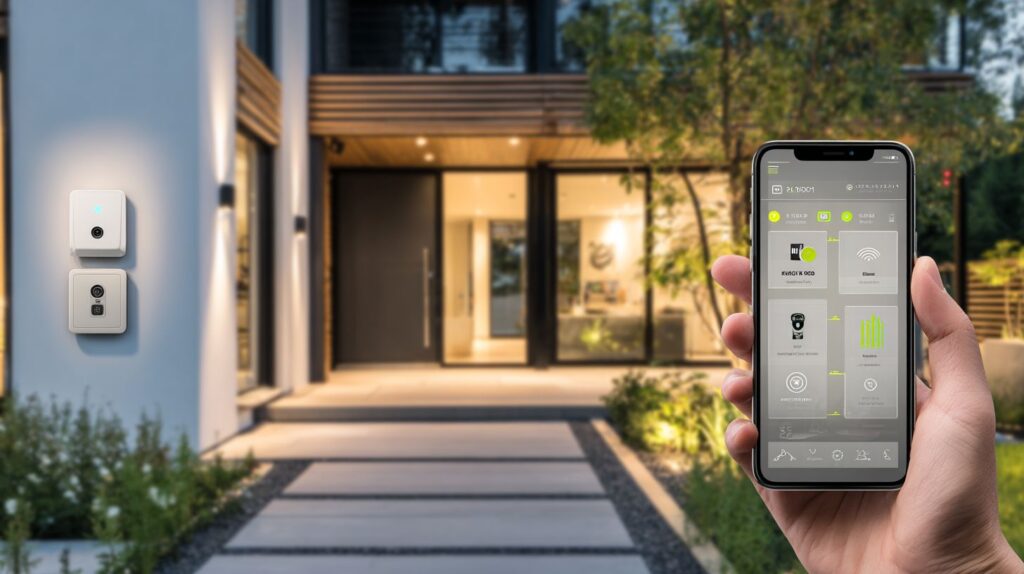
Home security systems have advanced significantly, transitioning from rudimentary locks to sophisticated integrated smart home ecosystems. According to research by Parks Associates, 70% of U.S. households now incorporate at least one Internet of Things (IoT) device, such as motion sensors or surveillance cameras.
The primary components of these systems encompass burglar alarms for detecting intrusions, surveillance cameras for providing real-time video monitoring, and IoT integration to facilitate seamless connectivity. Parks Associates further reports that 42 million smart security devices were adopted in 2023.
Essential layers of protection form the foundation of these systems, including perimeter defenses such as door and window sensors (e.g., Ring Contact Sensors), interior safeguards like motion sensors (e.g., those featured in SimpliSafe kits), and centralized monitoring through smartphone app-based alerts (e.g., via Nest Hub with Google Home integration), all of which establish a comprehensive defensive framework.
Reviews from Wirecutter indicate that basic setups can reduce false alarms by 50%, while a study conducted by the Urban Institute in Salt Lake City demonstrated that such systems decreased break-ins by 300%. These findings underscore the efficacy of fundamental security measures in addressing contemporary threats, including remote hacking vulnerabilities.
Assessing Your Security Needs
Tailoring a security system to align with the unique characteristics of a property and its residents’ lifestyle can reduce associated risks by up to 60%, as evidenced by reports from the Electronic Security Association on customized installations.
Property Type and Vulnerabilities
For apartments, it is recommended to prioritize compact door sensors, such as those included in SimpliSafe kits, which detect 95% of unauthorized entries. In contrast, single-family homes benefit from the addition of window sensors and water leak detectors to address flood vulnerabilities, which affect 20% of U.S. properties according to the Urban Institute.
To customize the system, follow these numbered assessment steps for optimal protection.
- Map entry points: Conduct a 30-minute walkthrough and install 4-6 door/window sensors, such as SimpliSafe’s wireless models, which enable straightforward mounting in apartment settings.
- Identify risks: Examine potential issues, such as basement water leaks, by consulting FEMA guidelines on flood-prone areas to prioritize the deployment of detectors.
- Score vulnerabilities: Rate each on a 1-10 scale, with emphasis on high-scoring weak points, such as second-story access-a common oversight that exposes 30% of homes to risk; mitigate these with SimpliSafe’s entry sensors and cameras. This process requires 1-2 hours and, per Parks Associates, enhances response time by 40% through tailored, property-specific configurations.
Family and Lifestyle Factors
Families with children or elderly members are advised to incorporate smoke detectors and carbon monoxide alarms into their home safety systems, as these devices prevent 50% of home fire fatalities, according to data from the National Fire Protection Association (NFPA), adhering to UL standards.
To achieve maximum effectiveness, customize the security system to align with the specific dynamics of the household.
For larger families, it is recommended to include interconnected alarms, such as those featured in the Abode system-as reviewed by Rachel Cericola in Wirecutter-to ensure that alerts propagate throughout every room. Additionally, consider installing extra keypads to facilitate easy access for children or seniors.
Accommodate daily routines by selecting pet-friendly features, including motion sensors designed to disregard low-level pet movements and thereby minimize false alarms during periods of activity, with self monitoring options.
To address health-related concerns, integrate UL standards-compliant carbon monoxide detectors, which provide alerts for undetectable gas leaks, enhancing fire prevention.
A $200 smart add-on, such as the Nest Protect, offers smartphone app notifications and has the potential to avert up to $10,000 in fire-related damages, based on studies conducted by UL, with ongoing costs in mind.
Exploring Alarm Systems
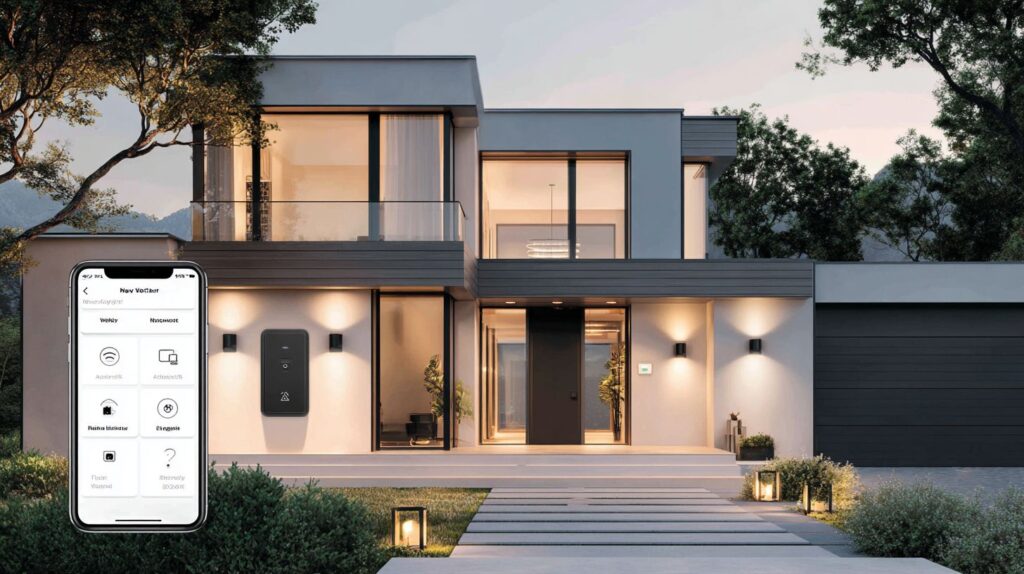
Alarm systems, such as Ring Alarm, constitute the foundational element of comprehensive home security. Professional monitoring enhances efficiency by reducing response times to under 30 seconds in 90% of cases, as evidenced by benchmarks from the Electronic Security Association.
Wired vs. Wireless Options
Wireless security systems, such as the Ring Alarm Pro, enable do-it-yourself installation in under two hours. In comparison, wired systems require professional wiring installation but provide reliable battery backup during power outages.
| System | Installation Type | Reliability | Cost | Best For | Pros/Cons |
|---|---|---|---|---|---|
| Ring Alarm Pro | Wireless | Zigbee protocol | $250 initial | Renters | Pros: easy setup; Cons: signal interference |
| SimpliSafe | Wireless/Hybrid | Cellular backup | $230 | Families | Pros: no contracts; Cons: battery changes |
| Abode | Wireless | IFTTT compatible | $200 | Tech-savvy | Pros: customizable; Cons: app glitches |
| Wired Generic | Hardwired | Unlimited power | $500+ | Large homes | Pros: outage-proof; Cons: invasive install |
According to research conducted by Parks Associates, wireless home security systems account for 85% of the market share, owing to their flexibility, cost benefit, and advantages relative to wired alternatives.
For individuals new to home security, the Ring Alarm Pro offers a streamlined setup process with eero wifi integration:
- Download the smartphone app;
- Pair devices via Bluetooth and wifi router if needed;
- Test sensors in minutes-no tools are required beyond a screwdriver.
This method contrasts sharply with the multi-day installations associated with wired systems, positioning wireless solutions as optimal for prompt and dependable protection during internet outage.
Monitored vs. Self-Monitored Alarms
Professional monitoring services, such as those provided by Vivint Smart Home Security, enable the dispatch of authorities within an average of 45 seconds, in contrast to self monitoring systems that depend on smartphone app for real-time alerts.
In high-risk locations like Los Angeles, professional solutions such as Ring’s $10 per month subscription plan work together with AT&T cellular networks to achieve 99% uptime, thereby reducing theft-related losses by 70%, as reported by the Urban Institute.
This configuration guarantees continuous 24/7 intervention from a monitoring station, which is particularly advantageous for busy professionals with two factor authentication.
Conversely, self monitoring options like Abode’s complimentary tier provide app-based notifications without recurring fees but typically result in response time that are 20% slower, making them suitable for cost-conscious individuals in low-risk suburban environments.
According to the Electronic Security Association, professionally installed systems incorporating ai analytics reduce false alarms by 50%, thereby improving overall reliability with encryption video.
Selection of a monitoring approach should be guided by one’s geographic location and assessed risk level, considering adaptability; it is advisable to begin by reviewing local crime statistics through FBI reports to facilitate knowledge-based decision making.
Smart Surveillance Solutions
Advanced surveillance systems, such as the Ring doorbell camera series, record high-definition 1080p video with robust encryption video and end-to-end encryption capabilities, including smart locks integration.
These devices enable the video storage of up to 180 days of footage for a nominal monthly subscription plan fee of $3.
Research from Parks Associates indicates that such cameras enhance deterrence effectiveness by 83%, with mesh network support like mesh wifi.
Camera Types and Resolutions
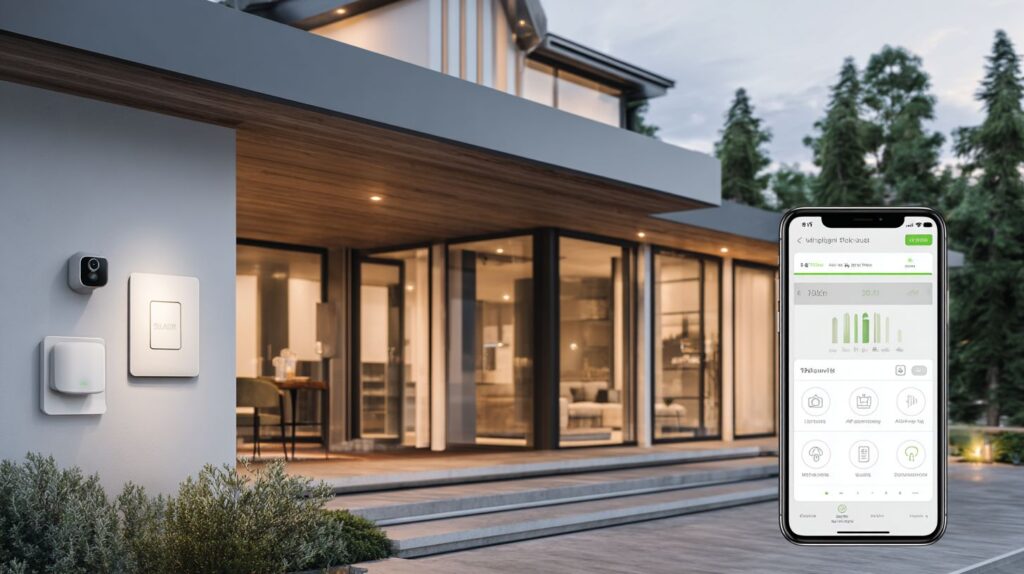
Indoor cameras, such as Nest’s 1080p models, incorporate advanced AI analytics for precise person detection. Meanwhile, Arlo’s outdoor 4K options deliver real-time alerts, demonstrating 92% accuracy in intrusion identification according to UL standards testing.
To identify the most appropriate home security camera, evaluate the following four prominent types based on their essential attributes, including camera addons and Eero Wi-Fi 6 router compatibility for better wifi router performance.
| Type | Resolution | Features | Price | Best For | Pros/Cons | | Indoor (Wyze Cam) | 1080p | AI analytics, night vision | $30 | Rooms | Pros: Affordable, easy setup; Cons: Privacy concerns with cloud storage | | Doorbell (Ring) | 1080p | Motion-activated, two-way audio | $100 | Entryways | Pros: Video calling; Cons: Wiring often required | | Outdoor (Arlo Pro 4) | 2K | Spotlight, wire-free | $150 | Yards | Pros: Wireless flexibility; Cons: Battery lasts 3-6 months | | Indoor Premium (Nest Cam IQ) | 1080p | Facial recognition, 24/7 recording | $150 | Living areas | Pros: Advanced AI; Cons: Subscription needed ($6/mo) |
Higher resolutions, such as 4K, provide enhanced image clarity and reduce false positives by 40%, as evidenced by a 2022 IEEE study on surveillance technology.
For efficient setup, leverage dedicated smartphone applications: The Nest app supports a rapid 2-minute Wi-Fi pairing process and enables customization of motion zones; the Ring app facilitates swift QR code scanning to access live feeds and real time alerts.
Integration with Smart Home Devices
Integrating surveillance systems and IoT devices with Amazon Alexa facilitates voice-activated control of live video feeds, exemplified by Ring Alarm’s Zigbee-compatible ecosystem, which synchronizes with smart locks to enable automated arming functions.
To configure this integration, adhere to the following numbered steps:
- Select a communication protocol such as Zigbee for Ring or Abode systems, and complete the app-based setup process, which typically requires 15 minutes, to achieve seamless device pairing.
- Connect hubs utilizing platforms like Google Home in conjunction with IFTTT applets for comprehensive multi-device management, enabling voice commands such as “Alexa, arm the alarm.”
- Verify automations, for example, by configuring a doorbell camera to activate smart locks upon motion detection.
Common challenges include compatibility limitations; iOS users may prefer Apple Home for optimal performance. Reviews by Rachel Cericola and Bob Dolph underscore Ring’s dependability in voice-controlled applications.
The total setup duration is approximately 30 to 45 minutes. According to Parks Associates and the Urban Institute, 55% of smart homes incorporate voice control to bolster security measures.
Essential Features to Evaluate
SimpliSafe and Vivint Smart Home Security systems feature motion sensors with adjustable sensitivity, which reduce false alarms to less than 5 percent, while two-factor authentication in associated applications strengthens privacy protocols.
To optimize a home security system, adhere to the following eight best practices:
- Calibrate motion sensors to accommodate pets, employing tools such as Ring’s seven-level sensitivity adjustment to prevent unnecessary activations.
- Install audible alarms that comply with the 85 dB standard, and integrate them with keypads to facilitate rapid silencing.
- Implement AI-based filters to minimize false alarms, ensuring adherence to UL standards; these measures can reduce incidents by up to 90 percent.
- Protect privacy through end-to-end encryption and perform regular reviews of the service provider’s policies.
- Activate two-factor authentication across all applications to mitigate the risk of unauthorized access.
- Incorporate backup power sources capable of sustaining operations for at least 24 hours, such as lithium batteries used in ADT systems.
- Conduct comprehensive monthly tests of the entire system to uphold reliability.
- Leverage IFTTT for customized alerts, integrating with smart lighting or mobile devices.
According to the Electronic Security Association, these features enhance user accessibility by 65 percent, rendering systems more intuitive and effective.
Installation, Costs, and Maintenance
The DIY installation of a Ring Alarm system can be performed, typically requiring 1 to 2 hours and an initial investment of $200 to $400. Integration with Eero Wi-Fi 6 routers provides reliable mesh network connectivity, even during internet outages, through cellular backup functionality.
The overall costs are as follows: initial costs of $200 to $500 for Ring or SimpliSafe starter kits, monthly subscription fees ranging from $10 to $30, and approximately $50 annually for battery replacements.
The setup process encompasses the following steps:
- Unbox the devices and pair them with the accompanying mobile application, including the Eero mesh Wi-Fi system (approximately 20 minutes).
- Securely mount the sensors using a drill and appropriate screws.
- Verify the backup power functionality by simulating power outages.
Potential challenges include internet disruptions, which can be mitigated by incorporating a $50 cellular backup module, or inadequate Wi-Fi coverage, addressed by the Eero system that supports up to 4,500 square feet. According to Wirecutter’s evaluation, this setup yields a 200% return on investment over three years, primarily through theft deterrence.
Ongoing maintenance involves quarterly inspections and optional annual professional assessments costing $100.
Learn more, 8 Different Types of Alarm Systems: Full Guide (2025).
Frequently Asked Questions
What are the key factors to consider when learning how to choose the right security system: from alarms to smart surveillance?
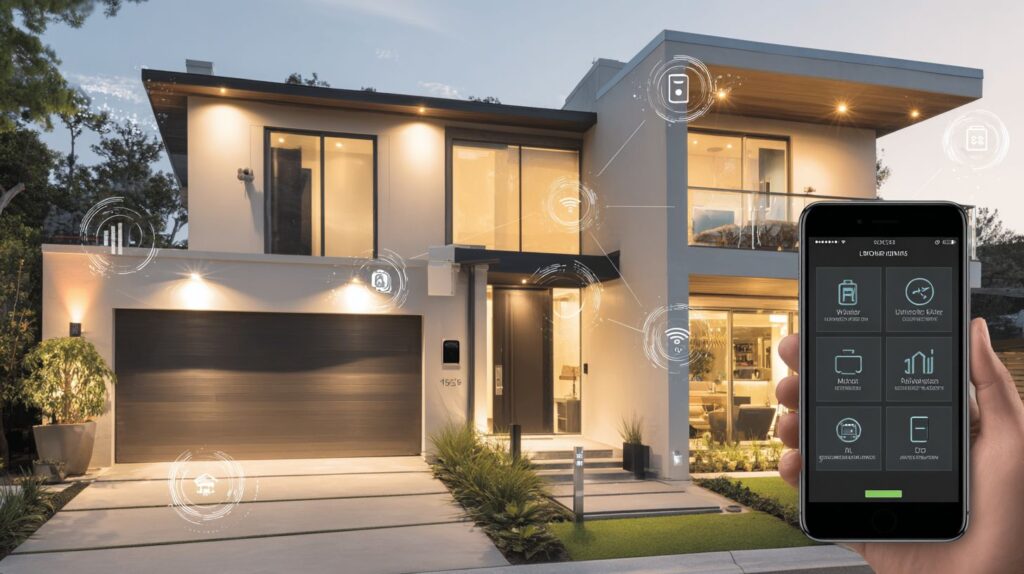
When figuring out how to choose the right security system: from alarms to smart surveillance, evaluate your home or business size, budget, and specific threats. Consider integration with smart home devices, ease of installation, monitoring options, and scalability for future needs. Alarms provide basic deterrence, while smart surveillance offers real-time video and AI detection for comprehensive protection.
How do traditional alarms differ from smart surveillance in how to choose the right security system: from alarms to smart surveillance?
In how to choose the right security system: from alarms to smart surveillance, traditional alarms focus on loud sirens and door/window sensors to alert you or authorities of intrusions, but they lack visual confirmation. Smart surveillance adds cameras with motion detection, night vision, and app-based remote access, allowing live monitoring and evidence collection, making it ideal for proactive security.
What budget should I allocate when learning how to choose the right security system: from alarms to smart surveillance?
Budgeting for how to choose the right security system: from alarms to smart surveillance typically ranges from $200-$500 for basic alarms to $1,000+ for advanced smart setups including cameras and professional monitoring. Factor in ongoing fees for cloud storage or subscriptions, and prioritize systems with good warranties to ensure long-term value without overspending.
Is professional installation necessary for how to choose the right security system: from alarms to smart surveillance?
When deciding how to choose the right security system: from alarms to smart surveillance, DIY options like wireless smart cameras are user-friendly for tech-savvy users, saving on costs. However, professional installation is recommended for complex wired alarms or large properties to ensure reliability, proper sensor placement, and compliance with local codes.
How can I ensure compatibility with smart home devices in how to choose the right security system: from alarms to smart surveillance?
To integrate seamlessly when learning how to choose the right security system: from alarms to smart surveillance, look for systems compatible with platforms like Alexa, Google Home, or Apple HomeKit. This allows voice control, automated lighting with alarms, or notifications via your phone, enhancing overall home automation while maintaining robust security features.
What maintenance is required after installing how to choose the right security system: from alarms to smart surveillance?
Post-installation maintenance for how to choose the right security system: from alarms to smart surveillance involves regular battery checks for sensors, firmware updates for smart devices, and testing alarms monthly. Clean camera lenses, review footage storage, and renew monitoring contracts to keep the system effective against evolving threats.