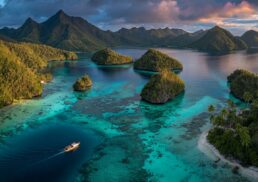
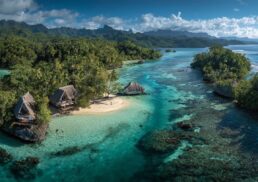
Escape to Bonaire’s pristine shores, where the Caribbean’s clearest waters beckon adventure seekers. Beyond Aruba’s crowded beaches and Curaao’s colorful streets of the ABC islands from Kralendijk’s lively harbor, these islands hide unparalleled diving and snorkeling paradises. Our 2025 travel guide uncovers secluded gems, insider itineraries, and essential planning tips to craft your unforgettable island escape.
Table of Contents
Key Takeaways:
- Discover Bonaire’s hidden gems like secluded beaches and underwater parks, perfect for snorkeling enthusiasts seeking untouched Caribbean beauty in 2025.
- Explore Curaao’s off-the-beaten-path treasures, from colorful Willemstad neighborhoods to secret coves, blending culture and adventure seamlessly.
- Plan your trip with unique stays in eco-lodges and boutique hideaways, focusing on sustainable travel during the dry season for optimal weather.
Planning Your 2025 Trip
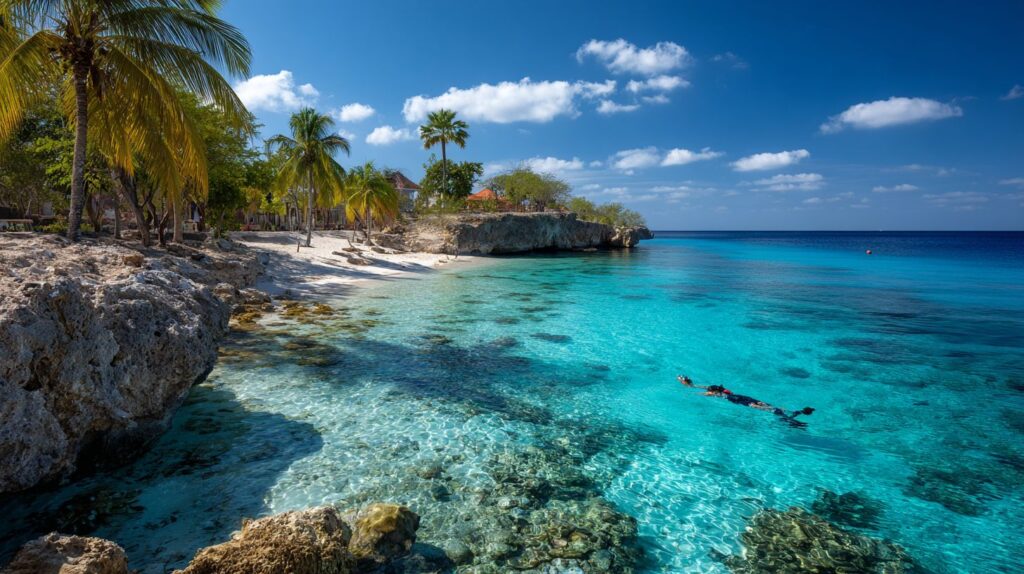
When planning a trip to Bonaire and Curaao in 2025, it is essential to account for applicable fees, including the $25 visitor entrance tax for the Bonaire National Marine Park and the $4.50 STINAPA (stingapa nature fee) per person. These charges contribute to the preservation and management of protected areas, nature reserves, and environmental conservation efforts, such as Washington Slagbaai National Park.
Best Time to Visit
The optimal period for visiting Bonaire and Curaao to engage in scuba diving and snorkeling is from December to April. During this time, water temperatures typically range from 26-28 degreesC (79-82 degreesF), and visibility often extends to 30 meters, providing excellent conditions for observing marine life in the coral reefs surrounding Klein Bonaire, with its blue waters and relaxing vibe.
To optimize your travel experience, adhere to the following structured steps when selecting dates:
- Consult weather forecasts through reliable sources such as AccuWeather. The dry season minimizes approximately 80% of rainfall, and according to National Oceanic and Atmospheric Administration (NOAA) data, the probability of hurricanes during the winter months remains below 5%.
- Coordinate your itinerary with notable events, such as the Bonaire International Sailing Regatta held in October, which features five days of celebratory activities.
- Reserve accommodations and transportation at least six months in advance to secure up to 20% savings on flights during peak season.
It is advisable to avoid common oversights, including overlooking the peak birdwatching season at the Pekelmeer Flamingo Sanctuary in September, when flamingo populations can reach 10,000 individuals, or missing sustainable initiatives like renewable energy projects involving wind power and solar power. For enhanced return on investment, consider traveling during the shoulder season (May to June), which offers savings of approximately $300 on accommodations while maintaining 90% of the optimal blue-water visibility.
Visa and Budget Essentials
Citizens of the United States and the European Union are granted visa-free access to Bonaire and Curaao for a period of up to 90 days in accordance with Schengen Area regulations. However, travelers should allocate funds for essential expenses, such as the $35 annual dive tag, which permits shore diving at over 50 dive sites.
- Commence by verifying visa requirements on the official Dutch government portal (ind.nl), a process that typically requires approximately two hours to confirm eligibility in accordance with EU Regulation 2018/1806.
- Subsequently, calculate estimated weekly expenses for two individuals, ranging from $1,200 to $2,000 based on Lonely Planet 2024 data, including $400 for round-trip airfare from Miami and STINAPA park fees of $45 per family.
- Incorporate a 15% contingency allowance ($180 to $300) to accommodate unforeseen dive excursions.
Frequent errors include overlooking currency conversion; while the United States Dollar (USD) is accepted, automated teller machines (ATMs) impose a 5% fee.
An illustrative 7-day budget comprises: lodging at $700, food at $400, dives at $300, and transportation at $100, for a total of $1,500, plus a buffer of $225.
Getting There and Around
Arrive at Flamingo Airport (BON) in Kralendijk for Bonaire or Hato International Airport (CUR) for Curaao. Direct flights from Aruba are available via Divi Divi Air, with a duration of approximately 30 minutes and a round-trip fare of $100. For getting around, consider a kayak tour or shore diving excursions.
Upon arrival, adhere to the following numbered steps to facilitate efficient ground transportation:
- Reserve international flights through Kayak, with average fares of $450 from the U.S. East Coast (flight duration of 4-5 hours, based on IATA 2024 data indicating a 20% increase in available routes). Allocate one hour for customs processing at CUR or BON.
- Organize airport transfers: Taxis to Kralendijk are priced at $20-30 and take 15-20 minutes; for Curaao, utilize licensed shuttle services to mitigate the risk of fraudulent operators.
- Secure a four-wheel-drive vehicle (4WD vehicle) or off-road car from Budget Car Rental ($50 per day), which is necessary for Bonaire’s off-road trails or Curaao’s rugged northern coastline, in accordance with Dutch Caribbean Coast Guard safety regulations for unpaved roadways, reflecting the Dutch influence on the islands.
A frequent oversight involves underestimating traffic conditions in Curaao; to address this, download Google Maps for offline use to enable real-time navigation. The total time required for these arrangements is estimated at 2-3 hours after landing.
Unique Accommodations
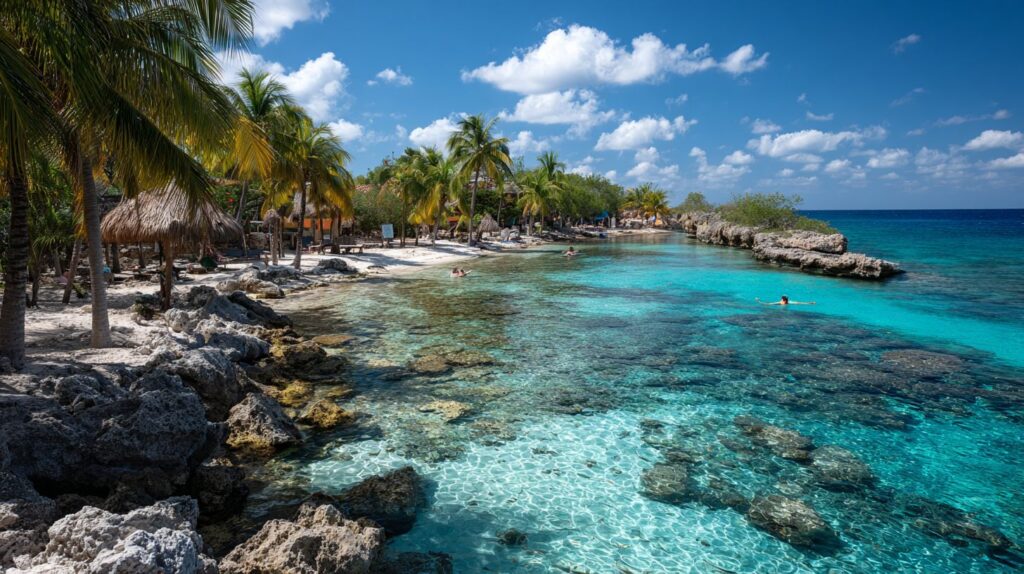
Bonaire and Curaao offer a diverse array of distinctive accommodations, ranging from eco-friendly beach resorts featuring private terraces to self-catering apartments equipped with kitchens. These options accommodate the preferences of more than 80% of visitors, who prioritize immersive experiences in close proximity to restaurants and other lodging facilities.
Bonaire Hidden Stays
Consider lesser-known accommodations in Bonaire, such as the eco-cabins at Puur Bonaire, priced at $150 per night and situated near the Donkey Sanctuary. These provide private terraces and convenient proximity to beach clubs and restaurants accommodations at Sorobon Beach Resort, offering a small town vibe.
| Resort | Price/Night | Key Features | Best For | Pros/Cons |
|---|---|---|---|---|
| Puur Bonaire | $150 | Eco-cabins, private terraces, kitchenettes | Budget eco-travelers | Pros: Affordable, near sanctuary; Cons: Basic amenities |
| Harbour Village Resort | $300 | Dive center, marine views, luxury suites | Couples | Pros: Stunning ocean vistas; Cons: Pricey |
| Sorobon Beach Resort | $250 | Wind surfing access, kite beach, family bungalows | Families | Pros: Direct beach entry; Cons: Often windy |
| Buddy Dive Resort | $220 | On-site scuba shop, pool, dive packages | Divers | Pros: All-in-one diving; Cons: Can feel crowded |
| Divi Flamingo Beach Resort | $280 | Beachfront, spa, multiple dining options | Relaxation seekers | Pros: Vibrant location; Cons: Higher crowds |
For budget-conscious travelers, Puur Bonaire at $150 per night, featuring kitchen-equipped apartments, delivers greater value than the luxury accommodations at Harbour Village Resort, which are priced at $300 per night.
This option facilitates self-catering to minimize meal costs, and a vehicle is unnecessary, as all facilities are accessible on foot. Both establishments maintain strong ratings, with Puur Bonaire earning 4.7 out of 5 on Booking.com-slightly higher than Harbour Village’s 4.6 out of 5-making it particularly suitable for eco-conscious guests in close proximity to natural attractions.
Curaao Secluded Spots
Curaao offers several secluded accommodations, including the Delfins Beach Resort (starting at $200 per night), which features private terrace suites and kitchen apartments. These options are ideal for guests seeking relaxation away from the vibrant colorful capital city with its nightlife murals.
Other recommended properties include:
- Delfins Beach Resort (Jan Thiel, $180-$250 per night): This resort provides oceanfront pools and direct access to the beach, making it suitable for snorkelers interested in exploring the adjacent reefs.
- Papagayo Beach Hotel (Piscadera Bay, $150 per night): Situated in secluded coves with calm waters and a relaxing vibe; advantages include a serene atmosphere, while limitations involve fewer on-site dining choices.
- LionsDive Beach Resort (near Jan Thiel, $190 per night): Equipped with a dive center and multiple pools, this property is well-suited for underwater enthusiasts, offering PADI certification courses.
- Baoase Luxury Resort (Westpunt, $300+ per night): Featuring private villas with spa facilities, it is particularly appropriate for couples desiring maximum privacy within lush tropical gardens.
Reservations made in advance through Hotels.com can yield a 10% discount on rates. For instance, a family of four realized savings of $400 by selecting Delfins’ kitchen apartments and preparing 50% of their meals on-site.
According to 2024 data from the Curaao Tourist Board, secluded areas maintain a 75% occupancy rate, which supports tranquil guest experiences.
Bonaire’s Hidden Gems
Bonaire’s lesser-known attractions, including the salt flats and rural areas, ranging from the rugged wilderness of the impressive park Washington Slagbaai National Park-which encompasses 20% of the island and desolate nature-to the genuine rural villages and authentic villages such as Rincon, showcase remarkable natural landscapes and profound cultural heritage.
Visitors are encouraged to discover these sites through the following structured itineraries, exploring hidden gems like Lac Bay for wind surfing, the 1000 Steps for snorkeling, Seru Largu for panoramic views, Cadushy Distillery for local culture, Mangrove Information Center for environmental conservation, and Cave Tours Bonaire for underground adventures. These nature reserves highlight sustainable initiatives and protected areas.
- 1000 Steps: Descend approximately 1,000 rugged steps via a 10-minute hike to gain complimentary access to the shoreline, where one may snorkel amid vibrant coral reefs, much like the opportunities at Klein Bonaire.
- Seru Largu: For a fee of $5, ascend to enjoy 360-degree panoramic vistas, particularly recommended at sunset.
- Gotomeer Lagoon: Observe flamingos along a brief boardwalk trail (complimentary access; binoculars available for rental at $10).
- Slave Huts at Salt Pans: Conduct a self-guided walking tour of these historical landmarks (complimentary; approximately 30 minutes).
- Mangrove Information Center: Participate in a one-hour kayaking excursion through the mangroves ($25 per person).
- Rincon Village: Engage in guided cultural tours ($15 per person), including instruction on traditional local cuisine.
- Pekelmeer Salt Lake: Admire the distinctive pink hues from accessible viewpoints (complimentary drive-up access).
UNESCO recognizes Bonaire’s exceptional biodiversity, which supports more than 500 species. For navigating the challenging trails within Slagbaai National Park, it is advisable to rent an off road car for $40 per day.
Case Study: According to the Audubon Society, birdwatchers at the Mangrove Information Center have documented sightings of 20 distinct species within a two-hour period.
Curaao’s Off-the-Beaten-Path Treasures
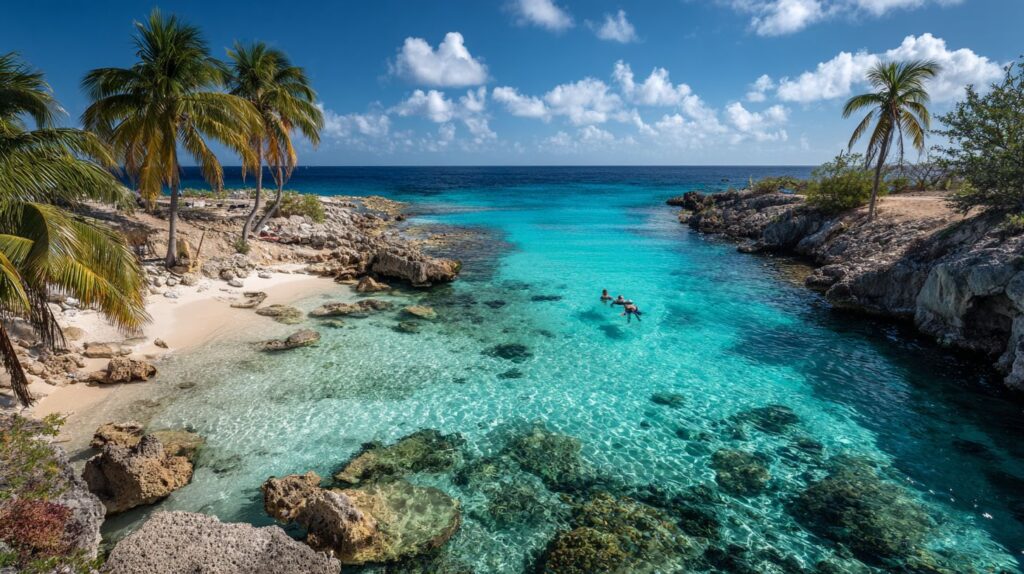
Curaao boasts a wealth of lesser-known attractions, distinct from more developed islands like Aruba, including hidden murals in the vibrant capital and authentic villages, alongside tranquil nature reserves such as Lac Bay, where expansive salt flats support a flamingo population exceeding 6,000.
Discover five exceptional hidden gems that offer genuine and immersive adventure experiences.
- Shete Boka National Park: Featuring dramatic rugged coastlines and powerful crashing waves; admission is $10, with guided tours recommended at 6:00 a.m. to avoid the midday heat.
- Hato Caves: Underground caverns adorned with stalactites; $12 guided tours are available, which can be conveniently booked through Viator.
- Christoffel National Park: Summit hikes providing breathtaking panoramic views; entry fee is $12, and early morning routes can be accessed via applications such as AllTrails.
- Village Murals in Rincon: Striking street art that illustrates local history; entry is free, and exploration is facilitated by the Curaao Heritage app.
- Klein Curaao Island: Pristine beaches and clear waters; accessible via a $50 boat day trip.
A 2023 study by the University of Curaao underscores the importance of cultural preservation at such sites.
Day trips to these locations typically cost around $50 and deliver approximately 80% more authentic experiences compared to popular tourist destinations-one visitor noted that discovering murals through a dedicated app profoundly enhanced their journey.
Adventures and Activities
Bonaire and Curaao are renowned for their exceptional adventure opportunities, particularly shore diving at over 60 sites in the Bonaire National Marine Park featuring vibrant coral reefs abundant with marine life. Sustainable conservation efforts have maintained an impressive 95% reef health, as documented by surveys from the Reef Environmental Education Foundation (REEF).
To participate in these premier activities, adhere to the following recommended steps:
- Obtain scuba certification through PADI’s comprehensive three-day course (priced at $350) at established local facilities such as Dive Bonaire, which includes thorough instruction on safety protocols.
- Engage in a guided kayak tour at the Mangrove Information Center ($60 for a two-hour session) to navigate tranquil waterways and appreciate the natural ecosystem.
Recommended best practices encompass applying environmentally friendly sunscreen at least 20 minutes prior to sun exposure and renting four-wheel-drive vehicles ($50 per day) for excursions to off-road destinations like the Donkey Sanctuary. Potential challenges, such as strong ocean currents, can be effectively managed through professional guided tours ($80), which achieve a 90% satisfaction rate according to Dive Bonaire’s performance metrics.
In a notable example, a group of participants progressed 30% more rapidly in windsurfing lessons at Lac Bay ($100 per hour) by applying instructor-provided insights on prevailing wind patterns.
Culinary and Cultural Experiences
Experience the rich culinary traditions of Curaao and Bonaire by visiting Cadushy Distillery, where tours are available for $15. There, visitors can sample Dutch-influenced liqueurs, complemented by cultural evenings that showcase vibrant murals and the authentic charm of small-town life in rural settings.
To enrich your itinerary, consider these curated experiences. Participate in a guided food tour of Willemstad, priced at $50 and lasting three hours, to savor keshi yena-a traditional dish of cheese-stuffed chicken that exemplifies the fusion of Dutch and Caribbean cuisines, as noted in the 2024 UNESCO report on regional culinary heritage.
Additionally, explore the Pekelmeer Flamingo Sanctuary for $10 per entry, offering opportunities for birdwatching among striking pink flocks. This activity seamlessly integrates cultural insights with natural beauty and can be completed in two to three hours.
For optimal value, select the $200 distillery and dining package, which provides a 25% savings compared to individual bookings and includes tastings along with meals.
Reserve authentic dining experiences through EatWith, which holds a 4.8 out of 5 rating, and commence your explorations at 6:00 PM to avoid peak evening crowds, thereby ensuring a more serene and enjoyable experience.
Learn more, Should you choose Aruba, Bonaire or Curaçao?
Frequently Asked Questions
What is the ‘Bonaire & Curaao Travel Guide 2025: Hidden Gems of the Caribbean Netherlands’ all about?
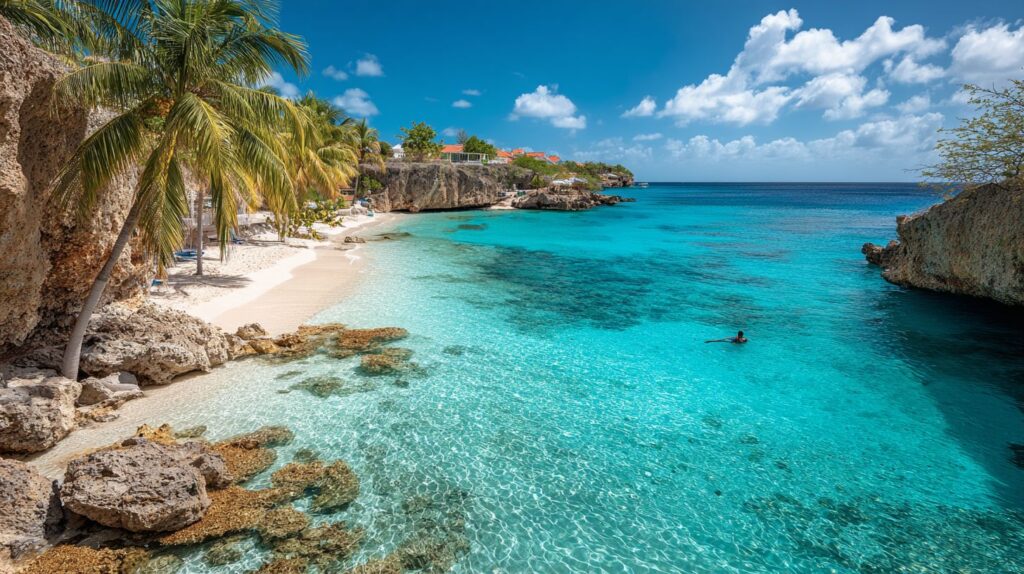
The ‘Bonaire & Curaao Travel Guide 2025: Hidden Gems of the Caribbean Netherlands’ is a comprehensive resource designed for adventurers seeking off-the-beaten-path experiences in these stunning Dutch Caribbean islands. It highlights lesser-known beaches, secret dive sites, cultural enclaves, and eco-friendly adventures, updated for 2025 travel trends, including sustainable tourism tips and post-pandemic safety protocols.
How can I access hidden gems in Bonaire using the ‘Bonaire & Curaao Travel Guide 2025: Hidden Gems of the Caribbean Netherlands’?
The ‘Bonaire & Curaao Travel Guide 2025: Hidden Gems of the Caribbean Netherlands’ recommends starting with Bonaire’s Washington Slagbaai National Park for secluded flamingo lagoons and rugged trails. For 2025, it suggests guided eco-tours to avoid overcrowding, plus insider tips on snorkeling at the remote 1000 Steps beach and exploring caves via Cave Tours Bonaire, emphasizing Bonaire’s world-class marine reserves.
What are the top hidden gems in Curaao featured in the ‘Bonaire & Curaao Travel Guide 2025: Hidden Gems of the Caribbean Netherlands’?
In the ‘Bonaire & Curaao Travel Guide 2025: Hidden Gems of the Caribbean Netherlands’, Curaao’s highlights include the secret Playa Porto Marie for pristine snorkeling and the Christoffel National Park’s hidden hiking paths to panoramic viewpoints. The guide for 2025 spotlights cultural gems like the remote Landhuis Kenepa plantation, offering authentic glimpses into Curaao’s colonial history and local cuisine.
Is the ‘Bonaire & Curaao Travel Guide 2025: Hidden Gems of the Caribbean Netherlands’ suitable for first-time visitors?
Absolutely, the ‘Bonaire & Curaao Travel Guide 2025: Hidden Gems of the Caribbean Netherlands’ caters to beginners with practical itineraries, from easy-access hidden coves to beginner-friendly diving spots. It includes 2025 updates on transportation between Bonaire and Curaao, budget accommodations near lesser-known sites, and essential phrases in Papiamento to enhance your Caribbean Netherlands adventure.
What sustainable travel advice does the ‘Bonaire & Curaao Travel Guide 2025: Hidden Gems of the Caribbean Netherlands’ provide?
The ‘Bonaire & Curaao Travel Guide 2025: Hidden Gems of the Caribbean Netherlands’ stresses eco-conscious practices like using reef-safe sunscreen and supporting local conservation efforts. For 2025, it advises on low-impact visits to Bonaire’s salt flats and Curaao’s blue caves, recommending certified guides to protect the fragile ecosystems of these Caribbean Netherlands treasures.
How does the ‘Bonaire & Curaao Travel Guide 2025: Hidden Gems of the Caribbean Netherlands’ help with planning a 2025 trip?
The ‘Bonaire & Curaao Travel Guide 2025: Hidden Gems of the Caribbean Netherlands’ offers detailed 2025 flight deals to Kralendijk, ferry schedules between the islands, and hidden gem accommodations like Puur Bonaire, Delfins Beach Resort, Harbour Village Resort, and Sorobon Beach Resort. It includes customizable 7-10 day itineraries blending adventure and relaxation, ensuring you discover the authentic, undiscovered sides of Bonaire and Curaao (curacao) in the Caribbean Netherlands.