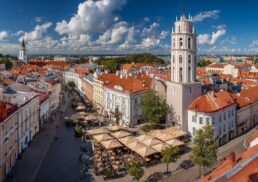
Why Stockholm Is Europe’s Most Stylish and Sustainable Capital Nestled in Sweden’s scenic archipelago, Stockholm captivates as Europe’s premier fusion of timeless style and forward-thinking sustainability. The City of Stockholm, the 2010 European Green Capital, sets global benchmarks in combating climate change through innovative environmental policies, from renewable energy adoption to eco-friendly urban planning. This article unpacks its architectural gems, design legacy, and green mobility solutions, revealing how this Nordic hub inspires stylish, planet-positive living.
Table of Contents
Key Takeaways:
- Stockholm blends historic charm of Gamla Stan with modernist architecture, creating a stylish urban landscape that celebrates Sweden’s design heritage and minimalist aesthetic.
- The city’s world-class public transit and bike-friendly infrastructure promote sustainable mobility, making it easy for residents and visitors to navigate eco-consciously.
- Leading in renewable energy, Stockholm integrates green initiatives into daily life, aiming for climate neutrality by 2040 and offering a model for stylish, sustainable living in Europe.
Architectural Style and Heritage
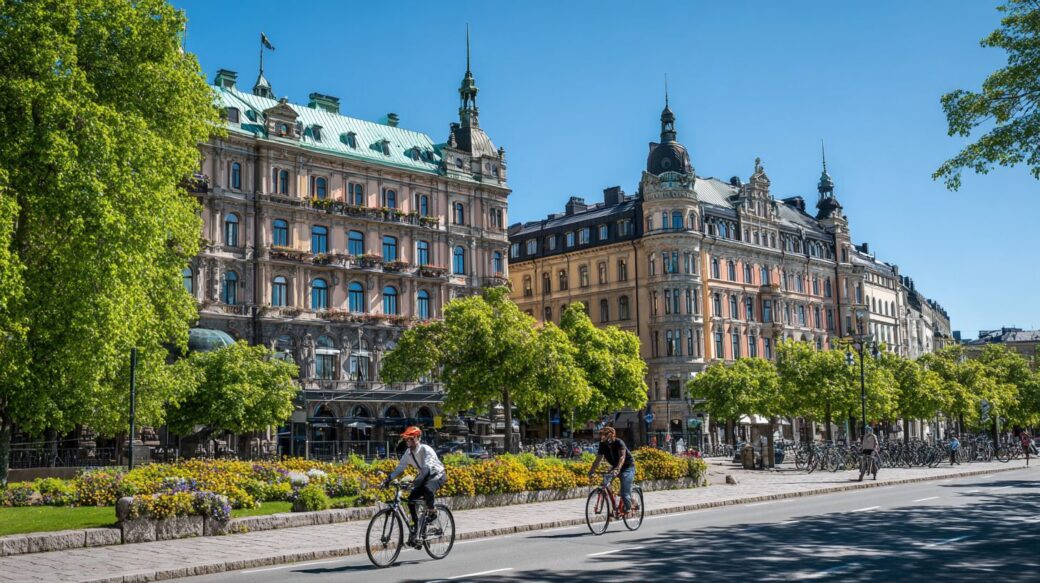
The architectural heritage of Stockholm reflects an impressive 800-year span of evolution, encompassing everything from medieval cobblestone streets to innovative eco-modern districts such as Hammarby Sjstad.
This latter exemplifies sustainable urban planning as part of broader sustainable development goals, achieving a 50% reduction in emissions through comprehensive integration of environmental strategies.
Gamla Stan’s Historic Charm
Gamla Stan, the historic Old Town of Stockholm, is renowned for its 3,000 well-preserved buildings dating back to the 13th century, along with its labyrinthine narrow alleys that collectively form a vibrant living museum. This district attracts approximately 2 million visitors annually, drawn to its remarkably intact medieval urban layout.
Among the district’s principal historical landmarks is Stortorget square, the site of the infamous 1520 Stockholm Bloodbath, during which Danish King Christian II ordered the execution of 82 Swedish nobles-an event that played a crucial role in Sweden’s struggle for independence. The Nobel Prize Museum features engaging interactive exhibits detailing Alfred Nobel’s invention of dynamite and the enduring legacy of the Nobel Prizes, including significant artifacts such as his original will.
Adjacent to these attractions lies Riddarholmen Church, which serves as the final resting place for Swedish monarchs from the 17th century to the present day.
For optimal visits, consider timing your trip around the summer solstice in June, when the extended daylight hours and associated festivals enhance the experience; public transportation via the SL network’s T-bana subway line provides convenient access to the Gamla Stan station.
According to a 2021 study commissioned by the Stockholm City Council under Mayor Anna Knig Jerlmyr, heritage tourism in the area has contributed a 15% increase to the local economy, thereby bolstering ongoing efforts to preserve these cultural treasures.
Modernist Innovations
Stockholm’s modernist districts, such as Hammarby Sjstad with its 11,000 residents, zero-waste systems, and fossil-free initiatives, exemplify functionalist design principles that have reduced water usage by 50 percent since 1990.
Building upon this foundation, Hammarby Sjstad’s eco-cycle model achieves 99 percent waste recycling through integrated systems, including vacuum waste collection and biogas production, with partial funding from EU urban grants.
Norra Djurgrdsstaden has incorporated 10,000 new homes featuring green roofs that enhance biodiversity by 30 percent, thereby attracting pollinators, mitigating urban heat effects, and building a resilient city, as documented in studies by the Stockholm Environment Institute (SEI).
Stockholm Royal Seaport’s smart energy grid supports 12,000 residents via real-time monitoring with IoT sensors through key collaboration efforts, resulting in a 40 percent reduction in emissions compared to EU averages, according to SEI data.
These innovations provide practical frameworks for implementation: adopting closed-loop recycling systems, mandating green infrastructure, and integrating smart grids supported by EU funding to achieve scalable sustainability.
Fashion and Design Excellence
Stockholm stands at the forefront of sustainable fashion, exemplified by leading brands such as Filippa K, which has committed to achieving 100% recycled materials by 2030. This commitment significantly contributes to Sweden’s thriving $5 billion design export industry.
Checkout Overview Of The Swedish Fashion Industry.
Swedish Minimalist Aesthetic
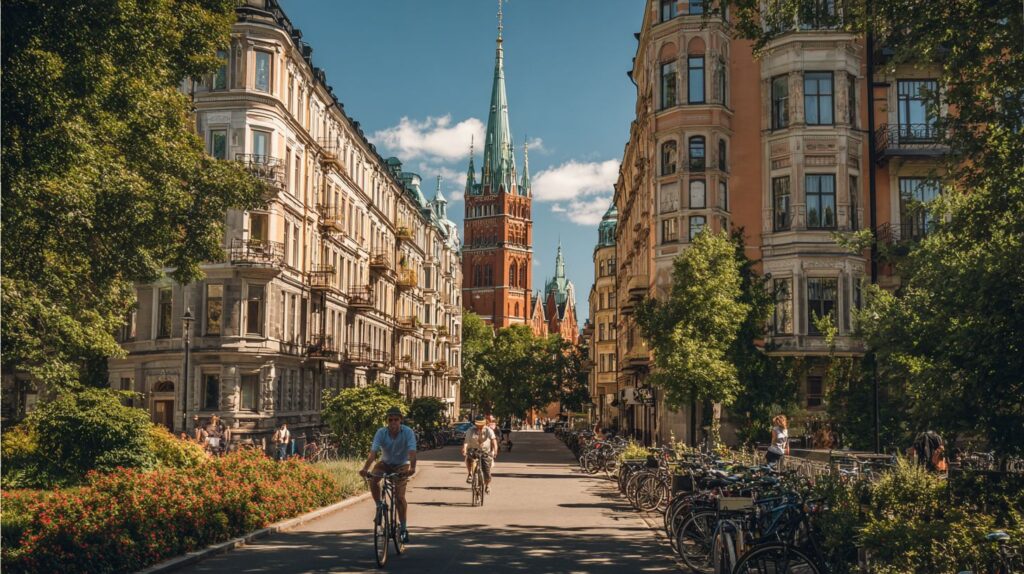
The Swedish minimalist aesthetic prioritizes functionality and sustainability, exemplified by Filippa K’s Tree to Textile initiative, which converts wood pulp into vegan leather and reduces water consumption by 90 percent.
To incorporate this aesthetic, emphasize fundamental principles such as clean lines and neutral color palettes, as demonstrated in House of Dagmar’s upcycled collections that transform vintage fabrics into enduring designs. Begin by conducting a wardrobe audit to identify versatile foundational pieces.
Incorporate sustainability by utilizing bioeconomy materials, such as recycled polyester-employed by 70 percent of Stockholm-based brands-for creating robust items that minimize waste. For comparative purposes:
| Brand | Key Material | Environmental Impact | Price Range |
|---|---|---|---|
| Filippa K | Tencel | 50% less emissions | $200-500 |
| House of Dagmar | Organic Cotton | 30% biodiversity boost | $150-400 |
The 2023 Swedish Fashion Ethical Charter report underscores these benchmarks, advocating for 100 percent sustainable sourcing by 2030.
Global Design Events
Stockholm Fashion Week, established in 2001 and conducted biannually, features over 40 sustainable brands presented to approximately 10,000 attendees. The event promotes collaborations that support the climate objectives outlined in the Paris Agreement.
A key focus is the promotion of the circular economy, exemplified by zero-waste runway presentations from brands such as Houdini Sportswear, which repurposes fabrics to reduce environmental impact and landfill contributions.
In parallel, Stockholm Design Week draws more than 300 exhibitors specializing in ethical fashion, incorporating advanced displays on textile recycling from institutions including the Swedish School of Textiles. Participants may register conveniently through stockholmfashionweek.se, with options for hybrid participation.
For in-depth sustainability perspectives, it is recommended to attend sessions such as the “Circular Futures” panel.
As noted in the United Nations Environment Programme’s 2022 Global Green New Deal initiative, events of this nature have achieved a 20% reduction in emissions via virtual formats, thereby advancing more environmentally responsible practices within the industry.
Sustainable Urban Mobility
The mobility systems in Stockholm facilitate a 70% utilization rate for public transport, thereby reducing per capita emissions to 3.5 tons annually to help mitigate global warming, in comparison to the European Union average of 6.5 tons.
World-Class Public Transit
Stockholm’s SL public transportation network, comprising 900 buses and 100 metro stations, operates 90% of its services on renewable biogas derived from waste, including poop-powered buses fueled by processed sewage that annually divert 10,000 tons from landfills.
To effectively utilize this environmentally efficient system, adhere to the following procedures:
- Acquire an SL Access card, which incurs an initial fee of $3 and provides unlimited rides for $25 per month. These cards are available at stations or through the SL mobile application.
- Utilize the complimentary SL app for route planning, which features real-time tracking and multimodal integration, such as combining metro and ferry services.
- Facilitate seamless transfers between lines-for instance, transitioning from the T-bana metro to a biogas-powered bus within five minutes at principal interchange hubs.
A frequent oversight is failing to validate one’s access card upon boarding, which may result in a fine of $120. This sustainable initiative is consistent with the Kyoto Protocol, contributing to a 40% reduction in emissions since 1990, as reported by the Stockholm City Council.
Bike-Friendly Infrastructure
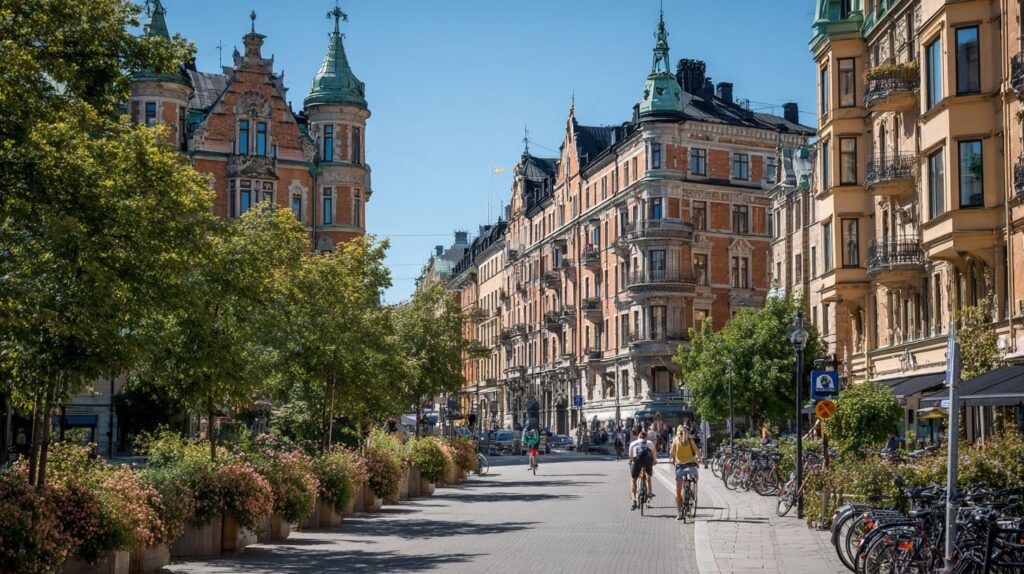
Stockholm boasts an extensive network of 800 kilometers of dedicated bike lanes, complemented by the City Bikes program, which provides 1,000 rental bicycles for an annual fee of $30 per season. This infrastructure supports 15% of all trips within the city by bicycle, contributing to a 20% reduction in the urban carbon footprint.
To optimize your cycling experience in Stockholm, adhere to the following recommended practices:
- Select bike paths integrated with the SL public transportation system, such as the picturesque 15-minute route from Gamla Stan to Djurgrden, which seamlessly combines cycling with transit options.
- Emphasize safety by renting helmets for $5 per day at City Bikes stations.
- Equip yourself for winter conditions with studded tires, available from local retailers such as Cykelkket for $20 to $30.
Potential challenges, including icy roads, are effectively addressed through heated pathways in critical locations, such as central bridges. As outlined in the 2022 C40 Cities report, this advanced infrastructure results in annual CO2 savings of 10,000 tons and promotes public health by encouraging greater physical activity.
Environmental Sustainability Efforts
Stockholm’s commitment to the environment programme is evident in its adoption of a carbon tax, which has helped reduce emissions and promote a fossil-free future. The city, led by figures like Johan Rockstrm from the Stockholm Resilience Centre, focuses on climate neutrality and resilient urban planning. Through the C40 network and the Paris Agreement-aligned climate contract, Stockholm monitors its progress using the environment barometer. Initiatives like the mission label for sustainable products and collaborations in the bioeconomy contribute to lowering the carbon footprint and addressing global warming. The urban national park enhances biodiversity, while the city’s high ranking in the Environmental Performance Index, Sustainable Competitiveness Index, and Global Innovation Index underscores its leadership in sustainable development. The City of Stockholm, under Mayor Anna Knig Jerlmyr, implements the climate contract to achieve sustainable development goals.
Recognized as the EU’s European Green Capital in 2010, Stockholm has achieved a 50 percent reduction in emissions since 1990. The City of Stockholm is committed to attaining climate neutrality by 2040, advancing this goal through targeted initiatives aligned with the Paris Agreement, C40 objectives, and building on the Kyoto Protocol.
Renewable Energy Leadership
Stockholm derives 80% of its energy from renewable sources, while district heating derived from waste supplies 90% of its buildings, as highlighted by Johan Rockstrm, Executive Director of the Stockholm Environment Institute.
This advancement is attributable to Sweden’s carbon tax, which has generated $2.5 billion in revenue since its implementation in 1991 and has facilitated a nationwide transition to renewables comprising 50% of the energy mix. A notable illustration is the smart energy grid in Stockholm Royal Seaport, which serves 35,000 residents and incorporates AI-optimized solar installations with a capacity of 20 MW.
The system effectively balances energy supply and demand, reducing costs by 15% through predictive algorithms powered by platforms such as Siemens’ MindSphere. The tangible return on investment includes 25% overall energy savings for participants, contributing to Sweden’s fourth-place ranking in the 2023 Sustainable Competitiveness Index, as reported by the SolAbility institute.
Other cities can emulate this model by instituting carbon pricing mechanisms and leveraging artificial intelligence to enhance grid efficiency.
Checkout the 11 countries leading the charge on renewable energy.
Integrated Lifestyle Benefits
Under the leadership of Mayor Anna Knig Jerlmyr, the Climate Contract has enabled Stockholm residents to achieve a 92% satisfaction rate as measured by the Environment Barometer. This high level of approval is attributable to comprehensive sustainability measures that have increased average life expectancy by two years through improved air quality.
This achievement is rooted in circular economy principles, which promote the efficient reuse of resources in everyday activities-such as extensive biking networks and zero-waste markets. These initiatives have driven a 30% increase in bioeconomy employment opportunities since 2018.
Furthermore, reduced emissions have delivered substantial health benefits, including an estimated annual savings of $500 million in healthcare costs, according to United Nations Environment Programme (UNEP) reports, primarily by mitigating respiratory conditions.
In districts like the Hammarby Sjstad and Norra Djurgrdsstaden, community gardens serve to enhance biodiversity while also supporting mental well-being through accessible green spaces that strengthen social connections. A 2022 study by the Stockholm Resilience Centre underscores these outcomes as key indicators of urban resilience, demonstrating effective adaptations to climate change through flood-resistant infrastructure and urban forestry.
Such strategies provide a replicable model for creating sustainable and livable cities worldwide.
Frequently Asked Questions
Why is Stockholm known as Europe’s Most Stylish and Sustainable Capital?
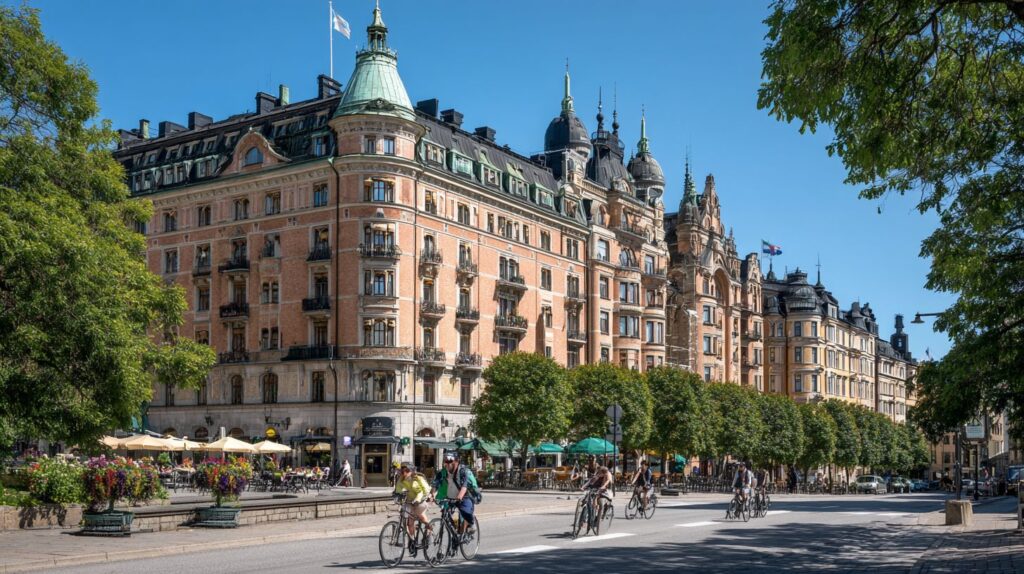
Stockholm earns its title as Europe’s Most Stylish and Sustainable Capital through its blend of cutting-edge design, fashion-forward culture, and eco-friendly urban planning. The city’s archipelago setting inspires minimalist Scandinavian aesthetics in architecture and public spaces, while initiatives like the city’s goal to be fossil-fuel free by 2040 highlight its sustainability efforts, making it a global model for stylish green living.
What fashion and design elements make Stockholm Europe’s Most Stylish and Sustainable Capital?
Stockholm stands out as Europe’s Most Stylish and Sustainable Capital with its iconic brands like Acne Studios, House of Dagmar, and Filippa K, showcased at Stockholm Fashion Week, which emphasize ethical production in line with the Swedish Fashion Ethical Charter and timeless designs using recycled materials. The city’s design districts, such as Norrmalm, showcase sustainable innovations like upcycled furniture, blending high style with environmental responsibility.
How does Stockholm’s public transportation contribute to it being Europe’s Most Stylish and Sustainable Capital?
As Europe’s Most Stylish and Sustainable Capital, Stockholm’s efficient public transport system, including electric ferries and an extensive bike network, reduces carbon emissions while integrating sleek, modern designs. Over 80% of residents use public transit, supporting the city’s clean air goals and enhancing its reputation for stylish, eco-conscious mobility.
Why is Stockholm’s green space planning a key reason it’s Europe’s Most Stylish and Sustainable Capital?
Stockholm is hailed as Europe’s Most Stylish and Sustainable Capital due to its commitment to green spaces, with over 40% of the city dedicated to parks and nature reserves. Projects like Hammarby Sjstad exemplify stylish eco-villages with solar panels and rainwater harvesting, creating visually appealing, sustainable neighborhoods that prioritize biodiversity and resident well-being.
What role does Swedish culture play in Stockholm being Europe’s Most Stylish and Sustainable Capital?
The essence of lagom-balance and sustainability-in Swedish culture defines why Stockholm is Europe’s Most Stylish and Sustainable Capital. This philosophy influences everything from minimalist home decor in trendy boutiques to policies promoting circular economies, ensuring the city’s style is both aesthetically refined and environmentally harmonious.
How does Stockholm’s innovation in waste management solidify its status as Europe’s Most Stylish and Sustainable Capital?
Stockholm reinforces its position as Europe’s Most Stylish and Sustainable Capital through advanced waste management, achieving nearly 100% recycling rates with stylish, user-friendly sorting systems in public areas. Innovations like biogas production from organic waste power city buses, combining practical sustainability with the clean, modern aesthetic that defines Scandinavian design.