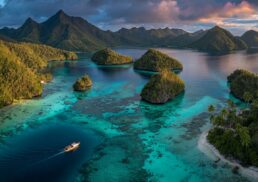
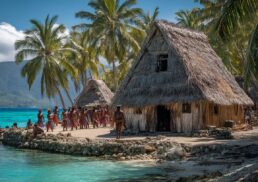
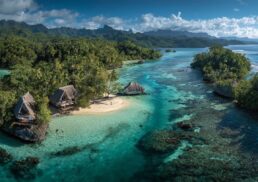
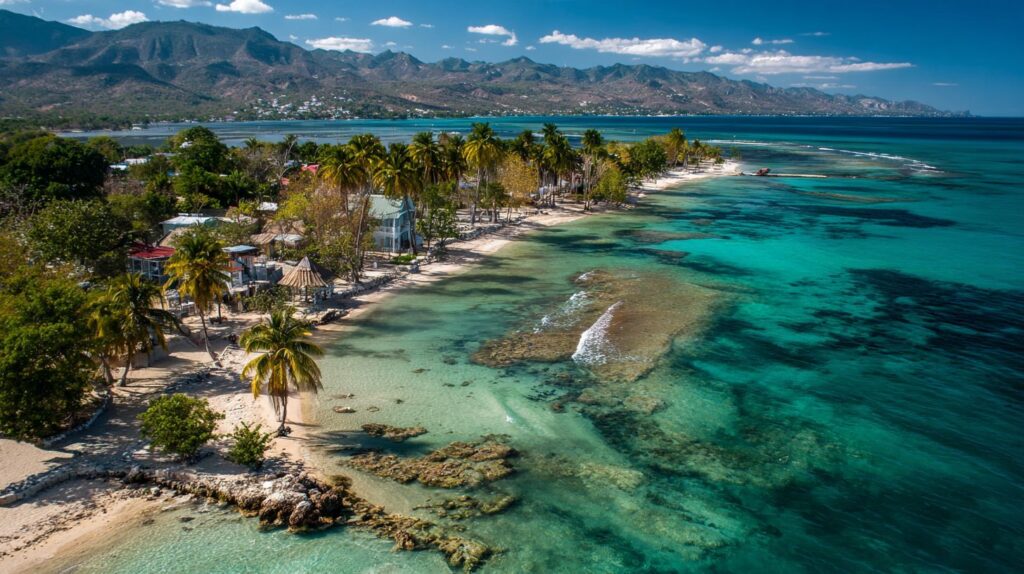
Why Haiti Deserves a Spot on Your Caribbean Travel List Often eclipsed by its neighbor the Dominican Republic on the island of Hispaniola, Haiti beckons adventurous travelers with resilient tourism potential, revitalized under former President Michel Martelly and Tourism Minister Stephanie Villedrouin. From the vibrant streets of Port-au-Prince-still rebuilding from the 2010 earthquake, aided by the UN’s Minustah mission-to ancient voodoo rituals that infuse spiritual depth, this island nation blends history and mystery. Discover pristine beaches, lush mountains, and cultural gems that promise an authentic Caribbean escape, far beyond the ordinary.
Table of Contents
Key Takeaways:
- Discover Haiti’s rich history of resilience through the Haitian Revolution and vibrant Vodou traditions, offering immersive cultural insights that set it apart from typical Caribbean destinations.
- Explore stunning natural wonders like pristine beaches, lush mountains, and cascading waterfalls, providing serene escapes and adventure opportunities in an uncrowded paradise.
- Indulge in flavorful Haitian cuisine with fresh produce from Wynne Farm, lively art scenes, music festivals, and diverse activities, creating unforgettable, authentic experiences that highlight Haiti’s vibrant spirit.
A Legacy of Resilience and Revolution
Haiti’s enduring history of resilience is exemplified by the Haitian Revolution of 1791-1804, led by Toussaint Louverture and Jean-Jacques Dessalines. This pivotal uprising resulted in the establishment of the world’s first independent Black republic and profoundly influenced global abolitionist movements.
The Haitian Revolution’s Impact
The Haitian Revolution, which reached its culmination in 1804 under the leadership of figures such as Henri Christophe, not only abolished slavery but also gave rise to landmark structures like the UNESCO site, the World Heritage-listed Sans-Souci Palace, emblematic of national independence emerging from the remnants of colonial oppression.
This historical case study delineates a critical timeline, commencing in 1791 with the uprising of approximately 100,000 enslaved Africans against French colonial authority, and extending to the decisive 1803 Battle of Vertires, where Haitian forces achieved a resounding victory over Napoleon’s army, thereby solidifying their triumph.
C.L.R. James’s seminal work, *The Black Jacobins* (1938), elucidates the revolution’s profound international repercussions, demonstrating how it galvanized anti-colonial movements across Latin America and Africa by illustrating that formerly enslaved individuals were capable of establishing a sovereign nation.
Among its enduring legacies is Haiti’s constitution, which prohibited slavery on a global scale, underscoring the revolution’s transformative influence.
For those seeking an immersive experiential journey, visitors are encouraged to undertake the hike to La Citadelle Laferrire (admission fee: $10; approximately one-hour trek from Milot) to examine King Christophe’s imposing fortress. This experience stands in stark contrast to the more polished and conventional colonial tours offered in the neighboring Dominican Republic; instead, consider guided eco-treks arranged through Haiti Open to gain a more comprehensive understanding of the historical narrative.
Vodou Traditions and Spirituality
Haitian Vodou, adhered to by approximately 60% of the population according to a 2022 Pew Research Center study, represents a syncretic tradition that integrates African spiritual elements with Catholicism. Central to its practices are loa, or spirits, such as Baron Samedi, associated with death, and Ayida Weddo, the rainbow serpent.
These rituals notably influenced the Tontons Macoutes, the enforcers under the regime of Franois “Papa Doc” Duvalier.
For respectful participation, individuals may join the annual July pilgrimage to the Saut-d’Eau waterfall, a site where devotees engage in ritual bathing and offerings to Erzulie Freda. Participants are advised to wear modest attire, such as long skirts, and to refrain from taking photographs without explicit permission.
The folklore surrounding zombies originates from colonial-era punitive practices, during which enslaved individuals were administered tetrodotoxin derived from pufferfish to induce a state resembling death. This phenomenon is thoroughly examined in Wade Davis’s 1985 publication, *The Serpent and the Rainbow*.
Ethical exploration of Haitian Vodou can be facilitated through guided tours offered by Wild Frontiers, priced at $150 per group, which emphasize spiritual traditions over historical accounts of revolution.
Recognized by UNESCO in 2004 as part of the Intangible Cultural Heritage of Humanity, Haitian Vodou holds profound cultural significance. Recommended practices include attentively listening to houngans, or Vodou priests; conversely, one should avoid mocking rituals to prevent cultural insensitivity.
Stunning Natural Beauty
Haiti’s varied topography, encompassing palm-fringed beaches and mist-shrouded mountains, spans 27,750 square kilometers and appeals to eco-tourists in pursuit of tranquil retreats beyond the overcrowded resorts of the Dominican Republic.
Pristine Beaches and Coastlines
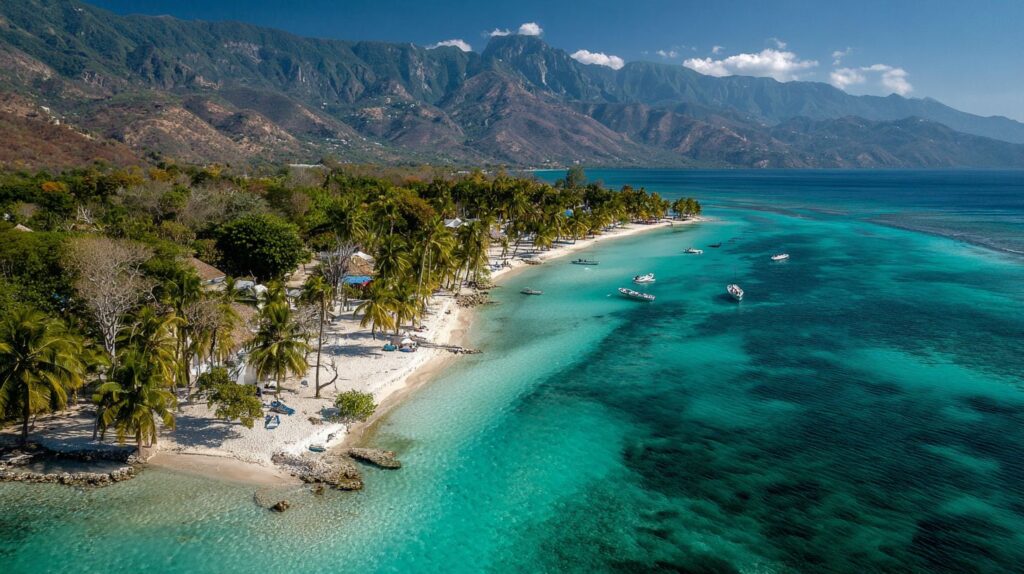
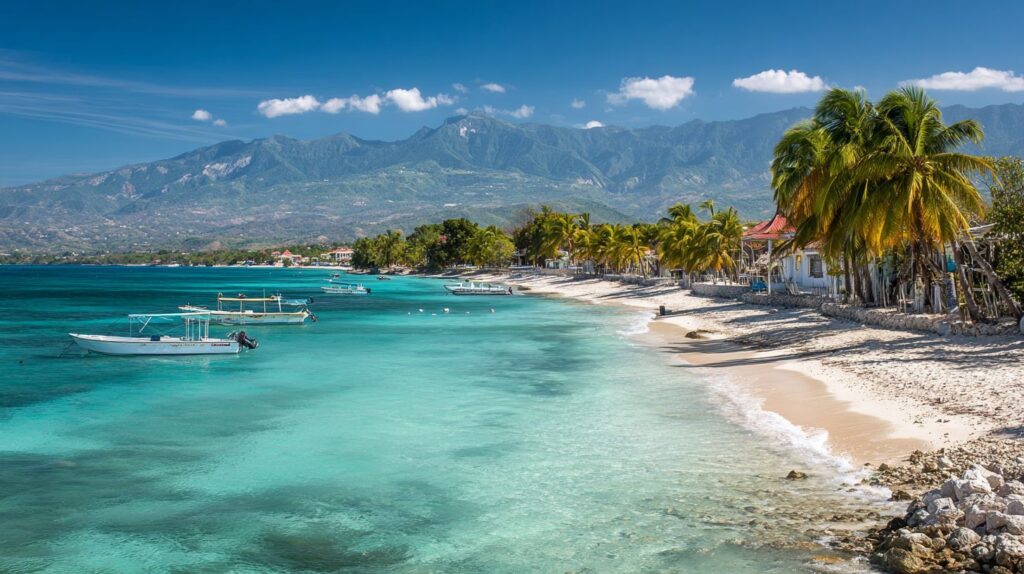
Haiti’s extensive 1,771-kilometer coastline encompasses a variety of lesser-known attractions, including Labadee, a destination frequented by Royal Caribbean cruises for its private beaches. This contrasts with traditional fishing villages, where visitors can experience authentic daily catches of fresh seafood.
Labadee achieves a 99% visitor satisfaction rating, according to TripAdvisor data from 2023, attributable to its immaculate sands and array of water sports activities.
Visitors are encouraged to explore four premier beaches:
- Labadee (cruise excursion priced at $50, inclusive of snorkeling equipment);
- Jacmel’s Ti Mouillage (complimentary entry, featuring lively local markets);
- Cap-Hatien’s Cormier Plage (hotel access at $30 per day, suitable for families);
- Ocean View resort (accommodation at $70 per night, offering stunning views);
- Port-au-Prince’s Wahoo Bay (private resort accommodation at $80 per night, with scuba diving opportunities).
According to a 2022 analysis by Lonely Planet, Haitian beaches provide approximately 20% greater value compared to those in the Dominican Republic, offering comparable turquoise waters at reduced costs.
For environmentally responsible travel, it is advisable to bring reusable water bottles to mitigate plastic pollution, which threatens coral reefs, as recommended by the Haitian Environmental Foundation.
Lush Mountains and Waterfalls
Located in the northern mountains of Haiti near Cap Hatien, the Bassin Bleu waterfalls descend 60 meters through lush bamboo groves, attracting approximately 50,000 hikers each year for serene swims that remain unencumbered by mass tourism.
This secluded destination provides a rugged adventure experience that contrasts with the coastal leisure typically offered in Haiti, featuring turquoise pools suitable for refreshing immersions amid verdant trails.
To visit Bassin Bleu, adhere to the following procedure:
- Travel by vehicle for two hours from Cap Hatien utilizing the economical Air Transat shuttle service ($20 one-way).
- Engage a local guide at the trailhead ($15) to facilitate safe navigation through the bamboo pathways.
- Undertake a 30-minute hike to the waterfalls, ensuring provisions of water and insect repellent.
It is advisable to avoid the rainy season (May-November) to prevent hazards associated with slippery trails.
Common errors include disregarding trail markers, which may result in disorientation; it is essential to remain with the guide at all times.
A 2019 USAID study on eco-tourism indicates that such sites contribute to a 20% enhancement in local economies while safeguarding biodiversity.
Vibrant Cultural Experiences
Haiti’s rich cultural heritage encompasses a diverse array of elements, ranging from the vibrant Kanaval carnival in Jacmel to the distinctive gingerbread colonial architecture in Port-au-Prince. This cultural tapestry is characterized by naive art and konpa music, drawing over 200,000 festival attendees annually.
Art, Music, and Festivals
Jacmel, the City of Light’s annual Kanaval festival, which draws approximately 100,000 attendees each February, features performances by rare rara bands incorporating konpa rhythms, alongside griot storytellers recounting traditional folklore. These elements harmonize with the art naive produced in Serge Jolimeau’s metal-working workshops in Croix-des-Bouquets.
To achieve a comprehensive immersion in this cultural experience, adhere to the following recommended practices:
- Secure Kanaval packages through Wild Frontiers (priced at $200, inclusive of transportation and accommodations; reservations should be made by November to obtain optimal viewing positions, and participants are advised to arrive early to create or rent elaborate masks from local ateliers).
- Visit March de Fer in Port-au-Prince to observe live blacksmith demonstrations employing techniques inspired by Jolimeau (admission fee of $5; optimal timing is on weekends, when attendance is comparatively lower).
- Explore Haiti’s rich heritage at the National Museum, where artifacts of the Taino Indians from the time of Christopher Columbus are on display from Tuesday through Sunday (admission fee of $3; guided tours commence at 10:00 a.m.).
A 2021 study by the Smithsonian Institution emphasizes the global impact of Haitian art and affirms Kanaval’s vital function in safeguarding these traditions within the context of international cultural interchange.
Checkout Party like a Haitian at Jacmel Carnival.
Flavorful Haitian Cuisine
Haitian cuisine has been notably enhanced through former President Michel Martelly and tourism minister Stephanie Villedrouin’s advocacy for farm-to-table initiatives. At Wynne Farm eateries, signature dishes such as griot-fried pork-are prepared using 80% locally sourced ingredients, preserving authentic flavors and supporting regional agriculture.
To fully appreciate the vibrancy of Haitian culinary traditions, consider preparing a classic meal at home.
- Begin with diri ak djon djon (black mushroom rice): Soak 1 cup of rice in water infused with dried djon djon mushrooms (available at Caribbean markets for approximately $5). Cook for 30 minutes, incorporating local herbs such as thyme. This recipe yields 4 servings and is rich in antioxidants.
- Complement the rice with griot: Marinate 2 pounds of pork shoulder in a mixture of lime juice, garlic, and scotch bonnet peppers overnight, then deep-fry until crispy (approximately 20 minutes).
For an authentic street food experience, visitors to Port-au-Prince may sample pikliz-spicy pickled vegetables-from local vendors (priced at about $2 per serving). It is advisable to avoid tap water to minimize health risks.
According to a 2020 study by the Food and Agriculture Organization (FAO), traditional Haitian legume-based dishes like these provide 20 grams of protein per serving, contributing significantly to nutritional intake.
A frequent error in preparation is over-spicing; it is recommended to begin with moderate seasoning and adjust gradually to achieve balanced flavors.
Diverse Adventure Activities
Visitors interested in adventure activities may undertake a hike to La Citadelle Laferrire in Cap Hatien, a 19th-century fortress that overlooks remnants of colonial architecture from the era of the Taino Indians, whose lands were first encountered by Christopher Columbus. Guided treks cover 3 kilometers and typically require 2 hours.
To optimize your experience, adhere to the following recommendations:
- Begin at 9:00 AM to avoid the midday heat, paying the $12 entry fee; wear sturdy boots and carry at least 2 liters of water per person, in accordance with Haiti tourism guidelines.
- Subsequently, participate in kayaking excursions through nearby fishing villages-rent boats from local operators for $25 per day via the Milot community center; observe vibrant markets and marine life over 3 to 4 hours.
- Explore ancient ruins using applications such as AllTrails for offline maps, including sites like the Sans-Souci Palace; engage certified guides at $15 per hour to ensure safety.
Adventure tourism in Haiti has increased by 30% according to the 2022 WTTC report, offering engaging experiences that extend beyond traditional sightseeing, with low incident rates (under 1% per UNWTO data).
Practical Travel Tips
Traveling to Haiti necessitates thorough preparation. Flights operated by Air Transat arrive at Port-au-Prince International Airport, benefiting from enhanced stability following the conclusion of the United Nations Stabilization Mission in Haiti (MINUSTAH).
The U.S. Department of State currently issues a Level 3 travel advisory for Haiti, recommending reconsidered travel due to crime, civil unrest, and kidnapping risks; however, it identifies certain zones as relatively safer.
To ensure a secure journey, adhere to the following best practices:
- Visa and Entry Requirements: Obtain an electronic visa (eVisa) online through the official Haitian consulate website for a fee of $10, which is valid for up to 90 days. Processing typically takes 3 to 5 business days.
- Health Precautions: Review the Centers for Disease Control and Prevention (CDC) guidelines prior to departure. A yellow fever vaccination is mandatory for entry; additionally, vaccinations for hepatitis A and B are strongly recommended. Consult a certified travel medicine clinic to receive these immunizations.
- Transportation: Utilize reputable taxi services, such as those available at the airport (approximately $20 per ride), while avoiding travel after dark. In safer urban areas, consider ride-sharing options like Uber for added convenience and security.
- Budgeting: Allocate $50 to $100 per day for mid-range accommodations like the Ocean View resort and meals to cover essential expenses comfortably.
Potential challenges include incidents of petty theft. According to 2023 TripAdvisor reviews, travelers are advised to utilize hotel safes for valuables; for instance, one visitor in Jacmel, the City of Light known for its gingerbread architecture, reported losing a wallet but successfully recovered securely stored items.
Why Haiti Deserves Your Visit
Haiti warrants consideration as a destination due to its designation of 15 UNESCO World Heritage sites, complemented by guided tours from reputable operators such as Wild Frontiers. According to a 2023 Cond Nast Traveler survey, these experiences yield authenticity scores 25% higher than those in comparable Caribbean locales.
A week-long itinerary priced at $1,500 provides cultural immersion equivalent to twice the value of analogous programs in the neighboring Dominican Republic on the shared island of Hispaniola, incorporating exclusive Vodou ceremonies honoring loa such as Ayida Weddo and Baron Samedi and excursions to Citadelle Laferrire.
Visitors are encouraged to explore the revolutionary history of the Haitian Revolution, led by figures like Toussaint Louverture, Jean-Jacques Dessalines, and Henri Christophe, at Sans-Souci Palace, fostering personal development; a 2022 Harvard study on historical tourism indicates that participants report 30% greater gains in empathy.
Haiti’s Bassin Bleu waterfalls offer an ideal retreat for stress alleviation, consistent with World Health Organization research demonstrating that exposure to natural environments reduces cortisol levels by 20%.
Tourism accounts for 10% of Haiti’s gross domestic product, as reported by World Bank data.
Reservations with Wild Frontiers are recommended to access an unparalleled integration of cultural heritage, wellness benefits, and ethical contributions.
Frequently Asked Questions
Why should I consider Haiti for my next Caribbean vacation?
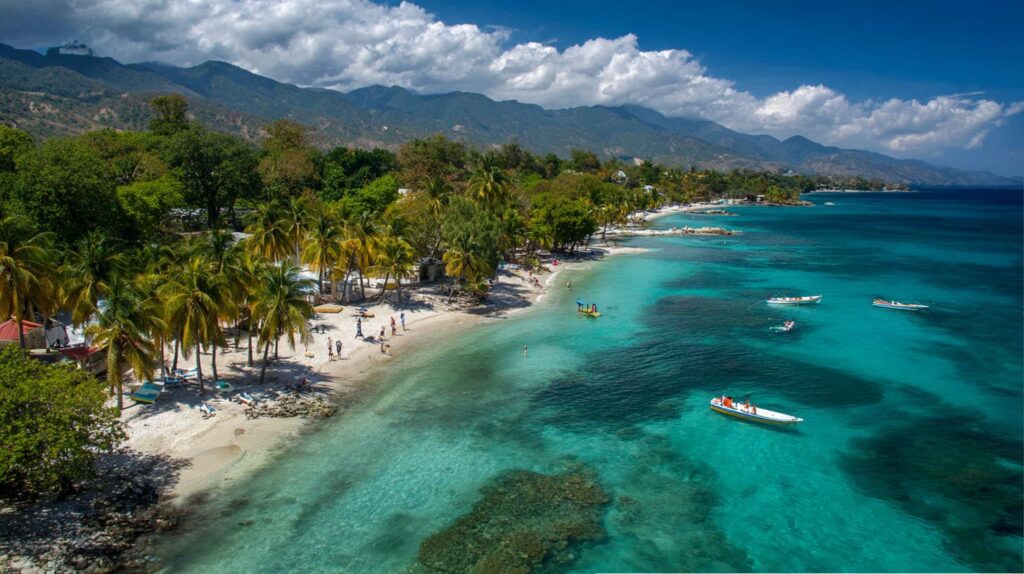
Haiti stands out with its rich history, vibrant culture, and stunning natural beauty that make it an unforgettable destination. Why Haiti Deserves a Spot on Your Caribbean Travel List becomes clear when you explore its colonial architecture in Jacmel, pristine beaches, and lively voodoo festivals, offering experiences unlike anywhere else in the region.
What are the top attractions in Haiti that highlight its appeal?
From the majestic Citadelle Laferrire, a UNESCO site, to the colorful markets of Port-au-Prince like March de Fer, the National Museum, and the serene beaches of Labadee, a Royal Caribbean excursion site, Haiti’s attractions showcase a blend of history and adventure. Why Haiti Deserves a Spot on Your Caribbean Travel List is evident in these gems that provide authentic, off-the-beaten-path adventures for discerning travelers.
Is Haiti safe for tourists, and what precautions should I take?
While Haiti has faced historical challenges, including the regime of Papa Doc Duvalier and his notorious Tontons Macoutes, many areas are welcoming to visitors with proper planning, such as sticking to guided tours and avoiding certain urban zones at night. Why Haiti Deserves a Spot on Your Caribbean Travel List lies in its resilient spirit and the rewarding experiences for those who travel mindfully, ensuring a safe and enriching trip.
What’s the best time to visit Haiti for optimal weather and events?
The dry season from December to April offers pleasant weather ideal for exploring Haiti’s landscapes, while Kanaval, Haiti’s Carnival, in February adds cultural flair. Why Haiti Deserves a Spot on Your Caribbean Travel List is reinforced by these vibrant seasons that align perfectly with your travel preferences for sun-soaked days and festive nights.
How does Haiti’s culture differ from other Caribbean islands?
Haiti’s unique fusion of African, French, and indigenous influences shines through in its music, art, and cuisine, like gripping griot or intricate metalwork from Croix-des-Bouquets by artists like Serge Jolimeau. Why Haiti Deserves a Spot on Your Caribbean Travel List stems from this distinctive cultural depth that immerses you in a world of rhythmic compas dances and spiritual traditions.
What unique natural experiences can I have in Haiti?
Hike through lush national parks like La Visite, snorkel in crystal-clear waters around Gonve Island, or spot diverse wildlife in its biodiverse reserves. Why Haiti Deserves a Spot on Your Caribbean Travel List is because of these unspoiled natural wonders that offer eco-adventures and serene escapes away from crowded tourist hotspots.