Introduction to Water Treatment Imagine quenching your thirst with confidence, knowing your source water treated into drinking water is free from hidden threats like germs. Water treatment transforms raw source water into safe, reliable drinking water supplies through key processes like coagulation, flocculation, and sedimentation. As expert Marcus Rink emphasizes in his research, and as upheld by the UK’s Drinking Water Inspectorate, these steps combat contaminants effectively. This beginner’s guide demystifies the essentials, empowering you to appreciate clean water systems for better health and peace of mind.
Table of Contents
Key Takeaways:
- Water treatment removes contaminants from sources like rivers and groundwater, preventing health risks such as diseases from bacteria and chemicals, ensuring safe drinking water for communities.
- The core process involves coagulation, sedimentation, filtration, and disinfection to purify water by clumping particles, settling debris, trapping impurities, and killing pathogens.
- At home, residential systems like activated carbon filters or UV light purifiers maintain clean water quality; regular maintenance care prevents recontamination and supports environmental sustainability.
Why Water Treatment Is Essential
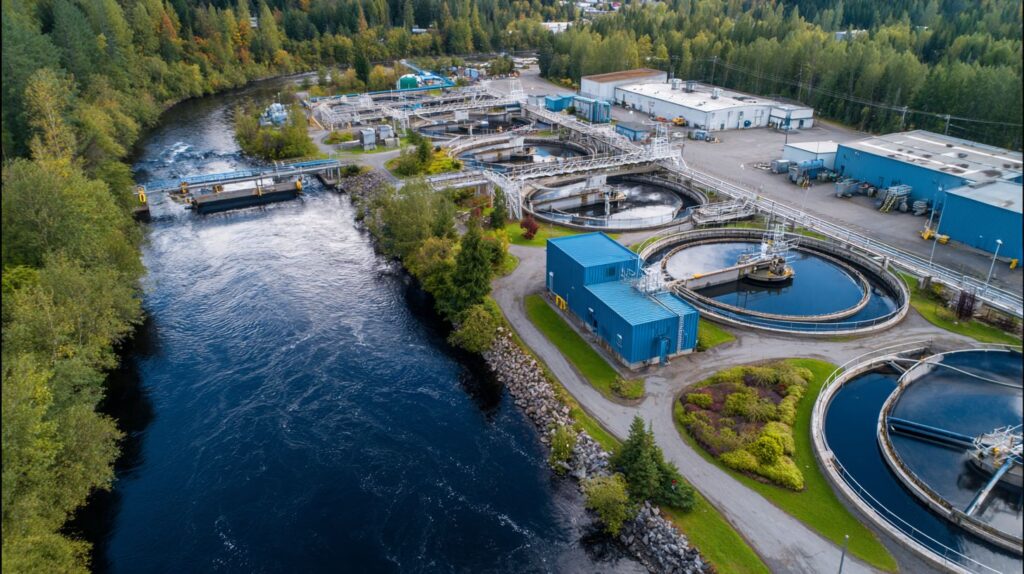
Water treatment is essential for protecting public health, preserving ecosystems, and minimizing economic losses. According to the World Health Organization, untreated water contributes to approximately 829,000 deaths globally each year from diarrhoeal diseases.
Health Risks from Untreated Water
Untreated water presents significant health risks, including exposure to microorganisms, pathogens, germs such as bacteria, viruses, parasites like *Escherichia coli* (E. coli), and diseases such as Cholera and Cryptosporidiosis, which resulted in 2.8 million cases of illness in the United Kingdom in 2022, according to the Drinking Water Inspectorate.
Along with E. coli-induced gastroenteritis, other microbial hazards include outbreaks of *Cryptosporidium*, as evidenced by the 2015 incident in Wales that affected 400 individuals, as reported by Ceris Van de Vyver.
Chemical contaminants, such as nitrates derived from agricultural sources, can cause methemoglobinemia, commonly referred to as blue baby syndrome, with European Union regulations limiting nitrate levels to 50 mg/L. Emerging threats encompass toxins produced by cyanobacteria in surface water, which have been linked to liver damage.
Globally, the World Health Organization estimates that unsafe water contributes to one in three deaths from diarrheal diseases.
To mitigate these risks, regular testing with kits approved by the Environmental Protection Agency (EPA), priced between $20 and $50, is recommended for detecting contaminants and ensuring contaminants removal. Boiling water for one minute can eliminate 99.9% of bacteria, while installing certified filtration systems, such as reverse osmosis units, offers comprehensive protection.
Environmental and Economic Benefits
Effective water treatment delivers substantial environmental benefits by reducing pollutant discharges into waterways by up to 90 percent. Economically, it enables municipal systems to save approximately $1.5 billion annually in health-related costs, according to estimates from the World Health Organization.
For example, the United Kingdom’s Catchment Management Program has successfully restored more than 500 kilometers of rivers since 2010 through the implementation of advanced filtration and wetland treatment technologies. This initiative has enhanced biodiversity, with documented reductions in ecosystem pollution of 80 percent, as reported by the World Health Organization.
Practical measures include the adoption of innovative technologies like activated sludge processes recommended by the Environmental Protection Agency. While the initial investment amounts to $100 million, these processes generate a return on investment of $430 million over a 10-year period, primarily through the avoidance of healthcare expenditures and productivity losses.
Furthermore, these treatment methods effectively mitigate sediment accumulation, thereby extending the operational lifespan of infrastructure by up to 20 years, as demonstrated in case studies from U.S. municipalities.
Sources of Water Contamination
Water contamination originates from a variety of sources, including agricultural runoff that contributes 70% of global pesticide pollutants to surface water, as reported by the World Health Organization.
The primary sources of contamination are as follows:
- Agricultural: Nitrates from fertilizers, present at concentrations of 10-50 mg/L in U.S. groundwater (according to EPA data), which adversely affect aquatic ecosystems.
- Industrial: PFAS chemicals exceeding regulatory limits of 70 ppt in 45% of UK sites (per the Drinking Water Inspectorate), leading to long-term persistence in environmental systems.
- Urban: Lead leaching from lead pipes and aging pipes, responsible for approximately 15,000 annual cases of elevated blood lead levels in the United States (CDC data), posing significant risks to public health.
- Natural: Radionuclides detected in 7% of private boreholes in England (based on studies by Marcus Rink), which increase the incidence of cancer risks.
- Microbial: Viruses that contaminate untreated surface water, particularly during flood events, facilitating the transmission of diseases such as norovirus.
- Aesthetic: Cyanobacteria blooms impacting 20% of reservoirs, resulting in unpleasant taste odour.
Effective mitigation strategies include the implementation of source protection zoning and advanced monitoring protocols utilizing Hach DR3900 spectrometers (priced at $2,500) for real-time contaminant detection.
Basic Principles of Water Purification
Water purification is predicated on fundamental principles such as physical separation and chemical reactions like chlorination, ozonation, and ultraviolet treatment, enabling the removal of 99.99% of contaminants in alignment with the World Health Organization (WHO) guidelines for drinking water quality standards.
Key methods encompass the following:
- Physical removal: This process involves screening particles larger than 0.5 mm with bar screens, a method implemented in 95% of municipal treatment plants according to Environmental Protection Agency (EPA) data, followed by sedimentation to facilitate the settling of solids.
- Chemical processes: These include adsorption utilizing granular activated carbon, which achieves an 80% reduction in organic compounds based on EPA testing, as well as coagulation with alum, chloramine, chlorine, and ozone to aggregate particles into flocs for enhanced filtration efficiency.
- Biological principles: Natural clarification is achieved in constructed wetlands, which can process up to 1 million liters per day through microbial decomposition.
Optimal flocculation requires maintaining a pH range of 6.5 to 8.5, where pH is mathematically defined as -log[H].
The American Water Works Association (AWWA) standards mandate 4-log virus inactivation through UV light and ultraviolet (UV) disinfection.
A representative flow diagram delineates the process as: intake screening coagulation flocculation sedimentation filtration disinfection including chlorination, ozonation, and UV light storage, with options for desalination in coastal areas.
Primary Stages of Water Treatment
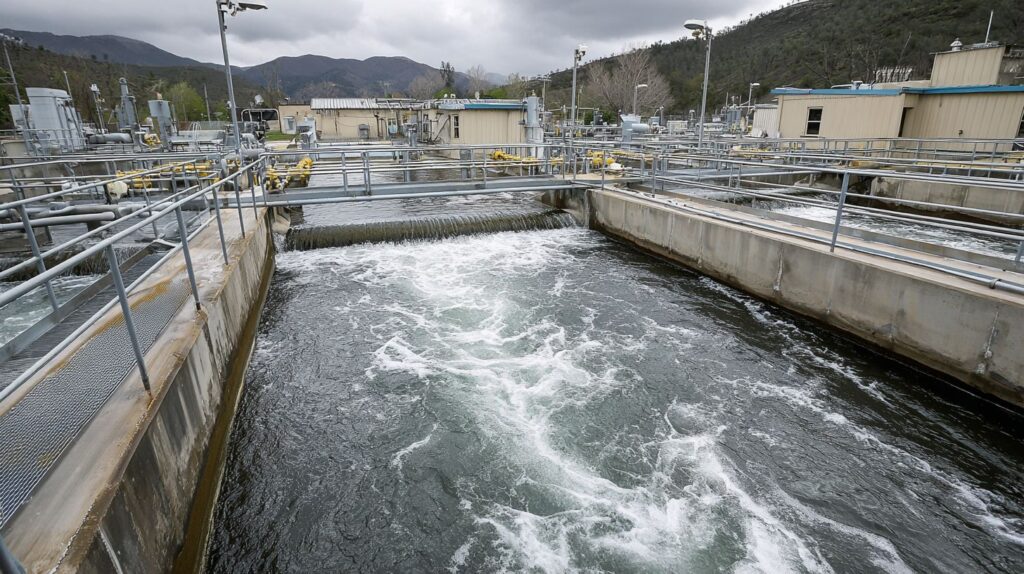
The initial phases of water treatment, namely coagulation, flocculation, and sedimentation, effectively eliminate 80-90% of suspended particles and sediment from raw source water, constituting the foundational elements of municipal systems globally.
Coagulation and Flocculation
Coagulation and flocculation are essential processes that destabilize colloidal particles in water treatment through the application of coagulant chemicals, such as alum dosed at 50-150 mg/L. These methods promote the aggregation of particles into larger flocs, facilitating their subsequent removal and achieving an average turbidity reduction of 85% in conventional treatment facilities.
For optimal implementation, adhere to the following structured steps, incorporating the recommended equipment:
- Introduce the coagulant, such as ferric chloride, using jar testing apparatus (e.g., Phipps & Bird PB-700, approximately $1,200). Conduct rapid mixing for 20-30 seconds at 100 rpm to ensure uniform dispersion.
- Transition to gentle flocculation with paddle mixers operating at 20 rpm for 15-20 minutes, allowing flocs to mature to 1-3 mm in size. Insufficient mixing must be avoided, as it can result in a 20% loss of efficiency, per the guidelines in AWWA Manual M3.
- Monitor turbidity levels continuously using turbidimeters (e.g., Hach 2100Q, approximately $500).
The complete process generally requires 30-45 minutes. On an industrial scale, the Thames Water Coppermills facility processes 2 billion liters of surface water and groundwater daily employing this approach, including reverse osmosis for desalination where needed, attaining a 90% turbidity reduction (AWWA study, 2020).
Sedimentation
Sedimentation facilitates the gravitational settling of flocs generated in preceding treatment stages, achieving removal rates of up to 90% of suspended solids, particles, and sediment within 2-4 hours, as substantiated by research from the Drinking Water Inspectorate in England. For frequently asked questions on these processes, refer to resources from the World Health Organization.
To optimize this process, adhere to the following numbered steps for effective implementation:
- Introduce floc-laden water into settling basins, designed to maintain a velocity of 1-2 m/hour, utilizing Lamella clarifiers (with an installation cost of approximately $50,000, in accordance with EPA guidelines).
- Permit quiescent settling conditions with an overflow rate of 0.5-1.5 m/hour to enhance floc capture efficiency.
- Extract accumulated sludge at intervals of 4-6 hours via mechanical scrapers.
Each operational cycle generally spans 2-4 hours. It is advisable to circumvent common challenges, such as excessive flow rates, which may diminish efficiency by up to 40%; precise velocity gradients (G = 10-70 s) should be calculated to ensure accuracy.
A recent upgrade at a Welsh Water treatment facility resulted in a 95% reduction in sediment, as documented in their 2022 environmental report.
Advanced Filtration and Disinfection Methods
Employing advanced techniques such as reverse osmosis and ultraviolet (UV) disinfection effectively targets residual contaminants, achieving a 99.999% removal rate of pathogens beyond primary treatment stages. This approach is essential for fulfilling the stringent standards established by the World Health Organization (WHO).
Filtration Techniques
Advanced filtration methods, such as reverse osmosis, effectively eliminate dissolved salts and organic compounds. Systems incorporating Dow FilmTec membranes, for instance, can achieve rejection rates of up to 99% for contaminants, including per- and polyfluoroalkyl substances (PFAS).
The selection of the most appropriate filtration technique is determined by factors such as operational scale and the specific pollutants to be addressed. The following table compares four widely used methods:
| Technique | Efficiency | Cost ($/m) | Best For | Pros/Cons | | Sand filtration | 90% particles | $0.01 | Large volumes | Pros: low cost; Cons: slow for fine particles | | Granular activated carbon | 95% adsorption of toxins| $0.05 | Taste/odour | Pros: versatile; Cons: replacement every 6 months | | Reverse osmosis | 99% salts/nitrates | $0.50 | Desalination | Pros: comprehensive; Cons: high energy 3-5 kWh/m | | Membrane ultrafiltration | 99.9% microbes | $0.20 | Residential | Pros: compact; Cons: fouling |
For instance, Severn Trent Water in the United Kingdom utilizes granular activated carbon filtration, which, as detailed in their 2022 report, reduces volatile organic compounds (VOCs) by 80%. This approach is particularly suitable for municipal water treatment.
Disinfection Processes
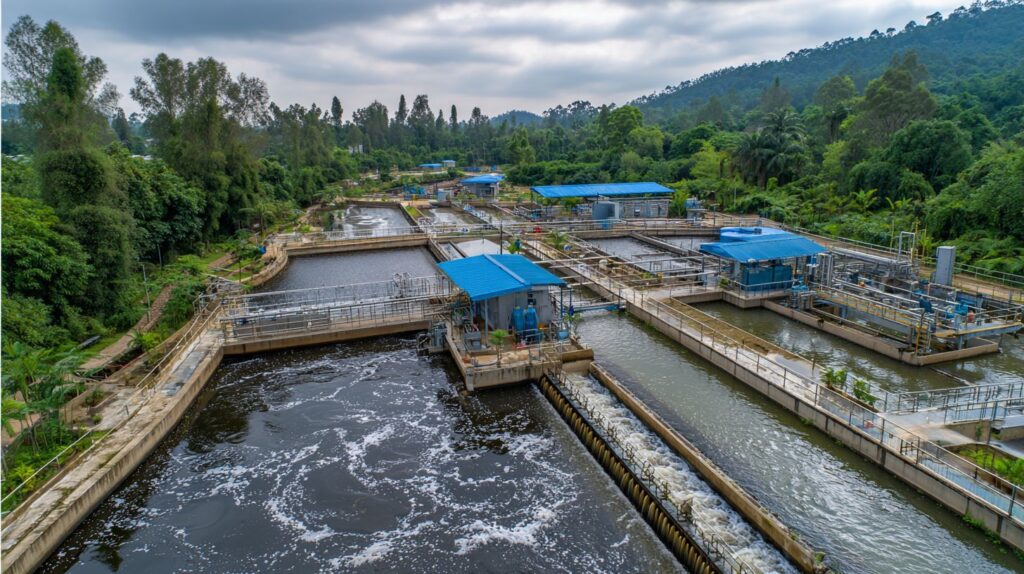
Disinfection processes effectively eliminate residual pathogens such as E.coli through the application of agents such as chlorine, maintaining a residual concentration of 0.5-1 mg/L. This methodology serves to prevent outbreaks, as illustrated by the 1993 Milwaukee Cryptosporidiosis incident, which affected approximately 400,000 individuals.
To achieve effective disinfection, adhere to the following numbered procedures, incorporating the recommended equipment:
- Chlorination: Employ Wallace & Tiernan gas injection systems (approximately $10,000); maintain a 30-minute contact time to achieve 4-log pathogen inactivation, in accordance with EPA CT values.
- Ultraviolet (UV) Treatment: Utilize Trojan UVMax units (approximately $300 for residential installations); deliver a dose of 40 mJ/cm within 10 seconds to accomplish broad-spectrum pathogen inactivation, consistent with WHO guidelines.
- Ozonation: Install WeDEO generators (approximately $5,000); apply an ozone concentration of 0.1-1 mg/L to attain 99.99% virus inactivation within 5 minutes.
- Chloramination: Introduce ammonia subsequent to chlorination to generate a stable chloramine residual lasting up to 3 days.
Exercise caution to avoid over-chlorination, which should be monitored using Hach testing kits to prevent alterations in taste. Installation and setup of these systems typically require 2 to 4 hours.
Types of Water Treatment Systems
Water treatment systems encompass a wide spectrum, from large-scale municipal facilities capable of processing up to 1 billion liters per day to compact residential units. For example, reverse osmosis systems designed for home use, priced between $200 and $500, can effectively remove up to 95% of contaminants.
| System | Capacity | Price | Key Features | Best For | Pros/Cons |
|---|---|---|---|---|---|
| Municipal | Millions L/day | $Millions | Coagulation to disinfection | Cities like London | Pros: Scalable; Cons: Complex |
| Residential whole-house | 10-20 gpm | $1,000-5,000 | Filtration + UV | Suburbs | Pros: Convenient; Cons: Maintenance |
| Point-of-use RO | 5-10 L/hour | $200 | Desalination | Homes with hard water | Pros: Affordable; Cons: Waste water 3:1 ratio |
| Private borehole | Custom | $2,000-10,000 | Chlorination + carbon | Rural UK | Pros: Tailored; Cons: Testing needed |
| Innovative (e.g., PFAS-specific IX resins) | Varies | $50,000+ | Targeted adsorption | Industrial | Pros: Efficient for emerging pollutants; Cons: Emerging regs |
Municipal water treatment systems ensure comprehensive compliance with the standards established by the Drinking Water Inspectorate (DWI) in England and Wales. These systems process substantial volumes of water to eliminate pathogens and chemicals, in full accordance with EU Directive 98/83/EC.
Residential water treatment units deliver targeted protection; however, they require periodic testing to align with the DWI’s guidelines for private water supplies.
For households without access to municipal infrastructure, the integration of reverse osmosis (RO) and ultraviolet (UV) treatment represents a cost-effective solution for maintaining water safety.
Maintaining Safe Water at Home
Proper maintenance of home water systems entails quarterly filter replacements and annual professional inspections, which can prevent approximately 70% of common issues, such as bacterial regrowth in residential setups.
To build upon this foundational approach, the following best practices are recommended to ensure optimal water safety:
- Conduct bi-annual water quality testing using Safe Home kits (approximately $30), which detect lead and nitrate levels exceeding Environmental Protection Agency (EPA) limits.
- Replace carbon filters every six months, such as Culligan models (approximately $50), which reduce chlorine concentrations by 95%.
- Clean ultraviolet (UV) lamps annually by wiping them with alcohol to maintain 99% germicidal efficacy.
- Flush lead pipes weekly by running water for two minutes, in accordance with Centers for Disease Control and Prevention (CDC) guidelines, to keep lead levels below 15 parts per billion (ppb).
Frequently Asked Questions:
- Q1: How can taste and odor be removed? A: Install a granular activated carbon (GAC) filter, which is effective in 80% of cases.
- Q2: What are the signs of contamination? A: Cloudy water or symptoms of illness; conduct testing immediately.
For comprehensive protection, refer to Marcus Rink’s and Ceris Van de Vyver’s guidelines for private boreholes and the World Health Organization’s (WHO) recommendations on home water treatment.
Checkout Water Treatment: Importance & Process.
Frequently Asked Questions
What Is Water Treatment? A Beginner’s Guide to Clean and Safe Water Systems
Water treatment is the process of purifying water to make it safe for drinking, cooking, and other uses by removing contaminants, impurities, and harmful substances. In ‘What Is Water Treatment? A Beginner’s Guide to Clean and Safe Water Systems,’ you’ll learn that this involves physical, chemical, and biological methods to ensure water meets health standards, preventing diseases and protecting the environment.
Why is water treatment important for everyday life?
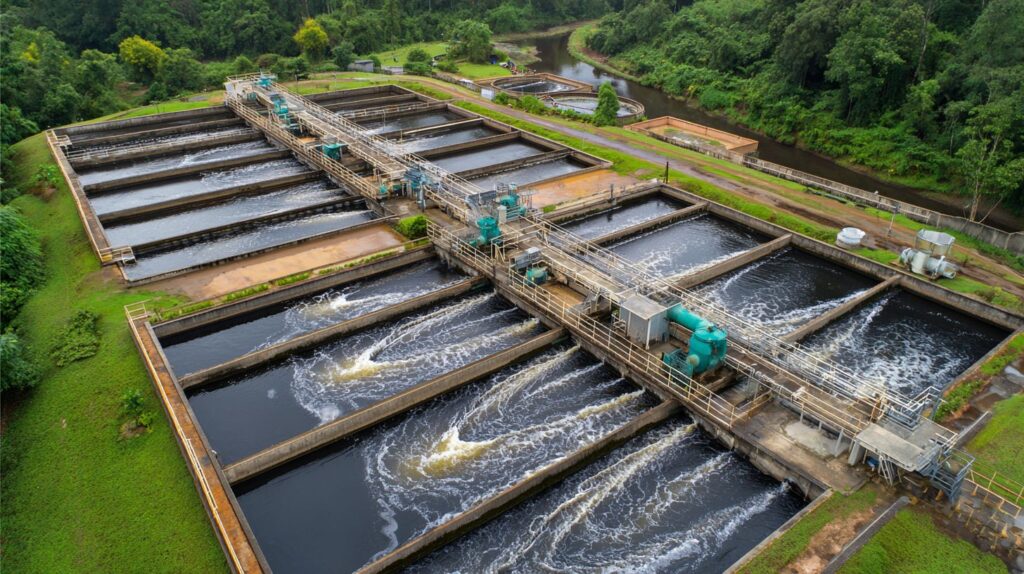
Water treatment is crucial because untreated water can contain bacteria, viruses, chemicals, and sediments that cause illnesses like cholera or gastrointestinal issues. As outlined in ‘What Is Water Treatment? A Beginner’s Guide to Clean and Safe Water Systems,’ it safeguards public health, supports agriculture, and maintains industrial processes, ensuring clean and safe water systems for communities worldwide.
What are the basic steps involved in water treatment?
The primary steps in water treatment include screening to remove large debris, coagulation and flocculation to clump small particles, sedimentation to settle them out, filtration to catch remaining impurities, disinfection (often with chlorine or UV light) to kill pathogens, and sometimes additional processes like pH adjustment. ‘What Is Water Treatment? A Beginner’s Guide to Clean and Safe Water Systems’ explains these steps as essential for transforming raw water into potable, clean water.
How does water treatment differ for municipal versus home systems?
Municipal water treatment involves large-scale facilities handling vast volumes of water through advanced processes for entire cities, while home systems use simpler methods like reverse osmosis filters or boiling. In ‘What Is Water Treatment? A Beginner’s Guide to Clean and Safe Water Systems,’ beginners learn that both aim for clean and safe water but scale and technology vary based on needs and resources.
What common contaminants does water treatment remove?
Water treatment targets contaminants such as bacteria, heavy metals (like lead), pesticides, chlorine byproducts, and turbidity from sediments. According to ‘What Is Water Treatment? A Beginner’s Guide to Clean and Safe Water Systems,’ effective treatment ensures the removal of these to provide water free from health risks, making it suitable for daily consumption.
Can individuals contribute to better water treatment practices?
Yes, individuals can help by conserving water to reduce treatment demands on processes like Coagulation, Flocculation, Sedimentation, and Filtration. Properly disposing of chemicals avoids contamination by pathogens such as E.coli, Cholera, and Cryptosporidiosis, as well as emerging contaminants like PFAS. Using certified home filters, such as those employing Reverse osmosis or UV light, can further protect health. In the UK, specifically England and Wales, the Drinking Water Inspectorate oversees these practices, aligning with guidelines from the World Health Organization. Disinfection methods including Chlorine, UV light, and Ozone are crucial for safe water. Experts like Marcus Rink and Ceris Van de Vyver emphasize that personal actions support broader efforts to maintain clean and safe water systems, promoting sustainability and health. ‘What Is Water Treatment? A Beginner’s Guide to Clean and Safe Water Systems’ provides more details on these topics.