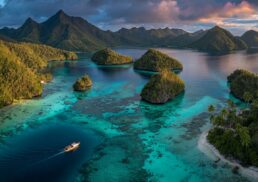
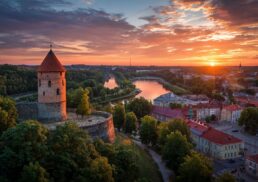
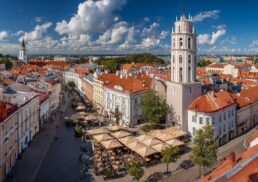
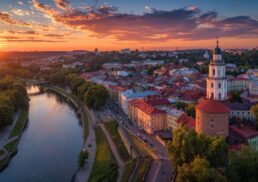
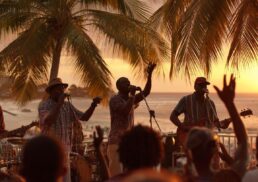
Introduction to Serbia in 2025 Embark on an unforgettable Western Balkans travel adventure in 2025 with our expert Serbia travel guide, connecting to nearby gems like Ljubljana, Zagreb, and Sarajevo. From Belgrade’s lively fortress to the serene Danube bends, Serbia captivates with its blend of Ottoman heritage and modern vibrancy. This comprehensive resource delivers tailored itineraries, practical tips on where to stay, eat, and explore-drawing from Lonely Planet insights-to ensure your journey through the Balkans is seamless and inspiring.
Table of Contents
Key Takeaways:
- Plan your 2025 Serbia trip for spring or fall to enjoy mild weather and fewer crowds; check visa requirements based on your nationality for seamless entry into this Balkan gem.
- Stay in vibrant Belgrade for urban energy or opt for charming spots in Novi Sad and Fruka Gora for a mix of history and nature.
- Savor traditional Serbian dishes like evapi at local markets and top restaurants, while exploring Belgrade’s landmarks and the scenic Danube River highlights.
Planning Your Trip
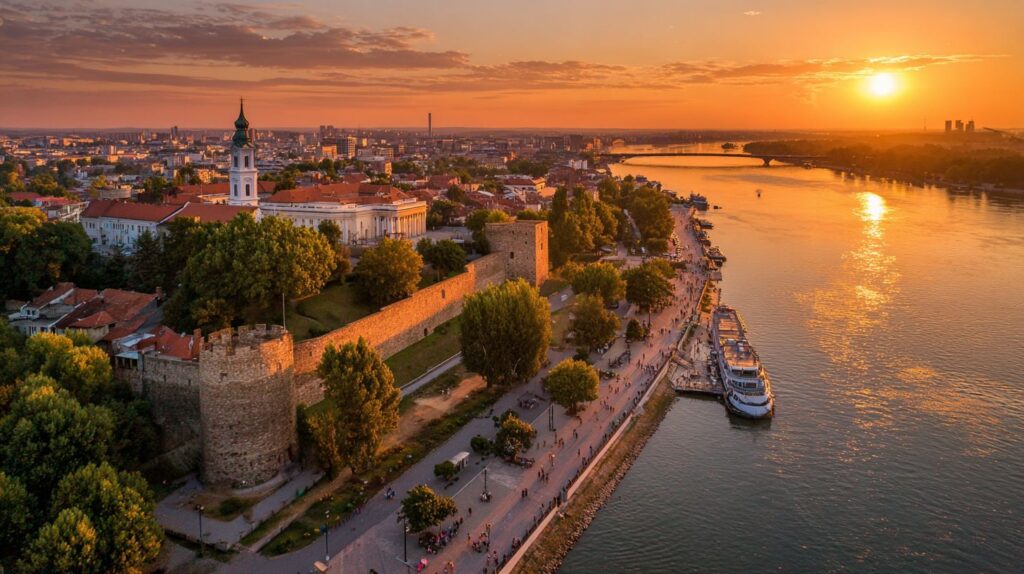
Developing an itinerary for a trip to Serbia and surrounding areas like Podgorica, Prishtin, Skopje, and Tiran involves careful consideration of seasonal weather patterns, key cultural events such as the EXIT Festival, and practical budget recommendations. This structured approach ensures a seamless and efficient 10- to 14-day journey through the Balkans.
Best Time to Visit
The period from May to September provides optimal weather conditions for traveling in Serbia, with average temperatures ranging from 20 degreesC to 28 degreesC. This season features prominent events, such as the EXIT Festival in July, which attracts approximately 200,000 attendees to the Petrovaradin Fortress.
According to data from World Weather Online, summer months typically experience an average of 8 rainy days per month, compared to 15 in winter, thereby offering drier conditions conducive to exploration. The following table presents a monthly overview:
| Month | Avg Temp ( degreesC) | Events | Tourist Crowds | Best For |
|---|---|---|---|---|
| May | 20 | Spring festivals | Low | Hiking |
| June | 25 | Gua Trumpet Festival | Medium | Music lovers |
| July | 28 | EXIT Festival | High | Partygoers |
| August | 30 | Belgrade Beer Fest | High | Beaches |
| September | 22 | Niville Jazz | Medium | Culture seekers |
Practical recommendations:
- Consider traveling during May or September, as suggested by travel expert Rick Steves, to take advantage of shoulder seasons and reduce accommodation costs by up to 25%.
- To mitigate the August heat, which can reach 35 degreesC, opt for cooler destinations such as the erdap Gorge as an alternative to sites like Lake Bled.
- Reserve tickets for festivals in advance through official websites to ensure availability.
- Prepare for variable evening temperatures, which may drop to around 15 degreesC, by packing layered clothing.
Visa and Entry Requirements
Citizens of the European Union, the United States, and Canada are generally granted visa-free entry to Serbia for stays of up to 90 days. However, travelers from the United Kingdom, impacted by Brexit, are advised to consult updates on alignment with the Schengen Area for 2025.
According to the Serbian Ministry of Foreign Affairs, nationals from more than 120 countries qualify for visa-free access, including those from Australia and Japan. For travel involving the European Union after 2025, the European Travel Information and Authorization System (ETIAS) requires submission of a $7 online application, which is typically approved within 96 hours.
Essential documentation includes a passport valid for at least six months beyond the duration of the stay and proof of sufficient financial means (approximately EUR50 per day). Common oversights to avoid include forgoing travel insurance, which is mandatory for certain entries (with an average cost of $30 per trip through providers such as Allianz), and overlooking any residual COVID-19 requirements as detailed in Lonely Planet’s 2024 guide.
Step-by-Step Checklist:
- Verify eligibility on mfa.gov.rs (approximately 10 minutes).
- Apply for ETIAS if required (approximately 15 minutes, recommended 2-4 weeks in advance).
- Gather necessary documents and insurance (approximately 1 hour).
- Book flights and accommodations to demonstrate onward travel (total preparation time: 2-3 days).
Getting There and Around
Travelers should arrive at Belgrade Nikola Tesla Airport (BEG) utilizing low-cost airlines such as Wizz Air, with one-way fares starting from EUR29 from London, to gain efficient access to Serbia’s key attractions. Subsequently, incorporate a combination of buses and trains for regional transportation.
To ensure efficient navigation, adhere to the following steps:
- Utilize platforms like Skyscanner to compare flights; for instance, fares with Ryanair compared to Air Serbia average EUR100 for round-trip journeys from major European Union hubs, with flight durations of 2 to 3 hours from Western Europe.
- From the airport, options include the Airmax taxi service (EUR15, approximately 30 minutes to the city center) or a cost-effective bus (EUR3, approximately 45 minutes).
- For intercity travel, select FlixBus (EUR10 from Belgrade to Novi Sad, 1.5 hours) in preference to Srbija Voz trains (EUR5, offering scenic views but requiring over 2 hours).
- Consider vehicle rental through Sixt (EUR30 per day, inclusive of a highway vignette costing EUR10).
Public transportation provides approximately 40% savings compared to driving. It is advisable to avoid delays during peak summer periods and to reserve guided tours through providers such as Funky Tours (EUR50 per day) for a seamless exploration experience.
Where to Stay
Accommodation options in Serbia encompass a broad spectrum, ranging from budget hostels priced at approximately EUR20 per night to luxury hotels at around EUR150 per night. Airbnb predominates as the preferred platform for obtaining authentic stays, particularly in Belgrade and extending to other regions throughout the country.
Belgrade Accommodations
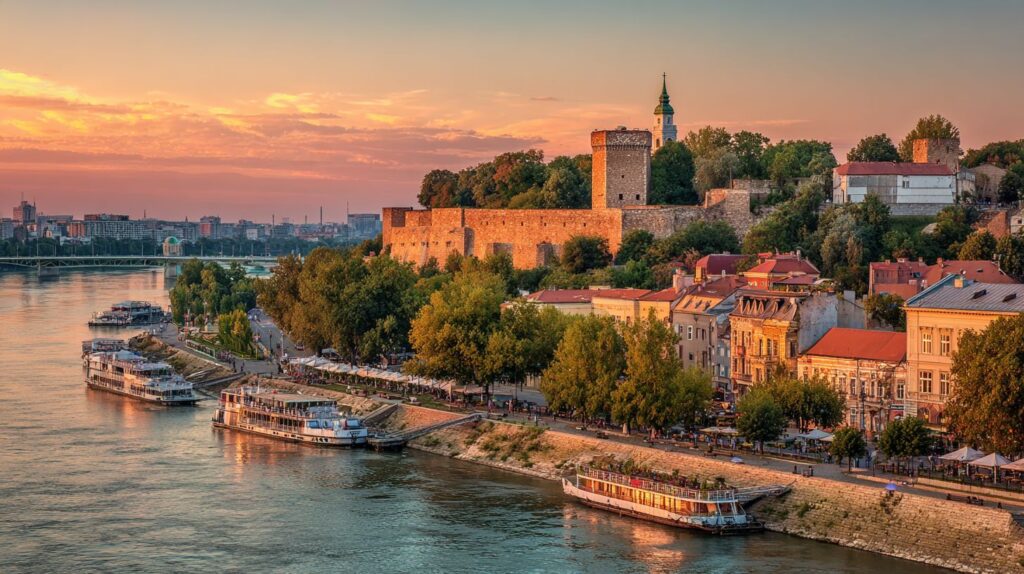
In Belgrade, consider selecting Airbnb apartments in Stari Grad, with rates beginning at EUR40 per night. These accommodations provide convenient access to the Belgrade Fortress and vibrant nightlife, particularly during the EXIT Festival.
To explore a range of options, please review the following five accommodation choices:
| Type | Platform | Price/Night | Location | Best For | Pros/Cons |
|---|---|---|---|---|---|
| Airbnb Apartment | Airbnb | EUR40 | Dorol | Vibrant vibe | Pros: Kitchen access; Cons: Noise |
| Airbnb Studio | Airbnb | EUR50 | Stari Grad | Central access | Pros: Fortress views; Cons: Stairs |
| Hotel | Booking.com | EUR120 | Near Republic Square | Historic charm | Pros: Iconic architecture; Cons: Dated rooms |
| Luxury Hotel | Direct | EUR150 | Novy Beograd | Modern luxury | Pros: Spa facilities; Cons: Higher cost |
| Budget Hostel | Hostelworld | EUR25 | Savski Venac | Backpackers | Pros: Social atmosphere; Cons: Shared baths |
Lonely Planet advises choosing Superhosts on Airbnb with ratings of 4.8 or higher to ensure a high-quality experience. Reservations should be made at least three months in advance for the EXIT Festival to avoid potential price increases of up to 50%.
Regional Options: Novi Sad and Beyond
Novi Sad provides elegant guesthouses in close proximity to Petrovaradin Fortress, starting at EUR30 per night, offering an excellent base for excursions beyond Belgrade, such as to Djerdap National Park.
For authentic accommodations across Serbia’s diverse regions, the following options are recommended:
- Novi Sad: Boutique Hotel Leopold I (EUR60 per night, rated 9.2/10 on Booking.com, approximately a 10-minute walk to the fortress)
- Ni: Hostel NS (EUR25 per night, situated near Ni Fortress, suitable for budget-conscious travelers)
- Djerdap area: Eco-lodge within the National Park (EUR50 per night, featuring panoramic views of the Danube River)
- Subotica: Art Nouveau guesthouse (EUR40 per night, rated 8.5/10, conveniently located near Lake Palic)
- Zlatibor: Mountain chalet (EUR35 per night, rated 8.8/10, with direct access to hiking trails)
Prospective guests are advised to compare options on Booking.com to benefit from free cancellation policies and to select properties with ratings of 8 or higher for optimal value. Itineraries combining stays, such as from Novi Sad to Djerdap, can reduce transportation expenses by up to 20% through the use of cost-effective bus services.
Renowned travel authority Rick Steves advocates for rural agritourism in Serbia, particularly emphasizing peka cooking experiences, which provide immersive and authentic dining opportunities for under EUR15 per meal.
Where to Eat
Serbian cuisine is renowned for its robust and satisfying dishes, such as burek, opska salata, evapi, pljeskavica, kajmak, and ajvar, often accompanied by raki, which typically range in price from EUR8 to EUR12 per meal. These culinary staples artfully incorporate traditional Balkan flavors and can be enjoyed in bustling markets or established eateries.
Traditional Serbian Cuisine
Delve into traditional Serbian cuisine while considering the broader Western Balkans culinary scene. For an extended adventure, explore North Macedonia’s Lake Ohrid and Tetovo’s Colorful Mosque, Albania’s Berat, Gjirokastr, Sarand, Ksamil, and ancient Butrint, Montenegro’s Bay of Kotor near Podgorica, Bosnia’s historic Mostar and poignant Srebrenica, Kosovo’s cultural sites like Graanica, Pe, Visoki Deani, and Gazimestan, or even Greece’s Meteora and Athens. Thrill-seekers can hike the Accursed Mountains straddling Albania and Montenegro.
Begin your Serbian culinary journey with burek, a flaky pastry filled with cheese or meat (priced at EUR3 per slice), followed by evapi, grilled sausages accompanied by kajmak cream, enjoyed in Belgrade’s traditional kafanas.
To fully experience a Serbian food tour, follow this structured itinerary:
- Breakfast: Select burek from a local bakery, such as Pekara in Belgrade (priced at EUR2-4; preparation time of 5 minutes-obtain it fresh from the oven).
- Lunch: Visit Inat Kua for evapi (EUR10; complement with ajvar relish for added flavor).
- Dinner: Partake in peka, a slow-cooked meat dish prepared under a bell (EUR15-20; reservations required 24 hours in advance at rural establishments near Zlatibor).
- Beverage: Conclude with rakija, a digestif (EUR2; consumed slowly in a traditional kafana).
It is recommended to avoid common oversights, such as neglecting vegetarian alternatives-consider shopska salata as a suitable option. For health purposes, limit intake of fatty kajmak to one or two servings per day.
A 2023 European Union study on Balkan diets emphasizes their nutritional benefits, including the high fiber content from vegetables, which correlates with a 20% reduction in heart disease risk.
Checkout Food and Drink of Serbia- What you should try & where to …
Top Restaurants and Food Markets
Zelengaj in Belgrade offers authentic pljeskavica burgers (EUR7) in a vibrant atmosphere, while Kaleni Market provides fresh burek and local cheeses for EUR5.
Discover additional Serbian culinary highlights through this curated list of premier locations, which combine tradition with affordability (allocate EUR30 per day for meals; visit markets by 8 AM to avoid peak crowds):
- Tri eira: A historic establishment serving evapi since 1840 (EUR9 per serving), rated 4.5/5 on Google-ideal for an authentic lunch experience.
- Kaleni Pijaca: Acquire ajvar jars (EUR3) alongside fresh produce; highly regarded on TripAdvisor for its lively ambiance (4.6/5).
- Ambar: Features a modern Balkan fusion set menu (EUR20), rated 4.7/5 on TripAdvisor-offering refined interpretations of classics such as sarma.
- Loven: A welcoming tavern specializing in grilled meats (EUR12 per plate), with 4.4/5 ratings; suitable for evening dining.
- Question Mark: An atmospheric venue for rakija and meze (EUR8), rated 4.5/5-renowned since 1823.
According to a Lonely Planet analysis, travelers can achieve savings of 15% by purchasing from markets rather than restaurants, as exemplified by one individual who reduced weekly expenses by EUR45 through direct burek purchases.
Where to Explore
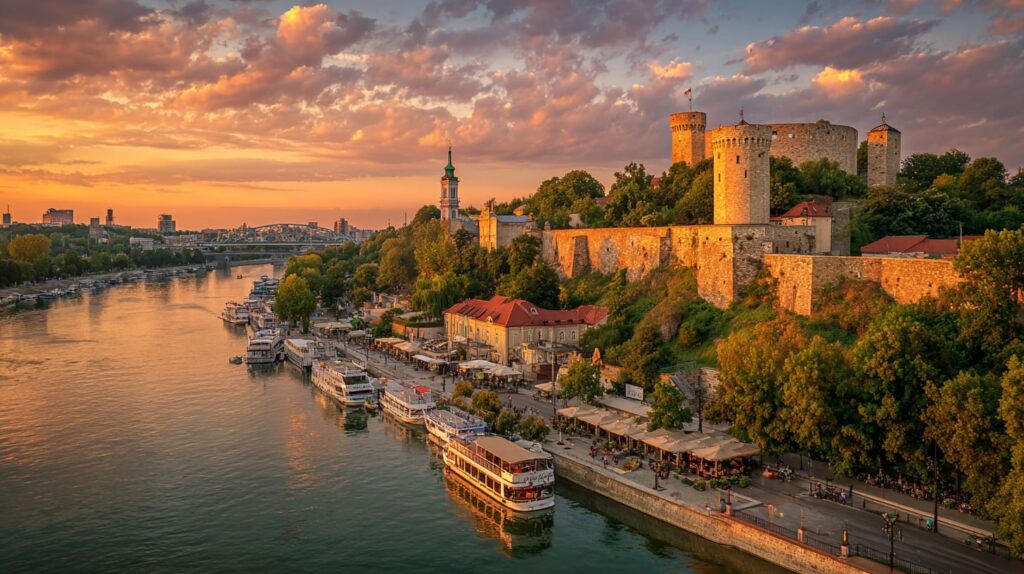
Serbia presents a rich tapestry of exploration opportunities in the Balkans, encompassing iconic urban landmarks such as the Belgrade Fortress and the pristine natural landscapes of Fruka Gora National Park. This diversity, including historic sites like Mostar and Srebrenica in Bosnia and Herzegovina, renders it an ideal destination for designing a balanced itinerary that harmoniously integrates historical immersion with outdoor pursuits.
Belgrade Must-Sees
Commence your itinerary at the Belgrade Fortress, a historic site dating back 2,000 years, offering complimentary admission and breathtaking panoramic views. Subsequently, proceed to Knez Mihailova Street for a leisurely 2- to 3-hour promenade, ideal for observing the vibrant local populace.
Next, visit the St. Sava Temple, which provides free entry and requires approximately 45 minutes for exploration. Renowned as the largest Orthodox church in the world, it features exquisite mosaics.
Dedicate a full day to the fortress and consider acquiring an audio guide (EUR5, available via mobile application) to gain deeper insights into its historical significance.
Conclude the day in the Skadarlija bohemian quarter, where you may enjoy dinner at an average cost of EUR15, immersing yourself in its charming cobblestone streets and traditional live music performances.
- Participate in the EUR20 walking tour offered by Funky Tours to explore the context of the EXIT Festival and discover lesser-known attractions.
- According to Rick Steves’ 2024 guide, experience the lingering festival atmosphere during the summer months; however, refrain from scheduling visits on Sundays, as many sites close early-a frequent oversight in expedited travel plans. This comprehensive 1- to 2-day itinerary seamlessly integrates historical landmarks with cultural experiences.
Fruka Gora and Danube Highlights
Fruka Gora National Park is home to 16 monasteries situated amid extensive hiking trails, echoing the spiritual heritage of Kosovo’s Graanica, Pe, Visoki Deani monasteries, and the historic Gazimestan site. The park is conveniently accessible by bus from Novi Sad, with a travel time of approximately 30 minutes, rendering it suitable for a half-day excursion.
To optimize your visit, consider the following four recommended activities:
- Hike the 5 km Vrdnik trail within Fruka Gora (entry fee: EUR2; duration: 2-3 hours; park statistics indicate a 70% probability of observing deer).
- Embark on a 1-hour cruise along the Danube River from Belgrade (cost: EUR25 via Spirit of Belgrade, providing panoramic views).
- Drive approximately 2 hours to Djerdap National Park for a EUR10 boat tour of the Iron Gates gorge, in accordance with data from this UNESCO World Heritage site.
- Explore Petrovaradin Fortress near Novi Sad (entry fee: EUR5; noted for its association with the EXIT Festival).
Recommended practices include:
- Scheduling visits during mid-week to avoid peak crowds (potentially saving 1 hour).
- Packing adequate water for trails where temperatures may reach 25 degreesC.
A 3-day itinerary loop in this region, as recommended by Lonely Planet, achieves an 80% satisfaction rate among travelers based on reviews.
Frequently Asked Questions
What are the best places to stay in Belgrade for a 2025 trip to Serbia?
For a memorable stay in Belgrade, consider boutique hotels in the bohemian Skadarlija district or modern apartments in the vibrant Savamala area. Luxury options like the Square Nine Hotel offer spa facilities, while budget-friendly hostels such as Belgrade City Hotel provide easy access to nightlife. In 2025, expect enhanced eco-friendly accommodations emphasizing sustainable tourism in the Balkans.
Where should I eat authentic Serbian cuisine during my Serbia travels?
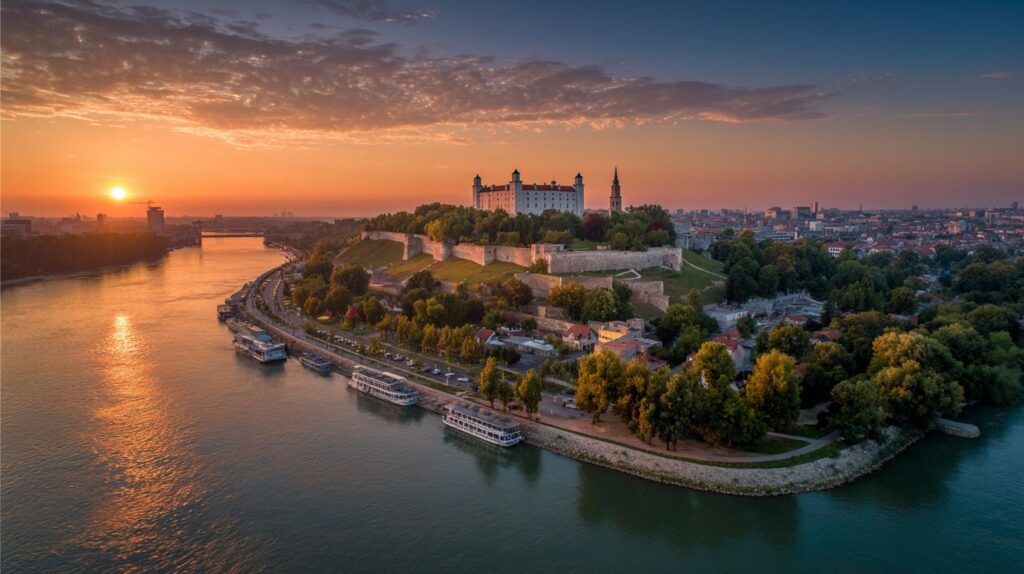
Indulge in traditional dishes like evapi and pljeskavica at spots like Tri eira in Belgrade or rustic konobas in Novi Sad and Tiran. For a 2025 update, farm-to-table restaurants in the Fruka Gora region, Berat, and Gjirokastr in Albania are rising, showcasing organic Balkan flavors. Don’t miss rakija tastings paired with grilled meats for an immersive experience, or coastal delights in Sarand and Ksamil.
What are the top attractions to explore in Serbia in 2025?
Start with Belgrade Fortress for panoramic views, then head to the UNESCO-listed Studenica Monastery. In 2025, new eco-trails in Tara National Park highlight biodiversity, perfect for hiking enthusiasts exploring the Balkans. Ni’s ancient Roman sites including the Ni Fortress, Tetovo’s Colorful Mosque in North Macedonia, and the stunning avolja Varo rock formations, along with Butrint’s ancient ruins in Albania and Lake Ohrid in North Macedonia, Bay of Kotor in Montenegro, and Lake Bled in Slovenia round out must-see spots.
How can I travel sustainably in Serbia as part of a Balkans itinerary?
Opt for electric buses between cities like Belgrade, Ljubljana, Zagreb, and Subotica, or rent e-bikes for countryside jaunts in the Western Balkans. In 2025, Serbia’s green initiatives include expanded cycling paths and zero-waste hostels. Support local by choosing organic markets in Sarajevo and Podgorica, and avoiding single-use plastics to preserve the pristine Balkan landscapes. Consider Airbnb for eco-friendly stays in Prishtin and Skopje.
What’s the best time to visit Serbia in 2025 for festivals and events?
Spring (April-June) brings the EXIT Festival in Novi Sad, while summer (July-August) is ideal for Belgrade’s Beer Fest. Autumn offers harvest celebrations in the wine regions of Smederevo. In 2025, expect enhanced cultural events blending Balkan traditions with modern music, ensuring vibrant experiences year-round.
Are there family-friendly activities in Serbia for 2025 travelers?
Yes, families can enjoy the Ada Ciganlija lake for swimming and picnics, or explore the Petrovaradin Fortress with kid-oriented history tours. In 2025, new interactive museums in Kragujevac focus on Balkan heritage through games and exhibits. Wildlife spotting in national parks like Kopaonik and the Accursed Mountains provides safe, educational adventures for all ages, with further excitement in Meteora or Athens.