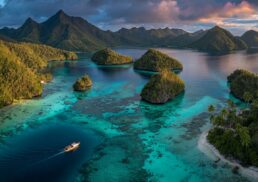
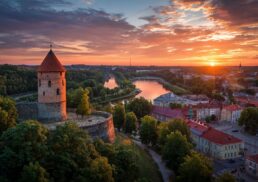
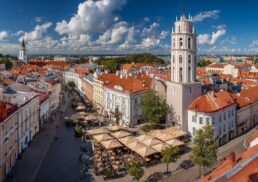
Top 10 Things to Do in Serbia: Culture, History & Natural Beauty Serbia captivates with its top 10 things to do, weaving rich culture, ancient history, and stunning natural beauty into every journey. Begin in vibrant Belgrade, where the iconic Kalemegdan Fortress guards panoramic river views of the Danube River and Sava River, the grand St Sava Cathedral inspires awe, and the bustling Zeleni Venac Market pulses with local flavors like Fresh Produce, Ajvar Spread, Kajmak Cheese, and Ratluk Delight. This curated guide, drawing from UNESCO insights and traveler favorites, unlocks must-see experiences to fuel your Balkan adventure.
Table of Contents
Key Takeaways:
- Discover Serbia’s rich urban culture by exploring Belgrade’s historic Kalemegdan Fortress, charming Skadarlija Quarter as the Bohemian Quarter, Knez Mihailova Street from Republic Square, Zemun Neighborhood with its Gardos Tower, and St Marks Church, blending Ottoman and Austrian influences.
- Immerse in ancient history at UNESCO-listed Studenica Monastery, Oplenac Mausoleum, Lepenski Vir, and Fruska Gora’s serene Eastern Orthodox monasteries amid vineyards and forests.
- Embrace natural beauty through hikes in Tara National Park, Uvac Reserve’s dramatic meanders, Djavolja Varos, Silver Lake near Golubac Fortress, Kopaonik Park, and Vrnjcka Banja spa experiences, plus thrilling Drina River rafting adventures.
Top 10 Things to Do in Serbia: Culture, History & Natural Beauty
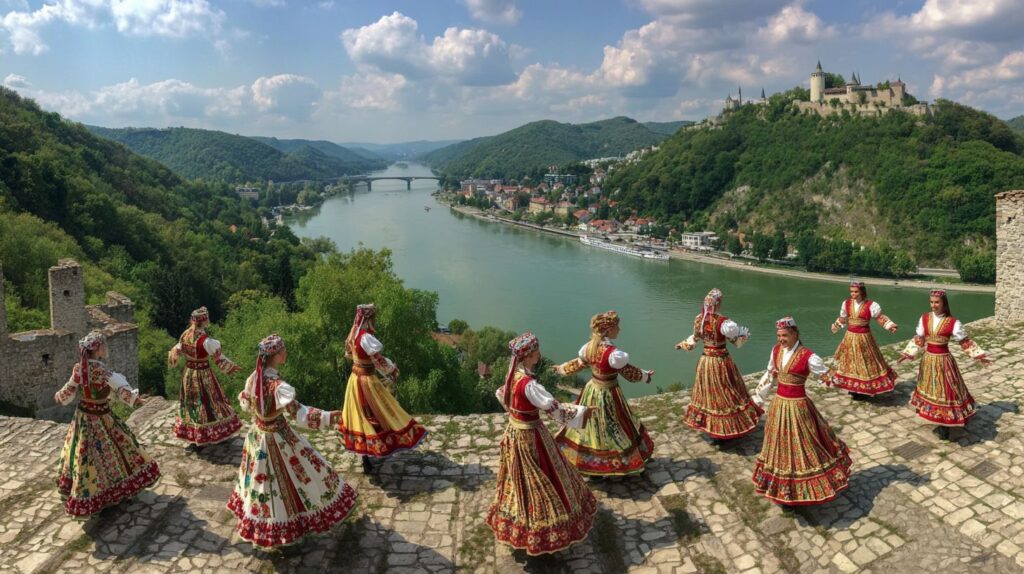
Serbia, frequently regarded as the “heart of the Balkans,” presents a compelling amalgamation of Ottoman, Austro-Hungarian, and Slavic cultural influences. This nation attracts approximately 2.7 million tourists annually, according to data from the World Travel & Tourism Council, with premier experiences encompassing historic urban fortresses, venerable monasteries, and immaculate national parks.
1. Explore Belgrade’s Kalemegdan Fortress and Urban Culture
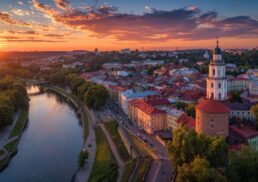
Situated at the confluence of the Danube and Sava Rivers, Kalemegdan Fortress in Belgrade was originally constructed by the Romans in the third century BC and subsequently expanded over the centuries. It functions as a living museum, drawing approximately 1.5 million visitors annually.
Throughout Serbian history, Kalemegdan has embodied resilience, withstanding seven Ottoman sieges between the fifteenth and eighteenth centuries, including the notable defense of 1717 that impeded Turkish advances. During World War II, it served as a central point for partisan resistance against Nazi occupation, exemplifying Belgrade’s indomitable spirit.
Currently included on UNESCO’s tentative list of World Heritage sites, the fortress preserves this rich historical legacy. For those wishing to explore:
- Access the site via Knez Mihailova Street, a 20-minute walk from Republic Square (admission is free).
- Ascend to the Victor Monument, which takes approximately 30 minutes and offers exceptional sunset vistas.
- Tour the Military Museum (entry fee: EUR3; recommended duration: 1 hour).
Practical recommendations include participating in Free Walking Tours for complimentary two-hour guided tours, exploring the Nikola Tesla Museum and Tito Museum dedicated to Josip Broz Tito, sampling traditional local specialties such as Cevapcici Meat, Pljeskavica Burger, Sopska Salad, Ajvar Spread, kajmak, and Tufahije Dessert at Zeleni Venac Market near Usce Park and Park of Friendship, and avoiding peak Summer Festivals visitation periods to ensure a more serene experience while embracing Sustainable Travel via Public Transport.
2. Visit Novi Sad and the Petrovaradin Fortress
Novi Sad, the second-largest city in Serbia and the host of the renowned EXIT Festival, which attracts approximately 200,000 attendees each year, is home to the 18th-century Petrovaradin Fortress. This historic site, often referred to as the “Gibraltar of the Danube” due to its extensive underground tunnel system spanning 16 kilometers, serves as a cornerstone of the city’s cultural landscape.
The fortress exemplifies Novi Sad’s seamless integration of Baroque architectural heritage with dynamic festival vitality, a distinction that contributed to its designation as the 2019 European Youth Capital in recognition of its commitment to nurturing youth culture. For an optimal visit, consider the following structured itinerary:
- Travel by Air Serbia or train from Belgrade, a journey of 1.5 hours costing EUR5 through Serbian Railways, to ensure an efficient arrival in Novi Sad, near Subotica City.
- Visit the fortress’s clock tower, notable for its reversed clock hands used to count down to events; admission is EUR4, with approximately 45 minutes allocated for exploring the tunnels and panoramic views.
- Proceed by bus for a 5-kilometer trip to Sremski Karlovci to partake in wine tasting; the bus fare is EUR2, and tastings of three varieties, such as Graevina, are available for EUR10.
The summer season is particularly suitable for attending festivals; utilizing public transportation, such as buses, helps reduce carbon emissions. According to a study by the European Festival Association, cultural events generate a 4:1 return on investment in tourism revenue.
3. Discover the UNESCO Studenica Monastery
Established in 1196 by Grand Prince Stefan Nemanja, the Studenica Monastery-located near Ue and designated as a UNESCO World Heritage Site-serves as an exemplary representation of Serbian medieval art, characterized by its white marble facades and 13th-century frescoes. The site attracts approximately 100,000 pilgrims and tourists each year.
As the foundational center of Serbian Orthodoxy, Studenica Monastery holds immense spiritual importance, representing the first significant endowment of the Nemanji dynasty. Stefan Nemanja’s son, Saint Sava, elevated its stature further by establishing the autocephalous Serbian Orthodox Church in the early 13th century, incorporating a synthesis of Byzantine and Romanesque elements that profoundly influenced religious art across the region.
To visit the monastery:
- Travel from Ni City by car or bus (approximately 2 hours; EUR10 via public transport).
- Examine the interior of the Virgin’s Church (photography is not permitted; a 1-hour guided tour is available for EUR5).
- Traverse the surrounding trails (2 km loop, 45 minutes).
Visitors are advised to dress modestly for the Eastern Orthodox site; visits in the Spring Season afford the opportunity to witness blooming wildflowers.
The monastery was inscribed on the UNESCO World Heritage List in 1986 for its exceptional cultural significance.
Additionally, a 2010 article in the Journal of Balkan Studies by Dragi underscores the enduring influence of its frescoes on Orthodox iconography.
4. Stroll Through Historic Skadarlija in Belgrade
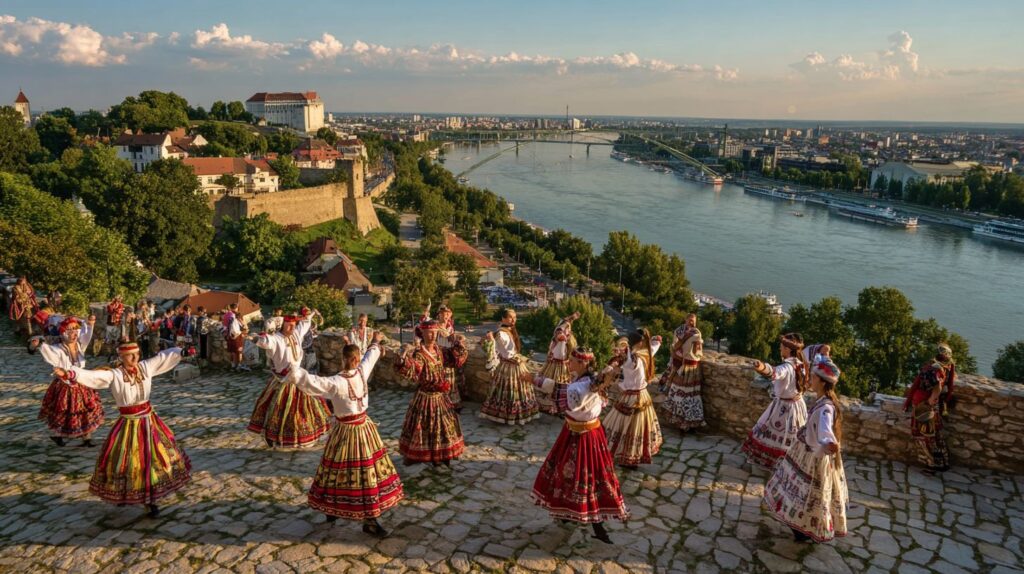
Belgrade’s Skadarlija Quarter, founded in the 19th century as a vibrant center for artists and poets, is characterized by its cobblestone streets, which are home to 30 traditional kafanas offering authentic Serbian cuisine to approximately 500,000 visitors each year.
In the present day, Skadarlija maintains its architectural heritage from the 1830s through the restoration of Ottoman-era structures and the installation of period-appropriate gas lamps, creating an animated environment replete with active street scenes and folk performances that capture the essence of Serbia’s romantic heritage. According to a 2022 study published in Tourism Review, the quarter plays a pivotal role in the 20% annual increase in Belgrade’s nightlife tourism, attracting visitors in search of genuine cultural experiences.
For a structured visit:
- Proceed on foot from Republic Square, a journey of approximately 10 minutes along Skadarlija Street.
- Observe complimentary Street Performers and street performances, attend live music sessions in the evenings at the Dva Jelena restaurant near Marcus Church.
- Sample traditional dishes such as cevapcici (EUR8 per portion) or a pljeskavica burger accompanied by sopska salad (totaling EUR15 for a one-hour meal). Evening visits are recommended; when toasting with rakija, adhere to local customs by clinking glasses and uttering ‘nazdravlje’.
5. Hike the Trails of Tara National Park
Tara National Park, encompassing 220 square kilometers in western Serbia, features more than 1,000 plant species and 50 kilometers of marked trails, including the demanding Banjska Stena route. Designated as a UNESCO biosphere reserve, the park attracts approximately 150,000 hikers annually.
The park serves as a vital sanctuary for Balkan endemic species, hosting rare wildlife such as the Tara lynx, over 150 avian species including the golden eagle, and distinctive flora like the Serbian spruce and peony orchids.
Its dense forests and pristine streams sustain a variety of ecosystems within the Dinaric Alps.
According to a 2019 report by the International Union for Conservation of Nature (IUCN), the park’s conservation efforts have been highly effective, with 92% visitor satisfaction reported.
For exploration, consider the following options:
- Take a bus from the Zlatibor Region (1 hour, EUR7).
- Undertake the Vidikovac viewpoint trail hike (5 km, 2-3 hours, moderate difficulty).
- Visit the Drvengrad Village film set, created by director Emir Kusturica (EUR3 entry fee, 1 hour).
Springtime offers abundant wildflowers; visitors are advised to bring sufficient water and sturdy footwear.
6. Admire the Uvac River’s Dramatic Meanders
The Uvac Special Nature Reserve, shaped by the sinuous course of the Uvac River that forms distinctive oxbow loops observable from 18 designated viewpoints, encompasses 75 square kilometers and attracts approximately 80,000 eco-tourists each year. It is frequently likened to Slovenia’s Soa Valley for its scenic allure.
The reserve’s geological origins date to tectonic movements approximately 10,000 years ago in the late Pleistocene epoch, during which the uplift of the Dinaric Alps and fluvial erosion sculpted deep canyons and complex meanders into the underlying limestone bedrock. A 2018 study by the Geological Society of Serbia elucidates the role of continuous river erosion in forming these oxbow loops, advancing at a rate of 0.5 to 1 meter per century, and underscores the necessity of sustainable tourism practices to safeguard the delicate karst ecosystems.
For a structured itinerary to visit the reserve:
- Travel by car from Silver Lake (approximately 45 minutes) or participate in an organized guided tour (EUR20 per person).
- Undertake a hike to the Veliki Rzav viewpoint (3 km trail, 1.5 hours, no fee).
- Engage in kayaking along the meanders (2-hour rental EUR15; personal flotation devices are mandatory).
The optimal visiting season is summer; visitors are advised to adhere strictly to marked trails to minimize environmental impact and preserve the ecosystem.
7. Witness the Geological Wonder of avolja Varo
avolja Varo, designated as a tentative UNESCO World Heritage Site since 2010, is renowned for its 180 earth pyramids, which reach heights of up to 40 meters and have been sculpted by erosion over approximately 200,000 years. This extraordinary site attracts approximately 50,000 visitors annually to its otherworldly landscape, located near the border with Kosovo.
In local folklore, the site is known as “Devil’s Town,” stemming from a legend in which the devil cursed a sinful village, transforming it into stone as punishment for its inhabitants. This narrative is deeply embedded in Serbian mythology, underscoring themes of moral retribution.
From a geological perspective, these hoodoos originated from volcanic tuff that has been eroded by the waters of the Radan River, as comprehensively analyzed in a 2021 publication in Quaternary Research on the stability of such formations (Vol. 62, pp. 45-60).
The 2010 UNESCO evaluation report emphasizes the site’s distinctive karst morphology, highlighting its scientific and aesthetic significance.
For those planning a visit:
- Travel by bus from the spa town of Vrnjaka Banja (approximately 1.5 hours, EUR8).
- Undertake the 2 km pyramid trail hike (about 1 hour, moderate difficulty, EUR2 entry fee).
- Proceed to the avolja Varo viewpoint for photography, with sunrise recommended for optimal conditions.
Visitors are advised to apply sunscreen and consider combining their itinerary with nearby thermal baths for a restorative experience.
8. Tour Fruka Gora’s Monasteries and Vineyards
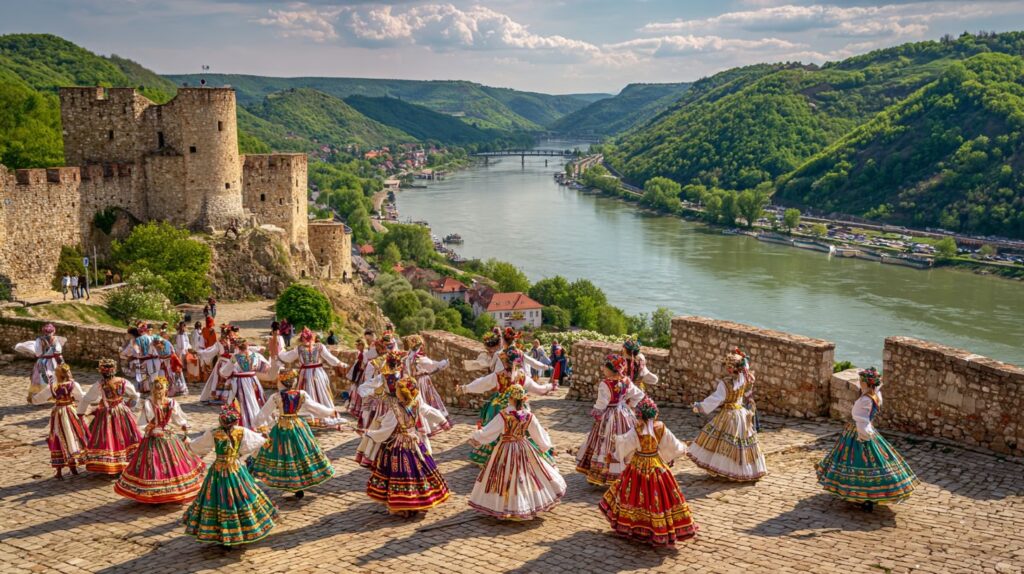
Fruka Gora National Park, renowned as the ‘Jewel of Serbia,’ encompasses 16 Serbian Orthodox monasteries constructed between the 15th and 18th centuries, alongside 50 vineyards that yield 10 million liters of wine annually. This distinctive combination draws wine aficionados, particularly during the September harvest festivals.
In the post-Ottoman period, Fruka Gora revitalized its spiritual heritage through enduring monasteries, while viticulture thrived with varietals such as Traminac and Riesling, as recorded in 18th-century Orthodox Church documents. This legacy seamlessly integrates elements of faith and viniculture, as exemplified by Bermet liqueur-a mistelle fortified with herbs-which was lauded in a 2019 Wine Spectator article for its aromatic complexity, receiving a score of 92 points.
For an efficient day trip, adhere to the following itinerary:
- Travel by train from Novi Sad (30 minutes, EUR3).
- Conduct a tour of Kruedol Monastery (free admission, 45 minutes; examine the 1525 frescoes).
- Engage in a wine tasting experience in Sremski Karlovci (3 samples for EUR12, 1 hour; complement Bermet with local cheeses).
Summer visits are advisable to coincide with festivals; a designated driver is recommended.
9. Relax by the Pristine Vlasina Lake
Nestled at an elevation of 1,200 meters within the Suva Planina Mountains, Vlasina Lake spans 2.5 square kilometers and features distinctive floating heart-shaped islands. It draws approximately 60,000 visitors annually, who are attracted to its pristine, crystal-clear waters, providing an ideal setting for low-impact relaxation within this protected natural area.
The lake was formed approximately 10,000 years ago in the post-glacial period following the retreat of the last Ice Age. Its peat bogs and alpine meadows support a diverse ecosystem, including more than 300 species of birds, such as eagles and warblers. A 2020 study by BirdLife International underscores the lake’s significance as a critical stopover for migratory birds, while sustainable tourism practices ensure a low visitor density of 20 individuals per square kilometer.
For an optimal relaxation experience, adhere to the following itinerary:
- Travel by bus from Ni City to the lakeside (approximately 2 hours, EUR10).
- Rent a rowboat (EUR5 per hour) and spend 1 to 2 hours navigating among the islands.
- Savor a picnic along the shore, featuring fresh local trout (EUR8, available from nearby vendors).
It is recommended to visit during spring to witness the blooming wildflowers, and to use eco-friendly sunscreen to help preserve the delicate ecosystem.
10. Raft the Wild Drina River
The Drina River, which borders Bosnia and Herzegovina and delineates the boundary of Tara National Park, presents Grade III-IV rapids along a 20-kilometer stretch, attracting approximately 30,000 rafters each year with a 95% success rate under the guidance of professional instructors.
This renowned waterway achieved literary prominence through Ivo Andri’s 1945 Nobel Prize-winning novel, *The Bridge on the Drina*, which narrates four centuries of history revolving around the 16th-century Viegrad bridge that traverses the river. The work depicts the Drina as an enduring symbol of cultural division and unity, weaving together Ottoman, Austro-Hungarian, and Balkan histories in a richly detailed, humanistic manner that has shaped international understandings of the region’s enduring resilience (Andri, 1945).
To engage with this experience in a structured manner:
- Arrive in Belgrade via Air Serbia flights (approximately EUR50 from European destinations), followed by a bus transfer to the Zlatibor Region (3 hours, EUR15).
- Participate in a half-day rafting excursion (EUR40, inclusive of equipment; duration: 4 hours) – prior experience is not required, with summer months recommended, though weather conditions should be verified in advance.
- Conclude with a traditional riverside barbecue and a visit to the nearby Drvengrad Village. Safety measures are rigorously maintained, as evidenced by the Adventure Travel Trade Association’s report, which records zero fatalities over the past decade when adhering to professional protocols.
Learn more, 15 of the best things to do in Serbia.
Frequently Asked Questions
What are the top 10 things to do in Serbia focusing on culture, history, and natural beauty?
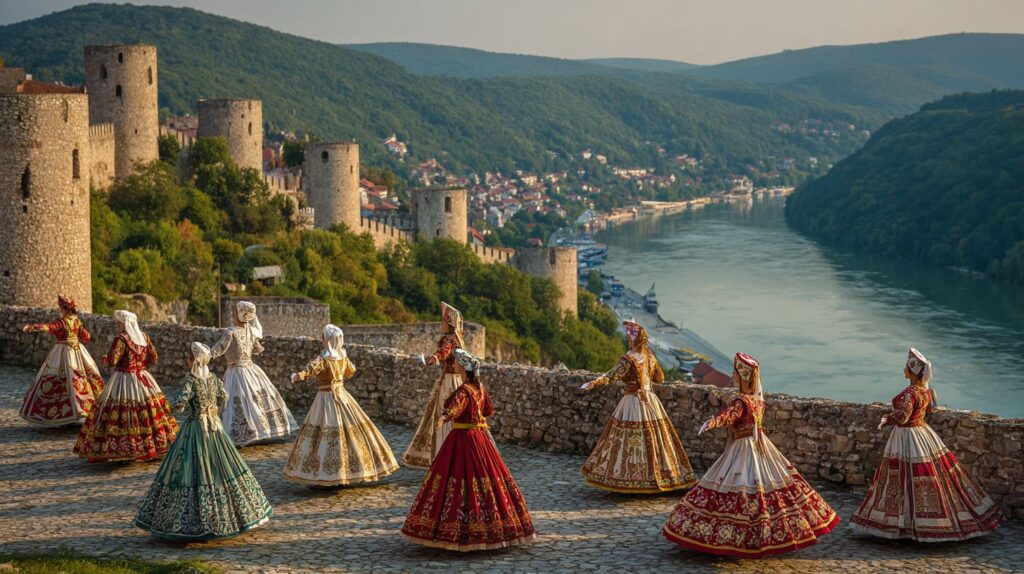
The Top 10 Things to Do in Serbia: Culture, History & Natural Beauty include exploring Belgrade’s historic Kalemegdan Fortress, visiting the ancient Roman ruins at Gamzigrad-Romuliana, wandering the medieval monasteries of Studenica and Sopocani, experiencing the vibrant cultural scene at the Guca Trumpet Festival, hiking through the stunning Tara National Park, discovering the Ottoman-era architecture in Novi Pazar, boating on the Danube River for scenic views, attending traditional folk performances in rural villages, touring the wine regions of Fruska Gora for a taste of Serbian heritage, and relaxing in the thermal springs of Vrnjacka Banja.
Which historical sites are highlights in the Top 10 Things to Do in Serbia: Culture, History & Natural Beauty?
Key historical sites in the Top 10 Things to Do in Serbia: Culture, History & Natural Beauty are the UNESCO-listed Studenica Monastery with its 12th-century frescoes, the Roman Emperor’s Palace at Gamzigrad-Romuliana showcasing imperial ruins, Belgrade Fortress (Kalemegdan) with Ottoman and Austrian influences, the medieval Stari Ras archaeological site, the royal Oplenac Mausoleum, and the Petrovaradin Fortress in Novi Sad, known for its underground tunnels and baroque architecture from the 17th century.
How can I immerse myself in Serbian culture through the Top 10 Things to Do in Serbia: Culture, History & Natural Beauty?
To immerse in Serbian culture via the Top 10 Things to Do in Serbia: Culture, History & Natural Beauty, attend the colorful Guca Trumpet Festival for brass band music and traditional dances with Eastern Orthodox influences, visit artisan workshops in Zlatibor for handmade crafts and embroidery, savor rakija tastings, cevapcici meat, pljeskavica burger, sopska salad, and tufahije dessert in local konobas (taverns), explore the Skadarlija bohemian quarter in Belgrade for street performances by street performers, and join Orthodox Easter celebrations at historic monasteries like those in Kosovo.
What natural beauty spots are featured in the Top 10 Things to Do in Serbia: Culture, History & Natural Beauty?
Natural beauty spots in the Top 10 Things to Do in Serbia: Culture, History & Natural Beauty encompass the lush forests and Drina River views of Tara National Park ideal for hiking and wildlife spotting, the dramatic gorges and waterfalls of Uvac Reserve and Uvac Special Nature Reserve, the serene Lake Pali for birdwatching and cycling, the karst landscapes and caves of Djavolja Varos (Devil’s Town) with its unique rock formations, the rolling vineyards and hills of Fruska Gora National Park, the alpine beauty of Kopaonik Park, the picturesque Subotica City, the prehistoric Lepenski Vir along the Danube River, and the medieval Golubac Fortress.
Is Belgrade a must-visit for the Top 10 Things to Do in Serbia: Culture, History & Natural Beauty?
Yes, Belgrade is essential for the Top 10 Things to Do in Serbia: Culture, History & Natural Beauty. As the capital, it offers the historic Kalemegdan Fortress overlooking the Sava River and Danube River confluence, the Sava Cathedral, the stunning St Sava Cathedral dedicated to Saint Sava, the lively Republic Square, stroll along Knez Mihailova and Knez Mihailova Street, visit Zeleni Venac and the Zeleni Venac Market for fresh produce, ajvar spread, kajmak cheese, and ratluk delight, the bohemian nightlife in Skadarlija and Skadarlija Quarter, the Bohemian Quarter with street performers, the modern Sava Promenade and Usce Park for river views, Park of Friendship for relaxation, the Zemun Neighborhood and Zemun with the iconic Gardos Tower, St Marks Church (also known as Marcus Church), free walking tours, the Nikola Tesla Museum, and Tito Museum dedicated to Josip Broz Tito, and easy access to day trips blending urban history with nearby natural escapes like Avala Mountain.
What tips help plan a trip around the Top 10 Things to Do in Serbia: Culture, History & Natural Beauty?
For effective planning, prioritize sustainable travel and use public transport to connect sites from Belgrade to Nis City and Tara National Park. The spring season offers pleasant weather for hikes, while summer festivals like those in Fruska Gora provide cultural highlights. Engage in free walking tours and respect Eastern Orthodox traditions at monasteries.
For planning a trip based on the Top 10 Things to Do in Serbia: Culture, History & Natural Beauty, start in Belgrade for 2-3 days to cover urban culture and history, exploring sites like Kalemegdan Fortress, Sava Cathedral, St Sava Cathedral, stroll through Zeleni Venac and Zeleni Venac Market, Knez Mihailova and Knez Mihailova Street, along the Danube River and Sava River, visit Skadarlija and Skadarlija Quarter the Bohemian Quarter, Republic Square with Street Performers, St Sava and Saint Sava temple, Eastern Orthodox St Marks Church and Marcus Church, Zemun Neighborhood and Zemun with Gardos Tower, join Free Walking Tours, visit Nikola Tesla Museum and Tito Museum on Josip Broz Tito era. Relax in Park of Friendship and Usce Park. In Zeleni Venac Market get Fresh Produce, try Ajvar Spread, Kajmak Cheese, Cevapcici Meat, Pljeskavica Burger, Sopska Salad, Tufahije Dessert, Ratluk Delight. Then head west to Zlatibor Region and Tara National Park for nature (4-5 days), visit Uvac Reserve and Drvengrad Village. En route, visit central sites like Studenica Monastery, Lepenski Vir, Golubac Fortress, Silver Lake, Oplenac Mausoleum, Sremski Karlovci. Allocate time for Novi Sad and Fruska Gora (2 days) with Petrovaradin Fortress and Subotica City. End with southern spots like Vrnjcka Banja, Kopaonik Park, Nis City and Nis, Djavolja Varos. Best time is Spring Season or fall for Sustainable Travel; use Public Transport like public buses, Air Serbia or rent a car for flexibility, and book Summer Festivals like Guca in advance for an authentic cultural experience.