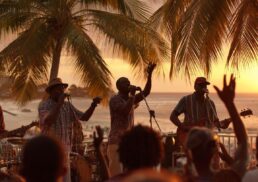
Introduction to Thailand’s Must-Do Experiences Thailand captivates travelers with its timeless temples, idyllic beaches, and mouthwatering street food. In bustling Bangkok, explore ornate shrines like the Grand Palace, while Phuket’s Patong Beach promises sun-soaked relaxation amid turquoise waters. This curated top 10 guide uncovers essential experiences-from spiritual sites to tropical escapes-empowering you to craft an unforgettable itinerary blending culture, adventure, and flavor, while respecting cultural norms, obtaining the necessary visa, and planning for peak season and monsoon season.
Table of Contents
Key Takeaways:
- Discover Thailand’s spiritual side by exploring iconic temples like the Grand Palace in Bangkok, Wat Pho, Wat Arun, the ancient temples of Ayutthaya, and the Big Buddha, blending history, architecture, and serene vibes.
- Unwind on Thailand’s pristine beaches, from Phuket’s lively Patong to the dramatic cliffs of Railay and island adventures at Koh Phi Phi, with options for island hopping to nearby islands.
- Indulge in Thailand’s street food culture, savoring authentic Thai food like Pad Thai, Tom Yum, mango sticky rice on a street food tour, and bustling markets including the floating market at Damnoen Saduak Floating Market, Maeklong Railway Market, in Bangkok’s Chinatown and Chiang Mai Night Bazaar.
- Experience ethical encounters with elephants at an elephant sanctuary, observing majestic elephants.
Top 10 Things: Temples, Beaches & Street Food
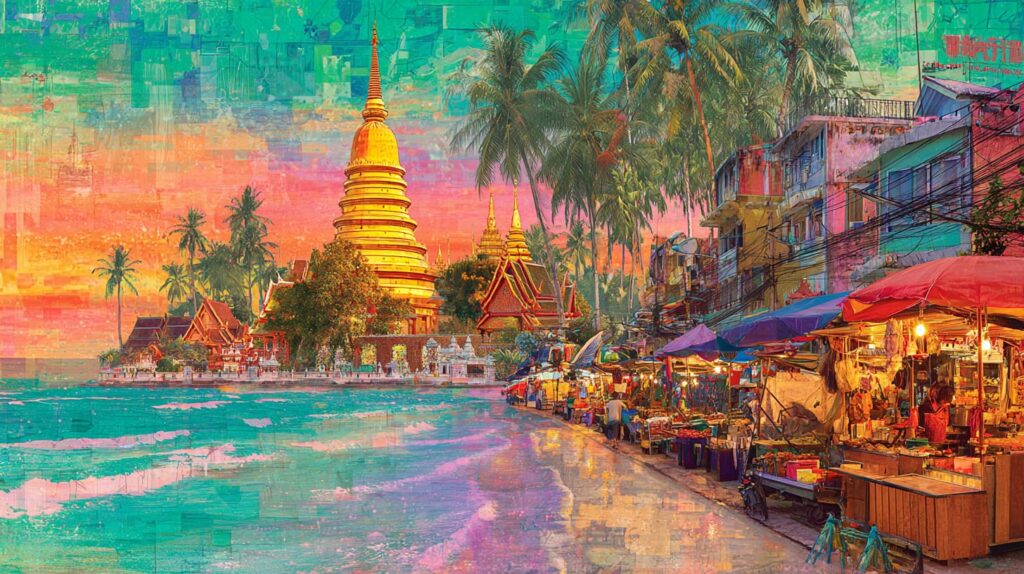
Thailand presents a remarkable array of premier travel experiences, encompassing the renowned temples of Bangkok-which draw approximately 10 million visitors each year-the pristine beaches of Phuket and Koh Samui, tours to James Bond Island, and the lively night markets of Chiang Mai, including explorations of nearby Pai and Chiang Rai’s White Temple. These destinations seamlessly integrate spiritual heritage, adventurous pursuits such as rock climbing, snorkeling, wildlife spotting including monkeys, snakes, and birds in national parks like Khao Sok National Park, ethical encounters with elephants at elephant sanctuaries like Elephant Hills, and exceptional culinary offerings featuring Thai food, delivering an indelible journey at an accessible cost of just 1,500 THB (approximately $45) per day.
1. Explore the Grand Palace and Wat Phra Kaew
The Grand Palace in Bangkok, which serves as the residence of the Emerald Buddha, stands as Thailand’s most venerated cultural and historical landmark. It draws approximately 8 million visitors each year and imposes an entry fee of 500 THB (approximately $15), along with stringent dress code requirements.
For an efficient half-day visit, adhere to the following structured itinerary:
- Travel to the site via tuk-tuk from BTS Saphan Taksin station (approximately 20 minutes, 100 THB).
- Ensure attire complies with modesty standards, covering shoulders and knees; sarongs are available for rent on-site for 200 THB, in accordance with the Bangkok Metropolitan Administration’s guidelines on cultural decorum.
- Explore the palace grounds (1 hour), followed by a visit to Wat Phra Kaew (45 minutes), with particular attention to the 45 cm jade statue of the Emerald Buddha.
- Engage an audio guide (100 THB) to gain insights into the historical context of the 1782 Chakri dynasty.
It is recommended to allocate 3-4 hours during the morning to minimize encounters with large crowds. A frequent oversight among visitors involves photographing images of the Buddha, which may incur fines of up to 1,000 THB.
2. Visit the Reclining Buddha at Wat Pho
Wat Pho, located approximately 500 meters from the Grand Palace, is home to the renowned 46-meter-long gold-plated Reclining Buddha statue. As a UNESCO World Heritage site, it offers visitors the opportunity to experience traditional Thai massage sessions at a rate of 400 THB (approximately $12) per hour.
To explore Wat Pho efficiently, adhere to the following structured itinerary for a two-hour visit, preferably scheduled between 8:00 AM and 10:00 AM to minimize exposure to peak midday heat.
- Access the site via Tha Tien Pier by utilizing the Chao Phraya Express Boat, which costs 15 THB and takes about 10 minutes from Sathorn Pier, providing convenient entry.
- Purchase a bowl of coins for 20 THB and deposit them into the 108 bronze bowls aligned along the feet of the Reclining Buddha while circumambulating the statue, a practice believed to bestow good fortune.
- Stroll through the temple grounds, where more than 1,000 Buddha images and intricately adorned chedis await exploration, allocating approximately one hour for this activity.
- Reserve a 30-minute Thai massage session at the on-site massage school (bookings can be made in advance through watpho.com) to engage with the tradition established under King Rama III in 1832. Note: A common oversight is failing to remove footwear in designated massage areas.
3. Admire Wat Arun at Sunset
Wat Arun, known as the Temple of Dawn and situated on the Thonburi side of Bangkok, provides exceptional riverside vistas from its 104-meter prang, which is embellished with porcelain. This landmark is optimally viewed at sunset, with an admission fee of 50 THB (approximately $1.50), accessible following a 4 THB ferry crossing.
To enhance your sunset visit, adhere to the following structured steps for an efficient 1.5-hour itinerary:
- Cross the Chao Phraya River by public ferry from Tha Tien pier (services operate every 5 minutes, with a fare of 4 THB).
- Ascend the 278 steps of the central prang (requiring 20-30 minutes) to access panoramic city views.
- Descend and document the Khmer-influenced architecture from ground level through photography.
- Schedule your arrival during the 5-7 PM golden hour to capitalize on favorable lighting.
- Recommended strategy: Employ a wide-angle lens for high-quality, shareable images or arrange a professional photoshoot with Flytographer; avoid weekends to circumvent peak crowds.
- Key consideration: The physically demanding ascent-select appropriate, comfortable footwear.
The temple’s foundations date to the 17th century, originating from the Ayutthaya Kingdom, as evidenced by historical Thai records.
4. Relax on Phuket’s Patong Beach
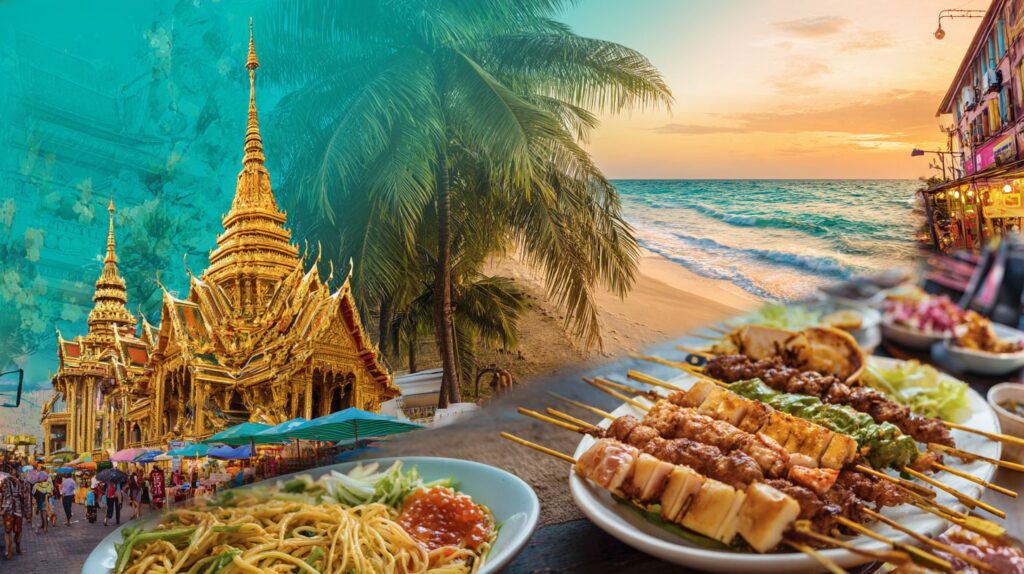
Patong Beach in Phuket extends for 3 kilometers along pristine white sands, providing an ideal setting for sunbathing and spa treatments. Beachfront massage services are available starting at 300 THB (approximately $9), while nearby accommodations such as Samsara Villas or Villa Rom Trai offer private pools and private chef services from 5,000 THB per night.
For a comprehensive day of relaxation, adhere to the following structured itinerary.
- Begin by renting a sun lounger and umbrella from authorized beach vendors for 100 THB per day to reserve your preferred location-arrive early during peak season to ensure availability.
- Subsequently, arrange a one-hour Thai massage at a beachside facility through your hotel concierge, which provides targeted pressure-point therapy for therapeutic benefits.
- For midday dining, select fresh seafood pad Thai from seaside vendors (150 THB), utilizing mobile applications such as Grab to facilitate seamless ordering.
- Conclude the day with an evening walk to the lively entertainment district of Bangla Road.
Additionally, consider visiting the Big Buddha for panoramic views of the island.
Exercise caution regarding jet ski operators to avoid potential scams; always confirm the validity of their licenses. According to Tourism Authority of Thailand (TAT) data from 2023, 80% of Phuket’s 10 million annual visitors are drawn to Patong, underscoring its appeal as a destination for cost-effective rejuvenation.
5. Island-Hop to Koh Phi Phi
Koh Phi Phi is accessible from Phuket or Krabi via organized speedboat or catamaran private tours, priced at approximately 1,500 THB (or $45 USD), inclusive of lunch. The archipelago is distinguished by Maya Bay’s pristine turquoise lagoons, which offer exceptional opportunities for snorkeling amid vibrant coral formations, diverse marine life, and dramatic limestone cliffs.
To arrange a memorable day trip, adhere to the following structured itinerary:
- Secure a speedboat tour reservation in advance through established operators, such as Phi Phi Island Tours. Departures typically occur from Phuket’s Rassada Pier between 7:00 and 8:00 AM, with a transit duration of 45 to 60 minutes.
- Participate in snorkeling at Maya Bay’s outer reefs (equipment provided; duration: 30 to 45 minutes; observe species including parrotfish and anemones-strictly avoid contact with coral, in compliance with Thailand’s National Park regulations).
- Navigate Pileh Lagoon by kayak (duration: 20 minutes; the serene waters are particularly suitable for novice participants).
- Enjoy a period of relaxation on the pristine white sands of Bamboo Bay, complemented by a luncheon of fresh seafood buffet. The return voyage is scheduled for 5:00 PM.
Additional considerations include:
- The application of reef-safe sunscreen is recommended; landings at Maya Bay have been prohibited since the 2018 rehabilitation initiative undertaken by the Hat Nopparat Thara-Mu Ko Phi Phi National Park to safeguard the local ecosystems (as stipulated in Gazette Notification 2018).
- Total estimated cost: 1,500 to 2,000 THB per person.
6. Rock Climb at Railay Beach
Railay Beach in Krabi Province is renowned as a premier destination for rock climbing, boasting over 700 routes on its dramatic limestone karsts. Introductory half-day sessions for beginners are offered at 1,200 THB (approximately $36 USD), inclusive of all essential gear and guidance from instructors certified by the Thai Mountaineering Association.
To initiate your climbing experience, adhere to the following structured process:
- Travel by long-tail boat from Ao Nang Beach (100 THB, approximately 15 minutes) to access Railay Beach.
- Select a route suitable for novices, such as Muay Thai Wall (30 meters in length, with a difficulty rating of 1-2).
- Engage in a guided session featuring a thorough safety briefing (total duration: 2 hours).
- Conclude with a refreshing swim at the beach.
The full experience generally spans about 4 hours and is optimally undertaken during the dry season (November to April). Participants are strongly advised to secure climbing insurance beforehand; Allianz coverage is available for $20 USD.
According to data from the Hot Rock Climbing School, first-time participants achieve a 90% success rate, enhancing their confidence through expert professional instruction.
7. Savor Street Food in Bangkok’s Chinatown
Yaowarat Road in Bangkok’s Chinatown is renowned for its vibrant array of Michelin-recognized street food stalls, where pad thai is available for 60 THB (approximately $1.80). This culinary hub attracts discerning food enthusiasts participating in guided tours that feature samplings of 10 distinct dishes across a 3-kilometer route.
To experience this, reservations are recommended for a private tour offered by Eating Thai Food Adventures, priced at 1,000 THB per person and commencing at 6:00 PM from the MRT Wat Mangkon station. The three-hour itinerary involves a 3-kilometer walk, during which participants sample
- kuay teow noodle soup (50 THB at Nai Ek)
- mango sticky rice (40 THB at May Chee)
- crispy oyster omelet (80 THB at T&K Seafood)
Practical recommendations include joining queues frequented by local residents to ensure authenticity and avoiding ice in beverages to prevent gastrointestinal discomfort. The 2023 Michelin Guide highlights seven Bib Gourmand-designated stalls in the area, while guidelines from the Bangkok Health Department emphasize the importance of handwashing prior to consumption to maintain hygiene during street food dining.
8. Dine at Chiang Mai Night Bazaar
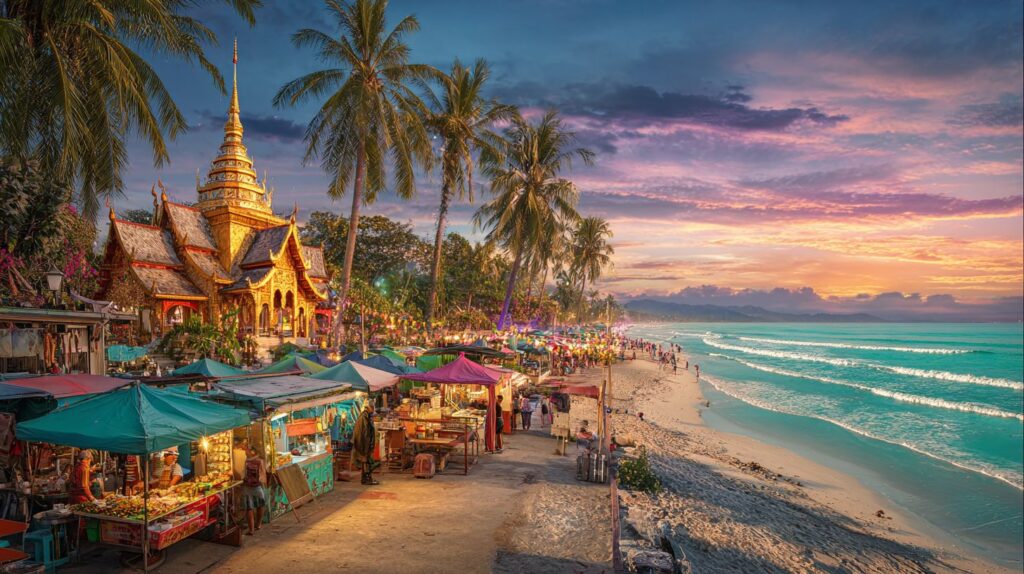
Chiang Mai’s Night Bazaar, situated along Chang Klan Road, encompasses more than 1,000 stalls offering northern Thai specialties, including khao soi curry priced at 80 THB (approximately $2.40). The market is most effectively navigated via tuk-tuk, with rides between sections costing 50 THB.
- To fully explore the bazaar, arrive by songthaew (a shared truck, 20 THB from the old city) around 7 PM to experience peak activity.
- Commence with khao soi vendors near the entrance, then proceed to adjacent sections for sai ua grilled pork sausages (60 THB) and mango sticky rice (50 THB).
- Negotiate prices for souvenirs, such as hill tribe textiles, to secure discounts of 20-30%.
- Allocate 2-3 hours for the visit; mid-week attendance minimizes crowds.
- A common pitfall is overeating; budget approximately 300 THB for meals.
A 2022 study conducted by Chiang Mai University emphasizes the bazaar’s substantial economic impact, attracting 50,000 daily visitors and providing vital support to local artisans.
9. Try Authentic Pad Thai from Vendors
Authentic pad Thai, consisting of stir-fried rice noodles with shrimp and tamarind, is best experienced at reputable vendors such as Thipsamai in Bangkok, where a 100g serving is available for 70 THB (approximately $2). These establishments utilize fresh ingredients, distinguishing them from the lower-quality offerings at tourist-oriented locations.
To identify and enjoy the highest-quality pad Thai, adhere to the following guidelines:
- Seek out vendors with long queues in areas such as Bangkok’s Sukhumvit district or Chiang Mai’s Sunday Market, as bustling crowds are indicative of fresh preparations.
- Request “pad Thai goong sod” (the version featuring fresh prawns) and explicitly specify no monosodium glutamate (MSG) to ensure authenticity; the dish is typically wok-fried and ready in under five minutes.
- Complement the meal with som tam, a spicy papaya salad priced at around 50 THB, to achieve a well-balanced flavor profile.
- Utilize tuk-tuks to visit multiple locations efficiently, with total fares amounting to approximately 200 THB, allowing for flavor comparisons within an hour.
It is advisable to avoid pre-packaged varieties, which are frequently overly oily and of inferior quality. According to data from the Thai Nutrition Society, a standard serving provides 20g of protein, offering sustained energy for travelers without the adverse effects associated with versions from tourist establishments.
10. Sample Tom Yum at Floating Markets
The Damnoen Saduak Floating Market, located near Bangkok, offers visitors the opportunity to enjoy steaming bowls of tom yum goong soup-featuring spicy shrimp-for 100 THB per bowl, served directly from paddle boats.
This immersive two-hour experience requires an entry fee of 200 THB, in addition to transportation costs.
To reach the market, travelers may take a 1.5-hour bus from Bangkok’s Southern Bus Terminal for 80 THB, with departures recommended in the early morning. Upon arrival, participants can embark on a guided rowboat tour, priced at 150 THB per hour, which navigates through the waterways lined with vendor boats displaying an array of fresh fruits and handmade crafts.
During the tour, guests are encouraged to sample local delicacies such as fresh mango sticky rice for 50 THB or grilled satay skewers for 40 THB per stick while observing the paddlers at work.
For dessert, coconut ice cream served in a young coconut is available for 30 THB.
Visits are advisable on weekdays to minimize crowds, with the total duration typically spanning 3 to 4 hours.
It is recommended to refrain from aggressive haggling; a tip of 20 THB is appreciated to foster positive interactions.
According to the Ratchaburi Province Tourism Board, the market originated in the 1920s and attracts approximately 1.5 million visitors each year.
Learn more, Top 14 Things to Do & See inThailand.
Frequently Asked Questions
What are the top temples included in the Top 10 Things to Do in Thailand: Temples, Beaches & Street Food?
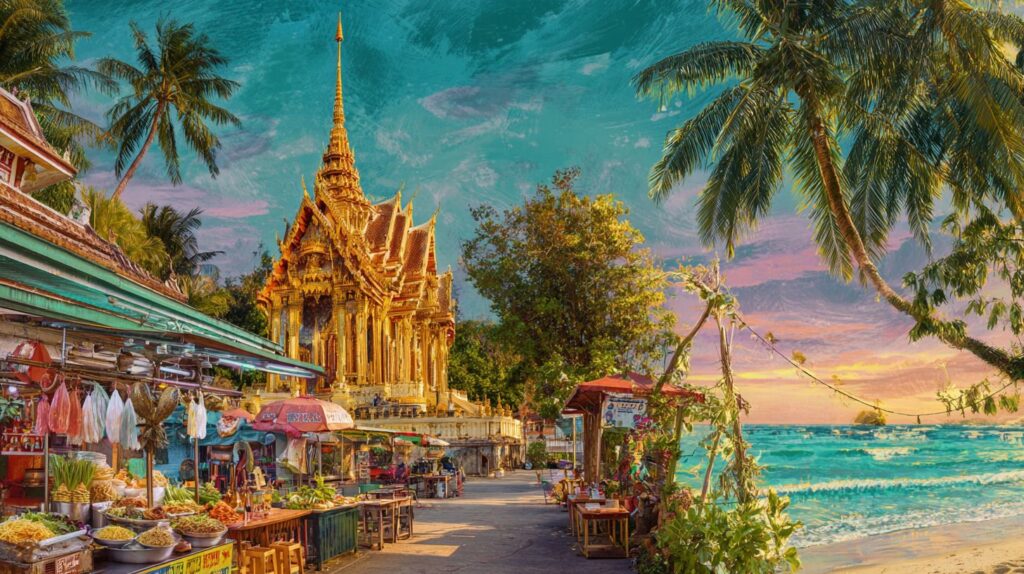
In the Top 10 Things to Do in Thailand: Temples, Beaches & Street Food, iconic temples like the Grand Palace housing Wat Phra Kaew in Bangkok (home to the Emerald Buddha) and Wat Arun along the Chao Phraya River with its stunning riverside architecture are must-visits. Don’t miss Wat Pho, famous for the reclining Buddha, offering a blend of history, spirituality, and intricate designs that highlight Thailand’s rich cultural heritage.
Which beaches rank high in the Top 10 Things to Do in Thailand: Temples, Beaches & Street Food?
The Top 10 Things to Do in Thailand: Temples, Beaches & Street Food features pristine beaches such as Railay Beach in Krabi for rock climbing and turquoise waters, Patong Beach in Phuket for vibrant nightlife and water sports, the Big Buddha for panoramic views, and James Bond Island for adventurous boat trips. Maya Bay on Phi Phi Islands, known from the movie ‘The Beach,’ provides serene snorkeling spots amid dramatic limestone cliffs.
What street food experiences are part of the Top 10 Things to Do in Thailand: Temples, Beaches & Street Food?
Exploring street food is a highlight in the Top 10 Things to Do in Thailand: Temples, Beaches & Street Food, with bustling markets like Chatuchak in Bangkok and the unique Maeklong Railway Market offering pad Thai, mango sticky rice, and som tam (papaya salad). Night markets in Chiang Mai serve spicy skewers and fresh seafood, giving an authentic taste of Thai food at affordable prices.
How can I plan my itinerary around the Top 10 Things to Do in Thailand: Temples, Beaches & Street Food?
To plan around the Top 10 Things to Do in Thailand: Temples, Beaches & Street Food, begin with historical sites in Ayutthaya, then Bangkok for temples, head north to Chiang Mai and Chiang Rai to visit the stunning White Temple and the laid-back town of Pai, proceed south to explore beaches in Krabi, Phuket, Koh Samui, and the lush Khao Sok and Khao Sok National Park, where you can join ethical tours at Elephant Hills. Consider staying at boutique options like Samsara Villas in Phuket or Villa Rom Trai in Koh Samui. Allocate 10-14 days, using domestic flights or trains for efficient travel, and book accommodations near key sites for an immersive experience.
What is the best time of year for the Top 10 Things to Do in Thailand: Temples, Beaches & Street Food?
The ideal time for the Top 10 Things to Do in Thailand: Temples, Beaches & Street Food is during the cool, dry season from November to February, when temples are less humid, beaches are perfect for swimming, and street food scenes are lively without heavy rains. Avoid the monsoon peak from June to October for smoother adventures.
Are there any tips for first-timers enjoying the Top 10 Things to Do in Thailand: Temples, Beaches & Street Food?
For first-timers tackling the Top 10 Things to Do in Thailand: Temples, Beaches & Street Food, dress modestly for temple visits (cover shoulders and knees), apply sunscreen and stay hydrated at beaches, indulge in a relaxing Thai massage, capture memories with a Flytographer session, and try street food from busy stalls for freshness. Learn basic Thai phrases, use ride-hailing apps for transport, and respect local customs to enhance your journey.