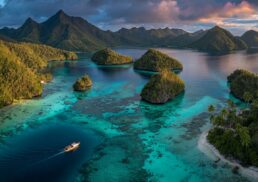
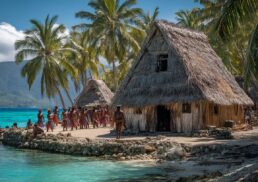
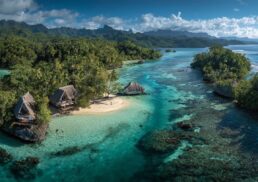
Why the Caribbean Is Still the Ultimate Tropical Getaway Escape to paradise where endless sunshine kisses swaying palm trees and turquoise waters sparkle along the Caribbean Sea. Imagine Jamaica’s iconic Seven Mile Beach, a pristine stretch perfect for tropical vacations like your next one. This guide uncovers the region’s stunning natural beauty, vibrant culture, and diverse adventures-revealing why a Caribbean getaway delivers unmatched relaxation and discovery year-round.
The best time to visit Jamaica is during the dry season from December to April, the peak season ideal for beach lovers. The off-peak advantages from May to November include fewer crowds and great deals.
Table of Contents
Key Takeaways:
- The Caribbean’s pristine beaches, turquoise waters, and lush biodiversity offer unmatched natural beauty, making it a paradise for relaxation and exploration.
- Rich cultural heritage, from colonial architecture to vibrant traditions, combined with fresh seafood and fusion cuisine, creates an immersive and flavorful experience.
- With seamless accessibility, affordable luxury, diverse adventures like snorkeling, and year-round sustainability efforts, the Caribbean remains an ideal tropical escape.
Destinations like the Maldives, Palawan Philippines, Moorea French Polynesia, and the Hawaiian Islands offer tropical allure, but Jamaica’s cultural richness and unforgettable adventures set it apart.
Stunning Natural Beauty
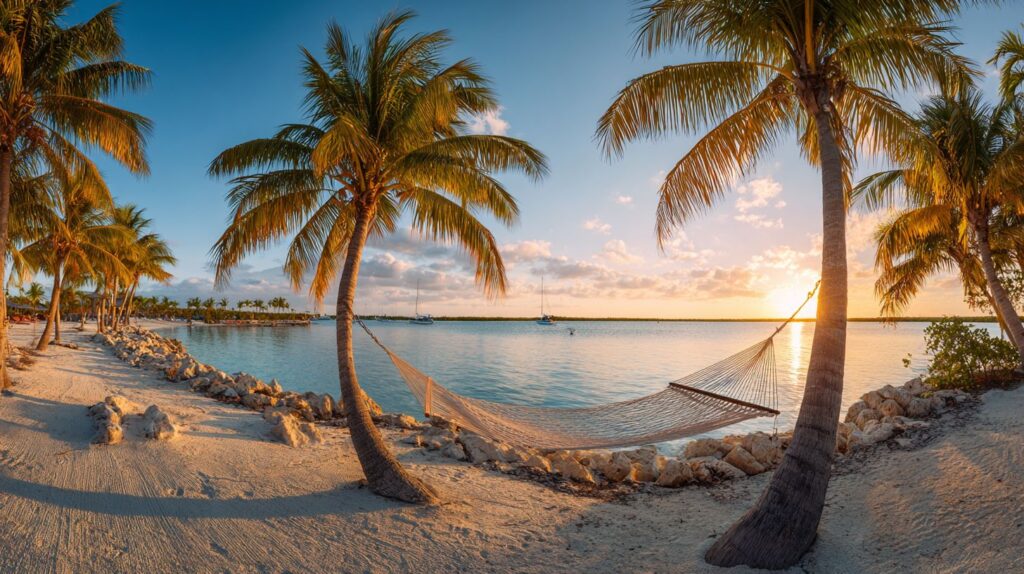
The natural beauty of Jamaica is renowned for its captivating allure, encompassing more than 900 miles of coastline adorned with turquoise waters and palm-fringed shores. This scenic splendor attracts 4.3 million visitors annually, as reported by the Jamaica Tourist Board.
Pristine Beaches and Turquoise Waters
Jamaica’s stunning beaches, renowned for their allure, including Negril’s Seven Mile Beach-which extends seven miles of powdery white sand-attract visitors seeking pristine coastal experiences, featuring crystal-clear turquoise waters that maintain an average temperature of 80 degreesF year-round.
For a comparative analysis of premier locations, the following overview is based on data from TripAdvisor:
| Beach Name | Location | Key Features | Best Activities | Visitor Ratings |
|---|---|---|---|---|
| Seven Mile Beach | Negril | Cliff jumping/sunset views | Swimming/sunbathing | 4.5/5 |
| Doctor’s Cave Beach | Montego Bay | Mineral springs/healing waters | Snorkeling/relaxation | 4.0/5 |
| Frenchman’s Cove | Port Antonio | River-meets-sea lagoon | Picnicking/swimming | 4.7/5 |
| Boston Bay | Portland | Unspoiled sands | Surfing | 4.2/5 |
Follow the Tryall guide for nearby luxury options near Negril. To optimize one’s visit, it is recommended to apply reef-safe sunscreen to preserve marine ecosystems, reserve catamaran cruises (priced at $50-$100 per person) for access to secluded coves through established operators such as Cool Runnings, and arrive before 9:00 a.m. to circumvent crowds and ensure parking availability.
Lush Landscapes and Biodiversity
Jamaica’s lush mountains and verdant landscapes, encompassing the Blue Mountains that ascend to an elevation of 7,402 feet, support more than 3,000 plant species and a wide array of wildlife, as evidenced by a 2020 study conducted by the University of the West Indies.
To investigate this rich biodiversity, adhere to the following recommended procedures:
- Undertake hikes along the Blue Mountains trails (duration: 2-4 hours; guided tour fee: $20 through Jamaica National Parks). Begin at 6:00 AM to mitigate physical exertion and to observe endemic ferns as well as avian species such as the streamertail hummingbird.
- Ascend Dunn’s River Falls in Ocho Rios (duration: 1-2 hours; entry fee: $25). Equip yourself with water-resistant footwear to prevent slippage, while noting the presence of riverine orchids and various fish species.
- Explore Fern Gully to examine its fern canopies (accessible via a 30-minute drive from Ocho Rios; complimentary roadside viewing areas). In this environment, one may identify over 100 varieties of ferns beneath the canopy of ancient trees.
A prevalent error involves disregarding the potential for altitude sickness in mountainous areas; the advised countermeasure is to ensure adequate hydration, for instance, by consuming coconut water. The economic benefits of eco-tourism are substantial, with guided hikes contributing approximately $10 million annually to local communities, according to data from the Jamaica Tourist Board.
Rich Cultural Heritage
Jamaica possesses a rich cultural heritage, profoundly shaped by African, European, and indigenous influences. This heritage is vividly celebrated through prominent festivals such as Reggae Sumfest, which annually attracts approximately 30,000 attendees and contributes $50 million to the national economy, according to a 2019 report by the Caribbean Tourism Organization.
Colonial History and Architecture
Jamaica’s colonial history is preserved through exemplary Georgian-style architecture, including the Rose Hall Great House in Montego Bay, constructed in 1770 and attracting over 100,000 visitors annually, as documented in historical site records.
Additional significant historical sites encompass the following:
- Port Royal ruins in Kingston, offering a self-guided two-hour tour for an entry fee of $10; this experience is enhanced by pairing it with the Pirate History audio application available on iTunes for deeper contextual immersion.
- Devon House in Kingston, a mansion from the 1890s, featuring a $15 guided tour that includes rum tasting.
- Spanish Town Cathedral, the oldest Anglican cathedral in the region, with a one-hour tour available for $10 through the Jamaica National Heritage Trust.
- Falmouth Historic District, which provides a complimentary self-guided walking tour supported by the Jamaica National Heritage Trust (JNHT) application for navigational maps.
To mitigate the risks associated with heat exposure, it is advisable to schedule visits during the early morning hours, between 8:00 and 10:00 AM, while utilizing hydration packs.
Following restorations completed after 2018, these sites have contributed to a 15% increase in cultural tourism, according to the UNESCO 2020 report on Caribbean heritage.
Vibrant Local Traditions
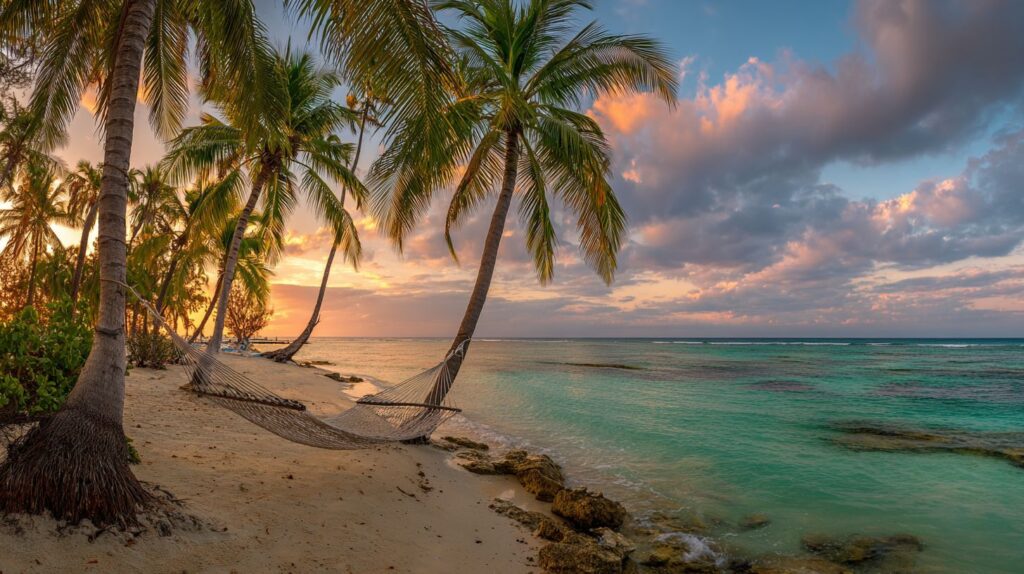
Jamaica, birthplace reggae, as the birthplace of reggae music, pays tribute to legendary figures such as Bob Marley through the Bob Marley Museum in Kingston. This institution houses more than 3,000 artifacts and draws approximately 50,000 visitors annually.
To fully engage with these cultural traditions, it is recommended to adhere to the following best practices:
- Visit the Bob Marley Museum and reserve a guided tour for $20 in advance through the official website. Scheduling the visit on a weekday will help avoid long queues and allow for a more contemplative experience.
- Attend Reggae Sumfest in July, held in Montego Bay, with a three-day pass available for $100. Arriving early is advisable to secure VIP seating during the live performances.
- Participate in Jamaica Carnival in April, based in Kingston, where free viewing of the parades is offered from the streets. It is essential to wear comfortable footwear, as the events may involve walking distances of 5 to 7 kilometers.
Participants in these festivals frequently realize a strong return on investment, as evidenced by a 20% increase in spending on local crafts, according to a study by Tourism Economics. This enhanced expenditure further promotes cultural immersion and economic contribution.
Diverse Adventure and Relaxation Options
Jamaica provides unforgettable adventures through a diverse range of adventurous experiences, including ATV rides and horseback riding, spanning from exhilarating ziplining forests through lush rainforests to serene relaxation at all-inclusive resorts in Montego Bay Negril. According to the 2022 World Travel & Tourism Council report, adventure tourism in the country is experiencing robust annual growth of 25%.
Water Sports and Snorkeling
Jamaica’s turquoise waters are home to a diverse array of marine life, including snorkeling destinations such as Montego Bay Marine Park, which boasts over 100 species of coral and offers half-day tours for $40.
To fully experience these waters, adhere to the following numbered steps for engaging in premier water sports activities.
- Reserve a snorkelling scuba excursion at Doctor’s Cave Beach, where a one-hour session is available for $50 through PADI-certified operators; consult the Windy app to verify weather conditions for the best experience.
- Participate in parasailing in Negril, offering a 15-minute flight for $80 (with a weight limit of 250 pounds); schedule for 10 a.m. to benefit from calmer winds.
- Set out on a catamaran cruise departing from Montego Bay, a three-hour journey priced at $90 and inclusive of lunch; opt for non-peak afternoon times to minimize encounters with crowds.
- Raft down the Martha Brae River on a traditional bamboo raft, a peaceful one-hour adventure for about $65.
Frequent errors involve forgoing buoyancy vests; these can be rented for $10 to ensure safety. According to a study by the Reef Environmental Education Foundation, 80% of visitors report high satisfaction with these pursuits.
Exquisite Culinary Scene
The culinary landscape of Jamaica is distinguished by its integration of vibrant and bold flavors. Jerk chicken, a cooking technique recognized by UNESCO, exemplifies this tradition and is available from informal roadside vendors to upscale dining venues.
This dynamic food culture plays a pivotal role in sustaining Jamaica’s food tourism sector, which was valued at $1.2 billion according to 2021 data from the Jamaica Hotel and Tourist Association.
Fresh Seafood and Fusion Flavors
Fresh seafood is prominently featured in dishes such as grilled snapper and ackee saltfish (or Ackee and Saltfish) at Norma’s Restaurant in Kingston, complemented by fusion elements like curried goat infused with Scotch bonnet peppers to provide a distinctive spicy flavor, often enjoyed with a Red Stripe Beer or red stripe beer.
To delve deeper into Jamaican cuisine, consider the following five essential dishes, along with recommendations for sourcing:
- Ackee and Saltfish, recognized as the national dish (available for $10 at Scotchies; procure fresh ackee from local markets to maintain authenticity).
- Jerk Chicken, originating from Boston Bay ($15 per plate; prepare by marinating overnight with pimento wood for optimal flavor).
- Curried Goat, available from street vendors in Montego Bay ($12; serve alongside festival bread and rum for an authentic pairing).
- Lobster Thermidor, a fusion offering at resorts along Seven Mile Beach in Negril ($30; best enjoyed during the peak season from June to August for maximum freshness).
- Red Stripe Beer flights ($5; participate in a guided brew tour in Kingston, near the Bob Marley Museum, for an immersive experience).
Seafood selections offer notable health benefits, including omega-3 fatty acids, which, according to a Harvard study, can reduce the risk of heart disease by 36%. Opting for a self-guided food tour can yield savings of 30% compared to traditional restaurant dining, resulting in a $50 return on investment for a $150 itinerary focused on street food and local markets.
Seamless Accessibility and Travel
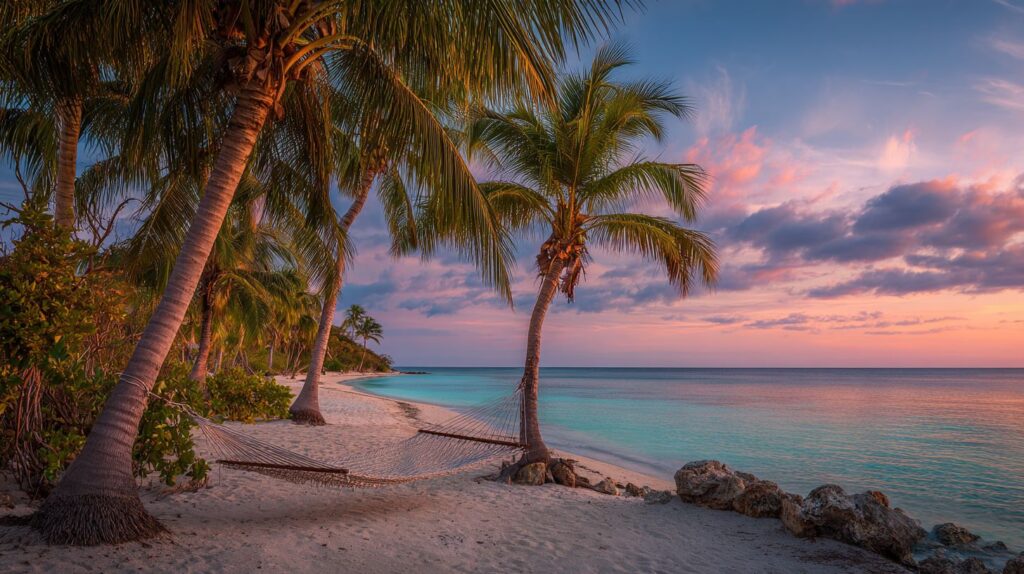
Jamaica offers convenient access for travelers through direct flights to Sangster International Airport in Montego Bay, near Doctor’s Cave Beach, from more than 20 cities across the United States. These flights typically last an average of three hours, with round-trip fares starting as low as $200 on Southwest Airlines.
Effective trip planning begins with careful consideration of timing:
- Select the dry season (December to April) for consistent sunny weather, although accommodation rates during this peak period can reach $300 per night-reservations should be made six months in advance via platforms such as Expedia.
- Consider the off-peak season (May to November) for up to 40% discounts on hotel stays, while monitoring potential hurricane activity through resources like AccuWeather.
- Arrange reliable ground transportation options, such as a $25 taxi ride to Negril or a $5 JUTC bus service.
To manage airport congestion efficiently, arrive at least three hours prior to departure. Following U.S. State Department advisories (Level 1: Exercise normal precautions), travelers should adhere to established tourist routes, such as the A1 highway, and avoid the outskirts of Kingston for safety.
Affordable Luxury Experiences
Jamaica provides affordable luxury accommodations at all-inclusive resorts, such as Sandals in Montego Bay, with rates beginning at $250 per night. According to a 2023 TripAdvisor cost analysis, these options deliver 30% greater value compared to equivalent resorts in the Maldives.
| Resort | Location | Price per Night | Amenities | Comparison to Competitors |
|---|---|---|---|---|
| Sandals Montego Bay | Montego Bay | $250 | Unlimited dining and spa services, beachfront access | 40% less expensive than equivalents in the Maldives starting at $400 or more |
| Couples Negril | Negril | $220 | Couples-only experiences including yoga and ziplining | Offers superior value over Palawan’s $300 options with greater accessibility |
| Half Moon | Montego Bay | $300 | Golf and equestrian facilities | Provides better value than Moorea’s $350 overwater bungalows |
In terms of return on investment, a seven-day stay at these Jamaican resorts can yield savings of up to $1,000 compared to average nightly rates exceeding $500 in the Hawaiian Islands, as reported in Expedia’s 2024 data. A practical recommendation is to reserve day passes through ResortPass for $100, enabling guests to evaluate resorts without a full commitment and thereby optimizing value for shorter itineraries.
Year-Round Appeal and Sustainability
Jamaica maintains a compelling year-round allure, characterized by an average temperature of 82 degreesF, complemented by robust sustainable initiatives such as the reforestation efforts in the Blue Mountains National Park. According to reports from the Forestry Department, this program has successfully planted one million trees since 2015.
The dry season, spanning December to April, draws approximately 70% of visitors, drawn to peak events and optimal weather conditions.
In contrast, the off-peak period from May to November offers 50% fewer crowds, along with advantages such as reduced flight costs-averaging $150 compared to $300 during high season. Relative to destinations like Hawaii, Jamaica provides a notably lower carbon footprint, achieved through shorter flight distances that reduce emissions by up to 40% per passenger.
A 2022 study by the International Union for Conservation of Nature (IUCN) indicates that sustainable tourism practices in Jamaica have enhanced biodiversity by 20% through the preservation of protected habitats.
Explore nearby attractions like doctors cave beach for a relaxing day. To promote responsible travel, the following best practices are recommended:
- Reserve accommodations at eco-resorts such as GoldenEye, which utilizes solar power; consider supplementing your booking with a $20 donation to support ongoing conservation efforts.
- Plan a visit during Reggae Sumfest in July or ocho Rios excursions, where tickets are available for $100, allowing engagement with cultural events while minimizing peak-season impacts.
- Select low-impact activities, such as guided birdwatching tours, to reduce environmental strain and foster greater appreciation for Jamaica’s natural ecosystems.
Checkout The Ultimate List of Activities You Can Do in The Caribbean.
Frequently Asked Questions
Why the Caribbean Is Still the Ultimate Tropical Getaway?
The Caribbean remains the ultimate tropical getaway due to its pristine beaches, vibrant cultures, and endless adventure opportunities. With over 7,000 islands offering diverse experiences from luxury resorts to eco-tourism, it combines relaxation with excitement, making it a timeless paradise for travelers seeking sun, sea, and serenity.
What makes the beaches in the Caribbean so special for a tropical getaway?
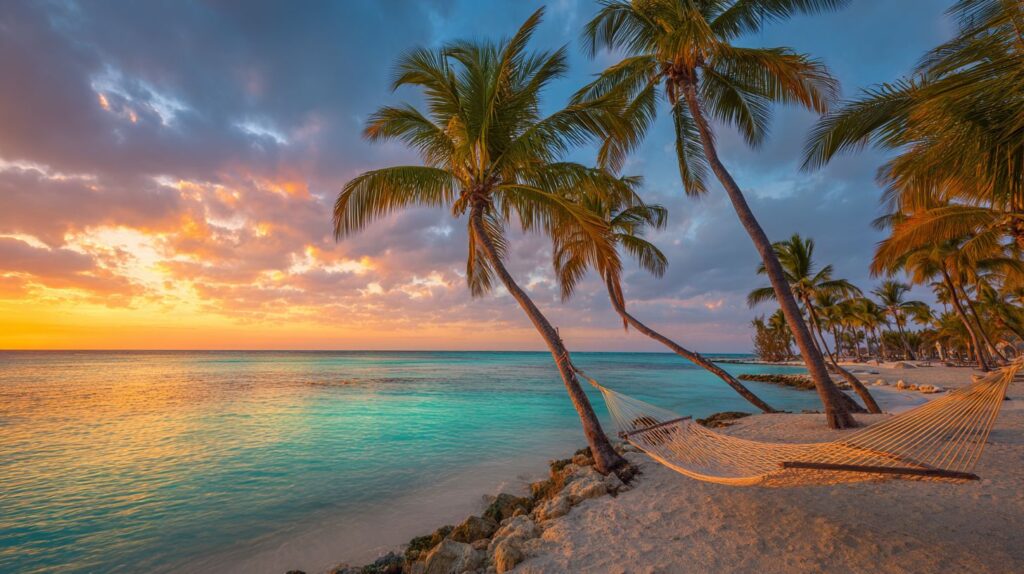
The beaches in the Caribbean are renowned for their powdery white sands, crystal-clear turquoise waters of the Caribbean Sea, and year-round warm weather, embodying why the Caribbean is still the ultimate tropical getaway. Iconic spots like those in Barbados or the Bahamas provide secluded coves and vibrant coral reefs, perfect for swimming, snorkeling, or simply unwinding under palm trees.
How does the Caribbean’s culture enhance its status as the ultimate tropical getaway?
The Caribbean’s rich cultural tapestry, blending African, European, and indigenous influences, adds depth to its appeal as the ultimate tropical getaway. From reggae rhythms inspired by Bob Marley in Jamaica to calypso festivals in Trinidad, visitors can immerse themselves in lively music, flavorful cuisine like jerk chicken, and colorful carnivals, creating memorable and authentic experiences.
What activities highlight why the Caribbean is still the ultimate tropical getaway?
Activities such as sailing through the Grenadines, hiking rainforests in Dominica, climbing Dunn’s River Falls in Ocho Rios, or diving in Belize’s Barrier Reef showcase why the Caribbean is still the ultimate tropical getaway. Whether you’re into water sports, eco-adventures like rafting the Martha Brae River, or exploring historic sites like Brimstone Hill Fortress, there’s something for every traveler, all set against breathtaking natural backdrops.
Is the Caribbean affordable as an ultimate tropical getaway?
Yes, the Caribbean offers options for every budget, from all-inclusive resorts in Punta Cana to boutique stays in Antigua, reinforcing why the Caribbean is still the ultimate tropical getaway. Off-season travel can mean significant savings on flights and accommodations, while local markets and street food keep dining costs low without sacrificing the luxurious tropical vibe.
How has the Caribbean maintained its allure as the ultimate tropical getaway over time?
Through sustainable tourism initiatives, preserved natural beauty, and evolving hospitality, the Caribbean has sustained its charm as the ultimate tropical getaway. Efforts to combat overtourism, like in the British Virgin Islands, ensure pristine environments, while modern amenities meet contemporary needs, keeping the region a top choice for relaxation and rejuvenation.