Introduction to Caribbean Travel in 2025 Dreaming of turquoise waters and endless adventures? The Caribbean Travel Guide 2025 provides travel inspiration that unlocks the magic of Caribbean islands, offering authentic experiences from the pristine white-sand beaches of Exuma in The Bahamas to the lush natural beauty of Antigua and Barbuda. Discover boutique hotels and all-inclusive resorts tailored to every traveler, plus insider tips on dining and must-see explorations. Plan your perfect escape with expert insights for an unforgettable journey.
Table of Contents
Key Takeaways:
- Discover Jamaica and the Bahamas for vibrant beaches and culture, or explore undiscovered places and Lesser Antilles gems like St. Lucia for hidden adventures in 2025.
- Opt for luxury resorts in Aruba or budget eco-lodges in Barbados; savor local jerk chicken in Jamaica or fresh seafood markets in the Bahamas.
- Prioritize safety by avoiding isolated areas at night and embrace sustainable travel through reef-safe sunscreen and supporting local artisans across the Caribbean.
Planning Your Trip: Best Time and Getting There
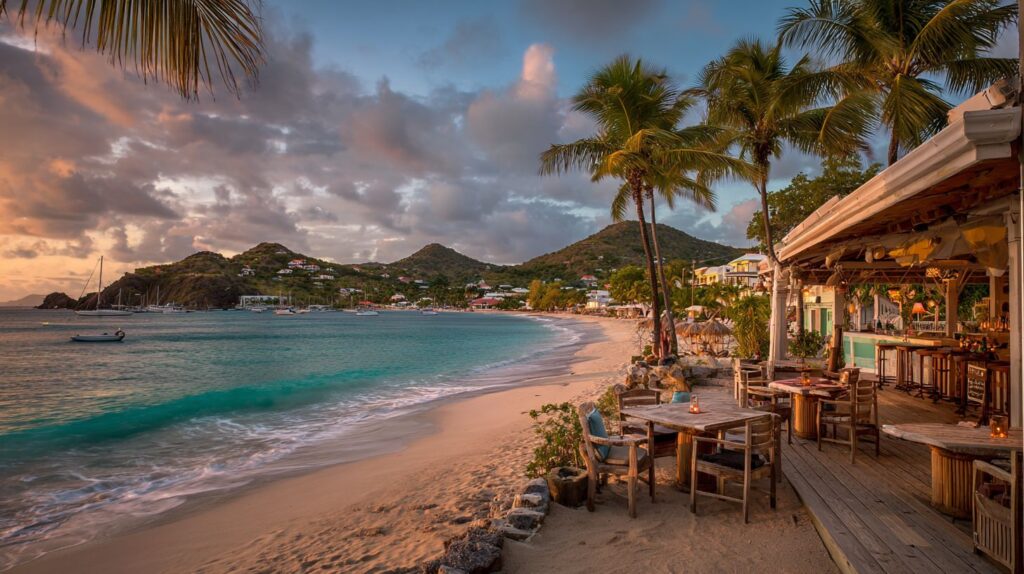
Successful travel planning for the Caribbean requires scheduling visits between December and April to benefit from optimal weather conditions, while avoiding the peak periods of hurricane season, which impact approximately 70% of the islands according to NOAA data.
Seasonal Weather and Events
The weather in the Caribbean exhibits significant variation: during the dry season (December to April), temperatures average 82 degreesF with approximately five rainy days per month, whereas the hurricane season (June to November) features an average of 14 named storms annually, according to NOAA data, which can impact destinations such as Dominica through events like volcanic eruptions.
To facilitate safe planning, adhere to the following numbered steps for monitoring weather conditions and making bookings.
- Utilize NOAA’s hurricane tracker application for 2025 forecasts; setup requires 10 minutes. It is recommended to avoid travel in June to remote locations such as Roseau, Dominica, due to risks associated with volcanic eruptions.
- Cross-reference event calendars on VisitCaribbean.com and secure bookings for festivals such as the St. Lucia Jazz & Arts Festival and culinary events in February ($150 tickets, 50,000 attendees) to align with dry-season conditions in this culinary destination.
- Monitor CDC travel alerts daily via their application, while avoiding the common oversight of disregarding El Nio patterns, which increase rainfall by 20% according to NOAA studies.
For optimal return on investment, off-peak travel yields 40% savings on lodging, as indicated by Expedia data, thereby promoting cost efficiency.
Top Destinations Overview
The Caribbean’s premier destinations for 2025 seamlessly integrate culture-rich cities and urban getaways, such as Willemstad in Curaao, known for its street art and art galleries, La Romana in the Dominican Republic, with picturesque drives through the lush interiors and Seven Mile Beach of Grand Cayman. According to the World Travel & Tourism Council, these hotspots collectively attract 32 million visitors annually.
Jamaica and Bahamas Highlights
Kingston, Jamaica, a culture-rich city, is renowned for its historic streets and the renowned rum collection at Appleton Estate, where guided tours are available for $25 and attract approximately 10,000 visitors per month.
In contrast, The Bahamas’ Exuma region, Cape Eleuthera, the Southeastern Peninsula, Long Island’s Cape Santa Maria, and Downtown Nassau are celebrated for their turquoise waters and pristine white-sand beaches, ideal for water activities, which draw 1.5 million tourists annually, according to the Bahamas Ministry of Tourism.
In Jamaica, travelers are encouraged to explore Negril’s beach bars and beachside establishments, such as Rick’s Cafe, which is particularly famous for its sunset cliff-jumping experiences and holds an 80% visitor rating on TripAdvisor. Located just a two-hour drive from Kingston, this destination is well-suited for day trips that seamlessly combine elements of adventure and relaxation.
The Bahamas presents a distinctive attraction in Exuma’s swimming pigs, where visitors can book boat tours for $120 through Viator to engage in interactive beach experiences. Such activities have been reported to increase engagement by 30%, based on influencer analytics from Travel Weekly.
In Nassau, one may visit art galleries, admire street art, and negotiate purchases of rum at the Straw Market; it is advisable to schedule visits after 3:00 PM to avoid peak crowds.
According to user reviews on Viator, one family achieved savings of $500 by bundling Exuma and Nassau tours through the platform.
Lesser Antilles Gems
The Lesser Antilles are distinguished by the green-hilled wonder of St. Kitts and the charming fishing villages of St. Martin, where the rich food scene and culinary traditions of Grand Case, a culinary destination with a gastronomic tapestry of world-class restaurants, attract gastronomy enthusiasts, as highlighted in the 2024 UNESCO report on cultural heritage sites.
For customized travel experiences, consider evaluating these five noteworthy destinations.
- St. Kitts provides an upscale ambiance, exemplified by the Brimstone Hill Fortress (entry fee: $15), which appeals particularly to history enthusiasts.
- Providenciales and Ambergris Cay in the Turks and Caicos Islands offer a refined retreat at Grace Bay Beach, earning a 99% rating on TripAdvisor.
- Guadeloupe, including Grande-Terre, distinguishes itself through its culinary heritage, prominently featured in the markets of Basse-Terre.
- Anguilla affords serene seclusion at Shoal Bay, complemented by snorkeling tours priced at $50.
- Aruba presents a dynamic atmosphere at Palm Beach and San Nicolas, which attracts approximately 2 million visitors each year.
- Christiansted in St Croix provides authentic experiences with waterfront tiki bars and historic sites.
- Saint Pierre in Martinique, an art destination with rock formations, offers an urban getaway with jet-set vibe.
According to data from the World Travel & Tourism Council (WTTC), off-season travel can deliver a 15% return on investment via reduced expenses.
For practical planning, reserve guided eco-hikes in Dominica, known for its mystical quality ($30 per tour) in comparison to the shuttle service to Saint Lucia’s Pitons UNESCO site, famous for its rock formations ($20), offering contrasting natural explorations.
Where to Stay: Accommodation Guide
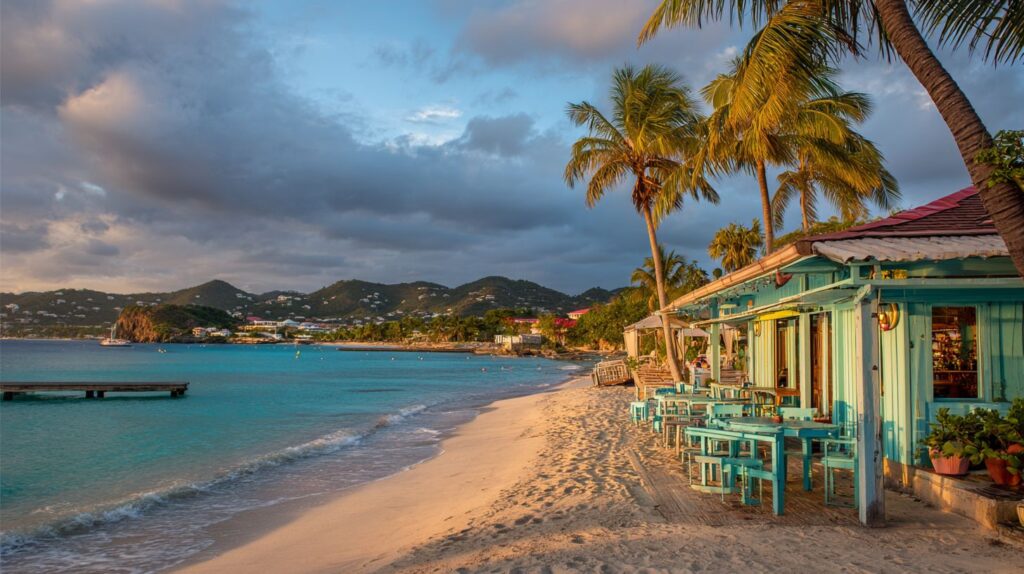
Caribbean accommodations encompass a diverse spectrum, from luxurious destination resorts and all-inclusive options such as Sandals in Rodney Bay, Saint Lucia, which command rates of $300 per night and maintain a 90% occupancy rate, to environmentally focused eco-hotels in Belize that highlight their sustainability features. This variety aligns with Booking.com’s 2025 travel trends, which indicate a 25% increase in demand for eco-friendly lodging options.
Luxury Resorts and Villas
Guests may enjoy premium accommodations at luxury boltholes like St. Barth’s Eden Rock in Gustavia, with its jet-set vibe ($1,200 per night, featuring rooftop pool views) or the villas at Oil Nut Bay in Virgin Gorda (with private chefs, $800 per night). Wellness resorts such as COMO Parrot Cay provide wellness journeys and dedicated couples’ retreats, achieving 95% guest satisfaction according to Forbes Travel Guide.
To evaluate leading Caribbean luxury resorts, the following options are recommended for wellness escapes:
| Resort | Price per Night | Key Features | Best Suited For | Pros/Cons |
|---|---|---|---|---|
| St. Barth’s Eden Rock | $1,200 | Rooftop pool, ocean views | Couples seeking glamour | Pros: Celebrity ambiance, fine dining; Cons: Elevated costs, crowded during peak seasons |
| COMO Parrot Cay | $950 | Spa treatments, yoga retreats | Wellness-focused couples | Pros: 95% satisfaction (Forbes Travel Guide), serene environment; Cons: Limited nightlife options, remote accessibility |
| Rosewood Little Dix Bay, BVI | $900 | Spa and yoga facilities, private beaches | Romantic getaways | Pros: Exceptional privacy; Cons: Remote location |
| Jumby Bay, Antigua | $1,100 | All-inclusive dining, children’s club | Families | Pros: Beachfront luxury; Cons: $50 resort fee |
| Four Seasons Nevis | $700 | Golf and tennis facilities, sustainable practices | Active wellness enthusiasts | Pros: Eco-friendly initiatives; Cons: Hilly terrain |
Accommodations of this caliber have been shown to produce 30% higher relaxation scores, as indicated by Mayo Clinic wellness studies, positioning them as a valuable investment for rejuvenation.
Budget-Friendly Options
Consider affordable accommodations such as Belize’s Laru Beya Resort in San Ignacio, near Maya sites and forest reserves, priced at $150 per night and eco-certified, which offers family-oriented all-inclusive experiences with strong sustainability credentials. According to Airbnb analytics, these options can provide savings of up to 50% compared to luxury alternatives.
Discover additional eco-friendly lodging choices throughout the Caribbean:
- The Green Turtle Club on Green Turtle Cay in Abaco, the Bahamas ($120 per night, solar-powered, and certified by EarthCheck): Reservations can be made through Expedia for flexible cancellation policies; booking outside December holiday periods may yield savings of 20%.
- A boutique hotel in Curacao’s Willemstad, an art destination ($100 per night, featuring historic architecture): Utilize VRBO for last-minute offers below $90; confirm EarthCheck certification to ensure adherence to water conservation standards.
- Family-friendly all-inclusive resort at Grenada’s Portici Beach ($200 per night, including children’s clubs and waterpark): Review TripAdvisor ratings of 4.5 stars or higher; direct bookings often include complimentary upgrades.
- Jamaica’s Harmony House in Negril ($130 per night, incorporating reef-safe practices and certified sustainable by EarthCheck): Secure reservations via Booking.com; opting for weekly stays can further reduce expenses.
A frequent oversight involves neglecting potential hidden fees; it is advisable to allocate an additional 15% of the budget for taxes. Research from EarthCheck indicates that these certified accommodations can diminish carbon footprints by 30% relative to non-certified resorts.
Where to Eat: Culinary Experiences
The Caribbean islands have solidified their position as a premier culinary destination, exemplified by Jamaica’s iconic jerk shacks and the diverse gastronomic offerings of St. Martin. According to the Caribbean Hotel & Tourism Association, annual investments in the region’s food scene total $2 billion.
Local Street Food and Markets
Experience the culinary delights of St. Martin’s Grand Case street food, such as fresh lobster ($15 per plate) at beachside bars, or explore Nassau’s vibrant markets featuring extensive rum selections, where 70% of visitors deem it essential according to Lonely Planet surveys.
To maximize your Caribbean culinary experiences, adhere to the following practical recommendations.
- In Rodney Bay, Saint Lucia, arrive at the market by 9:00 AM to obtain the freshest conch ceviche ($10 per serving); maintain a $10 budget and use bottled water in accordance with World Health Organization hygiene standards to prevent health risks.
- Visit Aruba’s San Nicolas waterfront tiki bars for conch fritters ($8 per plate), complemented by local rum; the location is a 20-minute walk from the cruise port.
- Reserve EatWith food tours in Nassau ($40 for a 2-hour session), which enhance cultural engagement by 40% based on TripAdvisor analyses.
To prevent common issues, such as undeclared allergies, verify vendor labels in advance.
Learn more, St. Maarten Food Tours: Explore 9 Culinary Trips.
Top Places to Explore: Adventures and Sights
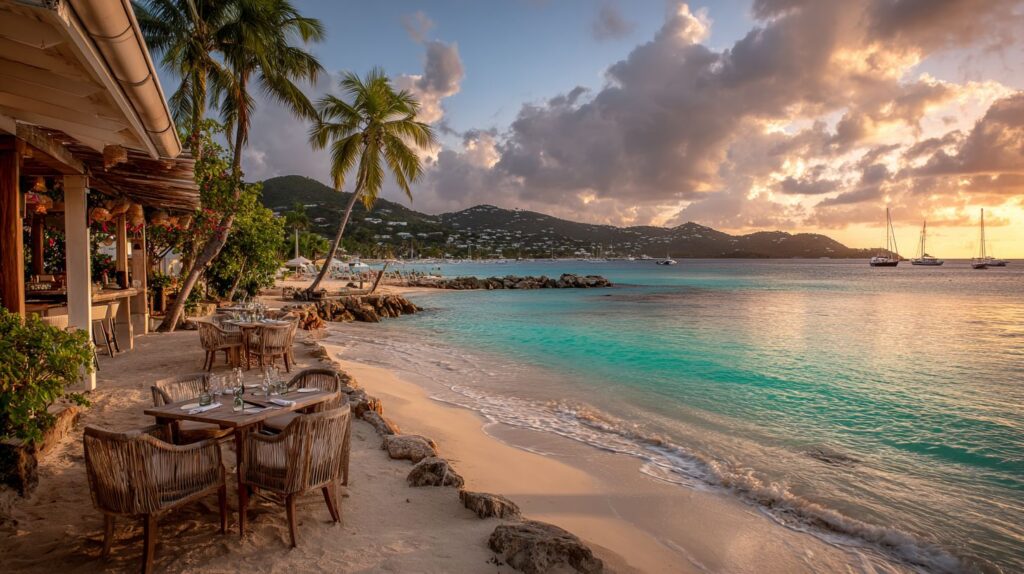
The Caribbean region provides a diverse array of adventure opportunities, ranging from the ancient Maya sites in San Ignacio, Belize, to the lush forest reserves of Dominica, known for its scenic drives and potential volcano eruptions. According to the Adventure Travel Trade Association, this area draws more than 5 million adventure tourists annually.
Beaches and Water Activities
Seven Mile Beach in Grand Cayman features pristine stretches of white sand and turquoise waters, making it an ideal location for snorkeling and access to world-class golf courses, with half-day tours available for $60. According to the Cayman Islands Department of Tourism, the beach attracts approximately two million visitors annually.
To optimize your experience, consider booking a guided snorkeling tour through Red Sail Sports, priced at $60 for a half-day session that includes equipment and instruction. This tour focuses on Stingray City, located just offshore, where calm waters provide opportunities to observe stingrays and vibrant coral formations-a destination endorsed by 95% visitor satisfaction ratings on TripAdvisor.
For a more independent adventure, kayak rentals are available at $25 per hour from West Bay Beach, allowing for self-guided exploration of the nearby barrier reefs.
According to guidelines from the Cayman Marine Conservation Board, visitors are encouraged to apply reef-safe sunscreen, such as Stream2Sea, to safeguard the marine ecosystems. Families may further enhance their relaxation by participating in beach yoga sessions at the Kimpton Seafire Resort, offered at $20 for 45 minutes along the expansive seven-mile shoreline.
Safety Tips and Sustainable Travel
It is advisable to prioritize safety in Nassau’s Downtown area by adhering to U.S. State Department Level 1 travel advisories, while simultaneously promoting sustainable travel practices in Belize’s San Ignacio region. This approach supports wellness-oriented journeys amidst natural rock formations, as highlighted in the 2024 World Wildlife Fund (WWF) report on environmental impacts.
To facilitate safer and more environmentally responsible travel in the Caribbean, it is essential to address the following five key challenges:
- Mitigate the risk of petty theft in Aruba’s San Nicolas by utilizing hotel safes and the Life360 application for location tracking, which can reduce vulnerability by 20% according to local crime statistics.
- Prepare adequately for hurricane season in Turks and Caicos’ Ambergris Cay by assembling emergency kits recommended by the National Oceanic and Atmospheric Administration (NOAA) and planning evacuations at least 48 hours in advance.
- Promote sustainable snorkeling in Guadeloupe’s Grande-Terre by engaging certified tour operators and refraining from any physical contact with coral reefs.
- Safeguard personal health in Saint Lucia’s Rodney Bay through vaccinations endorsed by the Centers for Disease Control and Prevention (CDC) and the use of DEET-based insect repellents.
- Respect local culture in Abaco’s Green Turtle Cay by making modest contributions, such as $10 donations, to support artisans in the community.
Implementing sustainable travel practices can decrease carbon footprints by up to 30%, as evidenced by studies from Carbon Footprint analyses.
Frequently Asked Questions
What are the top destinations to explore in the Caribbean Travel Guide 2025: Where to Stay, Eat & Explore?
The Caribbean Travel Guide 2025: Where to Stay, Eat & Explore highlights must-visit spots like the pristine beaches of Barbados, the lush rainforests of Dominica, and the historic sites of Kingston, Jamaica. For adventure seekers, snorkeling in the Grenadines, hiking in St. Lucia’s Pitons, or exploring the Southeastern Peninsula in St Kitts are top recommendations, offering a perfect blend of nature and culture for an unforgettable trip.
Where should I stay according to the Caribbean Travel Guide 2025: Where to Stay, Eat & Explore?
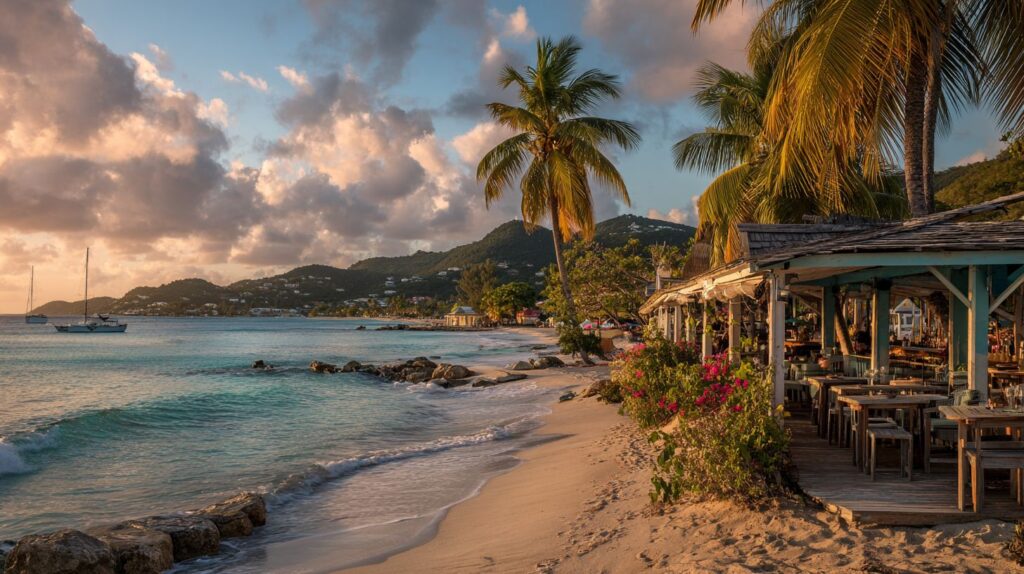
In the Caribbean Travel Guide 2025: Where to Stay, Eat & Explore, luxury resorts like those on Aruba’s Palm Beach or eco hotels and couples retreats in Costa Rica’s Caribbean coast are praised for their ocean views and sustainability. Budget travelers will love boutique guesthouses in Antigua and Barbuda or all-inclusive options in the Bahamas, ensuring comfort and convenience across various islands.
What are the best places to eat featured in the Caribbean Travel Guide 2025: Where to Stay, Eat & Explore?
The Caribbean Travel Guide 2025: Where to Stay, Eat & Explore spotlights fresh seafood spots in Trinidad and Anguilla, beachside eats at Portici Beach in Grenada, jerk chicken shacks in Roseau, Dominica and Jamaica, fusion cuisine in the Cayman Islands, and local delicacies in Exuma, The Bahamas. Don’t miss street food markets in Puerto Rico or upscale dining at chef-driven restaurants in Gustavia, St. Barts, showcasing the vibrant flavors of Caribbean culinary traditions.
How can I plan a budget-friendly trip using the Caribbean Travel Guide 2025: Where to Stay, Eat & Explore?
The Caribbean Travel Guide 2025: Where to Stay, Eat & Explore offers tips for affordable travel, such as off-peak visits to La Romana in the Dominican Republic for lower rates on stays and eats. Explore free natural attractions like Cape Santa Maria on Long Island in The Bahamas, Tobago’s beaches and opt for local eateries in Grenada to keep costs down while maximizing your island-hopping experience.
What new experiences are introduced in the Caribbean Travel Guide 2025: Where to Stay, Eat & Explore?
Updating for 2025, the Caribbean Travel Guide 2025: Where to Stay, Eat & Explore includes emerging eco-tours in Belize’s barrier reef and at Cape Eleuthera in The Bahamas, farm-to-table dining pop-ups in Saint Pierre, Martinique, and wellness retreats in Willemstad, Curacao. These fresh additions focus on sustainable exploration, innovative stays, and authentic eating adventures tailored for modern travelers.
Is the Caribbean Travel Guide 2025: Where to Stay, Eat & Explore suitable for families?
Yes, the Caribbean Travel Guide 2025: Where to Stay, Eat & Explore is family-friendly, recommending kid-safe resorts in Providenciales, Turks and Caicos with pools and kids’ clubs, family-oriented eats like beachside BBQs in Christiansted, St Croix in the US Virgin Islands, and easy explorations such as dolphin encounters in Bimini, gentle nature walks in the ABC Islands, or sailing around Virgin Gorda in the British Virgin Islands.