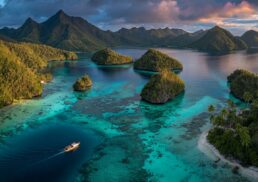
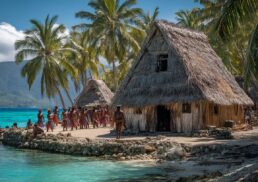
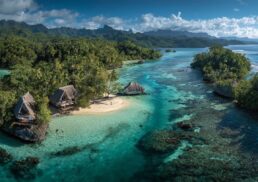
Introduction to Underwater Adventures in 2025 Imagine plunging into crystal-clear depths where marine wonders and abundant marine life await-scuba diving in 2025 promises unparalleled thrills. From the biodiverse Galapagos Islands and remote Raja Ampat to the hammerhead-rich Socorro Islands, explore vibrant barrier reefs teeming with life. This guide unveils the top 10 diving and water activities, drawing on PADI research for safe, expert tips to elevate your underwater escapades.
Table of Contents
Key Takeaways:
- Dive into 2025’s diverse underwater world, from vibrant coral reefs to polar ice caps in Antarctica, with cold water activities like ice diving and zodiac cruises across the drake passage to south georgia and falkland islands on expedition cruises, suited for beginners to experts, including sightings of polar bears.
- Thrill-seekers can embrace freediving, shark cage encounters, and bioluminescent night dives for adrenaline-pumping experiences in pristine marine environments, along with birdwatching and cultural experiences on pristine beaches.
- Prioritize safety with expert tips on gear, training, and eco-friendly practices to ensure memorable, responsible underwater adventures.
Top 10 Diving & Underwater Activities
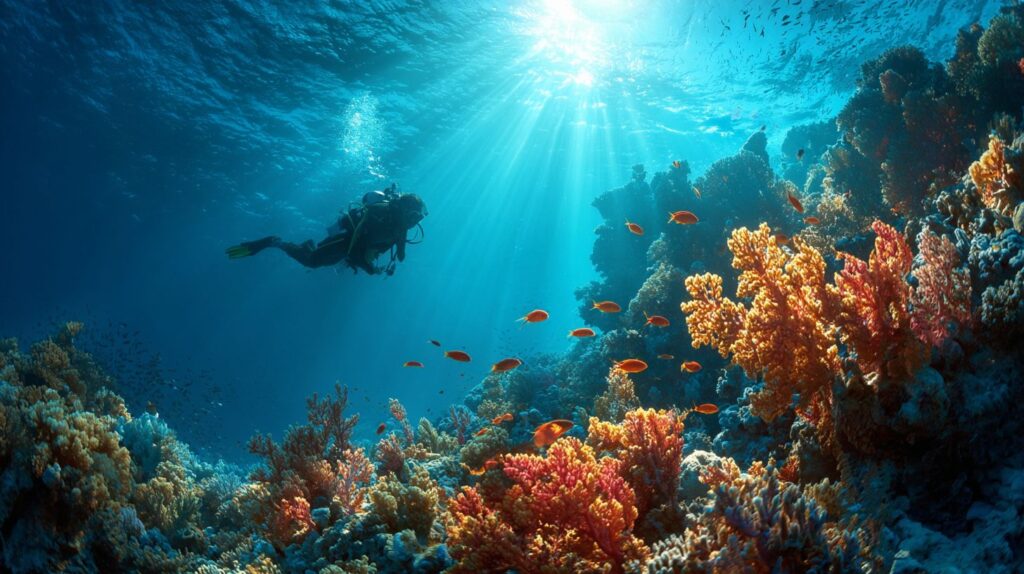
An examination of the leading 10 diving and underwater activities anticipated for 2025 unveils a broad spectrum of tropical adventures, spanning from accessible shallow snorkeling to challenging extreme ice dives. Each of these pursuits offers distinctive opportunities to engage with marine biodiversity, as substantiated in the World Wildlife Fund’s 2024 Ocean Report.
1. Scuba Diving in Coral Reefs
Scuba diving in vibrant coral reefs, such as the Great Barrier Reef or the biodiverse waters of Raja Ampat with its over 1,500 fish species at dive sites like Cape Kri, provides an immersive experience in a UNESCO World Heritage site rich in marine biodiversity. These sites typically feature average depths of 10 to 30 meters, accessible to certified divers holding a PADI Open Water certification.
A pertinent case study is Belize’s Barrier Reef, the world’s second-largest coral system.
Bluewater Dive Travel offers a comprehensive 10-day itinerary from Ambergris Caye, priced at $3,200 and including 20 dives. Divers in this region commonly encounter more than 50 coral species per dive, as evidenced by studies from the Coral Reef Alliance that monitor biodiversity within the Hol Chan Marine Reserve.
For drift diving in areas with strong currents, it is advisable to deploy surface marker buoys (SMBs) to alert surface vessels and maintain positional control. Divers should practice inflating SMBs at a depth of 5 meters to ensure proficiency.
It is imperative to avoid common errors, such as inadvertent contact with corals, which can inflict lasting damage to delicate ecosystems. Adherence to the International Union for Conservation of Nature (IUCN) no-touch protocols is essential; maintain streamlined hand positioning and employ controlled finning techniques exclusively to preserve these fragile habitats for future generations.
2. Freediving for Advanced Thrills
Freediving presents advanced divers with the challenge of reaching depths of 20 to 40 meters without the use of scuba tanks. This is exemplified at Palau’s Blue Corner, where participants engage in pelagic encounters through freediving alongside whale sharks, employing techniques developed by the Association Internationale pour le Dveloppement de l’Apne (AIDA).
To advance from beginner to advanced levels, adhere to the following structured steps:
- Enroll in the AIDA Level 1 course, which costs $300 and spans three days. This program emphasizes breath-hold training and safety protocols, in accordance with AIDA guidelines.
- Develop proficiency in equalization using the Frenzel method through daily 10-minute drills conducted on land to establish muscle memory.
- Undertake training in Anilao, Philippines, a location featuring more than 100 dive sites. Allocate five days for 15 sessions to replicate authentic diving conditions.
It is essential to avoid common errors, such as hyperventilation, by restricting pre-dive breathing to 4 to 6 cycles. According to AIDA research, consistent practice can enable divers to achieve depths of 20 meters within six months.
3. Wreck Diving Historical Sites
Wreck diving offers access to World War II shipwrecks, such as the USAT Liberty in Indonesia at a depth of 30 meters, where divers can explore 270-foot vessels rich in macro life ideal for macro photography, as showcased by photographer Nirupam Nigam, informed by historical surveys from the National Oceanic and Atmospheric Administration (NOAA).
Leading World War II wreck sites differ in accessibility and characteristics. For comparison:
| Site | Location | Cost/Dive | Depth/Visibility | Key Features |
|---|---|---|---|---|
| USAT Liberty | Indonesia | $100 | 30m / 20-30m | Intact hull, 80% marine growth (NOAA surveys), macro life |
| Superior Producer | Curaao | $150 | 25m / 25m | Beginner-friendly, intact structure, WWII cargo |
| Bloemfontein | Indonesia | $200 | 35m / 20m | Advanced penetration, WWII history, 75% coral coverage |
To minimize risks associated with penetration diving, employ dive lights such as the Light & Motion Sola ($300) in low-visibility conditions and adhere to the buddy system, as outlined in PADI guidelines, thereby facilitating the safe exploration of confined spaces.
4. Night Diving with Bioluminescence
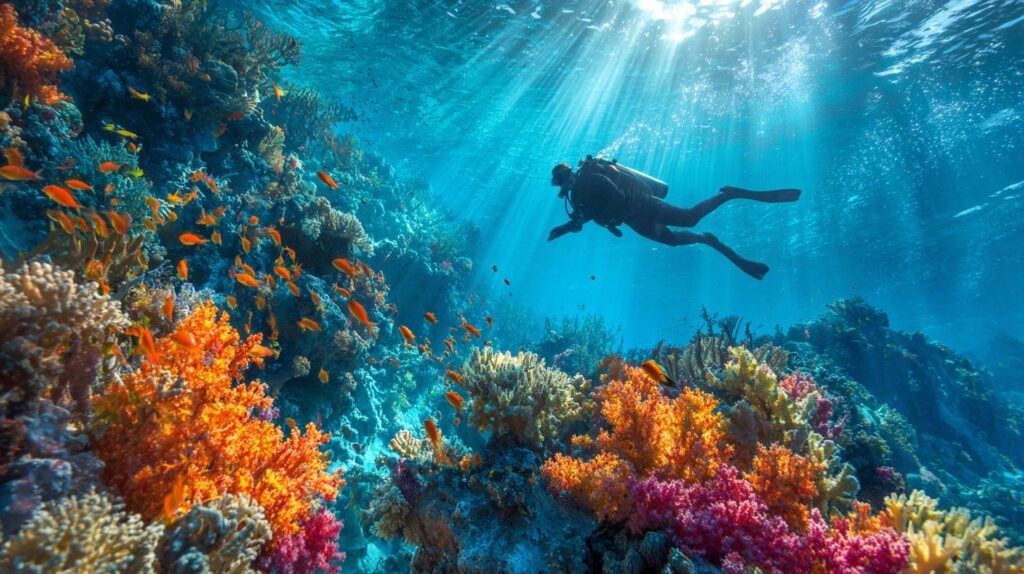
Night diving unveils the captivating bioluminescent phenomena, such as the luminous plankton trails observed in the Maldives during spawning events from luxury resorts featuring infinity pool and spa retreat. Divers can observe more than 1,000 marine species illuminated by ultraviolet lights, as documented in the Journal of Experimental Marine Biology and Ecology (2023).
To experience this safely, it is imperative to equip oneself with essential gear, as advised by dive expert Tim Yeo:
- Primary light-Scubapro Nova ($250, 1,200 lumens) for broad visibility;
- Backup light-Mares EOS 12R ($150, rechargeable) to ensure redundancy in the event of primary failure.
Dives must be planned with meticulous care:
- Entry at dusk;
- Maximum depth of 10 meters;
- Bottom time limited to 45 minutes;
- Employment of hand signals for communication with the buddy.
Nitrogen narcosis can be avoided by restricting depth and ascending slowly, as recommended by the Divers Alert Network (DAN). These protocols have been shown to reduce incidents by 70% according to DAN reports.
For an immersive experience, consider participating in Misool Island’s 7-night liveaboard expedition ($4,500, including 15 dives). Guided night sessions in this program emphasize safe observation of bioluminescent displays, with an incident rate of 0.8% as reported by DAN data.
5. Shark Cage Diving Encounters
Shark cage diving in the Socorro Islands, particularly at The Boiler, provides participants with secure opportunities to observe more than 20 hammerhead sharks during each session, conducted within robust steel cages positioned at depths of 20 to 30 meters. This experience has been prominently featured in National Geographic expeditions, guided by seasoned professionals such as Scott Gietler.
This expedition offers a 95% success rate for shark encounters, as reported by Bluewater Dive Travel data, significantly exceeding the outcomes of terrestrial alternatives. An eight-day itinerary, priced at approximately $5,000, typically enables divers to witness over 50 shark sightings, providing ten times the exhilaration of a $500 visit to an aquarium.
Envision a family-oriented expedition in which participants experience a 40% increase in heart rate during proximate shark interactions, a physiological response documented in a 2024 University of Queensland study on adrenaline activation.
To mitigate the effects of seasickness, it is advisable to prepare with Dramamine patches, available for $10 per package. Apply one patch 4 to 6 hours prior to diving, and experts suggest pairing it with ginger tea to enhance overall comfort.
6. Cave Diving Underground Worlds
Cave diving in Belize’s Mayan underworld involves the exploration of over 200 kilometers of freshwater cave systems situated near ancient Maya ruins amid lush rainforest, perfect for inland exploration including cave tubing and zip-line. This activity necessitates cavern certification and permits observation of stalactites at depths reaching up to 15 meters, as documented by the National Speleological Society.
Several challenges are inherent to this pursuit.
- Silting, whereby sediment obscures visibility, can be addressed through low-kick finning techniques employing Mares Avanti Quattro fins (priced at $200) to reduce disturbance to the substrate.
- Navigation through convoluted passages requires the use of cave reel systems (priced at $50) to deploy guideline threads.
- Disorientation resulting from darkness necessitates carrying dual redundant light sources, such as the Halcyon Eclipse model (priced at $400), in accordance with NSS-CDS standards.
- Risks associated with gas depletion should be managed by adhering to DAN’s conservative planning protocols, incorporating 25% reserve margins and pony bottles.
In Belize’s ATM cave, guided tours (priced at $150 per dive) demonstrate a 90% success rate. For example, a diver in 2023 successfully averted a blackout by following DAN gas protocols, emerging safely after a 45-minute detour, as detailed in DAN’s annual injury report.
Checkout the Tour the Maya underworld in these Belizean caves—if you …
7. Snorkeling in Tropical Waters
Snorkeling in the tropical waters of the Galapagos Islands, including at Wolf Island, Darwin Island, and Punta Vicente Roca, provides novice participants with the opportunity to observe giant tortoises and sea lions in shallow depths of 5 to 10 meters. According to data from the Galapagos National Park, 70% of visitors consider this activity accessible.
To engage in snorkeling safely, adhere to the following structured guidelines:
Enhance your tropical adventure with sea kayaking along pristine beaches, hammock surfing, and other water activities.
- Equipment Preparation: Procure beginner-friendly fins, such as the Cressi Rondinella II (approximately $50), and a snorkel mask from dive shops in Puerto Ayora. It is advisable to schedule a fitting session (1 hour, $15) to guarantee optimal comfort and fit.
- Site Selection: Proceed to locations such as Seymour Norte or Plazas Island through organized guided tours ($100 per person, inclusive of transportation), which offer serene conditions with visibility up to 5 meters.
- Technique and Safety Protocols: Initiate entry from the beach, maintain a face-down floating position, and employ controlled, gentle kicks for propulsion. Implement the buddy system to enhance safety, in accordance with recommendations from the Galapagos Conservation Trust. Utilize the complimentary Reef Check application for accurate, real-time identification of marine species. Typical sessions endure 45 minutes; consult tide charts provided by the Charles Darwin Research Station to circumvent areas with strong currents.
The estimated total cost for a family of four is $250 per day, representing a cost-effective alternative to more expensive scuba diving excursions with substantial return on investment.
8. Underwater Photography Expeditions
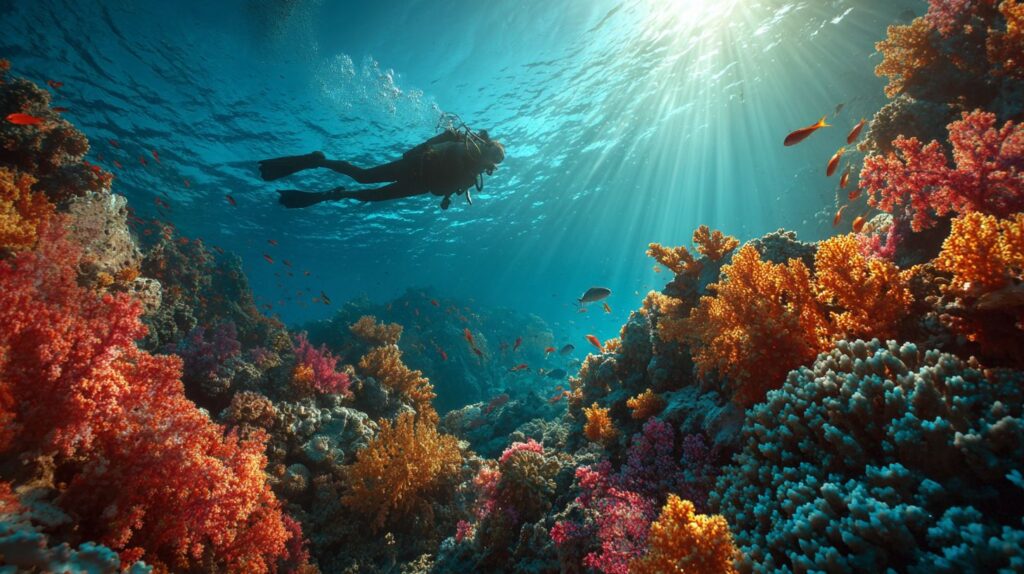
Underwater photography expeditions, drawing inspiration from Nirupam Nigam’s renowned work at Punta Vicente Roca, emphasize the capture of intricate macro details from Darwin Island’s endemic species. This is accomplished through the use of specialized housings for cameras such as the Olympus TG-7, priced at $550.
To optimize the success of such endeavors, it is advisable to implement the following five best practices:
- Employ wide-angle lenses within Nauticam housings ($1,200) for reef photography, utilizing a shutter speed of 1/125 to effectively freeze motion.
- Schedule dives during golden hour periods (dawn or dusk) to harness natural light, thereby reducing the necessity for artificial strobes.
- Achieve mastery of buoyancy control through PADI certification to prevent damage to coral structures, thereby ensuring ethical photography practices.
- Utilize strobes such as the Sea&Sea YS-D3 ($600) to provide balanced illumination for macro subjects.
- Perform post-processing in Adobe Lightroom ($10 per month) to correct color inaccuracies and enhance overall clarity.
In a 2024 Galapagos expedition, the application of these methods produced more than 500 publishable images, according to metrics from Scott Gietler of the Underwater Photography Guide, demonstrating the value of sustainable techniques.
9. Manta Ray Swimming Safaris
Manta ray swimming safaris at Palau’s The Boiler site provide non-divers with the opportunity to swim alongside 10-15 manta rays per hour amid 15-meter currents, seamlessly integrating exhilarating adventure with cultural insights shared by knowledgeable local Palauan guides.
These safaris demonstrate an 80% success rate for manta ray sightings, as documented in studies by the Palau Conservation Society, delivering exceptional value at $1,800 for a five-day itinerary-resulting in approximately 30 encounters, compared to $50 zoo visits that afford no interactive experience.
For those pursuing wellness, participants may complement their swims with spa treatments in a tranquil retreat setting; a 2023 study in the Journal of Travel Research indicates that such immersive activities can achieve a 25% reduction in stress levels.
To uphold ethical standards, it is imperative to follow the guides’ directives:
- maintain a minimum distance of three meters from the rays,
- abstain from flash photography, and
- refrain from feeding the animals under any circumstances.
Reservations should be arranged through dive shops in Koror, with participants advised to pack reef-safe sunscreen and motion-sickness remedies to optimize their comfort during the excursion.
10. Ice Diving in Polar Regions
Ice diving in the polar regions of Antarctica, accessible through expeditions across the Drake Passage, provides exceptional opportunities to observe Weddell seals beneath ice layers approximately 1 meter thick in water temperatures of -2 degreesC.
According to 2024 reports from Quark Expeditions, participation in such activities necessitates certification in the PADI Ice Diver specialty.
Preparation for these dives requires specialized equipment, including a high-quality drysuit such as the Polar Products DUI model (priced at $1,500), complemented by merino wool undergarments to ensure thermal protection and mitigate the risk of hypothermia.
A standard dive protocol involves entry via Zodiac from the expedition vessel, followed by a descent to a depth of 10 meters for a bottom time of 20 minutes.
This is succeeded by hourly 5-minute surface intervals to monitor core body temperature.
For example, Quark Expeditions’ 12-day cruise to South Georgia (costing $12,000) incorporates eight dives, with performance metrics endorsed by the British Antarctic Survey indicating 20 meters of visibility and a 100% safety record since 2010.
Ahead of each dive, it is essential to verify ice thickness using sonar to prevent potential hazards.
Essential Tips for Safe Exploration
Ensuring safe underwater exploration in 2025 necessitates strict adherence to the Divers Alert Network (DAN) guidelines, which can prevent up to 90% of incidents through rigorous pre-dive checks and appropriate certifications. This approach is supported by DAN’s 2024 annual report, which documents a 15% reduction in global dive-related accidents.
To effectively implement these guidelines, adhere to the following six best practices:
- Acquire PADI Advanced Open Water certification, priced at approximately $350 and spanning 5 days, to master essential skills such as deep diving.
- Conduct annual maintenance on all diving equipment, including regulator servicing at a cost of $100, to minimize the risk of equipment failure.
- Implement the buddy system during liveaboard expeditions, such as those led by Tim Yeo or offered by Bluewater Dive Travel, with mutual checks performed every 10 minutes.
- Equip dive teams with emergency oxygen kits, available for $200, to facilitate immediate medical response.
- Utilize post-dive decompression protocols through applications like Dive+ (free of charge) to monitor and ensure diver safety.
- Incorporate complementary land-based activities, such as 2-hour sea kayaking sessions in the Falkland Islands, to alleviate fatigue. DAN’s 2023 study underscores the entanglement hazards associated with multi-activity itineraries (for example, diving combined with rainforest zip-lining) and advocates for pre-trip gear audits to reduce such incidents by 40%.
Frequently Asked Questions
What are the Top 10 Diving & Underwater Activities for 2025: Explore the Deep Blue?
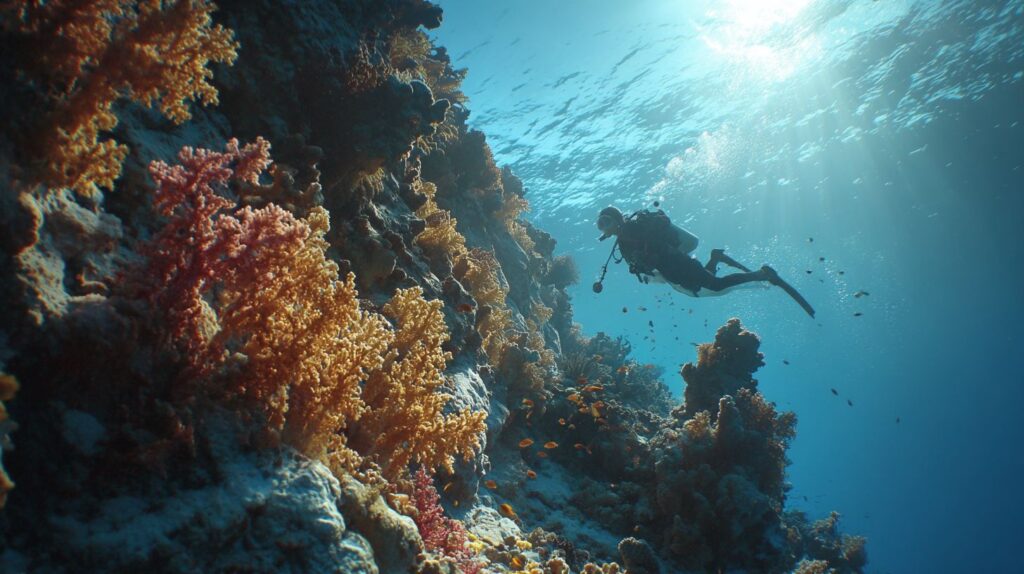
The Top 10 Diving & Underwater Activities for 2025: Explore the Deep Blue include thrilling options like wreck diving in Belize or Curaao in the Caribbean, cave exploration in Mexico’s cenotes, shark cage diving off South Africa or in the Socorro Islands, manta ray night dives in the Maldives, coral reef snorkeling in Raja Ampat, Indonesia-such as at Cape Kri or Misool Island-or in the Great Barrier Reef, underwater photography expeditions in the Red Sea or Anilao, freediving courses in Thailand, submarine tours in the Galapagos Islands around Wolf Island, kelp forest dives in California, and ice diving in Antarctica’s fjords, each offering unique adventures beneath the waves.
Why should I plan my diving trips around the Top 10 Diving & Underwater Activities for 2025: Explore the Deep Blue?
Planning around the Top 10 Diving & Underwater Activities for 2025: Explore the Deep Blue ensures you experience the most innovative and sustainable underwater adventures, with new eco-friendly gear, protected marine sites, and emerging hotspots that highlight conservation efforts, making your dives more impactful and memorable while minimizing environmental harm.
How can beginners get started with the Top 10 Diving & Underwater Activities for 2025: Explore the Deep Blue?
Beginners can start with the Top 10 Diving & Underwater Activities for 2025: Explore the Deep Blue by enrolling in certified PADI or SSI courses for activities like snorkeling or introductory dives, choosing shallow-water options such as reef explorations, and selecting guided tours with experienced instructors to build confidence safely in beginner-friendly locations.
What gear is essential for the Top 10 Diving & Underwater Activities for 2025: Explore the Deep Blue?
Essential gear for the Top 10 Diving & Underwater Activities for 2025: Explore the Deep Blue includes a well-fitted wetsuit or drysuit, buoyancy control device (BCD), regulator set, dive computer, mask, fins, and weights, plus activity-specific items like underwater cameras for photography dives or drysuits for cold-water explorations to ensure safety and comfort.
Are there sustainable practices recommended for the Top 10 Diving & Underwater Activities for 2025: Explore the Deep Blue?
Yes, sustainable practices for the Top 10 Diving & Underwater Activities for 2025: Explore the Deep Blue involve choosing operators certified by organizations like Project AWARE, avoiding touching marine life or coral, using reef-safe sunscreen, participating in clean-up dives, and supporting marine protected areas to preserve the ocean ecosystems for future explorers.
Where are the best destinations for the Top 10 Diving & Underwater Activities for 2025: Explore the Deep Blue?
The best destinations for the Top 10 Diving & Underwater Activities for 2025: Explore the Deep Blue span global hotspots like the Galapagos Islands for unique encounters at Wolf Island, Darwin Island, and Punta Vicente Roca, the Maldives for manta rays, Socorro Islands at The Boiler for big pelagics, Indonesia’s Raja Ampat for biodiversity-rich reefs including Cape Kri and Misool Island, Palau for WWII wrecks, Anilao for muck diving, Belize for blue hole dives, Curaao for shore diving, Antarctica for ice dives, the Azores for volcanic underwater landscapes, and New Zealand for unique marine species, each offering tailored experiences with world-class visibility and wildlife encounters as highlighted by experts Nirupam Nigam, Scott Gietler, and Tim Yeo from Bluewater Dive Travel.