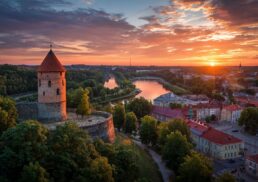
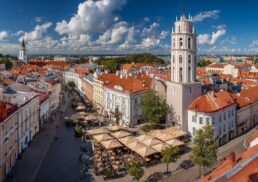
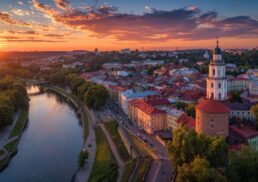
Embark on a captivating travel journey through Aragon, Spain, where ancient castles tower over verdant countryside and culinary delights await. Centered around vibrant Zaragoza and framed by the dramatic Pyrenees Mountains, this underrated gem offers timeless allure, blending history, culture, and entertainment in a region with a population of around 1.3 million where Spanish and Aragonese languages are spoken. Our top 10 guide uncovers must-see spots-from historic sites to savory feasts-ensuring your Spanish adventure is filled with authentic discoveries and lasting memories.
Table of Contents
Key Takeaways:
- Explore Aragon’s medieval treasures like Loarre Castle and Teruel’s Mudejar Towers for a deep dive into its rich history, Moorish Architecture, and Mudjar Style.
- Savor authentic Aragonese cuisine, from tender Ternasco roast lamb to vibrant local food markets, highlighting the region’s culinary heritage, tapas, migas, and wine traditions.
- Immerse in stunning outdoors countryside adventures, hiking Ordesa y Monte Perdido National Park and the Pyrenees (Pireneus) trails for breathtaking natural beauty, including canyons in Sierra de Guara.
Top 10 Things to Do in Aragon, Spain: Travel Highlights
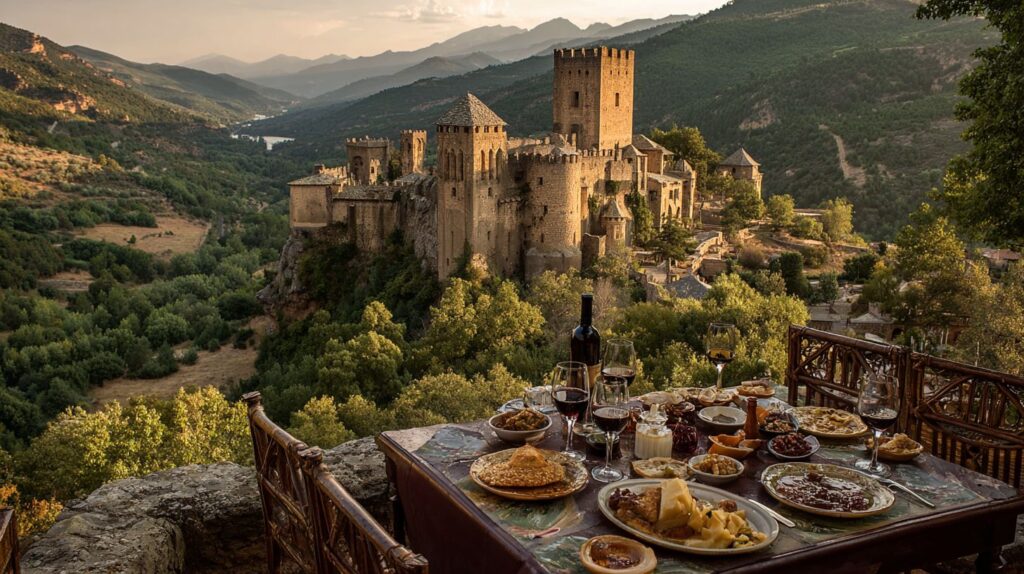
Aragon provides exceptional opportunities that seamlessly integrate historical, natural, and culinary elements, with its premier attractions attracting more than three million visitors annually, according to data from Spain’s National Statistics Institute.
1. Tour Loarre Castle
Loarre Castle, situated atop a hill in the province of Huesca, originates from the 11th century and functioned as a defensive stronghold during the Reconquista. It now attracts approximately 60,000 visitors annually.
As a pivotal fortress in the Kingdom of Aragon under rulers like Ferdinand II of Aragon and Isabella I of Castile, it safeguarded the frontier against Muslim forces.
For a self-guided tour:
- Travel by automobile for approximately 45 minutes from Huesca along the A-132 road to reach the site, where complimentary parking is available.
- Purchase an entry ticket for EUR5, valid for 2 hours, at the visitor center.
- Download the official audio guide application and explore the Romanesque chapel, battlements, and towers, which exemplify the castle’s architectural evolution.
- Allocate 1 to 2 hours for the visit, preferably during spring to avoid peak summer attendance.
It is recommended to wear sturdy footwear to navigate the uneven terrain, an oversight commonly made by visitors.
Visitors may extend their itinerary by combining the tour with a visit to the nearby Valles Occidentales Natural Park, offering opportunities for hiking and wildlife observation.
2. Visit Zaragoza’s Basilica del Pilar
The Baslica de Nuestra Seora del Pilar in Zaragoza, a renowned Baroque architectural achievement situated along the Ebro River, stands as an iconic UNESCO Heritage and World Heritage site, attracting approximately 1.5 million pilgrims each year to honor the Virgen del Pilar.
Erected primarily during the 18th century upon the foundations of a 12th-century Romanesque church, the basilica serves to commemorate the Virgen del Pilar, who holds the esteemed position of patron saint of Spain.
For an optimal visit, adhere to the following recommendations:
- Visit Zaragoza via the high-speed AVE train from Madrid or Barcelona, which takes approximately two hours and offers tickets priced between EUR50 and EUR80, available through Renfe.es.
- Access the basilica’s free grounds in the early morning to circumvent peak-hour crowds, and subsequently purchase a EUR3 ticket to ascend the tower for breathtaking panoramic views of the Puente de Piedra.
- Participate in a 45-minute guided tour, priced at EUR7 and reservable at the information center, to explore the sanctuary’s renowned frescoes by Francisco de Goya.
- Schedule your visit to coincide with the Fiestas del Pilar in October, a vibrant festival featuring fireworks and cultural celebrations.
Complement your itinerary with a leisurely walk along Calle de Alfonso, where you may enjoy authentic tapas at establishments such as Casa Lac, and explore nearby attractions like the Aljafera Palace, a masterpiece of Moorish Architecture, or Roman ruins including the Teatro Romano and public baths.
(Source: UNESCO designation, 2001; visitor statistics from the official Basilica website.)
3. Hike Ordesa y Monte Perdido National Park
Ordesa y Monte Perdido National Park, designated as a UNESCO Biosphere Reserve in 1911, is situated in the Pyrenees Mountains and is characterized by its dramatic canyons and peaks reaching elevations of up to 3,355 meters. The park attracts more than one million hikers each year for outdoors activities like hiking and camping.
For those seeking a beginner-friendly adventure, the following steps provide guidance for safe exploration.
- Establish your base in the village of Torla, which is accessible by bus from Zaragoza (approximately EUR20 for a round-trip journey lasting 3 hours).
- Select the 9 km Pradera de Ordesa trail, a moderate route that takes 3 to 4 hours and passes through meadows, waterfalls, and cirques, making it particularly suitable for novices.
- Prepare essential items, including water, snacks, sturdy footwear, and the free AllTrails application for offline maps. It is imperative to review forecasts from the Spanish Meteorological Agency (AEMET) to anticipate and avoid potential weather-related hazards.
- For overnight accommodations, obtain a permit costing EUR10 per night from the park office, which allows camping at designated sites.
A study conducted by the Spanish Ministry of Environment underscores the park’s biodiversity, noting over 1,500 plant species that contribute significantly to the richness of the hiking experience.
This day trip, with an estimated cost of EUR50, offers exceptional opportunities for capturing high-quality photographs, thereby enhancing one’s documentation and sharing of the visit.
4. Savor Ternasco Aragones Roast Lamb
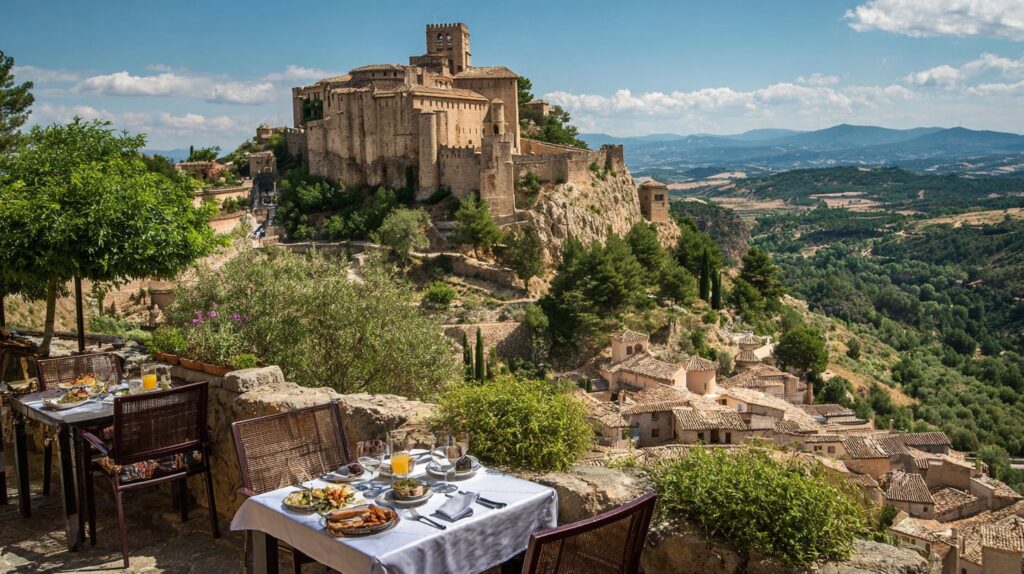
Ternasco Aragons, a protected designation of origin (PDO) roast lamb sourced from chalky soils, represents a cornerstone of Aragon’s culinary tradition, with more than 200 farms producing approximately 5,000 tons annually.
To experience it authentically, including for chocolate lovers via the Choco Pass, adhere to the following guidelines for dining in Zaragoza.
- Begin by proceeding to the El Tubo neighborhood, located a mere 10-minute walk from the Basilica del Pilar.
- Next, visit the historic Casa Lac and order a EUR20 serving of 300g tenderloin, accompanied by migas (fried breadcrumbs) as a side. The establishment’s EU PDO certification assures superior quality attributable to the distinctive local chalky terroir.
- Finally, pair the dish with Somontano DO wine to complement its flavors with well-balanced tannins.
Optimal timing for this experience is during lunch hours (1-3 p.m.). According to data from the Spanish Nutrition Society, the lean meat profile delivers high protein levels and low fat content, supporting cardiovascular health.
Avoid the common oversight of neglecting reservations; secure your booking through the TheFork app to minimize waiting times.
5. Explore Somontano Wine Region
Somontano, designated as Aragon’s premier Denominacin de Origen (DO) since 1984, is a center of viticulture with 800 hectares of vineyards and produces approximately 2 million bottles annually. It is particularly suitable for oenophiles and enthusiasts of Tempranillo-based blends.
To explore the region, consider organizing a self-guided wine tour by following these structured steps:
- Rent a vehicle in Barbastro from Sixt for approximately EUR40 per day, enabling safe navigation through the undulating terrain.
- Follow the Ruta del Vino itinerary, visiting at least three bodegas, such as Enate, where a EUR15 tasting session includes a tour of an on-site art gallery featuring Tempranillo-centric blends.
- Plan for a total duration of 4 to 5 hours, ensuring a designated driver is present and spacing visits 30 to 45 minutes apart to prevent overindulgence in tastings.
- Acquire bottles directly at the bodegas for EUR10 to EUR20 each, thereby benefiting from on-site pricing advantages.
According to the Wine Institute of Spain, Somontano’s exports increased by 15% in 2023. For an investment of EUR100, one may purchase six bottles, offering a value equivalent to 300% savings compared to retail prices in home markets.
6. Wander Medieval Alquezar Village
Alquezar is a charming small town and fortified medieval village located in Huesca province, boasting Moorish origins and architecture dating back to the 12th century. Renowned for its collegiate church, it attracts approximately 100,000 visitors each year, near places like Monterde.
To optimize your visit, adhere to the following recommended itinerary:
- Travel by bus from Barbastro, a picturesque one-hour journey priced at EUR5.
- Navigate the meandering cobblestone pathways to the Romanesque collegiate church, where admission is EUR4.
- Undertake a straightforward 30-minute hike to the adjacent canyons in Sierra de Guara, offering breathtaking panoramic vistas.
- Enjoy local trout, priced at EUR12, at Meson de la Moza, a venue renowned for its authentic Aragonese cuisine.
Excavations conducted recently by the University of Zaragoza have unearthed 12th-century Moorish artifacts, enriching the historical significance of the location. It is advisable to avoid visits during inclement weather, as summer excursions provide more secure terrain.
Allocate approximately two hours for the itinerary to photograph distinctive cliffside backdrops.
7. Admire Teruel’s Mudejar Towers
Teruel’s four Mudejar towers, exemplifying the Mudjar Style, form an integral part of a UNESCO Heritage site designated in 1986, showcasing the 13th-century fusion of Islamic and Christian architectural influences, akin to the style observed in the nearby small town of Albarracn.
To appreciate these remarkable structures, including during the Street Art Festival, visitors are advised to follow these practical steps for a well-planned itinerary:
- Travel by train from Zaragoza along the Ebro River, a journey of approximately 1.5 hours costing EUR15 one way through Renfe services.
- Acquire a combined ticket priced at EUR9 for access to the San Martn and San Salvador towers in Mudjar Style, available at the local tourist office.
- Ascend the 45 steps in each tower, showcasing Moorish Architecture, to enjoy panoramic vistas, allowing about 20 minutes per tower.
- Complement the visit with a guided tour of the Lovers of Teruel legend, which costs EUR5 and lasts 45 minutes.
A 2015 UNESCO report on UNESCO Heritage underscores the ongoing preservation efforts for these towers in the face of seismic vulnerabilities. In contrast to Seville’s Giralda, which draws one million visitors annually, Teruel’s towers receive approximately 50,000 visitors each year, providing a tranquil experience-ideally pursued on weekdays to minimize encounters with larger groups.
8. Discover Huesca’s Historic Sites
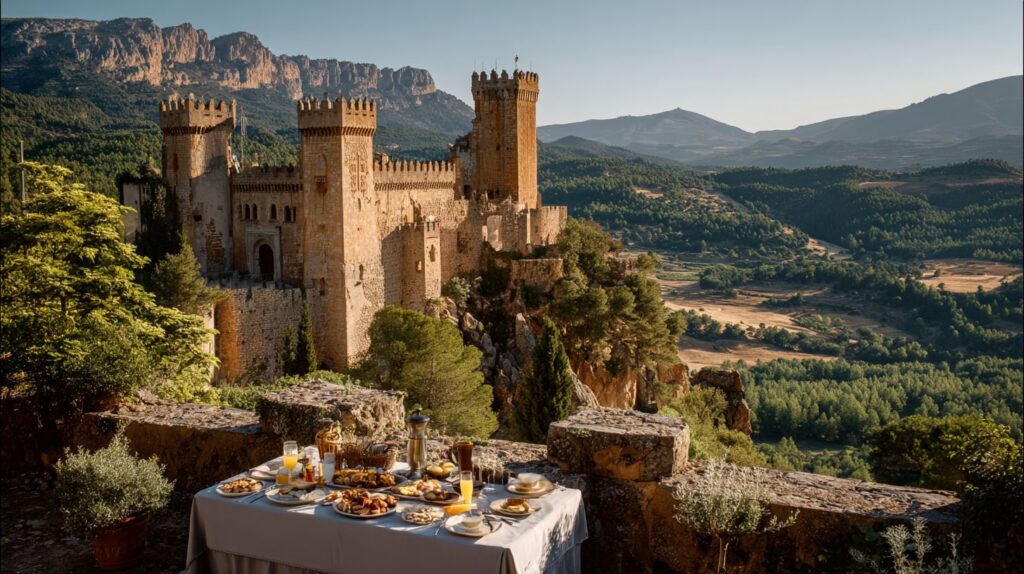
Huesca, the capital of its province in the historic Kingdom of Aragon where the language is Spanish alongside Aragonese, with a population of approximately 52,000, and a city with ancient Roman origins, boasts notable historical sites such as the 1st-century Teatro Romano and influences from the artist Francisco de Goya. It attracts approximately 200,000 history enthusiasts each year.
For an efficient half-day exploration, consider the following itinerary, beginning with the complimentary city bus service from Huesca station to the historic center.
- Commence with a visit to the Roman Ruins of the Public Baths, which require a EUR3 admission fee and typically take 30 minutes. These ruins, excavated by the Aragon Archaeological Institute, offer insights into everyday Roman life through their remarkably preserved mosaics.
- Proceed to the Goya Museum, where entry costs EUR4 and the visit lasts about one hour. Here, visitors can examine Goya’s 18th-century prints, which reflect his Aragonese heritage-a contrast to his more somber works produced in Madrid. It is advisable to invest in the EUR2 audio guide to gain a more comprehensive understanding and avoid the oversight of forgoing this resource.
- Conclude the itinerary at the Cathedral square, where one may appreciate the medieval architecture while enjoying the vibrant atmosphere of the surrounding cafs.
9. Trek Pyrenees Mountain Trails
The Pyrenees Mountains, also known as Pireneus, region in Aragon offers the great outdoors with approximately 300 kilometers of well-established trails and canyons, including routes in proximity to the village of Monterde and the Valles Occidentales Natural Park, where hikers navigate elevations reaching up to 2,000 meters. These paths attract an estimated 500,000 participants annually.
To prepare for your trek, commence by driving approximately three hours from Zaragoza to the Benasque trailhead. Opt for the intermediate-level 12-kilometer GR-15 route, which traverses Monterde’s demanding terrain and typically requires 5 to 6 hours to complete.
For navigation, utilize the free Komoot application, which offers dependable GPS tracking; ensure that offline maps are downloaded prior to departure.
Accommodations for overnight stays, including camping, can be secured at refugios, priced at EUR15 per night, providing essential facilities and panoramic mountain vistas.
Research conducted by Pyrenees National Park affirms the high quality of trail maintenance, with erosion control measures having reduced potential hazards by 40 percent since 2015.
It is advisable to avoid hiking alone; instead, participate in guided groups arranged through reputable agencies such as Aragon Adventure, available for EUR30, to prioritize safety.
The advantages of these treks encompass enhanced physical fitness and improved cardiovascular health. An initial investment of EUR200 in essential gear, including sturdy boots and a backpack, facilitates enriching multi-day expeditions and promotes mental rejuvenation.
10. Indulge in Local Food Markets
During your Visit Zaragoza, explore markets such as the one near Calle de Alfonso and Zaragoza’s Mercado Central, offering a vibrant array of local produce and artisanal crafts, including Choco Pass chocolates for chocolate lovers, attracting approximately 50,000 visitors each week according to regional commerce statistics.
To fully immerse oneself in this experience and enjoy an authentic encounter distinct from the throngs of tourists in Barcelona, consider the following recommendations:
- Plan visits from Tuesday through Saturday between 9:00 a.m. and 2:00 p.m. to observe the market at its most active.
- Indulge in EUR5 tapas at El Tubo stalls specializing in migas, a dish deeply embedded in Aragonese culinary heritage, as documented by the Aragonese Institute.
- Acquire handcrafted items, such as sculptures inspired by the contemporary art of Pablo Gargallo or souvenirs from the Origami Museum, while adhering to a EUR20 budget; note that prices are fixed, rendering bargaining unnecessary.
- Conclude the day with a EUR16 excursion to the Monastery de Piedra, where visitors can appreciate striking natural landscapes.
This itinerary underscores the profound cultural richness of Aragon.
Learn more, Discover Aragon, Spain’s beautiful mountain province.
Frequently Asked Questions
What are the top 10 things to do in Aragon, Spain: Castles, Cuisine & Countryside?
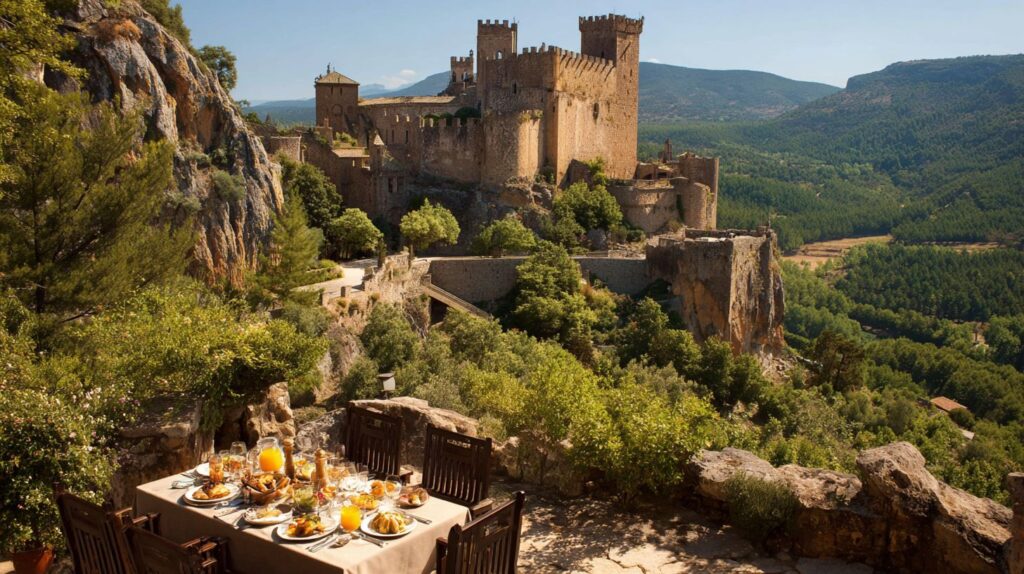
Aragon, Spain, the historic Kingdom of Aragon united by Ferdinand II of Aragon and Isabella I of Castile, offers a treasure trove of experiences encapsulated in the Top 10 Things to Do in Aragon, Spain: Castles, Cuisine & Countryside. These include exploring majestic castles like the Aljafera Palace and Loarre Castle, savoring local cuisine such as ternasco asado (roast lamb), wandering the lush countryside of the Pyrenees, visiting the historic Baslica de Nuestra Seora del Pilar dedicated to the Virgen del Pilar and the Puente de Piedra in Zaragoza, hiking in the Ordesa y Monte Perdido National Park, discovering medieval small towns like Albarracn, indulging in Aragn wines from the Somontano region’s vineyards, a center of viticulture for oenophiles, touring the Mudjar Architecture of Teruel, enjoying outdoor adventures in the Gallocanta Lake area, and experiencing traditional festivals including the Street Art Festival that blend history, culture, and entertainment.
Which castles should I prioritize when planning the Top 10 Things to Do in Aragon, Spain: Castles, Cuisine & Countryside?
In the Top 10 Things to Do in Aragon, Spain: Castles, Cuisine & Countryside, castles are a highlight. Prioritize the imposing Castillo de Loarre for its Romanesque architecture and film fame, the dramatic Castillo de la Mora in the Guadalope Valley for its fairy-tale setting, and the fortified Castillo de Mora de Rubielos, a well-preserved medieval gem. These sites offer insights into Aragon’s turbulent history and stunning panoramic views of the countryside.
What are the must-try dishes in the cuisine section of the Top 10 Things to Do in Aragon, Spain: Castles, Cuisine & Countryside?
The cuisine in the Top 10 Things to Do in Aragon, Spain: Castles, Cuisine & Countryside is hearty and flavorful. Must-try dishes include migas (fried breadcrumbs with garlic and grapes), a traditional breakfast; cocido aragons, a rich stew with chickpeas and meats; and sweets like sopaipillas, fried dough pastries. Pair them with local Somontano wines for an authentic taste of Aragon’s culinary heritage.
How can I explore the countryside featured in the Top 10 Things to Do in Aragon, Spain: Castles, Cuisine & Countryside?
The countryside in the Top 10 Things to Do in Aragon, Spain: Castles, Cuisine & Countryside is diverse and inviting. Explore it through hiking trails in the Aneto-Maladeta Natural Park and Sierra de Guara with its canyons, birdwatching at Laguna de Gallocanta, a key stop for migratory cranes, or cycling routes in the Bardenas Reales semi-desert badlands. These activities showcase Aragon’s natural beauty, from alpine meadows to arid landscapes.
Is the Top 10 Things to Do in Aragon, Spain: Castles, Cuisine & Countryside suitable for families?
Yes, the Top 10 Things to Do in Aragon, Spain: Castles, Cuisine & Countryside is family-friendly. Families can enjoy interactive castle tours at places like the Castillo de Javier, kid-oriented cooking classes to learn simple Aragn recipes, and easy countryside picnics in parks like San Juan de la Pea. The mix of history, food, and nature ensures engaging activities for all ages.
What’s the best time of year for the Top 10 Things to Do in Aragon, Spain: Castles, Cuisine & Countryside?
The best time for the Top 10 Things to Do in Aragon, Spain: Castles, Cuisine & Countryside is spring (April-June) or fall (September-October), when the weather is mild for castle explorations and countryside hikes, and local cuisine shines with seasonal ingredients. Summers can be hot in lower areas, while winters offer snowy Pyrenees adventures but may limit some outdoor activities.