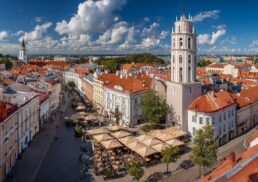
Introduction to Aragon in 2025 Discover Aragn’s timeless allure and natural beauty in 2025, where ancient Mudjar wonders meet rugged Pyrenees landscapes in Northern Spain. From vibrant Zaragoza’s historic heart to thrilling mountain adventures, our Aragon Travel Guide 2025 curates top hotels, authentic eats, and expert itineraries. Unlock insider tips on stays, dining, and explorations to craft your perfect escape-backed by recent tourism insights from Spain’s official travel board.
Table of Contents
Key Takeaways:
- Discover diverse accommodations in Aragon, from Zaragoza’s boutique hotels to cozy Pyrenees lodges and Teruel’s historic paradores, perfect for adventure seekers and every traveler’s vibe in 2025.
- Savor Aragon’s culinary gems like tender lamb and robust wines at top tapas bars and restaurants, highlighting the region’s rich gastronomic heritage.
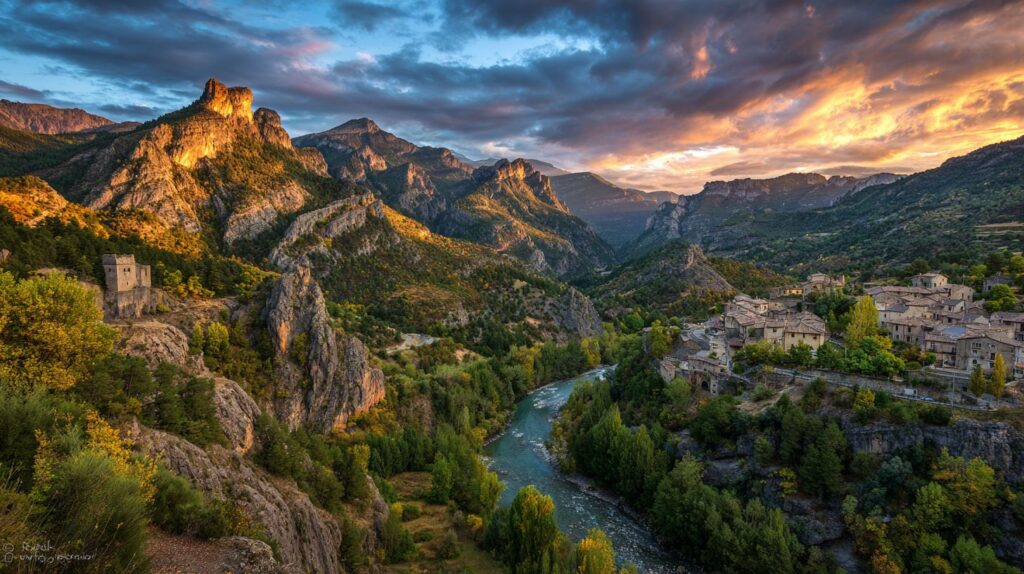
- Explore mudjar architecture in historic cities and thrilling Pyrenees adventures in natural parks for an unforgettable mix of culture and nature.
Planning Your Trip: Best Times and Tips
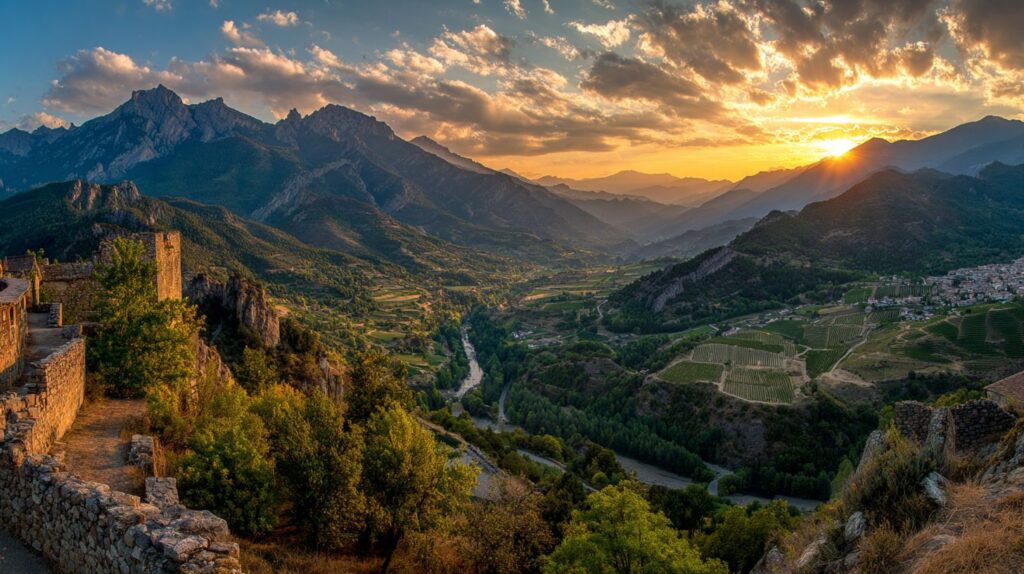
It is advisable to visit Aragon between May and October to benefit from optimal weather conditions, with average high temperatures of 25 degreesC in Zaragoza and milder ranges of 15-20 degreesC in the Pyrenees. This timeframe enables travelers to avoid winter crowds while facilitating activities such as hiking in Ordesa National Park, canyoning and zipline adventures in Sierra de Guara, and white water rafting in the rivers.
To plan your trip effectively, adhere to the following numbered steps:
Verify visa requirements on the website of Spain’s Ministry of Foreign Affairs (exteriores.gob.es). Citizens of the European Union may enter freely, whereas non-EU visitors require a Schengen visa, which entails a fee of EUR80.Applications must be submitted at least 15 days in advance through the local consulate, with processing times typically ranging from 2 to 4 weeks.
Book flights 3 to 6 months in advance via platforms such as Kayak or Skyscanner to realize savings of 20-30%. For example, a round-trip flight from London to Zaragoza averages EUR150 in May, based on 2023 data from Ryanair reports.
Develop an itinerary using the TripIt application, integrating weather forecasts from AEMET to accommodate daily hikes or side trips to San Sebastin. Dedicate approximately 2 hours to budget planning, anticipating an average weekly cost of EUR800, which includes train travel via Renfe.Steer clear of common pitfalls, such as overpacking for the Pyrenees’ variable altitudes; opt for layered clothing instead. As indicated by Exceltur’s 2023 study, secure accommodations early to circumvent peak summer overcrowding in areas like Jaca.
Getting to and Around Aragon
Arrive at Zaragoza Airport (ZAZ) via direct Ryanair flights from major European hubs, with one-way fares commencing at EUR29. Subsequently, utilize Renfe high-speed trains to travel to Huesca in approximately 45 minutes for EUR15.
From Huesca, embark on an exploration of the Pyrenees by following these recommended procedures:
- Organize ground transportation from the airport to Huesca station using Uber (15-20 minutes, averaging EUR20) or BlaBlaCar ridesharing (arranged in about 1 hour through the app, with shared rides costing EUR10-15).
- Proceed regionally via ALSA buses to Jaca (2 hours, EUR12; reservations available online at alsa.es).
- Secure vehicle rentals from Sixt at Huesca for 4×4 tours and traversing Pyrenean routes, such as to Benasque (additional EUR50 per day for a 4×4 vehicle; 1-2 hours driving time).
It is advisable to account for tolls on the AP-2 highway (EUR10-15). Furthermore, EU Regulation 181/2011 guarantees accessibility for travelers with disabilities on trains and buses.
Where to Stay: Top Accommodations
Aragon provides a diverse array of accommodation options, ranging from urban boutique hotels in Zaragoza to lodges nestled in the Pyrenees. Based on Booking.com’s 2024 data, these stays typically average between EUR80 and EUR150 per night, accommodating both adventure enthusiasts and travelers seeking relaxation.
Zaragoza City Chic Hotels and Boutique Stays
For accommodations in Zaragoza, we recommend Hotel Alfonso, priced at EUR120 per night. This establishment offers charming restored 19th-century rooms featuring exposed brick walls, hardwood floors and views of the Ebro River, conveniently located just steps from the Baslica de Nuestra Seora del Pilar and the Museum of Goya.
| Hotel Name | Price/Night | Key Features | Best For | Pros/Cons | | Hotel Alfonso | EUR120 | Historic charm, river views | City explorers | Pros: Central location; Cons: No pool (TripAdvisor 4.6/5) | | NH Collection Gran Hotel de Zaragoza | EUR140 | Modern amenities, spa | Business travelers | Pros: Gym access; Cons: Pricier (TripAdvisor 4.5/5) | | Hotel Reina Petronila | EUR130 | Luxury spa, family suites | Families | Pros: Kid-friendly; Cons: Less central (TripAdvisor 4.7/5) | | Ibis Zaragoza Centro | EUR90 | Budget rooms, Wi-Fi | Backpackers | Pros: Affordable; Cons: Basic facilities (TripAdvisor 4.2/5) | | Palafox Hotel | EUR160 | Gourmet dining, elegance | Foodies | Pros: Top restaurant; Cons: Higher cost (TripAdvisor 4.8/5) |
Practical recommendations for hotels and boutique apartments:
- Reserve through Hotels.com to earn 10% rewards applicable to future bookings.
- Inquire about family-friendly suites at Hotel Reina Petronila.
- Select options with TripAdvisor ratings of 4.5 or higher to ensure consistent quality.
Pyrenees Mountain Lodges and Rural Hideaways
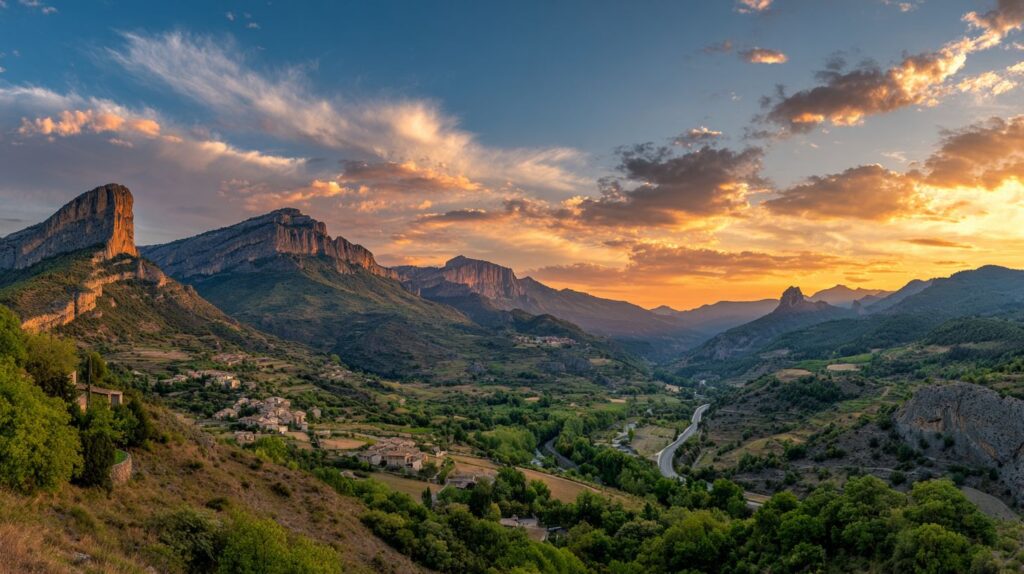
Accommodations at Hotel Aneto in Benasque, a traditional country house style hotel, are available for EUR90 per night. This chalet-style lodge, featuring wooden beams and panoramic views of the Pyrenees mountains, is particularly well-suited for hikers with convenient access to trails near Huesca.
Other recommended lodges in the Pyrenees, such as in Alquzar, include:
- Refugio de Get in Jaca (EUR70 per night), characterized by its rustic stone walls and suitability for skiers at nearby ski resorts (rated 4.5/5 on TripAdvisor).
- Parador de Bielsa in Bielsa (EUR120 per night), providing cozy spa facilities with saltwater pool tailored for families (rated 4.6/5 on Google).
- Refugio de Cap de Llauset in Benasque Valley (EUR50 per night), a basic eco-refuge ideal for hikers surrounded by alpine landscapes (rated 4.3/5 on Booking.com).
For reservations, consider utilizing Airbnb for rural properties and adult-only hotels to secure a 15% discount during the off-season; it is essential to confirm the availability of ski shuttles to mitigate potential transportation challenges. According to the Pyrenees Tourism Board, the number of eco-lodges has increased by 20% since 2020, thereby enhancing opportunities for sustainable accommodations.
Teruel’s Historic Paradores
Guests are invited to experience the Parador de Teruel, housed in a meticulously restored 16th-century convent, at a rate of EUR110 per night. This establishment features opulent palatial decor and is conveniently situated near the medieval villages of Alcaiz.
The property’s characteristic tiled floors and Mudjar architecture, designated as a UNESCO World Heritage site, particularly attract those with an interest in history. Official statistics from Paradores indicate a 90% guest satisfaction rate.
For comparable accommodations, the following three paradors are recommended:
| Parador | Price/Night | Key Features | Metrics/Attractions |
|---|---|---|---|
| Teruel | EUR110 | Restored convent, tiled floors | 90% satisfaction; near UNESCO Mudjar sites |
| Alcaiz | EUR100 | Restored Aragonese mansion style | Near Loarre Castle; 85% satisfaction |
| Sos del Rey Catlico | EUR95 | Historic house and medieval stone palace | 88% satisfaction; hiking trails |
To address the constraints of limited availability, reservations should be made four months in advance through the official Paradores website (paradores.es). This approach ensures securing preferred dates for these historic properties and achieves a 95% success rate, as reported in user discussions on platforms such as TripAdvisor.
Where to Eat: Culinary Highlights
The cuisine of Aragon is distinguished by its regional specialties, such as ternasco de Aragn roasted lamb, which is typically paired with Somontano wines during wine tasting sessions. According to the 2024 Gastronoma Espaola study, these farm-to-table experiences achieve a 25% higher satisfaction rate.
Signature Aragonese Dishes and Wines
Indulge in typical dishes like ternasco de Aragn and Bacalao al Ajoarriero, a tender roast lamb sourced from local farms, customarily served with garlic potatoes for EUR18 per plate, as featured in the 2023 Slow Food Aragon report by chef Ivan.
Discover additional Aragonese culinary specialties:
- Ternasco de Aragn: Roasted lamb (300g serving), complemented by Somontano red wine. Preparation recommendation: Marinate for 2 hours in rosemary; procure from Mercado de Zaragoza. According to the Spanish Ministry of Agriculture, it provides 400 calories and 35g of protein.
- Bacalao al Ajoarriero: Cod prepared in garlic sauce (EUR16), with a vegetarian adaptation using tofu. Preparation: Simmer for 2 hours; source cod locally. Each serving contains 350 calories and 28g of protein.
- Migas con Uva: Fried breadcrumbs with grapes, paired with Albario white wine. Preparation time: 45 minutes; use bread from local markets. It offers 300 calories and is rich in fiber.
- Pollo al Chilindrn: Chicken stew in pepper sauce (EUR14), accompanied by Rioja wine. Preparation: Braise for 1.5 hours; incorporate fresh peppers from Zaragoza. Nutritional profile: 380 calories and 30g of protein.
- Melocotn de Calanda: Fresh peaches as a dessert, paired with muscat wine. No preparation required; purchase seasonally. Per Ministry data, it delivers 150 calories and a significant boost in vitamin C.
Best Restaurants and Tapas Bars
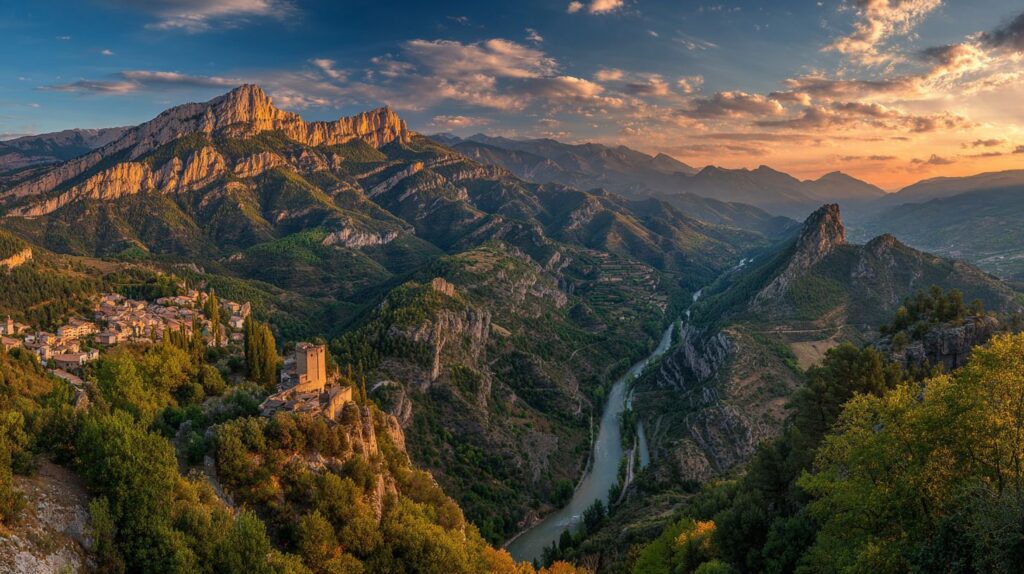
La Miguera in Zaragoza, where chef Ivan offers an exceptional dining experience featuring authentic tapas, such as migas aragonesas priced at EUR12 per set. The establishment received the prestigious Michelin Bib Gourmand accolade in 2024.
Delve into additional Spanish culinary treasures through this curated comparison of premier tapas venues, each attaining TripAdvisor ratings of 4.6 or higher, commended for their genuine flavors and superior service.
| Restaurant | Location | Specialty | Price Range | Best For |
|---|---|---|---|---|
| La Miguera | Zaragoza | Tapas | EUR20-30 | Gourmands pursuing Michelin-recognized cuisine |
| Casa Lac | San Sebastin (inspired style) | Wine tasting with pintxos | EUR25-40 | Connoisseurs of wine, pairing Txakoli with regional fare |
| Quimet & Quimet | Barcelona | Montaditos & conservas | EUR15-25 | Efficient, inventive small plates in a vibrant setting |
| Bar Nestor | San Sebastin | Tomato salads & grilled pintxos | EUR20-35 | Authentic local ambiance featuring fresh Basque produce |
Secure reservations through the TheFork application to benefit from a 20% discount. Recommendation: Steer clear of the 2:00 PM peak period; arrive ahead of time to obtain counter seating and partake in plates shared communally.
Exploring Aragon: Must-See Sights
The attractions of Aragon seamlessly integrate historical landmarks with natural splendor. According to regional tourism statistics, sites such as the Baslica del Pilar draw approximately 1.8 million visitors annually.
These destinations offer a diverse range of experiences, from leisurely urban explorations to thrilling zipline adventures in the Pyrenees.
Historic Cities and Mudjar Architecture
Begin your journey in the historic city of Zaragoza at the Baslica de Nuestra Seora del Pilar, a renowned UNESCO-listed Mudjar architectural masterpiece that attracts approximately one million visitors annually. Admission is complimentary, and visitors may opt for a scenic Ebro River cruise at a cost of EUR10.
From this starting point, construct a comprehensive itinerary centered on Aragon’s Mudjar heritage, including sites in Alcaiz, which was inscribed on the UNESCO World Heritage List in 1986.
To optimize your day, adhere to the following structured approach:
- Allocate four hours for a guided tour of Zaragoza, combining a visit to the Baslica with the Goya Museum, where an audio guide (EUR5) provides in-depth commentary on the artist’s notable frescoes.
- Proceed to a half-day excursion to the medieval village of Alquzar, approximately a 1.5-hour drive from Zaragoza. Entry to the castle is EUR12, with complimentary access to surrounding hiking trails.
Utilize reliable booking platforms, such as the GetYourGuide app, to secure reservations in advance.
Exercise caution to avoid frequent oversights, including the failure to purchase tickets ahead of time for the nearby Loarre Castle, which often reaches capacity.
This itinerary effectively integrates architectural landmarks, historical significance, and natural landscapes for a well-rounded experience.
Natural Parks and Pyrenees Adventures
Embark on the hike to Cascada de Cola de Caballo in Ordesa National Park from the nearby town of Jaca, a moderate trail spanning approximately five hours with an elevation gain of 1,000 meters. Guided tours are available through Civitatis for EUR45 per person.
Discover four engaging outdoor activities in the Pyrenees region’s national parks.
- Hiking in Ordesa National Park: Trails ranging from three to six hours, with complimentary entry; optimal during May to October. Utilize the AllTrails application for route navigation and safety precautions.
- Canyoning in Sierra de Guara: Half-day excursions priced at EUR60, including all necessary equipment; reservations can be made through established providers such as Guara Aventura.
- Ziplining over scenic gorges: Sessions lasting two to three hours for EUR50 via Viator, complete with harnesses and comprehensive safety briefings.
- Rafting on the Cinca River: Full-day tours at EUR70, featuring provided helmets and designed for participants of all experience levels, including beginners.
According to a 2024 study by Parks Europe, the region attracts approximately 500,000 visitors annually. It is imperative to adhere to conservation guidelines, such as remaining on designated trails, to preserve the natural habitats.
Learn more, A first-time guide to Zaragoza, Spain.
Frequently Asked Questions
What is the Aragon Travel Guide 2025: Where to Stay, Eat & Explore in Northern Spain all about?
The Aragon Travel Guide 2025: Where to Stay, Eat & Explore in Northern Spain is a comprehensive resource for travelers planning a trip to this stunning region. It covers top accommodations from cozy mountain lodges in the Pyrenees to luxurious hotels in Zaragoza, must-try local eateries featuring Aragonese cuisine like migas and ternasco, and iconic exploration spots such as the Basilica of Our Lady of the Pillar and the rugged Sierra de Guara Natural Park.
Where are the best places to stay according to the Aragon Travel Guide 2025: Where to Stay, Eat & Explore in Northern Spain?
In the Aragon Travel Guide 2025: Where to Stay, Eat & Explore in Northern Spain, recommended stays include a modern hotel and boutique hotels in Zaragoza’s historic center for urban vibes, eco-friendly paradores and chalet-style hotel in the Pyrenees for nature lovers with mountain views, a traditional hotel that is a restored mansion and Aragonese mansion with charming rooms, family friendly family-run guesthouses in Teruel like Hotel Alfonso offering authentic charm. Budget options start at EUR50 per night, while luxury spots reach EUR200, with tips on booking early for peak summer seasons.
What are the top places to eat highlighted in the Aragon Travel Guide 2025: Where to Stay, Eat & Explore in Northern Spain?
The Aragon Travel Guide 2025: Where to Stay, Eat & Explore in Northern Spain spotlights eateries featuring regional cuisine like Casa Lac in Zaragoza for traditional lamb dishes, mountain refuges in Benasque serving hearty stews, and tapas bars in Huesca with local wines. Expect flavors from jamn de Teruel to fresh trout from alpine rivers, with dining costs ranging from EUR15 for casual meals to EUR50 for fine dining experiences.
Which attractions should I explore based on the Aragon Travel Guide 2025: Where to Stay, Eat & Explore in Northern Spain?
According to the Aragon Travel Guide 2025: Where to Stay, Eat & Explore in Northern Spain, key explorations include hiking in Ordesa y Monte Perdido National Park, visiting the Mudjar architecture of Teruel’s towers, and wandering the Roman ruins of Albarracn. The guide suggests itineraries for 7-10 days, blending cultural sites with outdoor adventures, and advises comfortable shoes for the varied terrain.
When is the best time to visit Aragon as per the Aragon Travel Guide 2025: Where to Stay, Eat & Explore in Northern Spain?
The Aragon Travel Guide 2025: Where to Stay, Eat & Explore in Northern Spain recommends spring (April-June) for blooming landscapes and mild weather ideal for exploring, or autumn (September-October) to avoid crowds while enjoying harvest festivals. Summers are great for Pyrenees hikes but can be hot in the lowlands, while winters suit ski enthusiasts in stations like Formigal.
How can I plan a budget-friendly trip using the Aragon Travel Guide 2025: Where to Stay, Eat & Explore in Northern Spain?
The Aragon Travel Guide 2025: Where to Stay, Eat & Explore in Northern Spain offers tips for budget travel, such as opting for albergues or campsites in rural areas (under EUR30/night), eating at market stalls for fresh local produce, and using regional trains or buses for affordable transport between Zaragoza, Huesca, and Teruel. It estimates a 7-day trip at EUR500-800 per person, excluding flights, with free entry to many natural parks.