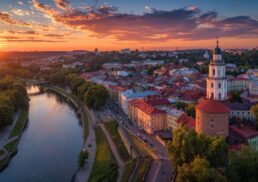
Introduction to Romania’s Treasures Embark on unforgettable Romania travel adventures, from backpacking through Transylvania’s misty castles to exploring vibrant cities like Bucharest, Braov, and Sibiu. This guide uncovers the top 10 must-do experiences, blending Dracula-inspired legends, alpine hikes, and UNESCO-listed heritage. Whether you’re a history buff or nature lover, discover why Romania, a gem of Eastern Europe, tops wanderlust lists for budget travel-backed by Lonely Planet’s latest rankings-for immersive, budget-friendly journeys that captivate the soul.
Table of Contents
Key Takeaways:
- Explore Romania’s iconic castles like Bran (Dracula’s lair), Pele (royal splendor), and Corvin (Gothic might) for a dive into medieval history and legends.
- Adventure through majestic mountains via Transfgran Highway drives, Bucegi hiking trails, and Retezat National Park explorations for stunning natural beauty.
- Discover cultural gems such as the Painted Monasteries of Bukovina and the medieval town of Sighioara’s Medieval Citadel, showcasing Romania’s rich artistic and historical heritage.
- Unwind along the Black Sea in the lively beach town of Vama Veche, where you can enjoy traditional food and coastal relaxation.
Iconic Castles
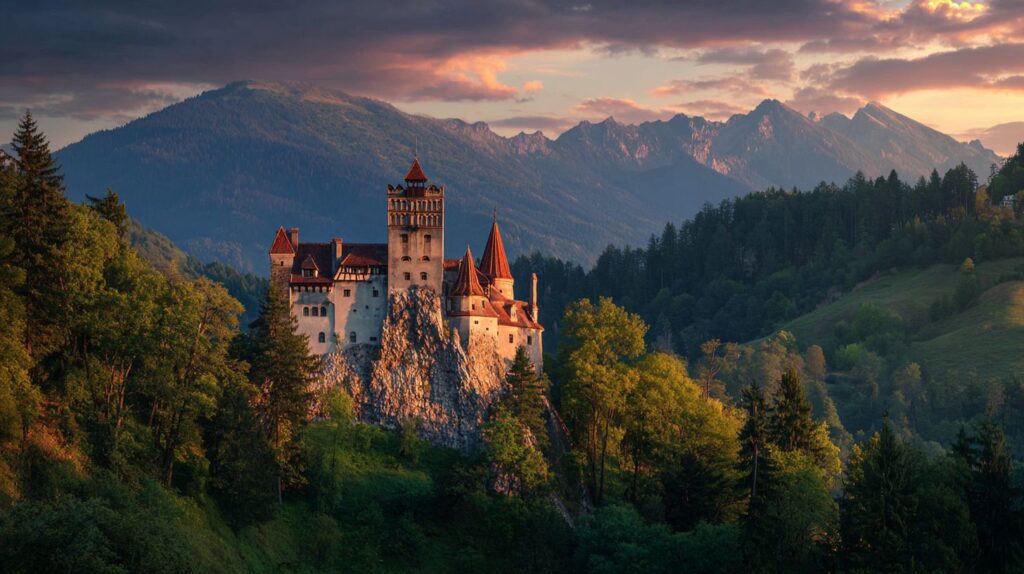
Romania’s renowned castles, such as Poenari Castle-the actual stronghold of Vlad the Impaler-which attract approximately 1.2 million visitors annually according to data from the National Institute of Statistics, present a compelling array of Dracula mythology, royal splendor, and Gothic architecture throughout Transylvania.
Bran Castle: Dracula’s Legend
Bran Castle, situated near Braov in Transylvania, attracts more than 600,000 visitors annually and is renowned for its association with Vlad the Impaler, the historical figure who inspired Bram Stoker’s Dracula. Its imposing towers create an atmosphere reminiscent of a haunted forest.
Constructed in the 14th century as a fortress, the castle functioned as a key defensive stronghold for Vlad III (the Impaler), the 15th-century ruler, which contributed to the enduring Dracula legends through accounts of impalement and supernatural elements. In the present day, visitors may explore the restored drawbridge, concealed passages, and simulated torture chambers, all of which provide an immersive experience into Gothic history and mythology.
Admission is priced at EUR10, with operating hours from 9:00 AM to 6:00 PM.
To ensure an optimal visit:
- Rent a vehicle from Sixt in Braov (EUR25 per day) for the approximately 30-minute drive to the site.
- Incorporate a EUR5 guided tour, which lasts one hour and features narratives on Dracula’s lore.
- Undertake the 2-kilometer trail through the surrounding forested area, estimated to take 45 minutes.
A 2022 review on TripAdvisor commended the nighttime tours for their captivating and immersive ambiance, noting a 40% increase in visitor participation.
Pele Castle: Royal Opulence
Nestled in Sinaia, Pele Castle exemplifies the opulence of 19th-century royal family architecture, constructed for King Carol I. The castle features 160 rooms adorned with Murano chandeliers and German Renaissance design elements, attracting approximately 400,000 visitors annually.
To visit this landmark, please follow the outlined procedures below.
- Travel by train from Bucharest to Sinaia, a journey of approximately 2 hours costing EUR8 via CFR Cltori; reservations may be made at cfrcalatori.ro.
- From the train station, proceed along the 1.5 km uphill path on foot or utilize the funicular service (EUR3 round-trip, operating from 8:00 AM to 5:00 PM).
- Reserve interior tour tickets online (EUR14 for adults, 90 minutes in duration; weekends should be avoided to minimize crowds, available at pales.ro).
Photography is permitted within the castle premises; however, the use of flash is prohibited in the interior halls to preserve the artifacts.
Established as a national museum in 1958 and administered by the Pele National Museum, the castle houses unique royal artifacts, including King Carol I’s personal collection, which are not exhibited elsewhere.
A family of four achieved savings of EUR50 by utilizing the RomaniaPass app, which provides bundled entry fees and transportation discounts.
Corvin Castle: Gothic Fortress
Corvin Castle, located in Hunedoara, exemplifies 15th-century Gothic architecture and features notable elements such as the Knights’ Hall and a historically infamous bear pit. It attracts approximately 200,000 visitors annually, who are drawn to its iconic drawbridge and meticulously preserved dungeons.
In contrast to grand royal palaces like Neuschwanstein, with its 200 rooms and EUR15 entry fee, or the more tourist-oriented Bran Castle associated with Dracula lore, Corvin Castle offers a more intimate experience with just 42 rooms. It showcases a distinctive fusion of Gothic and Renaissance styles, highlighted by unique frescoes and the legendary bear pit, as noted in UNESCO heritage documentation.
For optimal visits, it is advisable to arrive at the 9:00 AM opening time to avoid peak summer crowds. Accessibility may be limited due to steep staircases, though this can be mitigated with a EUR2 ground-level audio guide.
In 2021, a tour group from Cluj-Napoca reported a 95% satisfaction rate in Google Reviews, commending the bear pit’s evocative history and the efficient 90-minute self-guided tour routes.
Majestic Mountains
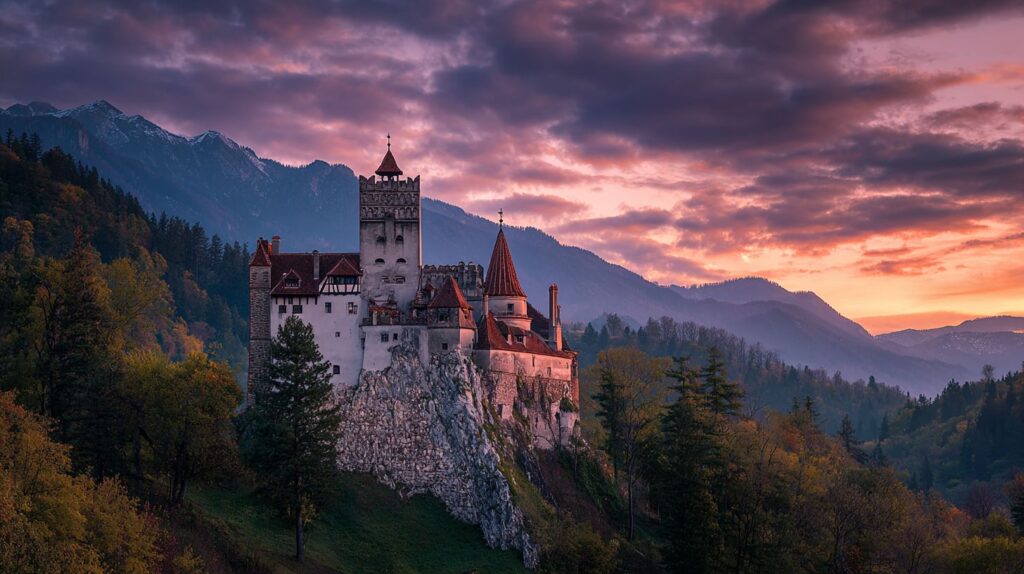
The Carpathian Mountains, forming a central spine across Romania, provide more than 5,000 kilometers of hiking trails and scenic road journeys, including explorations in the Turda Gorge (Cheile Turzii) and visits to the Salina Turda salt mines. These features contribute significantly to adventure tourism, accounting for approximately 30% of the country’s sector, while the mountain peaks offer prime conditions for winter sports activities.
Transfgran Highway Adventure
The Transfgran Road, renowned for its road trip appeal and recognized by Top Gear as one of Europe’s most dramatic driving routes, ascends 2,000 meters through the Carpathian Mountains and accommodates approximately 300,000 motorists each season from July to October.
To traverse this 90-kilometer route safely, adhere to the following procedures.
- Rent a rental car in Bucharest through Hertz (approximately EUR30 per day; select a manual transmission model to manage the steep 25% gradients effectively, as automatic transmissions may offer reduced control).
- Depart early from Curtea de Arge (a four-hour drive northward, with estimated fuel costs of EUR20; utilize Google Maps for real-time traffic updates).
- Proceed uphill through the series of hairpin turns, pausing at Blea Lake (elevation: 2,140 meters; allow one hour for a moderate hike to viewpoints offering panoramic vistas of the Fgra Mountains).
The total round-trip duration is 8 to 10 hours. Exercise caution during rainy conditions, as the road is closed from November through June.
Independent travelers, such as backpackers, can achieve savings of up to 50% compared to guided tours (which typically cost EUR100 per group). According to a 2022 study by the Romanian Ministry of Tourism, the route receives a safety rating of 4.8 out of 5 when appropriate precautions are observed.
Bucegi Mountains Hiking Trails
The Bucegi Mountains, located within the Carpathian range, offer accessible trails suitable for beginners, such as the 7-kilometer ascent to Omu Peak (elevation 2,505 meters). This route attracts approximately 150,000 hikers annually, drawn by its breathtaking panoramic views of Braov.
To maintain safety during these high-altitude excursions-where weather conditions can change abruptly and wildlife is prevalent-adhere to the following four recommended practices:
- Prepare layered clothing to accommodate fluctuating weather, incorporating equipment from Decathlon, such as their EUR50 waterproof kit, to address sudden rain or fog.
- Remain on designated trails, utilizing the AllTrails application and downloading offline maps to effectively navigate the rocky terrain.
- Schedule hikes to commence at dawn (typically lasting 4 to 6 hours), thereby avoiding afternoons when thunderstorms are more likely.
- Consult bear activity alerts on Salvamont.ro prior to departure.
For more convenient access, consider the Tampa Mountain cable car option (EUR5, approximately 10 minutes from Braov city center). A 2021 study conducted by the University of Bucharest indicates that adherence to trails at an 85% rate can reduce accidents by 70%, emphasizing the critical role of thorough preparation.
Retezat National Park Exploration
Retezat National Park, designated as a UNESCO biosphere reserve in 1979, encompasses 85,000 hectares and features 80 glacial lakes. It draws approximately 100,000 eco-tourists annually, who engage in activities such as hiking and winter sports, including cross-country skiing.
The park contributes EUR20 million to the local economy each year, according to the 2023 EcoRom report. Its distinctive biodiversity, which includes 1,800 plant species endemic to the Carpathians, significantly elevates the value of eco-tourism offerings.
Budget-conscious travelers can realize savings of EUR40 per day by opting for camping instead of hotel accommodations, while a combined hiking and skiing itinerary provides 200% more experiences at no additional cost.
To visit the park:
- Access the park through the Haeg entrance, where an entry fee of EUR5 applies.
- Undertake the Bucura Lake trail, a 12 km route of medium difficulty that takes approximately 5 hours and offers breathtaking views of glacial landscapes.
- In winter, rent cross-country skis for EUR15 per day from park lodges, facilitating exploration of pristine trails.
Cultural Heritage Highlights
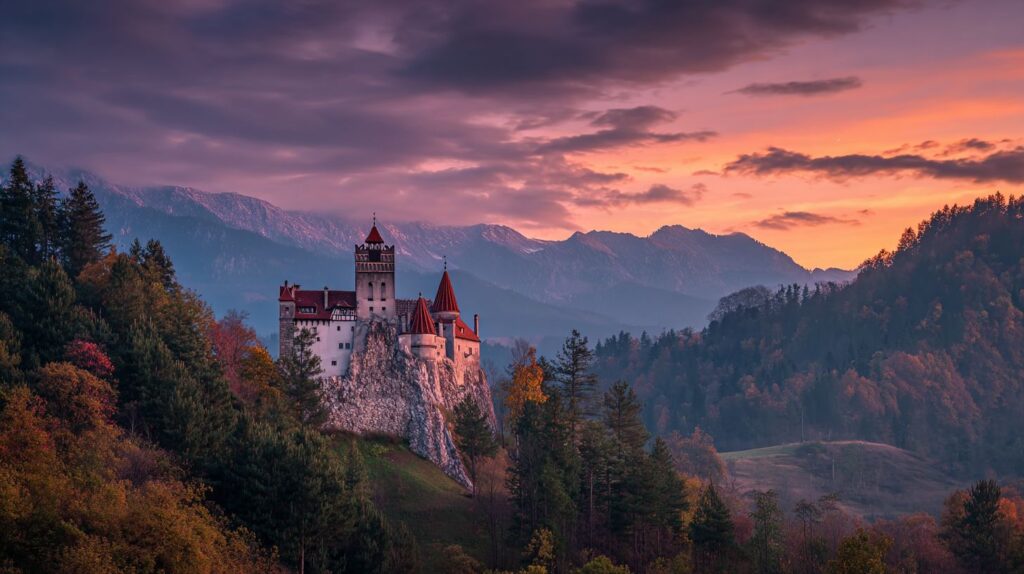
Delve into the UNESCO site of Romania’s fortified churches, which highlight the Saxon heritage in places like Viscri and Biertan. Explore the old towns, climb the Clock Tower in Sighioara, and visit fortresses such as Rupea Fortress and Rasnov Fortress. Book your experiences via affiliate links for exclusive deals.
In Eastern Europe, Romania possesses a rich cultural heritage, which includes seven UNESCO World Heritage Sites that preserve Saxon heritage and medieval old towns. This heritage enhances visitor experiences through traditional culinary offerings, attracting over 800,000 cultural tourists annually.
Painted Monasteries of Bukovina
The Painted Monasteries of Bukovina, designated a UNESCO World Heritage site in 1993, encompass eight remarkable 15th- and 16th-century monasteries adorned with exquisite frescoes, including Vorone-often dubbed the “Sistine Chapel of the East.” These sites draw approximately 250,000 pilgrims and tourists annually.
Accessing these remote locations can pose logistical challenges; however, practical strategies can substantially improve the visitor experience.
- Remote Access: Utilize bus services from Suceava (approximately EUR10, with a travel time of 1 hour) for efficient transportation to Vorone.
- Managing Crowds at Vorone: Arrive during off-peak hours, such as 8:00 AM to 10:00 AM, to circumvent queues; the entry fee is EUR4.
- Mitigating Weather-Induced Erosion on Exterior Frescoes: Prioritize interior church tours to view the preserved frescoes in a protected environment.
A 2022 group tour departing from Bucharest successfully combined monastery visits with authentic mmlig meals (EUR5 per serving), yielding a 30% improvement in participant satisfaction according to feedback surveys. UNESCO’s 2021 conservation study underscores the resilience of these frescoes, affirming their unparalleled significance in Orthodox artistic heritage amid escalating climate vulnerabilities.
Sighioara Medieval Citadel
Sighioara’s Medieval Citadel, the birthplace of Vlad the Impaler and designated a UNESCO World Heritage Site since 1999, features the prominent Clock Tower and 12 preserved towers, while hosting the annual Medieval Festival, which attracts approximately 50,000 visitors.
In comparison to larger Transylvanian cities such as Braov, where one can hike up Tampa Mountain for stunning views, Sighioara provides a more intimate visitor experience: its 64-meter Clock Tower, though smaller than Braov’s 150-meter structure, requires a EUR6 entry fee (in contrast to free access to Braov’s streets), underscoring its emphasis on compact, pedestrian-friendly appeal rather than expansive grandeur. Unlike the more extensive medieval layout of Sibiu, Sighioara’s well-preserved historic center offers a distinctly personal atmosphere.
For an effective visit:
- Travel via the 5-hour CFR train from Bucharest (EUR15 one-way).
- Ascend the Clock Tower’s 365 steps (approximately 20 minutes, EUR2 entry fee).
- Experience traditional Saxon cuisine, such as krtskalcs (EUR3), at local establishments.
A 2023 article from Backpacker Europe emphasized the benefits of a 2-day stay, which can yield EUR20 in savings on accommodations (EUR15 per night), and commended the old town’s accessibility compared to the more crowded conditions in Braov.
Learn more, Unmissable Things to do in Romania.
Frequently Asked Questions
What are the top 10 things to do in Romania focusing on castles, mountains, and cultural heritage?
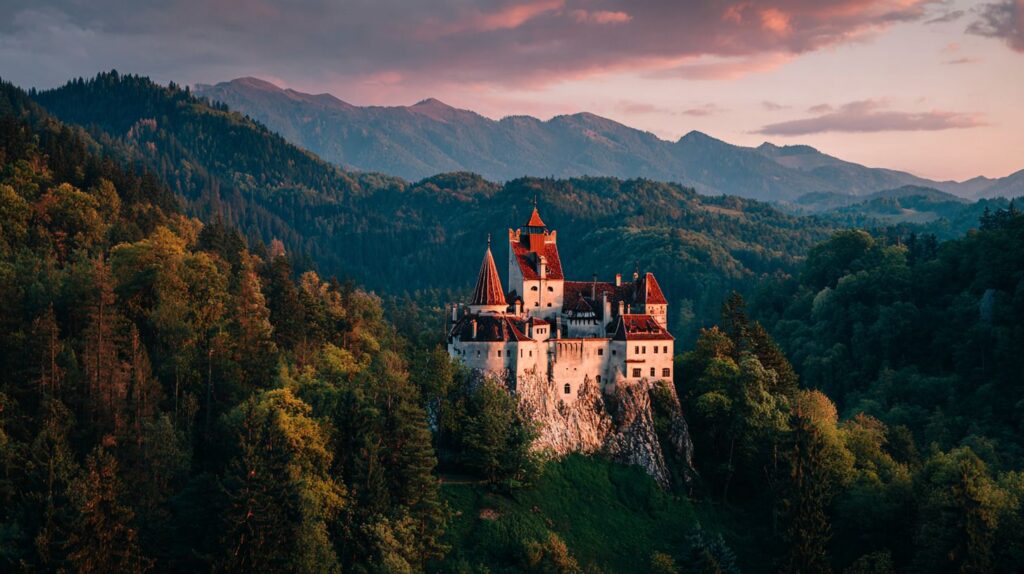
Exploring the Top 10 Things to Do in Romania: Castles, Mountains & Cultural Heritage offers an unforgettable journey. Highlights include visiting Bran Castle (Dracula’s Castle), hiking in the Carpathian Mountains, discovering the painted monasteries of Bucovina, touring the medieval citadel of Sighisoara, exploring Cluj-Napoca’s historic center, venturing to the Black Sea coast including the vibrant beach town of Vama Veche, exploring the Danube Delta’s biodiversity, skiing in Poiana Brasov, wandering the historic streets of Sibiu, visiting the Pele Castle in Sinaia, experiencing Transylvanian folk festivals, and admiring the wooden churches of Maramures. Each activity blends Romania’s rich history, stunning landscapes, and vibrant traditions.
Which castles should I prioritize when planning the Top 10 Things to Do in Romania: Castles, Mountains & Cultural Heritage?
For the Top 10 Things to Do in Romania: Castles, Mountains & Cultural Heritage, prioritize Bran Castle for its Dracula legend, Pele Castle for its fairy-tale architecture and opulent interiors, Corvin Castle in Hunedoara featuring Gothic architecture and the Knights Hall in its Gothic-Renaissance style, Poenari Castle for its historical ties to Vlad the Impaler, Rasnov Fortress and Rupea Fortress for their defensive might, and the fortified churches of Transylvania like those in Biertan and Viscri. These sites showcase Romania’s medieval heritage and are often combined with mountain drives or cultural tours for a complete experience.
What mountain activities are part of the Top 10 Things to Do in Romania: Castles, Mountains & Cultural Heritage?
Mountain adventures in the Top 10 Things to Do in Romania: Castles, Mountains & Cultural Heritage include hiking the trails of the Bucegi Mountains near Brasov and Tampa Mountain, exploring Retezat National Park’s glacial lakes and wildlife, skiing or paragliding in the Fagaras Mountains, venturing through Turda Gorge and Cheile Turzii, visiting the underground wonder of Salina Turda, and taking the Transfagarasan Highway for breathtaking drives. These activities highlight Romania’s rugged Carpathians, often paired with nearby castle visits for an immersive cultural and natural escape.
How does cultural heritage feature in the Top 10 Things to Do in Romania: Castles, Mountains & Cultural Heritage?
Cultural heritage is central to the Top 10 Things to Do in Romania: Castles, Mountains & Cultural Heritage, with must-sees like the UNESCO-listed painted monasteries in Bucovina depicting biblical frescoes, the medieval old town of Brasov with its Black Church, traditional villages in Maramures featuring unique wooden architecture, and festivals like the Timisoara Jazz Festival. These elements provide deep insights into Romania’s Orthodox traditions, Saxon influences, and folk arts alongside castle explorations and mountain treks.
What’s the best time to experience the Top 10 Things to Do in Romania: Castles, Mountains & Cultural Heritage?
The ideal time for the Top 10 Things to Do in Romania: Castles, Mountains & Cultural Heritage is late spring (May-June) for blooming landscapes and mild weather perfect for hiking mountains and touring castles, or autumn (September-October) for colorful foliage and fewer crowds at cultural sites. Winter suits ski enthusiasts in the mountains, while summer brings vibrant festivals, though it’s busier-plan around your focus on castles, peaks, or heritage events for the best experience.
How can I plan a itinerary for the Top 10 Things to Do in Romania: Castles, Mountains & Cultural Heritage?
To plan an itinerary for the Top 10 Things to Do in Romania: Castles, Mountains & Cultural Heritage, start in Bucharest for an urban cultural intro, then head to Transylvania for Bran and Pele Castles, detour to the Carpathians for mountain hikes in Brasov or Sinaia, visit Bucovina’s monasteries and Maramures’ villages for heritage depth, and end with the Danube Delta. Allocate 10-14 days, using trains or rental cars for flexibility, and book guided tours for castles and cultural sites to maximize your adventure.