Looking for safe, budget-friendly travel destinations in Europe? Romania emerges as one of the continent’s most underrated gems, blending rich history with stunning landscapes at an unbeatable value. Explore the vibrant energy of Bucharest’s Old Town, Palace of Parliament, Romanian Athenaeum, Arch of Triumph, and Cismigiu Gardens, or the enchanting Peles Castle, and discover why this Eastern European treasure offers authentic sightseeing adventures, top attractions, and low cost experiences without the crowds. This guide reveals insider tips to make your Romania trip unforgettable.
Before planning your trip, check flight deals from major airlines, entry requirements as Romania is part of the Schengen Zone, and the latest travel advisory for a smooth journey. Consider staying at Deluxe Holiday Homes for comfortable, affordable accommodations.
Table of Contents
Key Takeaways:
- Discover Romania’s rich history through iconic castles like Bran and ancient Dacian-Roman sites, offering uncrowded glimpses into Europe’s medieval and imperial past.
- Explore breathtaking natural wonders, from the wildlife-rich Carpathian Mountains to the serene Danube Delta and Black Sea coast, perfect for adventure seekers.
- Experience affordable, vibrant culture with traditional festivals, diverse cuisine, and modern urban gems like Bucharest, all at budget-friendly prices.
Rich Historical Legacy
Romania possesses a profound historical heritage that spans more than 2,000 years, encompassing ancient Dacian fortresses and medieval castles. This legacy is meticulously preserved through UNESCO designations and attracts approximately 1.2 million cultural heritage tourists annually, according to Eurostat data.
Iconic Castles and Fortresses
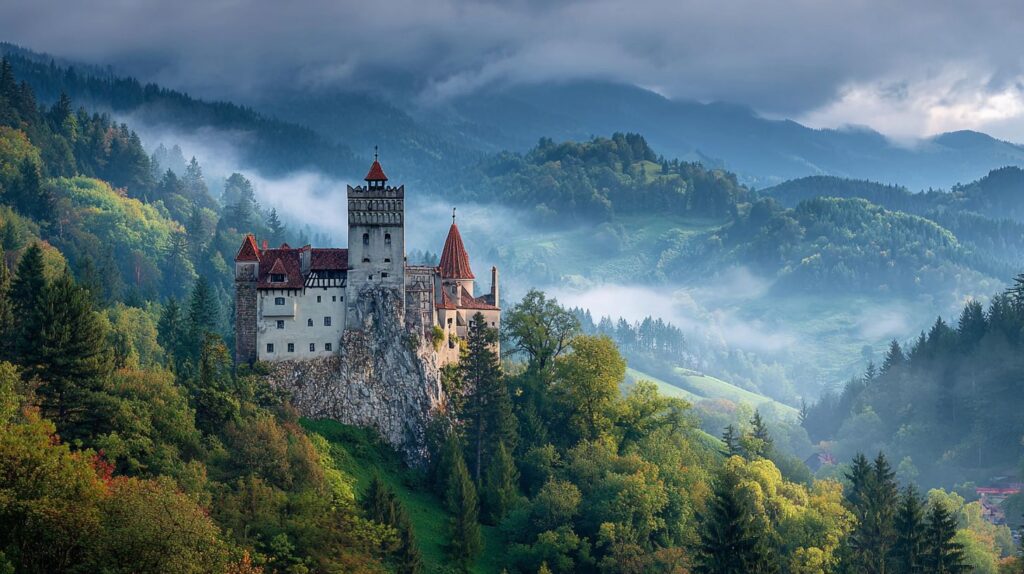
Visitors to Romania are encouraged to explore its renowned castles, such as Pele Castle in Sinaia, a neo-Renaissance masterpiece constructed in 1888 and comprising 160 rooms, as well as Bran Castle, the legendary residence associated with Count Dracula, steeped in folklore, legends, and architecture, which attracts approximately 700,000 visitors annually according to the Romanian Tourism Authority.
| Castle Name | Location | Entry Fee | Key Features | Best For | Pros/Cons |
|---|---|---|---|---|---|
| Pele Castle | Sinaia | EUR10 | Ornate interiors and gardens | History enthusiasts | Pros: guided tours; Cons: crowded on weekends |
| Bran Castle | Braov | EUR12 | Gothic architecture and Dracula lore | Adventure seekers | Pros: immersive exhibits; Cons: commercialized |
| Corvin’s Castle | Hunedoara | EUR6 | Drawbridge and frescoes | Architecture enthusiasts | Pros: affordable; Cons: remote location |
| Rnov Citadel | Braov | EUR5 | Medieval fortress with cable car access | Families | Pros: easy access; Cons: tourist-oriented |
Planning a Transylvania castle tour may be effectively organized using applications such as TripAdvisor or Rome2Rio to reserve day trips from Bucharest to attractions like Salina Turda, priced at approximately EUR50, which can incorporate Pele Castle and Sinaia accessible by train. To optimize the experience, it is recommended to avoid the peak season of July and August by scheduling visits in May or September, thereby benefiting from reduced crowds and more moderate weather conditions.
Additionally, opting for weekdays helps circumvent tour groups and can yield savings of 20-30% on transportation expenses.
Ancient Dacian and Roman Sites
Explore Romania’s ancient heritage at the UNESCO-listed Sarmizegetusa Regia, the capital of the Dacians dating to the 1st century BC, and the Roman ruins of Ulpia Traiana Sarmizegetusa. This site commemorates Emperor Trajan’s victory in 106 AD, with excavations ongoing under the auspices of the Romanian Academy.
To organize a self-guided tour for an enriching experience spanning approximately 8 hours, adhere to the following itinerary:
- 1. Commence at Sarmizegetusa Regia: Accessible via a 2-hour drive from Timisoara, with an entry fee of EUR5. Dedicate 1-2 hours to hiking among the stone sanctuaries; download Google Maps for offline navigation of the trails. To mitigate fatigue, avoid carrying excessive luggage during the hikes.
- 2. Proceed to the Apulum Roman site in Alba Iulia (entry fee EUR4; allocate 1 hour for exploring the amphitheater). Rent an audio guide for EUR2 to obtain detailed context on Roman daily life.
- 3. Conclude at the Voronet painted church and monastery near Gura Humorului, commissioned by Stephen the Great (entry fee EUR3; spend 2 hours examining the frescoes). To ensure comfort, schedule this visit outside of midday hours to avoid peak heat.
A 2019 study in the Journal of Archaeological Science underscores the significance of Dacian gold treasures unearthed at these locations, demonstrating the sophistication of their metallurgical advancements.
Stunning Natural Wonders
Romania’s natural wonders encompass 28% of the country’s territory, designated as protected areas according to the Ministry of Environment.
These areas feature stunning landscapes ranging from majestic alpine peaks to expansive coastal deltas, making them prime destinations for eco-tourism.
In 2022, these sites attracted over 500,000 visitors focused on nature exploration.
Carpathian Mountains and Wildlife
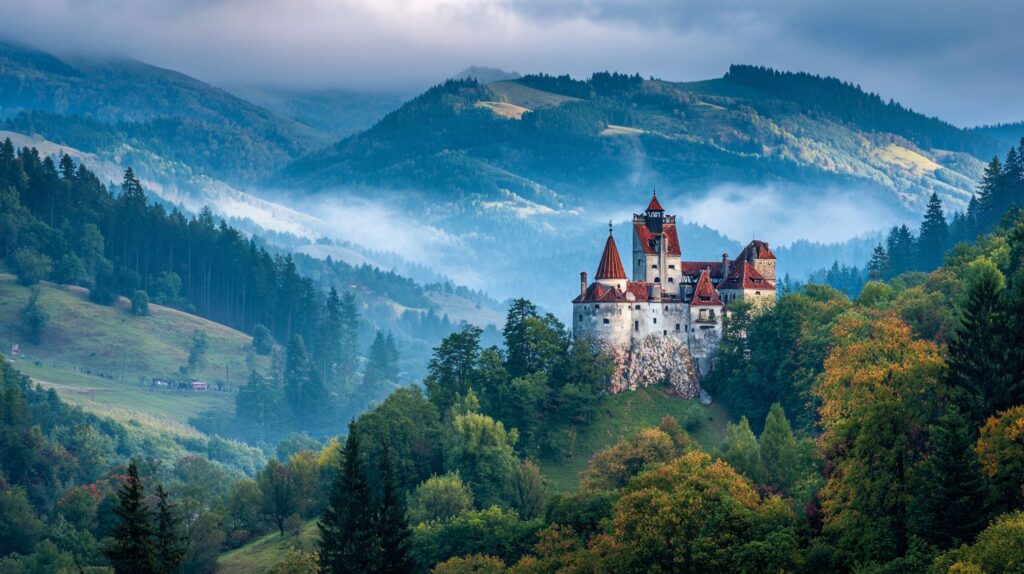
The Carpathian Mountains, Europe’s second-longest mountain range spanning 1,500 kilometers, are home to brown bears and lynx within Retezat National Park. This region features the Transfagarasan Highway, which provides 90 kilometers of picturesque drives and ascends 2,000 meters in elevation.
For engaging outdoor experiences, adhere to the following best practices during the highway’s operational season from May to October.
- Undertake the hike to Balea Lake (approximately 4 hours, with free entry; utilize the AllTrails application for GPS navigation and carry EUR10 bear spray for safety precautions).
- Cycle the loop around Vidraru Lake (about 3 hours; rent bicycles for EUR15 per day from shops in Sibiu and always wear helmets).
- Observe wildlife at dawn in Piatra Craiului National Park (participate in guided tours for EUR20).
A suggested 7-day itinerary incorporates approximately 50 kilometers of hiking: Days 1 through 3 in Retezat National Park, Days 4 and 5 along the Transfagarasan Highway, and Days 6 and 7 in Piatra Craiului National Park.
According to a 2020 study by the World Wildlife Fund (WWF), Romania’s brown bear population has increased by 60 percent, thereby enriching opportunities for wildlife observation.
Black Sea Coast and Danube Delta
The Danube Delta, designated as a UNESCO Biosphere Reserve in 1991, encompasses 5,800 square kilometers and supports approximately 300 species of birds. In contrast, the Black Sea Coast, stretching from Constana to Mamaia, draws around 3 million visitors annually to its 250 kilometers of sandy beaches.
Visitors to the Delta are encouraged to participate in guided boat tours departing from Tulcea, which cost EUR25 for four-hour excursions and offer opportunities to observe pelicans and herons amid stunning views. These tours achieve an 80% satisfaction rate according to TripAdvisor reviews.
For insights into wetlands conservation, consult the 2018 Ramsar Convention report, which emphasizes the protection of vital habitats in the face of climate-related challenges.
Along the coast, a family beach outing in Vama Veche can be arranged for a total of EUR30, including lunch and loungers-significantly more affordable than the EUR100 equivalent in Greece-while providing a serene atmosphere enhanced by Black Sea breezes.
To prevent mosquito bites, particularly during evenings in the Delta, it is advisable to use DEET-based repellent at a 20% concentration. This precaution ensures a safe and enriching experience that combines the region’s rich biodiversity with coastal recreation.
Vibrant Cultural Heritage
Romania’s cultural heritage is actively preserved and promoted through its designation of 15 elements on UNESCO’s List of Intangible Cultural Heritage, including the traditional Clu dance. These listings serve to strengthen community bonds within rural villages, where, as indicated by a 2022 study from the Ethnological Institute, approximately 70% of indigenous traditions remain in practice.
Festivals and Traditional Arts
Visitors to Romania are invited to experience renowned cultural festivals, such as the Sibiu International Theatre Festival in the historic main square near the clock tower and Liar’s Bridge, which attracted 80,000 attendees in June 2023, or to explore traditional arts at the Dimitrie Gusti National Village Museum in Bucharest’s Herstru Park, which features over 300 rural structures from various regions of the country.
For a deeper immersion into Romania’s cultural heritage, the George Enescu Festival in Bucharest offers a prestigious 20-day classical music event held from late August to mid-September, drawing approximately 50,000 visitors each year.
Tickets for the festival range from EUR20 for standard seating to EUR100 for premium orchestra positions; reservations can be made conveniently online through the official festival website, which also provides live streaming options for those attending remotely.
At the Village Museum, visitors should plan for a two-hour visit with an entry fee of EUR5, allowing time to participate in interactive pottery workshops set among authentically recreated rural dwellings-95% of TripAdvisor reviewers commend its genuine representation of Romanian village life.
A 2019 study published in the Cultural Heritage Journal underscores the significant economic impact of such events, contributing EUR50 million through tourism and local expenditures.
Delicious and Diverse Cuisine
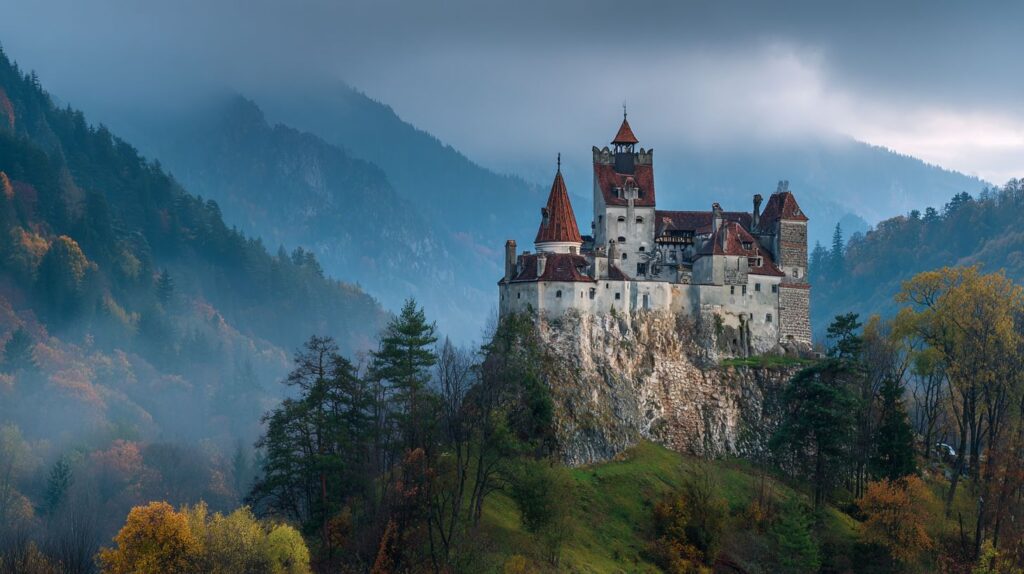
Romania’s cuisine showcases fresh organic produce, hearty sarmale, and mamaliga, reflecting the country’s rich local culture and traditions. Don’t miss markets in Transylvania for authentic flavors at low cost prices.
Romanian cuisine seamlessly integrates Eastern European influences with locally sourced organic ingredients, prominently featuring sarmale (cabbage rolls), which are available for EUR5 per serving in traditional establishments. This culinary tradition is underpinned by the fact that 40% of Romania’s farmland is dedicated to organic production, as reported in EU agricultural statistics.
Professionals and enthusiasts are encouraged to participate in a half-day culinary tour in Bucharest to fully experience these offerings.
- Commence the itinerary with mamaliga (polenta) in the Old Town at Hanu’ Berarilor (EUR3, 1 hour). Pair it with sour cream, taking care to avoid excessive saucing in order to appreciate its inherent earthy texture.
- Proceed to the Dealu Mare vineyards for an organic wine tasting session (2-hour tour, EUR15 via local cooperatives such as Cramele Reca). Advance reservations are recommended for guided tastings of Feteasc Neagr varietals.
- Conclude with papanasi (cheese donuts) at a nearby caf (EUR4).
A frequent oversight among participants is neglecting the vegetarian zacusca (eggplant relish).
For a structured daily budget of EUR20, consider the following combination:
- Sarmale lunch (EUR5)
- Mamaliga snack (EUR3)
- Wine flight (EUR7)
- Papanasi (EUR4)
This selection offers a diverse array of authentic flavors, aligned with Romania’s notable expansion in EU organic certifications during 2022.
Affordable Travel Experiences
Traveling to Romania is 50-60% less expensive than destinations in Western Europe, with round-trip flights from London available for as low as EUR50 through Ryanair promotions and average nightly accommodations at EUR30, according to 2023 Skyscanner data. Entry requirements are straightforward for citizens of the Schengen Zone.
| Category | Average Cost | Examples | Best For |
|---|---|---|---|
| Flights | EUR40-100 | Wizz Air deals to Bucharest | Budget travelers |
| Accommodation | EUR25/night | Deluxe Holiday Homes in Sibiu | Families |
| Tours | EUR40/day | Viator apps for Transylvania | Groups |
For a 10-day trip, the total estimated cost is EUR500, compared to EUR1,200 in Italy, representing a 58% savings in return on investment.
A sample itinerary includes: Days 1-3 exploring key sights in Bucharest; Days 4-7 touring Transylvania’s castles like Bran Castle and Peles Castle via Viator; and Days 8-10 relaxing in Sibiu.
According to the U.S. State Department (Level 1 advisory, 2023), Romania is generally safe for tourists; visitors are advised to exercise standard precautions against petty theft in urban areas.
Modern Urban Gems
Bucharest features several prominent modern urban landmarks, including the immense Palace of Parliament-the world’s second-largest building, encompassing 1.1 million square meters and completed in 1984-and the refined Romanian Athenaeum concert hall, which accommodates approximately 200 events each year.
Visitors may explore these attractions and others through the following recommended itineraries:
- Palace of Parliament: Participate in a 1.5-hour guided tour (EUR15; reservations available at cic.cdep.ro), which provides in-depth insights into the era of communist governance.
- Romanian Athenaeum: Attend a 1-hour concert performance (EUR10-EUR30; tickets via ateneul.ro) or conduct a complimentary exterior inspection to appreciate its neoclassical architectural elements.
- Arch of Triumph: View this iconic Bucharest landmark during a short stroll (complimentary; near Kiseleff Road).
- Old Town promenade: Undertake a complimentary 2-hour walking tour, enjoying local street cuisine such as covrigi (EUR5) amidst the lively cafs of the Lipscani district.
- Cismigiu Gardens: Arrange a picnic using provisions sourced from adjacent markets (EUR10; duration: 1-2 hours), preferably in the morning to minimize crowds.
- Dimitrie Gusti National Village Museum: Explore traditional Romanian architecture in this open-air exhibit (EUR5 admission; 2 hours).
- Macca Villacrosse Passage: Observe the Art Nouveau clock tower during a 30-minute self-guided visit (complimentary; located near Old Town).
- St. George Church: Conduct a 45-minute exploration of its Gothic architectural features (EUR2 admission), underscoring Bucharest’s medieval heritage.
A 2021 article in Urban Studies, authored by the European Urban Research Association, underscores the role of such cultural landmarks in facilitating the city’s resurgence following the communist period.
Why Romania Remains Underrated
Although Romania ranks as Europe’s fourth safest destination according to the 2023 Global Peace Index, it attracts only 1% of the continent’s 700 million tourists, as reported by the United Nations World Tourism Organization (UNWTO). This limited visitation is largely due to the overshadowing influence of more expensive neighboring countries, despite Romania’s distinctive attractions, such as the remarkable underground Salina Turda salt mine.
Nevertheless, four primary barriers continue to impede tourism growth.
- Persistent myths surrounding Count Dracula perpetuate perceptions of danger; these can be addressed by highlighting Numbeo’s low crime index of 25.3 and recommending affordable group tours from Bucharest at EUR30 per person.
- Marketing efforts for Romania lag behind those of destinations like Croatia; enhancing visibility through targeted social media initiatives, such as Instagram campaigns under #HiddenRomania, could prove effective.
- Inadequate rural road infrastructure limits accessibility; travelers are advised to utilize cost-effective ridesharing services like BlaBlaCar, available for approximately EUR10 per segment.
- Seasonal closures of key sites, such as the Humor Monastery during winter freezes, necessitate careful planning; visits are optimal during spring to ensure full access.
In a illustrative case study, solo traveler Anna completed a 14-day itinerary from Bucharest to Transylvania by train (EUR50), including entry to Salina Turda (EUR10) and accommodations in guesthouses (EUR30 per night), with total expenses amounting to EUR700. According to her TripAdvisor review, the journey was conducted with complete safety and without any incidents.
Learn more, Why Romania Should Be on Your Travel Wish List.
Frequently Asked Questions
What makes Romania one of Europe’s most underrated travel destinations?
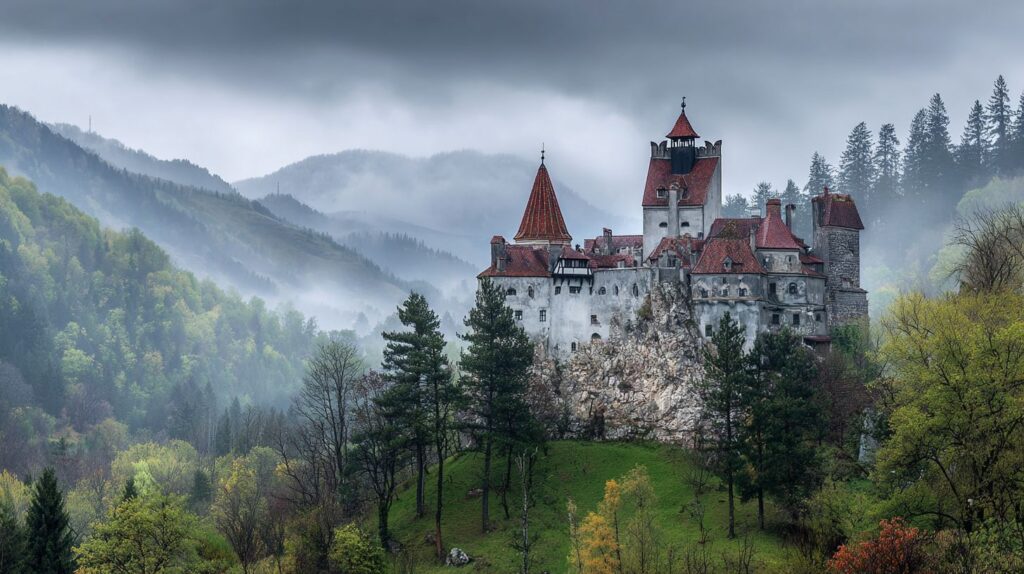
Romania stands out as one of Europe’s most underrated travel destinations due to its stunning blend of medieval castles like Bran Castle, the dramatic Carpathian Mountains, and vibrant cultural festivals that offer authentic experiences without the crowds of more popular spots. Its affordability and warm hospitality make it a hidden gem for adventurers seeking unspoiled beauty.
Why is Romania considered an underrated gem in Europe for history buffs?
For history enthusiasts, Romania is one of Europe’s most underrated travel destinations because of its rich Ottoman, Saxon, Dacian, and medieval heritage, including the fortified churches of Transylvania, Corvins Castle, monuments to Stephen the Great, and the ancient ruins at Sarmizegetusa Regia. These sites provide deep insights into Eastern European history with fewer tourists than Western counterparts.
How does Romania’s natural beauty contribute to it being one of Europe’s most underrated travel destinations?
Romania’s diverse landscapes, from the Black Sea coast to the Danube Delta biosphere reserve and the Apuseni Mountains’ caves, position it as one of Europe’s most underrated travel destinations. Nature lovers can enjoy hiking, cycling, wildlife spotting, and scenic drives in pristine environments that rival more hyped alpine regions.
What cultural experiences make Romania one of Europe’s most underrated travel destinations?
Romania offers unique cultural immersion through its traditional folk music, colorful Easter egg painting in Bucovina, and lively village markets, making it one of Europe’s most underrated travel destinations. Visitors can partake in authentic rural life and Orthodox traditions that feel worlds away from mainstream European tourism.
Is Romania budget-friendly, and why is it one of Europe’s most underrated travel destinations?
Yes, Romania is incredibly budget-friendly with low-cost accommodations, meals under EUR10, and free access to many natural sites, which is why it’s one of Europe’s most underrated travel destinations. Travelers get high-value experiences, from wine tours in Dealu Mare to city explorations in Bucharest, without breaking the bank.
What are the best ways to explore Romania as one of Europe’s most underrated travel destinations?
To fully experience Romania as one of Europe’s most underrated travel destinations, consider a road trip along the Transfgran Highway for breathtaking views, train journeys through Transylvania, or guided tours of painted monasteries. These methods allow flexible pacing to uncover its hidden villages and thermal spas at your own rhythm.