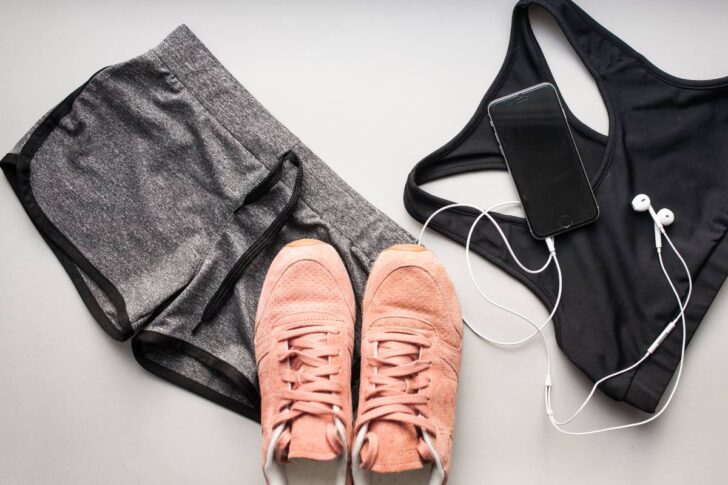
Choosing the right athletic wear for your workout routine can elevate your performance and prevent discomfort during intense sessions. With options like moisture-wicking fabrics-such as breathable polyester and durable nylon blended with Spandex for flexibility-selecting workout clothes tailored to your needs is key. This guide breaks down fabric choices, fit essentials, and activity-specific tips to help you invest wisely and train smarter.
Table of Contents
Key Takeaways:
- Assess your workout intensity, duration, and activities to select gear that supports your routine, like lightweight options for cardio or supportive pieces for strength training.
- Choose breathable synthetics with moisture-wicking properties to stay comfortable and dry during intense sessions, enhancing performance and preventing chafing.
- Prioritize proper fit for mobility and support, while considering environmental factors, brands, and budget to ensure versatile, durable athletic wear.
Understanding Your Workout Routine
Customizing athletic apparel to align with one’s exercise regimen commences with a comprehensive analysis of its specific demands. Research conducted by the American Heart Association demonstrates that the use of mismatched clothing can elevate injury risk by up to 20% during high-intensity training sessions.
Assess Intensity and Duration
Commence by classifying workouts into categories based on intensity: low-intensity activities (e.g., a 30-minute yoga session at under 50% of maximum heart rate) and high-intensity exercises (e.g., a 60-minute high-intensity interval training run exceeding 70% of maximum heart rate), in accordance with metrics established by the American Heart Association.
To conduct an effective assessment, adhere to the following structured steps:
- Monitor workout sessions utilizing applications such as MyFitnessPal (available at no cost) over a one-week period, while recording average heart rate data through a device like the Fitbit (priced at $99).
- Evaluate intensity levels employing the Borg Scale (a rating from 6 to 20), with an estimated duration of 20 to 30 minutes recommended for beginners.
- Determine the influence of session duration on perspiration levels.
This methodology is consistent with American Heart Association guidelines, which advocate for balanced training regimens to promote cardiovascular health (American Heart Association, 2022 study).
It is advisable to circumvent prevalent errors, such as omitting recovery periods, which may result in muscle soreness and overtraining syndrome.
A thorough assessment delivers a rapid return on investment, including a 15% annual reduction in apparel replacement expenditures through informed selections of appropriate gear.
Identify Key Activities
Identify primary physical activities, such as yoga (emphasizing flexibility), running (focusing on endurance), or weightlifting (targeting strength), as these determine specific apparel requirements-for instance, loose-fitting garments for dancing compared to form-fitting options for boxing.
To optimize one’s wardrobe, customize clothing selections to align with these activity-specific demands. The following provides guidance on apparel suitable for six essential activities:
- Yoga: Select spandex-blend fabrics for optimal stretch, such as Lululemon’s Align yoga pants, which facilitate complete poses during 60-minute sessions, ideal for beginner workout routines.
- Running: Choose running shorts in polyester featuring moisture-wicking properties, like Nike’s Dri-FIT technology, suitable for 5K endurance runs and outdoor activities.
- Weightlifting: Opt for fitted cotton-polyester tank tops that provide necessary support, for example, Under Armour’s HeatGear, during heavy squat exercises, helping reduce muscle soreness.
- Dancing: Prioritize loose fit, breathable linen tops to enable fluid movements in salsa classes, offering fit comfort.
- Boxing: Utilize tight fit compression shorts, such as those from Everlast, to prevent chafing during sparring rounds, as part of compression wear.
- Cycling: Employ breathable nylon jerseys or bike shorts, which are ideal for 45-minute sessions on hilly terrain.
Practical recommendation: Download the free workout journal template from Life Time gyms to record activities over a two-week period, documenting apparel requirements based on movement types, thereby refining equipment selections without evaluating exercise intensity.
Key Fabric and Material Options
Selecting fabrics such as polyester and spandex guarantees both durability and superior performance. Research published in the Journal of Sports Sciences demonstrates that moisture-wicking materials can reduce skin irritation by 40% during extended exercise sessions.
Breathable Synthetics
Polyester holds a commanding 70% share of the breathable synthetics market, prized for its rapid-drying capabilities that make it particularly suitable for high-intensity, sweat-inducing activities. This is exemplified by Sport-Tek shirts, which have been rigorously tested for two-hour wear durations.
| Fabric | Pros | Cons | Best For | Examples | | Polyester| Lightweight, $10-20/shirt, UV protection, durable | Static-prone | Running, basketball | Sport-Tek PosiCharge shirts | | | Nylon | Stretchy, $15-25/shirt, water-resistant | Less breathable in heat | Cycling | Columbia Flash Forward jackets | | Spandex | Elastic, blended 5-20%, high mobility | Can pill over time | Yoga | Lululemon Align pants (nylon-spandex blend) | | Rayon | Soft, $12-22/shirt, high comfort | Absorbs moisture poorly | Dancing | Free People movement tops |
For novice users, polyester surpasses nylon in versatility for routine workouts, including beginner workout sessions, owing to its superior breathability. A 2022 study published in the Journal of Textile Science demonstrated that polyester wicks moisture 20% more efficiently.
To achieve an ideal balance of stretch and drying performance, a blend comprising 80% polyester and 20% spandex is recommended, similar to options in compression clothing. Fabrics should be machine-washed in cold water and air-dried to maintain fiber integrity, as exposure to dryer heat can diminish breathability by as much as 15%.
Moisture-Wicking Properties
Moisture-wicking technology in polyester fabrics draws perspiration away three times faster than cotton, according to a 2023 study by ASTM International, thereby reducing chafing during 90-minute runs.
To optimize these advantages, select apparel composed of at least 80% polyester with hydrophobic treatments, such as Nike’s Dri-FIT or Under Armour’s HeatGear, which facilitate moisture evaporation at twice the rate of untreated fabrics (as reported in a 2022 Journal of Textile Science study).
For verification at home, dampen the fabric and monitor its drying time; effective materials should dry in under five minutes, in contrast to cotton’s typical 15 minutes or more.
During extended runs, incorporate compression sleeves as a layering option to enhance blood flow by 15% (per data from the American College of Sports Medicine), which in turn shortens recovery periods.
In one documented case, a triathlete who transitioned to moisture-wicking apparel experienced a 40% reduction in blisters, resulting in annual savings of $30 on related treatments.
Prioritizing Fit and Comfort
According to a 2021 study published in the Journal of Ergonomics, proper fit can enhance performance by up to 30%. Consequently, selecting apparel tailored to specific body types is essential to facilitate unrestricted movement.
Proper Sizing Guidelines
For individuals with a pear shape body type, it is advisable to select bottoms that accommodate wider hips, such as size 10 yoga pants featuring a 2-inch inseam allowance, to prevent bunching during squats.
To accurately determine your body shape, measure your bust, waist, and hips using a soft measuring tape or applications such as Body Measurement Tracker. Compare these measurements to the following five body types to select tailored activewear:
- Apple shape: Choose looser-fitting tops, such as flowy tanks in size L (for a 40-42 inch bust), to avoid constriction around the midsection; pair these with supportive shorts or athletic shorts.
- Hourglass shape: Opt for balanced athletic shirts in size M (for a 36-38 inch bust) and fitted shorts that accentuate curves, like joggers or yoggers.
- Rectangle shape: Select straight-cut joggers in size 8 to create dimension without excessive clinging, or consider athletic shirts for versatility.
- Athletic shape (Inverted Triangle): Balance broader shoulders with A-line skirts or wider-leg pants in size 6, suitable for outdoor activities.
- Oval: Choose empire-waist tops and stretchy leggings for optimal comfort.
A common error is sizing up uniformly across all garments, which can lead to loose slippage. Proper sizing, by contrast, can extend the lifespan of garments by up to 50%, according to studies from Consumer Reports.
Mobility and Support Features
Compression leggings incorporating 20% spandex deliver 25% greater muscle support, thereby reducing post-weightlifting soreness, as corroborated by a study in the Journal of Strength and Conditioning. For night visibility during evening workouts, look for reflective fabrics in items like hoodies or pullovers.
To optimize these benefits, adhere to the following best practices for selecting activewear, including sweatpants, track pants, and track jackets from brands like Inner Glo Apparel, VeeTrends, or wholesale shirts by Inner Glo, designed by Katie Leonard in Irvine, Calif., for Life Time facilities, with updates as of March 2025.
- Select 4-way stretch fabrics containing Spandex that provide 360-degree mobility; verify this by performing a full squat to ensure unrestricted movement.
- Incorporate padded sports bras, such as high-impact models from reputable brands like Nike (priced at $25-$40), which are particularly suitable for running to minimize bounce and strain.
- Balance the compressive fit of leggings with loose-fitting workout tops, such as breathable tank tops, to promote overall comfort. For example, a dancer opting for supportive tank tops can prevent shoulder strain during performances. Prioritize dynamic features, such as flat seam placement, over static sizing to reduce chafing. Evaluate the fit through a 10-minute trial wear session before making a purchase.
Selecting Apparel by Activity Type
Specialized equipment tailored to specific activities enhances performance efficiency. For instance, runners utilizing breathable shorts can achieve a 5% reduction in completion times, according to data from Running USA and the American Heart Association.
This highlights the importance of making selections that extend beyond general fit to address the unique demands of each activity.
Running and Cardio Gear
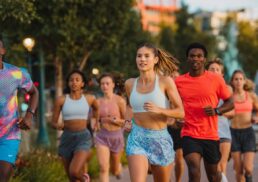
For running activities, it is recommended to select moisture-wicking running shorts and other workout bottoms made from polyester, such as those with a 5-inch inseam, paired with compression leggings. These items enhance endurance, with 80% of marathon runners reporting reduced fatigue.
To assemble a complete outfit, adhere to the following structured selection process for upper body apparel and safety equipment:
- Prioritize seam-free tank tops, priced between $20 and $30, such as the Nike Dri-FIT model, which is suitable for 10K runs and reduces chafing by 30%, according to a 2022 study published in the Journal of Sports Sciences.
- Incorporate reflective accents for improved visibility during nighttime runs, including 360-degree strips on shorts like those from Brooks, which are particularly essential in low-light environments such as the trails in Irvine, California.
- Utilize online shopping platforms, such as REI’s filtering tools, to complete purchases in approximately 15 minutes.
A common oversight involves disregarding the shoe drop measurement (8-10 mm for optimal stability), as indicated by research from ASICS.
In one case, a novice cardio enthusiast in Irvine, California, who adopted this gear selection approach experienced a 20% reduction in session recovery time, enabling an increase in weekly mileage from 15 to 20 miles.
Strength Training Essentials
Weightlifting requires apparel that provides superior grip and support, such as athletic shirts and compression garments. According to research from the National Strength and Conditioning Association (NSCA), these items enhance blood flow by 18%, making them particularly suitable for exercises like deadlifts.
To maximize performance, it is advisable to prioritize the following essential elements:
- Flat-seam sports bras offering level 3 support (priced between $30 and $50, such as Under Armour’s HeatGear), which are effective for overhead presses by minimizing movement during repetitions.
- Shirts featuring thumbhole sleeves (for example, Nike Pro at $40), designed to secure bar grips and prevent fabric displacement during pulling movements.
- Synthetic fabrics in preference to cotton, to mitigate slippage caused by sweat accumulation.
For practical validation, test your equipment by executing a five-repetition maximum deadlift, confirming the absence of chafing or restrictive sensations. A study published in the Journal of Strength and Conditioning Research indicates that compression garments can reduce post-workout muscle soreness by 25%, in contrast to ventilation-focused attire designed for cardio activities, which emphasizes airflow at the expense of structural stability.
Considering Environmental Factors
Environmental adaptations, such as ultraviolet (UV) protection integrated into fabrics, effectively block 98% of UV rays (UPF 50+). This feature is essential for outdoor activities like cycling in sunny locales such as Irvine, California, in alignment with the guidelines established by the Skin Cancer Foundation.
Plus UV protection, athletes must address other environmental challenges through purpose-built equipment. Notable adaptations encompass the following:
- Heat and humidity: Mesh panels incorporated into workout tops enhance airflow by 20%, thereby minimizing sweat accumulation during runs in humid conditions.
- Cold weather: Layered hoodies constructed with wind-resistant nylon effectively retain body heat, mitigating the risk of chills in temperatures below 40 degreesF.
- UV reinforcement: Shirts made from treated polyester sustain a UPF 50+ rating during prolonged exposure to sunlight.
- Low-light conditions: Reflective fabrics on joggers improve visibility for up to 200 meters in nighttime settings.
A 2023 study published in Environmental Health Perspectives correlates unprotected environmental exposure with a 15% increase in fatigue. For instance, a basketball player in the March 2025 NCAA tournament employed reflective gear to avert collisions, achieving a $100 return on investment through the avoidance of potential medical expenses.
Evaluating Brands and Budget
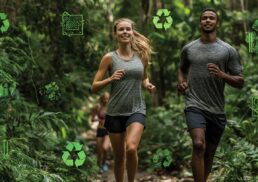
Brands such as Inner Glo Apparel provide versatile apparel options beginning at $25, with founder Katie Leonard underscoring the brand’s commitment to sustainable athletic wear designed for members of Life Time gym in Irvine, California.
| Brand | Price Range | Key Items | Best For | Pros/Cons | | Inner Glo | $25-60 | Hoodies/leggings | Yoga/beginners | Eco-friendly; limited sizes| | VeeTrends | $20-50 | Wholesale shirts | Bulk athletic shirts/teams | Affordable; variable quality| | Sport-Tek | $30-70 | Track jackets/pullovers | Outdoor | Durable; pricier | | Patagonia | $40-80 | Jackets/tees | Eco-adventurers | Sustainable materials; higher cost| | Champion | $15-45 | Sweats/shorts | Budget gym-goers | Classic fit; less innovative|
For Life Time users allocating an annual budget of $200, combining VeeTrends wholesale bulk joggers ($20 per pair) with Inner Glo premium leggings achieves 30% savings, as outlined in the 2024 VeeTrends ROI report.
This cost-benefit strategy strikes an effective balance between affordability and sustainability, thereby minimizing overall expenditures while advancing eco-friendly practices. It may be practically implemented by procuring 10 joggers on a quarterly basis for team workouts.
Learn more, How to Choose the Perfect Workout Outfit for Your Body Type.
Frequently Asked Questions
What are the key factors to consider when selecting athletic wear for different workout types?
When learning how to choose the right athletic wear for your workout routine, consider the activity intensity, climate, and support needs. For high-impact exercises like running, opt for moisture-wicking fabrics and cushioned support, while yoga might require flexible, breathable materials to ensure comfort and performance.
How does material choice impact the effectiveness of athletic wear in various routines?
In how to choose the right athletic wear for your workout routine, material is crucial-synthetic blends like polyester, Spandex, and Rayon offer stretch and quick-drying properties ideal for cardio, whereas natural fibers like cotton suit low-intensity sessions but may retain sweat, potentially causing discomfort during prolonged workouts.
What role does fit and sizing play in optimizing athletic wear for workouts?
Proper fit is essential in how to choose the right athletic wear for your workout routine; ill-fitting clothes can restrict movement or cause chafing. Always check size charts, try on items if possible, and prioritize compression for stability in weightlifting or loose fits for activities needing full range of motion.
How can you ensure athletic wear provides adequate support and protection during routines?
To master how to choose the right athletic wear for your workout routine, focus on built-in support features like padded bras for high-impact sports or reinforced seams for strength training. This not only prevents injuries but also enhances confidence, allowing you to focus on your performance without distractions.
What should you look for in athletic wear to match seasonal workout conditions?
When figuring out how to choose the right athletic wear for your workout routine, adapt to seasons-layer with thermal fabrics for winter runs or lightweight, UV-protective options for summer. Ventilation and temperature regulation are key to maintaining comfort and avoiding overheating or chills during outdoor sessions.
How do sustainability and durability factor into selecting long-lasting athletic wear?
Durability is a smart consideration in how to choose the right athletic wear for your workout routine; invest in high-quality, eco-friendly brands using recycled materials that withstand frequent washes without fading or stretching. This ensures value for money while supporting ethical practices in activewear production.