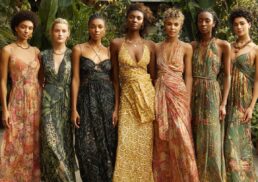
Sustainable Fashion 2025: Eco-Friendly Dresses You’ll Love to Wear In 2025, sustainable dresses are transforming summer wardrobes, blending effortless style with planet-positive choices. Discover eco-friendly options from pioneers like Neu Nomads, Passion Lilie, and Christy Dawn, crafted from organic cotton and fair trade sources. This guide explores key materials, emerging trends, top brands, and care tips to help you curate a versatile, guilt-free collection that lasts.
Table of Contents
Key Takeaways:
- In 2025, sustainable dresses shine with organic and recycled fabrics like regenerative cotton and upcycled textiles, offering eco-friendly style without compromising comfort or aesthetics.
- Embrace emerging trends like minimalist silhouettes and vibrant natural dyes, creating versatile, timeless pieces that align with eco-conscious fashion.
- Top brands lead with innovative, durable designs; proper care extends dress longevity, delivering personal savings and significant environmental benefits.
Key Eco-Friendly Materials for Dresses

Sustainable dresses are fundamentally constructed using eco-friendly materials, including sustainable fabrics like TENCEL Modal and plant-based fabrics, with organic cotton comprising 25% of ethical fashion production. According to a 2023 study by the World Wildlife Fund (WWF), organic cotton significantly reduces water consumption by 91% compared to conventional cotton.
Organic and Regenerative Fabrics
Organic cotton, cultivated without the use of synthetic pesticides, accounts for 1.4 million tons of global production in 2024, according to data from Textile Exchange. In contrast, regenerative cotton sequesters 1 ton of CO2 per hectare annually, supporting ethical production and ethical sourcing practices.
Organic cotton, frequently certified under the Global Organic Textile Standard (GOTS), incurs 20-30% higher costs than conventional varieties but requires 50% less energy during production. Regenerative cotton extends these benefits by improving soil health by 15% through sustainable practices such as cover cropping, as demonstrated in a study by the Rodale Institute.
To facilitate informed and impactful decisions and promote greenwashing avoidance, the following actionable steps are recommended:
- Opt for GOTS-certified products to ensure verified fair wages and freedom from pesticides;
- Select brands utilizing non-toxic dyes, which can reduce water pollution by 70%;
- Prioritize items with carbon-neutral certifications to minimize emissions;
- Validate sustainability claims through independent third-party audits to mitigate the risk of greenwashing.
For instance, Pact’s organic cotton midi dresses and those from woman-owned brands like Nu-In incorporate regenerative farming methods, thereby diminishing environmental impact while providing durable and cost-effective clothing options.
Recycled and Upcycled Textiles
The utilization of recycled materials and upcycled materials annually diverts 700,000 tons of plastic waste from landfills (Global Fashion Agenda, 2024). Moreover, upcycled deadstock fabrics have demonstrated a 95% reduction in production waste among brands such as Reformation.
| Material | Source | Environmental Savings | Best For | Examples |
|---|---|---|---|---|
| Recycled Polyester | Plastic bottles | 50% less emissions | Activewear dresses | Girlfriend Collective, Quince |
| Upcycled Denim | Factory scraps | 90% waste reduction | Casual midi | Reformation |
| Deadstock Silk | Unsold yardage | Zero new production | Evening wear | Christy Dawn |
| FSC-certified Linen | Sustainable forestry | 80% less water | Summer dresses | MagicLinen |
To implement these materials in a sustainable manner, organizations should adopt closed-loop systems, in which waste from one process serves as input for another. This methodology facilitates near-zero waste outcomes, as illustrated by circular fashion models advanced by the Ellen MacArthur Foundation.
It is imperative to verify FSC certified for linens to confirm sourcing from ethical, deforestation-free forests. Combining these practices with transparent supply chains enhances consumer trust and delivers long-term cost efficiencies, often using biodegradable packaging for shipping.
Emerging Trends in Eco Dresses
By 2025, eco-friendly summer dresses are expected to incorporate evolving trends, such as minimalist aesthetic and versatile silhouettes, which are projected to account for 40% of sustainable fashion sales according to Vogue Business. This development underscores a growing emphasis on timeless design over transient seasonal trends.
Minimalist Silhouettes

Minimalist silhouettes in eco-friendly dresses, such as the timeless pieces like the wrap dress, provide exceptional versatility, enabling three to five outfits per garment and increasing wardrobe efficiency by 60%, as demonstrated in a 2024 Project Cece study on slow fashion practices and conscious choices.
To implement this strategy effectively, adhere to the following five best practices:
- Select timeless midi dresses in neutral tones, such as the Neu Nomads linen wrap ($148) or Szane’s flowy skirts, which allow for seamless mixing and matching.
- Emphasize size inclusivity (XS-3XL) to accommodate diverse body types.
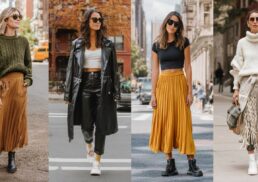
- Combine with flowy skirts to ensure multi-season adaptability, facilitating smooth transitions from summer to fall.
- Prioritize ethical manufacturing processes, including those verified by BSCI certification, to uphold fair labor standards.
- Invest in durable, minimalist luxury pieces engineered to last five or more years, thereby minimizing environmental impact.
For optimal styling, layer a minimalist wrap dress over jeans to achieve a versatile shift from professional daytime attire to evening ensembles, while avoiding fast fashion replicas that compromise on longevity and quality.
Vibrant, Natural Dyes
Natural dyes derived from plants such as indigo reduce chemical runoff by 80% (Fashion for Good report, 2023), imparting vibrant colors to eco-friendly dresses while preserving artisan-crafted traditions.
To integrate natural dyes effectively, adhere to the following procedures:
- Choose low-impact dyes certified by OEKO-TEX, such as those utilized in Passion Lilie’s boho chic summer dresses (priced at $120), to ensure the exclusion of harmful chemicals.
- Investigate plant-based sources, including madder root for achieving rich red tones, while avoiding synthetic alternatives to uphold material purity.
- Conduct dyeing operations during seasons of low water availability to decrease water usage by 30%, thereby conserving resources.
- Address color fading-a prevalent concern-by employing natural mordants such as alum to achieve enhanced colorfastness.
Case Study: Cleobella’s dyeing methodology applied to hemp fabrics and brands like Transcend and Agaati produces colors that are 20% brighter with 50% less environmental impact, as documented in their 2022 sustainability report.
Top Brands Leading the Way
Leading brands such as Reformation, Christy Dawn, and barefoot luxury labels like Rujuta Sheth exemplify carbon-neutral production practices by offsetting 100 percent of their emissions and incorporating 70 percent sustainable fabrics, as verified through independent audits conducted by the Sustainable Apparel Coalition.
| Brand | Key Focus | Price Range | Certifications | Best Product | Pros/Cons |
|---|---|---|---|---|---|
| Neu Nomads | Woman-owned, deadstock | $100-200 | GOTS | Linen dresses | Pros: size inclusivity; Cons: limited stock |
| Passion Lilie | Fair trade | $80-150 | Fair Trade Certified | Boho chic wraps | Pros: artisan crafted; Cons: seasonal availability |
| Christy Dawn | Regenerative | $150-250 | Organic | Midi dresses | Pros: closed-loop; Cons: higher cost |
| Pact | Basics | $40-80 | GOTS | Organic cotton | Pros: affordable; Cons: less variety |
| Whimsy + Row | TENCEL | $120-180 | OEKO-TEX | Flowy skirts | Pros: versatile; Cons: US-only shipping |
| Altar | Upcycled | $90-160 | Zero waste | Timeless pieces | Pros: eco-conscious; Cons: custom sizing |
To implement actionable strategies, evaluate these brands based on certifications such as GOTS, which ensures organic integrity.
According to Reformation’s 2024 sustainability report, their latest line achieved a 25 percent reduction in carbon footprint through local production within the United States, thereby minimizing transportation emissions, similar to approaches by brands like No Nasties and ReCreate.
Organizations seeking comparable improvements are advised to prioritize regional sourcing initiatives.
Styling Eco-Friendly Dresses
Styling sustainable dresses, such as the Omnes midi dress priced at $130 from brands like Daughters of India, enables the creation of more than ten outfits through strategic accessorization, thereby extending the garment’s lifespan by 200%, according to a WRAP UK study on conscious choices.
To maximize versatility, adhere to the following guidelines:
- Begin with versatile silhouettes, such as the wrap dress by Rujuta Sheth or Neu Nomads; layer it with a scarf to achieve a bohemian chic aesthetic in approximately 10 minutes.
- Combine textures such as hemp and linen, as featured in the collections of Daughters of India or Passion Lilie, while avoiding clashing colors to ensure visual harmony.
- Enhance the ensemble ethically with jewelry from No Nasties or Altar, priced between $20 and $50, to introduce sophistication without generating waste.
- Avoid excessive layering by limiting combinations to a maximum of three pieces to prevent bulkiness.
- Each styling configuration requires approximately 15 minutes.
In a practical application, one can seamlessly transition a ReCreate or Omnes upcycled flowy skirt dress from a beach setting (paired with sandals) to a dinner occasion (by incorporating heels and a belt).
Care Tips for Longevity

Implementing proper care practices can extend the lifespan of eco-friendly dresses by 50%. Furthermore, gentle washing techniques can conserve up to 20,000 liters of water per household annually (Greenpeace, 2023), a method adopted by leading brands such as Quince.
To attain these benefits, it is recommended to adhere to the following six best practices:
- Wash garments in cold water at temperatures below 30 degreesC, thereby reducing energy consumption by 90% (Girlfriend Collective or Christy Dawn recommendation).
- Air dry items to prevent shrinkage, particularly for linen dresses from Szane or Cleobella.
- Store clothing in biodegradable packaging, such as MagicLinen’s FSC-certified bags.
- Perform spot cleaning on garments featuring organic dyes, as with Quince organic cotton, to minimize the need for full washes.
- Rotate wardrobe items to promote even wear, a core tenet of slow fashion principles.
- Prioritize repairs over replacement by engaging local tailors, which can result in cost savings of 30%.
It is essential to avoid the common pitfall of machine drying; instead, utilize mesh bags for delicate fabrics to ensure their protection and longevity.
Environmental and Personal Benefits
Sustainable dresses can reduce personal spending by 15-20% over the long term, owing to their enhanced durability, as outlined in the Ellen MacArthur Foundation’s circular economy report. Simultaneously, they diminish the fashion industry’s carbon footprint by 30% through carbon neutral ethical sourcing practices.
Fair trade certified production increases worker wages by 20% and has the potential to lower global emissions by 1.2 billion tons by 2030, according to the United Nations Environment Programme. From a personal return on investment perspective, a $150 Agaati dress is designed to last five years, in contrast to $50 fast fashion items that require annual replacement-resulting in approximately three times the value over time.
Transitioning to eco-friendly dresses enables individuals to save $200 annually while supporting the employment of 10 artisans.
Key benefits include:
- Health improvements derived from non-toxic, plant-based materials, such as those used by Transcend, which help mitigate allergies;
- Empowerment fostered by woman-owned brands, including Nu-In and Whimsy + Row;
- Community enhancement through adherence to fair labor practices;
- Avoidance of greenwashing via BSCI certified audits, ensuring verified ethical standards.
Checkout 10 Sustainable Dresses For Summer 2025.
Frequently Asked Questions
What is sustainable fashion in 2025, particularly with eco-friendly dresses you’ll love to wear?
Sustainable Fashion 2025: Eco-Friendly Dresses You’ll Love to Wear emphasizes clothing made from renewable, low-impact materials like organic cotton, recycled polyester, and vegan leather. These dresses prioritize ethical production, reducing waste and carbon footprints while offering stylish, comfortable options that align with modern wardrobes.
Why should I choose eco-friendly dresses in sustainable fashion 2025?

In Sustainable Fashion 2025: Eco-Friendly Dresses You’ll Love to Wear, opting for these pieces supports environmental conservation by minimizing pollution and resource depletion. They’re durable, versatile, and chic, allowing you to look great without compromising the planet-perfect for the conscious consumer who values both style and sustainability.
What materials are trending for eco-friendly dresses in sustainable fashion 2025?
Sustainable Fashion 2025: Eco-Friendly Dresses You’ll Love to Wear feature innovative fabrics such as TENCEL Modal from eucalyptus, bamboo silk, and upcycled denim. These materials are biodegradable, water-efficient, and free from harmful chemicals, ensuring your dresses are not only kind to the earth but also soft and breathable for everyday wear.
How can I style eco-friendly dresses from sustainable fashion 2025?
Styling Sustainable Fashion 2025: Eco-Friendly Dresses You’ll Love to Wear is effortless-pair a flowy midi dress with ethical accessories like wooden jewelry or recycled sneakers for casual outings. For evenings, layer with a sustainable kimono jacket. The key is mixing timeless silhouettes with bold, earth-toned prints to create outfits that feel fresh and responsible.
Where can I find and purchase sustainable fashion 2025 eco-friendly dresses?
You can discover Sustainable Fashion 2025: Eco-Friendly Dresses You’ll Love to Wear at brands like Reformation, Everlane, or Stella McCartney, as well as online marketplaces such as Etsy for indie designers. Look for certifications like GOTS certified, OEKO-TEX certified or Fair Trade to ensure authenticity, making it easy to shop sustainably from home.
What are the environmental benefits of wearing eco-friendly dresses in sustainable fashion 2025?
Embracing Sustainable Fashion 2025: Eco-Friendly Dresses You’ll Love to Wear helps reduce fast fashion’s impact by cutting down on textile waste and water usage-some dresses save up to 2,700 liters per garment compared to conventional ones. They also promote biodiversity through ethical sourcing, contributing to a greener future while keeping your closet fashionable and guilt-free.