While New York City, home to the Empire State Building, captivates with its iconic skyline, New York State beckons explorers northward to uncover hidden gems far beyond Manhattan. From the Finger Lakes’ stunning natural beauty and winding wine trails to lush state parks in the Hudson Valley and Adirondacks, including central New York, this guide spotlights serene escapes, rustic adventures, and cultural treasures that reveal the Empire State’s diverse allure, perfect for backpackers seeking traveller experiences and bucketlist items shareable on social media.
Table of Contents
Key Takeaways:
- Discover the Hudson Valley’s historic estates and farm-to-table dining, offering a charming escape from urban hustle with small towns embodying americana culture and fresh local cuisine.
- Explore the Catskills and Adirondacks for rugged hiking trails, stunning waterfalls, and cozy lodges, perfect for year-round outdoor adventures in pristine wilderness.
- Unwind in the Finger Lakes, a wine producing region with wineries along Seneca Lake, Cayuga Lake, Keuka Lake, Skaneateles Lake, and Hemlock Lake near Watkins Glen, revealing a tranquil side of New York ideal for relaxation, tastings, and lake life.
Beyond Manhattan: An Overview
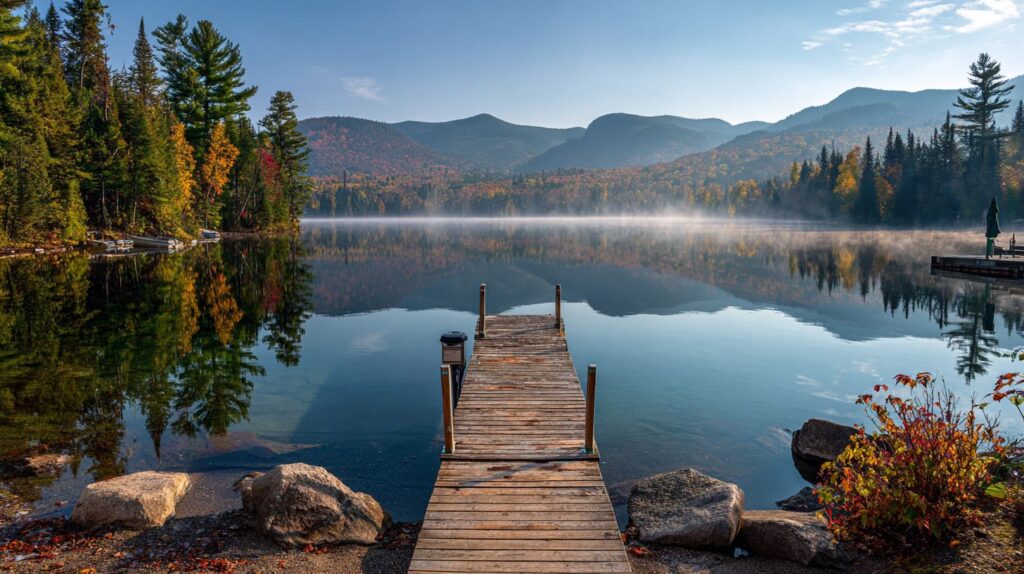
New York City draws approximately 66 million visitors each year to its renowned landmarks, such as Times Square and the Statue of Liberty, accessible via Port Authority bus terminal or regional airport. In comparison, the upstate regions of New York provide a more tranquil alternative, attracting 20 million tourists annually who seek natural beauty and outdoor pursuits, according to data from the New York State tourism authority.
In stark contrast to the vibrant streets and towering skyscrapers of Manhattan, the serene landscapes of upstate New York offer a peaceful respite. The Hudson Valley is renowned for its rolling hills and historic estates, while the Adirondacks feature pristine wilderness ideal for immersive experiences in nature.
Following the year 2020, tourism in upstate New York experienced a 15% increase, as reported by Visit New York, appealing particularly to environmentally conscious travelers and backpackers. Rather than leisurely walks in Central Park, visitors may opt for challenging hikes along notable trails such as the Devil’s Path or ascents of the Adirondack High Peaks, which provide solitude amidst expansive forests.
These upstate destinations compete with the dynamism of New York City by offering restorative and authentic outdoor experiences that promote renewal without the intensity of urban environments.
The Hudson Valley’s Charm
Located just 50 miles north of Manhattan, the Hudson Valley seamlessly integrates 17th-century Dutch heritage with contemporary farm-to-table dining, attracting approximately 5 million visitors annually to its picturesque rolling hills and charming riverside towns.
Historic Estates and Towns
Visitors to the Hudson Valley may wish to explore the Vanderbilt Mansion National Historic Site, a distinguished Gilded Age estate featuring 54 opulent rooms with vistas of the Hudson River, or take a leisurely walk along the colonial streets of Rhinebeck, which are adorned with well-preserved 18th-century architecture dating back to the era of Native American habitation.
To fully immerse oneself in the region’s rich historical tapestry, consider planning a two-day itinerary in the Hudson Valley.
- **Day 1:** Conduct a tour of Franklin D. Roosevelt’s Springwood Estate, where admission is $10 and a two-hour guided experience is available through the National Park Service app, offering audio insights into his presidency.
- **Day 2:** Visit the Dia:Beacon museum in Beacon, accessible via a complimentary shuttle from Metro-North; allocate approximately 90 minutes to explore its 34 galleries of contemporary art.
It is advisable to avoid overpacking luggage and to select lightweight walking shoes suitable for navigating the area’s cobblestone pathways.
As noted in the Hudson Valley Heritage study, the preservation of more than 200 historic sites contributes an annual economic impact of $1.2 billion to the local economy, thereby fostering sustainable tourism.
Farm-to-Table Culinary Scene
Experience seasonal cuisine at The Dutch in Wappingers Falls, where 80% of ingredients are sourced from nearby farms, exemplifying the Hudson Valley’s $500 million agritourism industry and dynamic food scene, a true foodie heaven.
Discover additional farm-to-table establishments, such as
- Hudson Valley Brewery in Beacon, offering craft beer pints priced at $8, brewed with grains from local farms for a distinctive, regionally inspired flavor.
- Enjoy a picnic at Market Fresh in Cold Spring, featuring baskets priced at $25 and accompanied by river views for approximately 30 minutes-ideal for leisurely afternoons.
- Sample the $15 charcuterie boards at Talia’s Farm Stand in Millbrook, prepared from livestock raised on-site.
- Head to Ellicottville Brewing Company near Buffalo for craft beer and famous buffalo wings, enhancing the local food scene.
A study by Cornell University underscores how more than 150 local farms reduce food miles by 50%, thereby enhancing sustainability. According to USDA data, a $100 meal of this nature supports three local jobs, yielding a substantial return on investment through positive community impacts.
Catskills’ Rustic Appeal
Located ninety minutes from New York City, the Catskills region encompasses 700,000 acres of forested peaks and waterfalls. This area has long inspired prominent artists, including Thomas Cole, and attracts approximately 4 million hikers annually.
Hiking and Waterfall Trails
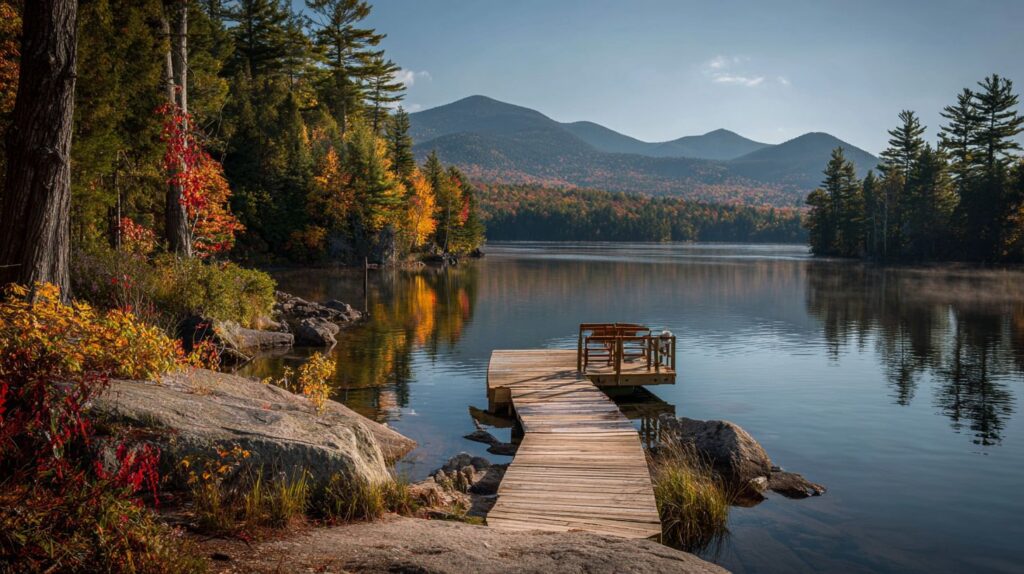
Embark on the Kaaterskill Falls Trail, a moderate 2-mile hike situated in Catskill Park that leads to New York’s tallest waterfall, standing at 260 feet. According to data from the Department of Environmental Conservation (DEC), the trail attracts approximately 300,000 visitors each year.
- Before commencing the hike, download the AllTrails application, which is available at no cost and features GPS tracking along with user reviews. Allocate about 45 minutes to configure the app and map the route.
- Pack at least 2 liters of water, sturdy hiking boots, and rain gear, given the presence of slippery rocks on the trail. The New York State Department of Environmental Conservation (NYS DEC) identifies slips as the leading cause of injuries.
- Begin at the lower parking lot off Route 23A, ascending 0.8 miles through a series of switchbacks to reach the base overlook (elevation gain of 600 feet; estimated time: 45-60 minutes).
- To access the upper falls, undertake an additional 0.4-mile scramble; however, it is recommended to avoid this section if conditions are wet.
- The highlights include misty cascades and groves of laurel.
- The total duration is 2-3 hours; scheduling the visit for mid-week is advised to minimize crowds.
Cozy Mountain Lodges
Experience relaxation at Scribner’s Catskill Lodge, which offers 38 rooms equipped with wood-burning fireplaces. Rates commence at $250 per night, seamlessly integrating rustic elegance with contemporary conveniences in a scenic mountain environment.
| Lodge | Price/Night | Amenities | Best For | Pros/Cons |
|---|---|---|---|---|
| Scribner’s Catskill Lodge | $250 | Fireplaces, on-site dining, hiking | Couples/relaxation | Pros: Cozy and scenic; Cons: Seasonal access |
| Mohonk Mountain House | $600 | Spa, hiking trails, lake activities | Families | Pros: All-inclusive meals; Cons: Remote location |
| Woodstock Way Hotel | $200 | Wellness spa, arts events, yoga | Solo travelers/creatives | Pros: Cultural ambiance; Cons: Smaller rooms |
Reservations may be secured via Booking.com, where applying filters for fireplaces will identify comparable accommodations. A 20% discount applies to midweek stays.
TripAdvisor reviews indicate an 85% satisfaction rate for these Catskills retreats, with commendations for their serene, nature-centric experiences in preference to urban hotels.
Adirondacks’ Wild Beauty
The Adirondacks encompass 6 million acres-an expanse larger than Yellowstone National Park-and are renowned for their 46 High Peaks and 3,000 glaciers formed lakes sculpted by ancient forces. This vast region welcomes approximately 12 million visitors each year, providing exceptional opportunities for immersion in untamed wilderness along scenic waterways.
Lakeside Retreats and Peaks
Enjoy a leisurely meal cruise aboard the Lake George Steamboat Company’s one-hour tours, priced at $20 per adult, embracing lake life along a 32-mile waterway, or undertake the ascent of Mount Marcy (5,344 feet, 15-mile round-trip hike) for expansive panoramic views.
- To facilitate a seamless adventure, begin your day at Lake George by reserving cruises online through the company’s website. These narrated tours offer detailed insights into historic sites, such as Fort Ticonderoga.
- Prepare by packing essential items, including sunscreen and snacks.
- Proceed to hike Mount Marcy via the Van Hoevenberg Trail; equipment rentals are available from the Adirondack Trading Post at $15 per day for trekking poles and packs.
- Allocate 8 to 10 hours for the endeavor; utilize the AllTrails application for GPS navigation and tracking.
- According to a 2022 report from the New York State Department of Environmental Conservation (NYSDEC), these activities contribute significantly to the region’s $1.5 billion outdoor economy.
- To minimize encounters with crowds, avoid peak weekends; consult weather updates on NOAA.gov to anticipate potential sudden storms in the Adirondacks.
Year-Round Outdoor Adventures
The region features more than 100 adventure operators, offering a diverse array of activities from summer kayaking and paddleboard sessions on Raquette Lake (rentals available for $25 per hour at the Adirondack Experience) to winter skydiving over Lake Placid (tandem jumps priced at $250 through Skydive the Ranch). For more inspiration, check related articles on these travel experiences.
Visitors may explore year-round thrills through the following seasonal highlights:
- Winter: Snowshoe on Whiteface Mountain (lift ticket $50, encompassing 8 miles of trails);
- Spring: Kayak the Ausable River (guided tours $60, lasting 3 hours);
- Fall: Hike Cascade Pass (4.6 miles, with peak foliage observed in October).
For summer alternatives, paddleboarding on the Saranac Chain Lakes is recommended (free permits required).
Recommended best practices include:
- Booking excursions through REI Adventures at least three months in advance;
- Packing layered clothing to accommodate variable weather conditions.
According to data from the New York State Tourism Department, participation in off-season activities has increased by 40% since 2019, thereby improving accessibility and providing enhanced value through special deals.
Finger Lakes’ Serene Escape
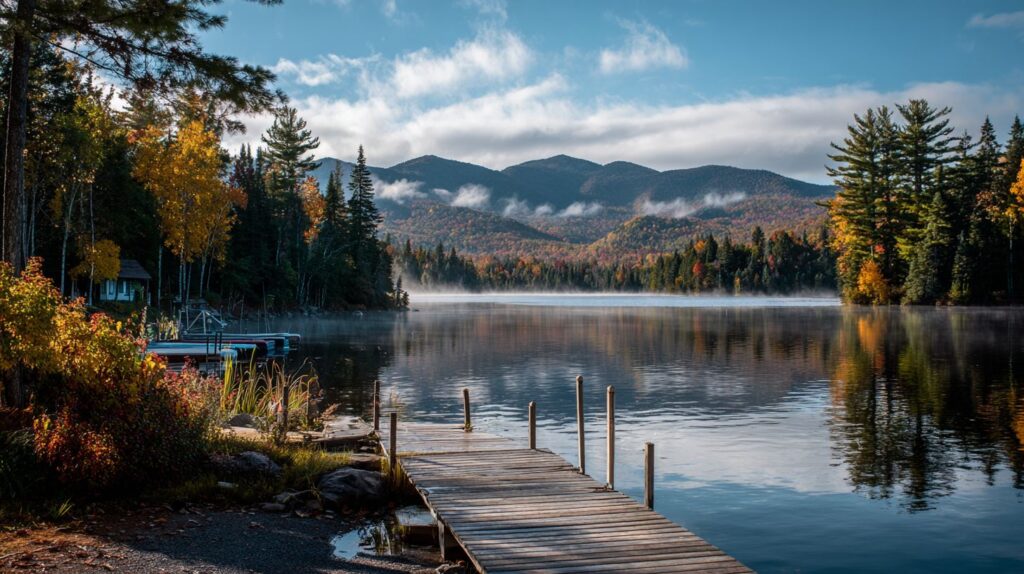
The Finger Lakes region encompasses 11 bodies of water sculpted by glacial activity, including Skaneateles Lake, Seneca Lake, the deepest at 618 feet. These lakes account for 90% of New York’s Riesling production and attract approximately 8 million visitors each year, who are drawn to the serene ambiance of the wine country.
Wine Trails and Vineyards
Embark on the Seneca Lake Wine Trail, which features 35 distinguished wineries, including Dr. Konstantin Frank, where tastings are offered for $15 and feature estate-grown Pinot Noir. Complement this with a visit to Watkins Glen State Park, renowned for its 19 waterfalls, to create a comprehensive full-day itinerary.
Extend your journey with a scenic loop drive around Cayuga Lake, spanning approximately 50 miles and encompassing five wineries. Utilize the complimentary Wine Trail mobile application for interactive maps and optimized timed routes, allocating about two hours at each venue, such as Swedish Hill, which offers Riesling flights for $12.
Enhance your tastings with dining experiences at Taverna in Corning town, where farm-fresh pasta plates are available for $30.
To prioritize safety and forgo driving, consider the meal cruises on Keuka Lake, priced at $75 for a 2.5-hour excursion that includes onboard wine tastings and picturesque lake views.
Explore the lesser-known attractions of Hemlock Lake through guided hikes leading to lakeside wineries, such as Burning Tree.
A study by Cornell AgriTech underscores the economic significance of the region’s more than 100 wineries, which contribute $6.5 billion to the local economy. For those preferring alternatives to wine, craft beer options are available at Ellicottville Brewing Company.
Why Explore Upstate Now
Following a 25% increase in domestic travel after the pandemic (according to the U.S. Travel Association’s 2023 report), upstate New York’s 50 state parks and attractions, such as Panama Rocks Scenic Park, provide less crowded alternatives to Manhattan’s iconic landmarks like the Empire State Building, Central Park, and the Statue of Liberty. Flight options from regional airports begin at $99.
Consider the return on investment: A daily upstate trip costing $150 offers three times more outdoor activities compared to $400 in New York City, as indicated by a 2022 Cornell University study on regional tourism. Below are five compelling reasons to consider planning a visit:
- Sustainability-Participate in Adirondack carbon offset programs through the Adirondack Council to support environmentally responsible hiking.
- Accessibility-Utilize Port Authority buses to reach Bemus Point for a round-trip fare of $40.
- Experiences-Engage in activities such as kayaking on Chautauqua Lake or skydiving at Tanglewood Nature Centre.
- Culture-Visit Native American historical sites, which feature 90% lower crowd density than comparable urban locations.
- Trends-The #UpstateNY hashtag has experienced a 40% increase in usage on Instagram (per Hootsuite’s 2023 analysis).
For additional information, refer to articles on Finger Lakes itineraries and backpacking recommendations from Lonely Planet.
Learn more, 6 “Hidden” Gems in New York.
Frequently Asked Questions
What makes “Why New York State Is More Than Manhattan: Hidden Gems Up North” a compelling travel theme?
The theme “Why New York State Is More Than Manhattan: Hidden Gems Up North” highlights how the Empire State’s diverse landscapes, from serene lakes to rugged mountains, offer escapes far beyond the urban buzz of NYC, inviting travelers to discover underrated spots like the Adirondacks for a more authentic New York experience.
Why explore hidden gems up north instead of just staying in Manhattan?
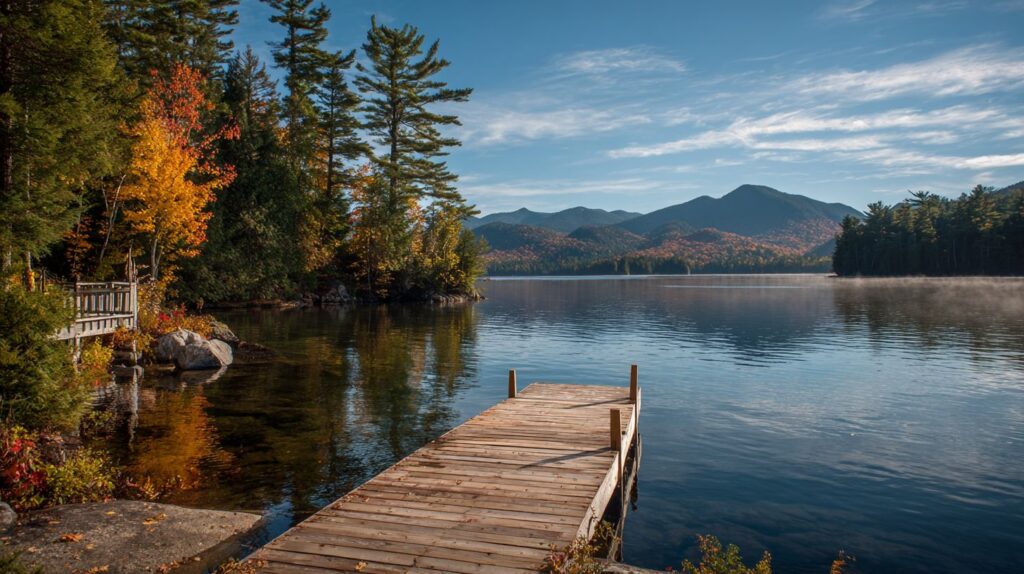
While Manhattan captivates with its skyscrapers and energy, venturing up north reveals why New York State is more than Manhattan: hidden gems like the Finger Lakes’ wineries and Letchworth State’s dramatic gorges provide peaceful, nature-filled adventures that showcase the state’s untouched beauty and cultural depth.
What are some must-visit hidden gems up north in New York State?
Embracing the idea of “Why New York State Is More Than Manhattan: Hidden Gems Up North,” top spots include Saratoga Springs for its historic spas and horse racing, the Thousand Islands for scenic boating amid 1,800 islands, and Lake Placid’s Olympic legacy, all offering a refreshing contrast to the city’s hustle.
How does upstate New York differ from Manhattan in terms of attractions?
“Why New York State Is More Than Manhattan: Hidden Gems Up North” underscores the shift from Manhattan’s concrete jungle to upstate’s natural wonders, such as the Catskills’ hiking trails and fall foliage, or Niagara Falls’ majestic power, providing outdoor activities and small-town charm that feel worlds away from Times Square.
Best time to discover hidden gems up north in New York State?
To fully appreciate “Why New York State Is More Than Manhattan: Hidden Gems Up North,” plan visits in fall for vibrant autumn colors in the Adirondacks or summer for lake swimming in the Finger Lakes; these seasons amplify the serene, less-crowded appeal of the region’s parks, historic sites, and farm-to-table dining.
How to plan a trip focusing on “Why New York State Is More Than Manhattan: Hidden Gems Up North”?
Start by flying into Albany or Syracuse airports to bypass Manhattan, then rent a car for flexible exploration of hidden gems up north; itinerary tips include a week blending the Hudson Valley’s arts scene with the Adirondacks’ wilderness, ensuring you experience why New York State offers so much more than its iconic borough.