Introduction: Why Austria Is Europe’s Perfect Blend of Nature and Elegance
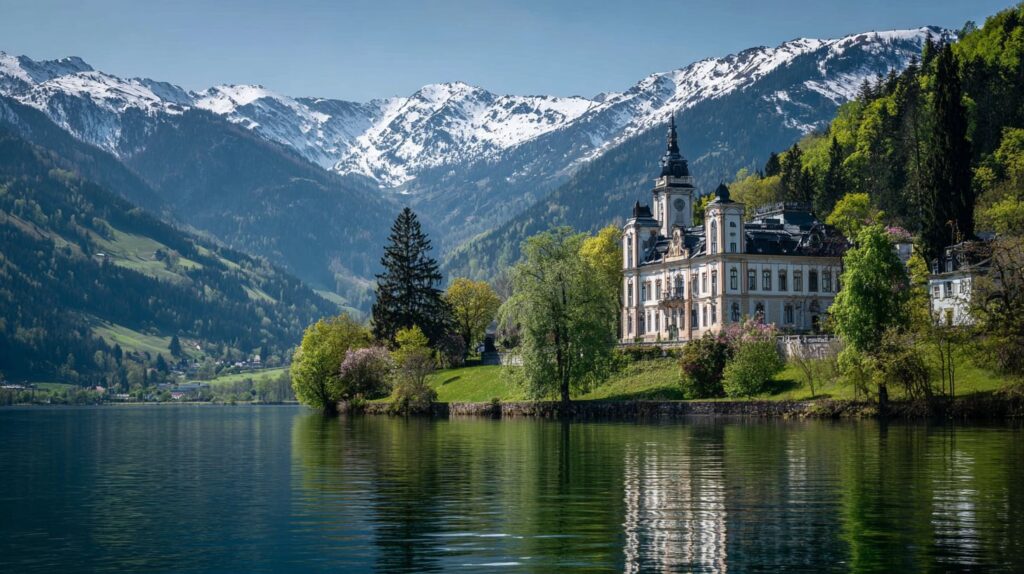
Discover why Austria captivates with its seamless fusion of majestic Alps and refined sophistication. From the snow-capped peaks of the Austrian Alps to the imperial grandeur of Vienna and the melodic charm of Salzburg, this gem offers unparalleled harmony. Uncover the landscapes, culture, and experiences that position Austria above the rest of Europe.
Table of Contents
Key Takeaways:
- Austria masterfully blends majestic Alpine peaks, serene lakes, and lush valleys with imperial elegance in Vienna and Salzburg, offering unparalleled natural beauty and culture sophistication.
- From Habsburg architectural marvels to world-class culinary and year-round festivals, Austria’s rich history elevates its pristine landscapes into a timeless paradise.
- Whether hiking rugged trails or savoring Mozart concerts, Austria delivers adventure and refinement, outshining Europe’s other destinations as the ultimate harmony of nature and elegance.
Stunning Alpine Landscapes
The Austrian Alps cover 62% of Austria’s land, featuring 4,000+ peaks over 2,000 meters, as documented by the Austrian Alpine Association. This vast region showcases remarkable biodiversity with over 10,000 plant species, according to the ALPARC study, thriving amid a favorable climate that delivers 300 sunny days per year in Tyrol. These mountains blend raw natural power with accessible adventure, drawing hikers, skiers, and nature lovers to explore jagged summits and serene valleys. The area’s sustainable tourism practices preserve its splendor for future generations.
Beyond the peaks, the Alps offer diverse ecosystems from glaciers to wildflower meadows, supporting unique wildlife like chamois and golden eagles. Visitors find a perfect mix of outdoor pursuits and cultural heritage in charming alpine villages. Whether ascending via modern cable cars or wandering ancient trails, the experience captures Austria’s timeless beauty. This foundation sets the stage for deeper discoveries in majestic elevations and tranquil lakes alike.
The Austrian Alps Majesty
Grossglockner, Austria’s highest peak at 3,798 meters in Hohe Tauern National Park, attracts 1 million visitors yearly for skiing across 200+ resorts. The top five peaks include Grossglockner, Wildspitze at 3,768 meters, Glocknerwand at 3,721 meters, Hochfeiler at 3,510 meters, and Zuckerhtl at 3,507 meters. These elevations offer thrilling skiing stats, with Kitzbhel hosting 250,000 skiers per season on groomed slopes. Hiking enthusiasts tackle 42,000 km of total trails, from beginner paths to multi-day treks with stunning vistas.
Cable car access enhances exploration, such as the Dachstein Glacier ride for EUR40 and a 10-minute ascent to panoramic views. For a practical visitor itinerary, try a 3-day Tyrol loop: Day 1 hike near Innsbruck (EUR50 gear rental), Day 2 ski in Slden (EUR100 lift pass), Day 3 visit Grossglockner High Alpine Road (EUR100 including transport), totaling around EUR250. This plan balances adventure with scenic drives through alpine passes.
Seasonal shifts add variety, with winter snow transforming peaks into a skier’s paradise and summer opening wildflower trails. Local guides provide insights into the region’s geological history, making each visit educational and immersive in Austria’s natural wonders and splendor.
Lakes and Valleys Paradise
Hallstatt’s lake, a UNESCO World Heritage site since 1997, boasts crystal-clear waters reflecting charming alpine villages visited by 800,000 tourists annually. Swim in 17 degreesC summer waters or rent a boat for EUR15 per hour to glide past picturesque shores. Nearby, Wolfgangsee offers kayak tours for EUR30 over 2 hours, paddling amid emerald hues and forested hills that epitomize Austria’s landscapes.
In Ziller Valley, embark on a 10km easy hiking trail taking 3 hours, passing meadows and traditional huts serving local cheese. The Dachstein ice caves provide a cool contrast with EUR40 entry, revealing millennia-old formations deep within the mountains. These spots highlight the valleys’ serene beauty, perfect for photography and relaxation.
Best lake visits occur from June to September with average temperatures of 75 degreesF, ideal for water activities and valley rambles. Autumn brings golden foliage, while spring wildflowers carpet the trails. Embrace sustainable tourism practices by sticking to paths, ensuring this paradise of lakes and valleys remains vibrant for all travelers seeking Austria’s scenic splendor.
Imperial Cities of Elegance
Vienna and Salzburg embody Austria’s imperial grandeur, with Vienna hosting 7.5 million overnight stays yearly per Vienna Tourist Board. These cities contrast stunning urban splendor of Baroque architecture with exceptional walkability. Vienna’s Ringstrasse, a 5km loop, invites pedestrians to stroll past grand palaces and theaters. Public transport adds efficiency, as BB trains connect Vienna to Salzburg in 2.5 hours for about EUR50. This blend of history and convenience highlights Austria’s heritage alongside modern travel ease.
Both cities showcase Habsburg legacy through opulent palaces and vibrant culture. Vienna’s coffee houses serve as social hubs, while Salzburg’s festivals celebrate music. Walkable centers mean no need for cars, preserving the picturesque charm of cobblestone streets. Efficient rail links make day trips feasible, allowing visitors to experience Austrian elegance without hassle. From majestic facades to scenic riversides, these destinations merge natural beauty with architectural wonders.
Exploring these imperial gems reveals Austria’s timeless allure. Combine palace tours with outdoor walks for a full sense of European splendor. Sustainable tourism practices ensure these sites remain vibrant for future travelers, balancing luxury with accessibility in a way that defines Austrian hospitality.
Vienna: Cultural Capital
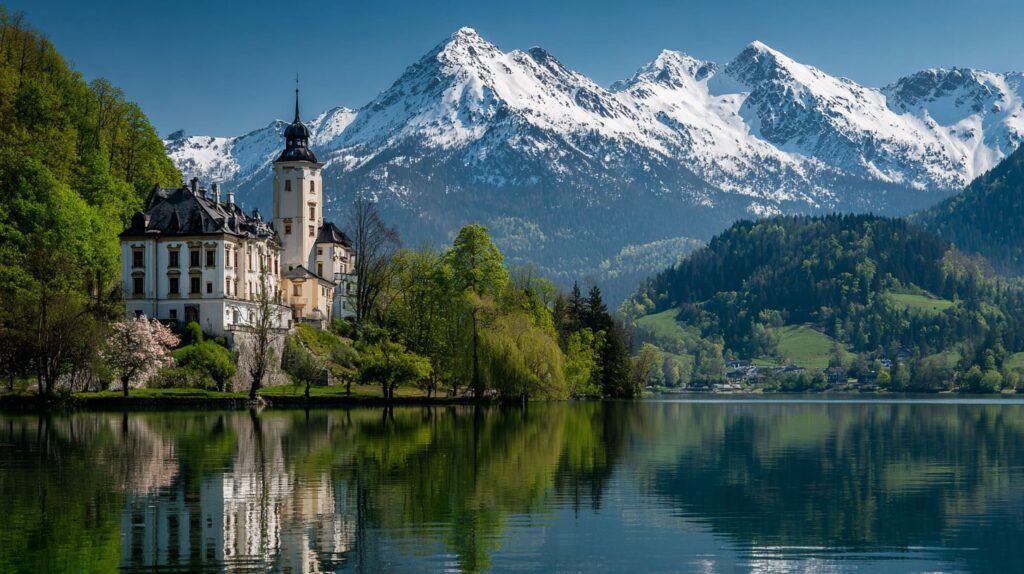
Schnbrunn Palace, former Habsburg summer residence, welcomes 3 million visitors yearly with 1,441 rooms and UNESCO-listed gardens. This world heritage site offers a glimpse into imperial life amid manicured landscapes. A one-day itinerary maximizes time: start with Schnbrunn for EUR22 entry and 2 hours exploration, including the maze and orangery.
- Schnbrunn Palace (EUR22 entry, 2hrs): Tour lavish apartments and vast gardens.
- Hofburg Palace (EUR16, 1.5hrs): Discover imperial treasures and Sisi Museum.
- St. Stephens Cathedral (free entry, EUR6 tower climb): Ascend for city views.
- Vienna State Opera (standing tickets EUR4-10): Catch a music performance in this iconic venue.
Combo passes save up to EUR40, covering multiple sites efficiently. The city’s walkable layout connects these attractions seamlessly, with trams filling any gaps. This plan immerses you in Vienna’s music and history, from palaces to cathedrals, blending cultural depth with practical tips for an enriching day.
Salzburg: Mozart’s Birthplace
Salzburg, birthplace of Mozart in 1756, hosts the annual Salzburg Festival drawing 200,000+ attendees since 1920. This charming city nestles between mountains and the Salzach River, offering a perfect mix of heritage and scenic beauty. Key attractions include Mozart’s Residence for EUR12 with audio guide, detailing the composer’s early life.
- Mozart’s Residence (EUR12, audio guide included): Explore family home and artifacts.
- Fortress Hohensalzburg (funicular EUR10): Ride up for panoramic views over the city and Alps.
- Salzburg Festival (August tickets from EUR50): Book early for world-class opera and concerts.
Off-season, visit winter Christmas markets from November to December for festive lights and local treats like schnitzel and mulled wine. The compact old town encourages hiking between sites, with alpine peaks as a backdrop. This itinerary captures Salzburg’s vibrant culture and natural splendor, ideal for Mozart lovers and history enthusiasts alike.
World-Class Culinary Traditions
Austria’s cuisine features Wiener Schnitzel (veal cutlet, 150g serving EUR18 avg) and Sachertorte (chocolate cake invented 1832, EUR7/slice at Hotel Sacher). These dishes highlight the country’s rich culinary heritage, blending alpine ingredients with Vienna’s elegant refinement. Breaded veal shines golden and crisp, while dense chocolate layers with apricot jam define dessert perfection. Regional specialties draw from Austrian landscapes, like fresh herbs from Salzburg meadows or wines from Wachau valleys. Chefs emphasize quality, using local dairy and meats for authentic flavors that pair with the nation’s vibrant culture.
Visitors explore this tradition through iconic spots in Vienna and beyond. Figlmller’s veal preparation sets the standard, served with lingonberry and potato salad. Caf Central offers strudel warm from the oven, evoking Habsburg-era charm. Sachertorte at Hotel Sacher comes with thick whipped cream, a ritual since its invention. Prices remain accessible, making gourmet meals part of everyday travel. Pairings like Grner Veltliner cut through richness, sourced from steep Alps vineyards. This scene complements Austria’s natural splendor, from crystal-clear lakes to majestic peaks.
For immersion, join a 3-day food tour (EUR120 total, reservations required). Day one covers Vienna markets with cheese tastings. Day two heads to Salzburg for pretzels and alpine cheeses. Day three features wine in the Wachau, ending with strudel. Advance booking ensures spots at top venues, revealing how food ties to history, music, and UNESCO sites.
| Dish | Key Ingredient | Best Spot | Price | Pairing |
|---|---|---|---|---|
| Wiener Schnitzel | veal | Figlmller Vienna | EUR18 | Grner Veltliner |
| Sachertorte | apricot jam | Sacher Hotel | EUR7 | coffee |
| Apfelstrudel | apple | Caf Central | EUR5 | coffee |
Learn more, The Story Behind the Sachertorte.
Rich History and Architecture
Austria preserves 12 UNESCO World Heritage sites, including Vienna’s Historic Centre listed in 2001. This commitment spans the Habsburg Empire from 1278 to 1918 and extends to modern sustainable preservation efforts, with EU-funded restorations exceeding EUR500 million. These initiatives protect palaces, castles, and historic towns while blending them into vibrant Austrian culture. Visitors explore Schnbrunn Palace gardens or Salzburg’s old town, where baroque facades meet alpine views. Sustainable tourism ensures these sites remain accessible for generations, combining heritage with natural splendor.
The nation’s architecture reflects a seamless fusion of imperial grandeur and natural landscapes. In Vienna, the Hofburg Palace complex houses museums showcasing Habsburg artifacts, while Hallstatt‘s lakeside chalets offer picturesque UNESCO wonders. Modern restorations use eco-friendly materials to maintain authenticity. Travelers enjoy hiking trails near Semmering Railway, another UNESCO site, or winter skiing amid majestic peaks. This balance creates a paradise for history buffs and outdoor enthusiasts alike.
Austria’s historic preservation supports local economies through cultural events like Mozart concerts in Salzburg. Culinary delights, from Wiener schnitzel to alpine wines, enhance visits to these landmarks. Charming villages and crystal-clear lakes provide scenic backdrops, making every journey a blend of elegance and adventure.
Habsburg Legacy
The Habsburg Empire ruled for more than 600 years from Hofburg Palace, now Austria’s Presidential residence since 1918. This legacy shaped Europe’s political landscape and left enduring architectural treasures across Vienna, Salzburg, and beyond. Key milestones mark its rise and influence, visible in grand palaces and fortified castles nestled among the Alps.
Here is a timeline of five pivotal Habsburg milestones:
- 1278: Rudolf I crowns himself, founding the dynasty’s power base in Vienna.
- 1519: Charles V reaches peak influence as Holy Roman Emperor, expanding territories.
- 1740: Maria Theresa enacts reforms, strengthening education and military amid wars.
- 1804: Franz I declares the Austrian Empire, consolidating Habsburg domains.
- 1916: Franz Joseph dies after a 68-year reign, signaling the empire’s decline.
These events fueled the construction of iconic sites like Schnbrunn Palace, with its vast gardens and rococo interiors. Free virtual tours via the Schnbrunn app let users wander imperial apartments from anywhere. In Salzburg, Mirabell Palace echoes Maria Theresa’s era, surrounded by manicured hedges perfect for photos. This history integrates with Alpine beauty, offering hiking paths and winter resorts nearby.
Today, the Habsburg heritage thrives in sustainable tourism. Explore Innsbruck’s Golden Roof or Graz’s Eggenberg Palace, where guided tours reveal royal secrets. Pair visits with local wines or schnitzel in cozy taverns, immersing in Austrian culture. The legacy endures, blending majestic palaces with scenic mountains for an unforgettable travel experience.
Adventure in Pristine Nature
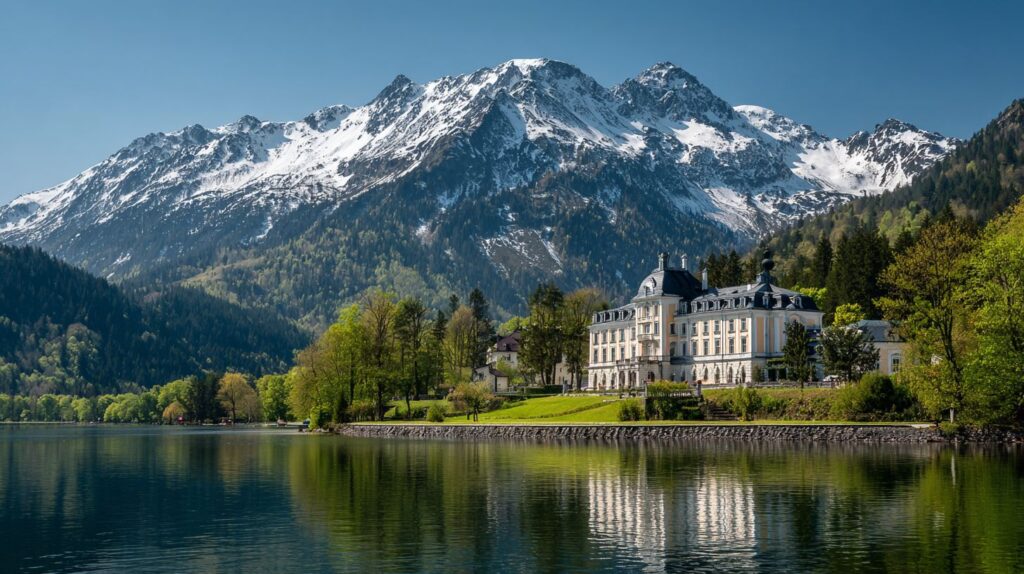
Tyrol offers 300 via ferrata routes and 1,200 ski lifts, with 80% of trails sustainable per Tyrol Tourism Board. This Austrian Alps region draws adventure seekers to its pristine nature, where towering peaks and crystal-clear lakes create a paradise for outdoor pursuits. Visitors explore majestic mountains through skiing in winter or hiking in summer, blending thrill with sustainable tourism practices. Local operators prioritize eco-friendly paths, ensuring the natural splendor remains intact for future generations. From high-altitude trails to scenic valleys, Tyrol showcases Austria’s commitment to preserving its alpine heritage while offering world-class adventures.
For a clear overview of popular activities, consider this comparison table highlighting options across seasons and skill levels. Gear rental tips include budgeting around EUR40/day for skis or hiking boots at resort shops in places like Ischgl or St. Anton, where quality equipment enhances safety and comfort.
| Activity | Season | Difficulty | Cost/Day | Example |
|---|---|---|---|---|
| Skiing | Winter | All levels | EUR60 lift pass | Ischgl |
| Hiking | Summer | Easy-Hard | EUR20 guided | Eagle’s Walk Tyrol |
| Paragliding | Year-round | Intermediate | EUR150/tandem | St. Anton |
These pursuits highlight Tyrol’s vibrant outdoor scene, from via ferrata climbs gripping sheer rock faces to paragliding over picturesque villages. Families enjoy easy hikes along Eagle’s Walk, while experts tackle hard routes with guided support. Sustainable practices, like those on 80% of trails, mean less environmental impact, allowing travelers to immerse in the Alps’ beauty responsibly. Pair adventures with stays in charming resorts, where post-activity relaxation includes local culinary delights like schnitzel and wine.
Year-Round Festivals and Arts
Vienna State Opera stages 300+ performances yearly, with standing room tickets at EUR4-10 drawing global crowds. This iconic venue embodies Austria’s rich musical heritage, where visitors experience world-class opera amid the grandeur of Habsburg-era architecture. From Mozart‘s timeless compositions to modern interpretations, the opera house offers an accessible entry into Vienna’s culture, attracting music lovers who queue early for affordable seats. Beyond performances, the surrounding Ringstrasse hosts open-air concerts, blending urban elegance with artistic splendor.
Austria’s festival calendar spans all seasons, showcasing its vibrant arts scene against stunning backdrops of Alps and historic cities. Summer brings orchestral masterpieces in Salzburg’s baroque squares, while winter balls evoke imperial glamour in Vienna’s palaces. These events highlight the nation’s UNESCO world heritage sites, where music intertwines with natural beauty and alpine landscapes. Families and solo travelers alike find immersive experiences, from folk dances in mountain villages to symphony under starlit peaks.
To plan ahead, book tickets six months in advance for the best availability, especially for high-demand galas. Use platforms like Viator for guided festival tours that include insider access. Here are six standout festivals that capture Austria’s year-round cultural pulse:
- Salzburg Festival (July-August, 200,000 attendees): Mozart‘s birthplace hosts operas and concerts in historic venues.
- Vienna Opera Ball (February, 5,000 guests, EUR500/ticket): A glittering waltz night in the State Opera’s transformed hall.
- Innsbruck Festival Weeks (May-September): Alpine music and theater amid Tyrolean peaks and charming villages.
- Vienna Festival (May-June, 150,000 visitors): Contemporary arts, theater, and street performances across the capital.
- Carinthian Summer Festival (July-August): Classical music by crystal-clear lakes in picturesque southern Austria.
- Haydn Festival Eisenstadt (September, 20,000 attendees): Chamber music in Esterhzy Palace, a Baroque gem.
These gatherings offer a perfect fusion of Austria’s natural splendor and elegant traditions, creating memories amid majestic mountains and scenic heritage sites.
Checkout 16 Must-Visit UNESCO World Heritage Sites – 16 must-visit sites.
Why Austria Stands Above Europe
Austria tops Europe with #1 safety ranking (Global Peace Index 2023) and 95% renewable energy per EU stats. This combination sets Austria apart as a secure and eco-friendly destination. Travelers enjoy peace of mind in a country where streets in Vienna and villages like Hallstatt feel welcoming at any hour. The Austrian Alps offer majestic peaks for skiing and hiking without the crowds of busier spots. Beyond safety, Austria delivers exceptional value, with a 7-night trip costing around EUR1,000 per person compared to EUR1,800 in Switzerland for similar luxury stays and activities. This affordability includes stays in charming resorts, alpine meals like Wiener schnitzel, and visits to UNESCO sites.
Accessibility enhances Austria‘s appeal, as Vienna International Airport handles 20 million passengers yearly, connecting easily to Salzburg and Austrian Alps. Sustainability shines through models like Hallstatt’s zero-waste system, preserving crystal-clear lakes and picturesque villages. Nature lovers find dense attractions, from Mozart’s Salzburg heritage to Habsburg palaces, all packed into scenic landscapes. Whether winter snow adventures or summer hiking, Austria blends outdoor splendor with vibrant culture seamlessly.
For a perfect trip, consider this 10-day itinerary at EUR1,500 per person: Start in Vienna with tours of Schnbrunn Palace and Hofburg Palace, train to Salzburg for music history, then bus to Hallstatt for lakeside hikes. Spend days four to seven skiing or hiking in the Alps near Innsbruck, visit wine regions, and end with thermal baths and Wiener Schnitzel and Sachertorte. This path maximizes natural beauty, heritage, and culinary delights efficiently.
Austria vs. Italy and France: Key Comparisons
| Metric | Austria | Italy | France |
|---|---|---|---|
| Safety Index | 1.1 (Global Peace Index top) | 1.6 | 1.9 |
| Cost Index (per day) | EUR140 | EUR180 | EUR200 |
| Attractions Density (per 100km) | 12 UNESCO sites & Alps | 8 historic centers | 7 chateaus & Riviera |
This table highlights why Austria excels. Safety leads with the lowest crime rates, ideal for families exploring Mozart‘s birthplace or Austrian Alps trails. Cost savings allow more days amid mountains and lakes enjoying Grner Veltliner, unlike pricier Italy or France. Attractions density means compact travel: see Schnbrunn Palace and St. Stephens Cathedral, then hike to peaks in hours, not days. Italy offers Roman ruins, France Eiffel Tower views, but Austria packs UNESCO wonders like Salzburg and Hallstatt closer together with sustainable tourism practices.
Expert travelers note Austria’s edge in blending adventure and elegance. Hike crystal-clear lake paths by day, enjoy evening concerts in historic halls. France and Italy match in culture, yet Austria’s value and green energy commitment make it the smart choice for immersive, worry-free escapes into nature and heritage.
Frequently Asked Questions
Why Austria Is Europe’s Perfect Blend of Nature and Elegance: What Makes It Unique?
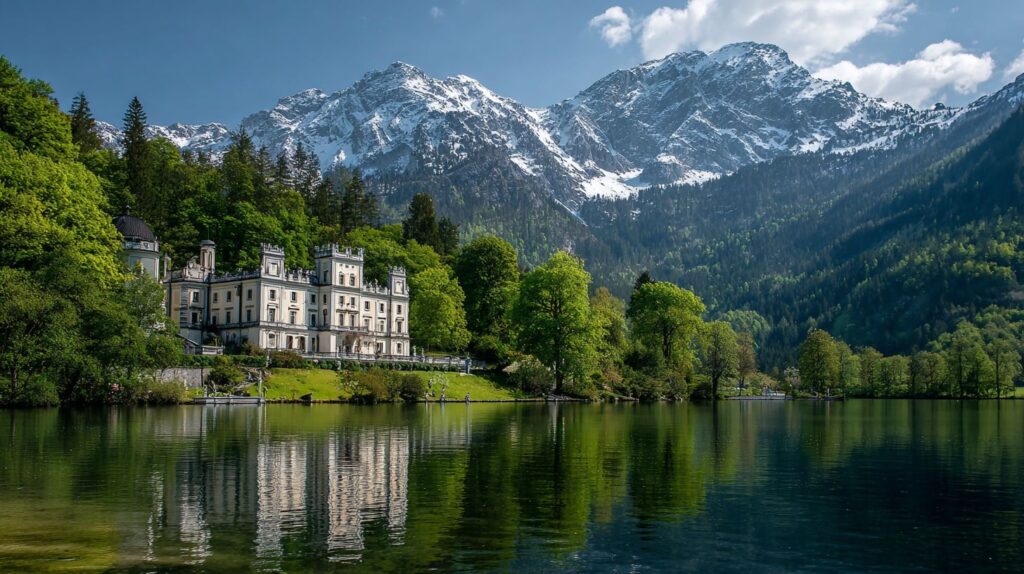
Austria masterfully combines stunning natural landscapes like the Austrian Alps and serene lakes with elegant imperial cities such as Vienna, offering a seamless blend of outdoor adventure and refined culture that sets it apart in Europe.
Why Austria Is Europe’s Perfect Blend of Nature and Elegance: Best Natural Attractions to Explore?
From the dramatic peaks of Tyrol and the Grossglockner in Hohe Tauern National Park for hiking and skiing to the crystal-clear waters of Lake Wolfgangsee, Austria’s nature provides breathtaking backdrops that enhance its elegant heritage.
Why Austria Is Europe’s Perfect Blend of Nature and Elegance: How Does Vienna Exemplify This Blend?
Vienna, with its grand Habsburg palaces like Belvedere Museum, opulent Vienna State Opera, and nearby Vienna Woods for hiking, perfectly illustrates why Austria is Europe’s perfect blend of nature and elegance in one accessible city.
Why Austria Is Europe’s Perfect Blend of Nature and Elegance: What Cultural Experiences Complement the Nature?
Austria‘s elegant side shines through Mozart classical music concerts and the Salzburg Festival in Salzburg, wine tasting in the Wachau Valley amid vineyards, and baroque architecture, all nestled within its pristine natural surroundings.
Why Austria Is Europe’s Perfect Blend of Nature and Elegance: Ideal Times to Visit for Both Aspects?
Summer offers alpine meadows in bloom and elegant garden festivals, while winter brings snowy peaks for skiing alongside cozy Viennese cafs-proving why Austria is Europe’s perfect blend of nature and elegance year-round.
Why Austria Is Europe’s Perfect Blend of Nature and Elegance: How to Plan a Trip Balancing Both?
Start in elegant Vienna for culture, then head to Salzburg or Innsbruck for nature escapes; efficient trains and cable cars make it easy to experience why Austria is Europe’s perfect blend of nature and elegance.