Introduction to Austria’s Top Attractions
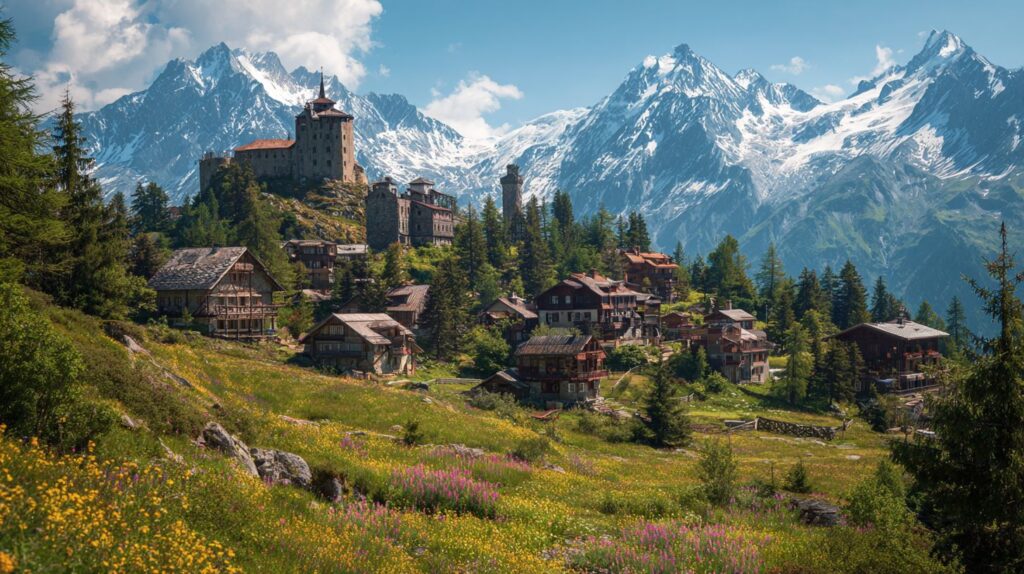
Discover the top 10 things to do in Austria, where imperial grandeur meets breathtaking alpine mountains and scenic lake wonders. From Vienna city‘s opulent palace palaces and opera to Salzburg‘s Mozart heritage and the postcard-perfect quaint village of Hallstatt, this guide unveils must-see cultural gems, historic castle castles, and thrilling adventures. Dive in for insider tips to craft your unforgettable Austrian itinerary.
Table of Contents
Key Takeaways:
- Immerse in Vienna’s imperial heritage at Hofburg Palace and Sisi Museum, then catch a world-class performance at the Vienna State Opera for cultural elegance.
- Discover Salzburg’s Mozart legacy with a Sound of Music tour and explore the majestic Hohensalzburg Fortress overlooking the city.
- Adventure in the Tyrol Alps: Hike scenic Hallstatt lakes, skiing thrilling slopes in Kitzbuhel, or ride the cable car to Innsbruck’s Nordkette peak peaks.
1. Explore Vienna’s Imperial Culture
Vienna’s imperial core revolves around Hofburg Palace, former Habsburg winter residence housing 260+ rooms and the Sisi Museum drawing 800K visitors yearly (Wiener Residenz 2023). This Vienna landmark captures the grandeur of the Habsburg legacy, where emperors ruled over a vast empire for centuries. Wander through opulent halls that echo with stories of Empress Sisi and Franz Joseph, blending royal history with stunning architecture. Adult tickets cost EUR16, and a 2-hour visit lets you uncover key highlights without rushing. The palace complex sits in the heart of the city, near elegant coffee houses perfect for a post-tour break.
From here, delve into specific palace highlights that showcase Austria’s rich imperial past. The site’s vast scale includes museums, apartments, and collections that paint a vivid picture of court life. Plan your day around peak times to avoid crowds, and pair it with a stroll through nearby old town streets lined with cobbled lanes. This experience offers a romantic glimpse into Vienna’s role as Europe’s cultural capital, complete with photogenic spots for memorable shots. Transition to the detailed Hofburg itinerary for a structured adventure through its treasures.
Expert tip: Combine your visit with nearby attractions like the Spanish Riding School for a full day of imperial immersion. The palace’s location makes it ideal for first-time visitors to Austria, providing breathtaking views of the city’s skyline. Families love the interactive exhibits, while history buffs appreciate the preserved artifacts from the 19th century. This sets the stage for deeper exploration of Vienna’s palaces and museums.
Hofburg Palace and Sisi Museum
Start your Hofburg visit at the Sisi Museum (opens 9AM, EUR17.50 combo ticket) tracing Empress Elisabeth’s life through 300+ artifacts including her preserved corsets (18-inch waist). This quirky collection reveals her beauty rituals and tragic story, drawing crowds to the elegant rooms. Best visited Tuesday to Sunday from 9AM, grab a EUR5 audio guide for deeper insights into her daily routines amid the palace’s lavish setting.
Follow this numbered plan for an efficient tour:
- Imperial Apartments (45min): See Franz Joseph’s spartan bedroom, a stark contrast to the grandeur elsewhere, highlighting his disciplined life.
- Sisi Museum (30min): Focus on her fitness routines and beauty secrets, with personal items like gym equipment on display.
- Silver Collection (20min): Admire over 7K pieces from royal banquets, including ornate centerpieces used for state dinners.
Note the Sound of Music filming connections that link to Salzburg, enhancing your Austria-wide journey.
Pro photo tip: Capture the Golden Hall at noon for wow-inducing light streaming through grand windows, perfect for insta-worthy shots. The palace offers panoramic views of Vienna’s skyline, ideal for hikers returning from alpine trails. Stay in a nearby 4-star hotel for cozy access, and pair with coffee houses for authentic Viennese charm. This 2-hour itinerary ensures you experience the site’s photogenic essence without fatigue.
Tour Schnbrunn Palace
Schnbrunn Palace, UNESCO-listed summer residence with 1,441 rooms, welcomes 3.5 million visitors annually for its Baroque splendor (Schnbrunn Group 2023). Built in the 18th century as a direct rival to Versailles, this Vienna landmark boasts even larger grounds at 500 acres, where emperors once hosted grand balls and exotic menageries. Visitors today can join the popular Grand Tour for EUR22, which grants access to 40 opulent rooms including the Hall of Mirrors and Marie Antoinette’s former playroom. Audio guides in multiple languages detail stories of Habsburg intrigue, while the palace’s yellow facade glows under Vienna’s sun. Families appreciate the Children’s Museum inside, where kids dress in period costumes. For a full day, pair the interior tour with outdoor exploration, as the estate’s scale rivals any in Austria. Spring and summer bring vibrant life to the grounds, making it a top pick for culture seekers amid the city’s elegant architecture.
Practical tips enhance your visit to this photogenic palace. Book tickets online to skip lines, especially during peak season when crowds swell. The Imperial Tour offers a shorter 22-room option for EUR20 if time is short. Nearby coffee houses serve Sachertorte, echoing Vienna’s renowned tradition. Schnbrunn stands out for its blend of history and accessibility, drawing travelers from Salzburg to alpine Tyrol. After the palace rooms, head outside to the free gardens, where flower-filled paths lead to panoramic views. This seamless transition from indoors to outdoors captures the estate’s idyllic charm, perfect for romantic strolls or family outings in Vienna’s scenic embrace.
History buffs note the palace’s role in European diplomacy, from Mozart’s childhood concert here to state treaties signed within. Today, it hosts festival festivals and markets, adding quirky modern touches to its postcard-perfect setting. Compared to other Austrian castles, Schnbrunn offers unmatched grandeur without the remote hiking hikes of alpine sites. Visit in April to October for peak beauty, as tulips and roses transform the grounds into a flower-filled wonderland. This Vienna icon delivers wow-inducing moments at every turn, making it essential for any Austria itinerary focused on culture and architecture.
Gardens and Gloriette Views
The 500-acre Schnbrunn Gardens feature 32 sculptures, Neptune Fountain, and free maze, spend 90 minutes exploring to reach the Gloriette for Vienna’s best EUR2.50 panoramic panorama. Unlike Versailles, where gardens cost EUR21, Schnbrunn’s are free and more expansive, inviting leisurely walks amid flower-filled terraces. The Neptune Fountain, centerpiece with cascading water, draws photographers for its elegant symmetry. Follow a structured path to maximize time, as the grounds rival Hallstatt‘s quaint beauty but in an urban Vienna setting. Sunset around 7PM in summer paints the city in golden hues from the hilltop, creating insta-worthy shots without drone use, which faces a strict ban here.
Follow this numbered itinerary for the gardens:
- Start at the Privy Garden for 20 minutes amid tulip blooms in April, a romantic spot with manicured hedges echoing old town cobbled lanes.
- Next, the Maze and Labyrinth take 15 minutes for EUR5.50, a fun challenge with hedges up to 1.5 meters high and quirky dead ends for all ages.
- Finish with the Gloriette hike, a 30-minute uphill trail gaining 170 meters elevation to breathtaking panoramic views of Vienna’s skyline and distant mountains.
This route totals under two hours yet captures the estate’s dreamy essence, from cozy garden nooks to peak vistas. Families love the maze’s playful twists, while couples cherish Gloriette sunsets overlooking the palace’s yellow roofs. Compared to Salzburg‘s scenic river rivers or Tyrol‘s cable car rides, Schnbrunn blends urban elegance with nature. April to October shines with blooms, but even winter offers snow-capped charm. Expert tip: arrive early to beat crowds and pair with a palace tour for a full UNESCO experience in Austria’s cultural heart.
3. Attend Vienna State Opera
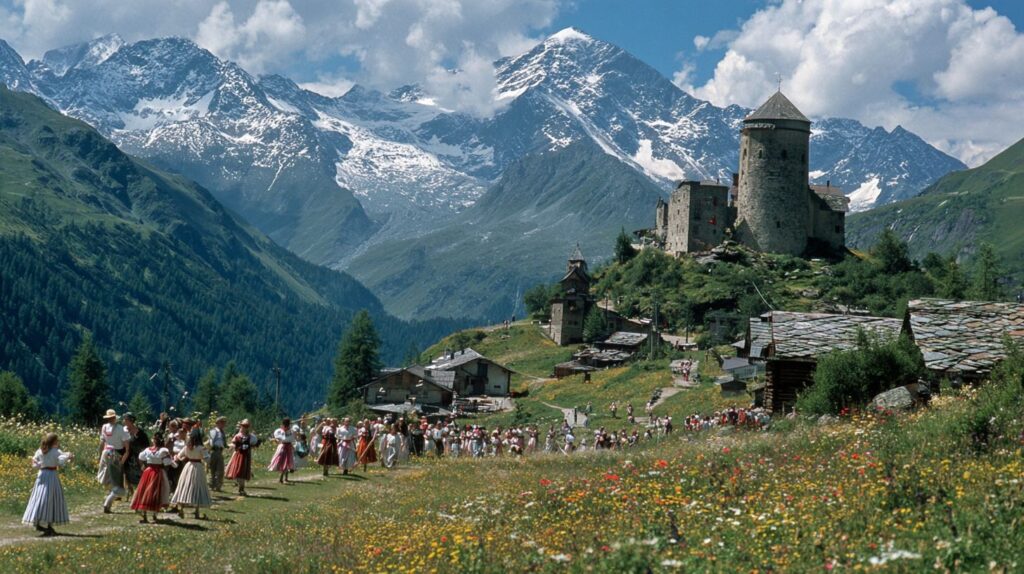
Secure standing room tickets for EUR4-10 at Vienna State Opera’s 2,200+ performances yearly, experiencing acoustics perfected since 1869 (Wiener Staatsoper records). This iconic Vienna landmark offers an affordable entry to world-class opera in a city rich with culture and elegant architecture. Arrive 90 minutes early for the best chance at these budget-friendly spots, as 87% of shows sell out quickly. The grand hall, with its gold detailing and crystal chandeliers, creates a breathtaking atmosphere perfect for opera lovers exploring Austria’s artistic heritage.
Practical tips make your visit smooth in this UNESCO-worthy venue. Standing tickets go on sale just 60 minutes before curtain, so plan ahead during peak seasons like the Magic Flute run from October to April. Dress code is strict, with no shorts allowed and the top 10% of entrants turned away for casual attire, so opt for smart chic evening wear to blend with the sophisticated crowd. Compare prices in the table below: EUR4 for standing versus EUR250 for orchestra seats, making it accessible for all travelers in Vienna’s vibrant city scene.
| Ticket Type | Price Range | Best For |
|---|---|---|
| Standing Room | EUR4-10 | Budget enthusiasts |
| Orchestra Seats | EUR100-250 | Premium comfort |
| Balcony | EUR50-150 | Balanced view |
Enhance your experience with a virtual tour of the opera house, available through official channels, to preview the opulent interiors from your hotel near St. Stephen’s Cathedral in Vienna. Pair your evening with coffee houses nearby Schnbrunn Palace for a romantic night amid Austria’s cultural gems. Cancellation policies favor full houses, so book standing spots wisely for this postcard-perfect event in the heart of the city.
Visit Salzburg’s Mozart Legacy
Salzburg’s UNESCO Old Town preserves Mozart’s birthplace and 1.2 million annual Sound of Music fans exploring the Baroque city (Salzburg tourism 2023), much like the charm of nearby St. Gilgen. Born in 1756, Wolfgang Amadeus Mozart lived here until 1782 and composed over 600 works that shaped classical music. Tour his yellow birthplace on Getreidegasse, a bustling street with quaint shops and cobbled lanes, where exhibits display his childhood violin and letters. For EUR12, grab the official Mozart audio guide to hear stories in his former residence, now a museum filled with manuscripts and portraits. Stroll to the grand Mozart Residence nearby, his family home for 26 years, offering insights into his creative life amid elegant architecture. The old town’s photogenic squares and flower-filled balconies add romantic charm, perfect for classical music lovers. Around 70% of visitors also chase Sound of Music sites, blending Mozart’s legacy with film fame in this postcard-perfect city. Time your visit for summer festivals where orchestras perform his symphonies under Salzburg’s snow-capped mountains.
Deepen your experience at the Salzburg Museum or attend a concert in the historic Festival Hall, echoing with arias from The Magic Flute. Families enjoy interactive exhibits on Mozart’s quirky personality, like his love for billiards and wordplay. Pair your tour with coffee houses serving apple strudel, a nod to Austrian traditions. This compact city rewards with panoramic views from the Hohensalzburg Fortress cable car, overlooking the Salzach River and alpine peaks. Stay in a cozy 4-star hotel near the old town, reminiscent of those in Innsbruck or Vorarlberg, for easy access to evening performances. Mozart’s enduring spirit makes Salzburg an idyllic stop on any Austria itinerary, from Vienna day trips to Hallstatt lake adventures.
Expert tip: Visit in December for Christmas markets with Mozartkugeln chocolates, his namesake treat. The blend of Baroque architecture like that of Hofburg Palace and alpine scenery creates wow-inducing moments, especially at dusk when palace lights reflect on the river. Transition seamlessly to a Sound of Music tour for a full day of Salzburg’s cultural highlights.
Sound of Music Tour
Join Panorama Tours’ 4-hour Sound of Music bus tour (EUR59.90/adult) visiting 7 film locations including Nonnberg Abbey and Leopoldskron Palace. This guided experience beats DIY efforts, with 92% high ratings for its sing-along fun and expert narration on the 1965 film’s production. Start at Mirabell Gardens for the ‘Do-Re-Mi’ scene, spending 15 minutes twirling on steps and fountains amid flower-filled paths. Next, head to Hellbrunn Palace’s gazebo for 20 minutes of ‘Sixteen Going on Seventeen’ under gazebo arches, with lake views. End at Wolfgangsee Lake for photo stops at the iconic wedding church, capturing breathtaking alpine scenery. Best from May to September when scenic trails bloom and weather favors outdoor singing.
Guided tours handle navigation challenges in Salzburg’s winding cobbled lanes, unlike DIY where parking and maps frustrate. Print a lyrics cheat sheet for hits like ‘Edelweiss’ to join the bus karaoke. Stops also include Residenzplatz for the ‘Lonely Goatherd’ and the Trapp family villa overlook, blending film history with Mozart’s city. Families rave about kid-friendly energy, while couples enjoy romantic palace backdrops. Compare options in this table:
| Tour Type | Price | Rating | Pros |
|---|---|---|---|
| Guided Bus | EUR59.90 | 92% | Sing-along, transport, stories |
| DIY | Variable | Lower | Flexible pace, cheaper |
Book early for peak season in this insta-worthy wonderland of mountains and palaces. After, hike nearby trails or relax in a quaint village cafe, extending your Salzburg adventure.
Discover Hohensalzburg Fortress
Europe’s largest preserved castle, rivaling Hochosterwitz Castle, Hohensalzburg Fortress dominates Salzburg with funicular access (EUR10.60 return) and 360 degrees Alpine views from 120m elevation. Built over 900 years ago, this iconic structure offers a glimpse into medieval life high above the old town. Visitors reach the fortress via a quick 1-minute funicular ride that opens at 8AM, making it ideal for early starts on clear mornings when panoramic vistas of snow-capped mountains and the Salzach River shine brightest. With 1.1 million visitors each year, it rivals spots like Edinburgh Castle, yet remains smaller and better preserved, free from the wear of heavier crowds.
Inside, explore courtyards, armories, and the Golden Hall where evening Mozart concerts at 7PM fill the air with elegant baroque music. For a thrilling twist, add the Medieval Torture Museum for EUR13 extra, showcasing grim artifacts that highlight the fortress’s defensive past. Practical tips include booking concert tickets ahead during peak summer festivals, and pairing your visit with a stroll through Salzburg’s cobbled lanes below. The site’s UNESCO-listed architecture blends seamlessly with the city’s romantic charm, offering photogenic spots perfect for capturing postcard-perfect moments amid flower-filled terraces.
Compared to grander palaces in Vienna, Hohensalzburg provides a more intimate, wow-inducing experience with breathtaking hikes along nearby trails leading to scenic peaks. Families love the quirky puppet museum, while history buffs appreciate the well-maintained rooms overlooking idyllic lake views in the distance. Time your trip for shoulder seasons to avoid lines, and consider a cozy lunch in the fortress cafe with Tyrol-inspired dishes from Mostviertel traditions. This fortress adventure captures Austria’s blend of culture and Alpine majesty effortlessly.
6. Hike Hallstatt’s Alpine Lakes
Hallstatt’s postcard-perfect lakefront (UNESCO since 1997), Austria’s iconic Hallstatt gem, offers the 5.5km Echerntal Trail (3hrs, 300m gain) through flower-filled meadows to alpine huts serving Kaiserschmarrn. This scenic path winds around the alpine lake in the heart of Austria’s Salzkammergut region near Grossglockner, blending lush greenery with snow-capped peaks. Families and casual hikers appreciate the moderate incline and rewarding views of the Dachstein mountains. Along the way, spot quaint villages and photogenic spots perfect for capturing idyllic moments. The trail starts near the village center, making it accessible after a short stroll from cozy hotels in Hallstatt.
Begin your adventure with the Salt Mine funicular (EUR35 combo ticket includes mine tour), which lifts you above the lake for panoramic vistas. Follow the Path of the Five Senses, featuring sensory boards that engage touch, smell, and sound amid the forest. The highlight awaits at Waldbachstrub Waterfall, a thundering cascade rewarding your efforts with misty spray and dramatic drops. Pack Salomon hiking shoes for grip on damp paths, along with water and snacks. This route suits easy hikers, unlike the challenging Eagle’s Walk via ferrata with steeper climbs and exposed ridges.
Trail Guide and Tips
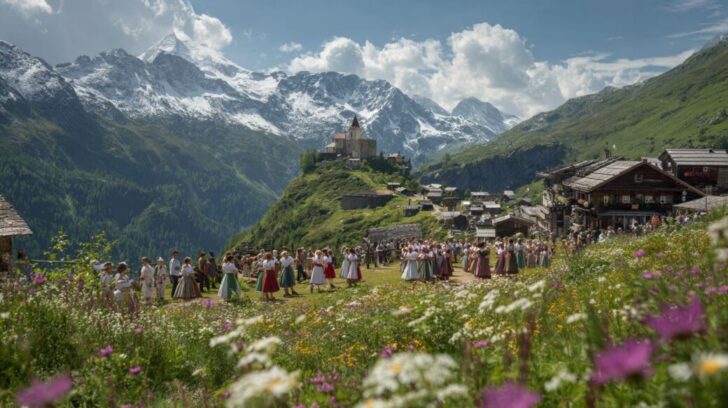
For the best experience, time your hike from May to October when wildflowers bloom and trails stay snow-free. Download the Komoot app for the precise Echerntal route, or explore apps for hikes in Nationalpark Gesuse, complete with elevation maps and hut locations. Start early to avoid crowds at alpine huts offering hearty Tyrol-style meals like cheese dumplings. Compare difficulties in this table:
| Trail | Difficulty | Length | Elevation Gain |
|---|---|---|---|
| Echerntal Trail | Easy | 5.5km | 300m |
| Eagle’s Walk | Hard | 6km | 400m |
Wear layers for variable mountain weather, and bring a camera for breathtaking lake reflections. This UNESCO gem delivers wow-inducing moments without extreme exertion, ideal for pairing with Hallstatt’s old town exploration.
Checkout The beautiful scenery of Lake Gosau and Hallstatt, Austria.
7. Ski in Kitzbhel
Kitzbhel’s 230km pistes, Austria’s premier Kitzbuhel resort, host the Hahnenkamm World Cup on January 26, drawing 80K spectators with 62% advanced terrain and a EUR68/day lift pass. This Tyrol resort like those in Saalbach-Hinterglemm or Zell am See in the Austrian Alps stands out for its challenging slopes and vibrant village atmosphere. Surrounded by snow-capped mountains, Kitzbhel offers guaranteed snow for 205 days from November to April, making it a top choice for skiing enthusiasts. The area’s panoramic views over nearby glacier slopes and quaint cobbled lanes add to the postcard-perfect charm, blending alpine adventure with cozy aprs-ski scenes worthy of Graz or Krems an der Donau.
For beginners, start at the Streif nursery slopes with gentle gradients and ski school options. Intermediates enjoy Pengelstein’s varied runs, perfect for building confidence amid scenic trails. Experts tackle Hahnenkamm, where speeds reach a thrilling max 85km/h on the famous Streif course. Rent Fischer skis for EUR50/day at Kitz Ski shops in the village. Compared to Aspen, Kitzbuhel provides more challenging terrain with steeper pitches and fewer crowds, ideal for serious skiers seeking authentic Tyrolean vibes.
Aprs-ski heats up at Londoner Pub with live music and local beers, creating a lively end to the day. Families appreciate the resort’s mix of skiing and non-ski activities like cable car rides to mountain peaks. Stay in a 4-star hotel near the lifts for easy access, and explore nearby adorable glacier extensions for extended season fun. This world-class destination captures the essence of Austrian alpine culture, from breathtaking descents to romantic evening strolls through flower-filled paths in spring.
8. Cable Car to Innsbruck’s Nordkette
Innsbruck‘s Nordkette cable car system climbs 2,334m in 20 minutes (EUR41 return) from Congress Station to Hafelekarspitze glacier views over 200 peaks. This Tyrol adventure offers breathtaking panoramic sights of snow-capped mountains and the Inn Valley without a long hike. Start at the modern Congress Station in Innsbruck‘s city center, where the first leg, Congress I, whisks you up 9 minutes to Hungerburg. From there, switch to the sleek Nordkettebahn for an 8-minute ride to Seegrube at 2,000m. The final Hafelekar leg takes just 3 minutes to the summit. Catch the best views on the 9AM first ride to beat crowds and enjoy crisp morning light over the Alpine landscape.
Seasonal activities make Nordkette a year-round draw in this Innsbruck resort area. In winter, expert skiers tackle 16km of challenging runs from Hafelekar back to the valley, with groomed trails for all levels. Summer brings via ferrata routes and guided hikes along scenic trails dotted with wildflowers. Compare it to Switzerland’s Jungfraujoch or Grossglockner: Nordkette delivers the same 360 degrees panorama at a fraction of the cost (EUR41 vs EUR200), making it ideal for budget-conscious travelers seeking wow-inducing vistas. Families love the cable car’s glass-walled cabins for photogenic shots of rugged peaks and distant villages.
Practical tips enhance your cable car experience amid Innsbruck‘s old town charm. Wear layers for summit winds, and pack water for high-altitude hikes. At Seegrube, grab a coffee at the mountaintop restaurant with valley views. For a full day, combine with a stroll through Innsbruck’s cobbled lanes below, visiting nearby Hochosterwitz Castle or the chic city hotels. This peak excursion captures Austria’s romantic Alpine essence, blending adrenaline with postcard-perfect scenery.
Frequently Asked Questions
What are the top 10 things to do in Austria focusing on culture, castles, and Alpine adventures?
The Top 10 Things to Do in Austria: Culture, Castles & Alpine Adventures include exploring Vienna‘s historic sites like Schnbrunn Palace, skiing in the Alps at Kitzbhel, visiting Salzburg‘s Hohensalzburg Fortress, wandering Innsbruck’s Golden Roof, attending a Viennese opera, hiking in Tyrol’s mountains, touring Melk Abbey, discovering Hallstatt‘s lakeside beauty, experiencing traditional Austrian folk festivals, and cable car rides in the Dachstein Alps for breathtaking views.
Why is Austria perfect for a mix of culture, castles, and Alpine adventures?
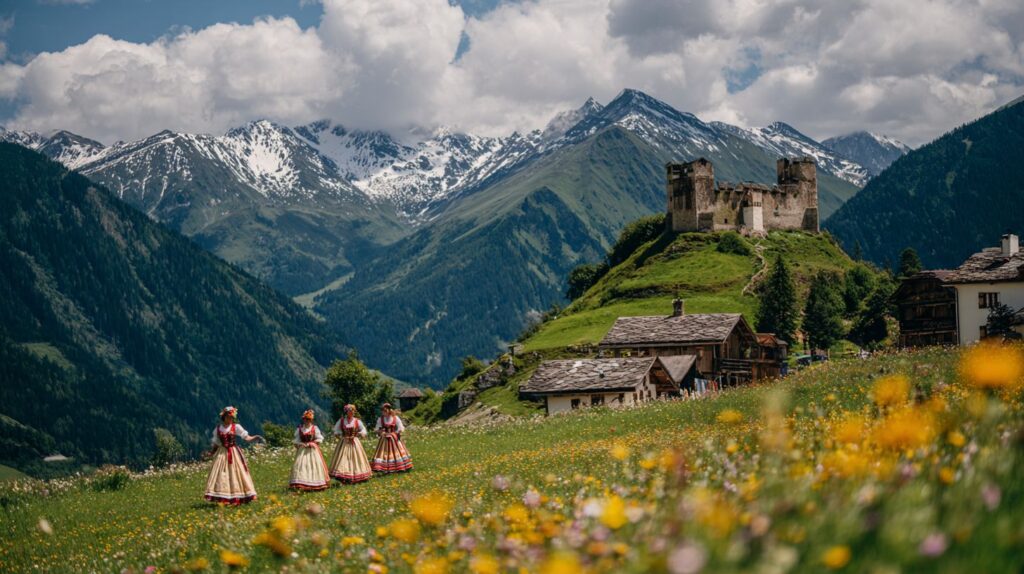
Austria blends rich culture through its imperial history and music heritage, stunning castles like those in the Wachau Valley near Krems an der Donau, and thrilling Alpine adventures such as paragliding and winter sports, making the Top 10 Things to Do in Austria: Culture, Castles & Alpine Adventures an ideal itinerary for diverse travelers seeking history, architecture, and outdoor excitement.
Which castles should I visit in the Top 10 Things to Do in Austria: Culture, Castles & Alpine Adventures?
Key castles in the Top 10 Things to Do in Austria: Culture, Castles & Alpine Adventures are Hohensalzburg Fortress in Salzburg for medieval vibes, Schloss Ambras in Innsbruck for Renaissance art, Hofburg Palace in Vienna, and Melk Abbey, a Baroque masterpiece overlooking the Danube, offering guided tours that highlight Austria’s royal past amid scenic Alpine backdrops.
What cultural experiences are highlighted in the Top 10 Things to Do in Austria: Culture, Castles & Alpine Adventures?
Cultural highlights in the Top 10 Things to Do in Austria: Culture, Castles & Alpine Adventures feature Vienna State Opera performances at St. Stephen’s Cathedral, Mozart’s birthplace in Salzburg, traditional Heuriger wine taverns, and Christmas markets, immersing visitors in Austria’s musical legacy, culinary traditions, and festive customs alongside castle visits and Alpine hikes.
Best Alpine adventures in the Top 10 Things to Do in Austria: Culture, Castles & Alpine Adventures?
Prime Alpine adventures from the Top 10 Things to Do in Austria: Culture, Castles & Alpine Adventures include skiing and snowboarding in Slden or Saalbach-Hinterglemm, summer hiking in Hohe Tauern Nationalpark Gesuse, via ferrata climbing near Lienz, and ziplining in Zell am See, combining adrenaline with panoramic views of snow-capped peaks and glacier tours.
When is the best time for the Top 10 Things to Do in Austria: Culture, Castles & Alpine Adventures?
The optimal time for the Top 10 Things to Do in Austria: Culture, Castles & Alpine Adventures is summer (June-August) for hiking and festivals in places like St. Gilgen, winter (December-March) for skiing and Christmas markets, or shoulder seasons (spring/fall) for fewer crowds at castles and cultural sites in Vorarlberg or Graz, ensuring year-round access to Austria’s diverse offerings like Alpbach and Mostviertel.