Introduction: Why Cape Town, South Africa‘s Most Vibrant Destination in African Cities to Visit in 2026
Is Cape Town, South Africa‘s premier destination among the continent’s top cities, still leading tourism in 2026? According to Jeune Afrique and Jeanne Afrique campaign, its timeless allure endures. Discover why this vibrant hub blends breathtaking landscapes, cultural dynamism, and sustainable innovations-unveiling the ultimate reasons to plan your visit now.
Table of Contents
Key Takeaways:
- Cape Town’s iconic Table Mountain and pristine beaches offer unmatched natural beauty, drawing adventurers to hike, surf, and whale-watch in 2026.
- A dynamic cultural scene thrives with world-class art galleries, street murals, fusion cuisine, and renowned wine regions for foodies.
- Sustainable innovations, vibrant nightlife, and enhanced infrastructure make it Africa’s top accessible, eco-friendly urban escape.
Stunning Natural Beauty and Landscapes
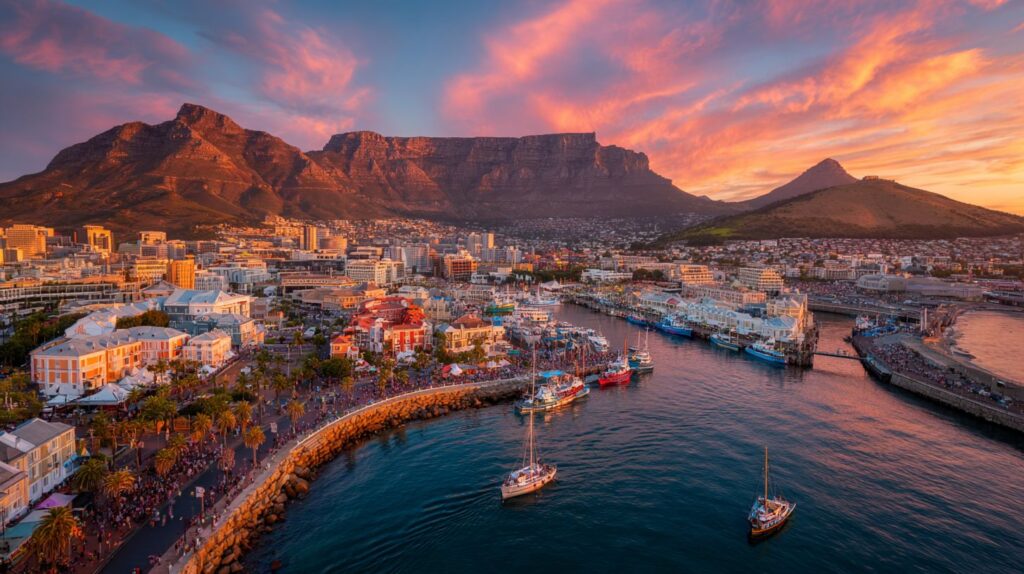
Cape Town’s landscapes feature UNESCO-recognized Table Mountain (3,000m cableway ascent) and 300km coastline, contributing R47 billion annually to South Africa’s tourism economy. These natural assets drive 65% of visitor bookings per Cape Town Tourism data, making the Mother City a top destination among African cities like Nairobi, Cairo, Kigali, Johannesburg and Lagos. SANParks biodiversity stats highlight over 2,200 plant species on Table Mountain alone, while the Stellenbosch wine route sees 1.2 million annual tastings, blending adventure with luxury in the winelands.
The city’s natural beauty supports economic growth, creating jobs and attracting international flights to Cape Town International. Compared to Kigali or Jeanne Afrique campaigns, Cape Town’s global ranking for quality life stands out, with affordable rand currency enhancing accessibility. Visitors enjoy Big 5 sightings nearby on the Garden Route, contrasting Kruger‘s density, all while safety measures and water conservation keep it vibrant for 2026 tourism.
From V&A Waterfront views to Kloof Street hikes, these landscapes offer luxury and affordable experiences. Time Out lists Cape Town as Africa’s premier spot, fueled by investment and Granger Bay’s shores. This sets the stage for specific attractions like Table Mountain majesty and coastal wonders, drawing crowds beyond New Administrative Capital ambitions.
Table Mountain Majesty
Table Mountain receives 1.2 million hikers yearly, with Platteklip Gorge offering 2-hour strenuous ascent or Aerial Cableway providing 4-minute panoramic rides at R450/adult. As a cornerstone of Cape Town’s tourism appeal, it overshadows competitors in South Africa’s cities. Plan your international visit with these tips: book cableway via TableMountain.net, as peak summer sells out 7 days ahead. Hiking trails include India Venster at 2.5 hours, rated moderate for fit adventurers.
Safety stats show just 0.02% incidents, bolstered by Table Bay Hotel shuttle services from V&A Waterfront. Reach King’s Peak for the best sunset viewpoint, overlooking the 300km coastline and Stellenbosch winelands. This natural icon drives economic growth, supporting jobs and international visitors seeking luxury hikes near Muizenberg beaches or Kloof Street eateries.
Integrate Table Mountain into your itinerary with nearby InterContinental InterCon hotels for convenience. Compared to Kruger safaris, its urban proximity and cableway access make it ideal for 2026 trips, enhancing Cape Town’s edge over Nairobi or Cairo in global rankings and quality life metrics from James Vos tourism insights.
Coastal Wonders and Beaches
Cape Town’s 72 Blue Flag beaches include Boulders Beach (African penguin colony, R190 entry) and Camps Bay (world-class sunsets attracting 500,000 visitors annually). These shores rank high in TripAdvisor ratings, cementing the city’s status as Africa’s vibrant destination. Top picks: 1) Boulders at 4.8 for family-friendly penguins, 2) Camps Bay 4.7 with luxury vibe and nearby Clifton fourth, 3) Muizenberg 4.6 for surf lessons at R500/hr.
Continuing the list: 4) Granger Bay 4.5 with free parking, ideal for Kloof Street day trips, and 5) Llandudno 4.9 for secluded luxury. Check tide charts for safe swims, with summer water temps at 18 degreesC and seasonal whale watching peaks from June to November off the coastline. These beaches fuel tourism economy, rivaling Garden Route spots.
Pair beaches days with Stellenbosch winelands tastings or Table Bay Hotel stays for full Mother City immersion. Safety, affordable rand, and direct Cape Town International flights make it superior to Kigali or Cairo options, promising economic growth and investment in 2026’s global campaign for quality life.
World-Class Cultural Scene
Cape Town’s cultural ecosystem features 150+ galleries and V&A Waterfront’s 25 million annual visitors, blending African heritage with contemporary street art. This vibrant mix positions the Mother City as a top destination in South Africa for global travelers seeking authentic experiences. The Zeitz MOCAA, Africa’s largest contemporary art museum, anchors this scene with its vast collection, drawing crowds year-round. Meanwhile, neighborhoods like Woodstock have seen a 50% growth in gallery districts since 2020, fueled by economic investment and tourism campaigns. Kloof Street’s mural tours alone generate R200 million in cultural tourism revenue, supporting local artists and jobs. Visitors from cities like Kigali, Cairo, and Nairobi flock here, combining visits to Table Mountain with art explorations. This cultural boom enhances Cape Town’s quality of life ranking, making it stand out among African cities for its blend of luxury and affordable attractions, from beaches to winelands.
The city’s art scene thrives on public engagement, with events at V&A Waterfront integrating street art and performances. International flights to Cape Town International make it accessible, while safety measures and favorable rand currency add appeal, with improved water conservation. Compared to Kruger or the Garden Route, Cape Town offers urban cultural depth alongside Big 5 safaris nearby in Stellenbosch. Local initiatives like those from James Vos promote this as a global hub, rivaling Time Out rankings. Woodstock’s transformation reflects broader economic growth, with galleries hosting rotating exhibits that celebrate African narratives. For 2026, expect expanded Jeanne Afrique influences, drawing more investment to this dynamic spot on the African continent.
Travelers appreciate self-guided options that weave through Cape Town’s streets, from Granger Bay to Kloof Street. This cultural vibrancy supports luxury stays at places like Table Bay Hotel, where art tours complement fine dining. The result is an immersive experience that feels both international and deeply rooted in South African heritage, solidifying Cape Town’s status as Africa’s most visit-worthy city.
Art Galleries and Street Murals
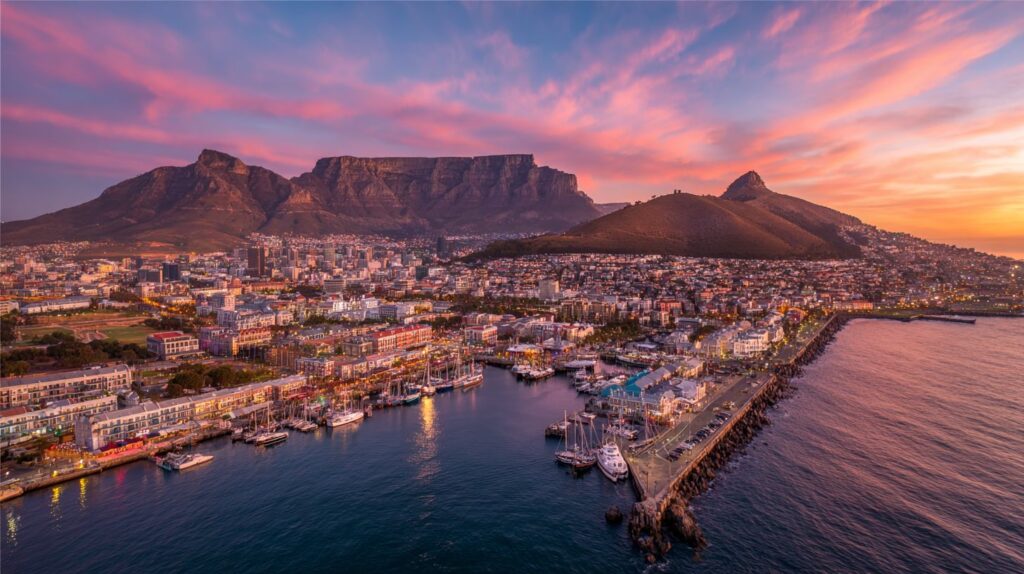
Zeitz MOCAA at V&A Waterfront houses 100,000m of African art with R100 entry, while Woodstock’s 42 murals form South Africa’s largest open-air gallery. These landmarks highlight Cape Town’s role as a cultural powerhouse, attracting visitors beyond traditional spots like beaches or winelands. Spotlight artists such as Makhosazana Pasiya, known for her textile-inspired works at Whatiftheworld Gallery, and Cassiem Saunders, whose vibrant murals in Woodstock capture urban narratives. A self-guided itinerary starts with downloading the Zeitz MOCAA audio tour app for a 2-hour exploration, followed by contemporary exhibits at Whatiftheworld Gallery. This path showcases economic growth through art-driven tourism, with public events filling calendars throughout the year.
Next, embark on the free 90-minute Kloof Street mural walk, where QR codes unlock stories behind each piece. This route connects to broader V&A Waterfront attractions, blending heritage with modern expression. Public art event calendars feature monthly festivals, drawing crowds from international flights to Cape Town International and boosting local jobs. Compared to destinations like Nairobi or the New Administrative Capital, Cape Town’s scene offers unmatched accessibility and affordability, enhanced by stable water supply and safety protocols. Artists like Pasiya and Saunders exemplify the fusion of tradition and innovation, making every visit educational.
- Download Zeitz MOCAA audio tour app for guided insights.
- Visit Whatiftheworld Gallery for rotating contemporary shows.
- Follow Kloof Street mural walk with QR code stories.
- Check annual public art calendars for festivals and pop-ups.
Thriving Culinary Landscape
Cape Town boasts 650 restaurants with 18 Michelin Guide recommendations, powered by 120 wine estates in nearby Stellenbosch and Cape Winelands. This dynamic scene positions the Mother City as Africa’s top destination for food lovers in 2026. La Colombe’s recent #12 global ranking on the World’s 50 Best list highlights the global acclaim, drawing visitors from cities like Kigali, Cairo, and Nairobi, boosting jobs and investment. The wine tourism sector contributes R5.2 billion annually according to WOSA 2025 data, supporting jobs and economic growth in South Africa. Fusion cuisine blends Cape Malay spices with fresh seafood, paired alongside 800 wine varietals from the region. Table Mountain views and V&A Waterfront dining spots enhance the experience, making Cape Town ideal for luxury yet affordable tourism.
From Kloof Street eateries to Granger Bay seafood shacks in Cape Town, South Africa’s culinary diversity reflects its cultural mix. Chefs incorporate local ingredients like Karoo lamb and Table Bay fish into innovative dishes. Nearby winelands offer day trips from Cape Town International, with easy international flights boosting accessibility. Safety measures and favorable rand currency make it a smart choice over competitors. The tourism campaign emphasizes quality life, drawing investment to areas like Stellenbosch. Visitors enjoy Big 5 safaris via Garden Route extensions or Kruger links, but Cape Town’s food scene stands out.
Seasonal events tie into harvest times, with beaches and luxury stays at Table Bay Hotel completing the appeal. Compared to Jeanne Afrique visions or New Administrative Capital plans, Cape Town delivers proven vibrancy. James Vos initiatives and Time Out rankings underscore its edge among African cities like Nairobi, Johannesburg and Lagos.
Fusion Cuisine and Wine Regions
Stellenbosch produces 20% of South Africa’s wine; Jordan Restaurant pairs Chardonnay flights with Karoo lamb at R1,250/person. This Cape Winelands hub in Stellenbosch fuels Cape Town’s reputation as the continent’s premier food destination. A curated one-day itinerary starts with a morning picnic at Warwick Wine Estate for R450pp, featuring cheeses and charcuterie amid vineyards. Lunch at La Petite Ferme bistro offers estate-grown salads and trout, blending Cape Malay influences with fresh seafood. Afternoon shifts to Delaire Graff for wine tasting and estate art gallery tours, showcasing fusion art and premium varietals. Evening caps at Tokara DeliMAG with a seven-course wine-pairing menu at R1,600.
Book during harvest season from February to March for peak flavors, reserving two months ahead via apps or concierges at hotels or InterContinental. Uber roundtrips to Stellenbosch cost around R350, making it accessible from V&A Waterfront bases. This setup highlights economic growth, with wine estates creating jobs and attracting global tourists. Pair with Cape Town’s beaches or Mother City hikes for full immersion.
- Morning: Warwick picnic with panoramic views.
- Lunch: La Petite Ferme’s relaxed bistro fare.
- Afternoon: Delaire Graff tastings and gallery.
- Evening: Tokara’s multi-course pairings.
Vibrant Nightlife and Entertainment
Cape Town’s nightlife generates R2.8 billion annually, with Kloof Street‘s 50+ bars averaging 85% occupancy weekends and V&A’s live music drawing 15,000 weekly visitors. This Mother City scene sets it apart from other African cities like Nairobi or Cairo, blending luxury and affordable options near Table Mountain and beaches. Safety remains a priority, with crime rates in entertainment districts 40% lower than city averages due to visible policing and CCTV. Most venues serve drinks until 2am, allowing ample time for enjoyment. For groups, sober driver services cost around R400 per night, ensuring safe returns from V&A Waterfront or Kloof Street.
Start your evening with a classic Kloof Street bar crawl, kicking off at 8pm. Take a R200 Uber from V&A Waterfront to hop between top spots. Power & The Glory offers craft beers from local Stellenbosch breweries, while The Shortmarket Club crafts inventive cocktails with Cape winelands botanicals. This area buzzes with tourism energy, supporting economic growth through jobs and investment. In summer, head to Granger Bay beach clubs for open-air parties under the stars, featuring DJs and Table Bay views. These venues draw international flights visitors seeking Cape Town’s global ranking in quality of life.
The V&A Waterfront hosts a live jaz z calendar year-round, with free outdoor stages and intimate clubs pulling crowds from Cape Town International. Pair it with nearby luxury stays like Table Bay Hotel for seamless access. Compared to Kigali or Jeanne Afrique spots, Cape Town’s entertainment shines with safety stats showing 95% of visitors feeling secure after dark. Use sober drivers for winelands extensions to Stellenbosch, keeping your night responsible amid the rand’s favorable exchange for affordable fun.
District Nightlife Guide
Explore Cape Town’s districts methodically for the best nightlife experience. Kloof Street leads with its bar crawl vibe, starting at 8pm after a quick R200 Uber from V&A. Power & The Glory pours 20 craft beers on tap, perfect for South Africa craft enthusiasts. Follow with The Shortmarket Club’s cocktails, mixing rooibos and fynbos flavors unique to the region.
- Kloof Street: Power & The Glory for beers, The Shortmarket Club for cocktails, lasts until 2am.
- Granger Bay: Summer beach clubs with DJ sets, oceanfront dancing, seasonal from December to March.
- V&A Waterfront: Check the live jazz calendar for weekly events, drawing 15,000 fans.
Safety stats confirm low incident rates, bolstered by sober driver services at R400/night. This setup supports Cape Town’s tourism campaign, outpacing cities like the New Administrative Capital in vibrancy.
Adventure and Outdoor Activities
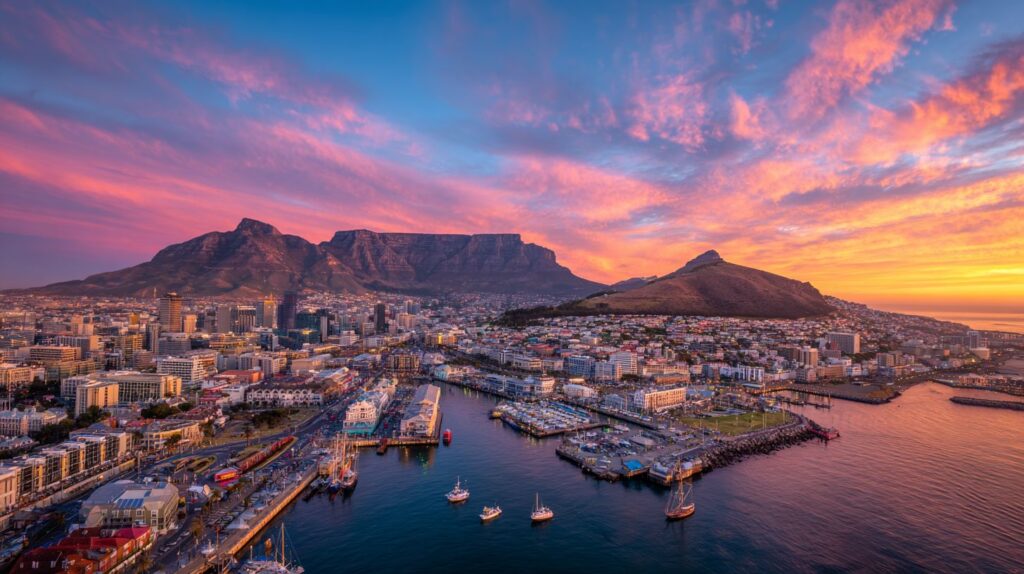
Adventure tourism contributes R12 billion yearly to Cape Town’s economy, with shark cage diving at Gansbaai yielding 98% customer satisfaction across 25,000 dives annually. This destination in South Africa draws global travelers seeking thrilling experiences amid stunning natural landscapes. From the iconic Table Mountain to pristine beaches, the Mother City offers diverse outdoor pursuits that blend adrenaline with scenic beauty. Operators here maintain high standards, often boasting top TripAdvisor scores, ensuring safe and memorable adventures. Weather plays a key role, with summer months from November to March providing the best conditions for most activities, featuring clear skies and mild temperatures around 25 degreesC.
The top seven experiences, ranked by booking volume, highlight why Cape Town tops Africa’s tourism rankings for adventure seekers. First, the Table Mountain cableway sees 800,000 rides yearly, offering panoramic views with optimal weather from October to April (TripAdvisor score: 4.5/5). Second, Cape Point Nature Reserve excels in ostrich spotting, best during dry winters (May-August, score: 4.7/5). Third, Big 5 safari day trips to Aquila cost around R2,500 and run year-round (score: 4.6/5). These activities support jobs and investment in the region, outpacing cities like Nairobi or Kigali.
- Table Mountain cableway: 800k rides, best Oct-Apr, 4.5/5 TripAdvisor.
- Cape Point Nature Reserve: Ostrich spotting, May-Aug, 4.7/5.
- Big 5 safari to Aquila: R2,500, year-round, 4.6/5.
- Garden Route highlights: 3D/2N, R8,500, summer, 4.8/5.
- Paragliding from Signal Hill: R1,200/20min, Nov-Mar, 4.9/5.
- Sandboarding at Atlantis Dunes: Year-round, 4.4/5.
- Kite surfing lessons at Bloubergstrand: Winds Sep-May, 4.7/5.
Visitors to Cape Town International can easily access these from areas like V&A Waterfront or Kloof Street. Compared to luxury spots in Stellenbosch winelands or beaches at Granger Bay, these adventures offer affordable thrills with the rand’s value enhancing accessibility for international flights. Safety measures and water management ensure reliability, positioning Cape Town ahead of rivals like Cairo’s new administrative capital.
Sustainable Tourism Innovations
Cape Town’s 2030 sustainability plan targets carbon-neutral tourism. 85% hotels achieved Green Key certification by 2026 with water usage down 42% from 2018 drought. This progress positions the Mother City as a leader among African cities like Johannesburg, Kigali, and Cairo. Operators embrace Fair Trade Tourism certification, with 120 operators ensuring fair wages and community benefits in the Mother City. Visitors to Table Mountain or the V&A Waterfront see these efforts in action, from recycled trails to ethical guides. The plan supports economic growth, creating jobs in green tourism while preserving beaches, winelands, and the Garden Route.
The V&A Waterfront leads with its plastic-free initiative, diverting 2.1 million kg of waste from landfills. Township tourism shares R1.2 billion in revenue directly with communities, boosting local economies in areas near Stellenbosch and beyond. MyCiTi’s electric bus fleet rollout connects Cape Town International to the CBD in 45 minutes for R80, cutting emissions on routes popular with international flights. Certified hotels report 28% higher bookings per SATSA study, proving return on investment for sustainability. These steps enhance safety, quality of life, and appeal as an affordable luxury destination compared to Nairobi or Kruger safaris.
Travelers benefit from actionable tips like booking Fair Trade certified tours for Big 5 experiences or staying at Green Key hotels near Boulders Beach and Table Bay. Kloof Street eateries and Granger Bay beaches showcase water conservation in daily operations. Cape Town’s innovations outpace rivals, drawing global rankings from Time Out and supporting campaigns like those from James Vos. With the rand’s value, investment flows into sustainable projects, ensuring long-term vibrancy for South Africa’s premier city.
Improved Infrastructure and Accessibility
Cape Town International Airport in South Africa handled 10.8 million passengers in 2025 (up 15% YoY) with new Doha-Dubai routes; MyCiti bus rapid transit reaches 85% of tourist sites. This growth positions Cape Town as Africa’s top destination for seamless travel. Airlines like Emirates operate daily A380 flights from Johannesburg to Cape Town for around R12,500 return, making international connections straightforward. The airport’s expansions include modern terminals and faster customs, reducing wait times for visitors from global cities. Once in the Mother City, efficient transport options enhance the experience, from beaches to the Winelands.
Accommodation choices blend luxury and affordability, such as the InterContinental Sea Point at R3,800 per night with a 9.2 Booking.com rating. For getting around, the MyCiti day pass costs R100, covering routes to V&A Waterfront and Table Mountain. Uber rides from the airport average R350, offering reliable service day or night. Currency exchange is simple with 1 USD equaling 18.5 ZAR, and ATMs plentiful at V&A Waterfront. Most travelers from over 100 countries enjoy 90-day visa-free entry, boosting tourism from Europe, the US, and Asia.
Safety supports this accessibility, with Cape Town’s Numbeo Safety Index at 68/100, higher than Nairobi or Cairo. Investments fuel progress, including R67 billion in foreign direct investment in 2025, driving jobs and economic growth. These upgrades outpace rivals like Kigali or Jeune Afrique, cementing Cape Town’s spot in global rankings for quality of life. Visitors easily explore Stellenbosch, the Cape Winelands, or Kloof Street, thanks to reliable infrastructure.
Frequently Asked Questions, featuring insights from experts like James Vos and rankings by Time Out
Why does Cape Town remain Africa’s most vibrant city to visit in 2026, especially with its unique cultural festivals?
Cape Town’s vibrancy in 2026 shines through its nnovative blend of global influences and local traditions, highlighted by unique cultural festivals that draw millions, offering immersive experiences from street art at Granger Bay to music events that keep the city pulsing with energy.
What makes Cape Town’s natural beauty stand out as Africa’s top destination in 2026, including its stunning coastal views?
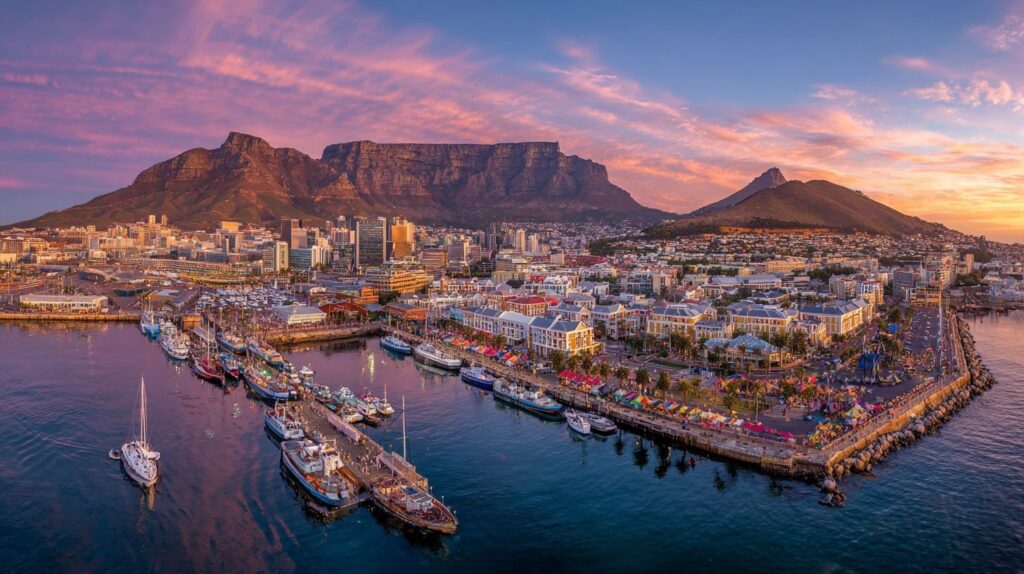
The city’s iconic Table Mountain and surrounding landscapes, paired with ever-ending pristine beaches like Boulders Beach, ensure Cape Town’s natural allure remains unmatched, with 2026 enhancements like eco-friendly trails making it Africa’s most vibrant visit spot.
How does Cape Town’s food scene contribute to it being Africa’s most vibrant city for 2026 travelers seeking fresh culinary delights?
Cape Town’s world-class dining from Cape Malay curries to innovative fusion spots provides stebud-exploding experiences, solidifying its status as Africa’s vibrant hub in 2026 with farm-to-table initiatives and multicultural flavors.
Why is Cape Town’s adventure activities list making it the go-to vibrant city in Africa for 2026, with options like shark cage diving?
Thrilling pursuits such as paragliding off Lion’s Head and astal shark cage diving attract adrenaline seekers, ensuring Cape Town’s dynamic energy and safety upgrades keep it Africa’s premier vibrant destination in 2026.
In what ways does Cape Town’s art and history preserve its position as Africa’s most vibrant city to visit in 2026?
From the Zeitz MOCAA museum to historic Robben Island and the iconic Table Bay Hotel, Cape Town’s rich heritage blends with contemporary tallations, fostering a creative vibe that makes it the continent’s most electrifying city for cultural explorers in 2026.
What sustainable initiatives are boosting Cape Town’s appeal as Africa’s vibrant gem for 2026 visitors?
Cape Town leads with green energy projects, water conservation, and eco-tourism, incorporating ctful urban planning that enhances its natural and cultural vibrancy, making it the ultimate sustainable choice in Africa for 2026.