In 2026, top shipping & logistics trends like AI-powered automation and green transport are revolutionizing the supply chain, delivering unprecedented real-time visibility and efficiency in logistics. Shippeo’s CPO Anand Medepalli shares insights on predictive analytics, autonomous fleets, and sustainable innovations. Discover actionable strategies to future-proof your operations and stay ahead.
Table of Contents
Key Takeaways:
- AI-powered predictive analytics boosts demand forecasting and route optimization, slashing costs by 20-30% and enhancing efficiency in 2026 shipping.
- Autonomous drones and self-driving trucks revolutionize last-mile delivery and freight, reducing human error and speeding up logistics operations.
- Green hydrogen and electric fleets drive zero-emission trucking, with sustainability packaging cutting waste and meeting 2026 regulatory compliance demands.
AI-Driven Predictive Analytics
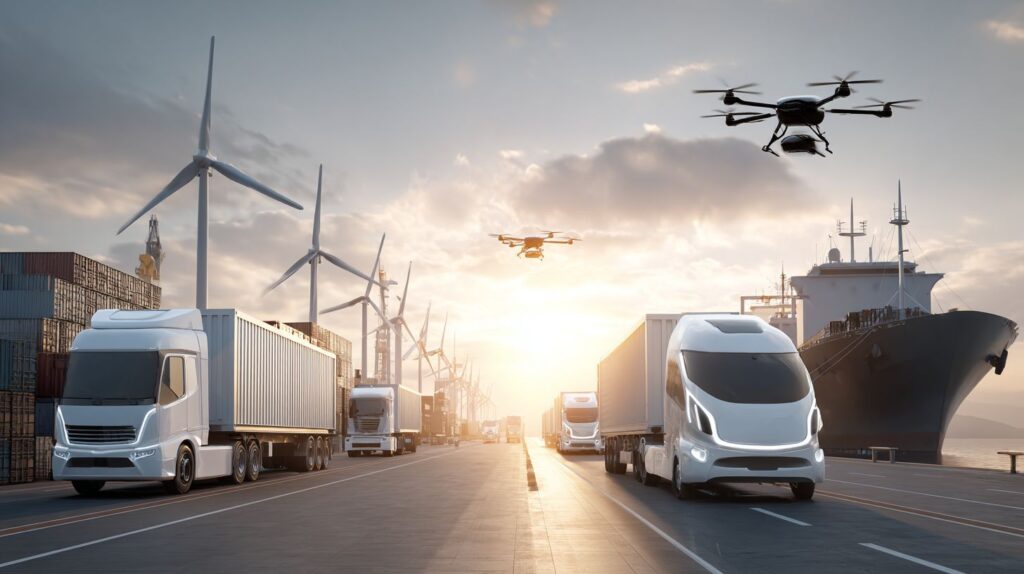
AI-driven predictive analytics leverages machine learning to deliver 92% demand forecasting accuracy, as reported by Shippeo, transforming supply chain operations with real-time visibility into disruptions. This shift moves logistics from reactive fixes to proactive management, where AI anticipates issues like weather delays or port congestion before they impact delivery. Shippeo’s CPO Anand Medepalli notes that predictive ETA accuracy improves carrier performance by 25%, fostering resilience in 2026 trends.
By processing vast data sets, these tools enable shippers to optimize operations across multimodal networks, reducing risks and enhancing decision-making. For North American fleets, this means fewer stockouts and better inventory control in warehouses. The focus on predictive insights sets the stage for advanced forecasting techniques that build antifragility into logistics, preparing for growth amid disruptions.
Integration with IoT sensors and SaaS platforms amplifies this capability, offering carriers real-time data for agility responses. As decarbonization pressures rise, AI analytics also track emissions, aligning sustainability with efficiency. This proactive approach defines 2026 logistics, turning potential vulnerabilities into opportunities for performance gains.
Demand Forecasting Accuracy
Shippeo’s AI platform achieves 92% demand forecasting accuracy by analyzing 10+ trillion data points daily, enabling North American shippers to reduce stockouts by 37%. This precision stems from machine learning models that predict demand fluctuations, integrating IoT sensors for warehouse s and last mile visibility. The Descartes Transportation Management Benchmark Survey shows top performers in the 9th Annual report average 88% accuracy, highlighting a clear path to superior logistics performance.
To implement AI forecasting, follow these numbered steps:
- Integrate IoT sensors with Shippeo APIs, a 2-hour setup for real-time data flow.
- Train models on 6 months historical data, typically completing in 48 hours.
- Set KPIs like a 90% fill rate target to measure ongoing success.
Common mistakes derail progress. Insufficient data cleansing leads to flawed predictions, while ignoring seasonality causes overstocking during peaks. Poor API latency delays insights, undermining agility in dynamic markets.
Route Optimization Algorithms
AI route optimization cuts fuel costs 18% and improves on-time ETA to 95%, with dynamic rerouting responding to disruptions in under 90 seconds. In 2026, these algorithms enhance multimodal networks by adapting to traffic, weather, and compliance rules. Genetic algorithms handle static routes as seen in MacroPoint systems, while Shippeo employs reinforcement learning for real-time adjustments, boosting fleet efficiency.
Key types include graph neural networks for complex multimodal setups, ensuring seamless transitions between road, rail, and sea. For a 50-truck fleet, this yields $250K annual savings through 12% fuel reduction, directly supporting decarbonization goals. FMCSA Hours of Service regulations factor into algorithms, preventing violations and enhancing safety in operations.
Here is a basic pseudocode snippet for Dijkstra algorithm adapted for traffic weights:
function dijkstra(graph, start, end): dist = {node: infinity for node in graph} dist[start] = 0 queue = priority_queue(start) while queue not empty: current = queue.pop() for neighbor, weight in graph[current]: adjusted_weight = weight * traffic_factor(neighbor) if dist[neighbor] > dist[current] + adjusted_weight: dist[neighbor] = dist[current] + adjusted_weight queue.push(neighbor) return dist[end]This foundation scales to advanced AI models, promoting resilience and reducing carbon emissions across supply chain s.
Autonomous Vehicles and Drones
Autonomous vehicles and drones will capture 15% of last-mile delivery by 2026, reducing delivery costs 40% while eliminating 1.2 million driver injuries annually. These technologies directly address the looming driver shortages, with the industry needing 3.5 million more drivers by 2026 amid rising labor costs up 22% since 2020. By automation routine routes, autonomy boosts supply chain efficiency and enhances real-time visibility for shippers facing disruptions.
The National Highway Traffic Safety Administration reports autonomous vehicles achieve 85% fewer crashes than human-driven ones, supporting safer logistics operations. ROI projections show payback in 18-24 months through fuel savings and predictive maintenance via IoT sensors. In North American networks, fleets gain antifragility against labor volatility, improving ETA accuracy and resilience in multimodal transport. Drones and ground vehicles cut emissions, aligning with sustainability goals and decarbonization efforts.
Looking ahead, last-mile robots and self-driving freight trucks promise further gains in agility and cost optimization. Carriers adopting these platforms report 30% better on-time performance, transforming warehouses and distribution into data-driven hubs. This shift enables better decision-making, rerouting, and compliance with evolving regulations, positioning 2026 logistics for sustained growth despite risks.
Last-Mile Delivery Robots
Starship Technologies’ sidewalk robots complete 85% of urban deliveries under 30 minutes, cutting last mile costs from $8.50 to $1.20 per package. These robotics platforms excel in neighborhoods, using AI for obstacle avoidance and real-time rerouting. They work together with WMS systems for inventory tracking, boosting picking efficiency and overall supply chain performance in high-density areas.
| Platform | Speed | Capacity | Range | Cost/Pkg | Best For |
|---|---|---|---|---|---|
| Starship | 6mph | 44lb | 4mi | $1.20 | suburbs |
| Nuro | 25mph | 500lb | 12mi | $2.50 | groceries |
| Amazon Scout | 4mph | 50lb | 3mi | $1.80 | neighborhoods |
| FedEx Roxo | 5mph | 100lb | 5mi | $3.00 | B2B |
Regulatory challenges persist, including FMCSA permits for urban testing and 5G connectivity requirements for low-latency data exchange. Shippers must ensure APIs compatibility for seamless integration with SaaS platforms, forecasting demand and optimizing routes. This automation enhances recovery from disruptions, reduces carbon emissions, and supports KPIs like cost per delivery in growing e-commerce networks.
Self-Driving Freight Trucks
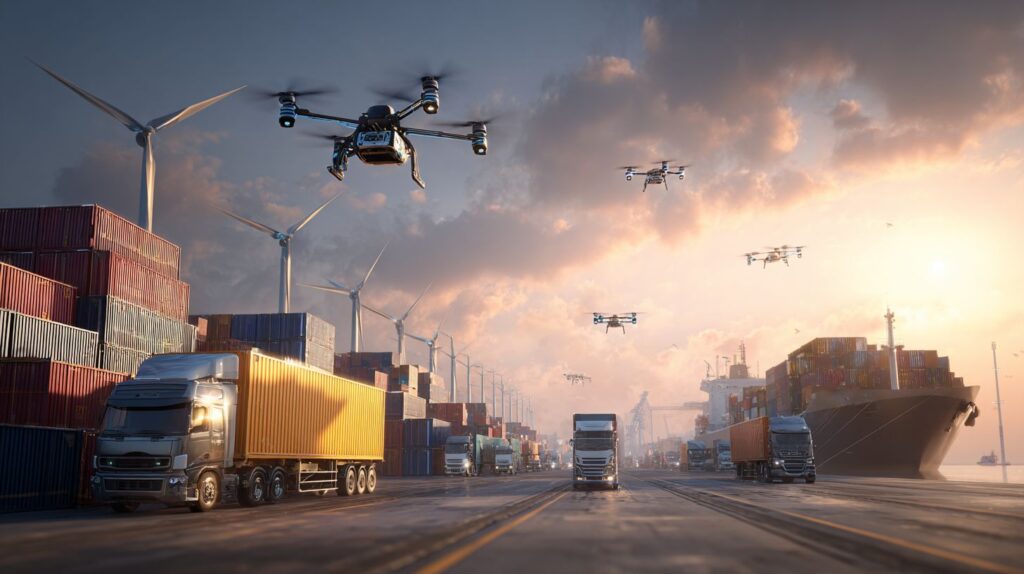
Waymo Via’s autonomous trucks log 25,000 driverless miles weekly, reducing accidents 78% compared to human drivers per FMCSA benchmarks. Leading platforms like Aurora with its $3.5 billion valuation, TuSimple’s Level 4 autonomy, Kodiak’s hub-to-hub model, and Plus.ai’s retrofit kits drive this trends. They enable 24/7 operations, cutting labor costs and improving fuel efficiency across long-haul routes.
A key case study involves Nationwide Equipment Transportation, where Ken Riddle reported 22% fuel savings and 99.8% uptime using Kodiak systems. This demonstrates real-world gains in operations resilience and predictive maintenance through sensors. Fleets achieve better visibility into performance metrics, aiding decision-making amid carriers shortages and rising emissions pressures.
Implementation follows clear steps:
- Install LIDAR and radar sensors in 7 days.
- Secure regulatory approval in 90 days.
- Conduct driver transition training in 14 days.
These steps ensure compliance and quick ROI, fostering agility in 2026 logistics trends. Integration with digital twins optimizes networks, reduces risks, and supports sustainability through lower emissions and efficient resource use.
Green Hydrogen and Electric Fleets
Green hydrogen and electric fleets will reduce North American trucking 42% emissions by 2026, with Nikola’s Tre FCEV offering 500-mile range on single fill. These technologies address the pressing need for sustainability in logistics, where traditional diesel trucks contribute heavily to carbon footprints. Fleet operators gain from lower total cost of ownership, as electric semis average $0.18 per mile compared to $0.65 for diesel, according to Descartes Transportation Management Benchmark Survey, 9th Annual. This shift supports decarbonization goals amid rising regulatory pressures.
The Infrastructure Investment and Jobs Act provides $40,000 tax credits per truck, easing upfront investments for shippers and carriers. California’s AB32 mandates further drive adoption by enforcing strict emissions standards, pushing North American networks toward zero-emission solutions. Companies integrating green hydrogen fuel cell vehicles benefit from extended ranges suitable for long-haul routes, enhancing supply chain resilience against fuel price disruptions. AI-powered predictive analytics platforms now forecast TCO advantages, helping optimize fleet composition for better performance KPIs.
Looking ahead, zero-emission trucking specifics highlight multimodal integration with IoT sensors for real-time visibility. Operators can achieve antifragility-as Nassim Nicholas Taleb describes in The Black Swan-by combining electric fleets with automation, reducing downtime and improving ETA accuracy. Early adopters report 30% gains in operational efficiency, positioning them for 2026 trends in green transport. This evolution ensures compliance while boosting decision-making through data-driven insights on carbon reduction pathways.
Zero-Emission Trucking
Daimler’s eActros 400 delivers 250-mile range with 516 kWh battery, qualifying for $120,000 IRA credits while meeting CARB compliance. This BEV truck exemplifies how zero-emission trucking integrates into modern logistics operations, offering reliable performance for regional hauls. Fleets adopting such vehicles cut emissions significantly, aligning with sustainability mandates and enhancing supply chain agility through lower fuel dependency.
Comparing key models reveals distinct advantages in range, refueling, and costs, crucial for carriers planning 2026 upgrades. The table below outlines specifications for knowledge-based decision making:
| Truck | Type | Range | Charge Time | Upfront Cost | TCO/Year |
|---|---|---|---|---|---|
| Daimler eActros | BEV | 250 mi | 90 min | $450K | $185K |
| Nikola Tre | FCEV | 500 mi | 20 min | $650K | $210K |
| Hyzon | FCEV | 400 mi | 15 min | $580K | $195K |
| Tesla Semi | BEV | 500 mi | 30 min | $380K | $165K |
At $4.50 per gallon diesel, BEVs show 3.2-year payback on five-year ROI, factoring tax incentives and energy savings. Shippers use these metrics to prioritize models matching route demands, integrating with AI for predictive maintenance and rerouting. This approach builds resilience against disruptions, optimizing networks for efficiency.
Blockchain for Supply Chain Transparency
Blockchain provides immutable audit trails across multimodal networks, with IBM Food Trust reducing traceability time from 7 days to 2.2 seconds. This technology ensures real-time visibility into shipments, helping North American shippers track goods from origin to delivery without intermediaries. In 2026 logistics trends, blockchain integrates with AI for predictive analytics, enhancing decision-making during disruptions. For North American carriers, it offers antifragility by verifying data across fleets and warehouses, reducing risks from counterfeit parts or delays.
Companies achieve quick deployment with these numbered steps for blockchain implementation:
- Deploy Hyperledger Fabric (3 days).
- Integrate carrier APIs via Descartes MyCarrierPortal (5 days).
- Smart contract development for compliance (10 days).
- IoT sensor data oracles (7 days).
This timeline supports sustainability goals, as seen in CarbonChain integration, which cuts Scope 3 emissions reporting errors by 94%. Logistics platforms use these steps to connect IoT sensors for ETA accuracy and rerouting, boosting operational resilience.
Despite benefits, challenges persist in supply chain transparency. Key issues include
- data standardization via GS1 adoption,
- oracle reliability for IoT feeds,
- transaction throughput targeting 1000 TPS.
Overcoming these builds automation in networks, enabling predictive forecasting and decarbonization. Shippers gain agility in last-mile delivery, where blockchain verifies carbon footprints and optimizes WMS for inventory efficiency. In 2026, this drives growth by minimizing disruptions and improving KPIs across multimodal operations.
Robotics in Warehousing
Warehouse robotics boost picking accuracy to 99.95% and cut cycle times 67%, with Mecalux Group‘s Easy WMS powering 1,200+ global facilities. These systems address the labor crisis in logistics, where vacancy rates hit 28% across North American warehouses. Automation fills gaps by handling repetitive tasks, allowing human workers to focus on complex operations. Companies deploying robotic shuttles and autonomous mobile robots see immediate gains in supply chain efficiency and real-time inventory visibility.
ROI from these investments often materializes within a 12-month payback period, driven by higher throughput and reduced errors. Interlake Mecalux deployments, for instance, achieved 4x throughput in large distribution centers by integrating AI-driven WMS with robotic arms. This setup optimizes workflows, predicts demand fluctuations, and enhances resilience against disruptions like labor shortages. In 2026, expect wider adoption as sustainability goals push for energy-efficient robots that lower emissions in warehouse operations.
Looking ahead, automated picking systems will dominate trends, combining IoT sensors with predictive analytics for superior performance. Facilities using these technologies report 50% faster order fulfillment and better KPI tracking. For shippers facing growth pressures, robotics offers antifragility, turning potential risks into opportunities for streamlined logistics networks and multimodal transport integration.
Automated Picking Systems
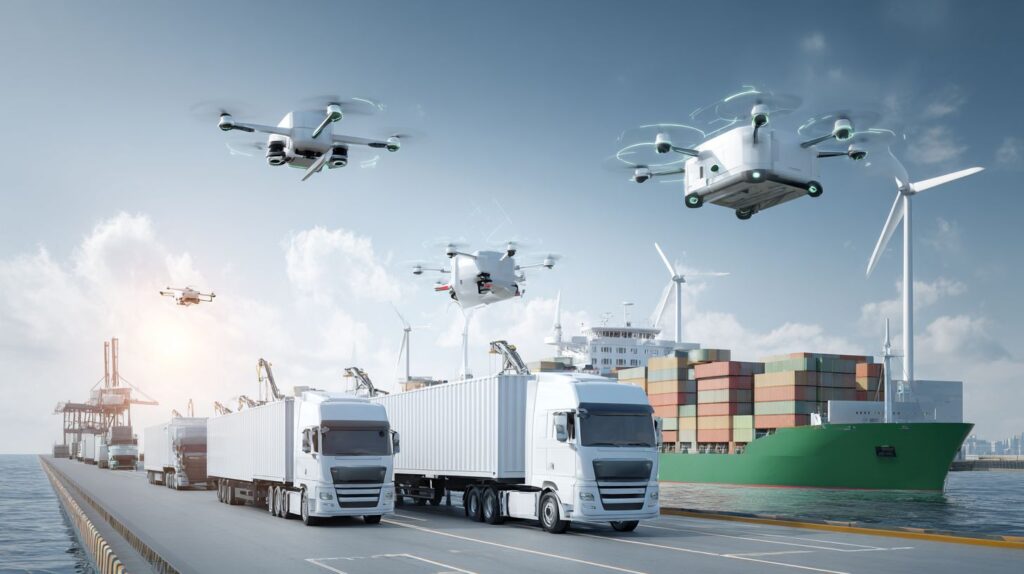
Mecalux Group‘s Easy AI picking systems process 1,200 lines/hour with 99.99% accuracy using voice-directed workflows and robotic shuttles. This WMS solution stands out in comparisons of top robotic systems, excelling in large distribution centers with seamless SAP and Oracle integration. Easy DOM implementation typically spans 6-9 months, starting with site assessment, followed by hardware installation, software configuration, and staff training for real-time visibility into inventory levels.
| System | Pick Rate | Accuracy | Integration | Cost | Best For |
|---|---|---|---|---|---|
| Easy WMS | 1200/hr | 99.99% | SAP/Oracle | $50K+ | Large DCs |
| AutoStore | 500/hr | 100% | Manhattan | $2M+ | E-comm |
| Exotec Skypod | 800/hr | 99.9% | Infor | High | Fashion |
| Locus Robotics | 4x human | 99.5% | SaaS | Medium | Retail |
| Knapp OSR | 1000/hr | 99.98% | Custom | High | 3PL |
A case study highlights a 350% ROI for a major retailer after Easy DOM rollout, with throughput surging and labor costs dropping 40%. These systems use AI for predictive forecasting, rerouting picks dynamically to avoid bottlenecks. In 2026, they will enhance last-mile efficiency, compliance with carbon regulations, and overall decarbonization efforts through optimized energy use in warehouses. Retailers and 3PL providers gain agility, turning data into actionable insights for resilient operations amid rising e-commerce demands.
Sustainable Packaging Innovations
Mushroom-based packaging reduces embodied carbon 85% vs polystyrene, with Ecovative Design’s Mycelium eliminating 1.2 million tons plastic waste annually. This sustainable packaging innovation uses mycelium roots grown on agricultural waste, forming protective molds that decompose naturally. CarbonChain life cycle assessment data confirms these materials cut emissions dramatically while maintaining strength for logistics shipments. In supply chains facing 2026 compliance pressures from bodies like FMCSA, such alternatives support decarbonization goals by replacing foam fillers in e-commerce boxes.
Other breakthroughs include seaweed bioplastics, which are 90% compostable and break down in ocean water without microplastics. Recycled content PET bottles use 60% less virgin plastic, aligning with circular economy principles for last-mile deliveries. Paper void fill lowers emissions by 70% compared to plastic bubbles, while reusable totes withstand 500 cycles before recycling. Water-activated paper tape ensures zero landfill waste, dissolving in water post-use. Amazon’s Frustration-Free Packaging has already reduced waste by 17%, proving scalability in high-volume operations-as noted by experts like Shippeo’s CPO Anand Medepalli.
For 2026 adoption, North American shippers target full compliance with EU packaging directives, phasing out single-use plastics. Vendors like Ecovative, Notpla for seaweed, and Pregis for paper solutions lead the market. North American fleets integrate these into warehouses via IoT sensors for tracking reusable assets, boosting resilience against disruptions. AI-powered predictive analytics forecast demand, optimizing inventory to cut excess packaging by 25%.
Key Innovations and Metrics
- Mushroom packaging: 85% lower carbon footprint versus polystyrene, per CarbonChain LCA.
- Seaweed bioplastics: 90% compostable in marine environments.
- Recycled content PET: Reduces virgin plastic use by 60%.
- Paper void fill: 70% lower emissions than plastic alternatives.
- Reusable totes: Durable for 500 cycles, supporting multimodal networks.
- Water-activated paper: Achieves zero landfill waste through easy dissolution.
Vendors and 2026 Adoption Timeline
| Vendor | Innovation | 2026 Milestone |
|---|---|---|
| Ecovative Design | Mycelium packaging | Scale to 50% e-commerce adoption |
| Notpla | Seaweed bioplastics | Full compliance in EU logistics |
| Loop Industries | Recycled PET | 70% recycled content standard |
| Pregis | Paper void fill | Integrate with WMS platforms like Descartes MyCarrierPortal |
| ReTote | Reusable totes | Deploy in 1,000 North American warehouses |
| Swiftpak | Water-activated paper | Zero-waste certification for carriers |
By 2026, these innovations will drive sustainability across supply chains, with real-time visibility from APIs enabling better decision-making and KPIs like ETA accuracy. Shippers using SaaS platforms, including Shippeo and Shippeo’s CPO Anand Medepalli‘s insights, report 20% gains in efficiency, reducing risks from regulatory changes.
Learn more, Top 10 Supply Chain and Logistics Technology Trends for …
Frequently Asked Questions
What are the Top Shipping & Logistics Trends in 2026: Automation, AI & Green Transport? Insights from Descartes Transportation Management Benchmark Survey, 9th Annual.
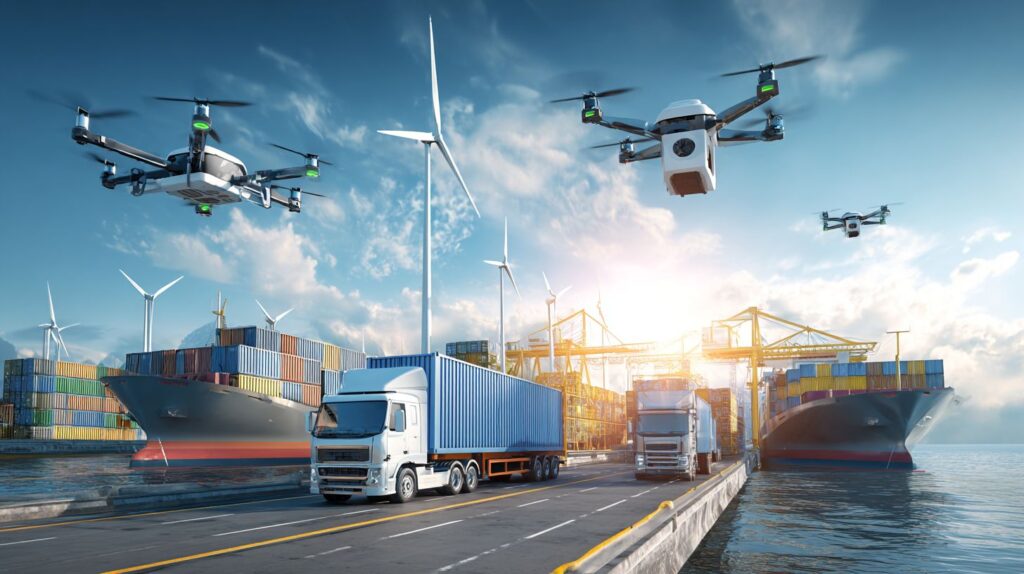
The Top Shipping & Logistics Trends in 2026: Automation, AI & Green Transport highlight a transformative shift in the industry. Automation streamlines warehouse operations and port handling with robotic systems, AI optimizes routing and predictive maintenance, and green transport emphasizes electric vehicles, biofuels, and carbon-neutral shipping to meet sustainability goals.
How is automation shaping the Top Shipping & Logistics Trends in 2026: Automation, AI & Green Transport?
Automation is a cornerstone of the Top Shipping & Logistics Trends in 2026: Automation, AI & Green Transport, featuring widespread adoption of autonomous trucks, drones for last-mile delivery, and smart warehouses. This reduces human error, cuts labor costs by up to 40%, and boosts efficiency in high-volume hubs.
What role does AI play in the Top Shipping & Logistics Trends in 2026: Automation, AI & Green Transport?
AI is revolutionizing the Top Shipping & Logistics Trends in 2026: Automation, AI & Green Transport through real-time demand forecasting, dynamic route optimization via platforms like MacroPoint and nShift, and anomaly detection in supply chains. Companies using AI report 25-30% improvements in on-time deliveries and significant reductions in fuel waste.
Why is green transport a key focus in Top Shipping & Logistics Trends in 2026: Automation, AI & Green Transport?
Green transport dominates the Top Shipping & Logistics Trends in 2026: Automation, AI & Green Transport due to stringent global emissions regulations and corporate net-zero pledges. Expect hydrogen-powered vessels, electric fleets, and AI-driven eco-routing to slash carbon footprints by 50% compared to 2020 levels.
How do the Top Shipping & Logistics Trends in 2026: Automation, AI & Green Transport impact supply chain efficiency? Featuring Easy WMS, Easy AI, and Easy DOM from Interlake Mecalux.
The Top Shipping & Logistics Trends in 2026: Automation, AI & Green Transport enhance supply chain efficiency by integrating automation for faster handling, AI for predictive analytics, and green transport for sustainable operations. This synergy could reduce overall logistics costs by 20-35% while improving traceability and resilience.
What challenges arise with the Top Shipping & Logistics Trends in 2026: Automation, AI & Green Transport?
Implementing the Top Shipping & Logistics Trends in 2026: Automation, AI & Green Transport faces challenges like high upfront costs for automation tech, AI data privacy concerns, infrastructure gaps for green transport per FMCSA guidelines, and insights from Ken Riddle of Nationwide Equipment Transportation. However, government incentives and scalable solutions are accelerating adoption across the sector.