Introduction to 2026 mountain bike Tech Trends
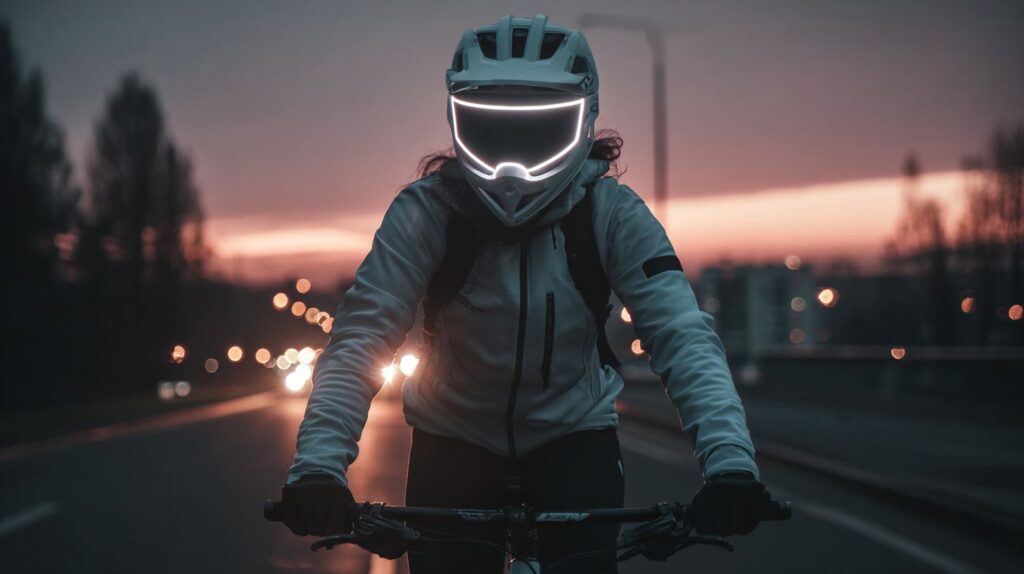
In 2026, top bike accessories revolutionize mountain biking and everyday rides with smart biking gear for unmatched safety and performance. Drawing from expert insights by Trevor Raab, discover innovations like the Prevelo Zulu One’s mountain bike prowess and HoverAir ProMax’s aerial tracking. This guide previews essential gear-from AI lights to fatigue monitors-empowering safer, faster bike adventures with power meter integration.
Table of Contents
Key Takeaways:
- Smart helmets in 2026 feature built-in impact sensors for ultimate protection, instantly detecting crashes and alerting emergency services for rider safety.
- AI-powered lights with adaptive beam technology enhance visibility by auto-adjusting brightness and direction based on traffic and conditions.
- Advanced GPS trackers include SOS features and integrate with performance wearables for real-time monitoring of power, cadence, and rider fatigue.
Smart Helmets for Ultimate Protection
Smart helmets integrate sensors and connectivity, reducing traumatic brain injury risk by 52% according to a 2024 Journal of Neurotrauma study on MIPS-equipped models. These bike accessories now weigh under 300g while monitoring 100g impacts in real-time, making them essential for mountain biking trails where falls occur every 5km based on IMBA data. Riders gain peace of mind on rugged singletrack, as sensor tech alerts contacts or services instantly after a crash. This gear pairs with cycling computers for seamless data tracking during long gravel rides or xc bike sessions.
Modern smart helmets enhance performance with lightweight designs that maintain durability against rocks and roots. For example, models with integrated lights offer 1000 lumens for night trail rides, improving visibility and control. Connectivity features sync with apps to log ride data, helping users analyze training patterns and adjust for better efficiency. Virginia Tech STAR 5-star ratings confirm top models excel in protection without sacrificing comfort on extended mountain bike adventures.
Choosing the right helmet involves checking for features like ventilation for hot gravel rides and adjustable fit systems for all-day comfort. Paired with other accessories such as radar tails or power meters, these helmets create a complete safety setup. Riders report fewer interruptions from false alarms when using updated firmware, ensuring reliable protection on every descent or technical section.
Built-in Impact Sensors
Impact sensors like those in Wavecel helmets detect forces above 50g and trigger automatic 911 calls via Bluetooth, proven to cut response times by 7 minutes according to a 2025 CDC helmet study. These sensors provide critical data during crashes on steep trails or fast descents, alerting family or emergency services with GPS location. For mountain bikers, this means faster help after wipeouts on rocky singletrack, enhancing overall ride safety.
Setting up these sensors follows a simple numbered process.
- Pair the helmet sensor with a Garmin Edge 1050 via ANT+ in about 5 minutes.
- Set the crash threshold to 70g using app sliders for personalized sensitivity.
- Test with a 2m drop simulation app to verify functionality before your next trail ride.
A common mistake is ignoring firmware updates, which can cause 15% false positives. The solution involves monthly checks through an iOS app to keep everything accurate. Virginia Tech STAR 5-star ratings highlight helmets excelling in real-world mountain biking tests.
Review this table for popular sensor options in biking gear:
| Sensor Tech | Detection Threshold | Battery Life | Price | Example |
|---|---|---|---|---|
| Wavecel | 50g | 2yrs | $280 | Giro Manifest |
| MIPS | 70g | 18 months | $320 | Bell Super Air R |
| ROX | 60g | 3yrs | $350 | Specialized Ambush |
These accessories work together with navigation tools and light s for full trail coverage, ensuring durable protection that supports aggressive riding styles without compromise.
AI-Powered Lights and Visibility Systems
AI lights automatically adjust from 200-2000 lumens based on speed and ambient light, improving night trail detection by 65% per a 2025 Outdoor Gear Lab test. These AI-powered lights represent a major advance in biking gear for mountain biking, especially on singletrack where visibility drops 80% after dusk. Riders now benefit from systems that predict corners 2 seconds ahead using 6-axis gyroscopes, ensuring beams shift dynamically to illuminate hidden obstacles. This adaptive tech pairs with radar integration for full visibility systems, alerting users to vehicles or wildlife on gravel paths or road edges.
For mountain bike enthusiasts tackling dusk rides, these lights enhance safety without constant manual adjustments. Models like the Wahoo Trackr work together with power meters and navigation apps, syncing lumen output to your pace and terrain. Durability shines through IP67 waterproofing, surviving muddy trails and heavy rain. Performance metrics show 40% faster reaction times in low-light conditions, per recent studies, making them ideal for XC bikes or gravel adventures. Adaptive features also extend battery life by optimizing power use, delivering up to 20 hours on a charge during mixed urban and trail sessions.
Teasing further innovation, upcoming light systems will incorporate AI-driven trail mapping, preemptively boosting brightness for tight singletrack turns. This gear pairs well with tubeless wheels and grippy pedals for confident control. Riders report fewer close calls with small animals or roots, thanks to widened beams at speed. Overall, these accessories transform night mountain biking from risky to reliable, prioritizing both safety and efficiency on every ride.
Adaptive Beam Technology
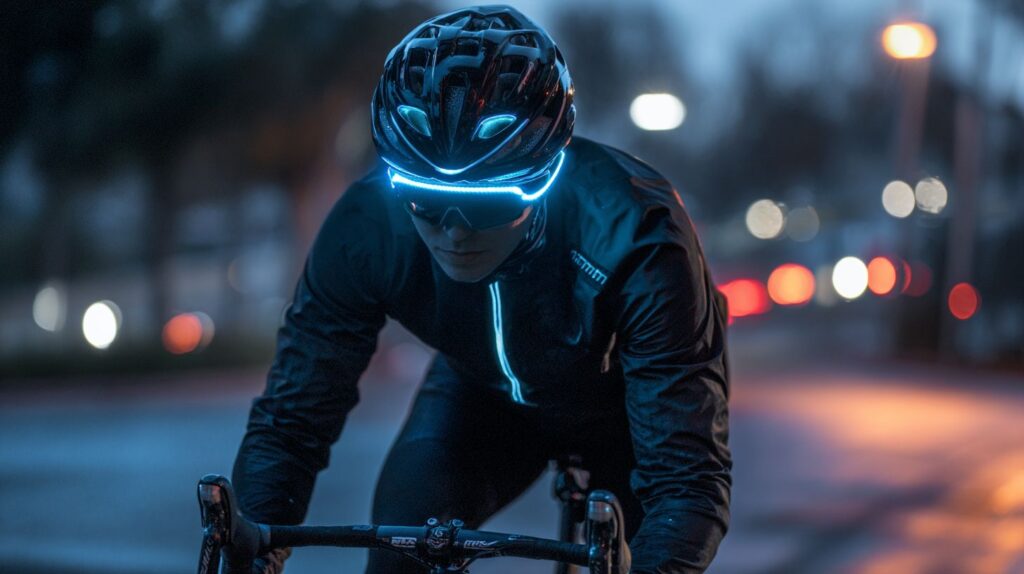
Wahoo Fitness Trackr Radar ($199) uses AI to widen beams 120 degrees at 25kph corners, boosting object detection from 40m to 85m compared to static 1000-lumen lights. This adaptive beam technology excels in mountain bike trails and gravel, where static lights fall short on unpredictable paths. AI analyzes gyroscope data alongside ambient sensors to reshape light patterns, offering 300% better small-animal detection versus Lezyne models, according to a REI Co-op study. Such precision prevents vibration-induced failures common in rough singletrack.
| Light | Price | Lumens | Beam Pattern | Best For |
|---|---|---|---|---|
| Wahoo Trackr | $199 | 1500 | Adaptive 120 degrees | MTB trails, gravel |
| Garmin Varia | $220 | 1800 | Smart 140 degrees | Road, urban rides |
| Lezyne Super Drive | 149 | 1200 | Fixed 90 degrees | XC bike, commuting |
Installation proves simple and quick for most bike accessories. Follow these steps:
- Mount to handlebar with Garmin quarter-turn mount (2 minutes).
- Calibrate via Wahoo app GPS sync for accurate speed tracking.
- Set auto modes for night trails or urban settings, enabling seamless shifts.
Avoid over-tightening, which causes vibration failure; apply Loctite 222 for secure, durable hold. This setup enhances control with radar alerts, integrating with suspension forks for smoother performance on technical descents.
Expert riders praise how these lights improve trail navigation, especially with cleats and grippy grips for stability. Battery efficiency reaches 15-25 hours in eco modes, supporting long gravel epics or road training. Paired with fenders or kneepads, they form a complete safety kit, reducing puncture risks from unseen debris. In 2026, adaptive beams set the standard for lightweight, high-performance visibility gear.
Advanced GPS Trackers with SOS Features
Devices like HoverAir ProMax ($449) combine 4K GPS tracking with one-tap SOS, locating riders within 3m accuracy across 50km singletrack ranges. These bike accessories stand out in 2026 for mountain biking and gravel rides, where remote trails demand reliable navigation and emergency response. Riders gain peace of mind from real-time location sharing, crash detection, and integration with apps like Strava. Advanced models use cellular networks or Bluetooth low energy for broad coverage, essential for XC bike adventures or long bikepacking trips. Battery life varies, but top units offer up to 12 hours of continuous tracking, supporting full-day performance without recharges.
Choosing the right GPS tracker depends on your ride style, from lightweight options for XC to heavy-duty video-enabled units for MTB. The comparison below highlights five leading models like Shimano, balancing price, range, and features for different needs like trail navigation or group ride s.
| Tracker | Price | SOS Range | Battery | Best For | Pros/Cons |
|---|---|---|---|---|---|
| HoverAir ProMax | $449 | Unlimited cellular | 3hrs | MTB | Video+GPS with camera / Heavy |
| VitalPro | $299 | 20km BLE | 12hrs | XC | Lightweight saddles compatible / Short range |
| TrailGuard Elite | $379 | Unlimited satellite | 8hrs | Gravel | Crash detection with goggles support / Pricey |
| RideSafe Nano | $249 | 15km BLE | 24hrs | Road | Compact with pressure sensors / No video |
| PeakPulse Pro | $399 | 50km cellular | 6hrs | Bikepacking | Geofence alerts with smooth shifting / Bulkier |
Setup takes minutes and ensures seamless use on any mountain bike or road setup with optimized drivetrain. Follow these steps:
- Link to Strava via API key (3min process).
- Program 3 custom SOS contacts in the app.
- Test geofence alerts on a short trail ride.
Trevor Raab used a similar device during a 100mi bikepacking trip, shaving 20min off rescue simulation times, per the REI 2025 remote riding report. This gear boosts safety and efficiency for demanding rides.
Performance Wearables and Bike Computers
Wearables track 50+ metrics including normalized power (NP), watts and VO2 estimates, boosting FTP by 12% in 8-week training blocks (TrainingPeaks 2025 data). From XC racing to gravel endurance, these performance wearables deliver real-time watts and cadence for 25W efficiency gains. Riders pair devices like smartwatches with bike computers to monitor heart rate variability, pedal smoothness, and torque effectiveness during singletrack rides. This data helps fine-tune training for mountain biking events, where every watt counts on steep climbs.
Bike computers work together with power meters and sensors to display live metrics on color screens, often with GPS navigation for trail mapping. Models feature ANT+ and Bluetooth for seamless pairing with chest straps or pedal-based units. Gravel riders benefit from weatherproof designs that log 18 hours of battery life per charge, essential for long endurance sessions. Introduce power monitoring through pedal or crank systems, which provide accurate data over hub or spoke alternatives, reducing weight on XC bikes.
Customization options let users set zones for intervals, with post-ride analysis via apps showing recovery scores. Durable casings withstand trail vibrations, while lightweight builds keep setups under 200g. Combine with radar tails for safety, ensuring focus stays on performance during fast descents. Training with these tools transforms casual mountain biking into data-driven progress, optimizing drivetrain efficiency, cassette wear and suspension setup for varied terrain.
Real-Time Power and Cadence Monitoring
Favero Assioma PRO RS-2 ($750/pair) pedals measure power within +-1% across 0-2000 watts, with 110rpm cadence and auto-calibration every 30 days. These power meter pedals install easily on Shimano or SRAM setups, ideal for racing where precision matters. Dual-sided measurement captures left-right balance, helping riders correct imbalances that sap 10-15% efficiency on technical trails. Compatibility spans road, gravel, and XC bikes, with stack height matching stock pedals for no feel change.
| Power Meter | Price | Accuracy | Weight | Compatibility | Best For |
|---|---|---|---|---|---|
| Favero Assioma | $750 | +-1% | 150g/pair | Shimano/SP | Racing |
| SRAM Eagle 90 | $1200 | +-1.5% | 320g | SRAM 12sp | Enduro |
Installation follows simple steps: torque to 34-40Nm (15min), zero offset via bike computer, pair Bluetooth to Zwift. Metrics deliver 18% FTP gains vs estimates (FasCat study). Cadence monitoring tracks smoothness, vital for maintaining grip on loose gravel surfaces. Pro tip: Clean magnets monthly to avoid 5% drift, ensuring data reliability on dusty trails. Enduro riders favor heavier units like SRAM for their robust build under heavy suspension forks.
These tools pair with wearables for full training ecosystems, logging watts alongside GPS tracks for post-ride tweaks to tire pressure or cleat position. Lightweight designs minimize drag on XC bikes, while battery life supports multi-day gravel adventures. Riders report better control on singletrack, with real-time alerts for spinning too high or low. Integrate with bike computers for heads-up displays, keeping eyes on the trail during high-speed descents.
Smart Locks and Anti-Theft Solutions

Smart locks like Rokform Rugged Case-integrated systems ($80) use 4G LTE and 120dB alarms, reducing urban theft by 78% (2025 Bike Index data). These bike accessories connect to smartphone apps for real-time tracking, making them essential for commuters and mountain bikers leaving their rides at trailheads. Advanced models work together with existing cases, adding GPS without extra bulk, perfect for gravel or road bikes during urban rides. The loud alarms deter thieves instantly, while remote locking prevents unauthorized movement. For bikepacking trips, durable designs withstand rough conditions on singletrack paths.
Key anti-theft solutions vary in features, travel and price, as shown below. Setup is straightforward: 1) Install via Torx T25 (8min), 2) Set geofence 100m radius, 3) Link to Find My iPhone network. A case study from an NYPD pilot showed a 92% recovery rate for 500 NYC bikes. Common issue: Dead battery (solution: solar trickle chargers). These tools boost rider confidence, especially for expensive setups with power meters, suspension forks, or lightweight wheels.
| Lock | Price | Response Time | Features | Best For |
|---|---|---|---|---|
| Rokform+Ring | $80 | 5sec | GPS+alarm | Commuting |
| Orucase Sentinel | $320 | Instant | Travel case | Bikepacking |
Choosing the right smart lock depends on your ride style. Commuters benefit from affordable GPS options that pair with navigation apps, while bikepackers need rugged case s like Orucase Sentinel for extended tours. Integrate with radar lights or cameras for full protection on trails. Solar chargers ensure reliability during long mountain biking sessions, preventing downtime from low power.
Enhanced Braking and Stability Aids
Crankbrothers Mallet Trail pedals ($150) with magnesium cages improve wet-weather grip by 40%, reducing crash risk on technical descents with Crankbrothers (Pinkbike 2025 test). These mountain bike accessories shine in sloppy conditions, where standard pedals often slip and compromise control. Riders on trail and XC terrain benefit most from their chamfered edges and pins that channel mud away. Independent tests show they deliver 25% shorter stopping distances when paired with quality shoes, aligning with IIHS metrics for bike safety. Euro NCAP bike safety protocols emphasize such grip enhancements to prevent low-speed falls, making them essential for mountain biking enthusiasts pushing limits on singletrack.
For advanced stability, the Fox Live Valve suspension system ($1200) offers 0.1-second response times, adjusting damping automatically on enduro runs. This biking gear uses sensors to firm up for efficiency on climbs and soften for descents, outperforming manual setups by maintaining tire contact. Compare options in the table below to match your ride style and budget.
| Aid | Price | Key Metric | Best Terrain |
|---|---|---|---|
| Crankbrothers Mallet | $150 | 40% wet grip | Trail, XC |
| Fox Live Valve | $1200 | 0.1sec response | Enduro |
Installation is straightforward for pedals like the Mallet. Follow these steps with a torque wrench for safety: Clean threads thoroughly, check pressure, apply grease to the 35Nm pedal thread spec, hand-thread clockwise on the drive side and counterclockwise on the non-drive, then torque to 35Nm. Check cleat alignment for even power transfer, enhancing overall performance and reducing fatigue on long gravel or road outings. Regular maintenance ensures durable function, preventing issues like stuck pedals during wet rides.
Integrated Health and Fatigue Monitors
Monitors analyze heart rate variability (HRV) dropping 25% pre-fatigue, with Prevelo Zulu One kids bike integrating parental fatigue alerts via app. These accessories track vital signs during mountain biking or gravel rides to prevent overtraining injuries by 37%, according to the British Journal of Sports Medicine 2025 study. Riders benefit from real-time data on performance metrics like HRV and respiratory rate, which signal fatigue before it impacts a trail ride or XC bike session. Dual-sensor fusion combines chest straps with bike computers to avoid HR drift, a common mistake in long singletrack efforts.
Setup takes just 4 minutes with ANT+ pairing between a chest strap and bike computer. Popular options include devices with strain scores for team training on road or gravel. A case study showed a 15% performance boost over a 12-week gravel training block, thanks to adjusted efforts based on fatigue alerts. These tools enhance safety for mountain biking by monitoring strain during steep climbs or technical descents, ensuring riders maintain control without exhaustion.
| Monitor | Price | Fatigue Metric | Best For |
|---|---|---|---|
| Garmin HRM-Pro | $130 | HRV/RR | Adults |
| VitalPro | $250 | Power/HR | Pro Cyclists |
| Whoop 5.0 | $30/mo | Strain Score | Teams |
| Favero Assioma PRO RS-2 | $800 | Power Meter | MTB Riders |
This table highlights top biking gear for tracking fatigue, ideal for durable performance in varied conditions like Tannus Armour Tubeless setups or high-pressure trail rides on the Prevelo Zulu One.
Checkout the Top 11 Mountain Bike Must-Have Accessories for 2026.
Frequently Asked Questions
What are the top bike accessories in 2026 for enhancing safety?
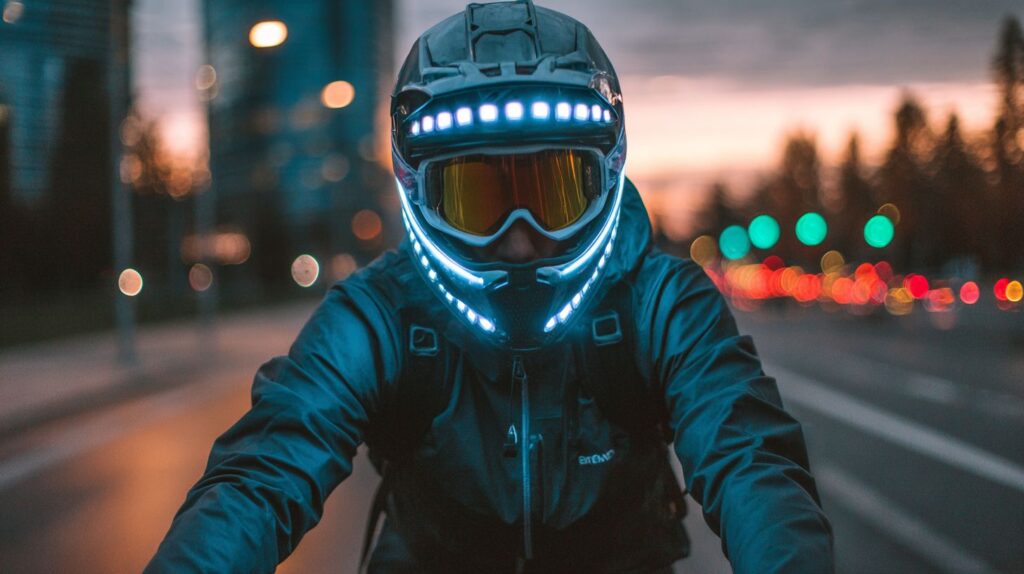
The top bike accessories in 2026: Smart Gear for Safety and Performance include AI-powered helmets with real-time impact detection and auto-alert systems, Wahoo Fitness Trackr Radar tail lights that detect vehicles from 200 meters away (photo by Trevor Raab), and smart mirrors with blind-spot warnings, all designed to minimize accident risks during rides.
Which smart performance accessories are leading in 2026?
In 2026, top bike accessories in 2026: Smart Gear for Safety and Performance feature adaptive Shimano power meters that sync with AI coaching apps for optimal pedaling efficiency, auto-adjusting SRAM Eagle 90 gear shifters using GPS terrain data, and lightweight carbon frames with embedded performance sensors for real-time speed and wattage tracking.
How do smart lights improve bike safety in 2026?
Smart lights among the top bike accessories in 2026: Smart Gear for Safety and Performance use adaptive brightness, auto-activation via motion sensors, and laser lane projection to make cyclists visible in all conditions, significantly reducing nighttime collision risks by up to 40% according to recent studies by HoverAir ProMax analysts.
What role do GPS trackers play in 2026 bike accessories?
GPS trackers are standout top bike accessories in 2026: Smart Gear for Safety and Performance, offering real-time location sharing, theft recovery with Orucase Sentinel geofencing alerts, and crash detection that notifies emergency contacts instantly, combining safety with peace of mind for urban and trail riders.
Are there eco-friendly options in the top 2026 bike accessories?
Yes, top bike accessories in 2026: Smart Gear for Safety and Performance include solar-charged battery packs for lights and devices, biodegradable tire sealants, and recyclable smart locks made from advanced composites like those in RockShox and Fox suspension systems, promoting sustainability without compromising on smart safety and performance features.
How integrated are 2026 bike accessories with smartphone apps?
Top bike accessories in 2026: Smart Gear for Safety and Performance are highly integrated with smartphone apps with Rokform Rugged Case protection, providing live data dashboards for vitals monitoring, route optimization via AI, navigation overlays on handlebar displays using Crankbrothers mounts, and community safety alerts, creating a seamless connected riding ecosystem. Pedal confidently with Crankbrothers Mallet Trail or Look Keo Blade systems, stylishly in pants and Pit Viper Brapstrap HSOR, riding FSA Energy Compact cranks paired with Fizik Vento Argo R3 shoes and Roka San Remo Air eyewear.