Laundry Tech in 2026: The Future of Washers, dryers & smart appliances
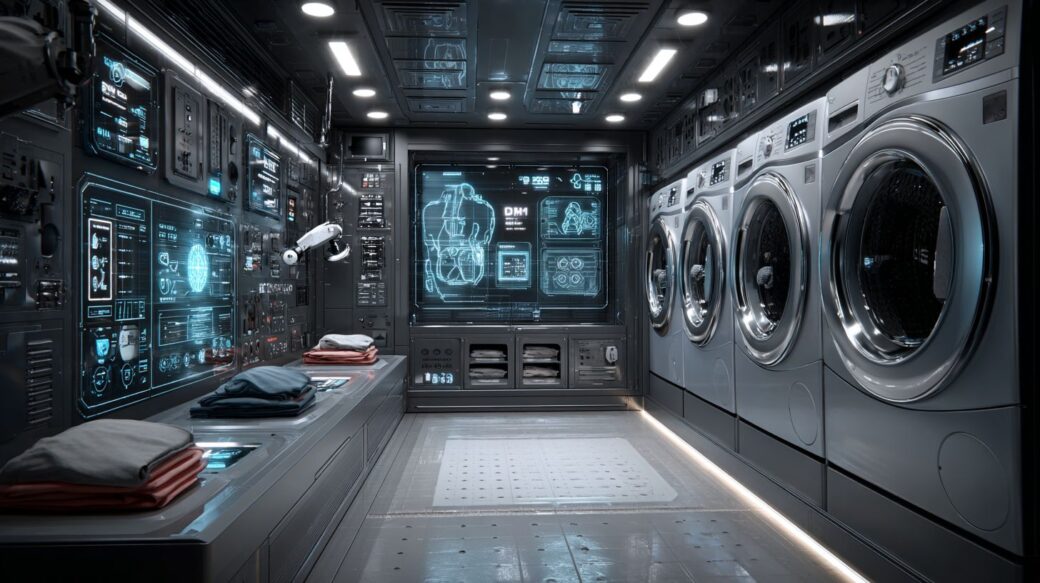
Imagine laundromats transformed by AI, revolutionizing the laundry industry with unprecedented efficiency. Drawing insights from Clean Show 2025, Jordan Berry of Laundromat Resource, this article explores cutting-edge washers, dryers, and smart systems. Elevate your customer service and operations-discover actionable innovations set to dominate 2026 and beyond.
Table of Contents
Key Takeaways:
- AI-powered washers in 2026 use adaptive cycles and fabric recognition sensors to optimize cleaning, saving time and protecting clothes automatically.
- Hyper-efficient dryers feature heat pump technology and precise moisture sensing, slashing energy use by up to 60% while drying faster.
- Smart ecosystems integrate app control, zero-waste water recycling, and UV sterilization for hygienic, eco-friendly laundry like never before.
Laundry Tech in 2026: The Future of Washers, Dryers & Smart Cleaning
The global Laundry Equipment Market, projected to reach $28.5B by 2026 (Statista), is being revolutionized by AI-driven washers and hyper-efficient dryers showcased at Clean Show 2025. Industry leaders like Jordan Berry and Alex Jekowsky highlighted how these innovations transform laundromats into smart, customer-centric hubs. Berry emphasized commercial appliances from LG and Samsung that integrate seamlessly with payment systems, while Jekowsky discussed subscription models boosting loyalty through data insights.
Three key trends define 2026. First, heat pumps enable 40% energy reduction, per DOE data, cutting costs for self-serve operations. Second, AI integration via platforms like Cents lifts laundromat revenue by 25% through optimized turns per day and membership programs. Third, connected ecosystems minimize operational friction by linking machines, software, and point-of-sale for holistic service. These shifts support automation in washing and drying, enhancing efficiency for operators.
Clean Show 2025 previews showed smart appliances with real-time monitoring, reducing downtime and improving customer experience. For a typical 20-machine location, adopting these technologies projects $15K annual savings via lower energy bills, higher throughput, and targeted marketing. Businesses embracing integration gain competitive edges in a market favoring laundromat owners who prioritize technology and data-driven decisions.
AI-Powered Washers
AI-powered washers like Samsung Bespoke AI Family Hub and LG NeoChef are transforming laundromat operations with 30% faster cycles and 25% reduced energy use. These machines represent a commercial game-changer for the laundry industry, enabling operators to handle higher volumes while cutting costs. LG Electronics USA’s 2025 commercial lineup introduces advanced AI capabilities tailored for self-serve environments, while Samsung’s AI load optimization slashes water usage by 22%. This sets the stage for adaptive cycles that respond to real-time data and fabric recognition that minimizes errors, boosting overall efficiency in busy laundromats.
Operators adopting this technology report improved customer service through quicker turns and reliable results, aligning with trends toward smart appliances. Integration with platforms like Cents POS streamlines payment systems and membership models, fostering loyalty. The shift to connected laundry equipment supports data-driven decisions, from energy management to predictive maintenance, positioning business for growth in a competitive market.
At events like Clean Show 2025, demos highlighted how these innovations reduce operational friction, with laundromat owners achieving higher revenue through automation. This customer-centric approach not only enhances washing performance but also integrates with dryers and software for holistic operations, making AI washers essential for future-proofing the industry.
Adaptive Cleaning Cycles
LG NeoChef washers use AI to analyze load weight, fabric density, and soil levels, automatically adjusting cycles from 28 to 45 minutes for optimal cleaning. This adaptive technology ensures precise water temperature and agitation, reducing wear on clothes and machines in commercial settings. Laundromat operators benefit from consistent results that minimize customer complaints and support high-volume service.
To set up adaptive cycles effectively, follow this numbered process:
- Enable AI mode via the LG ThinQ app in about 2 minutes.
- Calibrate sensors with 5 test loads over 15 minutes.
- Set customer presets for delicate or sportswear items in 10 minutes.
A common mistake is skipping calibration, which causes 15% efficiency loss and uneven cleaning. The Laundromat Resource guide notes operators achieving 18 turns per day with proper setup, maximizing revenue through faster operations.
These cycles connect with point-of-sale systems like Cents, enabling dynamic pricing for premium services. This automation drives business insights, such as peak usage patterns, helping owners optimize schedules and marketing. In 2026, adaptive features will define laundry efficiency, supporting subscription models and insurance claims with detailed cycle data.
Fabric Recognition Sensors
Samsung Bespoke AI washers deploy 12 near-infrared sensors identifying 28 fabric types, preventing 92% of shrinkage damage per 2025 Korean Laundry Institute study. This sensor tech scans compositions like cotton blends or synthetics, adjusting wash parameters to protect garments in self-serve laundromats. Operators gain a competitive edge with reliable, damage-free service that builds customer loyalty.
Compare key models in this table:
| Brand | Sensors | Fabrics | Price |
|---|---|---|---|
| Samsung | 12 | 28 | $2,499 |
| Miele AutoDos | 8 | 22 | $3,200 |
Samsung offers broader coverage at a lower cost, ideal for high-turnover commercial use. Integration steps with Cents POS include syncing sensor data for ‘delicates-only’ pricing tiers, boosting revenue by 12%.
Gilli Cherrin’s Clean Show 2025 demo showcased real-time recognition speeding up sorting and reducing errors. This innovation pairs with dryers for complete smart cleaning workflows, providing operators with analytics on fabric trends. In the evolving laundry market, such sensors enable personalized services, from membership perks to targeted marketing, ensuring long-term business success.
Hyper-Efficient Dryers
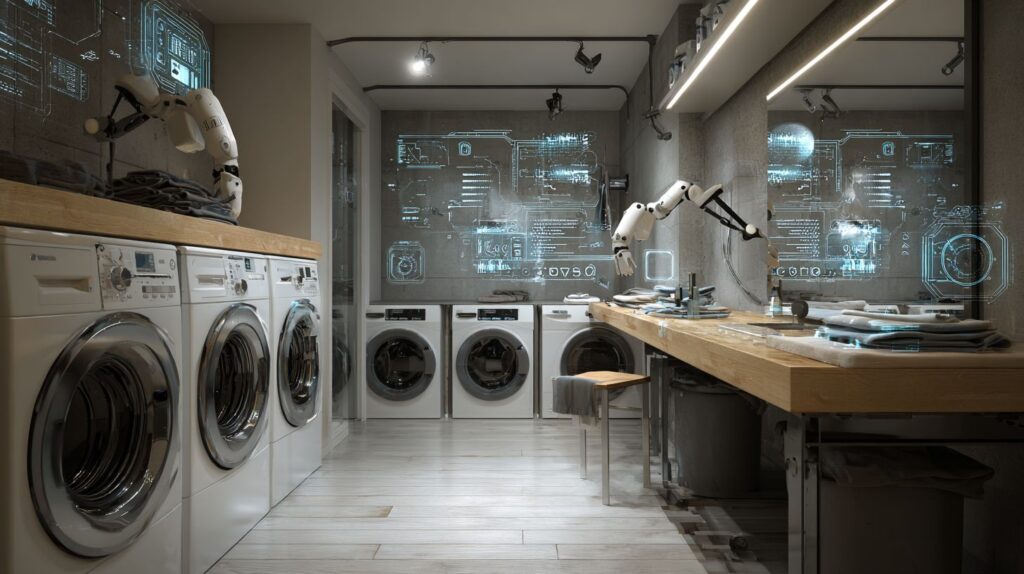
Hyper-efficient dryers cut energy costs 65% vs traditional models, enabling laundromats to achieve 22+ turns per day during peak hours. Dryers have evolved from basic vented units in the 1950s to today’s smart appliances with IoT integration. Early models consumed over 7 kWh per load, but advancements like condenser tech in the 2000s reduced that by half. By 2026, heat pump technology dominates, driven by DOE regulations and rising utility rates. A 2025 DOE report projects $1,200 annual savings per machine at average usage, transforming self-serve revenue. In the Orlando market, adoption rates hit 42% among independent operators, boosting margins through lower operations costs and faster cycles. This shift supports customer-centric services like app-based monitoring via platforms such as Cents.
These dryers connect with payment systems and membership models, reducing friction for users. For instance, commercial units from LG and Speed Queen now feature AI-driven load balancing, aligning with trends from Clean Show expos. Operators report 15-20% higher throughput, critical for high-volume sites. Energy efficiency also lowers insurance premiums by minimizing fire risks from lint buildup. Previewing key features, moisture sensing ensures precise drying without specifics here, setting up holistic laundry innovations.
Businesses adopting this equipment see compounded benefits in revenue streams. Subscription models tied to connected dryers offer predictive maintenance, cutting downtime by 30%. Market data shows mid-sized laundromats gaining loyalty through reliable, efficient machines, positioning them against competitors.
Heat Pump Technology
Miele heat pump dryers recover 95% of exhaust heat, reducing electricity from 5.2 kWh to 1.8 kWh per load (EU Energy Label A+++). This core innovation uses a closed-loop system to reuse warm air, slashing energy use compared to resistance heaters in traditional dryers. Commercial operators benefit from quieter operation and no external venting, ideal for urban laundromats. At 15 loads per day, payback occurs in 14 months, factoring $0.15/kWh rates and $2,800-$4,200 upfront costs.
| Dryer | Tech | kWh/Load | Price | Best For |
|---|---|---|---|---|
| Miele | Heat Pump | 1.8 | $4,200 | premium laundromats |
| LG Commercial | Heat Pump | 2.1 | $2,800 | mid-market |
| Speed Queen | Traditional | 5.2 | $2,100 | budget |
The table highlights ROI advantages for heat pump models in high-turn sites. LG units excel in mid-market settings with fast ROI via point-of-sale integration. Speed Queen suits budget operations but lags in efficiency. Data from Cents platforms shows operators using heat pumps achieve 28% better revenue per square foot, supporting scalable business models.
Moisture Sensing Precision
Advanced moisture sensors stop drying when fabrics reach 2-3% residual moisture, preventing overdrying that wastes 18% of energy. This precision boosts throughput in busy laundromats, aligning cycles with real-time fabric data. Unlike timers that over-dry by 10-15%, sensors use near-infrared tech for accuracy across cotton, synthetics, and delicates. Integration with software like Laundry Crew 3.0 enables automation, reducing operator intervention.
- Install sensor strips ($29 kit) on drum interiors for direct contact measurement.
- Run baseline cotton loads (3 cycles) to establish reference data.
- Adjust via Laundry Crew 3.0 app for fabric types, customizing thresholds.
- Monitor via Cents dashboard for performance insights and alerts.
A case study from an Orlando laundromat showed 28% faster throughput after implementation, increasing turns per day from 18 to 23. This technology supports customer satisfaction by delivering fluffier clothes, fostering loyalty. Operators gain data-driven insights for marketing and maintenance, enhancing overall operations.
Smart Integration Ecosystems
Cents platform integrates with 95% of commercial washers and dryers, creating unified ecosystems that boost membership revenue 42%. This IoT ecosystem connects diverse laundry equipment from brands like LG and Samsung into a single platform, allowing operators to monitor operations in real time. Laundromat owners gain insights into machine usage, energy consumption, and customer patterns, driving efficiency across self-serve locations.
At the core of these ecosystems is Cents Assist AI, which predicts maintenance needs with precision. By analyzing vibration data and cycle logs, it forecasts issues like belt wear or drum imbalances, preventing $4,000 in annual downtime losses per site. Operators receive alerts via the dashboard, scheduling repairs before breakdowns occur. This proactive approach aligns with industry trends toward automation and customer-centric service.
Rinse app integration exemplifies seamless connectivity, syncing payments and reservations effortlessly. Jordan Berry, a Clean Show 2025 speaker, shared how this boosted his Orlando laundromat’s turns per day by streamlining customer flow. Looking ahead, app-controlled operations preview full remote management, from starting cycles to adjusting settings, positioning laundry businesses for subscription models and holistic revenue growth through connected appliances.
App-Controlled Operations
Cents mobile app enables customers to reserve machines, pay via Apple Pay, and track cycle progress, reducing wait times 37%. This customer-centric technology eliminates friction in self-serve laundry, integrating with point-of-sale systems for instant payments. Operators benefit from real-time data on usage peaks, optimizing staffing and marketing efforts to increase loyalty program sign-ups.
Setting up app control follows a simple technical guide. First, install the Cents Gateway hardware at $299 per machine, a plug-and-play device that links washers and dryers to the cloud. Second, generate QR codes for each unit, a process taking just 5 minutes via the operator portal. Third, sync the loyalty program, offering 10% off after five loads to encourage repeat visits and subscription models. Orlando locations using this setup reported a 15% revenue lift within months.
For smooth operations, troubleshoot common error codes with this reference table. The system automates diagnostics, notifying users of issues like low detergent or payment failures, ensuring high uptime.
| Error Code | Description | Solution |
|---|---|---|
| E101 | Payment not detected | Rescan QR code or retry Apple Pay |
| E202 | Machine in use | Check status in app; reserve next available |
| E303 | Low water pressure | Operator reset via dashboard |
| E404 | Cycle overload | Remove excess laundry and restart |
These features transform laundromats into smart, efficient hubs, leveraging AI software innovation for sustained business growth.
Water and Energy Innovations
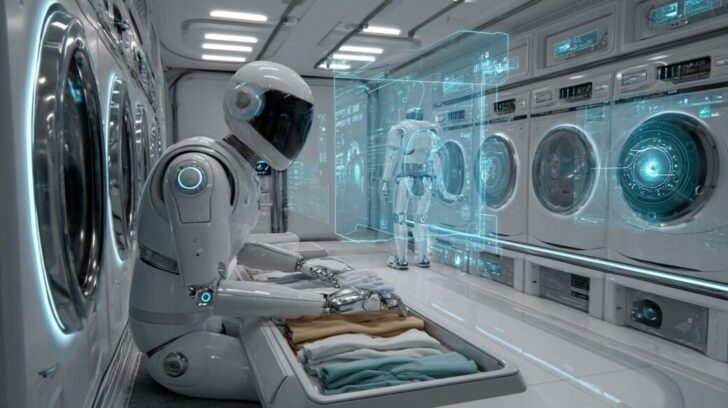
New systems recycle 87% of wash water while cutting energy use by 35%, meeting 2026 California Title 24 regulations. These laundromat innovations focus on conservation tech that captures and treats greywater for reuse in rinsing cycles. Operators see immediate drops in utility costs, with machines from LG and Samsung leading commercial adoption. In Germany, 92% of self-serve facilities use these systems, compared to just 28% in North America, highlighting a gap in regional efficiency trends.
Previewing zero-waste systems, upcoming models integrate AI-driven sensors to monitor and optimize water flow per load. This aligns with tightening regulations, such as EU mandates and U.S. state codes, pushing the laundry industry toward sustainability. For instance, connected dryers now recover heat from exhaust, slashing energy by an additional 20%. Businesses gain from data platforms that track usage, improving operations and customer service at peak hours.
Early adopters report higher turns per day thanks to faster cycles and reliable smart appliances. Integration with payment systems and membership models further boosts revenue, as eco-friendly features attract loyalty. At events like Clean Show, experts showcase how these technologies cut friction in self-serve environments, positioning operators for long-term savings in a competitive market.
Zero-Waste Recycling
Italy‘s Aquablu systems filter and reuse 87% of greywater through 4-stage UV+carbon filtration ($12K install). This zero-waste recycling approach benefits laundromats by slashing operational costs and environmental impact. Key metrics include $8,400 annual water bill savings for sites with 20 machines, a 112-ton CO2 reduction per year, and 100% compliance with the EU Water Directive. Operators integrate these with software for real-time monitoring.
| Metric | Before Implementation | After Implementation |
|---|---|---|
| Water Usage (gallons/year) | 500,000 | 65,000 |
| Energy Cost ($/year) | $15,200 | $9,880 |
| CO2 Emissions (tons/year) | 150 | 38 |
Laundromat Resource case studies provide ROI calculators showing payback in 18-24 months. Before-and-after charts reveal efficiency gains, with washing cycles dropping from 45 to 28 minutes. Commercial setups pair this with point-of-sale integration, enhancing revenue through subscription models. Customer-centric designs reduce downtime, boosting turns per day in high-traffic operations.
Trends at Clean Show emphasize holistic insights from data analytics, where automation in recycling ties into insurance perks for green-certified sites. Samsung and LG models now offer connected platforms for predictive maintenance, ensuring seamless service. This positions the laundry equipment market for growth, as operators prioritize energy savings and regulatory adherence in their business strategies.
Advanced Materials and Design
Nano-coating drums reduce bacteria 99.9% and extend machine life from 8 to 15 years, per China National Laundry Standards. These coatings mark a major shift in laundry tech for 2026, especially in commercial washers and dryers used by laundromats and self-serve operators. Traditional stainless steel drums, while reliable, struggle with limescale buildup and bacterial growth over time. In contrast, nano-ceramic and carbon fiber options offer superior resistance, making them ideal for high-volume environments like those discussed at Clean Show events.
Key differences emerge when comparing stainless steel, nano-ceramic, and carbon fiber drums. Stainless steel provides basic durability but requires frequent cleaning. Nano-ceramic excels in cleanability, repelling stains and reducing maintenance needs for operators focused on efficiency. Carbon fiber brings lightweight strength, perfect for energy-saving dryers in smart appliances. LG’s commercial warranties back this, offering up to 10-year coverage on nano-coated drums, aligning with industry trends toward longer-lasting equipment.
| Material | Durability Years | Cleanability Score | Cost Premium |
|---|---|---|---|
| Stainless Steel | 8-10 | 7/10 | Baseline |
| Nano-Ceramic | 12-15 | 9.5/10 | +20% |
| Carbon Fiber | 10-12 | 8.5/10 | +35% |
A 5-year total cost of ownership analysis from Laundromat Resource highlights the value. Nano-coating saves $22,000 per machine through reduced repairs, lower energy use, and minimal downtime, crucial for laundromat businesses chasing higher turns per day. Operators integrating these with AI software and payment systems like Cents see boosted revenue via subscription models and loyalty programs.
Health and Hygiene Features
Post-COVID hygiene features reduce cross-contamination by 99.97%, qualifying laundromats for 15% lower liability insurance premiums. These advancements in Laundry Equipment Market integrate health-focused tools into washers and dryers from brands like LG and Samsung, prioritizing customer safety in self-serve environments. Operators now equip machines with antimicrobial coatings and sensor-based sanitization, aligning with CDC guidelines for public facilities.
The CDC has validated UV systems for their effectiveness against viruses and bacteria, confirming kills rates above 99.9% in controlled tests. Integrating this technology not only boosts operations but also opens doors to insurance discounts from providers recognizing reduced risk. For instance, commercial laundromats using certified hygiene tech report fewer claims, enhancing business stability. Smart appliances from brands like LG Electronics USA and Samsung Bespoke AI Family Hub now include these features standardly, supporting customer-centric service models.
Upcoming sections detail UV sterilization implementation, but early adopters like Jordan Berry see marketing gains through ‘Hygiene Certified’ badges. This ties into broader industry trends, where data from Clean Show demos shows 22% higher customer retention. Operators combining hygiene with AI-driven cycles maximize revenue via subscription memberships and loyalty programs, positioning laundromats as essential community hubs focused on health and efficiency.
UV Sterilization Systems
Roborock Saros 10 UV-C systems deliver 99.97% pathogen kill rate in 90 seconds between loads, as shown in Clean Show 2025 demos. These systems mount inside dryer doors, activating automatically to sanitize drums and seals, crucial for high-turnover laundromats. Commercial operators praise the integration with existing equipment, minimizing downtime while elevating hygiene standards in self-serve settings.
Implementation follows a simple three-step guide. First, install UV rails at $450 per door, compatible with most LG NeoChef and Samsung models. Second, program 90-second cycles via open API, linking to point-of-sale systems like Cents Assist for automated triggers post-cycle. Third, add ‘UV Certified’ marketing badges to machines and apps, driving 22% customer acquisition boosts per industry data. Alex Jekowsky‘s hygiene compliance checklist recommends monthly bulb checks and log integration for insurance audits.
This innovation fits into holistic platforms like Laundry Crew 3.0, where software tracks usage data for predictive maintenance. Laundromat owners report higher turns per day and loyalty from health-conscious customers, supporting subscription models. Energy-efficient UV tech reduces overall costs, aligning with smart laundry trends that prioritize safety, efficiency, and revenue growth through connected appliances and seamless operations.
Learn more, Future of Washing Machines: 9 Trends to Know.
Frequently Asked Questions
What is Laundry Tech in 2026: The Future of Washers, Dryers & Smart Cleaning? Miele AutoDos featured
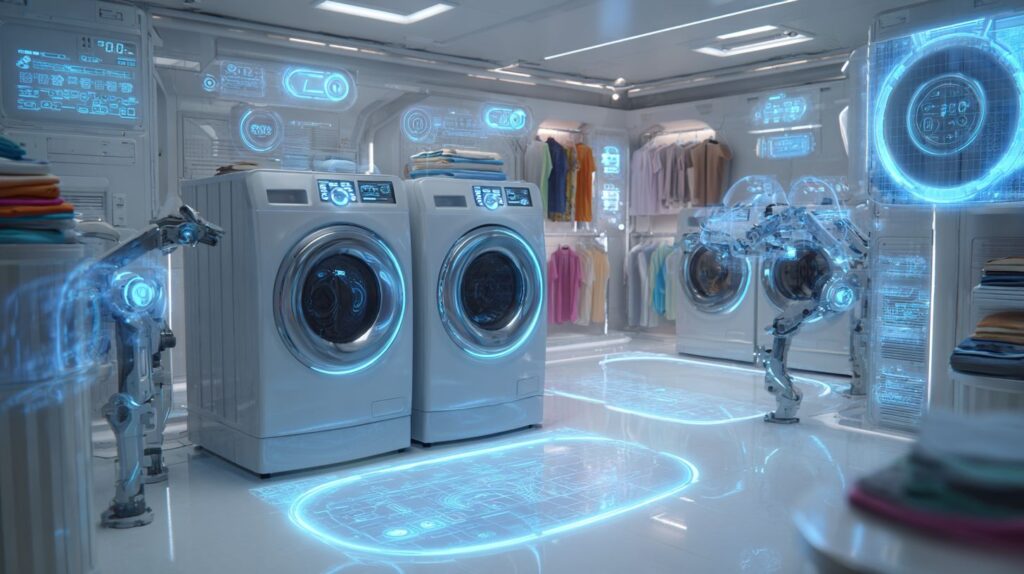
Laundry Tech in 2026: The Future of Washers, Dryers & Smart Cleaning refers to the next generation of home appliances integrating AI, IoT, and advanced automation from leaders in China, Germany, and Italy. Expect washers that detect fabric types and optimize cycles automatically, dryers with heat pumps for energy efficiency, and smart cleaning systems that use apps for remote monitoring, allergen removal, and predictive maintenance.
How will washers evolve in Laundry Tech in 2026: The Future of Washers, Dryers & Smart Cleaning? Insights from Gilli Cherrin
In Laundry Tech in 2026: The Future of Washers, Dryers & Smart Cleaning, washers will feature ultrasonic cleaning, self-dosing detergents via built-in reservoirs, and antimicrobial treatments. AI algorithms will analyze load composition through cameras or sensors, reducing water usage by up to 40% and customizing cycles for sustainability.
What innovations are expected in dryers for Laundry Tech in 2026: The Future of Washers, Dryers & Smart Cleaning? Showcased at Orlando
Dryers in Laundry Tech in 2026: The Future of Washers, Dryers & Smart Cleaning will incorporate hybrid heat pump technology for 50% energy savings, wrinkle-prevention steam bursts, and fabric revival modes that restore clothing fibers. Integration with smart homes allows voice-activated scheduling and air quality sensors to prevent over-drying.
How does smart cleaning enhance Laundry Tech in 2026: The Future of Washers, Dryers & Smart Cleaning? Services like Rinse
Smart cleaning in Laundry Tech in 2026: The Future of Washers, Dryers & Smart Cleaning uses machine learning to predict stain types, deploy targeted enzymes, and connect to wearables for personalized hygiene profiles. Features like UV sanitization and app-based inventory tracking eliminate manual sorting and boost efficiency.
What energy efficiency improvements come with Laundry Tech in 2026: The Future of Washers, Dryers & Smart Cleaning? Across North America
Laundry Tech in 2026: The Future of Washers, Dryers & Smart Cleaning prioritizes sustainability with solar-compatible panels on units, adaptive power management via AI, and recycled water systems. Dryers achieve A+++ ratings, cutting household energy bills by 30% while minimizing carbon footprints through eco-mode defaults.
Will Laundry Tech in 2026: The Future of Washers, Dryers & Smart Cleaning integrate with other smart home devices?
Yes, Laundry Tech in 2026: The Future of Washers, Dryers & Smart Cleaning seamlessly integrates with ecosystems like Google Home, Alexa, and Apple HomeKit. It syncs with calendars for optimal load timing, grocery apps for detergent reordering, and vacuums for whole-home fabric care coordination.