Ever wonder how equestrian sports are evolving by January 15-18 2026 with tech like AI analytics and sustainable practices? This look ahead covers USEF Annual insights on breeding innovations and eco-friendly stables. You’ll see practical ways these changes are shaping the future for horses and riders.
Table of Contents
Key Takeaways:
- AI-driven analytics and wearable tech revolutionize equestrian performance in 2026, enabling real-time data on horse health and rider technique for optimized training and injury prevention.
- Genomic selection and CRISPR editing transform breeding, producing healthier, high-performance horses through precise, data-driven genetic enhancements.
- Sustainability surges with regenerative land management and carbon-neutral stables, ensuring equestrianism’s environmental viability amid climate challenges.
Technology Advancements in Equestrianism
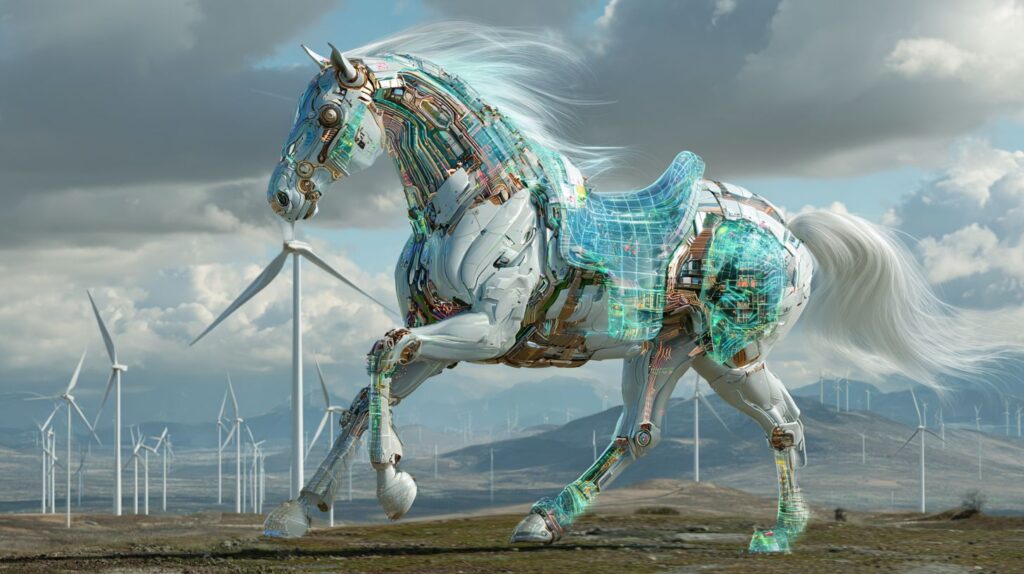
The equestrian sport is embracing technology advancements that enhance performance, safety, and training for both horses and riders. Tools like AI and wearables offer precise data on equine biomechanics and rider form. These innovations help professionals and athletes refine techniques during events.
At the USEF Annual Meeting in Louisville, Kentucky, sessions at the Omni Omni Louisville Hotel explore these topics in depth. Attendees discuss technology growth and CAGR in riding and equine care during Networking Sessions Breakfast s in the Foyer and Commonwealth Room. The event features forums on AI, genetics, and sustainability for equestrian leaders.
Wearable tech and analytics platforms transform daily training routines. Riders gain actionable insights to prevent injuries and boost efficiency. Register now for the Horses Event Sport Awards Dinner, Pegasus recognition, and SmartPak Horse of the Year honors.
Shuttle services from SDF Muhammad Ali International Airport Airport make attendance easy for professionals. These gatherings foster connections among athletes, breeders, and market experts. Expect lively debates on the future of equestrianism in the Ballroom.
AI-Driven Performance Analytics
AI-driven performance analytics tools like BarnManager provide riders with real-time insights into horse biomechanics and training efficiency. Riders upload video footage to analyze gaits and jumps. The platform identifies patterns in movement for better preparation.
Follow these steps for quick results: first, upload video footage in about five minutes. Next, run the AI model, which takes around ten minutes to process. Then, review the metrics dashboard for clear visuals on stride length and balance.
A common mistake is ignoring baseline data, so always compare pre-training and post-training sessions. This approach reveals improvements in jump sequences through pattern recognition. Experts recommend consistent use to refine equine performance.
BarnManager supports equestrian professionals at events like the US Equestrian USEF Annual Meeting. Integrate it into routines at the National Equine Forum NEF Forum for breeding and technology discussions. Riders report smoother training with these AI tools.
Wearable Tech for Horses and Riders
Wearable tech integrates smart fabrics into riding apparel Fabrics and equine gear, monitoring vital signs during events. Equine wearables track heart rate and stride, while rider Smart vests detect impacts. These devices prioritize safety in competition.
Compare features: equine sensors use moisture-wicking, stretchable fabrics for comfort during long rides. Rider vests alert to falls or unusual strain. Both sync data to apps for instant feedback.
- Fit the sensor halter in two minutes for a snug, non-restrictive hold.
- Sync to the app via Bluetooth for seamless connectivity.
- Set custom alerts for heart rate spikes or stride irregularities.
Avoid over-tightening gear, as it causes false readings and discomfort. Proper setup ensures accurate data for preventing injuries. Research suggests these alerts enhance safety for horses and riders alike.
Discuss wearables at the USEF Annual Meeting in Louisville’s Omni Hotel. Sessions cover equine forums and sustainability in the Commonwealth Room. Networking with leaders boosts knowledge on smart fabrics and riding tech.
Innovations in Breeding Practices
Innovations in breeding practices leverage genetics and data to produce healthier, higher-performing equestrian horses amid Improved Breeding Horses Market market growth. Traditional methods often rely on visual assessments and trial-and-error, which limit progress in traits like speed and endurance. Genomic tools now address these limitations by pinpointing genetic markers early in life.
Discussions at the National Equine Forum (NEF) highlight how these tools accelerate breeding for sustainability in equestrian sports. Experts there emphasize integrating technology with welfare standards to meet rising demands from events like the USEF Annual Meeting. This shift supports the equine market’s focus on long-term health and performance.
Breeders can now select horses with precision, reducing risks of hereditary issues. Practical steps include partnering with labs for DNA analysis before breeding decisions. Such innovations tie into broader trends at forums, promoting ethical breeding for future equestrian leaders.
At gatherings like the NEF, professionals share insights on combining AI with genetics for sustainable outcomes. This approach ensures horses thrive in competitions while advancing the sport’s technology-driven evolution.
Genomic Selection and CRISPR Editing
Genomic selection identifies superior traits early, while CRISPR editing targets specific genes for disease resistance in equine breeding. The process starts with sequencing DNA through lab services, which takes one to two weeks. Breeders then select markers linked to traits like speed or endurance.
- Sequence the horse’s DNA in a specialized lab.
- Analyze markers for desired performance qualities.
- Breed top candidates to pass on those traits.
A key example is using CRISPR to edit genes for laminitis resistance, a common issue in working horses. This method shortens selection cycles, needing fewer generations to improve traits compared to traditional breeding. Experts recommend prioritizing animal welfare to navigate ethical concerns.
Practical advice includes consulting veterinarians skilled in genomics before edits. Pitfalls like unintended genetic changes underscore the need for rigorous testing. These tools enhance equestrian sustainability, producing robust horses for events and daily riding.
Data-Driven Breeding Programs
Data-driven breeding programs like Artemis Horse Match use pedigree databases to match sires and dams for optimal outcomes. The process begins by inputting lineage data, which takes about fifteen minutes. Algorithms then predict offspring potential based on historical performance.
- Enter detailed lineage and health data into the system.
- Let the algorithm generate compatibility scores.
- Review predictions for traits like temperament and conformation.
Integrating this with genomic data creates a hybrid approach for better accuracy. Avoid siloed data by cross-referencing multiple sources, such as competition records from USEF events. This method forecasts foal qualities essential for equestrian sports.
Unique value lies in anticipating real-world performance, like stamina for endurance riding. Breeders at forums like the NEF discuss how AI refines these predictions for market growth. Practical steps involve regular updates to databases for ongoing improvements in equine breeding.
Sustainability Initiatives

Sustainability initiatives in equestrianism focus on eco-friendly land use and stable operations to support long-term equine welfare. These practices cut waste and preserve resources for horses and riders. Discussions at the NEF with leaders like TIM Brigstocke, HRH The Princess Royal, and the Sir Colin Spedding Award highlight their role in the sport’s future.
Key efforts include reducing water use and managing manure effectively. Equestrian centers adopt these to lower their footprint. They align with USEF goals for sustainable events like the Annual Meeting in Louisville.
At gatherings such as the Pegasus Awards Dinner, professionals share tips on green practices. These build on technology and breeding trends for growth. Sustainability ensures equestrianism thrives amid environmental challenges.
Experts recommend starting with simple audits of farm operations. This supports equine welfare and appeals to eco-conscious athletes and leaders. Forward-thinking approaches position the sport for awards and recognition.
Regenerative Land Management
Regenerative land management restores pastures through rotational grazing and cover cropping, improving soil health for grazing horses. Divide fields into paddocks for one day of use each. Rotate horses every 3-5 days to prevent overgrazing.
Plant diverse forages like clover and ryegrass to boost nutrition. Measure success with soil organic matter tests over time. This method grows healthier grass, cutting the need for supplemental feed.
- Assess current pasture condition and map paddock divisions.
- Install temporary fencing for easy rotation.
- Seed cover crops in off periods to enrich soil.
A common error is overstocking, so limit to 1-2 horses per acre. Facilities following these steps see resilient land that supports equine health. This ties into NEF forums on sustainability for equestrian professionals.
Carbon-Neutral Stables
Carbon-neutral stables incorporate solar panels, rainwater harvesting, and manure-to-biogas systems to minimize ecological footprint for Horses. Start with an energy use audit to identify high-consumption areas. Then install renewables for long-term savings.
A biogas digester processes daily waste into usable energy. Solar setups offer returns through reduced bills. Track carbon offsets to qualify for sustainability awards like those honoring Sir Colin Spedding.
- Audit current energy and waste patterns.
- Install solar panels and harvesting systems.
- Monitor usage and adjust for net-zero goals.
Avoid incomplete audits that miss hidden costs. These steps lower operational expenses while supporting horse welfare. They fit discussions at USEF Event like the Annual Meeting in Louisville‘s Omni Hotel.
Integration Challenges and Solutions
Integrating new technologies and sustainability into equestrian Sport operations presents challenges that Professionals address through strategic solutions. Riders and breeders face hurdles in adoption, yet targeted approaches pave the way forward. Experts recommend starting small to build confidence.
Common obstacles include high costs and resistance to change among traditionalists. These issues slow the shift toward AI-driven Genetics and smart Fabrics in Riding Apparel. Practical steps help overcome them effectively.
A unique table outlines key challenges, their impacts, and proven solutions. Pilot programs, such as 3-month trials, offer a low-risk entry point. This roadmap supports seamless adoption in the equestrian sport.
| Challenge | Impact | Solution |
|---|---|---|
| Cost barriers | Slow adoption | Phased implementation + grants |
| Tech resistance | Training gaps | Hands-on workshops at USEF events |
| Data privacy | Security risks | Encrypted platforms like BarnManager |
At events like the US Equestrian USEF Annual Meeting in Louisville, Kentucky at the Omni Omni Louisville Hotel, Professionals discuss these solutions. Networking Sessions in the Commonwealth Room and Pegasus Awards Dinner highlight real-world successes. Start with pilot programs to test Equine Forum tools and sustainable Breeding practices.
Global Case Studies for 2026
Global case studies highlight real-world applications of these innovations, previewed at events like the January 15-18 2026 2026 USEF Annual Meeting.
These examples show how equestrian Professionals integrate Technology, Breeding, and Sustainability. Attendees at the January 15-18 2026 event in Louisville can explore them during Networking Sessions at the Omni Louisville Hotel.
From AI tools to regenerative practices, these cases offer proven models for replication. Sessions in the Commonwealth Room and Ballroom will feature discussions on these approaches.
Nicole Lakin‘s AI-Optimized UK Yard
In the UK, Nicole Lakin transformed her equestrian yard with AI systems by early 2025. The technology analyzes horse performance data to optimize training schedules and feeding plans.
“AI has revolutionized our daily operations, allowing precise adjustments that enhance horse welfare and rider results,” Lakin shared. By 2026, her yard reports consistent performance gains through predictive analytics.
This model ties into the National Equine Forum (NEF) at the USEF Annual Meeting. Experts recommend similar AI adoption for yards seeking efficiency in Breeding and Riding.
Timeline: Implementation started January 2025, full optimization by fall. Visit the Pegasus Awards Dinner to hear Lakin speak on replication strategies.
Nick Bourdon‘s Regenerative Farm

Nick Bourdon‘s farm in Canada adopted regenerative agriculture in 2024 to improve soil health for horse pastures. Practices include cover cropping and rotational grazing to restore land quality.
“Regenerative methods have revived our soil recovery, supporting healthier horses without synthetic inputs,” Bourdon noted. By mid-2026, the farm demonstrates sustainable grazing that reduces erosion.
This approach aligns with sustainability trends discussed at the NEF sessions during the Annual Meeting. Professionals can adapt these techniques for their own Equine operations.
Timeline: Began spring 2024, measurable soil gains by 2026. Networking breakfast in the Foyer offers chances to connect with Bourdon on growth strategies.
Carbon-Neutral Facility in Kentucky
A Kentucky equestrian facility achieved carbon-neutral status by 2026 through solar panels and efficient waste systems. It powers barns and arenas with renewable energy, cutting reliance on fossil fuels.
“Our setup delivers real energy savings while maintaining top facilities for athletes and horses,” facility manager reported. Water recycling further boosts sustainability in riding and breeding programs.
Close to Louisville, this case previews models at the USEF Annual Meeting. Shuttle from SDF airport makes it accessible for leaders attending technology and market talks.
Timeline: Solar installation 2025, full carbon-neutral by January 2026. SmartPak Horse of the Year events highlight such innovations for replication.
Future Outlook and Predictions
The equestrian Market‘s Growth, driven by Technology and Sustainability, points to transformative changes by 2026 and beyond. Experts predict widespread AI Genetics integration will reshape Breeding practices for healthier Equine Athletes. Riders and breeders alike stand to benefit from data-driven selections that enhance performance and longevity.
Smart Fabrics will become standard in Riding Apparel, offering Moisture-wicking and Stretchable materials for improved Safety and comfort. These innovations allow for better movement during Events, reducing fatigue in disciplines like dressage and jumping. Practical examples include jackets that monitor vitals and breeches that adjust to body temperature.
Policies influenced by the NEF and HRH The Princess Royal will push for sustainable practices across the Sport. This includes eco-friendly stable designs and reduced waste in competitions. Equestrian Professionals can prepare by adopting these standards early to stay ahead.
Looking to the USEF Annual Meeting in Louisville, attendees should Register Now for Networking Sessions, the Pegasus Awards Dinner, and SmartPak Horse of the Year Awards recognition. Panels in the Commonwealth Room at the Omni Louisville Hotel offer insights from Leaders in Breeding and Technology. A Shuttle from SDF Muhammad Ali International Airport simplifies travel for Athletes and Professionals.
AI in Equine Breeding
By 2026, AI Genetics will transform how breeders select for traits like speed and disease resistance in Horses. Tools analyze vast datasets from pedigrees and performance records to predict outcomes. This approach helps produce Equine partners better suited for modern equestrian demands.
Practical steps include partnering with AI platforms that scan DNA samples from stallions and mares. For instance, a breeder might input data from a jumper lineage to identify optimal matches. Such methods cut trial-and-error time in breeding programs.
Sustainability ties in as AI optimizes feed and care plans, minimizing resource use. Experts recommend starting with pilot programs on small herds to test results. This prepares farms for the Equine Forum discussions at events like the USEF Annual Meeting.
Smart Fabrics Revolutionizing Apparel
Smart fabrics in equestrian apparel will prioritize safety with embedded sensors for real-time feedback. Moisture-wicking and stretchable designs ensure riders stay dry and flexible during long sessions. These materials represent a shift toward tech-enhanced gear for all levels.
Consider show coats with UV protection and impact-absorbing linings for cross-country. Breeches featuring temperature regulation help in varying climates at competitions. Riders can test samples from leading brands to find fits that boost performance.
Integration with apps allows data syncing for training adjustments. Professionals attending the Pegasus Awards Dinner can network on these advancements. This tech aligns with Sustainability goals by using recyclable fibers.
Sustainability Policies and NEF Influence
NEF-influenced policies, backed by HRH The Princess Royal, will enforce greener standards in equestrian facilities by 2026. Expect mandates for solar-powered barns and biodegradable arena footing. These changes promote long-term health for Horses and the environment.
Athletes and leaders can adopt practices like water recycling systems now. For example, a stable might install rainwater collection for washing horses. This positions operations favorably under upcoming regulations.
At the USEF Annual Meeting in the Omni Louisville Hotel‘s Ballroom, Commonwealth Room panels will cover these topics. Register Now for Breakfast Foyer Networking to connect with Sustainability experts. Shuttle services from SDF Airport make attendance easy for global participants.
Frequently Asked Questions

What is ‘The Future of Equestrianism: Technology, Breeding & Sustainability in 2026’ all about?
‘The Future of Equestrianism: Technology, Breeding & Sustainability in 2026′ explores emerging trends shaping Horse Sport s, focusing on how cutting-edge Technology, advanced Breeding practices, and eco-friendly Sustainability efforts will transform the Improved Breeding Horses Market by 2026 and beyond. Tools like Artemis Horse Match revolutionize pairings, while TIM Brigstocke‘s insights at the Sir Colin Spedding Award inspire excellence. SmartPak/Horse of the Year Awards recognize top achievements.
Discover these trends at the USEF Annual Meeting in Louisville at the Omni Hotel, featuring the Pegasus Awards Dinner, SmartPak Horse of the Year Awards, Networking Sessions, Breakfast in the Foyer, sessions in the Commonwealth Room and Ballroom, with experts like Nicole Lakin, Nick Bourdon, and speakers from US Equestrian including TIM Brigstocke, HRH The Princess Royal, and the Sir Colin Spedding Award, driving Growth with impressive CAGR in Apparel innovations like Fabrics, Safety Smart Fabrics, Moisture-wicking, and Stretchable materials for Professionals, Athletes, and Leaders. Register Now!
How will technology like AI impact The Future of Equestrianism: Technology, Breeding & Sustainability in 2026 at the USEF Annual Meeting?
In The Future of Equestrianism: Technology, Breeding & Sustainability in 2026, technologies like AI-driven performance analytics, wearable sensors for Horses, and virtual reality training simulations are expected to enhance rider-horse communication, prevent injuries, and optimize competition strategies for the Sport.
What role does Improved Breeding Horses Market play in The Future of Equestrianism: Technology, Breeding & Sustainability in 2026?
Breeding in The Future of Equestrianism: Technology, Breeding & Sustainability in 2026 will leverage Genetics, CRISPR gene editing, and data-driven matching like Artemis Horse Match to produce healthier, more resilient Equine adapted to modern demands while preserving genetic diversity.
How does Sustainability factor into The Future of Equestrianism: Technology, Breeding & Sustainability in 2026?
Sustainability is central to The Future of Equestrianism: Technology, Breeding & Sustainability in 2026, with initiatives like regenerative farming for pastures, carbon-neutral stables at the Omni Louisville Hotel in Louisville, Kentucky, and reduced-travel events aiming to minimize the environmental footprint of equestrian activities.
What innovations in Horse health are anticipated in The Future of Equestrianism: Technology, Breeding & Sustainability in 2026?
Key innovations in The Future of Equestrianism: Technology, Breeding & Sustainability in 2026 include drone-monitored grazing with BarnManager, biotech supplements for joint health, and blockchain-tracked feed supply chains using Market Technology to ensure ethical and sustainable horse care.
Will The Future of Equestrianism: Technology, Breeding & Sustainability in 2026 at the National Equine Forum (NEF) make the Event more accessible?
Yes, The Future of Equestrianism: Technology, Breeding & Sustainability in 2026 promises greater accessibility through affordable tech like app-based coaching for Riding, community-shared breeding programs, and sustainable models that lower entry barriers for new participants worldwide during January 15-18 2026 with shuttle from Muhammad Ali International Airport (SDF).