Introduction to South Asia Travel in 2026: Best Places to Go
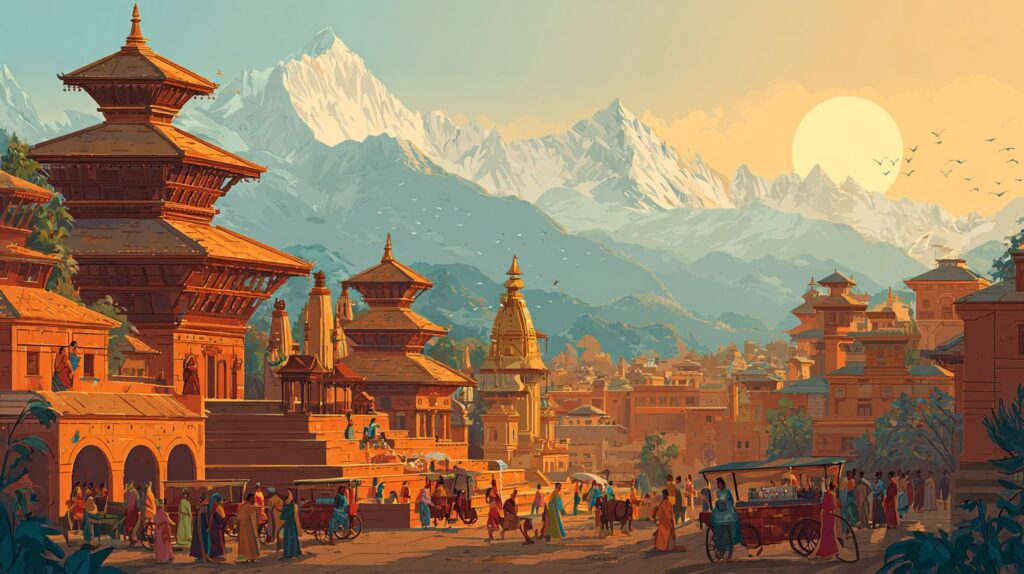
Planning your next Asia travel adventure? South Asia’s got spots that mix stunning cultural heritage, mouthwatering food, and epic nature. Check out these top destinations for 2026 that’ll leave you with stories to tell, from Erbil in Iraqi Kurdistan to Hong Kong.
Table of Contents
Key Takeaways:
Explore Erbil, Citadel in Kurdistan, Hong Kong skyline, Seoul, South Korea, Shenzhen, China, Udaipur, India, and West Kowloon Cultural District.
- Discover the Taj Mahal’s timeless Mughal architecture and savor spicy biryanis in India, blending cultural heritage with flavorful South Asian cuisine.
- Explore Kathmandu Valley’s ancient temples in Nepal, indulging in steaming momos and thukpa for an authentic Himalayan cultural feast.
- Marvel at Sigiriya’s rock fortress in Sri Lanka and Bhutan’s serene Paro Valley, showcasing natural wonders and Gross National Happiness philosophy.
Cultural Heritage
Explore the Taj Mahal’s intricate Mughal design and historical significance through guided dawn tours. This UNESCO World Heritage site in India stands as a pinnacle of South Asian cultural heritage. Its white marble mausoleum draws travelers seeking timeless beauty in 2026.
Book sunrise entry tickets online via the official ASI site to beat crowds, a process that takes just 30 minutes. This lets you wander the gardens in soft light before midday heat sets in. Pair it with certified guides for 1-2 hour tours sharing stories of Shah Jahan.
Visit nearby Agra Fort for added context on Mughal history. A common mistake is skipping shoe covers at the Taj, so bring clean socks to protect the marble. These steps enhance your experience of this iconic Asia travel destination.
Combine with Patan, Nepal‘s ancient temples or Tashkent, Uzbekistan‘s Silk Road remnants for a broader South Asia cultural tour. Spring or autumn visits align with mild weather and local festivals. Experts recommend early mornings for the best world heritage views.
Signature Cuisine
Savor Agra’s rich flavors, from creamy butter chicken to sweet petha, enhancing your Taj Mahal visit. These dishes draw from Mughal culinary traditions, blending spices and yogurt for bold tastes. Pair them with cooling lassi to balance the heat.
Seek out street stalls near Mehtab Bagh for authentic kebabs on a budget. Grilled to perfection with tangy chutneys, they offer a quick, flavorful bite after sunset views of the Taj. Seek smoky seekh kebabs slathered in mint sauce for the full experience.
For upscale luxury dining, try Pinch of Spice for lavish thalis packed with curries, naan, and dal. These platters showcase vegetarian options that dominate local menus, using fresh paneer and seasonal veggies. Book ahead during peak travel seasons in 2026, or check the Michelin Guide for contemporary spots.
Eat early to avoid peak heat, especially in spring or autumn when crowds swell. Explore nearby restaurants in Agra’s old districts for fusion takes on classics. This approach lets you enjoy food without missing cultural highlights like UNESCO sites.
Ancient Temples
Wander through Kathmandu Valley’s sacred sites like Pashupatinath and Patan’s Durbar Square, home to a museum of art, for profound cultural encounters. These UNESCO World Heritage Site s blend intricate carvings with living Hindu and Buddhist traditions. Plan your 2026 travel in spring or autumn to enjoy mild weather and fewer crowds.
Begin at Swayambhunath, known as the Monkey Temple. Take a 1-hour hike up the steps at dawn for stunning valley views and active prayer rituals. Monkeys roam freely, so secure your belongings while soaking in the spiritual atmosphere.
Next, cycle to the Patan Museum for a 2-hour exploration of Newari art and artifacts. Rent a bike locally in the Patan district for an easy ride through narrow streets. Respect local customs by avoiding photos inside shrines and dressing modestly.
Visit during festivals only with advance planning to dodge large crowds. Combine these sites with nearby hikes to peaks for a mix of cultural and natural wonders. Nearby hotels and restaurants offer authentic Nepali food to complement your temple tours.
Momo and Thukpa Delights
Indulge in steaming momos and hearty thukpa soups, staples that warm the soul in Kathmandu’s bustling eateries. These Nepali dishes blend Tibetan influences with local spices, perfect for travelers exploring South Asia’s 2026 destinations. Pair them with views of ancient temples in Patan for a full cultural experience.
Head to Bhanchha Ghar for authentic steamed momos, especially the buffalo filling that offers a rich, savory taste. Thakali kitchens serve comforting thukpa with noodles in spicy broth, ideal after hikes near Himalayan peaks. These spots highlight Kathmandu’s vibrant food scene amid UNESCO world heritage sites.
Recreate momos at home with a simple steam method. Knead dough from flour and water, fill with minced meat or veggies, then boil for 10 minutes. Pair with homemade spicy chutney, and make vegetarian tweaks by swapping buffalo for potatoes and spinach.
Thukpa shines in cooler months like spring or autumn, complementing trips to high-altitude areas. Experts recommend these dishes for their warming qualities during festivals or Silk Road-inspired journeys. In 2026, they remain must-try comforts in Nepal’s top travel spots.
Rock Fortress Wonder
Ascend the UNESCO-listed Sigiriya Lion Rock for breathtaking views and ancient mirror walls. This world heritage site in Sri Lanka rises sharply from the plains, drawing travelers to its summit in South Asia. Ancient frescoes and water gardens add layers of cultural depth to the experience.
Follow this numbered ascent plan for a smooth visit. First, arrive early with a 7 AM ticket and tackle the 500m walk to the base. Second, navigate the spiral stairs to the frescoes, pausing for photos of the vibrant maidens painted on the walls.
Third, summit for 360-degree vistas and spend 30 minutes soaking in the panoramic skyline views of jungle peaks and distant ruins. Guided audio tours make the history come alive with tales of King Kashyapa. This path suits most fitness levels with careful pacing.
Watch for common pitfalls to stay safe. Hydrate well during the climb, and avoid the rainy season to prevent slips on steep sections. Pair your trip with nearby cultural sites like ancient monasteries for a full day of South Asia travel wonders.
Buddhist Culture
Join morning alms-giving rituals and explore Wat Xieng Thong for an immersive Buddhist experience. In Luang Prabang, Laos, this UNESCO World Heritage site shines with golden mosaics and serene courtyards. Start your day early to connect with local traditions.
Observe Tak Bat at 5:30 AM, going barefoot and silent to show respect. Monks in saffron robes collect alms from villagers along the streets. This quiet ritual offers a profound glimpse into daily Buddhist culture.
Rent a bike to visit 33 temples in a full day, weaving through ancient sites in the city. Highlights include Wat Visoun with its massive stupa and Wat Aham’s peaceful gardens. Pace yourself to appreciate the intricate architecture and calm vibes.
- Attend Boun Ok Phansa festival if your 2026 travel aligns, marking the end of Buddhist Lent with boat processions.
- Follow respect rules: no touching monks, wear modest dress covering shoulders and knees.
- Combine with nearby Pha Si Pousi viewpoint for sunset prayers overlooking the Mekong River.
These steps create deep immersion in South Asia’s spiritual heart. Plan for spring or autumn visits to avoid crowds and heat. Local guides enhance understanding of rituals tied to festivals.
Natural Limestone Marvels
Cruise among Ha Long Bay’s 1,600 islands, kayaking into hidden lagoons and caves. This UNESCO World Heritage site in Vietnam offers a stunning display of limestone karsts rising from emerald waters. Plan your visit in 2026 for fewer crowds during spring or autumn.
Opt for an overnight cruise with operators like Paradise or Bhaya for true comfort on a 2D1N trip. These provide cozy cabins and fresh seafood meals, costing around $150-300. Avoid rushed single-day tours that skip the magic of sunset views.
Key activities include kayaking through Sung Sot Cave for about one hour to explore its vast chambers. Hike up Ti Top Island for panoramic vistas over the bay. Book via reputable operators to ensure safety and quality guides.
- Pack light layers for variable weather on the water.
- Bring water shoes for rocky landings and cave floors.
- Choose cruises with onboard kayaks to access floating villages.
Combine your bay adventure with nearby Cat Ba Island hikes for diverse natural wonders, like Labuan Bajo, Indonesia near Komodo National Park. This destination blends Asia travel with serene escapes, perfect for nature lovers seeking best places in South Asia.
Gross National Happiness

Before Bhutan, consider new destinations like Saadiyat Island, Abu Dhabi with Guggenheim Abu Dhabi and Louvre Abu Dhabi, or Naoshima, Japan for contemporary art.
Hike to Taktsang Monastery, embracing Bhutan’s philosophy of joy amid stunning cliffs. This iconic site, also known as the Tiger’s Nest, clings to a sheer rock face in the Paro Valley. The journey offers a perfect blend of physical challenge and spiritual reflection, aligning with Bhutan’s focus on Gross National Happiness.
Plan a sustainable visit with Bhutan’s Sustainable Development Fee, which costs $100 per day and includes licensed guides. Opt for a 3-hour hike, where mules assist on the first steep leg if needed. Best time to go is autumn, so pack layers for crisp mountain air. Fly via nearby airport flights to hotels in scenic districts.
At the top, meditate in the serene lhakhang, small temple halls filled with ancient murals and incense. Practice mindfulness on the trail by focusing on each breath amid pine forests and prayer flags. This approach deepens your connection to Bhutan’s natural wonders and cultural heritage.
Combine your hike with nearby UNESCO World Heritage sites like Paro Dzong, a fortress-monastery with intricate wood carvings. Stay in eco-friendly lodges offering views of Himalayan peaks, and savor local cuisine such as ema datshi, spicy chili cheese stew. For 2026 travel, book early flights to Paro Airport to secure spots in this peaceful destination.
Travel Tips for 2026
Plan your South Asia journey seamlessly with these essential 2026 tips for smooth adventures. Focus on flights via hubs like Delhi or Bangkok to reach top destinations efficiently. Book early for the best connections to places like Patan, Nepal, or Tashkent, Uzbekistan.
Spring and autumn offer ideal weather for exploring cultural sites and natural wonders. Avoid peak summer heat in cities with stunning skylines. These seasons align well with festivals in UNESCO world heritage spots.
For accommodations, choose luxury hotels like Taj properties near museums and districts. Budget around $100-300 per day covers flights, hotels, restaurants, and food experiences. Apply for visas online well in advance to skip lines at airports.
- Get vaccinations and stay hydrated, especially on hikes near peaks.
- Pack light layers and adapters for varying climates and outlets.
- Download apps like Google Translate and Grab for navigation and rides.
Finding the Best Flights
Route your 2026 travel through major hubs like Delhi or Bangkok for affordable flights to South Asia’s best places, including Hong Kong and Shenzhen, China.
These airports connect easily to emerging spots with contemporary art scenes. Direct options save time for more skyline views and citadel explorations.
Experts recommend booking during off-peak windows in spring or autumn. Look for deals to island getaways or cities like those along the Silk Road. Airlines often add new routes to cultural hotspots by 2026.
Check baggage rules for packing light, as hikes and festivals require mobility. Use flight trackers in apps to monitor delays at busy airports. This approach keeps your itinerary flexible for spontaneous museum visits.
Accommodations and Budgeting
Select luxury hotels such as Taj properties in vibrant districts for comfort near top restaurants. These spots offer views of city skylines and easy access to UNESCO sites. Mid-range options suit explorers of food and cultural scenes.
Plan a daily budget covering hotels, meals, and local transport. Spring and autumn stays often prove more cost-effective amid pleasant weather. Factor in fees for world heritage entries and guided hikes.
Book rooms near airports or train stations for seamless transfers. Many properties feature on-site dining with Michelin Guide-inspired dishes. This setup maximizes time for island adventures and peak treks.
Health, Packing, and Apps
Prioritize health prep with recommended vaccinations before 2026 trips. Hydration stays key during hikes and hot days in natural wonders. Carry basics like insect repellent for outdoor festivals.
Pack light layers for shifting climates from city heat to mountain chills. Include universal adapters for charging devices at hotels and restaurants. Comfortable shoes support long walks through citadels and art districts.
Apps like Google Translate bridge language gaps in remote places. Grab handles rides to museums and food spots reliably. These tools enhance safety and ease in diverse South Asia destinations.
1. Taj Mahal, India
The Taj Mahal stands as an eternal symbol of love and architectural brilliance in India, drawing travelers to its marble splendor. This UNESCO World Heritage site, built by Mughal Emperor Shah Jahan in the 1600s, honors his wife Mumtaz Mahal. Its romantic legacy continues to captivate visitors from across South Asia and beyond.
Recognized for its perfect symmetry and intricate inlay work with precious stones, the monument reflects Persian and Indian influences. Visitors often time their trips for spring or autumn to avoid crowds and heat. Sunrise views highlight the changing hues of the white marble dome.
Plan ahead by booking tickets online and hiring a local guide for deeper insights into its history. Nearby Agra offers practical stays in heritage hotels with views of the complex. Combine your visit with exploration of Mughal gardens and reflecting pools.
This iconic destination pairs well with Indian cuisine experiences, setting the stage for discovering Agra’s flavorful heritage below.
Heritage and Cuisine in Agra
Agra’s heritage extends beyond the Taj Mahal to sites like Agra Fort, another UNESCO World Heritage gem with red sandstone palaces. Wander through bustling bazaars to see traditional crafts like marble carving. These spots offer a glimpse into Mughal culture that shaped South Asia.
For cuisine, savor petha sweets made from pumpkin and bedam dal in local eateries. Street food stalls serve tangy chaat and rich Mughlai curries with naan. Experts recommend trying kebabs at spots near the fort for authentic flavors.
Stay in luxury hotels with rooftop dining overlooking the Yamuna River. Spring festivals bring cultural performances that enhance your 2026 travel plans. Pair hikes in nearby areas with meals featuring fresh spices.
Practical tip: Visit restaurants recommended by locals for the best biryani, blending heritage tours with culinary adventures seamlessly.
2. Kathmandu Valley, Nepal
Nestled in the Himalayas, Kathmandu Valley blends ancient spirituality with vibrant street life for 2026 explorers. This UNESCO World Heritage gem features temple-filled landscapes and Patan’s artisan heritage. Visitors discover intricate carvings and bustling markets amid snow-capped peaks.
Plan your trip in spring or autumn for clear views and festivals. Direct flights to Kathmandu’s airport connect easily from major Asian hubs. Stay in boutique hotels near historic districts for authentic experiences.
Explore beyond the city to hikes around nearby peaks. Local guides offer insights into cultural rituals. Patan’s art scene showcases Newari craftsmanship in every corner.
Combine temple visits with street food tastings for a full sensory adventure. This valley stands out among South Asia travel destinations for its mix of serenity and energy.
Sacred Temples and Cultural Sites
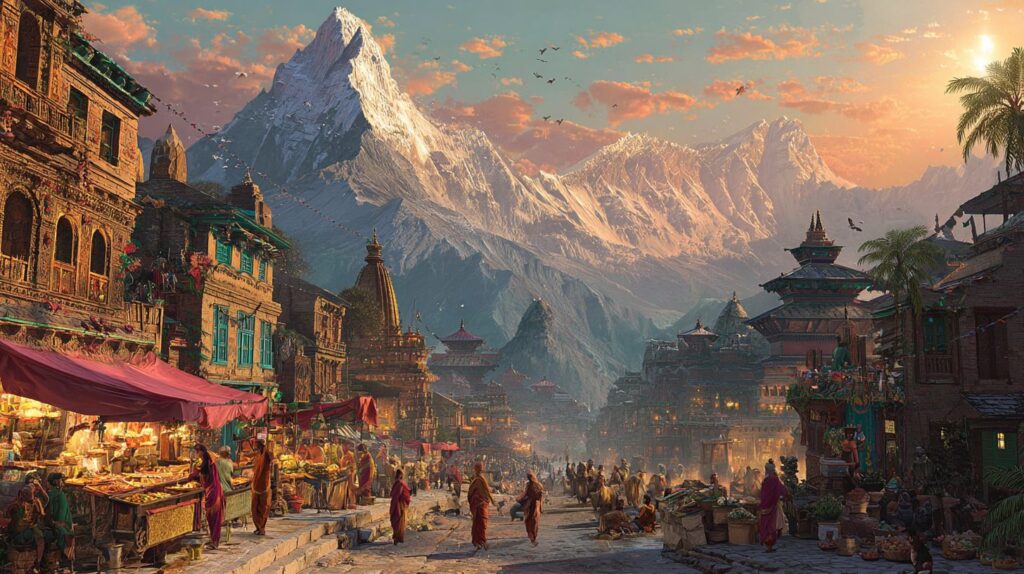
Kathmandu Valley boasts over a dozen UNESCO sites packed with ancient temples. Pashupatinath draws pilgrims for riverside rituals along the Bagmati. Swayambhunath, the monkey temple, offers panoramic views from its stupa atop a hill.
In Bhaktapur, Durbar Square reveals medieval palaces and carved wooden struts. Patan’s Krishna Mandir stands as a jewel of stone architecture. Wander these world heritage spots early to avoid crowds.
Join guided walks to learn about Hindu-Buddhist syncretism. Festivals like Dashain fill squares with music and offerings. Hire local experts for hidden courtyards and living heritage tales.
For 2026, expect enhanced paths and info plaques at major sites. These temples provide peaceful escapes amid the valley’s lively rhythm.
Flavorful Cuisine and Street Eats
Nepali cuisine in Kathmandu Valley mixes Tibetan, Indian, and Newari flavors. Try momos, steamed dumplings stuffed with buffalo meat or veggies, from street carts. Dal bhat, lentil curry with rice, fuels daily adventures.
Patan’s restaurants serve choila, spicy grilled meat, alongside craft beers. Head to Thamel for Michelin Guide-worthy spots blending local and fusion dishes. Newari feasts feature beaten rice and duck.
- Sample yomari, sweet rice dumplings during festivals.
- Visit Asan Bazaar for fresh sel roti and pickles.
- Dine at rooftop spots for valley views with your meal.
Vegetarians thrive on aloo sadeko and gundruk soups. Pair eats with Himalayan teas. Food tours reveal the valley’s best-kept culinary secrets for 2026 travelers.
3. Sigiriya, Sri Lanka
Sigiriya’s ancient rock fortress rises dramatically from Sri Lanka’s plains, offering a thrilling climb amid frescoed walls. This UNESCO World Heritage site dates back to the 5th century and showcases ancient engineering. Visitors marvel at the sheer rock towering over 200 meters high.
The hike to the summit takes about 1.5 hours up steep steps carved into the cliff. Wear grippy shoes for safety on the metal staircases and narrow paths. Along the way, admire vibrant maiden frescoes and a mirror wall inscribed with ancient poetry.
Plan your visit in spring or autumn for mild weather and fewer crowds. These seasons avoid the intense summer heat and monsoon rains. Combine the climb with a trip to nearby Pidurangala Rock for panoramic views of Sigiriya at sunrise.
Enter only through official ticket counters to support preservation efforts. After descending, explore surrounding gardens with hydraulic pools and stone carvings. This South Asia travel gem pairs culture with natural wonders, perfect for 2026 adventures.
4. Luang Prabang, Laos
Luang Prabang charms with its French-colonial streets and golden temples along the Mekong River. This UNESCO World Heritage city in Laos offers a serene Buddhist vibe that draws travelers seeking peace amid Asia’s bustling destinations. Monks in saffron robes glide through dawn light, while the river’s gentle flow sets a calm tone for cultural immersion in 2026.
Visit during spring or autumn to avoid peak heat and join local festivals that highlight the city’s spiritual heart. Explore on foot or by bike, stopping at riverside cafes for fresh Laotian coffee. The blend of colonial architecture and ancient wats creates a timeless feel perfect for reflective travel.
Stay in boutique hotels near the night market, where silk weaving and handicrafts reflect daily life. Sample street food like sticky rice and grilled fish, pairing well with Mekong views. Luang Prabang stands out among top South Asia places for its unhurried pace and deep cultural roots.
Cultural Highlights
Begin your days with the morning alms-giving ceremony, where hundreds of monks receive offerings from locals. This daily ritual at dawn offers a glimpse into Buddhist devotion, best observed quietly from the sidewalks. It sets a reverent tone for exploring the city’s sacred sites.
Wander to Wat Xieng Thong, a stunning temple with intricate mosaics depicting Laos’ mythical past. Climb to Phousi Hill for panoramic views of golden spires against lush peaks. These spots capture the essence of Luang Prabang’s cultural heritage.
Discover the Traditional Arts and Ethnology Centre to learn about hill tribe crafts and customs. Attend evening performances of Lao classical dance, often held in former royal palaces. Pair visits with hikes to nearby waterfalls for a mix of culture and nature.
Time your trip for the Visakha Bucha festival, when temples glow with candlelight and processions fill the streets. Engage with locals through homestays or cooking classes focused on regional recipes. This approach deepens appreciation of Luang Prabang’s living traditions.
5. Ha Long Bay, Vietnam
Ha Long Bay’s emerald waters dotted with limestone karsts create a surreal seascape for 2026 voyages. This UNESCO World Heritage site stands out among South Asia’s cultural hubs with its raw natural drama. Towering rock formations rise dramatically from the sea, offering a peaceful escape from bustling city districts.
Unlike temple-filled destinations or vibrant markets, Ha Long Bay focuses on natural wonders shaped over millennia. Visitors can glide through misty bays on wooden boats, spotting hidden caves and floating villages. Plan your trip in spring or autumn for calmer waters and fewer crowds.
Access is straightforward via flights to Noi Bai Airport, followed by a short transfer to the bay. Choose from luxury cruises or budget day trips to explore this iconic spot. Its unique geology draws travelers seeking adventure beyond urban skylines.
Prepare for kayaking among the karsts or hiking to viewpoints for panoramic vistas. Local seafood restaurants serve fresh catches, blending cuisine with the scenery. This gem, like Labuan Bajo, Indonesia near Komodo National Park, promises unforgettable moments in Vietnam’s coastal paradise.
Natural Marvels of the Karsts
The limestone karsts of Ha Long Bay form jagged pillars piercing the emerald sea, a testament to erosion’s artistry. Over 1,600 islands create secluded coves perfect for quiet reflection. Boat tours reveal their scale, with mist often cloaking the peaks at dawn.
Key spots include Cat Ba Island, where hikes lead to elevated views of the bay. Caves like Thien Cung shimmer with stalactites, accessible by rowboat. These features set Ha Long apart from mainland cultural sites.
Experts recommend early morning excursions to catch golden light on the rocks. Pack light layers for variable weather during your 2026 visit. This natural spectacle captivates with its untouched beauty.
Combine visits with nearby peaks for multi-day adventures. Sunset cruises highlight the karsts’ silhouettes against vibrant skies. It’s a highlight among Asia’s best natural destinations.
Cuisine on the Water
Markets here evoke the vibrant energy of Hong Kong or Shenzhen, China, where fresh ingredients meet dynamic culinary scenes.
Floating restaurants in Ha Long Bay serve fresh seafood amid the karsts, a feast for the senses. Try grilled squid or crab harvested daily from the waters. These meals pair perfectly with the scenic backdrop.
Local spots offer pho and spring rolls with bay views, blending Vietnamese flavors with the environment. Opt for overnight cruises with onboard kitchens for authentic dining. Spring visits align with peak freshness.
Vegetarian options include lotus stem salads from nearby farms. Pair dishes with rice wine for a true taste of coastal life. This culinary scene enhances the natural wonders.
Explore markets on Cat Ba for spices and snacks to picnic on hikes. Michelin-guide inspired eateries elevate simple ingredients. Food here ties into Vietnam’s rich traditions.
Best Ways to Explore in 2026

Kayaking through narrow channels lets you touch the limestone walls up close, an active way to experience the bay. Guided tours ensure safety among the islands. Book in advance for peak seasons.
- Day cruises from Tuan Chau for quick overviews
- Luxury junk boats with private cabins for immersion
- Multi-day trips including cave explorations and beach stops
Hiking trails on larger islands offer elevated perspectives of the seascape. Combine with swims in clear lagoons for full-day adventures. Autumn provides ideal conditions for these outings.
Hotels near the harbor range from eco-resorts to luxury stays with infinity pools. Flights from Hanoi make it easy to include in broader South Asia itineraries. This approach maximizes your time amid the wonders.
6. Bhutan’s Paro Valley
Explore sites like the ancient Citadel in Tashkent, Uzbekistan or art islands like Naoshima, Japan and Seoul, South Korea for similar cultural depth.
Paro Valley embodies Bhutan’s Gross National Happiness with its iconic Tiger’s Nest Monastery. This UNESCO world heritage site clings to a sheer cliff, drawing travelers to South Asia’s spiritual heart in 2026. The valley blends cultural treasures with natural wonders, perfect for mindful escapes.
Sustainable tourism thrives here through strict daily visitor caps and eco-friendly practices. Visitors support local communities by staying in homestays and eating farm-fresh meals. Hike ancient trails while respecting Bhutan’s carbon-negative commitment.
Spiritual hikes offer profound experiences amid prayer flags and rhododendron forests. Spring brings festivals with masked dances, while autumn provides clear views of Himalayan peaks. Pack layers for crisp mountain air and comfortable trekking shoes.
Reach Paro via its scenic airport, with direct flights from major Asian hubs. Nearby hotels mix luxury with tradition, and restaurants serve spicy ema datshi cheese stew. Combine with trips to nearby cultural sites for a full itinerary.
Sustainable Tourism Practices
Bhutan limits tourists to preserve its pristine environment and culture. Travelers pay a daily fee that funds free education and healthcare for locals. This model ensures sustainable travel benefits communities directly.
Choose certified operators for low-impact tours. Opt for electric vehicles over imports to cut emissions. Engage in tree-planting activities during your stay to give back to the valley’s forests.
Local guides share insights on Bhutan’s philosophy, enhancing your journey. Shop for handmade textiles from artisans, supporting rural economies. These steps make your 2026 visit to this Asian gem truly responsible.
Experts recommend off-peak travel to avoid crowds. Stay in eco-lodges with solar power and organic gardens. Savor cuisine from nearby farms, tasting Bhutanese red rice and buckwheat dishes.
Spiritual Hikes and Trails
The trek to Tiger’s Nest Monastery takes two to four hours uphill, rewarding with panoramic views. Shorter paths lead to sacred sites like Kyichu Lhakhang temple. These spiritual hikes foster inner peace amid stunning peaks.
Follow marked trails with rest stops and pony options for ease. Morning starts avoid afternoon winds and crowds. Carry water, snacks, and a sense of reverence for this holy landscape.
Autumn hikes reveal golden foliage, ideal for photography. Spring trails burst with wildflowers during festivals. Combine with meditation sessions offered by local monks for deeper connection.
Distinct from typical Asian treks, Bhutan’s paths emphasize mindfulness over speed. Wear sturdy boots for rocky sections and altitude. Post-hike, relax with herbal teas in valley teahouses.
Frequently Asked Questions
What are the Top 10 Places to Visit in South Asia in 2026: Culture, Cuisine & Natural Wonders?
Places like Udaipur, India, Saadiyat Island and the upcoming Guggenheim Abu Dhabi or Louvre Abu Dhabi in Abu Dhabi, and the West Kowloon Cultural District in Hong Kong complement these with their cultural vibrancy.
The Top 10 Places to Visit in South Asia in 2026: Culture, Cuisine & Natural Wonders include iconic destinations like the Taj Mahal in India for its Mughal architecture, the ancient temples of Angkor Wat in Cambodia blending culture and history, Patan, Nepal, Bhutan’s Paro Valley for spiritual serenity and Himalayan views, Sri Lanka’s Sigiriya Rock Fortress showcasing natural wonders and ancient engineering, Nepal’s Kathmandu Valley with its vibrant Buddhist and Hindu sites, the floating markets and temples of Bangkok in Thailand, Pakistan’s Hunza Valley for stunning landscapes and local cuisine, Bangladesh’s Sundarbans mangrove forests teeming with wildlife, Maldives’ atolls for pristine beaches and underwater cuisine experiences, and Indonesia’s Bali for its unique blend of Hindu culture, spicy foods, and volcanic natural wonders.
Why should I plan a trip to the Top 10 Places to Visit in South Asia in 2026: Culture, Cuisine & Natural Wonders?
Visiting the Top 10 Places to Visit in South Asia in 2026: Culture, Cuisine & Natural Wonders offers an unparalleled mix of immersive cultural experiences like festivals and heritage sites, mouthwatering cuisines from street food in Udaipur, India to seafood in the Maldives, and breathtaking natural wonders such as the Himalayas, beaches, and jungles, all enhanced by sustainable tourism initiatives expected in 2026.
What cultural highlights can I expect from the Top 10 Places to Visit in South Asia in 2026: Culture, Cuisine & Natural Wonders, alongside global gems like Erbil and the Citadel UNESCO World Heritage Site in Iraqi Kurdistan?
The Top 10 Places to Visit in South Asia in 2026: Culture, Cuisine & Natural Wonders feature rich cultural highlights including India’s Diwali celebrations and Rajasthan’s forts, Cambodia’s Khmer New Year at Angkor Wat, Bhutan’s traditional archery festivals, Sri Lanka’s Kandyan dance, Nepal’s Thamel artisan markets and Patan, Thailand’s Songkran water festival, Pakistan’s Sufi shrines, Bangladesh’s riverine folk traditions, Maldives’ Bodu Beru drumming, and Bali’s Nyepi Day of Silence.
Which cuisines should I try in the Top 10 Places to Visit in South Asia in 2026: Culture, Cuisine & Natural Wonders, as enjoyed in vibrant cities like Seoul, South Korea and Tashkent, Uzbekistan?
In the Top 10 Places to Visit in South Asia in 2026: Culture, Cuisine & Natural Wonders, savor Indian curries and biryanis, Cambodian amok fish, Bhutanese ema datshi chili cheese stew, Sri Lankan kottu roti, Nepali momos and dal bhat, Thai pad thai and tom yum, Pakistani nihari and karahi, Bangladeshi hilsa fish curry, Maldivian mas huni tuna dish, and Balinese babi guling roast pork for an authentic culinary journey, with influences extending to dynamic hubs like Hong Kong and Shenzhen, China.
What natural wonders are featured in the Top 10 Places to Visit in South Asia in 2026: Culture, Cuisine & Natural Wonders, plus art islands like Naoshima, Japan?
The Top 10 Places to Visit in South Asia in 2026: Culture, Cuisine & Natural Wonders boast natural wonders like Bhutan’s Tiger’s Nest Monastery perched on cliffs, Sri Lanka’s Sinharaja rainforest and Yala safaris, Nepal’s Everest Base Camp treks, Thailand’s Phi Phi islands, Pakistan’s Karakoram Highway vistas, Bangladesh’s Cox’s Bazar beach and Sundarbans tigers, Maldives’ coral reefs, Bali’s Mount Batur volcano and Labuan Bajo, Indonesia near Komodo National Park, India’s Kerala backwaters, and Cambodia’s Tonle Sap Lake.
How can I best prepare for visiting the Top 10 Places to Visit in South Asia in 2026: Culture, Cuisine & Natural Wonders, including cultural districts like West Kowloon Cultural District in Hong Kong?
To prepare for the Top 10 Places to Visit in South Asia in 2026: Culture, Cuisine & Natural Wonders, book visas early, pack for diverse climates from tropical heat to mountain chills, learn basic local phrases, get vaccinations for tropical diseases, use eco-friendly travel apps for sustainable tips at sites like Saadiyat Island, Abu Dhabi with Louvre Abu Dhabi and Guggenheim Abu Dhabi, and plan itineraries around 2026 events like festivals, ensuring a seamless blend of culture, cuisine, and natural wonders exploration.