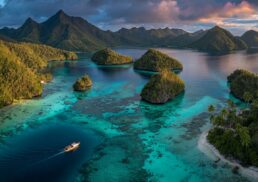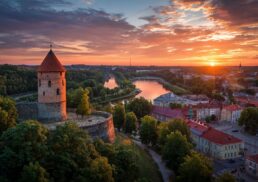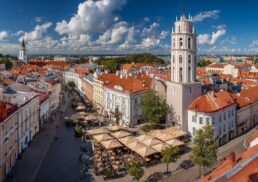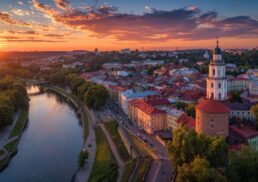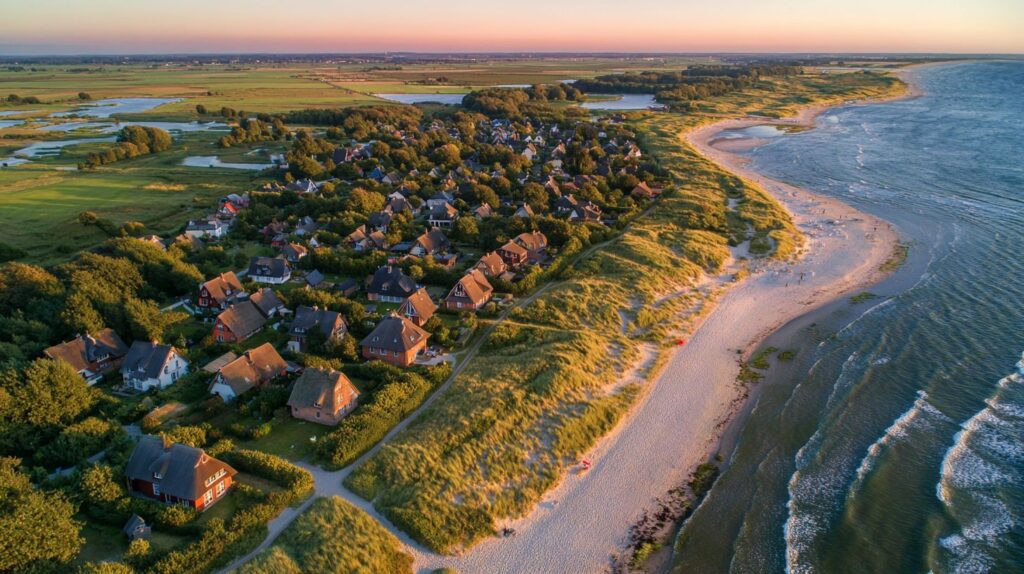
Looking for a quieter coastal escape in Germany beyond the usual spots? Schleswig-Holstein offers stunning shores around Flensburg and Glcksburg that feel worlds away from crowds. You’ll see why it’s shaping up as a must-visit in 2026, with its mix of nature, history, and easy charm.
Table of Contents
Key Takeaways:
- Explore the UNESCO World Heritage Site Wadden Sea National Park for unique mudflat hiking and tidal wonders, a must-see natural gem in 2026.
- Relax on Sylt island‘s elegant North Sea beaches and Baltic Sea shores, blending luxury with pristine coastal beauty.
- Discover Lbeck‘s medieval Hanseatic charm and Kiel’s lively harbor, plus 2026 events highlighting Viking heritage and sustainability.
Stunning Wadden Sea National Park
The Wadden Sea National Park stands as a dynamic tidal ecosystem, offering unparalleled opportunities to explore vast mudflats and diverse wildlife along Schleswig-Holstein‘s North Sea coast.
This protected area draws visitors with its shifting landscapes and rich marine life. Seals bask on sandbanks, while birds forage in the shallows. Plan a trip to witness the tidal rhythms that shape this unique environment.
Ecological significance shines through in the park’s role as a vital habitat. It supports countless species amid the interplay of sea and land. Visitors often spot migratory flocks during peak seasons along the coast near Husum.
Experiences range from quiet boat trips to immersive walks. Combine a park visit with nearby spots like Flensburg or Glcksburg for a full coastal itinerary. Ethical observation ensures the fragile ecosystem thrives for future explorers.
UNESCO World Heritage Wonders
Recognized as a UNESCO World Heritage Site, the Wadden Sea showcases tidal rhythms that reveal hidden seabeds teeming with marine life during low tide.
Its unique biodiversity sets it apart, from tiny crustaceans to large fish in the intertidal zones. Bird migration hotspots attract thousands of species annually, creating spectacular viewing opportunities. Seal colonies thrive in calmer bays, offering glimpses of playful pups.
Best viewpoints include Husum’s waterfront and the remote Hallig islands, accessible by excursion boat. These spots provide panoramic vistas of the vast flats. Bring binoculars for detailed sightings without approaching too close.
For ethical observation, keep a safe distance to minimize disturbance. Experts recommend sturdy tripods for photography. Pair your visit with nearby Lbeck‘s Hanseatic charm or Flensburg’s Fjord for a balanced day of culture and nature.
Unique Mudflat Hiking Adventures
Mudflat hiking, or Wattwandern, lets adventurers stride across the exposed seabed, discovering crabs, shells, and seabirds in this ever-changing landscape.
Follow this step-by-step guide for a safe outing. First, book a certified guide for tours lasting 2-3 hours at around EUR20-30 per person. Guides share insights on the terrain and wildlife.
Next, wear wool socks inside rubber boots for comfort in the wet mud in the Wadden Sea. Check tide tables using official apps to time your hike precisely. Sensory thrills include the squelching mud underfoot and salty air filled with bird calls.
Avoid solo hikes due to quicksand risks and sudden tides. Stick to guided paths in the national park. After your adventure, relax in Husum’s harbor or explore nearby trails in the nature park.
Picturesque North Sea and Baltic Shores
Schleswig-Holstein’s dual coastlines deliver contrasting charms: the wild, windswept North Sea meets the calmer, sandy Baltic shores, perfect for beach strolls and water sports.
The North Sea coast features rugged dunes and the vast Wadden Sea, a UNESCO site ideal for hiking at low tide. In contrast, the Baltic Sea side offers fine sands and gentle waves near towns like Lbeck and Flensburg.
Visitors enjoy sailing and boat trips along fjords, or exploring nature park s with trails through marshes. Seasonal tips include packing windproof gear for North Sea winds in spring, and sunscreen for Baltic summers.
From Glcksburg‘s spa park to historic harbors, these shores blend landscape beauty with culture. Families find calm spots for picnics, while adventurers tackle kite-surfing on open beaches.
Sylt Island’s Elegant Beaches
Sylt Island, accessible by causeway or train, boasts pristine beaches like Bhne 16, where dunes frame wide sands ideal for kite-surfing and sunset watching.
Rantum Beach suits families with its shallow waters and playgrounds nearby. For dramatic waves, head to Ellenbogen, a rugged spot popular with surfers and walkers.
Activities include sailing from Westerland harbor, horse riding along the shore, and eco-friendly sunbathing without staking claims. Catch the train from Westerland station for easy access to the island, avoiding high-season parking fees.
Follow rules like using biodegradable sunscreen to protect dunes. In summer, arrive early for spots; off-season offers quiet trails through the nature park with Viking history echoes nearby.
Charming Hanseatic Cities
Hanseatic city like Lbeck and Kiel preserve medieval trading legacies through brick buildings, bustling harbor s, and walkable old town s rich in history.
The Hanseatic trade influence shaped urban design with fortified gates, warehouses, and canals linking the Baltic Sea to inland markets. These cities thrived on commerce in grain, fish, and timber during the league’s peak.
Today, visitors stroll cobblestone streets past Gothic brick buildings and Renaissance facades. Harbors still buzz with ferries and yachts, echoing the era of powerful merchant guilds.
Explore these spots for a mix of historic architecture and lively markets with shopping. They offer insights into Schleswig-Holstein’s role as a coastal trade hub near the North Sea and Wadden Sea.
Lbeck’s Medieval Marvels
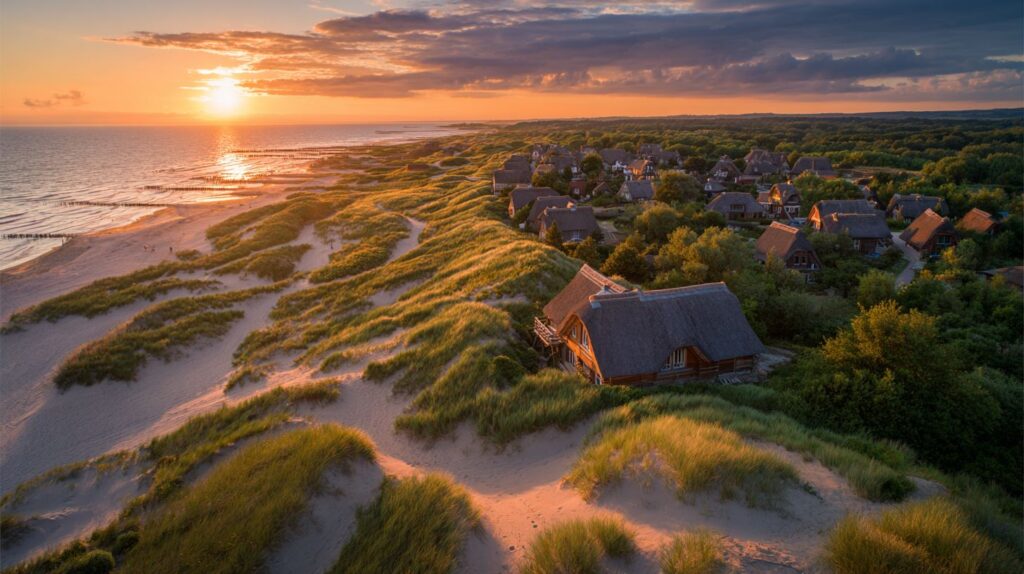
Lbeck, the Queen of the Hanseatic League, enchants with its UNESCO-listed old town, iconic Holsten Gate, and alleyways lined with Gothic brick buildings.
Start a self-guided walking route at the Holsten Gate, then head to St. Mary’s Church along the Trave River. This path takes 1-2 hours and passes half-timbered houses and courts tied to historic horse trade.
- Visit the marzipan museum for marzipan tastings of sweet confections linked to Lbeck’s fame.
- Stop at cafs like Niederegger for fresh marzipan pastries and coffee.
- Book a Trave River boat trip for skyline views of churches and canals.
These activities blend culture and shopping in the old town. Wander to nearby Dutch town influences in the architecture for a full medieval experience.
Kiel’s Vibrant Harbor Scene
Kiel pulses with maritime energy at its expansive harbor, home to Europe’s largest sailing event and a lively mix of ferries, yachts, and waterfront eateries.
Check out fjord cruise departures from the harbor and the Wikingerplatz market for fresh seafood. Preview Kiel Week activities with sailing demos and boat exhibits along the promenade.
Rent bikes for the Kiellinie promenade to pedal past planetarium views and lakes. Ferries run regular schedules to Scandinavia, perfect for day trips from this Baltic Sea gateway.
- Sample local brews at waterfront spots near the brewery by the harbor.
- Explore Viking history ties at nearby museum s.
- Combine with walks to lakes and spa parks for relaxation.
Rich Maritime and Viking Heritage
From Viking settlements to Renaissance castles, Schleswig-Holstein’s sites like Haithabu and Gottorf Castle reveal layers of seafaring and royal history.
Plan a one-day loop from Schleswig to explore this heritage. Start early at the Viking Museum Haithabu, then visit Gottorf Castle, and end with a boat trip on Flensburg Fjord. This itinerary highlights the region’s maritime roots along the Baltic Sea coast.
Haithabu offers a reconstructed Viking village with longship demonstrations. Wander timber longhouses and watch craftspeople demonstrate shipbuilding techniques used by ancient inhabitants.
Renaissance moated castle Gottorf features moated grounds and art collections from Renaissance courts. Stroll the gardens and view treasures tied to horse trade and Hanseatic influences in the old town of Schleswig.
Viking Museum Haithabu: Step into the Past
Near Schleswig, the Viking Museum Haithabu brings the 9th-century settlement to life. Explore the reconstructed village with half-timbered houses built from original designs, showing daily life of Viking traders on the coast.
Watch longship demos where experts row replicas across the water. These displays connect visitors to the seafaring world that shaped Schleswig-Holstein’s landscape and culture.
Combine with nearby historic trails for hiking through the site. The museum suits families interested in Viking architecture and Baltic Sea history.
Gottorf Castle: Renaissance Splendor
Gottorf castle boasts baroque Renaissance moated grounds overlooking Schleswig’s lakes. Tour the grand halls filled with art collections from royal courts and Hanseatic merchants.
Admire baroque interiors and gardens perfect for photos with views of the landscape. The castle links to Glcksburg’s royal past and the region’s horse trade heritage.
Free entry to grounds allows self-paced walks, while indoor exhibits offer deeper insights into brick buildings and Gothic elements at sites like Holsten Gate.
Flensburg Fjord Boat Trips: Seafaring Views
Cap your day with Flensburg Fjord boat trips from the harbor. Sail past half-timbered houses and Dutch town influences in Flensburg’s old town.
Spot coastal landscapes with beaches and canals on this excursion boat route. Trips reveal the Fjord‘s role in Viking and modern sailing history.
| Option | Details | Best For |
|---|---|---|
| Free Self-Guided | Use audio apps or maps from the dock for flexible pacing. | Budget travelers exploring at own speed. |
| Guided Audio Tours | Provided headsets narrate Viking lore and Fjord ecology. | Those wanting structured stories with expert insights. |
Choose based on time; both enhance views of the maritime heritage in this North Sea gateway.
2026 Special Events and Sustainability
In 2026, Schleswig-Holstein spotlights sustainability through eco-events, green initiatives in national parks, and cultural festivals celebrating its coastal heritage. Visitors can join Wadden Sea conservation workshops along the North Sea coast. These hands-on sessions teach mudflat ecology and UNESCO-protected habitats.
Hanseatic revival fairs in Lbeck and Flensburg revive old town traditions with markets featuring local crafts and brick buildings. Expect demonstrations of historic horse trade and Viking-inspired sailing. Check sh-tours.de for the full event calendar to plan boat trips and harbor visits.
Sustainable practices make travel easy here. Bring reusable water bottles for hikes in the Wadden Sea nature park. Opt for public transit passes to explore canals, beaches, and fjords without a car.
Low-impact hiking trails wind through landscape reserves near Glcksburg castle and spa park. Choose local sourcing at markets for fresh seafood and marzipan from Lbeck‘s marzipan museum. These steps support the region’s culture and environment.
Wadden Sea Conservation Workshops
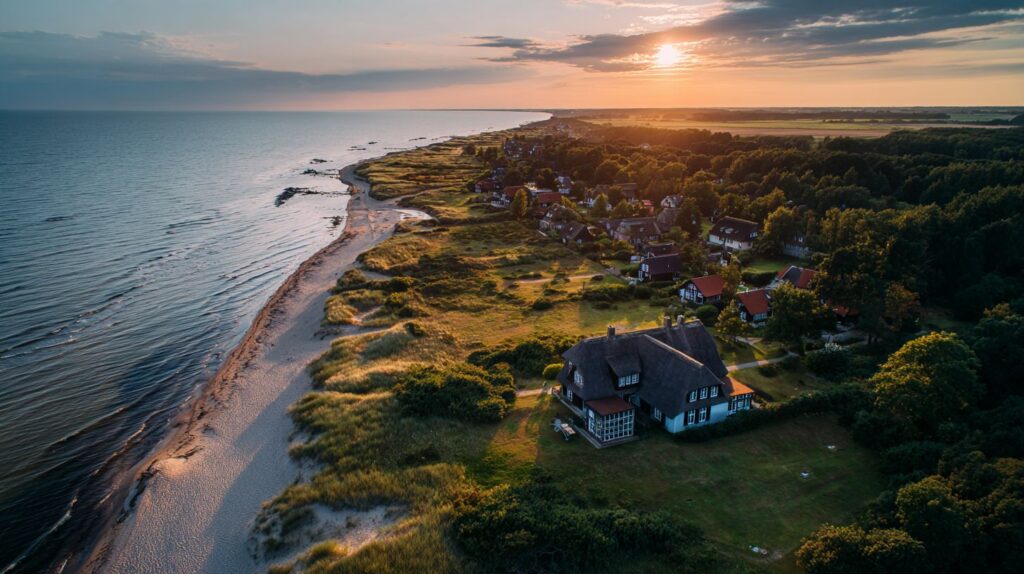
Join guided Wadden Sea workshops in 2026 to learn about tidal flats and bird migration. Experts lead low-tide walks from Husum to the islands. Participants collect data on UNESCO sites while enjoying the coast.
These events emphasize gentle footprints on mudflats. Wear sturdy boots for the terrain. Workshops often end with talks on marine life in the North Sea and Baltic Sea.
Combine with excursion boat trips from harbor towns like Schleswig. Families appreciate the educational focus on sustainability. Book early via local tourism sites for spots.
Hanseatic Revival Fairs
Hanseatic fairs in Lbeck‘s old town bring Renaissance and Gothic architecture to life. Stalls showcase half-timbered house replicas and Dutch town influences. Taste marzipan treats amid baroque churches.
Flensburg hosts events with harbor festivals and sailing demos. Discover Viking history through reenactments near the fjord. Inhabitants share stories of Hanseatic courts and trade.
Shopping for local goods supports artisans. Fairs feature planetarium shows on coastal stars. Plan visits around these for a mix of history and modern green practices.
Sustainable Travel Practices
Use public transit passes to reach beaches, lakes, and trails effortlessly. Buses connect Lbeck to Schleswig-Holstein‘s nature parks. This cuts emissions while revealing scenic landscapes.
Practice local sourcing by dining at breweries and markets with regional fish. Hike low-impact paths around Glcksburg and Flensburg for views of castles and canals. Carry reusable bottles to refill at fountains in spa parks.
- Pack layers for variable coast weather on trails.
- Choose eco-friendly boat trips for island hopping.
- Visit museums like the marzipan museum with walking tours.
Practical Travel Tips for 2026
Plan your Schleswig-Holstein trip with these essentials: seamless transport, must-visit spots like Glcksburg Castle, and insider advice for authentic experiences. This coastal gem offers North Sea and Baltic Sea beaches, plus historic old towns in Lbeck and Flensburg. Follow these tips to make your 2026 visit smooth and memorable.
Focus on practical planning for fjords, Viking museums, and Hanseatic architecture. Layered clothing handles coast winds, while boat trips reveal canals and harbors. Budget wisely for events, hiking trails, and local tastes like marzipan.
Discover nature parks, Renaissance courts, and spa parks without crowds. These steps ensure you enjoy the Wadden Sea UNESCO site and half-timbered brick buildings. Stay flexible for sailing or brewery visits.
Getting There
Reach Schleswig-Holstein easily by train from Hamburg in 1-2 hours. Direct services stop at Lbeck, Flensburg, or Kiel for quick access to the coast. Buses connect smaller towns like Friedrichstadt with old town harbors.
Drive via the A7 autobahn for flexibility toward North Sea beaches or Fjord areas. Ferries from Denmark link to the Baltic Sea side. Airports in Hamburg or Billund offer rental car options for exploring canals and lakes.
Public transport suits most trips, with regional trains reaching Glcksburg Castle and Viking sites. Pack light for seamless transfers to island trails or nature parks.
Schleswig-Holstein Card for Discounts
Get the Schleswig-Holstein Card for savings on museums, boat trips, and events. It covers entrances to the marzipan museum in Lbeck, Gothic churches, and baroque planetariums. Use it for harbor tours and historic courts.
This pass unlocks excursion boat rides on fjords and reductions at breweries or spa parks. Families benefit from deals at beaches, hiking paths, and horse trade exhibits. Pick it up at tourist offices in Flensburg or Dutch town areas.
Combine with shopping for half-timbered architecture strolls. It simplifies visits to Renaissance buildings and culture spots.
Best Times to Visit
- Summer brings festivals, sailing regattas, and lively harbors in Lbeck and Kiel.
- Spring offers quiet hikes on coastal trails and blooming landscapes in nature parks.
- Fall suits Wadden Sea boat trips and fewer crowds at Glcksburg Castle.
- Winter appeals for cozy marzipan tastings and indoor planetarium shows.
Align your stay with local events for authentic experiences. Mild weather enhances beach walks and canal cruises.
Packing Essentials and Weather Tips
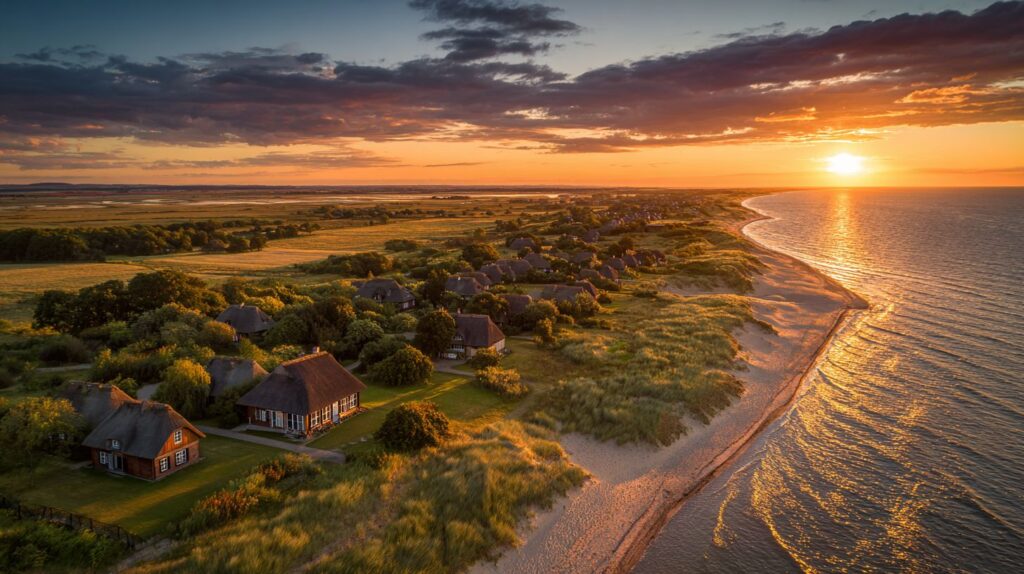
Pack layered clothing for coast winds sweeping the Baltic Sea and North Sea shores. Waterproof jackets protect during Fjord boat trips or Wadden Sea hikes. Comfortable shoes suit trails in nature parks and old town cobblestones.
Include sunscreen for summer beaches and gloves for spring chills near lakes. Binoculars help spot wildlife on island ferries. A daypack carries water for sailing or brewery tastings.
Sample Daily Budget
| Category | Example Costs |
|---|---|
| Transport | Regional train or bus |
| Accommodation | Mid-range guesthouse |
| Food | Local seafood and marzipan |
| Activities | Fjord excursion boat and brewery tasting |
Aim for EUR100/day covering these basics in Schleswig-Holstein. Adjust for spa park entries or museum visits. This leaves room for shopping in Hanseatic harbors.
Tips to Avoid Peak Times
- Skip peak ferry rushes by sailing early mornings to islands.
- Visit beaches mid-week to dodge summer crowds on the Wadden Sea.
- Book boat trips ahead for fjords and canals during events.
- Explore Glcksburg Castle or Lbeck old town before 10 a.m.
These habits ensure calm hikes, serene harbors, and peaceful Viking sites. Enjoy the landscape without lines.
Frequently Asked Questions
Why Schleswig-Holstein Is Germany’s Coastal Gem Worth Visiting in 2026?
Schleswig-Holstein, Germany’s northernmost state, shines as a coastal gem in 2026 with its pristine North Sea and Baltic Sea beaches, charming maritime towns, and sustainable tourism initiatives. Expect enhanced eco-friendly attractions, fewer crowds than popular spots like Mallorca, and events celebrating its Viking heritage, making it an ideal blend of relaxation and adventure.
What makes the beaches in Schleswig-Holstein so special for a 2026 visit?
Why Schleswig-Holstein Is Germany’s Coastal Gem Worth Visiting in 2026 becomes clear with its diverse shores: wide sandy beaches on the North Sea like Bsum and St. Peter-Ording’s mudflats (a UNESCO site), and rocky Baltic Sea cliffs at Grmitzer Bay. In 2026, new blue flag certifications and water sports festivals highlight its clean, unspoiled coasts perfect for families and nature lovers.
Why visit Schleswig-Holstein’s historic towns in 2026?
As Germany’s Coastal Gem, Schleswig-Holstein offers towns like Lbeck (a UNESCO World Heritage site with its medieval gates) and Flensburg’s harbor vibes. In 2026, anniversary events for Viking history and renovated marinas make Why Schleswig-Holstein Is Germany’s Coastal Gem Worth Visiting in 2026 even more compelling, blending culture, fresh seafood, and scenic canals.
What outdoor activities await in Schleswig-Holstein in 2026, from the Angeln peninsula to Gottorf Castle and Viking Museum Haithabu?
Why Schleswig-Holstein Is Germany’s Coastal Gem Worth Visiting in 2026 lies in its adventures: kite-surfing on Sylt, cycling the 1,000-km coastal route along the North Sea and Baltic Sea, or birdwatching in the Wadden Sea National Park, a UNESCO World Heritage Site. 2026 brings upgraded trails, electric bike rentals, and eco-tours, ensuring active holidays amid dunes and tidal flats without the overtourism of other European coasts.
How is Schleswig-Holstein, with gems like Glcksburg, Flensburg, and Lbeck, promoting sustainability to attract visitors in 2026?
Positioned as Germany’s Coastal Gem, Schleswig-Holstein leads in green tourism for 2026 with plastic-free beaches in places like Husum, renewable energy-powered lighthouses, and farm-to-table seafood. Why Schleswig-Holstein Is Germany’s Coastal Gem Worth Visiting in 2026 includes these initiatives, appealing to eco-conscious travelers seeking authentic, low-impact experiences in a changing climate amid its stunning Fjord s.
What unique events and festivals in historic towns like Friedrichstadt, Lauenburg, Ratzeburg, Mlln, Schleswig, and Neumnster make 2026 the perfect time for Schleswig-Holstein?
Why Schleswig-Holstein Is Germany’s Coastal Gem Worth Visiting in 2026 is amplified by special events like the Kiel Week sailing regatta (Europe’s largest), Viking markets in Haithabu at the Viking Museum Haithabu and Gottorf Castle on the Angeln peninsula and Flensburg Fjord, beach art festivals, and Hanseatic celebrations near the Holsten Gate and Renaissance moated castle. These, combined with improved accessibility via high-speed trains from Hamburg, promise vibrant, memorable coastal escapes reminiscent of its Gothic and Renaissance heritage, the Dutch town vibes, and tales of Till Eulenspiegel.