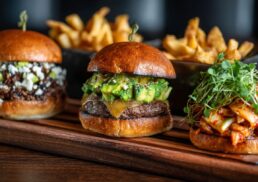
Ever notice how korean cuisine and other Asian flavors are popping up everywhere on menus these days? Southeast Asian cuisine is riding that same wave of global growth, blending bold tastes into spots from street carts to high-end restaurants. You’ll see how it’s shaping what we eat in 2026, alongside rising k-food exports showcased at Anuga 2025.
Table of Contents
Key Takeaways:
- Social media virality and post-pandemic travel boom propel Thai street food and Vietnamese pho into global mainstream menus by 2026, boosted by k-dramas and k-pop.
- Fine dining fusions blend Southeast Asian flavors like lemongrass and galangal with local ingredients, redefining upscale cuisine worldwide.
- Plant-based trends spotlight fermentation staples such as kimchi and tempeh, driving health-focused supply chains and gut-friendly dining innovations.
Key Drivers of Global Adoption
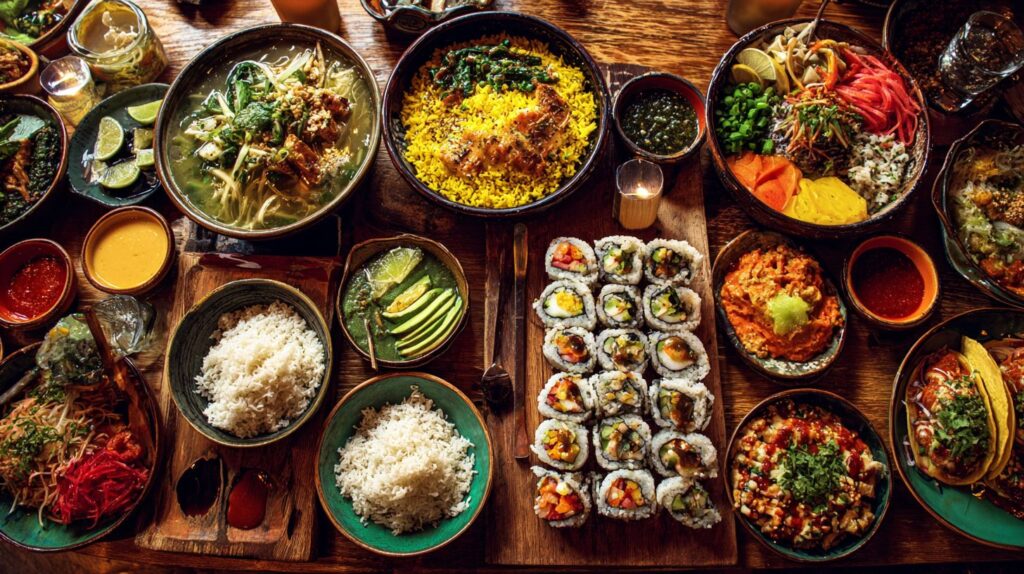
Several interconnected factors are propelling Southeast Asian cuisine onto international menus and home kitchens alike. Modern influences like social media and travel recovery speed up this shift, mirroring food trends from South Korea. These forces blend with global growth in food trends, making flavors from Thailand, Vietnam, and the Philippines everyday choices.
Digital platforms amplify street food appeal through quick videos. Travelers bring back techniques for dishes like nasi goreng. f&b brands tap into this by highlighting flavor integration in ready meals.
Health-focused eaters seek fermentation benefits in kimchi-inspired sides, even as Southeast Asian elements inspire plant-based options. Sustainability drives use of regional ingredients. This mix fuels cultural influence and soft power worldwide.
Experts recommend pairing these trends with technique-led innovation for menus. Home cooks experiment with zero-waste prep from Singapore chefs. The result is broader market entry for such cuisines, akin to K-Food’s global push.
Social Media and Viral Trends
Platforms like TikTok and Instagram have turned Southeast Asian dishes into overnight sensations through eye-catching videos of sizzling street food and DIY recipes. Creators recreate Thai milk tea with boba pearls or Filipino halo-halo layered with fruits and ice. These clips spark digital consumption among global audiences.
F&B brands can leverage user-generated content by encouraging hashtags like #ThaiStreetFood or #HaloHaloChallenge. Post simple recipe tweaks using local swaps, such as coconut milk for dairy-free versions. This builds community around Filipino cuisine.
Common pitfalls include over-simplifying recipes, like skipping fermentation for quick kimchi. Instead, share step-by-step for authentic taste. Relatable scenarios, such as family game nights with ramyeon hacks, keep viewers engaged.
Singapore chefs inspire modern filipino twists shared online. Pair with korean flavors for fusion like vegan kimchi in halo-halo. This drives food trends toward wellness and convenience.
Travel and Tourism Recovery
Post-pandemic travel surges have inspired adventurers to recreate authentic Southeast Asian flavors at home after tasting them in bustling night markets. Memories of nasi goreng from Indonesian stalls linger. These experiences fuel demand for regional ingredients worldwide.
Source essentials via Asian grocers or online markets for staples like lemongrass and fish sauce. Start with step-by-step adaptation: for nasi goreng by using day-old rice, shrimp paste, and chili, or try ramyeon hacks. Add veggies for a home-friendly twist.
Emotional pull comes from night market vibes, evoking street food energy in quick-service restaurants. Recreate with locavore swaps, like local greens in place of exotic leaves. This keeps dishes fresh and accessible.
Michelin Guide spots by Singapore chefs highlight refined techniques. Blend in plant-based options for sustainability. Travelers return eager to share these in QSR or home settings.
Rise of Iconic Southeast Asian Dishes
Everyday favorites from Southeast Asia are transitioning from local stalls to global staples in QSR and retail settings. Dishes like pad thai and pho now appear on menus worldwide, blending bold flavors with quick preparation. This shift highlights street food influence on foodservice and packaged goods.
Southeast Asian cuisine drives food trends through its balance of sweet, sour, spicy, and umami notes. Retail innovation brings ready meals and premium formats to shelves. QSR chains adapt these for fast-casual appeal, pairing with health convenience like fresh herbs and lean proteins.
Cultural influence from Singapore chefs and Filipino cuisine adds modern twists, seen in Michelin Guide spots. Technique-led innovation, such as fermentation in kimchi-inspired sides, merges with regional ingredients. Expect zero-waste practices and plant-based options to boost global growth.
These icons suit convenience food and packaged food demands, from wok-fried staples to simmered broths. Pair them with K-Food elements like vegan kimchi for fusion appeal. This rise shapes 2026 dining with flavor integration and sustainability focus.
Thai Street Food Staples
Pad thai, som tam papaya salad, and mango sticky rice exemplify Thai street food’s irresistible balance of sweet, sour, spicy, and salty. These dishes thrive in QSR due to quick wok techniques and vibrant profiles. Their adaptability fuels premium formats in fast-casual spots.
For a 20-minute home pad thai, follow these steps:
- Soak rice noodles in warm water for 10 minutes, then drain.
- Stir-fry garlic, shallots, and shrimp in a hot wok with oil, avoiding overcooking the shrimp.
- Add noodles, tamarind sauce base, fish sauce, sugar, and eggs; toss for 3-4 minutes.
- Mix in bean sprouts, scallions, peanuts, and lime for finish.
QSR adaptations elevate with premium formats, like using fresh prawns and house-made sauces. Offer som tam with customizable spice levels for broad appeal. Mango sticky rice pairs well as a dessert in retail packs.
Flavor profiles suit fast-casual with technique-led innovation, such as coconut milk infusions. Integrate Thai elements with korean flavors like kimchi for fusion bowls. This keeps menus dynamic and customer-friendly.
Vietnamese Pho and Banh Mi
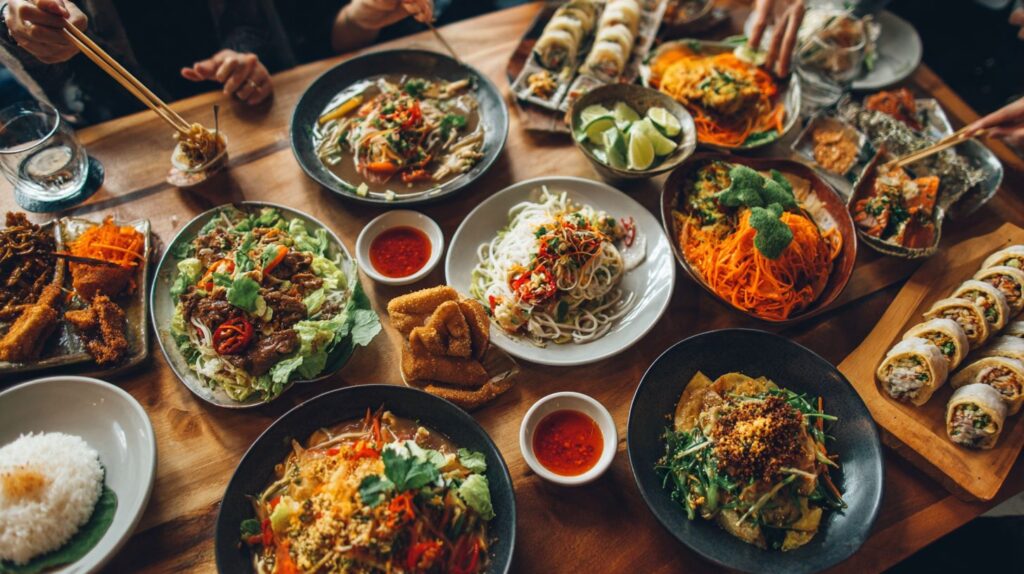
Pho’s aromatic broth and banh mi’s crusty baguette with pickled veggies capture Vietnam’s fresh, herbaceous essence in comforting bowls and handheld bites. These suit foodservice for their comforting warmth and portability. Retail ready meals expand their reach.
Build pho broth with this traditional simmer:
- Char ginger and onions, then simmer beef bones for 4-6 hours with star anise, cinnamon, and cloves.
- Strain and season with fish sauce, sugar, and lime.
- For shortcut, use an Instant Pot: pressure cook ingredients for 1 hour, then quick release.
- Assemble with rice noodles, thin beef slices, herbs, and bean sprouts.
Assemble banh mi by layering pate on a toasted baguette, adding pickled carrots, daikon, cucumber, cilantro, chili, and protein like grilled pork. This handheld format fits QSR perfectly. Fresh herbs keep it light and herbaceous.
Retail innovation includes pho kits and pre-marinated banh mi packs for home prep. Pair with sustainability via locavore veggies or plant-based proteins. Vietnamese staples influence global menus alongside Filipino cuisine and k-bbq trends.
Fusion Innovations in Fine Dining
Chefs in Singapore singapore chefs and the Philippines are reimagining Southeast Asian roots through fusion with global techniques, earning Michelin Guide nods. These innovators pair local seafood with japanese wine influences and elevate dishes like kinilaw in modern Filipino spots. This approach drives global growth in fine dining.
In Singapore, chefs blend fresh regional ingredients like chili crab with precise Japanese pairings. Such technique-led innovation creates harmonious plates that respect tradition while appealing to international palates. Fine dining menus now feature these fusions regularly.
Modern Filipino filipino cuisine shines in Michelin Guide Philippines restaurants, where raw fish kinilaw meets European curing methods. This flavor integration highlights locavore sourcing from nearby waters and farms. Chefs emphasize zero-waste practices to sustain these trends.
F&B brands entering Southeast Asian markets can adopt this model by prioritizing locavore regional ingredients. Start with collaborations featuring sustainable seafood and local herbs. This builds authenticity and attracts discerning diners.
| Fusion | Traditional | |
|---|---|---|
| Pros | Attracts global audiences with novel tastes; boosts innovation and menu variety | Maintains cultural purity; fosters deep authenticity and heritage appeal |
| Cons | Risks diluting original flavors; requires skilled execution to balance elements | Limits broader appeal; may feel outdated in diverse dining scenes |
Plant-Based, Food Tech, and Health Trends
Southeast Asian cuisine naturally aligns with wellness demands through vegetable-forward dishes and fermentation practices. Fresh produce like Thai herbs and Filipino greens offers health convenience in everyday meals. Gut-friendly foods such as tempeh and pickled vegetables promote digestion without complexity.
These elements draw from plant-based trends seen in modern Filipino and Singaporean kitchens. Chefs emphasize regional ingredients for sustainability and zero-waste approaches. Street food adaptations highlight quick, nutritious bites like corn dogs and fried chicken that fit global lifestyles.
Incorporating fermentation adds probiotics naturally, supporting overall health. Dishes balance bold flavors with light profiles, appealing to wellness-focused diners. This hallyu wave influence appears in QSR and foodservice innovations worldwide.
Experts recommend starting with simple swaps, like using coconut aminos in stir-fries. Such practices enhance gut health through accessible techniques. Southeast Asian flavors thus drive global growth in healthy dining.
Fermented Foods like Kimchi and Gut Health
Fermented staples like Vietnamese nuoc mam and plant-based takes on kimchi support digestion with live cultures and bold tang. These foods deliver probiotics that aid gut comfort after heavy meals. Relatable examples include reduced bloating from daily servings.
To make vegan kimchi at home, shred cabbage, mix with garlic, ginger, and chili paste, then pack into a jar. Let it sit for three to five days at room temperature, monitoring for bubbles as a sign of active fermentation. Refrigerate once tangy to slow the process. This nods to MAFRA promotion of traditional ferments.
For pickled veggies, slice cucumbers or carrots, add rice vinegar, salt, and spices in a jar. Bubbles indicate success after a few days; taste daily to adjust. This method brings Southeast Asian technique-led innovation to your kitchen.
Research suggests fermented foods ease digestion, but individual tolerances vary; consult a doctor if issues arise. Pair with rice or salads for meals inspired by Filipino cuisine or Singapore chefs. Enjoy the tangy boost to wellness routines.
Supply Chain and Ingredient Shifts
Global demand prompts smarter sourcing of Southeast Asian staples, emphasizing regional ingredients, zero-waste practices, and food tech efficiencies. Chefs worldwide face import delays for items like Thai galangal or Vietnamese fish sauce. Partnering with smart farming suppliers in Southeast Asia helps secure steady supplies through tech-driven cultivation.
These suppliers use data analytics for crop predictions, reducing delays from weather or logistics. For example, lemongrass trimmings turn into flavorful stocks, supporting zero-waste tips. Restaurants adopting this cut costs while enhancing sustainability in their menus.
Food tech efficiencies like cold-chain innovations preserve freshness during long hauls. Experts recommend vertical farming partnerships for herbs such as Thai basil. This shift aids market entry for global operators inspired by Singapore chefs blending regional ingredients.
| Aspect | Local Sourcing | Imported Sourcing |
|---|---|---|
| Cost | Lower upfront, supports community farms | Higher due to tariffs and shipping |
| Benefits | Fresher taste, faster delivery, carbon footprint reduction | Authentic varieties, consistent quality year-round |
| Challenges | Limited scale in some regions | Delays from customs, spoilage risks |
| Market Entry | Easier for QSR and foodservice | Ideal for premium formats like modern Filipino |
Predictions for 2026 Dining Scenes
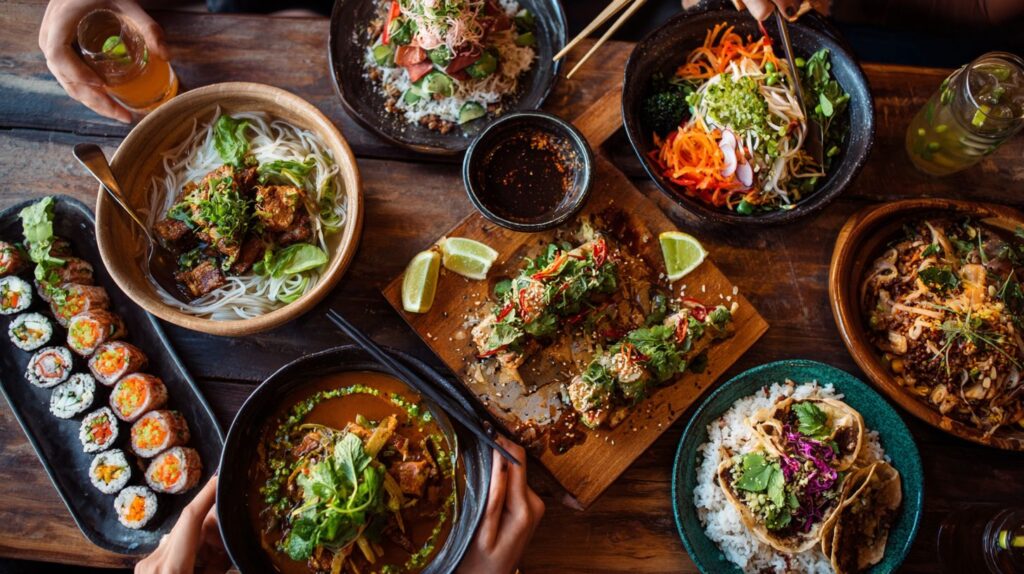
By 2026, expect Southeast Asian influences and rising Korean cuisine to dominate hybrid dining models blending QSR speed with fine-dining finesse. Chefs will fuse Filipino adobo techniques with quick-service formats for busy urban diners. This shift builds on ongoing street food trends seen in global cities.
Modern Filipino cuisine will rise in foodservice, with restaurants offering elevated versions of sinigang and kinilaw. Singapore chefs, already gaining Michelin Guide nods, will lead this charge. Brands can adapt by training staff in locavore practices using regional ingredients.
Plant-based street food will thrive in retail, featuring vegan kimchi wraps and tempeh skewers inspired by Thai and Indonesian stalls. Expect zero-waste approaches, like upcycled banana leaf packaging. Retailers should stock these for health-conscious shoppers seeking wellness options.
- Digital menus will showcase Ramyeon fusion bowls with Southeast Asian herbs for seamless ordering.
- Technique-led innovation in fermentation will create probiotic drinks blending kimchi and kombucha.
- QSR chains will introduce plant-based k-BBQ sliders with hanwoo beef alternatives, drawing from Korean flavors’ global growth.
- Premium formats of ready meals with Hanwoo beef alternatives will target convenience food markets fueled by K-Food.
- Food tech like smart farming apps will ensure fresh supplies of regional ingredients for F&B brands.
- Hybrid pop-ups by Singapore chefs will test modern Filipino tasting menus in QSR spaces.
Rise of Modern Filipino in Foodservice
In 2026, modern Filipino cuisine boosted by the Philippines and Michelin Guide Philippines will transform foodservice with inventive dishes like bagnet croquettes. Chefs draw from cultural influences, elevating street food staples. Operators can incorporate these for menu differentiation.
Focus on flavor integration, pairing calamansi with global proteins. This appeals to diners craving authenticity with a twist. Train kitchens in precise fermentation for dishes like pickled seafood.
Brands entering this space should partner with Michelin Guide and GourmetPro-recognized talents. Sustainability through locavore sourcing keeps costs down. Expect these menus in hybrid QSR-fine dining spots worldwide.
Plant-Based Street Food in Retail
Plant-based street food showcased at Anuga 2025 will explode in retail by 2026, with jackfruit rendang and tofu satay leading packs. This ties into health convenience demands from wellness trends. Retailers can shelf these as grab-and-go items.
Innovate with vegan kimchi in rice rolls, using coconut aminos for umami. Zero-waste practices, like edible wrappers, add appeal. Stockists benefit from longer shelf life via modern preservation.
Draw from sustainability movements in Southeast Asia for packaging. Pair with digital labels for allergen info. This category suits urban retail innovation perfectly.
Best Practices for Brands via Digital Menus
Brands should use digital menus to highlight Southeast Asian and Singapore cuisine fusions, like laksa ramen hybrids riding the Hallyu wave and K-dramas. Interactive screens allow customization, boosting sales. Update seasonally with fresh regional ingredients.
Incorporate food trends such as korean flavors in beverage pairings. Analytics from these menus guide inventory. This supports market entry for F&B brands globally.
Best practice: Feature storytelling videos on technique-led innovation, like making balut-inspired custards. Ensure accessibility for all users. This drives repeat visits in 2026 dining scenes.
Frequently Asked Questions
How Southeast Asian Cuisine Is Influencing Global Dining in 2026
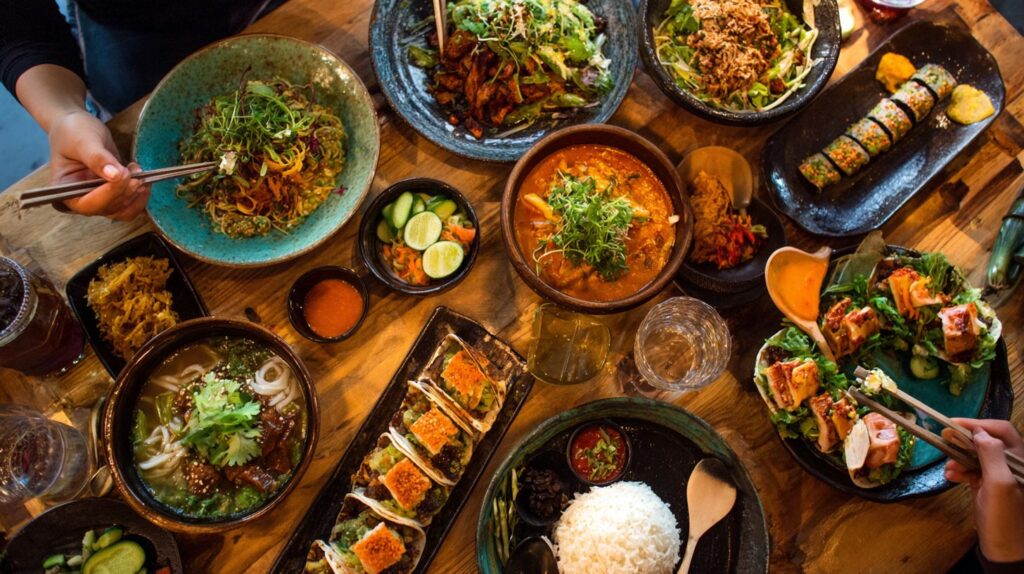
Southeast Asian cuisine is reshaping global dining in 2026 by introducing bold flavors like lemongrass, fish sauce, and chili pastes into mainstream menus worldwide, with fusion dishes appearing in high-end restaurants from New York to Paris.
What specific ingredients from Southeast Asian Cuisine Is Influencing Global Dining in 2026?
Key ingredients such as Thai basil, Vietnamese pho spices, Indonesian sambal, and Filipino adobo elements are being incorporated into global dishes, elevating everyday meals with authentic Southeast Asian zest in 2026.
Why is How Southeast Asian Cuisine Is Influencing Global Dining in 2026 happening now?
The rise is driven by social media trends fueled by K-pop, increased travel post-pandemic, and sustainability focus on Southeast Asia’s fresh, plant-based ingredients, making it a dominant force per the Brand Finance Global Soft Power Index 2025 in global dining scenes by 2026.
How Southeast Asian Cuisine Is Influencing Global Dining in 2026 through street food trends?
Street food staples like banh mi, pad thai, and satay are inspiring pop-up stalls and food trucks globally, blending into fine dining with innovative twists that capture authentic street vibes in 2026.
Which global cities show How Southeast Asian Cuisine Is Influencing Global Dining in 2026 most prominently?
Cities like London, Sydney, Los Angeles, and Tokyo are leading, with Michelin-starred chefs experimenting with Southeast Asian techniques, resulting in hybrid menus that define 2026’s culinary landscape.
What future trends highlight How Southeast Asian Cuisine Is Influencing Global Dining in 2026, backed by Ministry of Agriculture Food and Rural Affairs?
Expect fermented foods like Kimchi-inspired pickles with Jeju pork alternatives, plant-based curries, and molecular gastronomy with Southeast Asian herbs to dominate, promoting health-conscious and eco-friendly dining worldwide valued at USD 13.03 billion in 2026.