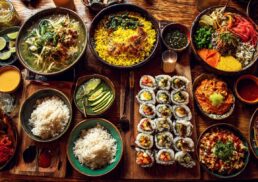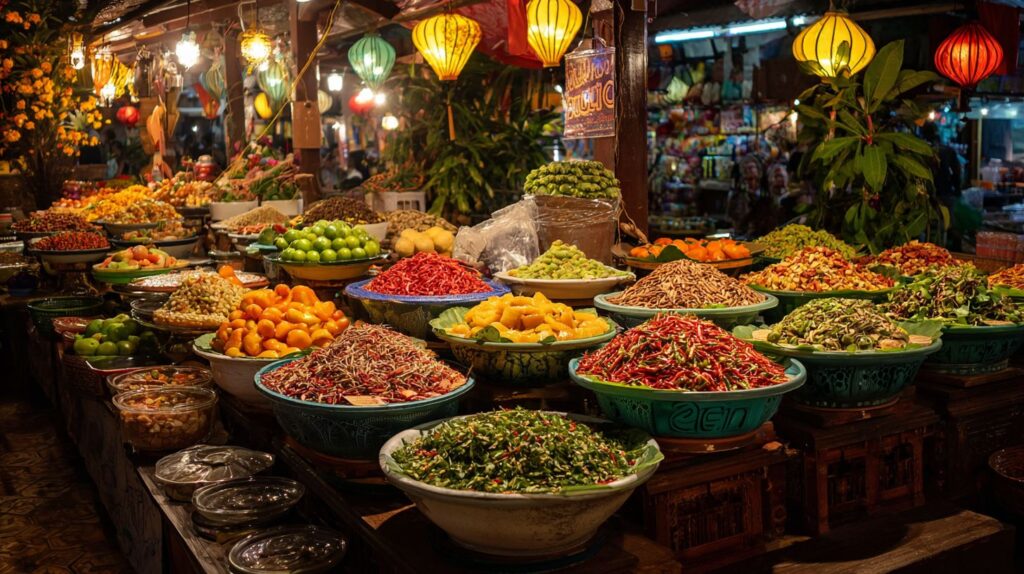
Curious about how Southeast Asian cuisine is evolving in hospitality scenes? This report covers the top trends for 2026, from bold spice innovations to street food with modern twists. You’ll see fresh ways these flavors are mixing tradition and innovation on plates everywhere.
Table of Contents
Key Takeaways:
from AF&Co insights
- Fermented spice blends and heat-level personalization dominate 2026 trends, offering bold, customizable flavors that elevate Southeast Asian dishes with innovative depth and value.
- Street food evolves into portable gourmet stalls and fusion snacks, blending authenticity with modern convenience for on-the-go indulgence.
- Plant-based reimaginings of classics, paired with sustainable sourcing and AR spice apps, deliver health-conscious, tech-savvy twists on tradition.
Fermented Spice Blends
Fermented spice blends bring umami-rich layers to Southeast Asian dishes, transforming simple food ingredients into memorable flavor experiences. Chefs in hotels and hospitality settings use them to elevate street food classics. These blends align with 2026 cuisine trends for bold, evolving tastes from this report.
Create your own by combining shrimp paste, galangal, and chilies in a clean jar. Store at 70 degreesF for a 7-day fermentation process, stirring daily to distribute flavors. This method builds depth for modern twists on traditional recipes.
Pair these blends with grilled meats or seafood in Dubai hotels, where fusion concepts thrive amid travel booms. They enhance shelf life and allow taste evolution over time. Experts recommend them for food and beverage menus seeking authentic Southeast Asian edges.
Avoid the common mistake of over-fermenting by conducting a taste test at day 5. Adjust with fresh herbs if needed to balance intensity. In marketing for creative brands, highlight their role in social media worthy dishes for high-end concepts.
Heat-Level Personalization
Diners increasingly seek customized heat levels, allowing Southeast Asian restaurants to cater to diverse preferences seamlessly. This trend fits into the evolving hospitality landscape, where personalization drives guest satisfaction. Restaurants can turn meals into interactive experiences.
Create customizable sauces with a simple step-by-step approach. Start with a base chili oil that takes just two minutes to prepare by infusing neutral oil with garlic and dried chilies over low heat. This foundation sets the stage for personalization.
Next, offer tiered spice additions for varied intensity. For mild, add lemongrass and ginger; for medium, include fresh Thai chilies; for hot, incorporate bird’s eye chilies. Present these in small bowls at table-side mixing stations, enableing guests to blend their ideal mix.
Integrate this into high-end happy hour menus, pairing sauces with street food bites like grilled satay or fresh spring rolls. This boosts social media shares as diners photograph their creations, enhancing brand visibility. Experts recommend it for modern twists on Southeast Asian cuisine.
Portable Gourmet Stalls
Portable gourmet stalls bring Southeast Asian street food to high-traffic areas, blending convenience with refined tastes. These setups elevate classic flavors like grilled satay and spicy skewers into premium experiences. They fit perfectly into travel seasons and urban hotspots.
Setting up requires a simple step-by-step approach. First, select a compact grill under 4ft for easy mobility. Next, focus on a menu of 3-5 items, such as grilled satay that preps in 15 minutes for sales.
- Choose eco-packaging to align with sustainable trends in hospitality.
- Aim for quick turnover, serving each order in about 5 minutes.
- Research local permits first to avoid common mistakes.
Dubai pop-ups during peak travel seasons showcase this model well. Stalls draw crowds with modern twists on Southeast Asian cuisine, boosting sales through social media buzz. Experts recommend integrating creative brands for standout marketing in the public relations landscape.
Fusion Street Snacks
Fusion street snacks merge Southeast Asian roots with Korean and Italian influences for snackable innovations. These handheld treats adapt classic street food into portable bites perfect for global travelers. They fit the evolving hospitality landscape in hotels and travel spots.
Try Korean gochujang pad Thai rolls for a quick assembly in 10 minutes. Soften rice paper wrappers, layer with cooked pad Thai noodles tossed in gochujang paste, add shredded carrots, cucumber, and herbs, then roll tightly. Serve with a lime dipping sauce for a spicy-sweet kick that nods to Korean cuisine trends.
Another option is Italian-Southeast basil pesto laksa bites. Blend basil pesto with coconut milk and laksa paste, spoon into mini phyllo shells, top with prawns and crushed peanuts. This 10-minute recipe creates bite-sized bursts blending Italian herbs with Southeast Asian spices.
These snacks appeal to global travelers seeking familiar yet exotic flavors. Promote them via social media for agencies in marketing and public relations. Unlike traditional stalls, focus on handheld formats with no equipment needed, ideal for creative brands and concepts in the annual trends forecast.
Plant-Based Reimaginings
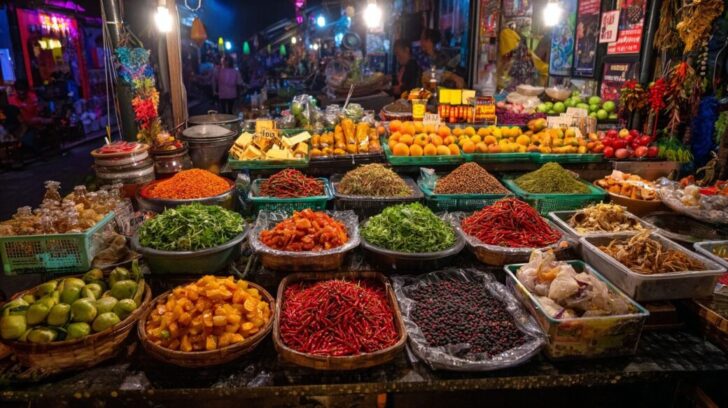
Plant-based versions of Southeast Asian classics deliver satisfying textures and flavors without animal products. Jackfruit rendang stands out as a prime example, mimicking the tender pull of beef. This dish fits into value-driven dining trends in hospitality.
Prepare jackfruit rendang by braising for 45 minutes in coconut milk and turmeric. The result offers a rich, spicy curry that appeals to modern palates. Pair it with turmeric lattes for a complete beverage experience.
Follow these steps for success:
- Marinate jackfruit in turmeric, ginger, and lemongrass paste for one hour.
- Slow-cook with coconut milk, chilies, and spices over low heat.
- Garnish with fresh herbs like cilantro and serve hot.
Recipe innovation here focuses on creative brands reimagining street food staples. Hotels and concepts use these dishes in prix-fixe lunch es to attract travel influencers. This approach enhances social media appeal in the food landscape.
AR Spice Pairing Apps
AR apps let diners visualize and customize spice pairings for Southeast Asian meals in real-time. Tools like Zappar or 8th Wall offer free tiers for restaurants to create these experiences. They fit into the modern twists trend by blending tech with authentic flavors.
Implementation starts simple. First, diners scan a QR code on the menu in two seconds. Then, an AR overlay suggests pairings like tamarind with seafood or lemongrass with grilled meats.
- Scan QR on menu (2 sec).
- AR overlay suggests pairings (e.g., tamarind with seafood).
- Create and share short clips of the visualization.
Restaurants in Dubai lead with this, like those offering Southeast Asian concepts where AR shows how galangal enhances curries. Benefits include higher engagement that drives menu upsell potential through fun interactions. This aligns with hospitality trends from reports like AF&CO’s annual forecasts.
Experts recommend starting with key spice pairings tied to street food influences. Pair chili paste with skewers or kaffir lime in cocktails for beverage sales. Dubai spots use it for high-end happy hours, boosting social media shares.
Signature Spice Innovations – AF&Co Annual Edition Forecasts
Southeast Asian kitchens are redefining spice profiles with techniques that amplify depth and complexity in every dish. Unlike the bold umami punches of Korean cuisine or the herb-forward simplicity of Italian flavors, Southeast Asian approaches layer spices for intricate, evolving tastes. This sets them apart in the global food and beverage landscape.
Hospitality brands can use these signature spices to create memorable dining experiences that stand out from Korean and Italian influences. For instance, blending galangal with lemongrass offers a citrusy warmth absent in familiar pasta sauces or kimchi ferments. Experts recommend this layering to elevate hotels and travel menus.
Practical advice for creative brands includes experimenting with spice pastes in high-end concepts. A prix-fixe lunch featuring turmeric-infused curries provides value without overwhelming diners. Marketing agencies note that such innovations drive social media buzz in the annual trends report.
Key takeaways from industry forecasts highlight how Andrew Freeman, Founder of AF&Co, emphasizes spice-driven modern twists. Public relations firms advise pairing these with cocktails like ginger-lime drinks for full sensory impact. This approach positions hospitality concepts ahead in 2026.
Street Food Evolution
Street food from Southeast Asia is elevating from roadside eats to gourmet experiences, influencing urban dining landscapes worldwide. Travel trends and social media drive this shift, turning humble stalls into sought-after spots. Cities now host portable setups that capture authentic flavors for busy crowds in this year‘s edition.
In places like Dubai and Minneapolis, vendors offer portable stalls blending convenience with quality. These concepts adapt Southeast Asian staples for modern palates, drawing hospitality pros and travelers alike. Social media amplifies their reach, making them key players in the food landscape.
Experts recommend focusing on fresh ingredients and quick service to succeed. Hotels and brands use these evolutions for pop-up events, enhancing guest experiences. This trend forecasts a rise in creative street food concepts tied to annual reports and insights.
Marketing agencies leverage public relations to promote these stalls, integrating them into broader cuisine influences. From prix-fixe lunch deals to high-end happy hours, they add value to beverage pairings. Andrew Freeman, Founder of AF&CO, highlights such adaptations as vital takeaways for 2026.
Modern Twists on Classics
Classic Southeast Asian dishes receive modern updates that respect tradition while embracing contemporary palates. Chefs reimagine staples like pho and rendang with fresh techniques. These modern twists blend heritage flavors with current hospitality trends.
Inspired by experts like Nancy Silverton and Candace MacDonald, innovators fuse global influences into Southeast Asian cuisine. Rendang gets lighter profiles through slow cooking with coconut alternatives. Pho evolves with seasonal herbs for brighter notes.
These updates appear in high-end hotels and urban eateries. Social media amplifies their reach in the travel landscape. Brands use creative marketing agencies to highlight such concepts.
Public relations efforts showcase these dishes in annual reports and forecasts. Expect more crossovers with Korean and Italian elements. This approach drives value in the food and beverage sector.
Plant-Based Innovations
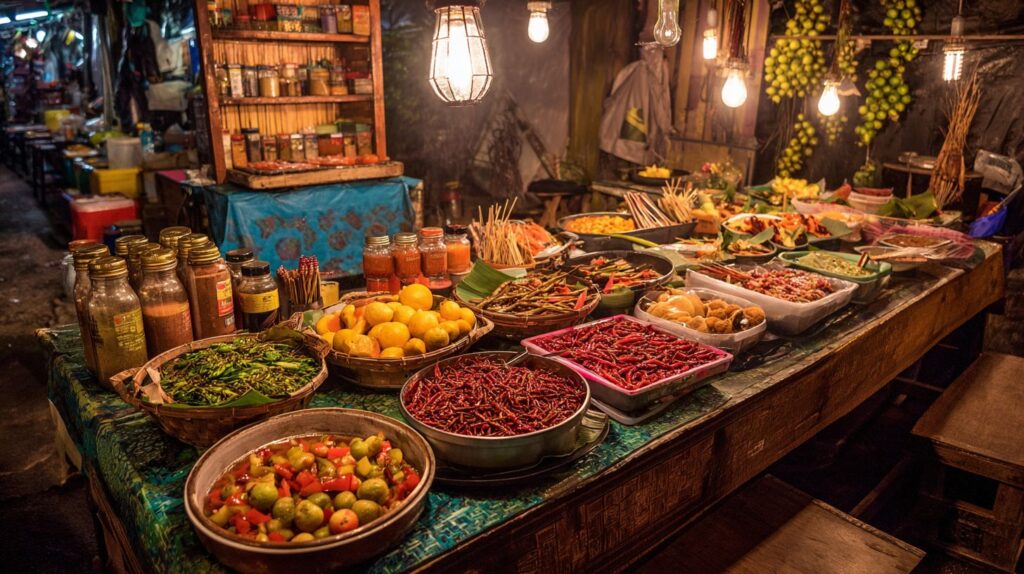
Plant-based versions of classics lead the charge in sustainable cuisine trends. Chefs swap meats in rendang for jackfruit or mushrooms marinated in spice pastes. These keep the dish’s depth while appealing to vegan diners.
For pho, rice noodles pair with tofu, tempeh, and vegetable broths infused with star anise. Carbonate techniques add effervescence to broths without dairy. This respects tradition in a modern, health-focused way.
Restaurants like Olmo offer prix-fixe lunches featuring these twists. High-end spots create happy meal concepts with plant proteins. AF&CO insights note rising demand in Dubai dining scenes.
- Jade Jaguar‘s jackfruit rendang with coconut milk reduction for creamy texture.
- Spirals mushroom pho topped with fresh herbs and lime.
- Bar Sen tempeh satay glazed in tamarind for smoky flavor.
- Seitan laksa with nut-based broths for richness.
These options fit creative brands and key takeaways from industry forecasts. Andrew Freeman, Founder of influential agencies, praises such accessible innovations. They shape the social media landscape for Southeast Asian eats.
Sustainable Sourcing Practices
Sustainable sourcing ensures Southeast Asian ingredients thrive for future generations while enhancing dish authenticity. Chefs in hospitality now prioritize practices that support local ecosystems and reduce environmental impact. This approach aligns with 2026 cuisine trends emphasizing ethical food production.
Hotels like those in the AF&CO 2026 Hospitality Trends Report showcase real-world examples. For instance, a Bangkok chain partners with nearby farms for fresh produce, cutting transport emissions. These efforts boost guest appeal among eco-conscious travelers.
Key best practices include targeted strategies for common ingredients. Implementing these steps helps hotels and restaurants stand out in the competitive travel landscape. They also tie into broader sustainability trends in beverage and food service.
- Partner with local farms like Sinsa Lapaba for lemongrass, which reduces the carbon footprint from long-distance shipping and supports regional farmers.
- Seek certifications like fair trade for spices such as turmeric and galangal, ensuring fair wages and ethical harvesting.
- Design seasonal menus featuring in-season fruits like mangosteen or rambutan to minimize waste and highlight peak freshness.
- Use regenerative agriculture for rice paddies, improving soil health and biodiversity in Southeast Asian regions.
- Opt for sustainably fished seafood like prawns, verified through traceability programs to protect marine habitats.
Leading hotel chains in Singapore, Bali, and Owamni have adopted these methods. One resort group switched to local herb suppliers, achieving noticeable cost savings over time through lower logistics expenses. Guests respond positively, often sharing experiences on social media.
The key takeaways are clear: long-term cost savings from efficient supply chains pair with heightened guest appeal. This practice not only preserves Southeast Asian cuisine authenticity but elevates brand value in a market driven by conscious consumers. Experts recommend starting with one or two practices to build momentum.
Tech-Enhanced Dining Experiences
Technology is transforming Southeast Asian dining into interactive journeys that engage all senses. AR/VR tools in hospitality let diners visualize dishes before ordering, such as overlaying a steaming bowl of pho with virtual steam rising. Creative agencies market these features to boost engagement.
Social media trends amplify this shift, with users sharing immersive videos of AR-enhanced meals and chocolate infusions. Restaurants in Bangkok use VR headsets for virtual street food tours, blending modern twists with tradition. This draws younger crowds eager for shareable content.
Agencies like AF&CO and Carbonate highlight these in their annual reports like All About the Cinnamon on food and beverage trends. They forecast VR pairings with Southeast Asian cuisine, from Korean influences in Singapore to Italian fusions in Bali hotels. Public relations efforts position brands as innovative leaders.
Practical advice for operators includes partnering with tech firms for custom apps. Offer AR menus showing spice levels in real-time, tying into the social media landscape. This creates value, turning meals into memorable, tech-savvy events.
Frequently Asked Questions
What are the Top Southeast Asian Cuisine Trends in 2026: Spices, Street Food & Modern Twists?
The Top Southeast Asian Cuisine Trends in 2026: Spices, Street Food & Modern Twists highlight a fusion of bold, aromatic spices like turmeric, lemongrass, and galangal with elevated street food staples such as pad thai and satay at Oro by Nixta, reimagined through modern techniques like molecular gastronomy and plant-based innovations for global appeal.
How are spices shaping the Top Southeast Asian Cuisine Trends in 2026: Spices, Street Food & Modern Twists?
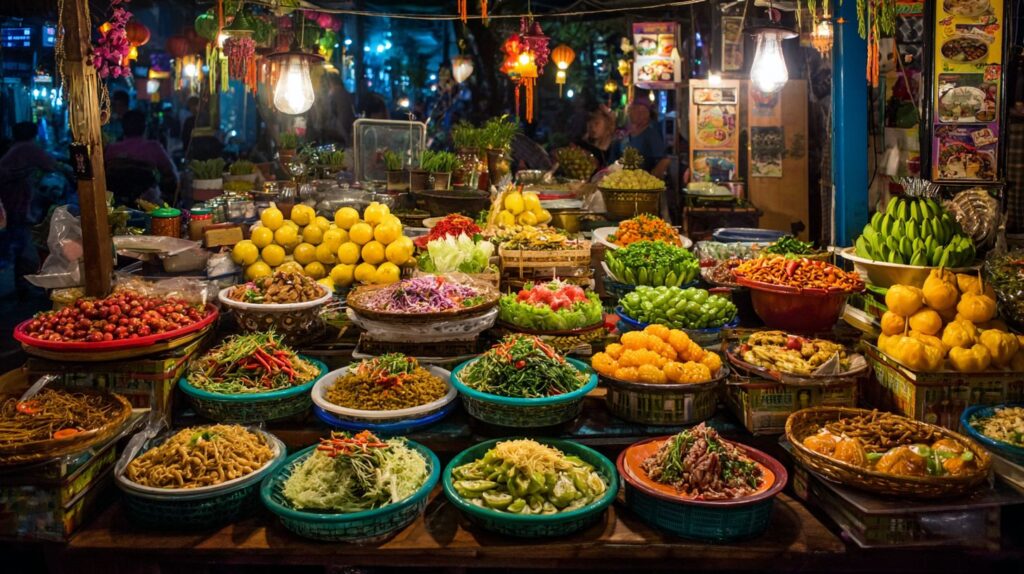
Spices are at the forefront of Top Southeast Asian Cuisine Trends in 2026: Spices, Street Food & Modern Twists, with hyper-local sourcing of rare varieties like Thai bird’s eye chilies and Vietnamese black pepper, blended into innovative spice pastes for health-focused dishes emphasizing anti-inflammatory benefits and umami depth.
What role does street food play in Top Southeast Asian Cuisine Trends in 2026: Spices, Street Food & Modern Twists?
Street food remains a cornerstone in Top Southeast Asian Cuisine Trends in 2026: Spices, Street Food & Modern Twists, evolving from hawker stalls into gourmet pop-ups featuring hygienic, sustainable versions of classics like roti canai and banh mi, infused with premium spices for upscale dining experiences.
What modern twists define the Top Southeast Asian Cuisine Trends in 2026: Spices, Street Food & Modern Twists?
Modern twists in Top Southeast Asian Cuisine Trends in 2026: Spices, Street Food & Modern Twists include tech-driven fermentation, 3D-printed spice-infused dumplings, and zero-waste street food concepts, merging tradition with sustainability and personalization via AI-curated flavor profiles.
Which countries lead the Top Southeast Asian Cuisine Trends in 2026: Spices, Street Food & Modern Twists?
Thailand, Vietnam, Indonesia, and Malaysia lead the Top Southeast Asian Cuisine Trends in 2026: Spices, Street Food & Modern Twists, with Bangkok’s night markets pioneering spice-forward street food fusions and Singapore’s chefs delivering modern twists on regional favorites for international acclaim.
How can home cooks adopt the Top Southeast Asian Cuisine Trends in 2026: Spices, Street Food & Modern Twists?
Home cooks can embrace Top Southeast Asian Cuisine Trends in 2026: Spices, Street Food & Modern Twists by experimenting with spice subscription boxes for authentic blends, recreating street food like laksa with air fryers for crisp modern twists, and incorporating fermented elements for bold, restaurant-quality meals.