Ever feel like you need a real break from the daily grind to recharge your health and connect with nature something bigger? In 2026, regional parks and gardens are stepping up as essential spots for wellness, conservation, and bringing communities together. You’ll see how these green spaces support our well-being and protect nature right where we live.
Table of Contents
Key Takeaways:
- Regional parks boost wellness by restoring mental health and serving as hubs for physical activity, essential in a post-pandemic world for overall well-being.
- These green spaces drive conservation by protecting biodiversity and building climate resilience, safeguarding ecosystems amid 2026 environmental challenges.
- Parks foster community through social connections and inclusive access, while generating economic value via tourism and local jobs.
Wellness Benefits in a Post-Pandemic World
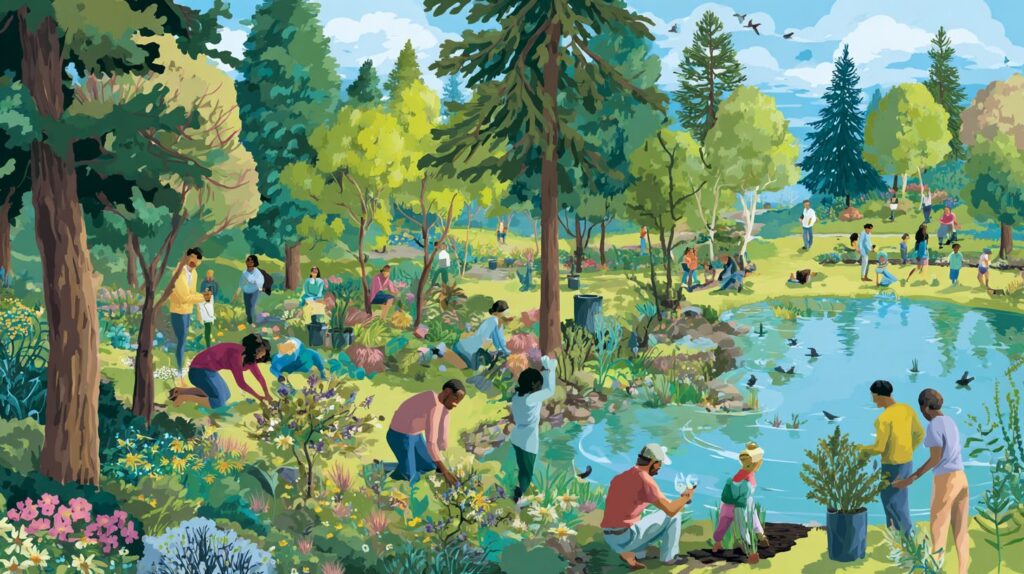
Green spaces like regional parks have emerged as essential for rebuilding physical and mental resilience after widespread isolation. These areas support holistic well-being by offering fresh air, natural light, and peaceful surroundings. The American Public Health Association policy statement s highlight nature‘s role in promoting health through public access to green spaces.
Post-pandemic recovery demands environments that foster both body and mind. Parks and gardens provide low-cost venues for exercise and relaxation, aiding communities in low-income neighborhoods. Experts recommend regular visits to build resilience against stress and illness.
Wellness extends to social connections formed during park outings. Families and friends gather for picnics or walks, strengthening bonds. This aligns with public health calls for integrating nature into urban planning and land use.
Regional parks encourage stewardship of natural resources while delivering direct health benefits. Simple exposure to trees and vegetation lowers daily tensions. Sustainable practices in these spaces ensure long-term access for all.
Mental Health Restoration
Spending time amid trees and vegetation in parks offers a natural antidote to everyday stress and urban fatigue. Attention restoration theory explains how natural settings replenish focus depleted by screen time and city noise. A walk through shaded paths gently resets the mind.
Try forest bathing walks in regional parks, where you absorb the scents and sounds of nature. Experts recommend 20-30 minute visits three times a week for noticeable mood lifts. CDC-aligned tips include pairing nature exposure with deep breathing to ease anxiety.
- Follow mindfulness trails marked with guided prompts for reflection.
- Explore sensory gardens filled with textured plants and calming water features.
- Practice grounding exercises by sitting under trees and noting five sensory details.
Post-work decompression becomes routine with park benches overlooking greenery. These practices combat mental fatigue without special equipment. Regular use builds emotional resilience in busy urban lives.
Physical Activity Hubs
Parks transform into dynamic hubs where trails and open fields encourage movement that combats sedentary lifestyles. Regional parks offer spaces for trail running, yoga on lawns, and community sports. These activity suit all fitness levels with low-barrier entry.
Start a routine with these steps to integrate parks into your week.
- Map park trails using apps like AllTrails to find beginner-friendly paths.
- Set simple goals such as walking until you reach 10,000 steps.
- Join group sessions like weekend soccer or tai chi classes on grassy areas.
CDC guidelines emphasize consistent activity to support physical health and reduce risks like obesity. Wide paths accommodate strollers for parents, while adaptive equipment aids those with mobility needs. Open fields host yoga sessions that build strength and flexibility.
Natural terrain adds variety to workouts, engaging muscles in fresh ways. Community events foster social ties during exercise, enhancing motivation. Parks promote safety and accessibility, making movement a joyful habit for urban dwellers.
Conservation Imperatives for 2026
With escalating environmental pressures, regional parks must prioritize biodiversity and climate change strategies to thrive by 2026. Urgent needs for stewardship call for action in green spaces that support wellness and community ties. Nature-based solutions align with global health strategies, like those from the WHO Global Strategy, by restoration natural habitats in urban areas.
These parks serve as vital conservation hubs, protecting land from development while fostering public access to nature. Local planning efforts emphasize sustainable land use to build resilience against climate change. Communities benefit from reduced stress and improved well-being through these efforts.
Regional gardens and parks promote ecosystem health, linking environmental care with social benefits. Experts recommend integrating trees and vegetation into park designs for long-term sustainability. This approach counters urban challenges like heat and flooding in low-income neighborhoods.
Stewardship in 2026 demands community involvement in restoration projects. Public participation ensures parks remain safe spaces for physical activity and mental restoration. Such initiatives strengthen social bonds and economic value in local areas.
Biodiversity Protection
Native plantings and wildlife corridors in parks safeguard diverse species against habitat loss. Regional parks focus on long-term ecosystem health through targeted actions distinct from climate infrastructure. This protects pollinators and native wildlife essential for food chains.
Plant pollinator gardens with species like milkweed and lavender to attract bees and butterflies. These gardens boost biodiversity while offering aesthetic appeal in public spaces. Community members can start small plots to expand habitat coverage.
- Monitor and remove invasive species through regular park walks and reporting.
- Organize community volunteer programs for hands-on weeding and planting days.
- Track bird and insect populations to measure protection success over time.
Examples from Descanso Gardens show how volunteer-driven efforts restore native flora. These programs enhance park sustainability and educate visitors on stewardship. Healthy ecosystems support mental well-being and reduce illness risks tied to environmental decline.
Climate Resilience Strategies
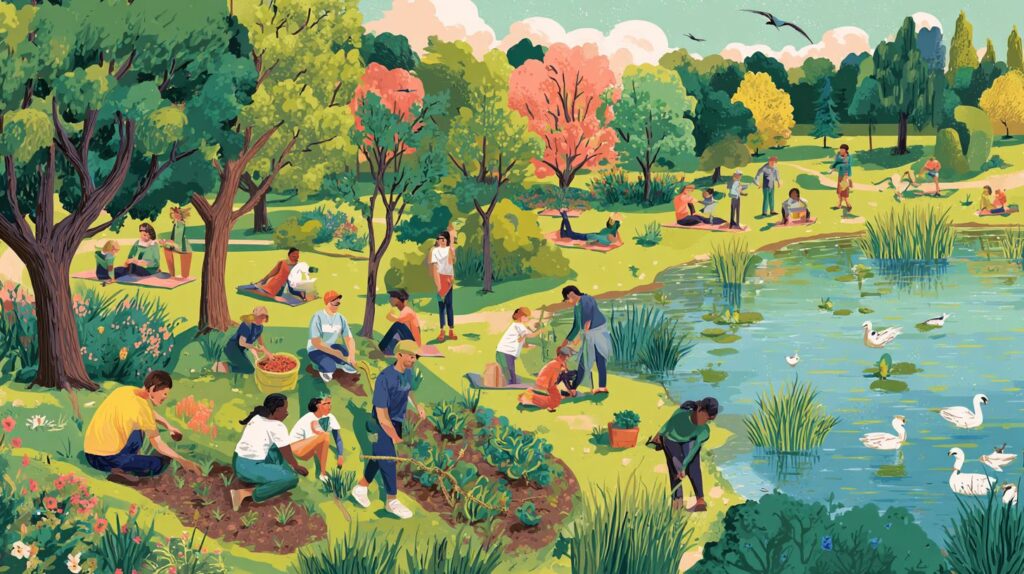
Strategic tree canopies and water features in parks mitigate urban heat islands and flooding risks. These measures build adaptive infrastructure focused on resilience, separate from species preservation. Urban planning like the OurCounty Plan highlights such green infrastructure for communities.
Install permeable pavements to allow water infiltration and reduce runoff. Pair them with rain gardens featuring layers of gravel, sand, and soil topped with deep-rooted plants like sedges or switchgrass. A simple DIY guide starts with digging a shallow basin, adding filter layers, then planting for absorption.
- Conduct resilience audits by mapping flood-prone areas in parks.
- Plant diverse trees for shade and carbon sequestration.
- Integrate native vegetation to stabilize soil and manage stormwater.
These strategies promote safety and access in low-income neighborhoods facing climate change. They encourage physical activity amid green spaces while cutting crime through better visibility. Resilient parks foster community capital and economic stability.
Community Building Through Green Spaces
Parks serve as neutral grounds fostering social ties and equity in diverse urban settings. According to NRPA insights, these green spaces act as vital social infrastructure that connects people across backgrounds. They promote well-being by encouraging interactions that build community resilience.
In cities facing isolation, parks offer shared spaces for physical activity and casual gatherings. Families and neighbors meet amid trees and gardens, reducing stress and supporting mental health. This natural setting strengthens bonds in low-income neighborhoods.
Urban parks also advance environmental stewardship through community events focused on sustainability. Residents learn about biodiversity and climate resilience while forming lasting relationships. NRPA highlights how such spaces deter crime prevention and enhance safety.
By prioritizing public access, parks become hubs for cultural exchange and economic vitality. They counter obesity risks with open areas for exercise, fostering inclusive communities ready for future challenges like climate change.
Social Connection Points
Picnic areas and event lawns spark interactions that strengthen neighborhood bonds and deter isolation. Group fitness classes draw crowds for yoga or walking groups under shady trees. These gatherings boost capital and mental restoration.
Cultural festivals turn parks into vibrant hubs. Plan one with this simple checklist: select a theme like local heritage foods, secure permits early, promote via community boards, and arrange cleanup crews. Such events reduce stress and promote well-being.
Prevention Institute and CDC tips emphasize eyes on the street for safety, reducing mortality risks. Active lawns encourage watchful presence that discourages crime. Host potlucks with easy recipes like veggie skewers, fresh garden salads, or fruit-infused water to invite sharing.
- Choose shaded spots for comfort during events.
- Pair activities with nature trails for added exercise.
- Follow up with feedback circles to build ongoing ties.
Inclusive Public Access
Equitable design ensures parks welcome all, from urban low-income neighborhoods in Los Angeles, California to families with varied needs. ADA ramps provide smooth paths for wheelchair users navigating gardens. Multilingual signage in languages like Spanish and Mandarin aids diverse visitors.
Free entry policies, such as Los Angeles County‘s Parks After Dark, extend access into evenings with lit paths and activities. These measures remove barriers, promoting physical activity and health equity. American Public Health Association (APHA) equity statements underscore the need for such inclusive policies.
Advocate by petitioning land use planning boards like those shaping OurCounty Plan for better features. Gather signatures highlighting benefits like reduced illness and enhanced community resilience. Push for vegetation buffers and water features that serve everyone.
Steps include: research local plans, form coalitions with neighbors, present data on well-being gains, and track progress. This approach fosters sustainability and counters environmental injustices in public spaces.
Economic Value of Regional Parks
Beyond wellness, parks drive revenue and employment, bolstering local economies through strategic investment. Reports from the Trust for Public Land (TPL) highlight positive ROI for park investments, showing how green spaces support fiscal health. These areas attract spending that funds community needs.
Regional parks contribute to economic resilience by drawing tourists and creating jobs. They enhance land use planning and infrastructure, turning natural assets into revenue sources. Local governments benefit from sustained funding for upkeep and expansion.
Conservation efforts in these parks promote sustainability and biodiversity, which appeal to eco-conscious visitors. Community programs tied to parks foster stewardship and reduce stress on public budgets. Experts recommend prioritizing such spaces for long-term economic gains.
Public access to nature boosts physical activity and well-being, indirectly supporting workforce productivity. Regional parks in urban and low-income neighborhoods prevent economic decline by offering restorative environments. This creates a cycle of investment and return.
| Metric | Tourism Impact | Jobs Impact |
|---|---|---|
| Visitor Draw | Boosts local spending on lodging, food | Supports seasonal and full-time roles |
| Revenue Cycle | Funds park maintenance, events | Multiplies through local hiring |
| Community Benefit | Increases tax base from attractions | Builds skills in green jobs |
Tourism Revenue Boost
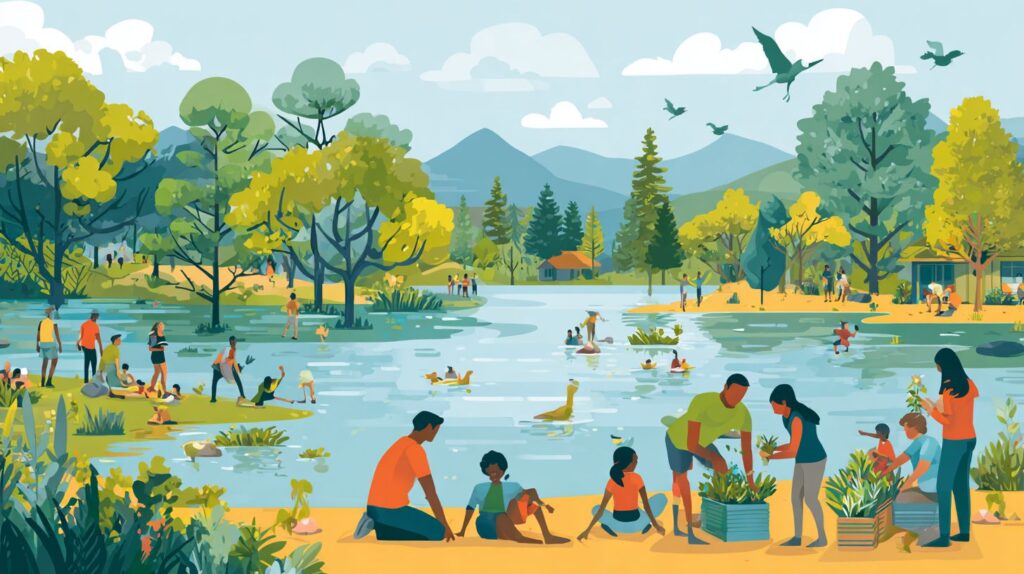
Signature attractions like themed gardens draw visitors, generating funds for upkeep and expansion. Regional parks with unique features, such as diverse vegetation and water elements, pull in crowds from beyond local areas. This supports tourism revenue essential for sustainability.
Take the Earvin “Magic” Johnson Recreation Area or Descanso Gardens as a case. Its blend of sports fields, trees, and gardens attracts families for events, boosting nearby businesses. Strategies like eco-tours highlight biodiversity and climate resilience.
Apps that reveal hidden gems encourage repeat visits and longer stays. These tools promote safety and access, turning parks into economic hubs. Urban parks often see high foot traffic, while regional ones offer expansive nature escapes.
| Park Type | Visitor Draw | Economic Focus |
|---|---|---|
| Urban Parks | Daily locals, events | Quick spending on concessions |
| Regional Parks | Out-of-town tourists | Extended stays, eco-activities |
| Gardens | Seasonal peaks | Tickets, guided experiences |
Planning themed attractions helps prevent illness by promoting exercise in green spaces. This focus on mental restoration and social benefits draws more revenue, aiding communities against obesity and stress.
Local Job Creation
Park operations sustain roles in horticulture, events, and maintenance for nearby residents. Positions like rangers and educators ensure public safety and environmental stewardship. The NRPA (National Recreation and Park Association) offers training paths for these jobs.
Community programs create an economic multiplier, where spending by visitors supports local hires. Horticulturists manage trees and gardens, while event staff handle gatherings that build social ties. Maintenance crews focus on resilience against climate change.
Hiring best practices include:
- Partner with local workforce development for low-income neighborhoods.
- Prioritize certifications in sustainability and biodiversity.
- Offer apprenticeships through American Association policy statements on benefits.
- Track jobs from visitor spending versus direct park operations.
Differentiating workforce development from spending impacts helps planners allocate resources. These efforts reduce crime and enhance well-being, creating stable employment in natural infrastructure.
Future-Proofing Parks for 2026 Challenges
Innovative tech and funding models prepare parks to withstand emerging urban and climate pressures. Policies like the United Nations Declaration on the Rights of Indigenous Peoples guide land stewardship by honoring traditional knowledge in park management. Parks & Recreation magazine highlights how these approaches build resilience for public green spaces amid rising demands.
Forward-looking strategies focus on blending technology with community involvement. This ensures urban parks support wellness, conservation, and social ties. Experts recommend integrating indigenous practices to enhance biodiversity and sustainability.
Operational shifts emphasize climate change adaptation through native vegetation and water-efficient designs. These efforts promote access to nature for low-income neighborhoods. Long-term planning secures parks as vital infrastructure for health and well-being.
Community engagement drives economic and environmental benefits. Programs reduce stress and encourage physical activity. Such models foster crime prevention and mental restoration in growing cities.
Tech-Integrated Experiences
AR trails and smart lighting enhance safety and engagement without disrupting natural serenity. Tools like Pokmon GO-style apps guide visitors through gardens and parks. These create immersive experiences that promote physical activity and nature connection.
IoT sensors manage crowds in real time for better safety. Partner with UCLA tech programs to implement these systems. Start by mapping high-traffic areas, then install sensors linked to park apps.
User tips include downloading park apps for personalized trails. Features offer AR overlays on trees and vegetation, boosting education on biodiversity. This tech supports mental well-being without overwhelming natural settings.
Such integrations improve access for all communities. They encourage exercise in urban green spaces. Visitors enjoy safer paths lit intelligently at dusk, reducing isolation concerns.
Sustainable Maintenance Models
Community-led funding and native landscaping cut costs while boosting resilience. Adopt-a-plot programs let locals care for garden sections. This builds stewardship and sustains public spaces amid climate challenges.
Launch green bonds step by step: assess park needs, secure municipal approval, then sell bonds to investors. Chicago public housing green upgrades show success with similar models. They transformed vacant lots into vibrant gardens using community input.
Clement Lau notes, “Policy must prioritize operational longevity through inclusive funding, aligning with WHO Global Strategy on health promotion.” Native plants reduce water use and support biodiversity. These cut maintenance while enhancing environmental benefits.
Models promote social ties and health outcomes. They lower illness risks tied to inactivity and stress. Long-term, they fortify parks against urban pressures, ensuring equitable access for all neighborhoods.
Frequently Asked Questions
Why do Regional Parks & Gardens Matter in 2026 for wellness?
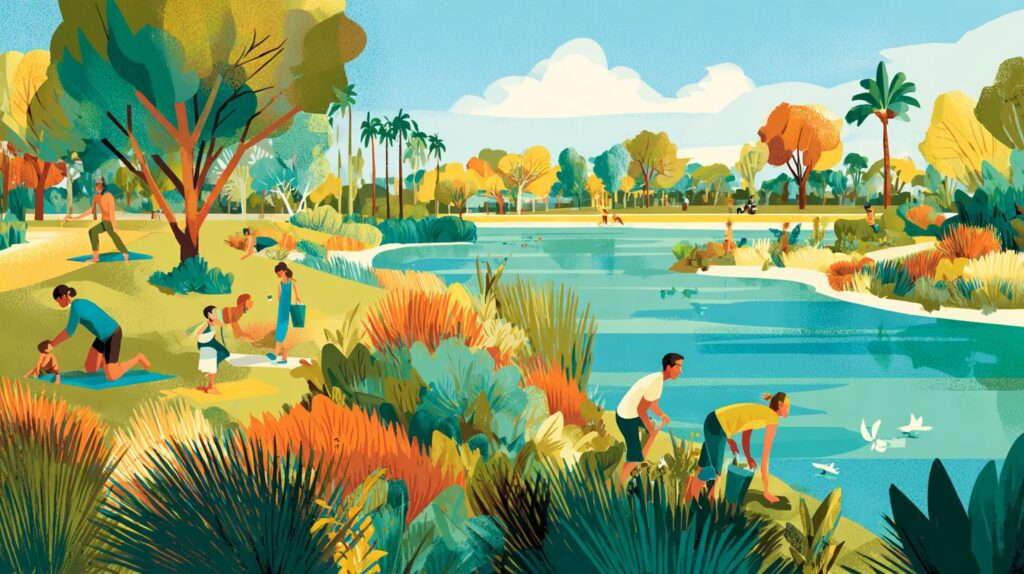
In 2026, Regional Parks & Gardens Matter in 2026: Wellness, Conservation & Community by providing essential green spaces that promote mental and physical health. These areas offer serene environments for exercise, mindfulness practices, and nature therapy, reducing stress and boosting immunity amid rising urbanization and post-pandemic health awareness.
How do Regional Parks & Gardens Matter in 2026 through conservation efforts?
Why Regional Parks & Gardens Matter in 2026: Wellness, Conservation & Community is evident in their role as vital conservation hubs. By 2026, they protect biodiversity, preserve native species, and combat climate change through carbon sequestration and habitat restoration, ensuring ecosystems thrive against global environmental challenges.
In what ways do Regional Parks & Gardens Matter in 2026 for community building?
Regional Parks & Gardens Matter in 2026: Wellness, Conservation & Community by fostering social connections. These spaces host community events like Parks After Dark, family gatherings, and inclusive activities in 2026, strengthening neighborhood bonds, promoting cultural exchange, and creating shared experiences that enhance social cohesion.
Why are Regional Parks & Gardens Matter in 2026 increasingly important for urban wellness? Insights from the American Public Health Association (APHA) and Centers for Disease Control and Prevention (CDC)
As cities grow denser, like in Los Angeles, California, Why Regional Parks & Gardens Matter in 2026: Wellness, Conservation & Community highlights their necessity for accessible wellness retreats. In 2026, they serve as oases for yoga, walking trails, and fresh air, addressing mental health crises and encouraging active lifestyles for all ages.
What role do Regional Parks & Gardens play in conservation by 2026? According to the WHO Global Strategy
Why Regional Parks & Gardens Matter in 2026: Wellness, Conservation & Community underscores their conservation significance, including sustainable practices like water recycling and native planting. By 2026, they act as models for environmental stewardship, as seen at places like Descanso Gardens and Earvin “Magic” Johnson Recreation Area in Los Angeles County, educating visitors and mitigating habitat loss in regional areas.
How will Regional Parks & Gardens Matter in 2026 for strengthening communities? Supported by the NRPA and Parks & Recreation magazine
In 2026, Regional Parks & Gardens Matter in 2026: Wellness, Conservation & Community by enabling community-driven initiatives such as volunteer clean-ups, local markets, and educational programs aligned with the United Nations Declaration on the Rights of Indigenous Peoples, OurCounty Plan, UCLA, Trust for Public Land (TPL), and Prevention Institute. Leaders like Clement Lau emphasize how these efforts build resilience, inclusivity, and a sense of belonging, vital for vibrant, supportive communities facing modern challenges, unlike the struggles seen in Chicago public housing.