Introduction to Lithuania in 2026
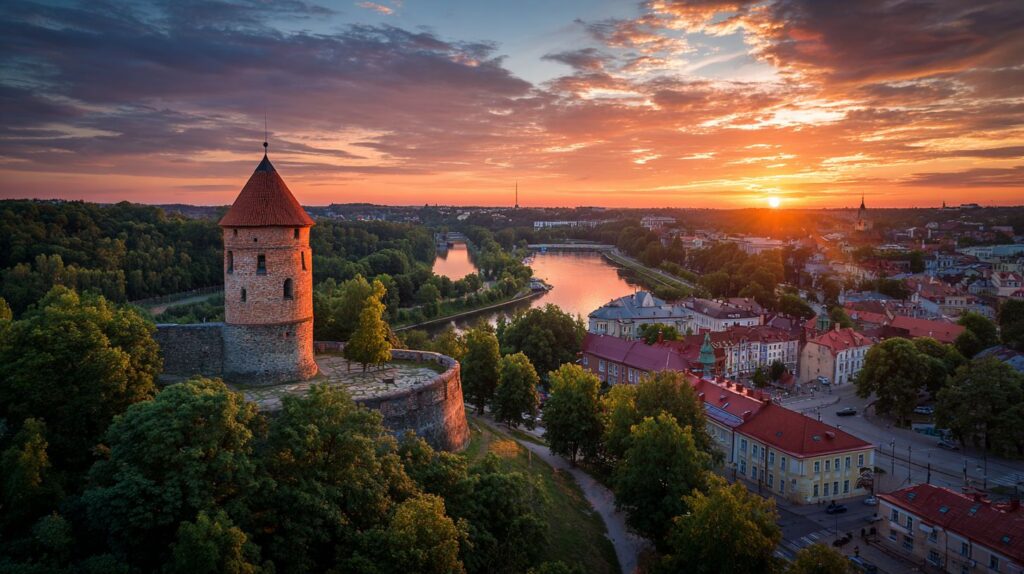
Planning a trip to Lithuania in 2026? You’ll love mixing its rich history in Vilnius with stunning nature spots like the Curonian Spit. These top 10 picks blend old-world charm, hikes, and Baltic vibes for an easy, memorable getaway.
Table of Contents
Key Takeaways:
- Discover Vilnius Old Town‘s UNESCO World Heritage charm and Gediminas Tower vistas, immersing in Lithuania’s medieval history amid 2026’s vibrant scene.
- Explore Trakai Island Castle and unique Karaite culture, then kayak Auktaitija National Park’s pristine lakes for nature thrills.
- Hike Curonian Spit‘s towering dunes, marvel at Hill of Crosses, and savor Baltic cuisine on coastal cycle trails in 2026.
1. Explore Vilnius Old Town (UNESCO Heritage)
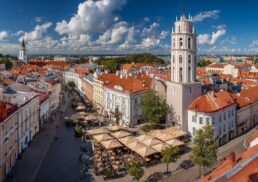
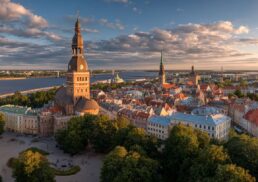
Vilnius Old Town, a UNESCO World Heritage site, unfolds like a living museum with baroque architecture, hidden courtyards, and vibrant street art that draws visitors into Lithuania’s historic heart. As the largest intact old town in Northern Europe, it blends medieval streets with Renaissance gems. Start your adventure at the Gate of Dawn for an immersive journey.
Opt for self-guided walks using free audio tours on apps like VoiceMap to uncover stories behind landmarks. These tours highlight spots like the Cathedral Square and St. Anne’s Church. Combine this with a stroll into Uupis republic, a bohemian district famous for its quirky constitution and street art.
Plan a 2-3 hour itinerary from Gate of Dawn: wander Pilies Street for cafes, peek into courtyards, then cross to Uupis for murals and the angel statue. Early mornings avoid crowds and offer peaceful vibes. This path captures Vilnius Old Town‘s essence without rushed private tours.
Experts recommend pairing walks with local cafes for cepelinai dumplings. Wear comfortable shoes for cobblestones. This approach lets you experience Baltic culture at your pace in this UNESCO world heritage site.
Gediminas Tower Views
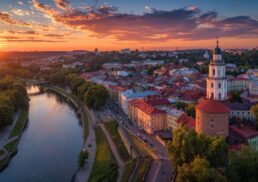
Climb Gediminas Tower for sweeping panoramas of Vilnius Old Town’s red-tiled rooftops and the Neris River winding through the city. The tower stands as a symbol of Lithuania’s past on Gediminas Hill. It offers the best vantage point for photos.
Follow these steps for a smooth visit: First, take the funicular from the base for a quick 5-minute ride at EUR2-3 roundtrip. Next, ascend 102 steps to the observation deck in about 10 minutes. Finally, explore museum exhibits on Grand Duchy history inside.
Time your trip for sunset views when the city glows golden. A common mistake is visiting midday amid crowds, so go early morning instead. Allocate 45-60 minutes total for the full experience.
Pair the tower with the Palace of the Grand Dukes below for deeper history. The palace displays artifacts from Lithuania’s golden age. This combo enriches your Vilnius day with authentic Baltic state insights.
2. Visit Trakai Island Castle
Perched on an island in Lake Galv, Trakai Castle stands as Lithuania’s fairy-tale fortress, offering a glimpse into 14th-century grandeur just 30 minutes from Vilnius.
Reach this must-see site by bus or train from Vilnius for a quick trip. In summer, take a boat across the lake for EUR5-10 to add scenic charm. History buffs love the moat walks and detailed exhibits on medieval life.
Explore the red-brick towers and grand halls that once housed dukes. Walk the wooden bridge to the island for panoramic views. Combine with nearby nature trails for a full day outing.
Arrive early to avoid crowds and enjoy peaceful reflections on Lithuania’s resilient past. The castle’s setting feels like stepping into a storybook amid the Baltic state‘s serene waters.
Karaite Culture Experience
Immerse in the unique Karaite heritage around Trakai, where this Turkic community’s traditions blend with Lithuanian history through kibinai pastries and wooden houses.
Start at the Karaite Museum for a 45-minute visit at EUR4, learning about their customs and faith. Then head to Kybynlar restaurant to taste meat-filled kibinai or vegetarian options. Wrap up with a walk to Uutrakis Manor gardens for blooming landscapes.
Book private tours or small group options for deeper cultural insights into their unique cuisine and architecture. Plan for 2 hours total, avoiding peak lunch rushes for relaxed pacing.
This experience highlights Trakai’s diverse layers, connecting Vilnius Old Town vibes with ethnic traditions. Sample the flaky pastries fresh and stroll the manor paths for a complete cultural dive.
3. Wander Kaunas Medieval Streets
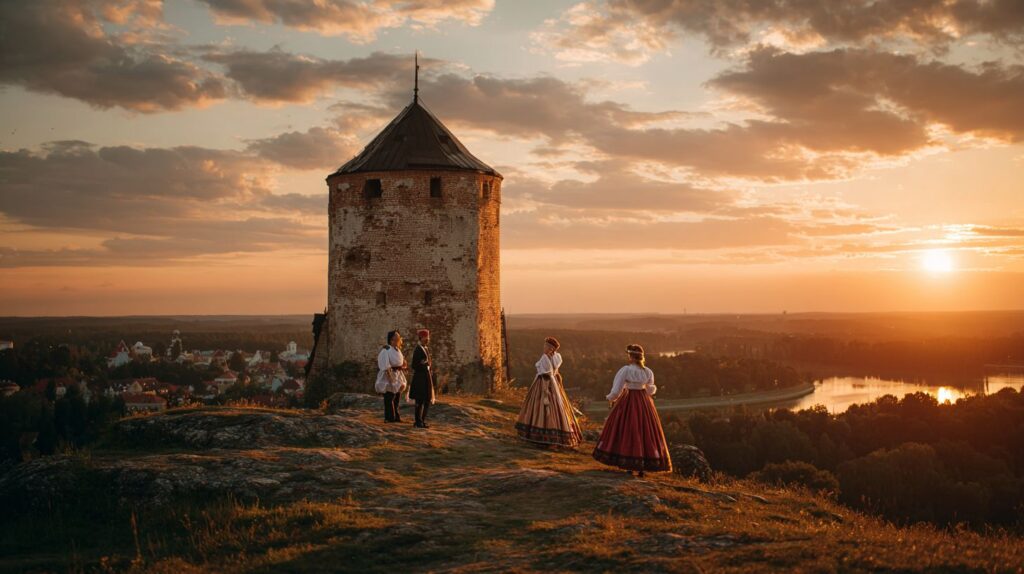
Kaunas buzzes with medieval streets lined by half-timbered houses, street art murals, and the elegant Vilnius Street perfect for leisurely exploration. This Baltic state gem offers a raw charm compared to busier Vilnius old town. Plan for a 3-hour self-guided walk to soak in its history and culture.
Start your 2km route at Kaunas Castle, a 14th-century fortress by the Nemunas River. Walk along cobblestone paths past colorful merchant houses toward the Town Hall square. The area blends Gothic and Renaissance styles with vibrant street art nearby.
Continue to St. Anne’s Church, a stunning red-brick Gothic masterpiece that caps the route. Pick up a free Kaunas Card for discounts on cafes and sites along the way. Evenings bring magical lights, making the streets glow for a romantic stroll.
Unlike polished Vilnius, Kaunas feels more authentic and less touristy. Nearby, visit the genocide museum for a poignant, self-paced look at Lithuania’s interwar architecture and somber history. Pair it with Vilnius Street cafes for amber souvenirs or local bites.
4. Hike Auktaitija National Park
Auktaitija National Park reveals Lithuania’s wild side with pristine lakes, pine forests, and pagan hill forts ideal for immersive hikes. Known as the Land of Lakes, it features over 100 shimmering bodies of water nestled among dense woods. This national park offers a peaceful escape from Vilnius.
Start with the Ginuiai trail, a 5km easy loop that winds through ancient pagan sites and scenic viewpoints. The path suits all fitness levels and reveals hill forts from Lithuania’s distant past. Expect fresh air and bird songs along the way.
Rent bikes on-site for about EUR10 per day to cover more ground quickly. Plan a day trip from Vilnius via bus, which takes around three hours and drops you near trailheads. Pack water, snacks, and sturdy shoes for the best experience.
Combine hiking with nearby spots like Lake Galve for a full day of Baltic nature. Trails highlight the park’s role in preserving old traditions amid modern travel. This adventure fits perfectly into any Lithuania itinerary.
Lake Kayaking Adventures
Paddle serene lakes in Auktaitija, gliding past reed islands and spotting rare birds in this unspoiled natural haven. Kayaking here immerses you in Lithuania’s pristine waters, surrounded by pine-scented forests. It’s a top way to connect with Baltic Sea nature.
Follow these steps for a smooth outing. First, rent kayaks from Stripeikiai for about EUR15 for two hours. Then, paddle the marked route to Ladakalnis Hill, a 3km trip that takes roughly 1.5 hours.
- Rent kayaks from Stripeikiai outpost.
- Follow the marked route to Ladakalnis Hill.
- Picnic at stunning viewpoints with lake panoramas.
Opt for guided small group tours if you’re new to paddling. A common mistake is forgetting waterproof bags, so pack everything dry. Head out in the morning for calmer waters and fewer crowds.
Safety comes first with life jackets mandatory at all rentals. This activity pairs well with hikes or bike rides in the park. Kayaking reveals hidden gems like quiet coves near pagan sites.
5. Discover Curonian Spit Dunes
The Curonian Spit, a UNESCO World Heritage site, mesmerizes with towering sand dunes, fishing villages like Nida, and Baltic Sea breezes. This narrow strip of land stretches between Lithuania and Kaliningrad, offering a mix of nature and culture. Visitors come for its unique landscapes shaped by wind and sea.
Access the spit via a quick ferry from Klaipda, which takes about 20 minutes and costs around EUR5 for a car. Once there, climb the Parnidis Dune at 55 meters for panoramic views over the sand dunes and Baltic Sea. The Treetop Walking Path, a 1.5 km boardwalk, provides an elevated perspective through pine forests for about EUR10 entry.
Explore the Hill of Witches with its wooden sculptures inspired by Lithuanian folklore. Rent a bike for EUR12 per day to cover more ground easily. In Nida, wander the old fishing village streets lined with amber shops and galleries.
A sample itinerary starts with a bus from Klaipda to Nida, followed by a hike through the eerie Dead Dunes. For deeper insights, book private tours from Vilnius that include small group visits to the national park. These trips highlight the spit’s fragile ecosystem and cultural heritage.
6. Tour Hill of Crosses Mystery
Near iauliai, the Hill of Crosses rises as a haunting pilgrimage site blanketed in thousands of crosses symbolizing faith and defiance. This unique spot in Lithuania draws visitors to its sacred mounds covered in wooden, metal, and rosary-adorned crosses. It stands as a powerful emblem of the nation’s resilience against historical oppression.
Plan a 3-hour day trip from Vilnius via bus or organized tour, with costs around EUR40-60. Buses run regularly from Vilnius to iauliai, and from there a short ride reaches the dunes hill crosses. Add your own personal cross for about EUR1 at nearby vendors to join the tradition.
Explore quietly and respect the silence of this spiritual place; voices echo softly among the crosses. Wear sturdy shoes for the uneven terrain, and visit in the morning for the best light in photography. Combine it with nearby Airsoft Valley for an active afternoon twist, or venture to town sand areas nearby.
Reflect on the site’s history of resilience, from Soviet bulldozers to quiet rebuilds by locals. This emotional experience connects to Lithuania’s broader story, much like visits to the Kaunas genocide museum. Pair it with a stop in iauliai for local amber souvenirs before returning to Vilnius old town.
7. Relax in Druskininkai Spas
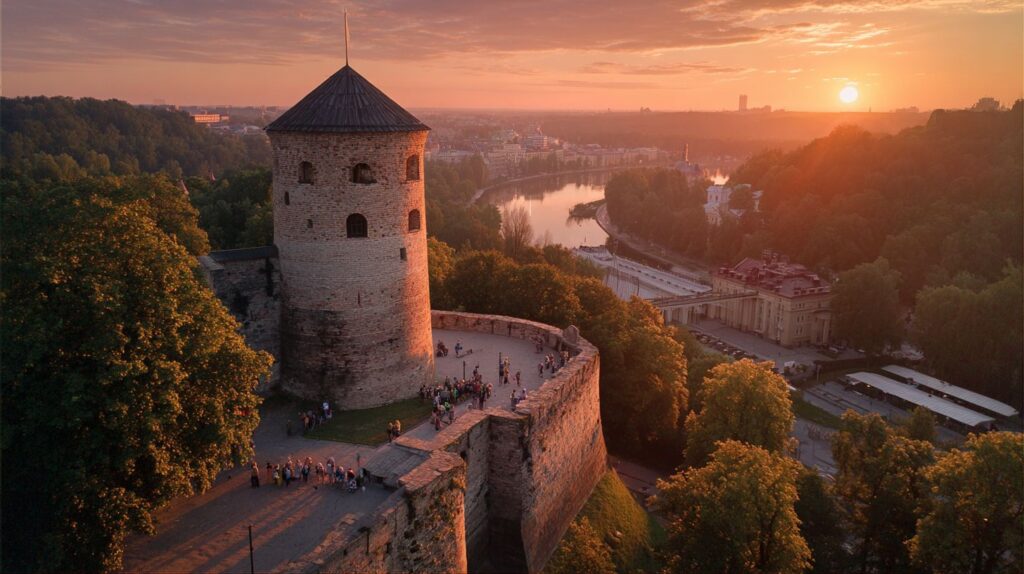
Druskininkai offers rejuvenating mineral spas amid pine forests, perfect for unwinding after exploring Lithuania‘s dynamic attractions. This southern spa town provides a peaceful escape with its natural springs and wooded surroundings. Visitors often pair it with trips from Vilnius old town or the Curonian Spit.
Start with the Aqua Park, featuring thrilling slides and relaxing saunas for around EUR25 per day, reminiscent of spa vibes in Switzerland. Mineral baths soothe muscles and skin with their therapeutic properties. Book 2-hour treatments, priced at EUR30-50, for a personalized wellness experience.
Travel by train from Vilnius, a comfortable 2-hour journey through scenic landscapes. Follow a simple wellness itinerary: spend mornings in the spa, then enjoy afternoon forest walks on easy trails. This routine refreshes body and mind after visits to sites like Trakai Castle or Hill of Crosses.
Compared to Scandinavia, including relaxing spots like those in Norway, Ireland, or Scotland, Druskininkai spas prove more affordable and less crowded than luxury escapes in Japan. Enjoy similar pine-scented relaxation without the high costs of Norway or Sweden. It’s an ideal spot in this Baltic state for quiet rejuvenation near Kaunas or Klaipeda.
8. Taste Lithuanian Baltic Cuisine
Savor hearty Lithuanian dishes like cepelinai dumplings and smoked fish, influenced by Baltic Sea bounty and forest foraging. These flavors reflect Lithuania’s roots as a Baltic state, blending fresh seafood with potatoes and mushrooms. Expect generous portions in cozy taverns across Vilnius Old Town and beyond.
Follow a food trail to highlight regional specialties. In Vilnius, try altibariai cold beet soup at Etno Dvaras for a refreshing summer bite, near the quirky Uupis district. Head to Trakai Castle near Lake Galv for kibinai pastries at the castle area, then taste herring in Nida on the Curonian Spit amid sand dunes.
Pair meals with craft beers from vyturys, a staple in Klaipda pubs. Vegan options are growing in Kaunas cafes, featuring plant-based cepelinai. Shop for amber jewelry in Nida markets while enjoying fresh picks at Hales Tigra hall.
Join a cooking class in Kaunas for about EUR35 to learn making kibinai hands-on. Explore street food near Gediminas Tower or Uzhupis district for modern twists. This culinary journey ties into Lithuania’s UNESCO World Heritage sites like the Curonian Spit.
9. Attend Kernav Archaeological Festival
Kernav’s UNESCO world heritage site hill forts host summer festivals celebrating Lithuania’s ancient pagan roots with reenactments and crafts. Expect the event in July 2026, typically drawing crowds to this historic spot near Vilnius. Plan a day trip to immerse in Baltic culture.
Take a bus from Vilnius, which runs about one hour to Kernav. Once there, hike the 5 hill forts trail, a 3km path winding through ancient mounds with valley views. Wear comfortable shoes for the gentle slopes.
Watch blacksmith demos and taste local mead amid lively reenactments of pagan rituals. Families enjoy hands-on crafts like pottery making. Free entry makes it accessible, but book a campsite early for overnight stays.
For flexibility, self-tour anytime using QR audio guides at the site. Combine with nearby Trakai Castle or Vilnius Old Town for a full itinerary. This festival highlights Lithuania’s rich history alongside natural beauty.
10. Cycle Baltic Sea Coast Trails
Pedal scenic Baltic Sea coast trails from Klaipda along the Curonian Spit, passing dunes and lighthouses with sea views. Rent e-bikes in Klaipda for about EUR20 per day to make the journey easy. This flat path suits beginners and offers fresh sea air.
The 20km Smiltyn-Nida route takes around 3 hours at a relaxed pace. Stop at Hill of Witches to see carved wooden figures and Parnidis Dune for panoramic views. Use apps like Komoot to navigate and find rest spots.
Join small group tours for EUR50 to learn about the area’s history from local guides. Pack a windbreaker as coastal winds pick up quickly. Compare to Ireland or Scotland: paths here feel warmer with sandier terrain.
Explore the Curonian Spit National Park, a UNESCO World Heritage site near Klaipda. Cycle past amber stalls in Nida, spot wildlife in the Dead Dunes, and try the dune treetop Treetop Walking Path. This activity blends nature and Baltic culture perfectly for 2026 visitors.
Frequently Asked Questions
What are the Top 10 Things to Do in Lithuania in 2026: History, Nature & Baltic Culture?
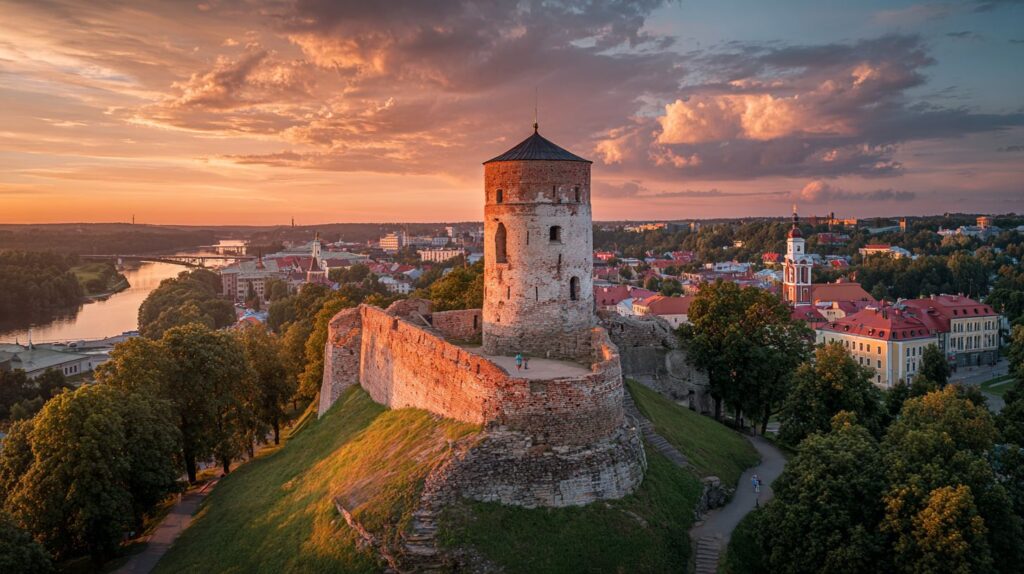
The Top 10 Things to Do in Lithuania in 2026 blend rich history, stunning nature, and vibrant Baltic culture. Highlights include exploring Vilnius Old Town (UNESCO World Heritage site), near Gediminas Tower and Palace of the Grand Dukes, hiking in Auktaitija National Park, visiting Trakai Castle on its island lake, discovering the Hill of Crosses, wandering Kaunas‘ modernist architecture, boating in Curonian Spit dunes, experiencing Grtas Park’s Soviet sculptures, tasting traditional cepelinai in rural farmsteads, joining a Baltic song festival near St. Anne’s Church, and touring the Cold War Museum in emaitija region.
Why visit Lithuania in 2026 for history, nature, and Baltic culture?
2026 marks special events like the Baltic cultural festivals and EU heritage initiatives, making it ideal for the Top 10 Things to Do in Lithuania in 2026: History, Nature & Baltic Culture. Lithuania’s medieval castles, pagan heritage sites, pristine forests, and unique amber crafts offer an authentic Baltic experience away from crowds.
What historical sites are in the Top 10 Things to Do in Lithuania in 2026: History, Nature & Baltic Culture?
Key historical gems include the gate dawn views at Vilnius Cathedral and its underground tunnels, Trakai Castle (former palace grand dukes seat), the Ninth Fort in Kaunas (WWII history), and the eerie Hill of Crosses, a pilgrimage site with over 200,000 crosses symbolizing resilience.
Which nature spots feature in the Top 10 Things to Do in Lithuania in 2026: History, Nature & Baltic Culture?
Nature lovers in the Top 10 Things to Do in Lithuania in 2026: History, Nature & Baltic Culture should prioritize Auktaitija National Park’s 126 lakes and hiking trails, the shifting sand dunes of Curonian Spit (UNESCO World Heritage), Vent Cape birdwatching station near the Baltic Sea, and Dzkija National Park’s wild pine forests perfect for foraging and kayaking.
How to experience Baltic culture in the Top 10 Things to Do in Lithuania in 2026: History, Nature & Baltic Culture?
Immerse in Baltic culture via the Top 10 Things to Do in Lithuania in 2026: History, Nature & Baltic Culture by attending the Song and Dance Celebration (expected in 2026 cycle), visiting Rumiks Open-Air Ethnographic Museum for folk traditions, exploring Kernav’s ancient hill forts (UNESCO), and enjoying markets with amber jewelry and akotis tree cakes.
What are some tips for planning the Top 10 Things to Do in Lithuania in 2026: History, Nature & Baltic Culture?
For the Top 10 Things to Do in Lithuania in 2026: History, Nature & Baltic Culture, plan via Vilnius or Kaunas airports, rent a car for rural nature spots, visit in summer for festivals or autumn for foliage, book UNESCO sites early, and try local saunas (pirtis) for authentic Baltic wellness experiences.