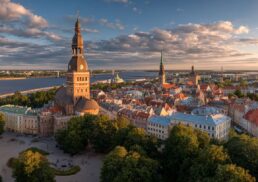
Planning a trip to Lithuania in 2026? Whether you’re drawn to the charming streets of Vilnius or the Baltic coast’s natural beauty, this guide has you covered with practical picks for stays, eats, and spots to explore.
It’s all about making your time there easy and memorable, from Old Town wanders to cozy agritourism spots.
Table of Contents
Key Takeaways from this Lonely Planet style travel guide:
- Vilnius Old Town, a UNESCO World Heritage Site, offers UNESCO-listed charm with baroque architecture; stay in boutique hotels and savor cepelinai dumplings in vibrant dining spots.
- Explore Trakai Castle on scenic lakes and the mystical Hill of Crosses; opt for unique agritourism stays nearby for authentic ecotourism experiences.
- Hike the Curonian Spit dunes and enjoy coastal seafood; Kaunas provides modernist architecture hotels, best visited in summer for outdoor adventures.
Planning Your Trip
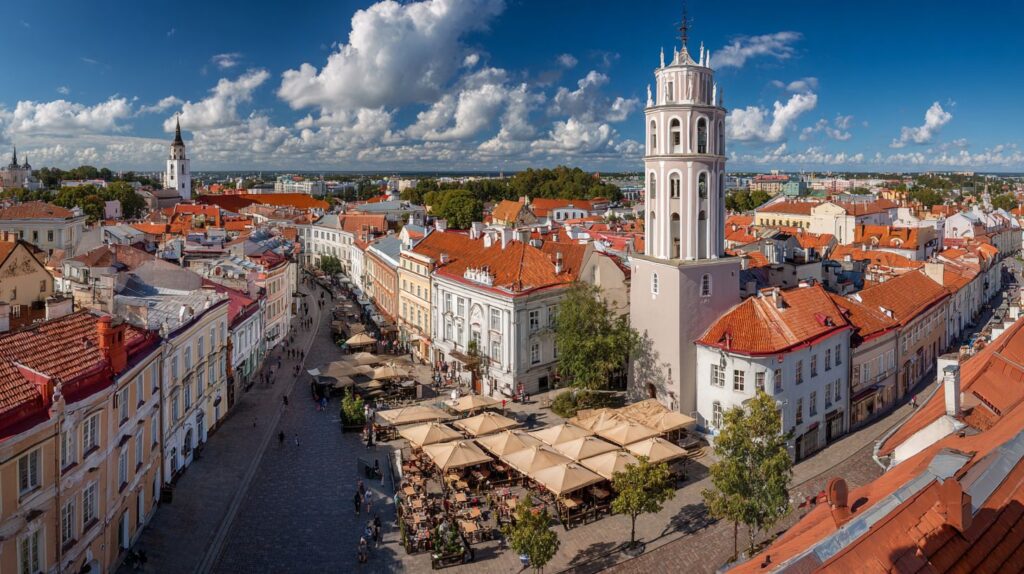
Start planning your Lithuania adventure with insights on optimal timing and seamless transportation options across this compact Baltic nation. Summers bring festivals in Vilnius and beach days at Nida, while winters offer cozy saunas and folk song events. Focus on flights to main airports and local trains or buses for easy access to UNESCO sites like Hill of Crosses and Trakai Castle.
Book early for peak season to secure spots on ferries to the Curonian Spit. Pack layers for the changeable Baltic weather, and consider cycling paths for sustainability in travel through Auktaitija National Park. Ground options like rental cars open up hidden gems in Dzkija and emaitija regions.
Best Time to Visit
Lithuania’s seasons each offer distinct appeals, from summer festivals in Vilnius to autumn mushroom foraging in Auktaitija National Park. June through August draws crowds for beach time at Nida on the Curonian Spit and the vibrant Song Festival every four years. Expect warm days around 20-25 degreesC, perfect for exploring baroque architecture in old towns.
Spring from April to May brings blooming landscapes ideal for birdwatching and hiking in forests and lakes. Fewer tourists mean peaceful walks in Kernav’s archaeological sites. Pack rain gear as showers are common in this transitional season.
Autumn, September to October, shines for mushroom foraging and cepelinai feasts with fresh finds from Suvalkija fields. Colors peak in Dzkija’s pine woods with mild weather and thin crowds. Winter, December to February, invites wellness at saunas and cozy folk songs events in Lithuania Minor halls.
Experts recommend layers for all seasons due to Baltic winds. Summer suits families for Palanga resorts, while autumn appeals to nature lovers seeking ecotourism in emaitija National Park‘s lakes.
Getting There & Around
Reaching Lithuania is straightforward via Vilnius Airport, with efficient trains, buses, and rental cars making it easy to explore Kaunas, Trakai, and beyond. Other gateways include Kaunas and Palanga airports, with direct flights from major European hubs. Low-cost carriers connect from cities like London, Berlin, and Warsaw, as recommended by experts like Olga Gonarova.
For ground travel, use LTG Link trains between Vilnius and Kaunas, or buses like FlixBus and Lux Express for routes to Nida and Uzupis. Rent cars from Sixt or Hertz at airports for flexibility in visiting Hill of Crosses or modernist architecture in Kaunas, the 2022 European Green Capital.
- Book summer ferries to Curonian Spit early to avoid sellouts.
- Opt for cycling paths in Vilnius or national parks for sustainable trips.
- Try buses for budget travel to Trakai Island Castle.
To rent bikes in Vilnius: First, head to a shop near the Old Town like Cykloteka. Select a model suited for city paths or longer rides to Grtas Park. Secure a helmet, check tire pressure, and use apps for route maps to Uupis or Gediminas Tower. Ideal for hiking and biking trails.
Where to Stay
From boutique hotels in Vilnius Old Town to spa resorts in Druskininkai, Lithuania offers diverse stays blending luxury, nature, and cultural immersion. Regions like the Baltic Sea coast feature beachfront options, while Auktaitija‘s lakeside cabins emphasize ecotourism. Inland areas such as Kaunas highlight modernist architecture paired with wellness retreats.
Sustainability drives many choices, from solar-powered homesteads in Dzkija forests to zero-waste hotels in the capital. Agritourism thrives in emaitija and Suvalkija, offering farm stays with homemade cepelinai and foraging tours. Expect price ranges from budget hostels at ~EUR30/night to luxury suites at ~EUR150+ in peak season.
Booking tips include direct reservations for deals and checking for ITB award-winning wellness spots. Prioritize properties near UNESCO sites like Hill of Crosses or Trakai Castle for easy access to culture and nature. Families enjoy glamping in national park s, while couples seek saunas in Birtonas.
Coastal gems on the Curonian Spit provide sea views and birdwatching, complementing urban stays in Kaunas or Vilnius. This mix ensures immersive travel across Lithuania’s landscapes.
Vilnius Accommodations
Vilnius, the European Green Capital, boasts stays from historic guesthouses in UNESCO Old Town to artistic retreats in independent Uupis. Pacai Hotel stands out with its luxury baroque style and spa facilities. Nearby, Artagonist offers boutique charm in a renovated heritage building.
For budget travelers, Hostel Geppetto delivers clean dorms at ~EUR30/night with a lively common area. Uupis Airbnbs immerse guests in the micro-nation’s quirky vibe, often featuring folk art and angel statues. Book via Booking.com, Amazon.com, or direct for potential deals, check for ITB Health Tourism Award winners.
| Option | Pros | Cons |
|---|---|---|
| City Center (Old Town) | Walk to baroque churches, cafes; vibrant nightlife | Noisier, pricier parking |
| Suburbs/Uupis | Quieter, artistic community; cheaper eats | Longer walks or bus rides to main sights |
Choose center for convenience near Kernav day trips, suburbs for authenticity. Sustainability perks include eco-hotels with bike rentals for cycling Old Town. Check ITB award spots.
Kaunas & Coastal Hotels
Kaunas‘ modernist architecture pairs with coastal gems like Nida‘s beachfront hotels on the Curonian Spit. Hesketh Hotel in Kaunas blends contemporary design with city views. Mono Hotel adds minimalist style near cultural hubs.
On the coast, Sunset Beach Hotel in Nida offers Baltic Sea vistas and spa saunas. Palanga spa resorts provide wellness with sand dunes and cycling paths. ITB award-winning options focus on nature-integrated amenities like forest trails.
| Location | Amenities | Sea Views |
|---|---|---|
| Kaunas (Hesketh/Mono) | Modernist vibes, rooftop bars, cultural walks | Limited |
| Nida (Sunset Beach) | Beach access, saunas, birdwatching | Panoramic |
| Palanga Spas | Wellness pools, hiking nearby | Direct beachfront |
Book coastal stays early for summer, Kaunas for shoulder seasons. Enjoy altibariai dinners and proximity to Lithuania Minor heritage.
Unique Stays & Agritourism
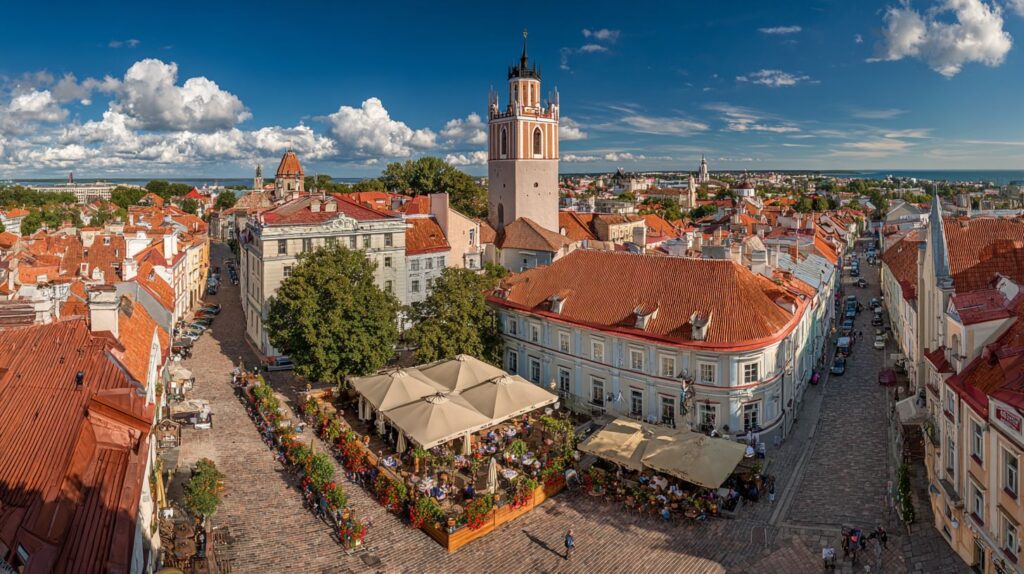
Embrace Lithuania‘s rural heart with agritourism homesteads in Auktaitija National Park or glamping amid Dzkija National Park‘s forests. Use the Rural Tourism Portal to find sodybos in emaitija lakes cabins or Suvalkija farms. Treehouses in national parks offer elevated nature escapes with hiking access.
In Birtonas, spa saunas provide wellness amid mineral springs. Expect homemade cepelinai, mushroom foraging tours, and folk songs around evening fires. Prices start at ~EUR50/night for shared facilities, higher for private cabins.
- Search Rural Tourism Portal by region like Auktaitija for lakeside spots.
- Contact hosts directly for custom experiences such as birdwatching or cycling.
- Pack for outdoor activities; many include breakfast with local altibariai.
These hidden gems promote sustainability through organic farms and ecotourism. Ideal for immersing in Baltic culture beyond cities like Trakai or Nida.
Top Places to Eat
Savor Lithuania‘s hearty cuisine, from Vilnius’ Michelin-recommended spots to regional farm-to-table experiences. Potato-based dishes like cepelinai dominate menus, while cold beet soups called altibariai refresh on summer days. Expect bold flavors from mushrooms, smoked fish, and local beers.
Travelers find ethnographic farms and markets ideal for authentic tastes. Coastal areas highlight Baltic Sea catches, paired with local beers like vyturys. Many spots offer birdwatching views. Wellness spots in spa towns like Birtonai add mineral water tastings to meals.
For vegan options, many Vilnius spots adapt traditional recipes with plant-based fillings. Book ahead in peak season to secure tables at popular venues. Pair dishes with craft beers from Kaunas breweries for a full experience.
Explore mushroom foraging tours in Auktaitija National Park to source ingredients yourself. Cooking classes in Vilnius teach cepelinai preparation in 1-2 hours. These activities blend culture and nature seamlessly, uncovering hidden gems.
Traditional Lithuanian Cuisine
Dive into cepelinai stuffed with meat or mushrooms, these potato dumplings, paired with altibariai on warm summer days. These potato dumplings form the heart of Lithuanian meals, often served with sour cream or bacon sauce. Kibinai pastries offer flaky, portable bites filled with meat or cheese.
Try these at ethnographic farms in Dzkija National Park or emaitija regions. Markets in Vilnius Old Town bustle with vendors selling fresh versions. Foraging tours in forests near Curonian Spit yield wild mushrooms for authentic flavors.
Join a cooking class in Vilnius to roll your own cepelinai. Classes last 1-2 hours, so bring an apron and comfortable shoes. Instructors share tips on grating potatoes finely for the perfect texture.
Pair with local rye bread and herbal teas from Suvalkija fields. These spots immerse you in Lithuanian culture in Lithuania, from folk songs at farm dinners to saunas afterward. Sustainability shines through seasonal, local sourcing.
Vilnius Dining Scene
Vilnius’ dining evolves with spots like Olga Gonarova‘s innovative takes on Baltic flavors. Michelin Guide mentions highlight places like Diaugsmas for contemporary Lithuanian dishes. Ethna serves traditional fare in a cozy setting, while Lokys evokes medieval times with wild game.
Expect vegan options at most venues, such as mushroom cepelinai or beet-based salads. Reserve tables for peak season, especially in Uupis or Old Town. Walk-ins work for casual markets nearby.
Diaugsmas reimagines altibariai with modern twists, perfect after exploring baroque architecture. Lokys pairs hearty stews with mead in a timbered hall. These align with Vilnius as European Green Capital through fresh, local ingredients.
Combine meals with nearby sights like Trakai Castle or Kernav hill forts. Evening spots offer live folk songs, enhancing the cultural vibe. Experts recommend starting with small plates to sample widely.
Coastal & Regional Eats
Coastal Nida offers smoked fish, while Kaunas and spa towns like Druskininkai serve healthful regional fare. Eimbikiai in Nida specializes in Curonian Spit catches, like herring with dill. Lonely Planet picks highlight these for fresh Baltic Sea tastes.
In Kaunas, Bsi Treias pairs craft beers with potato pancakes and sausages. Birtonas mineral water tastings complement light soups at wellness resorts. Druskininkai spots focus on forest berries and herbs from Dzkija.
Try kibinai from Lithuania Minor bakeries near the coast. Pair smoked eel with vyturys lager for balance. Cycling paths link eateries to birdwatching spots in Nemunas Delta.
Spa resorts integrate meals with saunas and hiking in national parks. Regional farms in Auktaitija provide farm-to-table mushroom dishes. These hidden gems emphasize ecotourism and sustainability.
Must-Explore Destinations
Prioritize cultural icons like Vilnius Old Town and Trakai Castle for an authentic taste of Lithuania’s history. These UNESCO World Heritage Site s showcase baroque architecture and medieval fortresses amid stunning landscapes. Seek hidden gems such as the quirky Uupis district or Kernav‘s ancient hills for deeper cultural immersion.
Balance city exploration with nature escapes in regions like Auktaitija National Park or the Curonian Spit. Experts recommend combining ecotourism activities, such as birdwatching and cycling, with visits to Hill of Crosses. This approach reveals Lithuania’s blend of Baltic heritage and modern sustainability as a European Green Capital.
For food lovers, pair trips with local flavors like cepelinai potatoes and altibariai soup near lakes or forests. Wellness seekers find saunas and spa resorts in emaitija or Lithuania Minor. These spots offer hiking, mushroom foraging, and folk song experiences tied to the land.
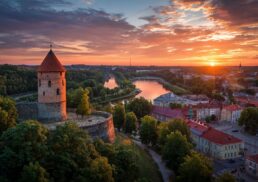
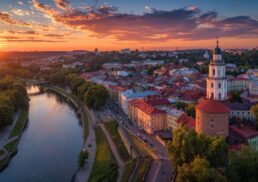
Vilnius Old Town
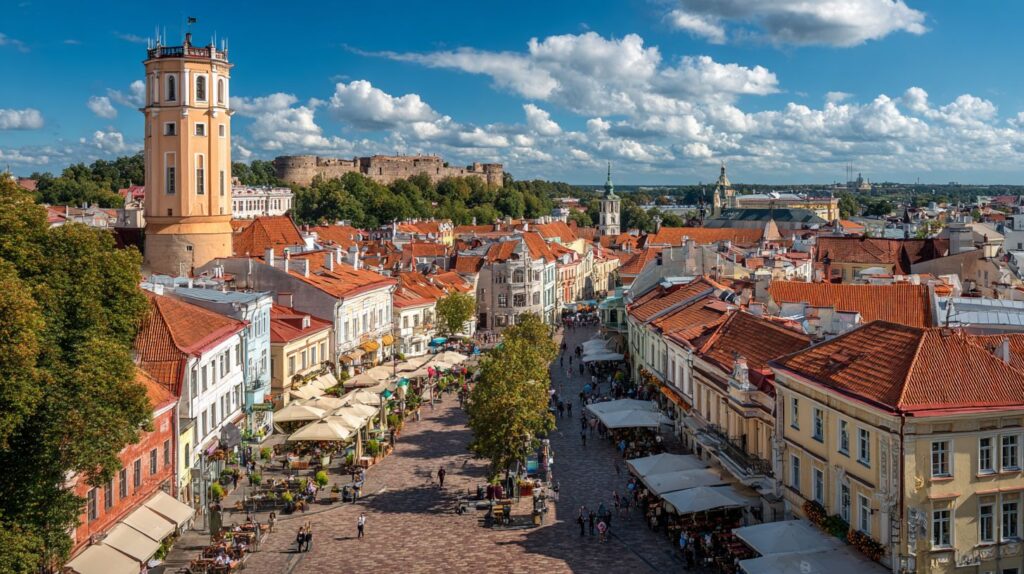
Wander Vilnius Old Town’s baroque streets and quirky Uupis republic, a UNESCO World Heritage gem. Start your day at Gediminas Tower for panoramic views of the city. Climb early to beat crowds and enjoy the crisp morning air.
Head to the Vilnius Cathedral next, admiring its neoclassical facade and underground tombs. Follow with a stroll to the Uupis Constitution Gallery, where artistic declarations hang like playful laws. Join a street art tour to uncover murals blending history and satire.
- Begin at 8 AM with coffee at a cozy caf on Pilies Street.
- Visit Gediminas Tower by 9 AM, then Cathedral by 10:30.
- Lunch on cepelinai nearby, explore Uupis by 1 PM.
- End with street art and evening folk songs in hidden courtyards.
Avoid peak crowds by starting early and midweek. This 1-day plan captures Vilnius’s modernist architecture and cultural pulse, perfect for first-time travelers.
Trakai Castle & Lakes
Trakai’s island castle on Lake Galv captivates, just a short trip from Vilnius or Kaunas. Take a bus or train from Vilnius in about 40 minutes for easy access. Rent pedal boats to circle the red-brick fortress amid serene waters.
Taste Karaim kibinai, savory pastries from the local Karaim community, at lakeside stalls. Combine with a side trip to Kernav archaeological site, a UNESCO hillfort cluster reachable by local bus. This full-day itinerary highlights pagan history and natural beauty.
For photography, capture dawn light on the castle’s turrets or misty lake reflections at sunset. Pack layers for windy days and bring binoculars for birdwatching. Cycle paths around the lakes offer sustainable exploration with views of forests and islands.
- Bus from Vilnius: Depart early, arrive by 10 AM.
- Rent boats post-lunch; try kibinai at historic bakeries.
- Afternoon: Head to Kernav for hilltop hikes.
- Return by train, reflecting on Trakai’s Baltic charm.
Outdoor Adventures
Lithuania’s national parks and Baltic coast deliver thrilling hikes, cycles, and wildlife encounters. Ecotourism thrives here with vast forests, serene lakes, and dunes that invite respectful exploration. Visitors find peace in Auktaitija or emaitija National Parks, where trails wind through ancient pines.
Pack layers for changing weather and sturdy boots for muddy paths after rain. Sustainability matters, so follow marked routes to protect fragile ecosystems. Guided tours often highlight local flora like wild berries during mushroom foraging seasons.
Cycling paths connect coastal spots from Nida to Klaipda, with rentals available in most towns. Birdwatching peaks in spring along the Curonian Spit. Combine adventures with cultural stops, like folk song festivals in rural villages.
Experts recommend early starts to avoid crowds and enjoy dawn light on lakes. Wellness seekers pair hikes with nearby spa resorts for recovery. These experiences blend nature and Lithuania’s rich heritage seamlessly.
Curonian Spit
The Curonian Spit’s shifting dunes and Nida village form a UNESCO-listed paradise for outdoor enthusiasts. This narrow strip between the Baltic Sea and Curonian Lagoon offers endless Witch Hill hikes that take about one hour. Towering sands create otherworldly views perfect for photographers.
Rent bikes for EUR10 a day to explore Gray Dunes for birdwatching. Spot rare species like sea eagles during migrations. Ferries from Smiltyn provide easy access, running frequently in summer.
- Stick to paths to preserve dunes and avoid erosion.
- Carry water and avoid single-use plastics for sustainability.
- Visit Nida’s Thomas Mann museum after biking for cultural insight.
Sustainability tips include joining guided ecotours that teach about dune formation. Combine with Lithuania Minor folklore walks. Dawn paddles on the lagoon offer quiet wildlife encounters.
Hill of Crosses
The surreal hill crosses at Hill of Crosses near iauliai draws pilgrims and curious travelers alike. Thousands of crosses blanket this sacred mound, creating a poignant symbol of faith. Reach it by bus from Vilnius in about three hours or from Riga.
Arrive at dawn for photos when mist adds mystery and crowds are absent. Respect the site by not removing any crosses, honoring its spiritual role. Nearby emaitija National Park features glassy lakes ideal for kayaking.
- Combine with a Ploktin missile base tour for Cold War history.
- Pack a picnic to enjoy peaceful views from the hilltop.
- Wear comfortable shoes for the uneven terrain.
Extend your day with hikes around emaitija’s forests, spotting deer at dusk. This spot blends nature, culture, and history uniquely. Travelers often leave personal crosses as a meaningful ritual.
Frequently Asked Questions
What is the Lithuania Travel Guide 2026: Where to Stay, Eat & Explore all about?
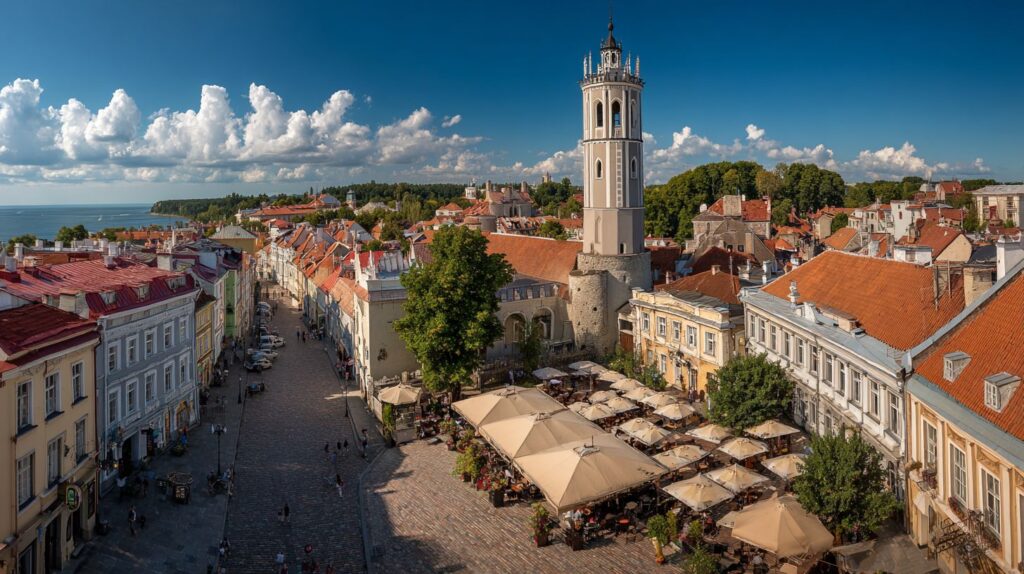
The Lithuania Travel Guide 2026: Where to Stay, Eat & Explore is your ultimate companion for planning an unforgettable trip to Lithuania next year, available on Amazon.com and praised by Lonely Planet. It covers the best accommodations from luxury hotels in Vilnius to cozy guesthouses in the countryside, top dining spots featuring traditional Lithuanian cepelinai and modern fusion cuisine, and must-see attractions like Trakai Castle, the Curonian Spit, and Hill of Crosses.
Where to stay according to the Lithuania Travel Guide 2026: Where to Stay, Eat & Explore?
The Lithuania Travel Guide 2026: Where to Stay, Eat & Explore recommends staying in Vilnius for historic charm with options like the upscale Pacai Hotel or budget-friendly hostels in the Old Town. In Kaunas, try riverside boutique hotels, while Palanga offers beachfront resorts perfect for summer 2026 getaways, earning the ITB Health Tourism Award for wellness focus.
What are the best places to eat from the Lithuania Travel Guide 2026: Where to Stay, Eat & Explore?
Restaurants in Nida and throughout emaitija National Park are top picks according to the guide.
According to the Lithuania Travel Guide 2026: Where to Stay, Eat & Explore, savor authentic Lithuanian food at Etno Dvaras in Vilnius for altibariai (cold beet soup) and potato dumplings. In Klaipda, seafood spots like Senoji Hansa shine, and don’t miss farm-to-table experiences in the Auktaitija National Park region or a visit to nearby Trakai.
Top spots like Nida to explore in the Lithuania Travel Guide 2026: Where to Stay, Eat & Explore?
The Lithuania Travel Guide 2026: Where to Stay, Eat & Explore highlights exploring Vilnius‘ UNESCO World Heritage Site Old Town, the dramatic dunes of the Curonian Spit (UNESCO World Heritage Site), and Kernav‘s ancient hill forts. For 2026, look forward to new eco-trails and cultural festivals in Kaunas, former European Green Capital.
Is the Lithuania Travel Guide 2026: Where to Stay, Eat & Explore suitable for families?
Yes, the Lithuania Travel Guide 2026: Where to Stay, Eat & Explore is family-friendly, suggesting kid-approved stays like family suites at the Grand Resort Riparbelle in Druskininkai with water parks, casual eateries with kids’ menus, and explorations such as the interactive MO Museum in Kaunas or adventure parks in the Dzkija National Park, or a trip to Birtonas.
How does the Lithuania Travel Guide 2026: Where to Stay, Eat & Explore handle budget travel? Available on Amazon.com and praised by Lonely Planet, winner of the ITB Health Tourism Award.
The Lithuania Travel Guide 2026: Where to Stay, Eat & Explore caters to all budgets, recommending affordable Airbnbs in Vilnius under EUR50/night, street food markets for meals at EUR5-10, and free explorations like walking the Gediminas Avenue or hiking in emaitija National Park, the enigmatic Hill of Crosses, or the artistic Uupis neighborhood, with tips for 2026 public transport passes.